


If you just finished hiking Bugaksan Mountain or walking along the Seoul City Wall, you must be thirsty and hungry. There’s one legendary place in Buam-dong where Seoul locals line up for the crispiest fried chicken and cold beer. Welcome to Gyeyeolsa, an artisan chicken shop that has perfected the art of Korean fried chicken for over four decades without becoming a franchise.
Top 3 Fried Chicken in Seoul: Why Locals Love "Gyeyeolsa" in Buam-dong
5
Top 3 Fried Chicken in Seoul: Why Locals Love "Gyeyeolsa" in Buam-dong
5
Jongno-gu, Seoul, Republic of Korea 7 Baekseokdong-gil
Editor: James Lee


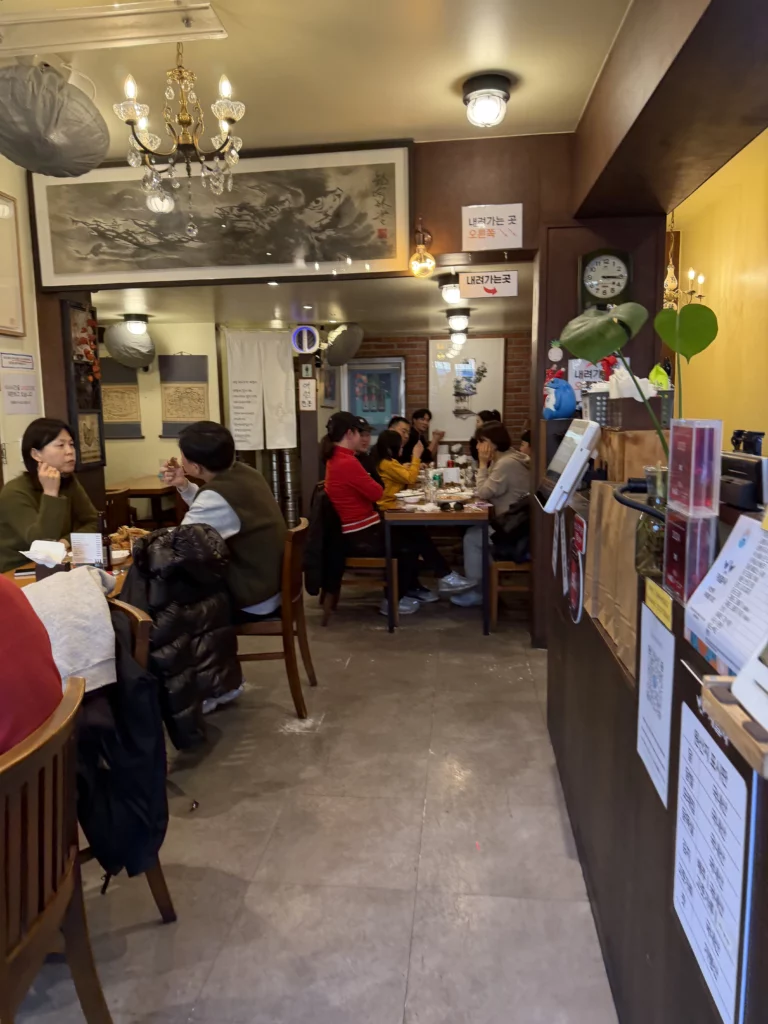
Interior02
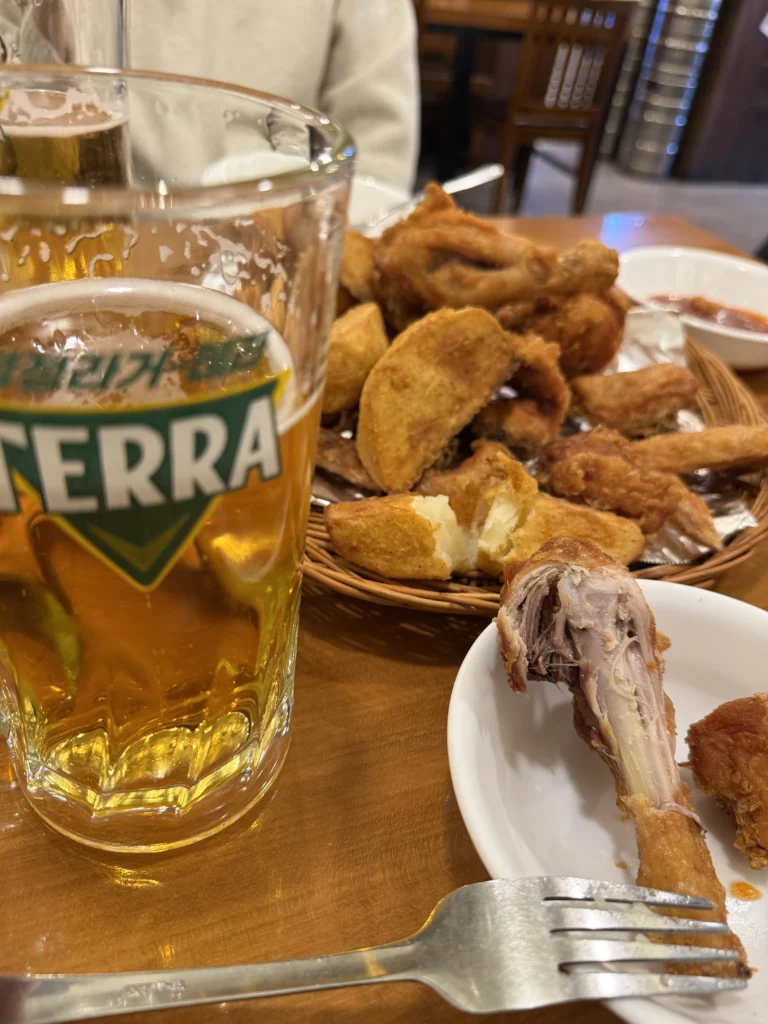
Food02

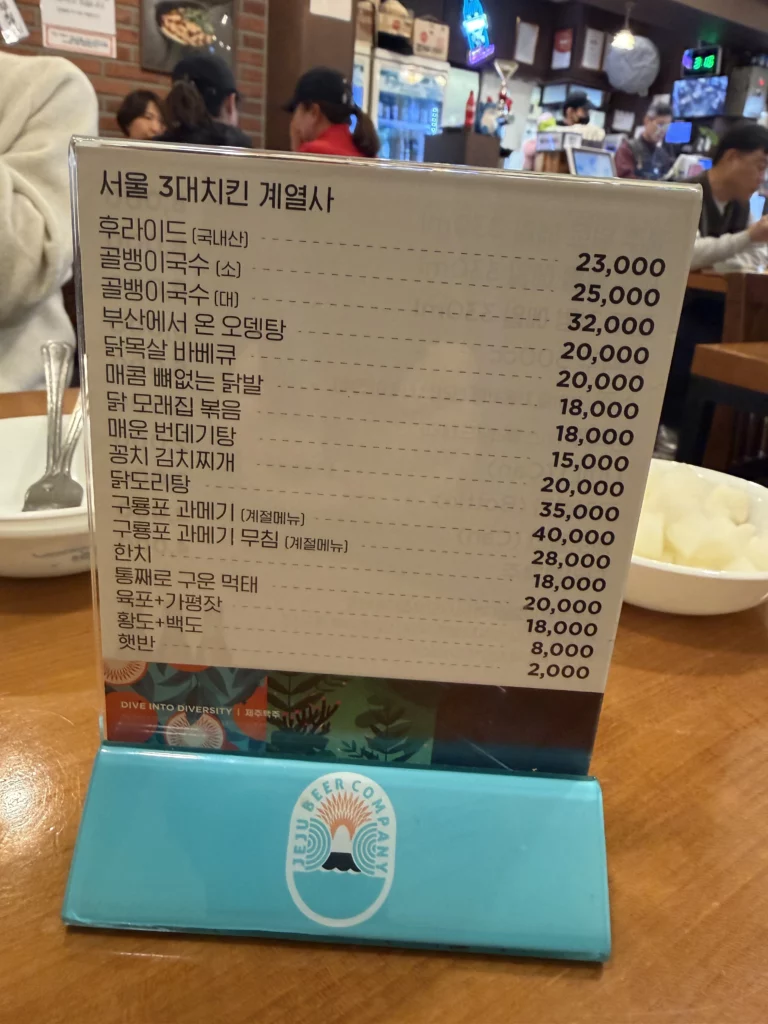
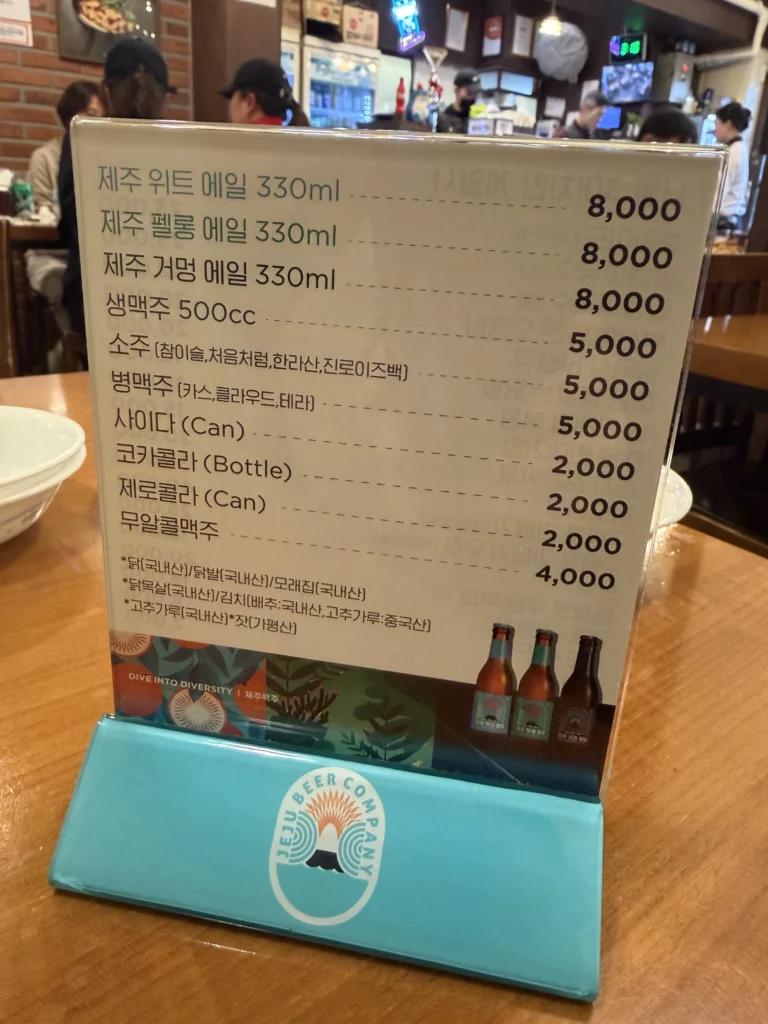
Menu02
Overview
+82 02-391-3566
WiFi Provided
Indoor Seating Only
Electronic Payment, Credit Card accepted: American Express, Master Card, Visa
Introduction
Operating hours
Tue, Thu, Fri, Sat, SunAM 12:00 - PM 10:30
WedAM 12:00 - PM 10:00
Menu
Editor's Detail
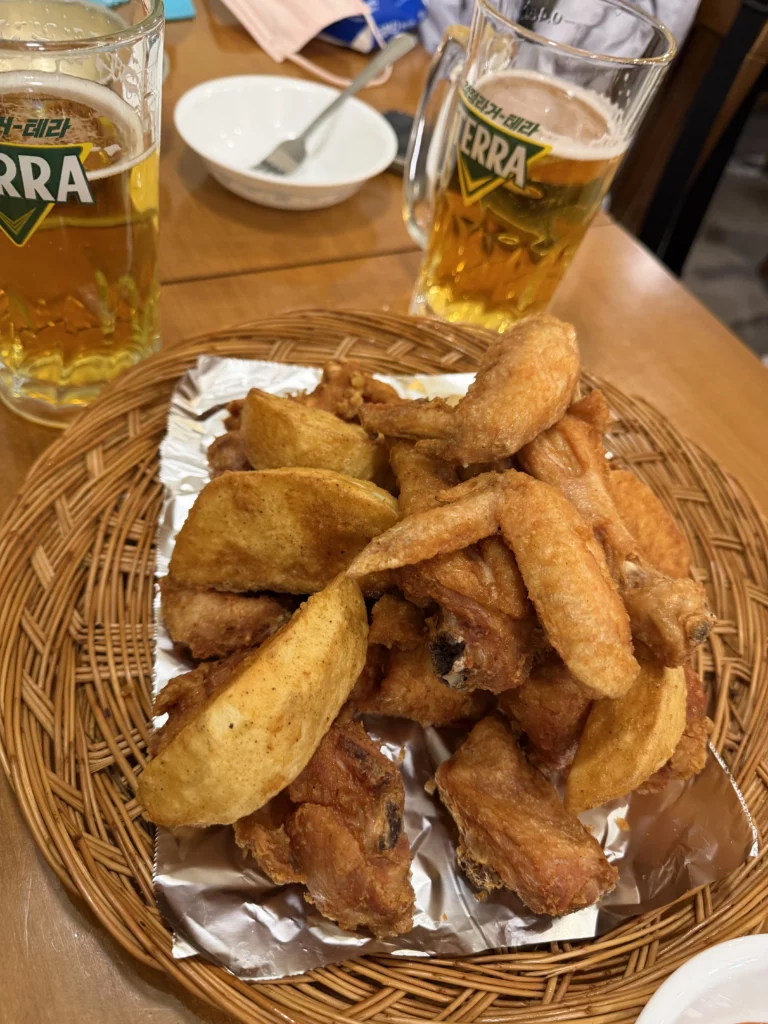
Golden-brown chicken pieces glisten under warm lighting, their paper-thin batter shattering at the slightest touch. Thick-cut potato wedges, crispy on the outside and fluffy within, disappear before you can grab your second beer. The sound of sizzling fills a bustling basement restaurant where office workers, hiking enthusiasts, and celebrities gather for what many consider Seoul’s finest Korean fried chicken. This is Gyeyeolsa in Buam-dong, and it’s not your typical franchise chicken joint.
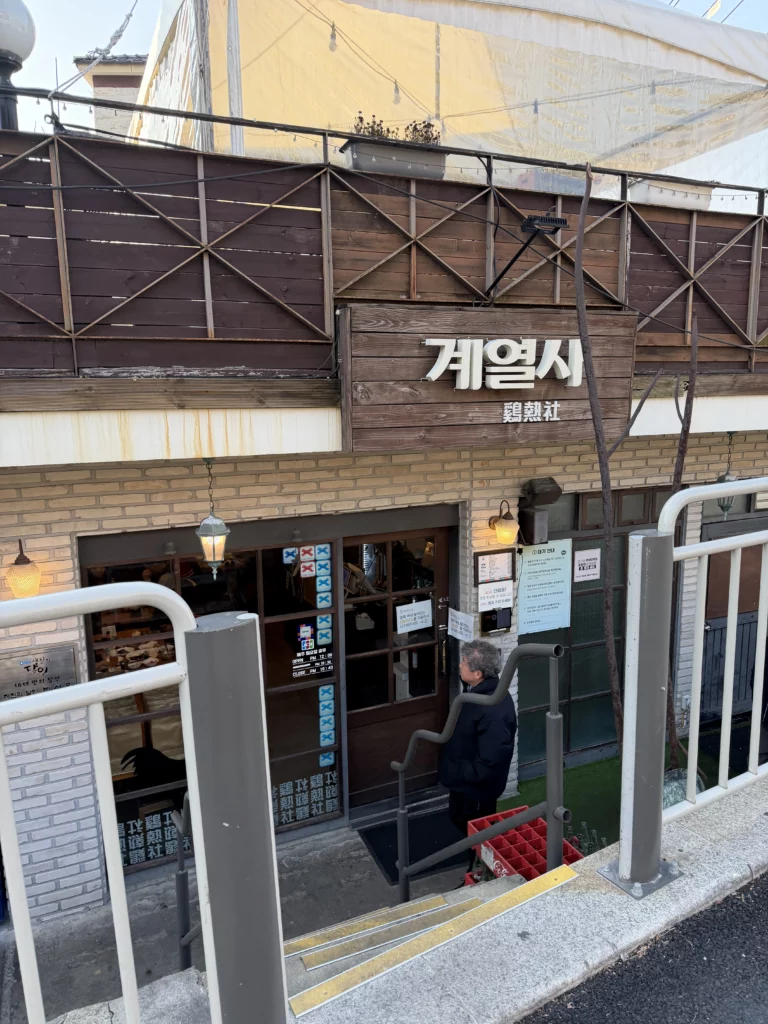
Unlike the BBQ and Kyochon chains found on every Seoul street corner, Gyeyeolsa represents something increasingly rare in modern Korea: an independent, artisan-run establishment where the owner has spent decades perfecting a single dish. Located in the serene Buam-dong neighborhood at the foot of Bugaksan Mountain, this legendary chicken restaurant has earned its place among Seoul’s top three fried chicken destinations through unwavering commitment to quality, traditional frying techniques, and those irresistible golden potato wedges that have locals fighting over the last piece.
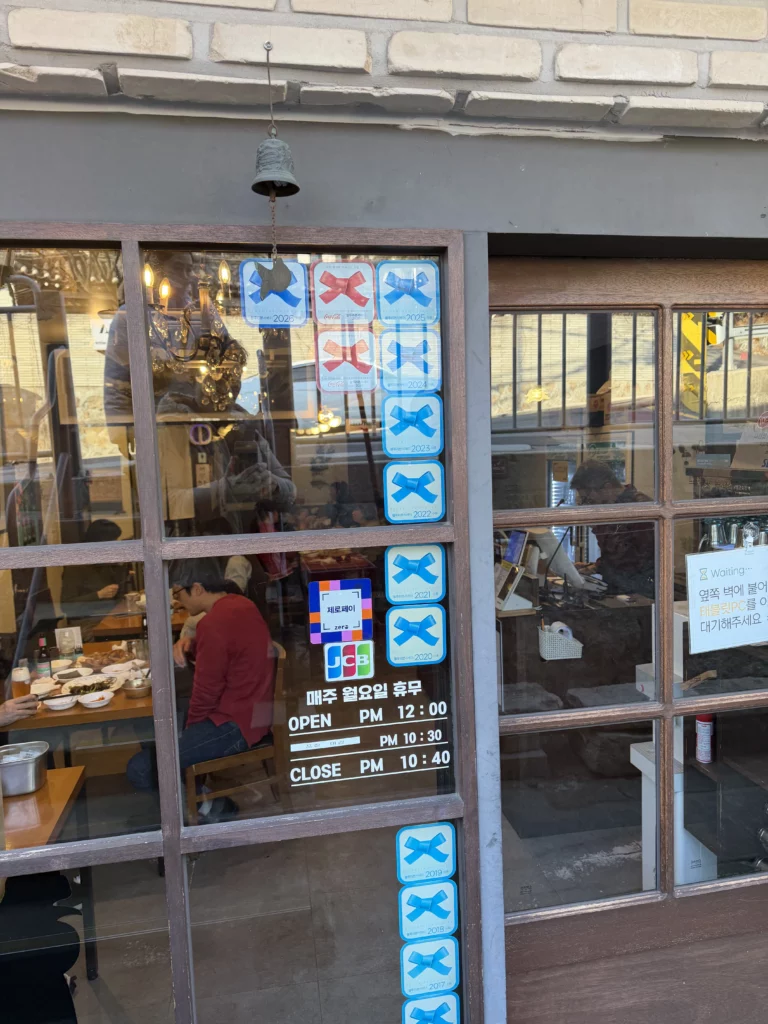
Table of Contents
Why Gyeyeolsa Stands Out Among Seoul’s Fried Chicken Restaurants
Seoul hosts over 36,000 fried chicken restaurants, yet Gyeyeolsa consistently ranks in the top three alongside Sinchon’s Oneul Tongdak and Banpo Chicken. The restaurant’s owner, Park Sun-ok, has dedicated her life since her 30s to mastering a single style of fried chicken, earning recognition on SBS’s "Life’s Master" program as one of Korea’s ten culinary masters.
What sets Gyeyeolsa apart isn’t flashy marketing or expansion ambitions. The restaurant originally operated under the name "Cheers" before rebranding to Gyeyeolsa (鷄熱社), which roughly translates to "Chicken Enthusiasm Society." This name reflects the passionate dedication that defines every aspect of the operation, from sourcing ingredients to the precise frying temperature maintained throughout service.
The restaurant has appeared on numerous Korean food programs including "Wednesday Food Talk" and "How Do You Play?" with celebrity Yoo Jae-suk, yet maintains its modest, underground location and refuses to franchise. This commitment to quality over expansion has created a cult following among those who appreciate authentic Korean fried chicken prepared the traditional way that honors Korean culinary heritage.
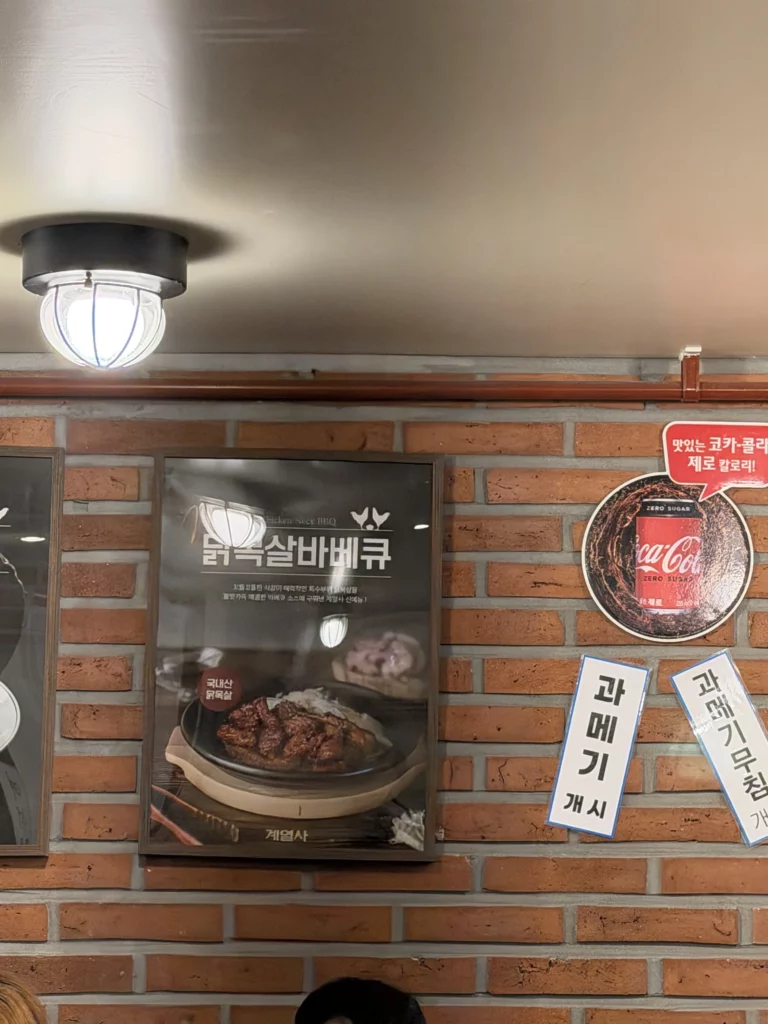
The Perfect Post-Hike Reward: Location and Atmosphere
Gyeyeolsa sits strategically at 7 Baekseok-dong-gil in Jongno-gu’s Buam-dong neighborhood, positioned along the route leading up to Bugaksan Mountain and the Seoul City Wall. For hikers completing the challenging Bugaksan trail or the scenic Inwangsan Fortress Wall path, this location provides the perfect reward after hours of climbing.
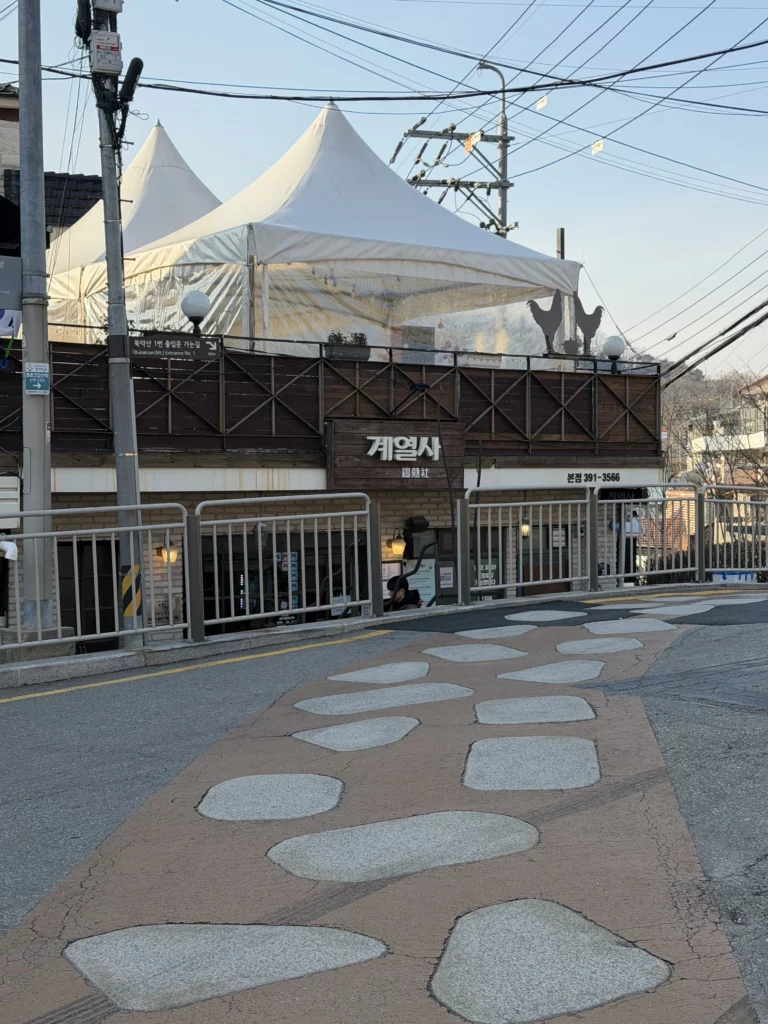
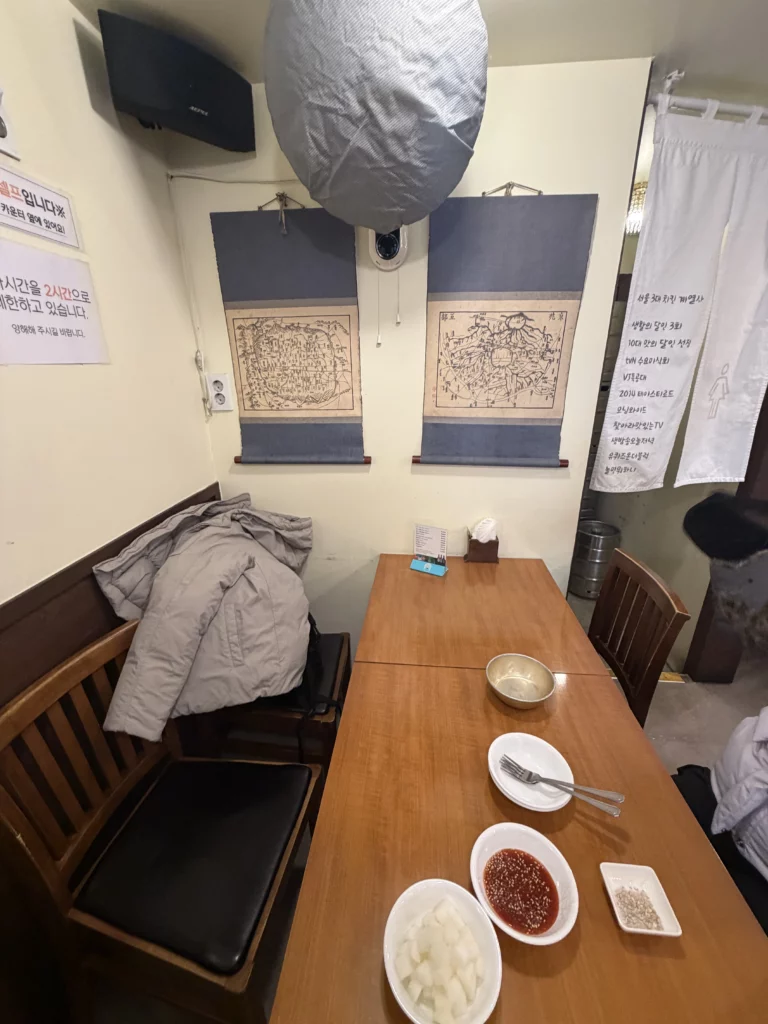
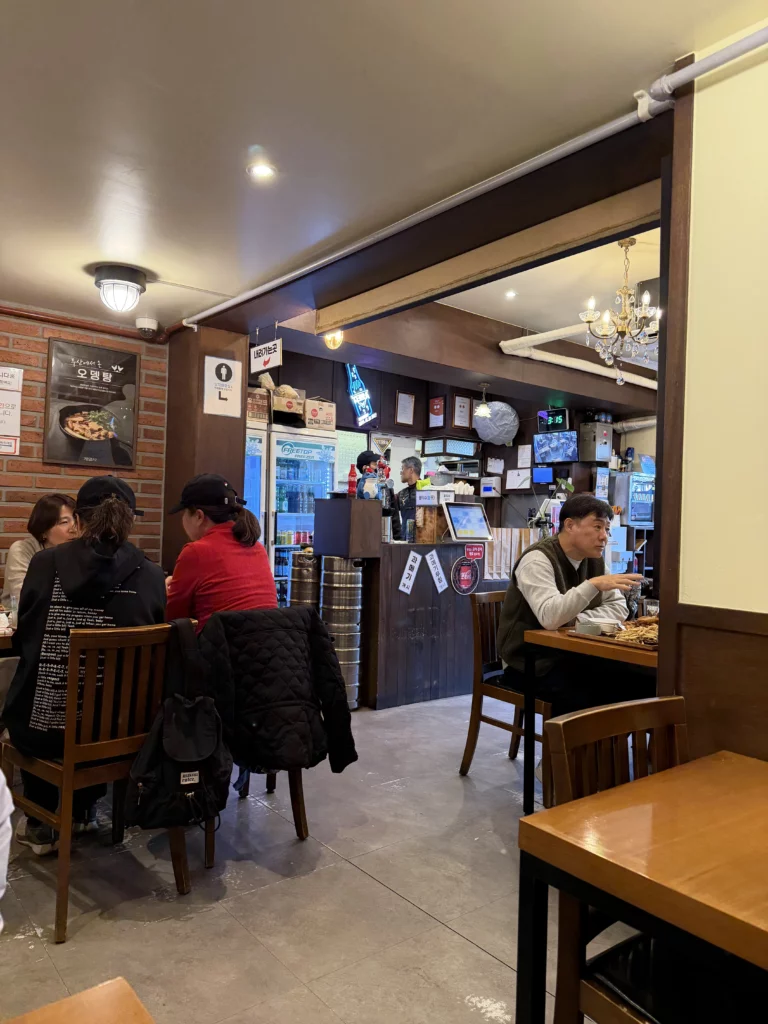
The restaurant occupies a basement space that might seem unremarkable from street level, but descending the stairs reveals a bustling dining room where the energy mirrors Seoul’s vibrant food culture. Simple wooden tables and minimal decoration keep the focus on what matters—the food and the company you share it with. The no-frills atmosphere actually enhances the experience, similar to the authentic vibe you’ll find at traditional Korean restaurants like Yeokjeon Halmae Maekju where the quality of food trumps fancy interiors.
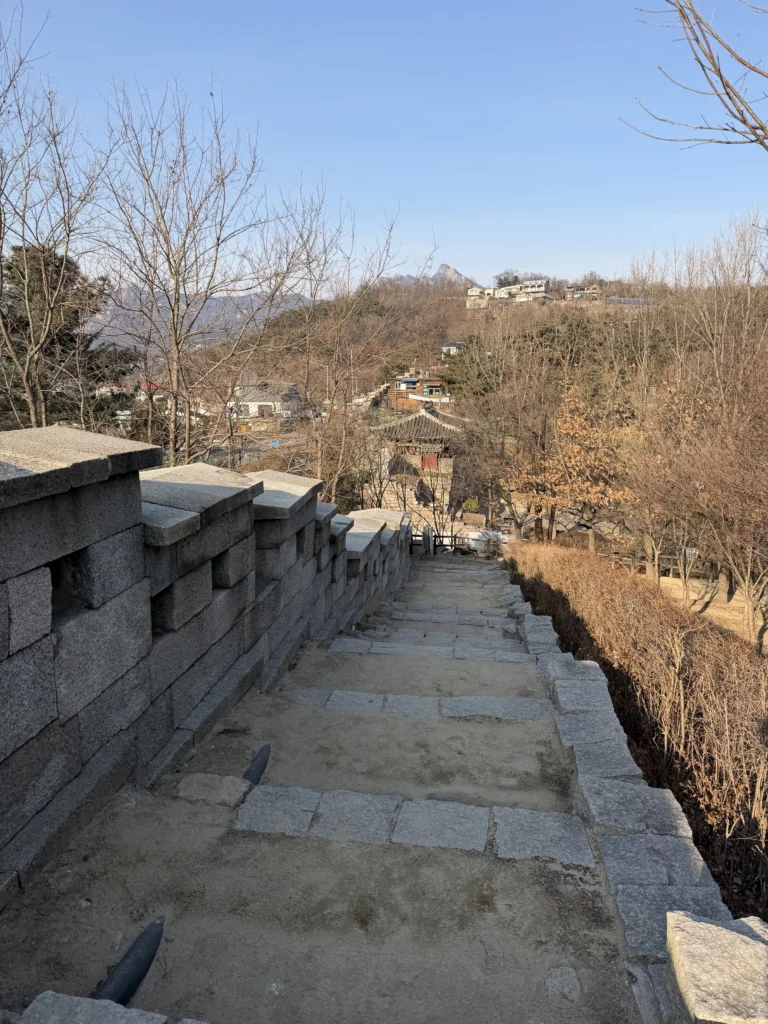
Weekend afternoons see steady streams of hikers still wearing their outdoor gear, mixing with local office workers and families celebrating special occasions. The wait times during peak hours (typically Friday and Saturday evenings) can extend to 30-60 minutes, but the turnover remains relatively quick as most groups order, eat, and depart within 60-90 minutes.
What Makes Gyeyeolsa’s Korean Fried Chicken Uniquely Crispy
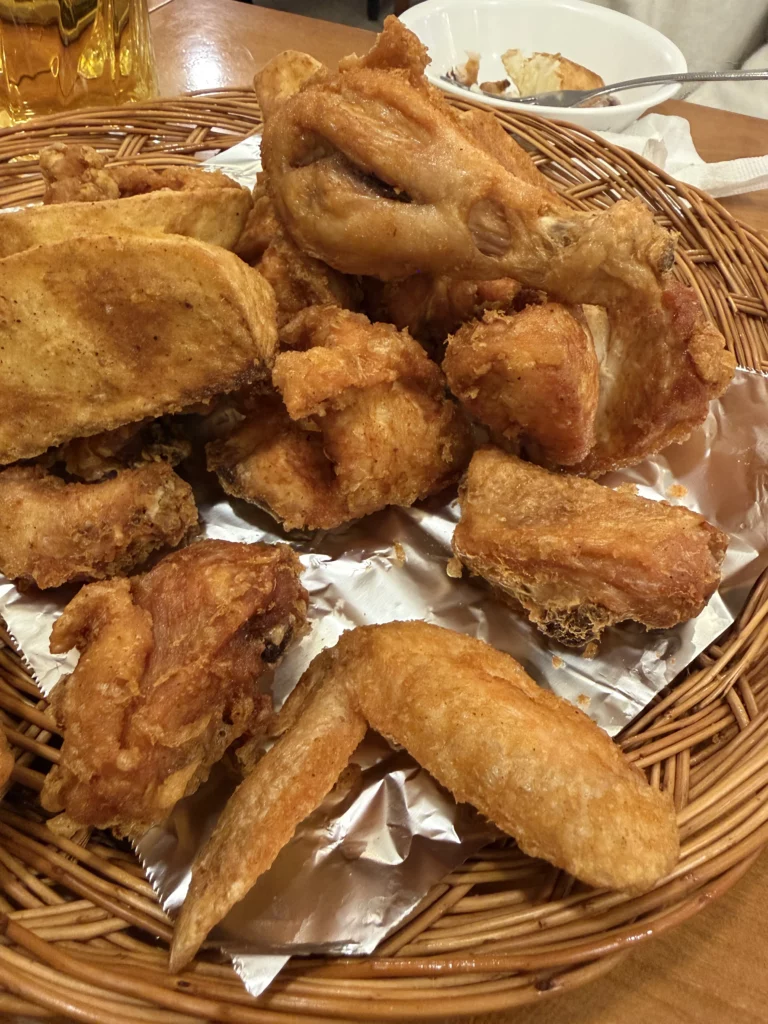
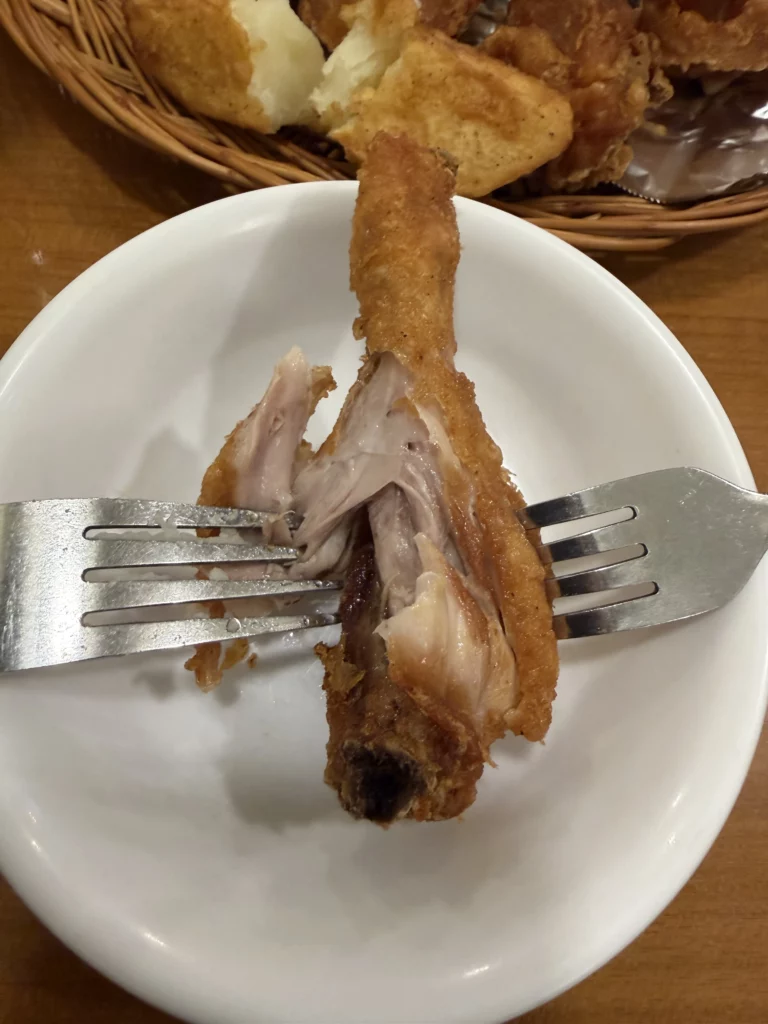
The secret to Gyeyeolsa’s legendary crispiness lies in its batter composition and double-frying technique. Unlike Western fried chicken that relies on thick flour coatings, Korean fried chicken achieves its signature shatter-crisp texture through a completely different approach. According to multiple reviews and food experts who have analyzed the dish, Gyeyeolsa uses a mixture of glutinous rice flour and soybean powder that creates an incredibly thin, delicate coating.
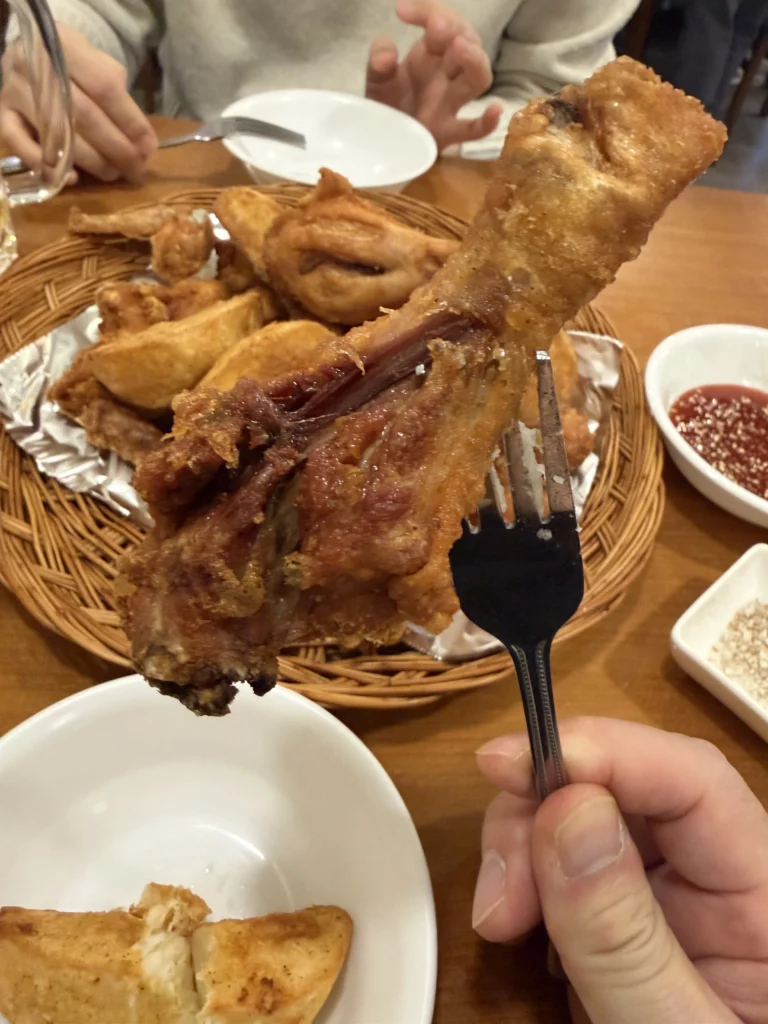
This coating technique has roots in traditional Korean cooking methods that emphasize ingredient quality over heavy breading. The thin batter allows the natural chicken flavor to shine through while providing maximum crunch. The double-frying method common in Korean fried chicken preparation involves frying the chicken at a lower temperature first to cook it through, then frying again at higher heat to achieve that glass-like exterior crack.
Fresh, never-frozen domestic Korean chicken ensures optimal texture. The restaurant’s commitment to using quality ingredients means higher costs, but the result speaks for itself—meat that remains juicy despite the intense frying process, with no hint of greasiness that often plagues lesser establishments.
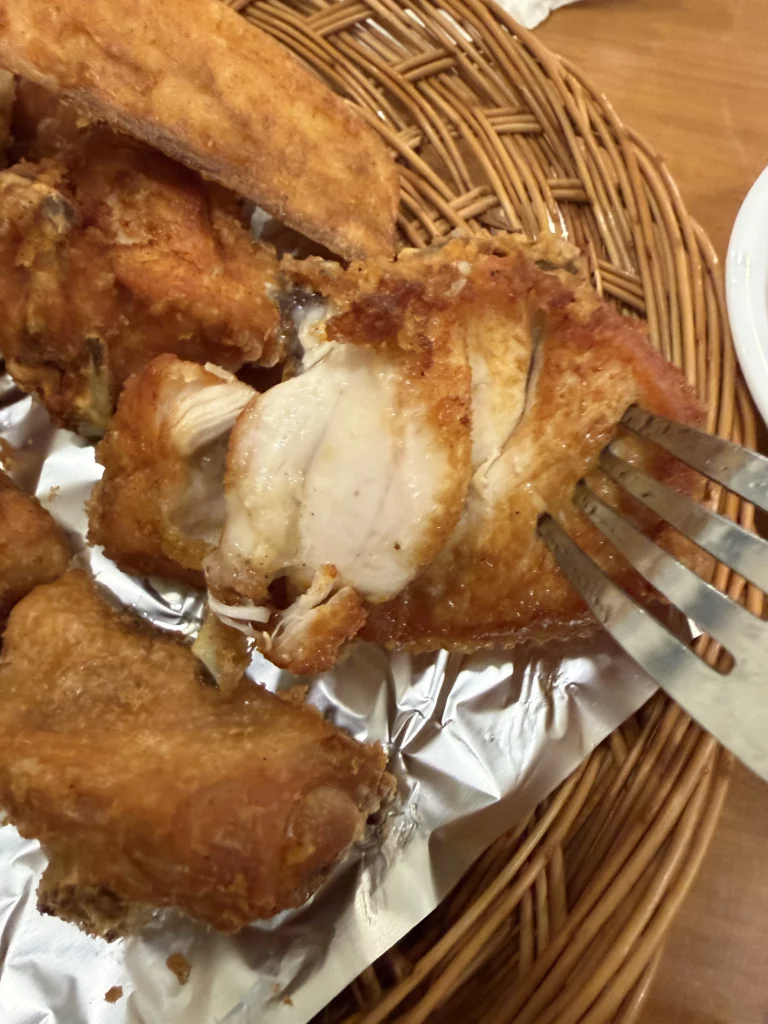
The cooking process itself reflects decades of refinement. Temperature consistency matters enormously in Korean fried chicken preparation, and Gyeyeolsa maintains precise oil temperatures throughout service. The restaurant uses clean oil regularly, preventing the burnt, bitter taste that develops when oil degrades through extended use.
The Famous Golden Potato Wedges Everyone Talks About
While the chicken rightfully claims the spotlight, Gyeyeolsa’s potato wedges have developed their own devoted following. These aren’t ordinary french fries or even typical potato wedges—they’re massive, hand-cut chunks of potato fried in the same batter mixture as the chicken, creating a hybrid between Korean fried chicken and perfectly executed potato preparation.
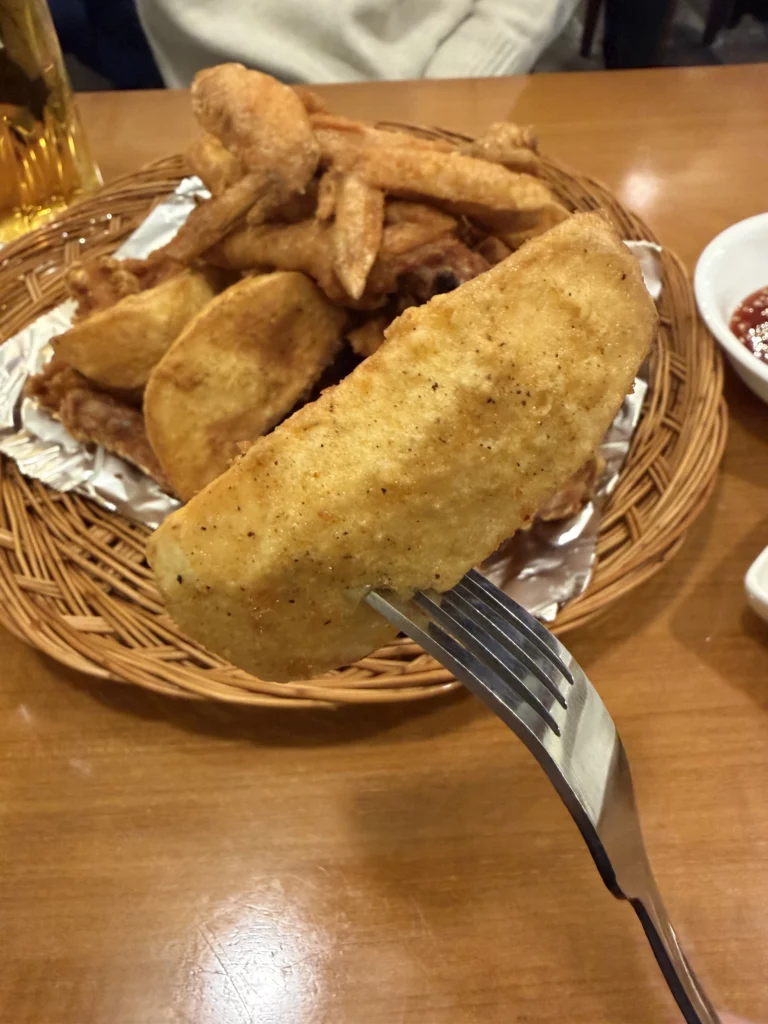
Each potato wedge measures several inches in length, cut thick enough to maintain a fluffy, almost mashed-potato-like interior while the exterior achieves the same crispy coating as the chicken. The contrast between the pillowy potato center and the crackling shell creates an addictive textural experience that has guests ordering extra portions mid-meal.
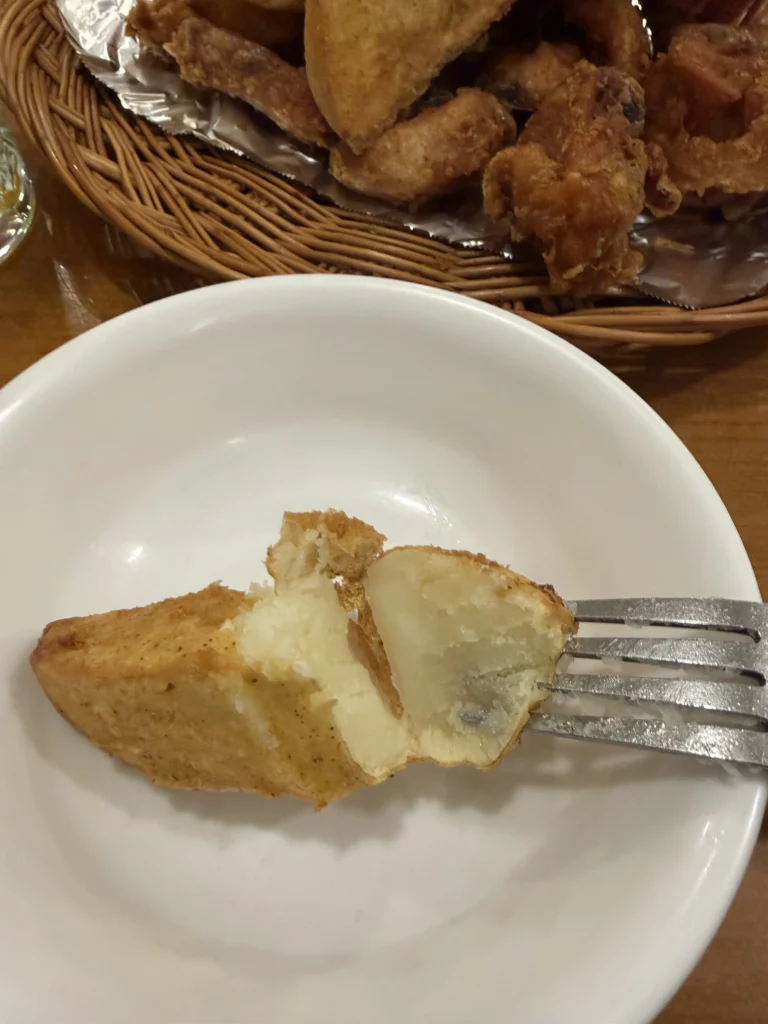
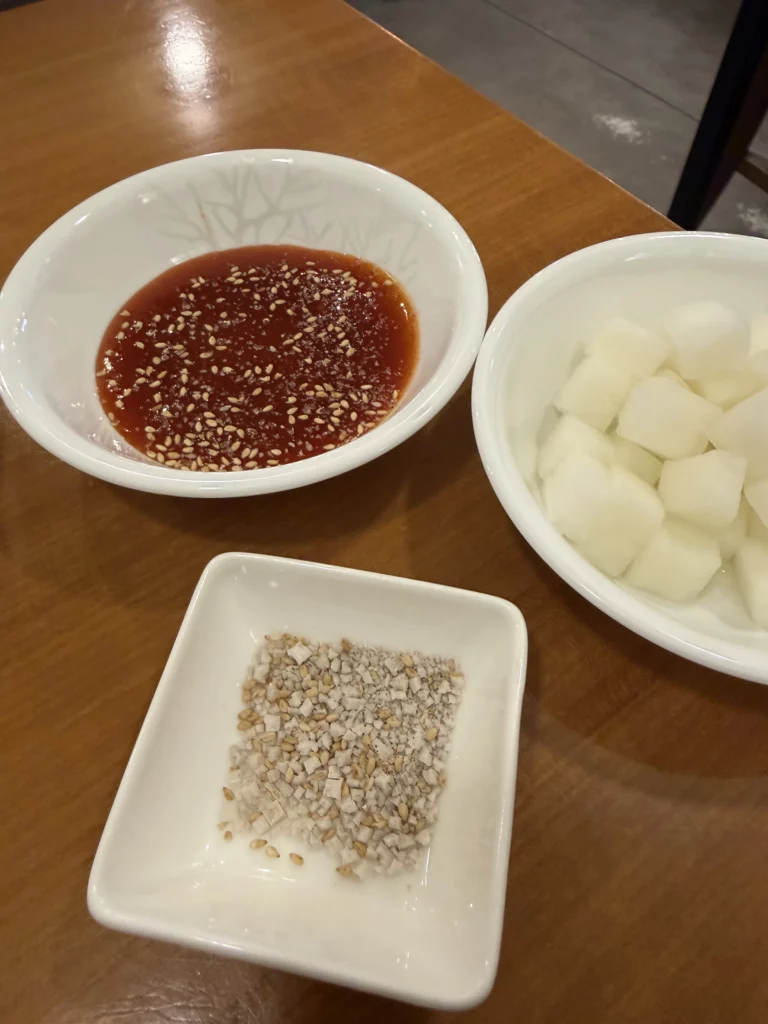
The potatoes undergo the same double-frying process as the chicken, ensuring they cook through completely while developing that signature crunch. Seasoned simply with salt, they pair beautifully with the restaurant’s house-made sauces—a sweet-savory soy-based option and a spicier variant that adds heat without overwhelming.
Many first-time visitors report surprise at how the potato wedges rival the chicken for attention. Korean food bloggers frequently mention "fighting over the potatoes" in their reviews, and it’s not uncommon to see tables ordering additional portions specifically for these golden beauties. The generous portion size means you’ll receive substantial amounts with your chicken order, but the potatoes disappear quickly when shared among a group.
What Makes This Dish Uniquely Korean?
Korean fried chicken occupies a unique space in global food culture, distinctly different from its American, Japanese, or Chinese counterparts despite sharing the basic concept of fried poultry. The dish’s development tells the story of culinary adaptation and innovation that characterizes much of modern Korean cuisine.
While fried chicken consumption in Korea traces back to American military presence during the Korean War in the 1950s, what emerged decades later represented a completely Korean interpretation. The double-frying technique, ultra-thin batter, and emphasis on crispiness over seasoned coating create something wholly different from Southern American fried chicken or Japanese karaage.
Korean fried chicken also reflects the country’s distinctive drinking culture. The concept of chimaek (chicken + maekju/beer) became culturally significant during the 2002 Korea-Japan World Cup, when Koreans gathered to watch matches while consuming fried chicken and beer. This pairing became so ingrained that it now represents a fundamental category within Korean dining—not quite bar food, not quite restaurant fare, but something in between that serves social bonding purposes.
Gyeyeolsa’s approach honors this tradition while maintaining pre-franchise standards. Unlike modern chains that prioritize consistency through standardization, Gyeyeolsa represents the artisan era when individual chicken masters developed their own techniques and built reputations through word-of-mouth rather than marketing campaigns. This places it in the same category as other legendary Seoul restaurants like Tosokchon Samgyetang that have maintained quality for decades through dedication to craft.
What Are the Key Ingredients That Create This Flavor?
Domestic Korean Chicken
Gyeyeolsa sources whole domestic chickens rather than frozen imports, prioritizing younger birds that yield more tender meat. Korean chicken tends to be smaller than American broilers, resulting in better meat-to-bone ratio and more delicate flavor. The chickens receive minimal processing, allowing their natural taste to shine through the light batter.
Flavor Profile: Clean, mild poultry taste with natural sweetness from proper breeding and feed
Nutritional Highlight: High-quality protein with less fat than heavily processed chicken
Sourcing: Available at Korean specialty markets or substitute with organic, free-range chicken from quality suppliers
Glutinous Rice Flour and Soybean Powder Batter
The coating mixture that creates Gyeyeolsa’s signature crunch combines glutinous rice flour (also called sweet rice flour) with roasted soybean powder. This combination produces a thinner, more delicate coating than wheat flour while providing superior crispiness that lasts longer after frying.
Flavor Profile: Subtle nutty undertones from soy, slight sweetness from rice flour, neutral base that doesn’t overpower
Nutritional Highlight: Gluten-free alternative to wheat-based batters with added protein from soybeans
Sourcing: Find glutinous rice flour at Asian grocery stores; substitute with potato starch or cornstarch in emergencies, though texture will differ
Fresh Korean Potatoes
The restaurant’s famous wedges start with high-quality Korean potatoes selected for their starch content and moisture balance. These potatoes, typically varieties like Sumi or Danjami popular in Korea, achieve the perfect combination of fluffy interior and crispy exterior when double-fried.
Flavor Profile: Earthy, slightly sweet potato taste that intensifies through frying
Nutritional Highlight: Excellent source of potassium, vitamin C, and complex carbohydrates
Sourcing: Russet or Yukon Gold potatoes work well as substitutes, offering similar starch content for proper frying results
How Would You Describe the Taste and Spice Level?
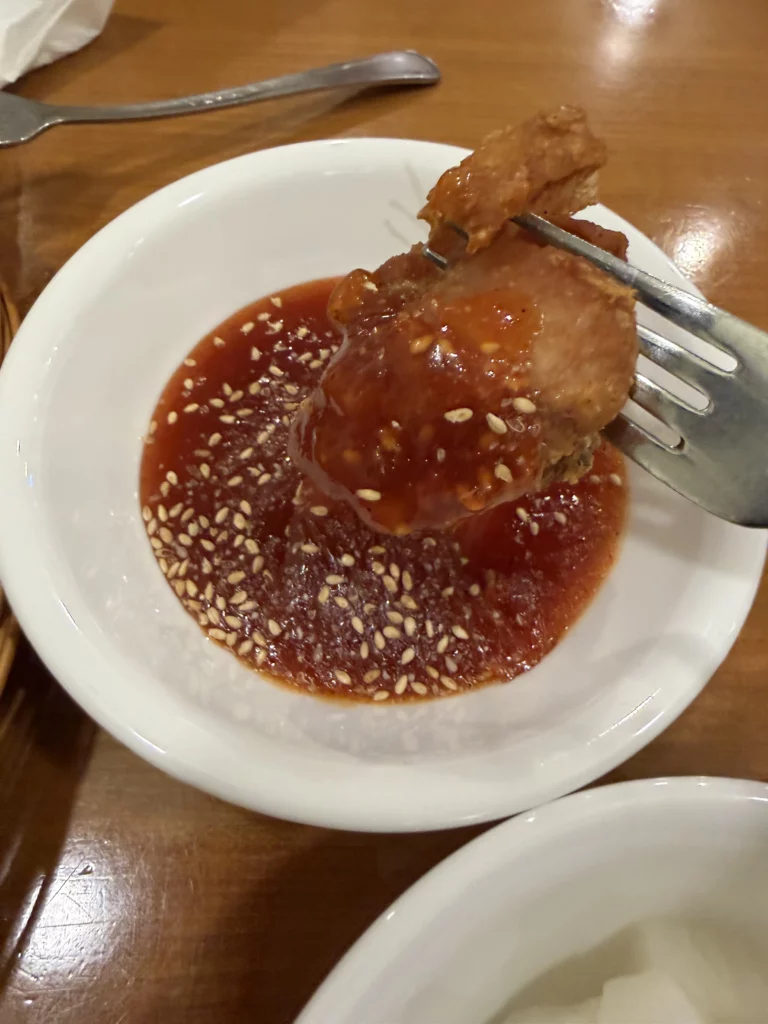
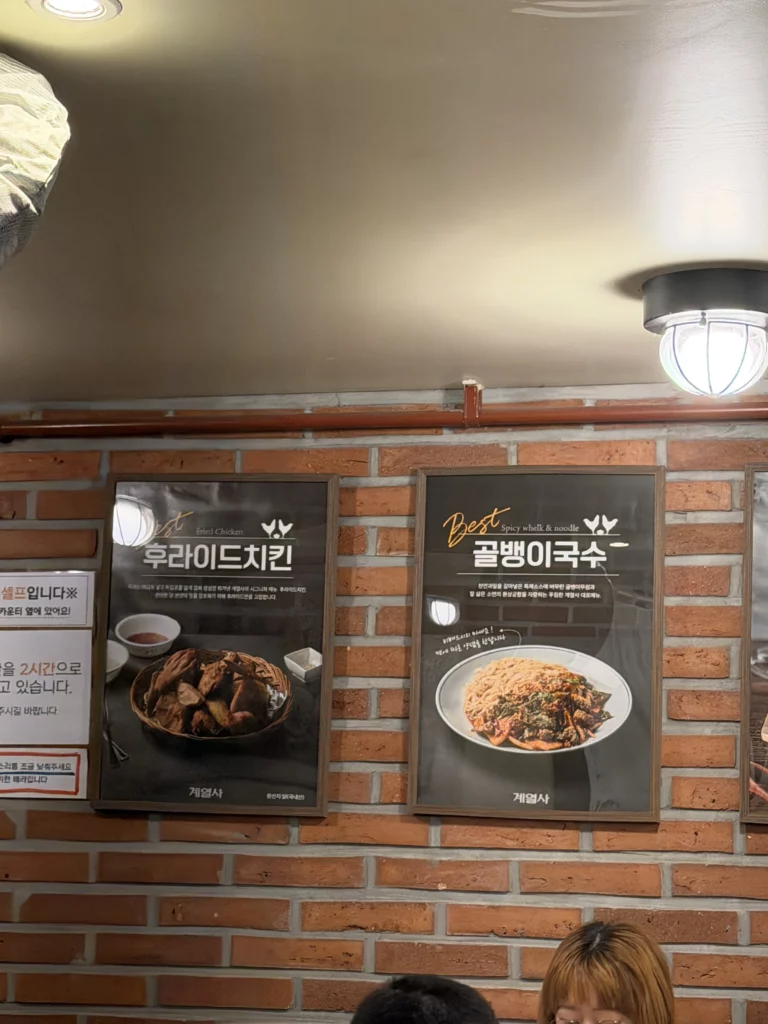
Gyeyeolsa specializes in huraideu chicken (후라이드치킨)—plain fried chicken without post-frying seasoning—which allows you to appreciate the preparation’s technical excellence without sauce masking the flavor. This style emphasizes the chicken’s natural taste, the batter’s crunch, and the quality of the frying oil.
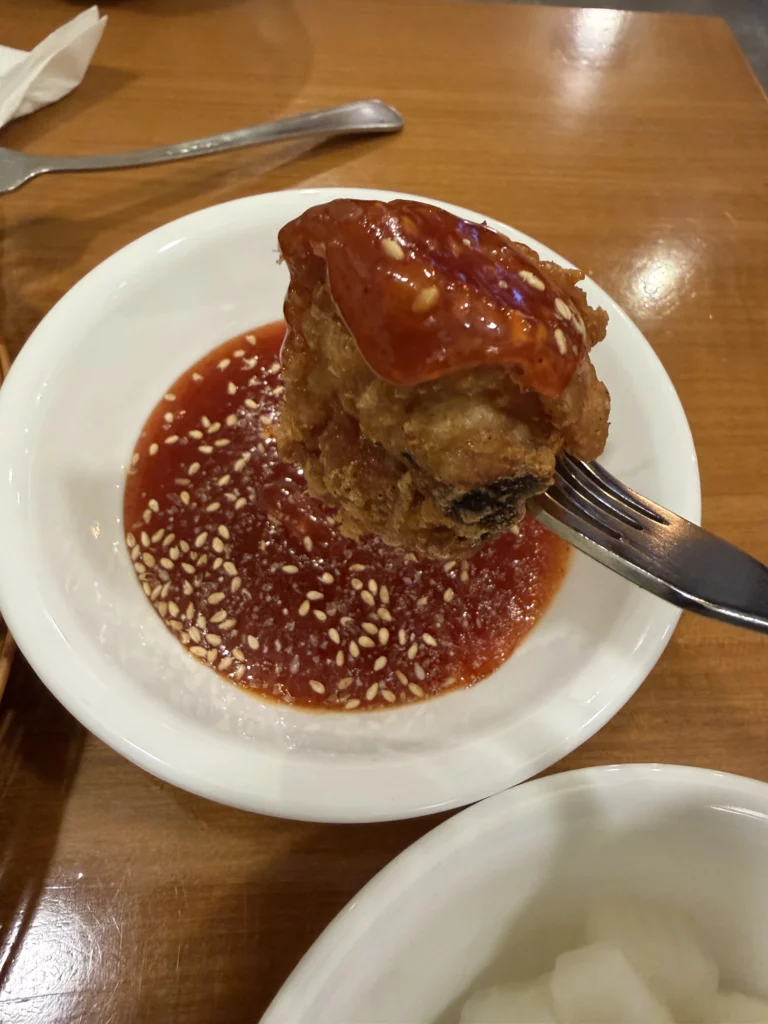
Spice Level: 0/10 for the plain fried chicken—no heat whatsoever. The restaurant does offer yangnyeom (seasoned) chicken with moderate spice, rating around 3-4/10 for those who want some kick. Optional side sauces include a spicy version that adds heat without overwhelming.
Primary Flavor Notes:
- Savory: Natural chicken umami amplified through perfect frying
- Subtle sweetness: From the rice flour batter and quality chicken
- Nutty undertones: Contributed by the soybean powder in the coating
- Clean finish: No greasy aftertaste despite being fried
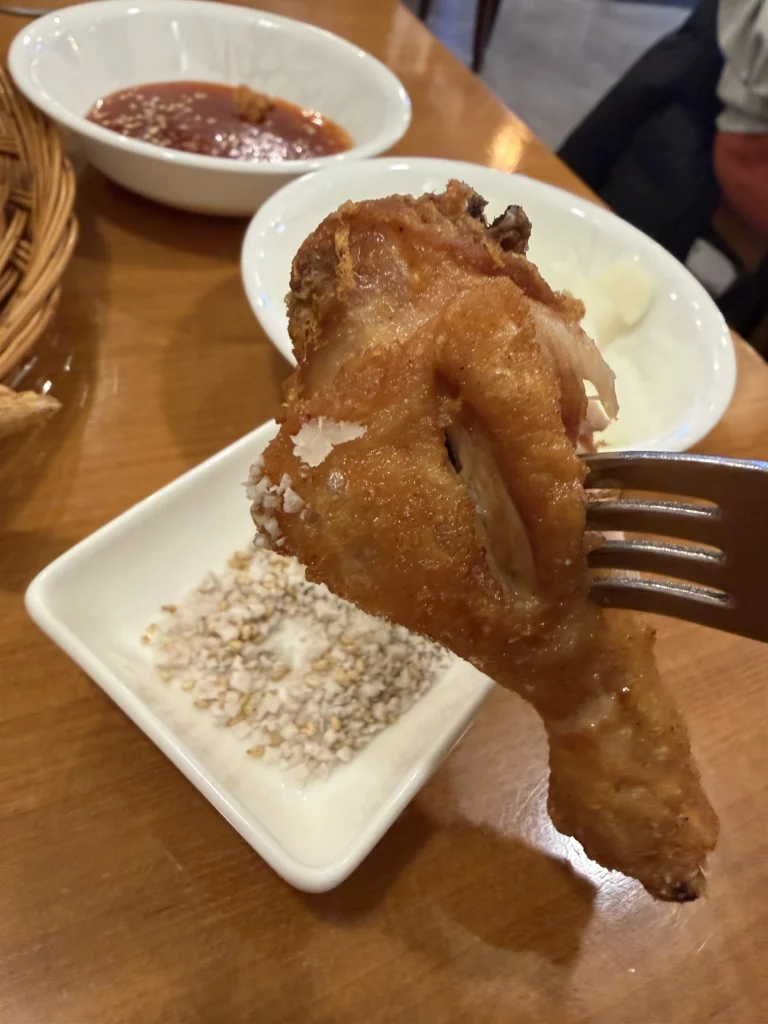
Texture Description: The chicken arrives piping hot with an audibly crunchy exterior that shatters into thin, glass-like shards. The meat beneath remains remarkably juicy—breast pieces stay moist while dark meat practically falls off the bone. The potato wedges offer extreme textural contrast with their crispy shells giving way to almost mashed-potato-soft interiors.
Temperature: Served immediately after frying at optimal eating temperature—hot enough to steam but not so scorching that you’ll burn your mouth.
Visiting Gyeyeolsa: Practical Information
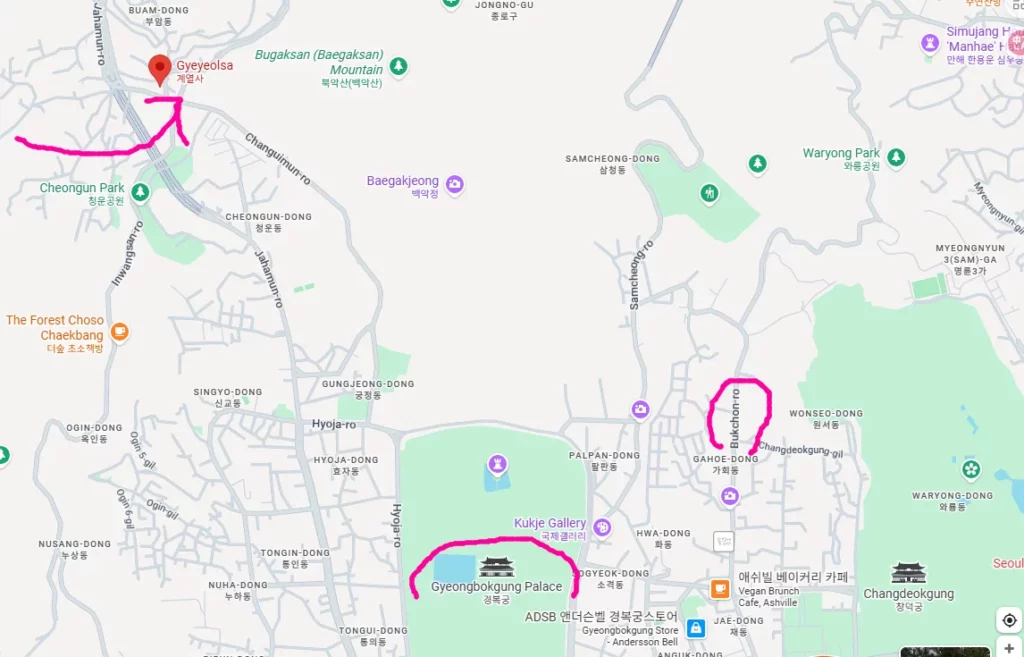
Address: 7 Baekseok-dong-gil, Jongno-gu, Seoul (서울 종로구 백석동길 7)
Phone: 02-391-3566
Hours: 12:00 PM – 10:30 PM, Closed Mondays
Price Range: ₩22,000 for fried chicken (serves 2-3 people), ₩12,000 for golbaengi noodles
Getting There:
- Take Seoul Metro Line 3 to Gyeongbokgung Station
- Exit and take bus 7022 or 1020 to Buam-dong Community Center stop
- Walk approximately 2 minutes uphill toward Bugaksan entrance
- The restaurant is on your right in a basement location
Best Times to Visit:
- Weekday lunch (12:00-1:00 PM): Moderate wait, fresh ingredients
- Mid-afternoon (2:00-5:00 PM): Minimal wait, relaxed atmosphere
- Avoid: Friday/Saturday evenings (30-60 minute waits), Monday (closed)
Ordering Tips:
- Start with one fried chicken and one golbaengi noodles for 2-3 people
- Order drinks immediately—they arrive quickly
- Add extra potato orders if your group particularly enjoys them
- Request English menu if needed (available but not automatically provided)
Payment: Credit cards accepted, but cash provides faster checkout during busy periods
Nearby Attractions:
- Bugaksan Mountain hiking trail (30 minutes to summit)
- Seoul City Wall walking path
- Buam-dong Café Street (numerous coffee shops nearby)
- Seokpajeong (historic Korean house with beautiful gardens)
How Gyeyeolsa Fits Into Korean Chimaek Culture
The term "chimaek" (치맥) combines "chi" from chicken and "maek" from maekju (맥주, beer), but it represents more than just a food and drink pairing—it’s a social institution in modern Korean life. Understanding chimaek culture helps explain why Gyeyeolsa has become such a beloved destination.
Koreans rarely drink without eating, and the concept of anju (안주)—food specifically consumed with alcohol—plays a central role in social gatherings. Fried chicken emerged as the perfect anju during Korea’s rapid economic development in the 1970s and 1980s when cooking oil became affordable and disposable income increased. The salty, crispy, fatty nature of fried chicken perfectly complements cold beer, encouraging continued drinking while providing sustenance.
Chimaek culture exploded during the 2002 FIFA World Cup co-hosted by South Korea and Japan. As millions of Koreans gathered to watch matches in public squares and restaurants, fried chicken and beer became the unofficial foods of celebration. The Korean team’s unexpected advancement to the semi-finals cemented this association between chicken, beer, and joyful social gathering.
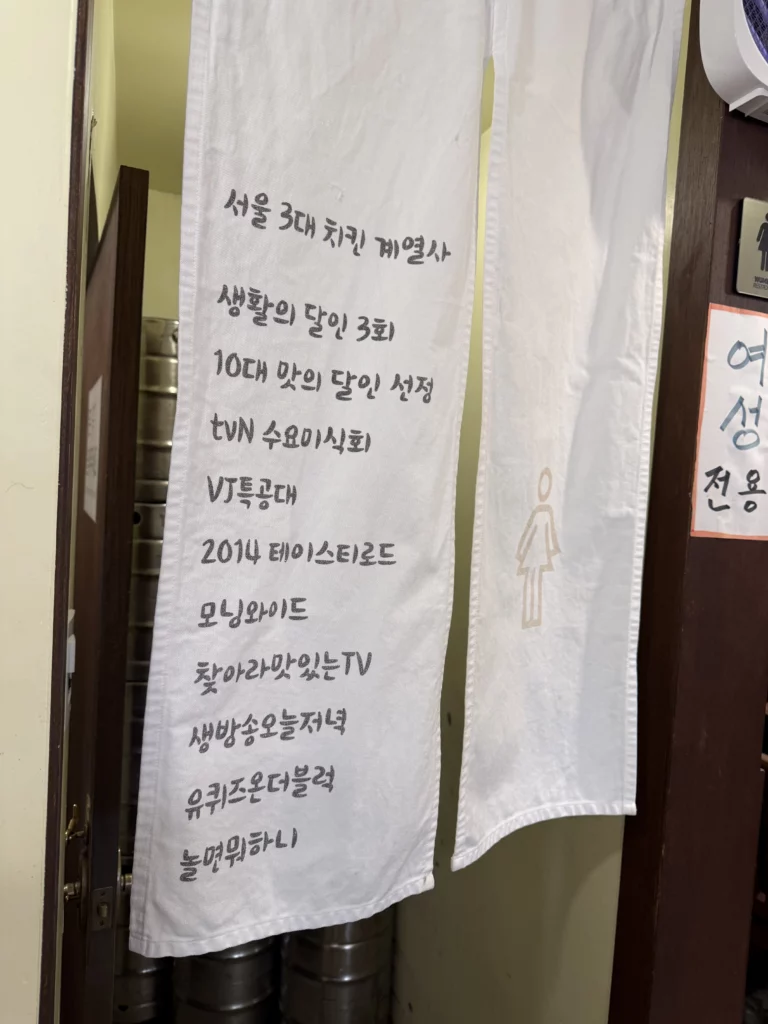
Today, chimaek represents a quintessentially Korean way of socializing that cuts across age groups and social classes. Office workers gather for chimaek after work to decompress and build team bonds. University students celebrate exam completions with chicken and beer. Families mark special occasions with chicken orders. The democratic nature of chimaek—relatively affordable, universally enjoyed, inherently shareable—makes it accessible to nearly everyone.
Gyeyeolsa embodies the pre-franchise era of chimaek when individual restaurants developed distinct identities through quality and craft rather than marketing and expansion. While modern chains dominate the chicken landscape with thousands of locations, Gyeyeolsa represents what chimaek culture looked like before corporatization—small, owner-operated establishments where the proprietor’s skill and dedication define the experience.
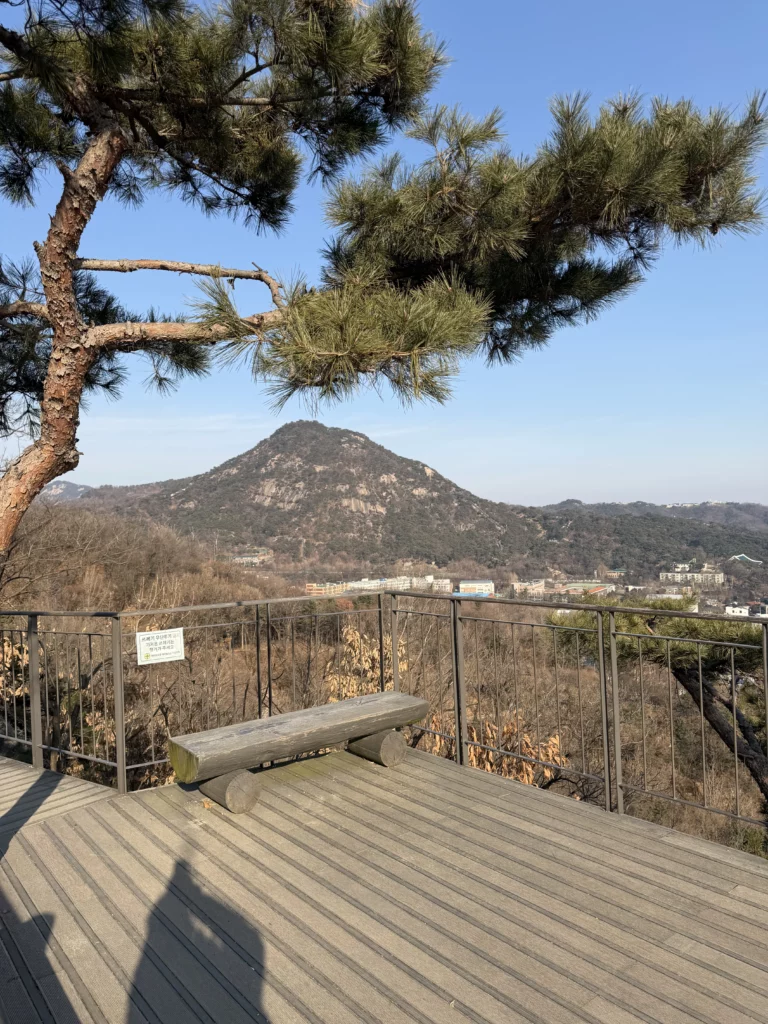
The restaurant’s location near Bugaksan Mountain adds another dimension to the chimaek experience. The Korean hiking culture involves post-hike socializing as much as the exercise itself, and many hiking groups plan their routes specifically to end near favored restaurants. Gyeyeolsa serves this community by providing the perfect reward after hours of climbing—cold beer, crispy chicken, and the satisfaction of supporting a local artisan rather than a faceless corporation.
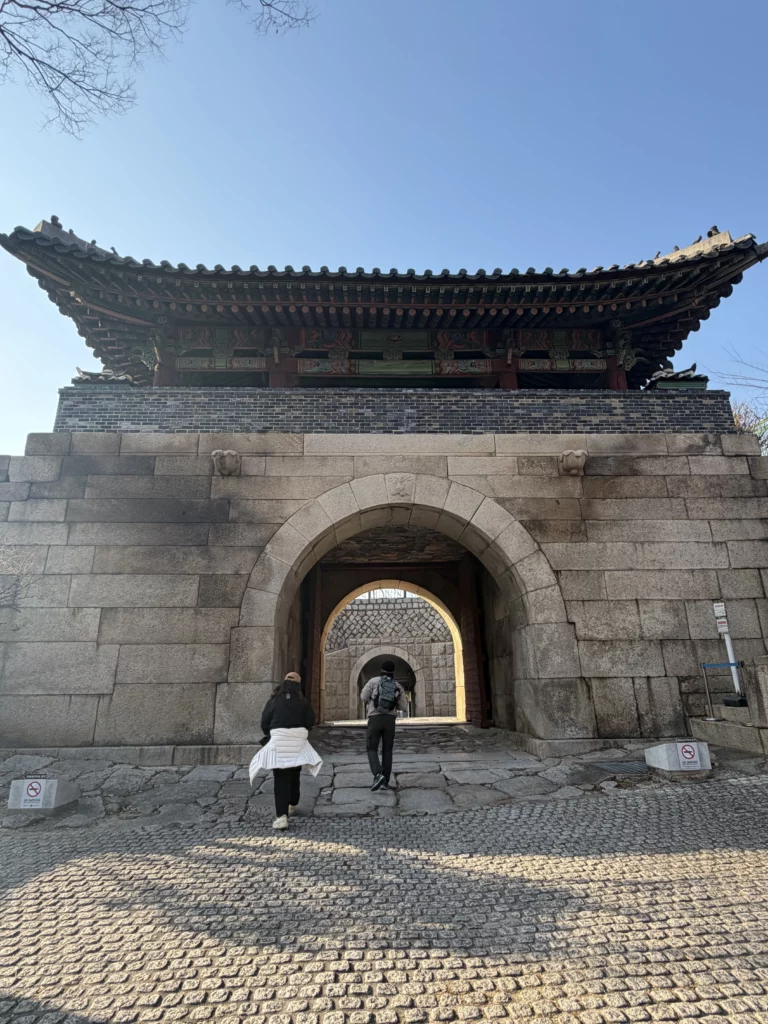
Gyeyeolsa represents everything that makes Korean fried chicken culture special—dedication to craft, respect for ingredients, and the understanding that great food requires both time and skill. In an era of franchise expansion and standardization, finding an independent restaurant that has maintained quality for decades feels increasingly rare and valuable.
The combination of ultra-crispy fried chicken, golden potato wedges, and refreshing golbaengi noodles creates a perfectly balanced meal that explains why locals willingly queue during peak hours. The restaurant’s location at the foot of Bugaksan Mountain makes it ideal for post-hike rewards, while the modest atmosphere keeps the focus on what matters—exceptional food shared with good company.
For visitors exploring Seoul’s food scene beyond tourist-friendly areas, Gyeyeolsa offers authentic insight into how Koreans enjoy chicken without the commercial polish of franchise chains. The experience connects you to Seoul’s artisan food culture while satisfying cravings for perfectly executed comfort food.
Whether you’re a Korean fried chicken enthusiast seeking Seoul’s best or a curious first-timer wanting to understand what sets Korean chicken apart from other styles, Gyeyeolsa delivers an experience worth the journey to Buam-dong. Just remember to arrive early or prepare to wait—good chicken, like good kimchi, comes to those who exercise patience.
Location
7 Baekseokdong-gil, Jongno-gu, Seoul, Republic of Korea, KR
Reviews
5.0
0 reviews
5
0%
4
0%
3
0%
2
0%
1
0%
Loading reviews...
Related Recipes

Vegetable&Fruit
Myeong-i Namul Jangajji
Few side dishes earn a permanent place on the Korean BBQ table the way Myeong-i Namul Jangajji — Korean pickled...

Recipe
Chicken Stock/Dalk-yuksu
There’s a moment in every serious Korean kitchen when the cook stops reaching for boxed broth and starts making her...

Soups
Korean Chicken Noodle Soup (Dak Kalguksu)
There’s a reason Korean home cooks reach for Dak Kalguksu when the skies turn gray or when someone needs nourishing...
Related Ingredients

Ingredient
Myeong-i
When the last of winter’s snow finally retreats from the volcanic slopes of Ulleungdo Island, something quietly extraordinary happens. Broad,...

Ingredient
Korean Pork
Korean pork, known as dwaeji-gogi (돼지고기) in Korean, stands as one of the most beloved and widely consumed meats in...

Chicken
Yeongyang Center Myeongdong: Korea's Original Tongdak Since 1960
Jung-gu, Seoul, South Korea Yeongyang Center Main Branch 52 Myeongdong 2-gil
5

Chicken
Seoul's Top 3 Stir-Fried Chicken: Okeunnae Dakgalbi, Michelin Bib Gourmand Restarant
1st Floor 40-9 Hangangno 3(sam)-ga, Yongsan District, Seoul
5

Chicken
Tongnamujip Dakgalbi: Chuncheon's Charcoal Grilled Chicken Galbi Experience
Chuncheon-si, Gangwon-do 655 Sinsaembat-ro, Sinbuk-eup,
5

Chicken
Sarangbang Kalguksu: Where Seoul Locals Go for Authentic Dak Baeksuk
Toegye-ro 27-gil, Jung-gu, Seoul, Republic of Korea 46
5