


Picture this: a frosty glass of beer so cold it’s on the verge of freezing, paired with crispy fried chicken and spicy tteokbokki—all enjoyed in a lively atmosphere filled with laughter and clinking glasses. This is the essence of Yeokjeon Halmae Maekju, Korea’s wildly popular beer pub chain that has revolutionized affordable drinking culture across the nation. Born from a grandmother’s touching story at Iksan Station and now boasting over 870 locations, this establishment has become synonymous with Korean iced beer—a drinking experience that prioritizes temperature perfection above all else.
Yeokjeon Halmae Maekju: Where Korean Iced Beer Culture Comes Alive
5
Yeokjeon Halmae Maekju: Where Korean Iced Beer Culture Comes Alive
5
Seoul, South Korea 23, Gangnam-daero 152-gil, Gangnam-gu
Editor: James Lee


Interior01
Food02

Menu02
Overview
+82 02-542-0825
WiFi Provided
Indoor Seating Only
Electronic Payment, Credit Card accepted: American Express, Master Card, Visa
Introduction
Operating hours
Mon, Tue, Wed, Thu, Fri, SatPM 4:00 - AM 6:00
SunPM 3:00 - AM 6:00
Menu
Editor's Detail
When Korean locals mention "할맥" (Halmek—short for Yeokjeon Halmae Maekju), their faces light up with anticipation. This isn’t just another bar; it’s a cultural phenomenon that has redefined how Koreans enjoy beer. At the heart of this experience lies the restaurant’s obsession with serving beer at the perfect icy temperature, creating a drinking culture that has captivated Korea’s young professionals and students alike.
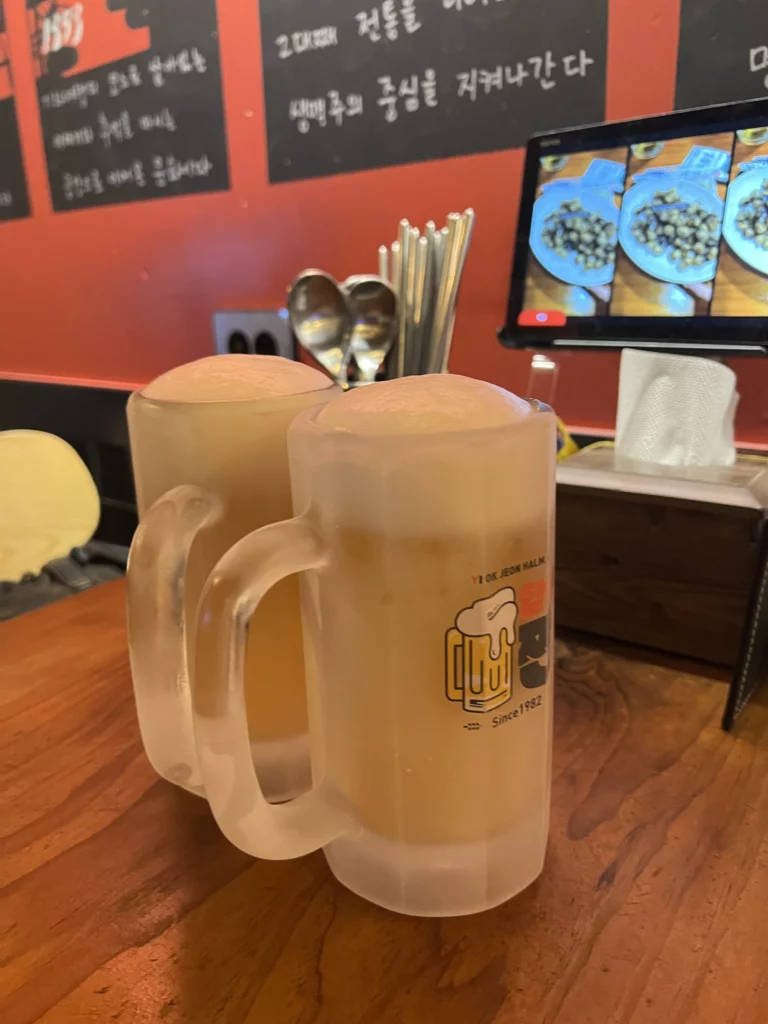
Table of Contents
- The Story Behind Yeokjeon Halmae Maekju
- What Makes Korean Iced Beer Special
- Why Yeokjeon Halmae Maekju Stands Out
- Signature Menu Items You Must TrySal-eoreum Saengmaekju (살얼음 생맥주)
- Perfect Anju Pairings
- Understanding Korean Beer and Drinking CultureWhat Makes This Drink Uniquely Korean?
- What Are the Key Ingredients That Create This Experience?
- How Would You Describe the Taste and Temperature?
- What Should First-Time Visitors Know?
- The Social Experience at Yeokjeon Halmae Maekju
- Practical Information for Visitors
The Story Behind Yeokjeon Halmae Maekju
Every great restaurant has a story, but few are as touching as that of Yeokjeon Halmae Maekju. In 1970, founder Kim Chil-seon experienced every parent’s nightmare when she lost one of her four daughters at a train station. Determined to stay near the place where they were separated, she opened a small inn and beer pub near Iksan Station. Her signature sal-eoreum maekju (살얼음 맥주—literally "slush ice beer") became legendary among locals.
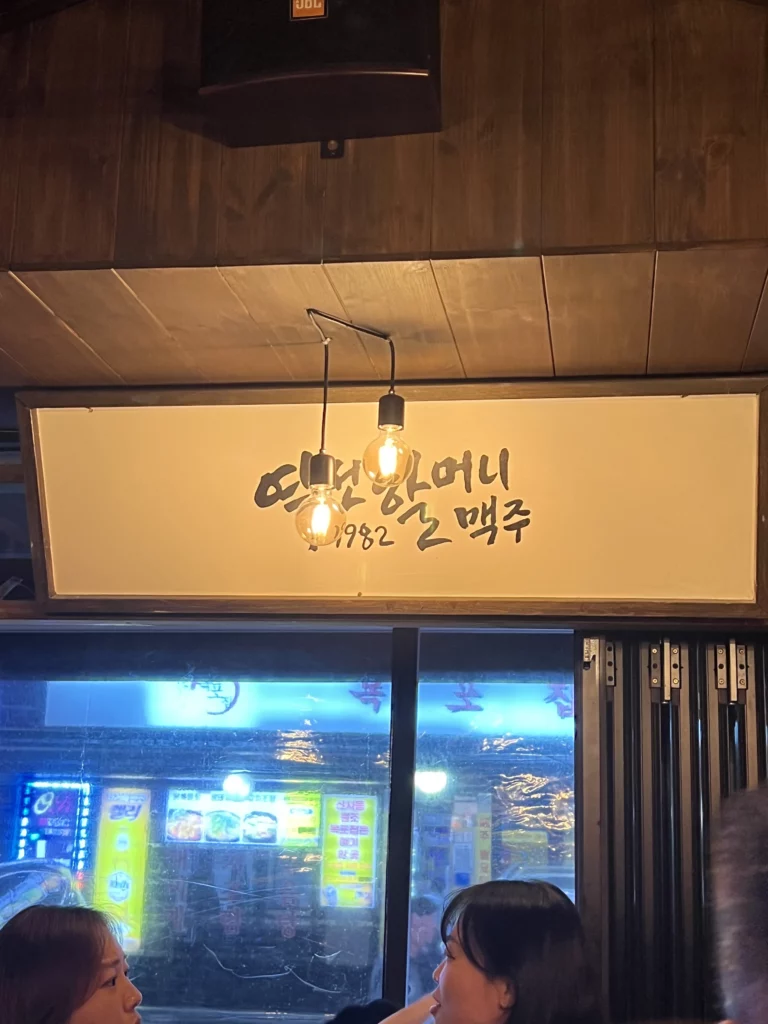
For over a decade, she served this perfectly chilled beer while hoping to reunite with her daughter. In 1982, she expanded her operation to a small pub called OB Elbe River, which eventually became the foundation for what we know today. The heartwarming twist? She was eventually reunited with her daughter through a family reunion television program. In 2013, her family transformed this legacy into the Yeokjeon Halmae Maekju franchise, preserving her spirit of hospitality and her commitment to serving the coldest, most refreshing beer possible.
Today, with over 870 locations across Korea as of 2023, this chain has maintained its founder’s dedication to quality while becoming a staple of Korean drinking culture. The name itself—"Station Grandma Beer"—pays homage to those humble beginnings near the train station.
What Makes Korean Iced Beer Special
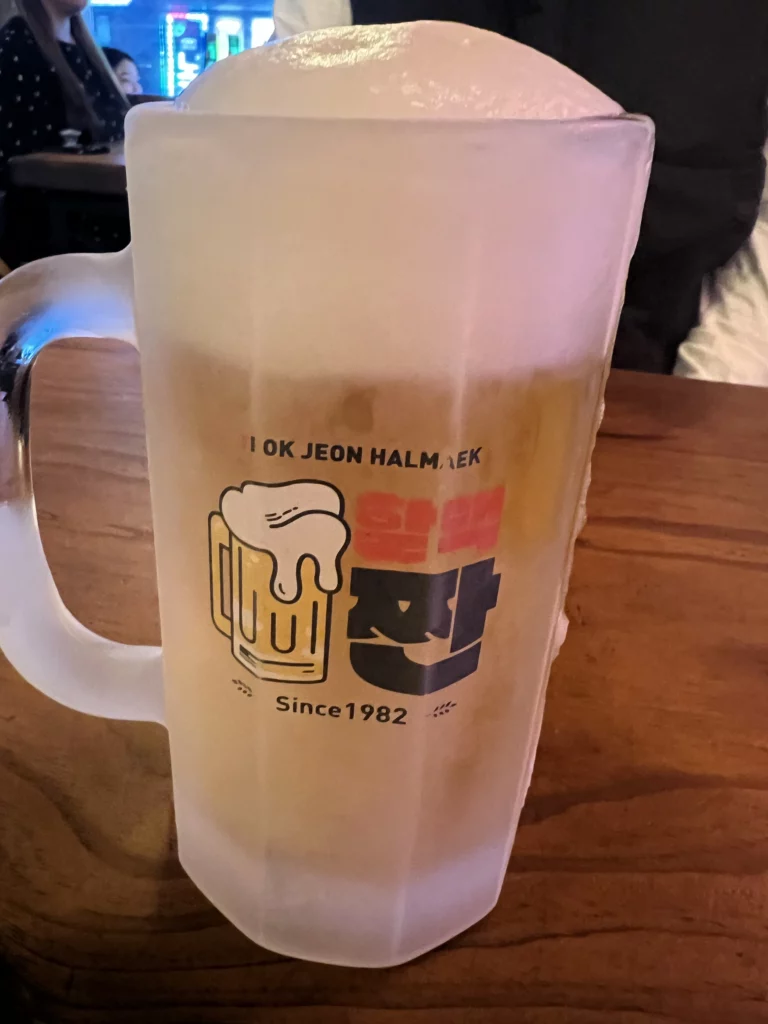
Korean iced beer isn’t just cold—it’s a precisely calibrated drinking experience that sits at the intersection of Korean engineering and social culture. The beer is stored in specialized refrigeration units and served at temperatures hovering around -2°C to 0°C (28°F to 32°F), just at the edge of freezing. This "extra cold" beer trend, which has become increasingly popular in Korea, serves draft beer at temperatures below zero degrees Celsius, creating tiny ice crystals that give the beer a slushy consistency.
This obsession with ultra-cold beer stems from Korea’s unique approach to drinking. Koreans favor a crisper and lighter beer flavor, which complements the rich flavor of fatty pork and bold Korean dishes. The extreme cold temperature serves multiple purposes: it masks any bitterness, creates an incredibly refreshing sensation, and provides the perfect counterpoint to Korea’s famously spicy and salty bar snacks.
The science behind this is fascinating. At near-freezing temperatures, the beer’s carbonation becomes more stable, creating a smoother mouthfeel. The cold also numbs the palate slightly, allowing the beer to act as a palate cleanser between bites of intensely flavored Korean fried chicken, spicy tteokbokki, or other anju (안주—drinking snacks).
Why Yeokjeon Halmae Maekju Stands Out
While Korea has thousands of bars and pubs, Yeokjeon Halmae Maekju has carved out a unique niche that resonates particularly with the 20-30 age demographic. Here’s what makes it special:

Unbeatable Value Proposition: In a country where drinking out can quickly become expensive, Yeokjeon Halmae Maekju offers remarkably affordable pricing. A 500cc glass of their signature iced beer costs approximately 4,500 won (about $3.50 USD), with larger 1000cc servings available for around 8,700 won. This pricing strategy has made it accessible to students and young professionals who want to enjoy quality drinking experiences without breaking the bank.
Dedicated Cold Storage System: Unlike many establishments that rely on chilling lines and taps, Yeokjeon Halmae Maekju stores its beer in dedicated ultra-cold refrigeration units. This means every pour starts from optimal temperature, ensuring consistency that customers can count on. The beer doesn’t pass through warming lines or sit in room-temperature kegs—it goes from freezer to glass, maintaining that crucial icy edge.

Atmosphere and Experience: Walk into any Yeokjeon Halmae Maekju location during peak hours, and you’ll find it packed with groups of friends, coworkers unwinding after work, and couples enjoying casual dates. The atmosphere is deliberately unpretentious—plastic chairs, simple tables, and a no-frills approach that puts the focus squarely on the food, drinks, and company. Many locations feature outdoor seating areas that become especially popular during Korea’s warm summers.
Signature Menu Items You Must Try
Sal-eoreum Saengmaekju (살얼음 생맥주)
The star of the show is, without question, the sal-eoreum saengmaekju (slush ice draft beer). Available in three sizes—300cc (3,300 won), 500cc (4,500 won), and 1000cc (8,700 won)—this beer is served at the perfect near-freezing temperature with visible ice crystals forming at the surface.
The beer typically served is either Cass or similar Korean lagers, which are deliberately brewed to be light and crisp with mild malt sweetness and subtle bitterness. This lighter profile makes them ideal for the icy serving style, as the cold temperature doesn’t overwhelm the beer’s delicate flavors. The result is a refreshing drink that goes down incredibly smooth, especially when paired with the restaurant’s signature anju.
Perfect Anju Pairings
Understanding Korean drinking culture means knowing that you never drink without eating. Yeokjeon Halmae Maekju has perfected its anju menu to complement the iced beer perfectly:
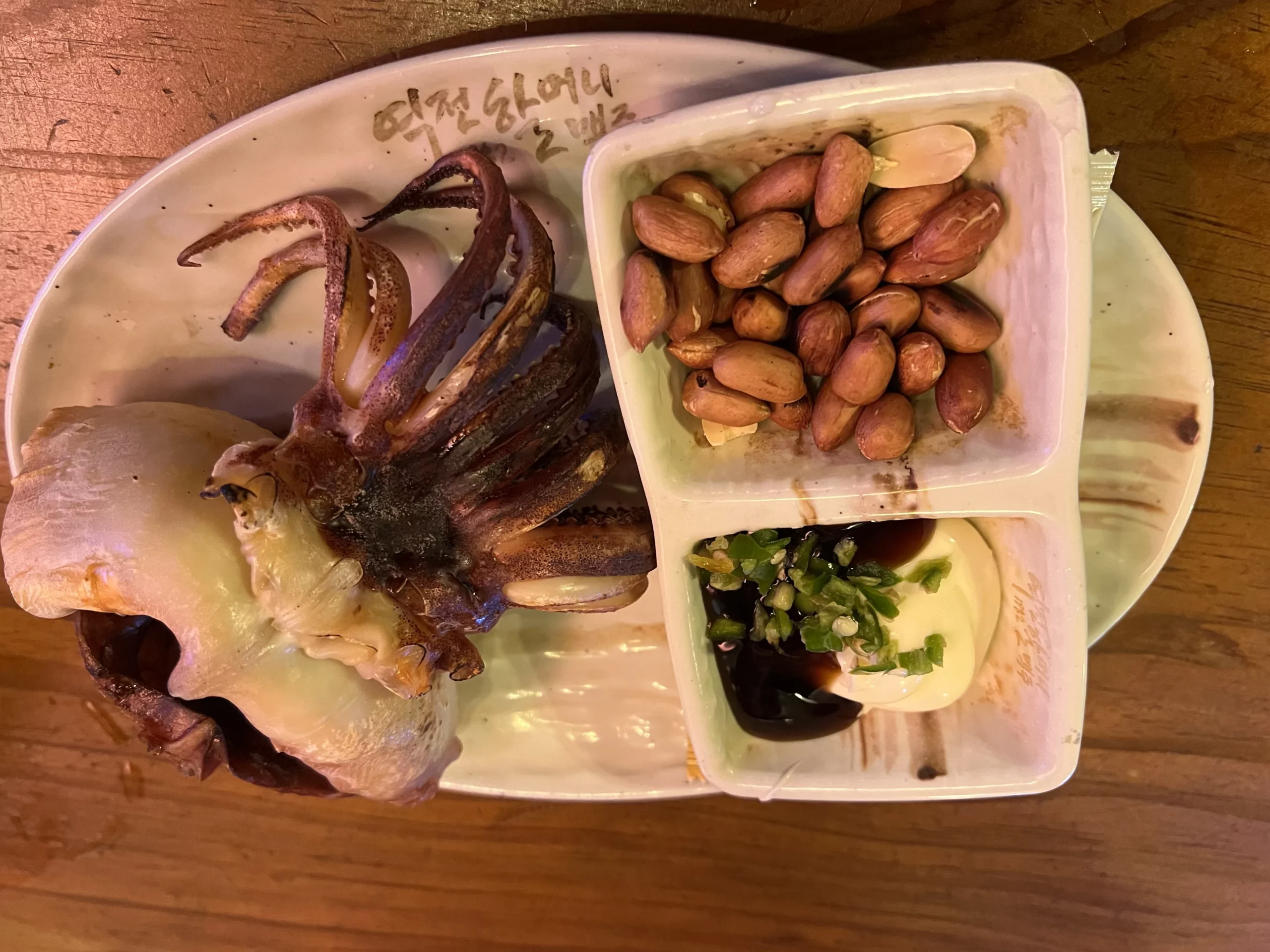
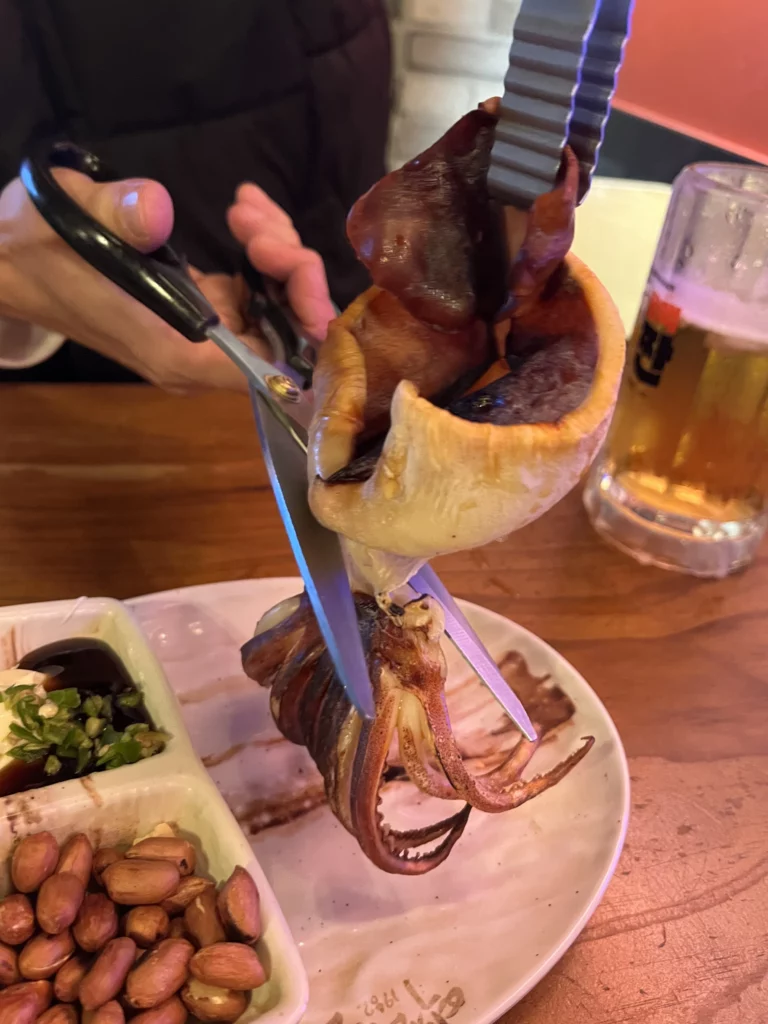
Ojingeo-ip (오징어입 – Dried Squid): Priced at 7,000 won, this is the quintessential Korean beer snack. The chewy, slightly sweet dried squid provides a perfect textural contrast to the cold liquid, and its umami-rich flavor stands up beautifully to the beer’s crispness.

Meoktae (먹태 – Dried Pollack): At 14,000 won, this is a premium anju that many consider the ultimate beer pairing. The dried pollack has a more complex flavor than regular dried squid, with a satisfying chewiness and a slightly nutty taste that becomes more pronounced as you chew.
Cheese Rabokki (치즈 라볶이): One of Yeokjeon Halmae Maekju’s most popular items at 9,000 won, this fusion dish combines tteokbokki (spicy rice cakes) with ramen noodles and a generous layer of melted cheese. The spicy-sweet gochujang sauce gets beautifully mellowed by the cheese, while the cold beer provides relief from the heat. It’s comfort food at its finest.
Maek-chi-don (마약 치즈 돈까스 – Addictive Cheese Pork Cutlet): At 9,000 won, this 30cm long pork cutlet is topped with cheese and served with a sweet-savory sauce. It’s called "addictive" for good reason—the crispy exterior and juicy interior make it impossible to stop at just one piece.

Twikim Jjwipo (튀김 쥐포 – Fried Fish Jerky): An affordable option at 3,000 won, these crispy fried strips of dried fish provide a crunchy, salty contrast to the cold beer.
Saewoo Mabak Twigim (새우마빡 튀김 – Shrimp Tempura): Priced at 7,000 won, these generously sized shrimp tempura pieces are served hot and crispy, making them perfect for sharing.
The menu philosophy at Yeokjeon Halmae Maekju is simple: offer a variety of textures and flavors that all serve one purpose—making the beer taste even better. From the chewy dried seafood to the crispy fried items to the spicy-sweet rice cakes, every dish is designed to enhance the drinking experience.
Understanding Korean Beer and Drinking Culture
What Makes This Drink Uniquely Korean?
Korean iced beer culture represents a fascinating evolution of Western beer tradition filtered through Korean sensibilities. While beer itself was introduced to Korea in the early 20th century, with Seoul’s first brewery opening in 1908 , Koreans have developed their own distinct approach to enjoying it.

The emphasis on extreme cold temperatures reflects Korea’s broader cultural preference for temperature extremes in beverages—from piping hot barley tea to ice-filled coffee. But more importantly, the iced beer tradition embodies the Korean concept of "jeong" (정)—a deep emotional bond created through shared experiences. Gathering at places like Yeokjeon Halmae Maekju to share ultra-cold beer and anju isn’t just about drinking; it’s about creating memories and strengthening relationships.

This beer culture also intersects with Korea’s unique workplace dynamics. After-work drinking sessions called "hoesik" are a major aspect of Korean corporate culture, where coworkers bond over drinks. Affordable establishments like Yeokjeon Halmae Maekju have become essential venues for these social rituals, making high-quality drinking experiences accessible to everyone regardless of budget.

What Are the Key Ingredients That Create This Experience?
Korean Lager Beer (한국 맥주): The foundation of the experience is Korean lager, typically brands like Cass, Hite, or OB. These beers are brewed with rice alongside barley malt, creating a lighter body and milder flavor than Western beers. The ABV typically hovers around 4.5%, making them sessionable drinks perfect for long evenings. The rice content gives the beer a slightly sweet finish and clean taste that doesn’t overwhelm the palate—ideal for pairing with the bold flavors of Korean cuisine.
Ultra-Cold Storage Technology: Modern refrigeration technology maintains temperatures between -2°C and 0°C, creating the signature "sal-eoreum" (slush ice) effect. This isn’t just about making the beer cold—it’s about maintaining it at a precise temperature where ice crystals form but the beer remains pourable, creating a unique textural experience.

Anju (안주 – Drinking Snacks): The third essential ingredient isn’t in the glass—it’s on the plate. Korean drinking culture emphasizes that you never drink without eating, with dishes specifically categorized as "anju". These snacks are carefully designed with high salt, umami, and often spicy flavors that complement the beer’s crispness while encouraging continued drinking and eating in a balanced rhythm.
How Would You Describe the Taste and Temperature?
Temperature: On a scale of 1-10 for cold intensity, Korean iced beer sits firmly at a 10. It’s served at the absolute edge of freezing, with visible ice crystals forming at the surface. The first sip delivers an almost shocking cold sensation—your lips might actually stick slightly to the glass if you’re not careful. This extreme temperature numbs the palate momentarily, creating a uniquely refreshing experience.
Taste Profile: Korean lagers are intentionally light and crisp with minimal bitterness. You’ll notice primary flavors of light grain and rice, with subtle notes of bread and a whisper of hops. The finish is clean and slightly sweet, never lingering too long on the palate. At near-freezing temperatures, the carbonation feels smooth and fine rather than aggressive, creating a soft, almost creamy mouthfeel despite the icy temperature.
Spice Level: The beer itself is non-spicy (obviously), but understanding spice level matters because it affects how you experience the accompanying anju. The ultra-cold beer serves as the perfect foil for Korea’s notoriously spicy foods—it provides immediate relief from capsaicin heat while the cold temperature helps reset your palate between bites.
What Should First-Time Visitors Know?
Ordering Strategy: When you sit down at Yeokjeon Halmae Maekju, order your beer size based on your group—the 1000cc pitcher is economical for 2-3 people, while solo drinkers or couples might prefer the 500cc serving. The beer is best when consumed quickly before it warms up, so don’t over-order initially. You can always get more.
The Proper Drinking Sequence: Korean drinking etiquette emphasizes finishing your first glass in one go (called "one-shot" for shots or "finishing your glass" for beer), though for beer, making a genuine effort is sufficient. After that, you’re free to sip at your own pace. Always pour for others before yourself, and receive pours with both hands if someone senior to you is pouring.
Pace Yourself: The combination of ultra-cold beer and salty anju creates a dangerous cycle—the cold masks how much you’re actually drinking, while the salty food makes you thirstier. Many first-timers find themselves several beers deep before realizing it. Pay attention to your consumption and alternate with water.
Sharing is Expected: Korean dining is inherently communal. Order multiple anju dishes to share with your group, and expect to eat from common plates using your personal chopsticks or shared serving utensils. This isn’t the place for ordering individual meals—embrace the sharing culture.
Timing Matters: Arrive early (before 7 PM) or late (after 9:30 PM) to avoid peak crowds. During prime evening hours, especially weekends, expect to wait for a table or find the restaurant completely full. Many locations don’t take reservations, operating on a first-come, first-served basis.
Mix it Up with Somaek: Don’t miss the opportunity to try somaek (소맥)—a popular cocktail mixing soju and beer in a 3:7 ratio. While Yeokjeon Halmae Maekju primarily focuses on beer, you can order soju alongside your beer and mix your own. The combination is a Korean drinking staple that perfectly bridges the gap between beer’s refreshment and soju’s kick.
The Social Experience at Yeokjeon Halmae Maekju
What truly sets Yeokjeon Halmae Maekju apart isn’t just the beer or the food—it’s the atmosphere of genuine Korean socializing. During peak hours, the restaurant buzzes with energy: groups of university students celebrating the end of exams, office workers decompressing after long days, couples on casual dates, and friends catching up over drinks.

The no-frills environment actually enhances the experience. Without fancy décor or pretentious service, the focus shifts to what matters: good conversation, cold beer, and tasty food. The plastic chairs and simple tables create a democratic space where everyone—from company CEOs to college freshmen—sits together without hierarchy.

Korean drinking culture emphasizes the concept of "rounds" (차). People typically start at one venue, then move to a second or third location throughout the evening. Yeokjeon Halmae Maekju often serves as an ideal "first round" location—affordable enough to get the evening started without committing everyone’s entire budget, casual enough to accommodate groups of any size, and lively enough to set the right tone for the night ahead.
The restaurant also benefits from Korea’s remarkable safety culture. It’s perfectly normal to see groups staying until late evening, with the surrounding streets remaining safe and well-lit. This peace of mind allows patrons to focus entirely on enjoying themselves rather than worrying about their surroundings.
Practical Information for Visitors
Finding a Location: With over 870 branches nationwide, finding a Yeokjeon Halmae Maekju shouldn’t be difficult in any major Korean city. Use Naver Maps or KakaoMap (Korean mapping services) and search for "역전할머니맥주" to find the nearest location. Most branches are located near subway stations or in areas with high foot traffic, staying true to the brand’s "station" heritage.
Average Spending: For a satisfying evening for two people, expect to spend between 25,000-35,000 won ($20-27 USD). This typically includes two 500cc beers and 2-3 anju dishes. Solo diners can enjoy a solid experience for 15,000-20,000 won by ordering a 500cc beer and one or two smaller anju items.
Operating Hours: Most locations open in the late afternoon (around 5-6 PM) and stay open until midnight or later, with some branches operating until 2-3 AM, especially near universities or nightlife districts. Hours may vary by location, so check specific branch information.
Language and Ordering: While English proficiency varies by location, the picture menus make ordering straightforward even if you don’t speak Korean. Point to what you want, and servers will understand. Basic phrases like "주세요" (juseyo – "please") and "감사합니다" (gamsahamnida – "thank you") go a long way in showing respect.
Payment: Most locations accept cash and card payments. Some locations may have minimum card payment requirements, so carrying some cash is advisable. Tipping is not expected or practiced in Korea.

Group Size: While solo drinking (honsul, 혼술) is becoming more acceptable in Korea, Yeokjeon Halmae Maekju is really optimized for groups of 2-6 people. The shared anju plates and communal atmosphere make it ideal for social gatherings rather than solitary drinking.
Dietary Considerations: The menu is heavily focused on meat and seafood, with limited vegetarian options. The cheese rabokki and some fried items like potato fries can work for vegetarians, but vegans will find very limited choices. Those with seafood allergies should be cautious, as many items contain dried fish or shrimp, and cross-contamination is possible in the kitchen.

Whether you’re a Korean local looking to understand why Yeokjeon Halmae Maekju has become such a phenomenon, or a visitor wanting to experience authentic Korean drinking culture, this establishment offers an accessible window into how modern Korea socializes. The ice-cold beer isn’t just about temperature—it’s about creating the perfect conditions for friendship, laughter, and memory-making.
The next time you’re in Korea and see a crowded restaurant with people laughing over glasses of frosty beer and plates of dried squid, you’ll know you’ve found a Yeokjeon Halmae Maekju. Pull up a plastic chair, order a pitcher of their signature sal-eoreum saengmaekju, grab some meoktae, and join in one of Korea’s favorite pastimes. Just remember to pace yourself—that dangerously drinkable iced beer goes down much easier than you might expect.
Ready to experience Korea’s most beloved beer culture for yourself? Find your nearest Yeokjeon Halmae Maekju location and discover why over 870 locations can’t be wrong. Geonbae! (건배 – Cheers!)
Location
23, Gangnam-daero 152-gil, Gangnam-gu, Seoul, South Korea, KR
Reviews
5.0
0 reviews
5
0%
4
0%
3
0%
2
0%
1
0%
Loading reviews...
Related Recipes

Snacks & Street Food
Japchae Hotteok
If you’ve ever bitten into a golden, gooey sweet hotteok at a Korean winter market, prepare to have your world...

Drinks & Dessert
Kumquat Jeonggwa (Candied Kumquats)
There is a particular kind of patience baked into Korea’s most beautiful sweets. No dish expresses this better than Kumquat...

Recipe
Lobster Ramen
Lobster Ramen is a luxurious twist on Korea’s beloved instant noodle culture. The deep umami from fresh lobster combines beautifully...
