


Picture a steaming bowl of tender chicken bathed in a milky-white broth fragrant with garlic, served alongside perfect rice and aged kimchi in a restaurant where locals have gathered for over 50 years. This is Sarangbang Kalguksu in Seoul’s historic Chungmuro district, where authentic Dak Baeksuk has earned Blue Ribbon recognition every year since 2012. Here, traditional Korean chicken soup isn’t just a meal—it’s a testament to consistency, quality, and the enduring appeal of simple, nourishing food done exceptionally well.
Sarangbang Kalguksu: Where Seoul Locals Go for Authentic Dak Baeksuk
5
Sarangbang Kalguksu: Where Seoul Locals Go for Authentic Dak Baeksuk
5
Toegye-ro 27-gil, Jung-gu, Seoul, Republic of Korea 46
Editor: James Lee


Interior02
Food04

Menu01
Overview
+82 0507-1427-2043
WiFi Provided
Indoor Seating Only
Electronic Payment, Credit Card accepted: American Express, Master Card, Visa
Introduction
Operating hours
Mon, Tue, Wed, ThuAM 10:30 - PM 9:40
FriAM 10:00 - PM 9:40
SatAM 10:30 - PM 9:00
SunAM 10:30 - PM 4:00
Menu
Editor's Detail
The gentle steam rising from traditional Korean chicken soup, the comforting aroma of garlic-infused broth, and the warm atmosphere of a decades-old restaurant where Seoul office workers line up during lunch—this is the daily scene at Sarangbang Kalguksu. Nestled in the bustling Chungmuro neighborhood between Chungmuro Station and Euljiro 3-ga Station, this unassuming restaurant has become synonymous with exceptional Dak Baeksuk, Korea’s beloved boiled chicken soup. With a wall covered in Blue Ribbon awards dating back to 2012 and over 50 years of history, Sarangbang Kalguksu represents everything right about Korean comfort food: honest flavors, generous portions, and prices that won’t empty your wallet.
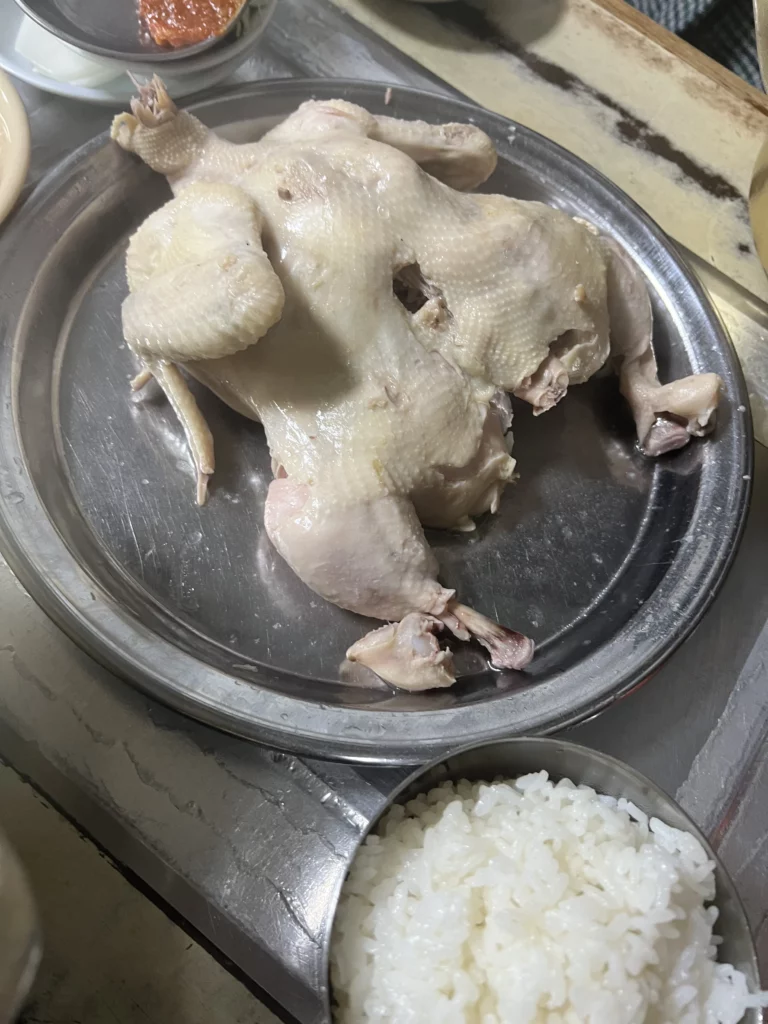
Table of Contents
- Why Sarangbang Kalguksu Stands Out Among Seoul’s Chicken Soup Restaurants
- What Makes Dak Baeksuk Uniquely Korean?
- The Sarangbang Kalguksu Experience: What to Expect
- Menu Highlights: Baeksuk and Beyond
- What Are the Key Ingredients That Create This Flavor?
- How Would You Describe the Taste and Spice Level?
- What Should First-Time Eaters Know?
- How to Order and Eat Like a Local
- Best Time to Visit and Practical Information
Why Sarangbang Kalguksu Stands Out Among Seoul’s Chicken Soup Restaurants
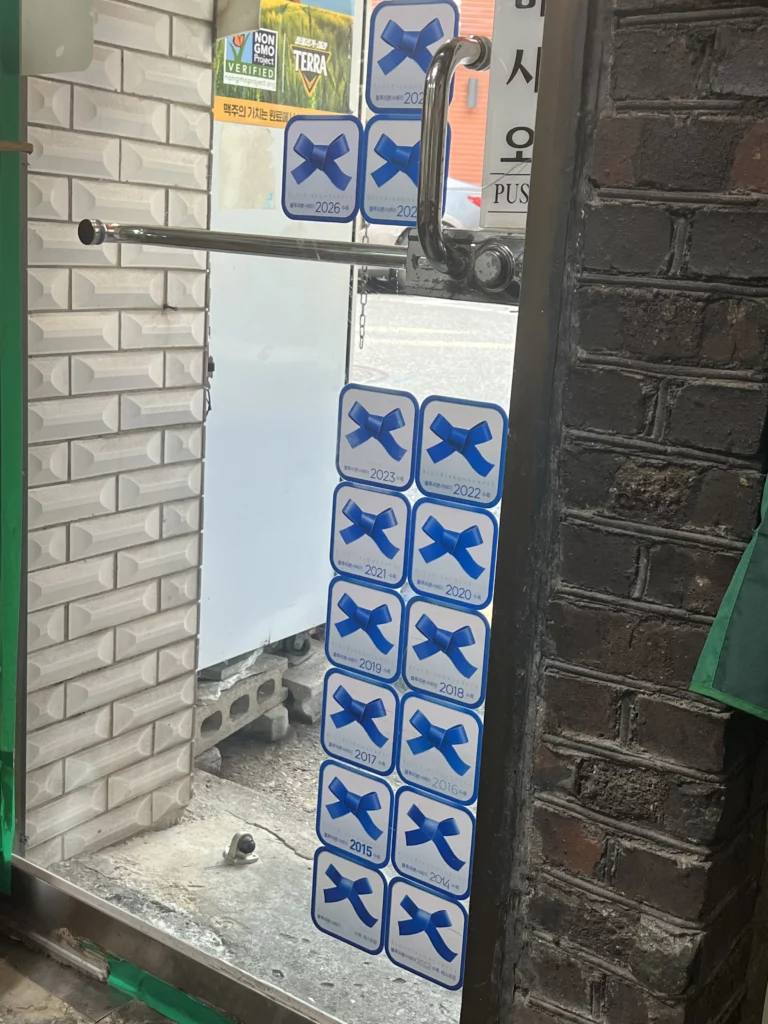
Seoul boasts hundreds of restaurants serving chicken soup variations, yet Sarangbang Kalguksu has carved out a distinctive reputation that keeps customers returning year after year. The restaurant’s entrance tells its own story—a wall displays an impressive collection of Blue Ribbon Survey stickers dating back to 2012. These aren’t mere decorations; they’re recognition from Korea’s premier restaurant guide, similar to the Michelin Guide but specifically for Korean dining culture.
What sets this establishment apart isn’t elaborate presentation or trendy interpretations. Instead, Sarangbang Kalguksu succeeds through unwavering commitment to fundamentals. The restaurant has perfected the art of extracting maximum flavor from quality chicken, creating a broth that’s simultaneously light yet deeply satisfying. Unlike some restaurants that rely heavily on medicinal herbs or strong seasonings, the approach here emphasizes natural ingredients—garlic, chicken, and carefully balanced seasoning.


Operating for over five decades in the same Chungmuro neighborhood, Sarangbang Kalguksu maintains its authentic character. The interior embraces its history with worn wooden tables and simple decor that immediately signals "local favorite" rather than "tourist attraction." At approximately 9,000 Korean won for the Baeksuk Baekban (chicken soup set meal), customers receive half a chicken, rich broth, rice, and multiple side dishes—remarkable value that makes excellent food accessible to everyone.

The restaurant’s dual specialty also contributes to its appeal. While Dak Baeksuk anchors the menu, Sarangbang Kalguksu also excels at traditional knife-cut noodle soup (kalguksu). However, the kalguksu often sells out by early afternoon, making timing crucial for those wanting to try both specialties.
What Makes Dak Baeksuk Uniquely Korean?

Dak Baeksuk (닭백숙) occupies a special place in Korean culinary tradition as the embodiment of both comfort and wellness. The dish’s name reveals its philosophy: "dak" means chicken, while "baeksuk" refers to food boiled thoroughly without heavy seasonings. This seemingly minimalist approach actually represents sophisticated Korean food wisdom developed over centuries.

Historically, whole chicken dishes held significance in Korean culture. During the Joseon Dynasty, chicken wasn’t everyday fare—it was reserved for special occasions or when someone needed restorative nourishment. This cultural context helps explain why Dak Baeksuk remains popular as both comfort food and a dish traditionally eaten during Korea’s sambok (삼복) days—the three hottest periods of summer when Koreans consume warming foods to build strength through the concept of "yi-yeol-chi-yeol" (이열치열), meaning "fight heat with heat."
What distinguishes Dak Baeksuk from similar dishes in other cuisines is its deliberate simplicity and the Korean concept of "yakshik dongyuen" (약식동원), meaning "food and medicine share the same source." While Western chicken soups often feature heavy seasonings and complex flavors, and Chinese preparations might emphasize soy sauce or strong spices, Korean Dak Baeksuk maintains pure simplicity that allows diners to experience the chicken’s natural umami.

The dish differs from its more famous cousin, Samgyetang (Korean ginseng chicken soup). While Samgyetang uses young Cornish hen stuffed with glutinous rice and ginseng, Dak Baeksuk employs larger, mature chickens and relies primarily on garlic for flavor. The communal aspect also reflects Korean dining culture—the chicken is torn at the table and shared, then rice is added to the remaining broth to create satisfying porridge, encouraging togetherness and conversation.
The Sarangbang Kalguksu Experience: What to Expect


Walking into Sarangbang Kalguksu immediately transports you to a more intimate era of Korean dining. The restaurant occupies a modest space with simple wooden tables showing decades of use, walls decorated with Blue Ribbon certifications, and an open kitchen where you can glimpse the preparation process. During peak lunch hours, the atmosphere buzzes with nearby office workers—conversations overlap in rapid Korean, creating the energetic vibe of a beloved local institution.

Upon seating, you’ll receive customary Korean banchan (side dishes). At Sarangbang Kalguksu, these include crisp, garlicky kimchi that provides essential contrast to the mild chicken broth. The kimchi deserves special mention—it’s authentic, intensely flavored with garlic and fermented to that perfect point where tanginess balances natural sweetness.
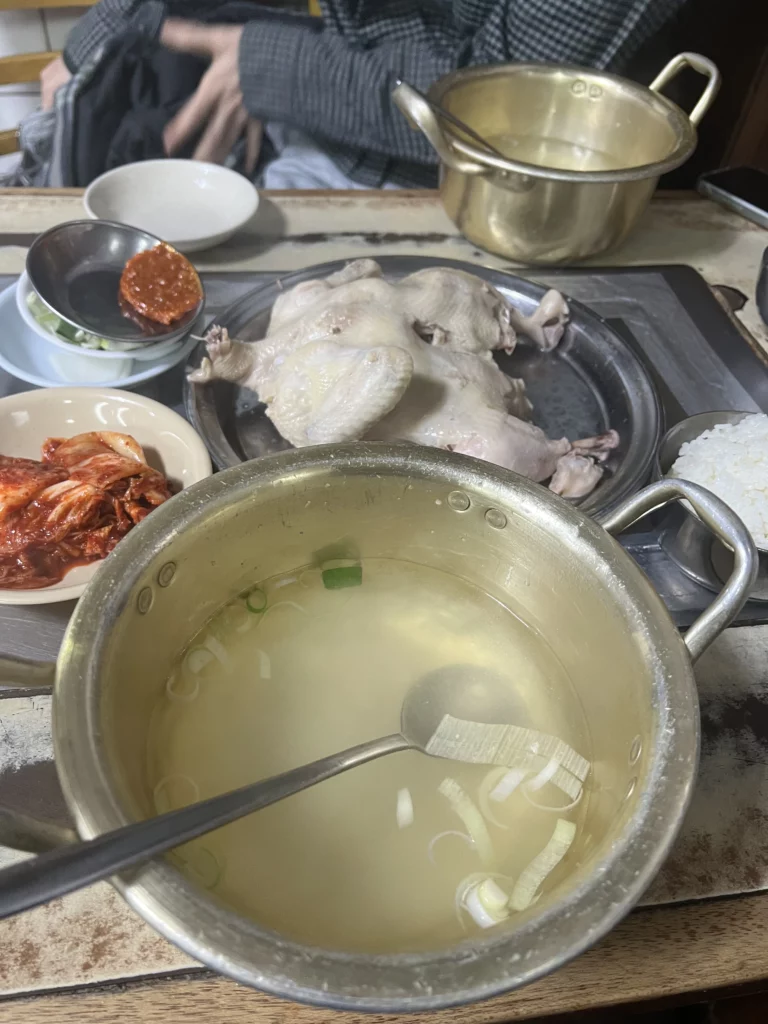
When your Baeksuk Baekban arrives, the presentation is straightforward but generous: a large bowl contains milky-white broth with half a tender chicken, accompanied by fluffy white rice and condiments. The chicken’s skin glistens invitingly, and aromatic steam carries the subtle fragrance of garlic and perfectly simmered chicken.

The broth demonstrates skill behind apparent simplicity—substantial enough to coat your palate with satisfying richness, yet light enough that you could comfortably enjoy bowl after bowl. Crushed garlic pieces float throughout, releasing sweet, mellow flavor. This isn’t sharp raw garlic but gentle, almost nutty character that develops through careful cooking.
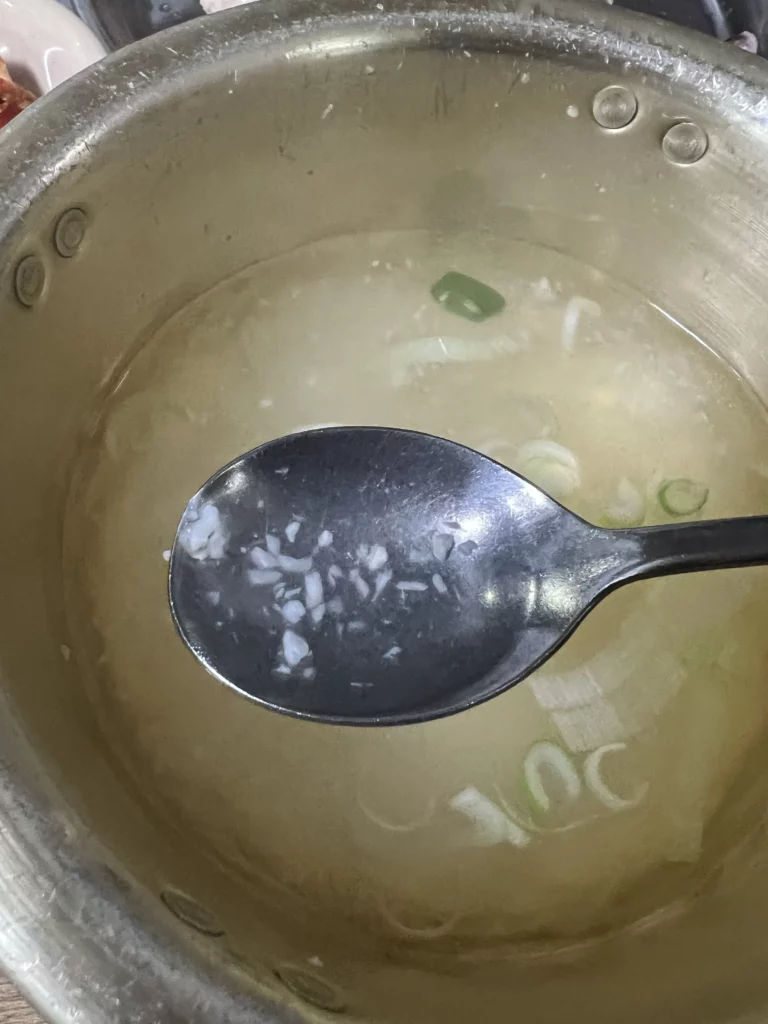
Service operates efficiently without being rushed. Staff move with practiced precision, accustomed to both Korean regulars and international visitors. While extensive English may be limited, pointing at menu items proves sufficient—good food transcends linguistic barriers.
Menu Highlights: Baeksuk and Beyond
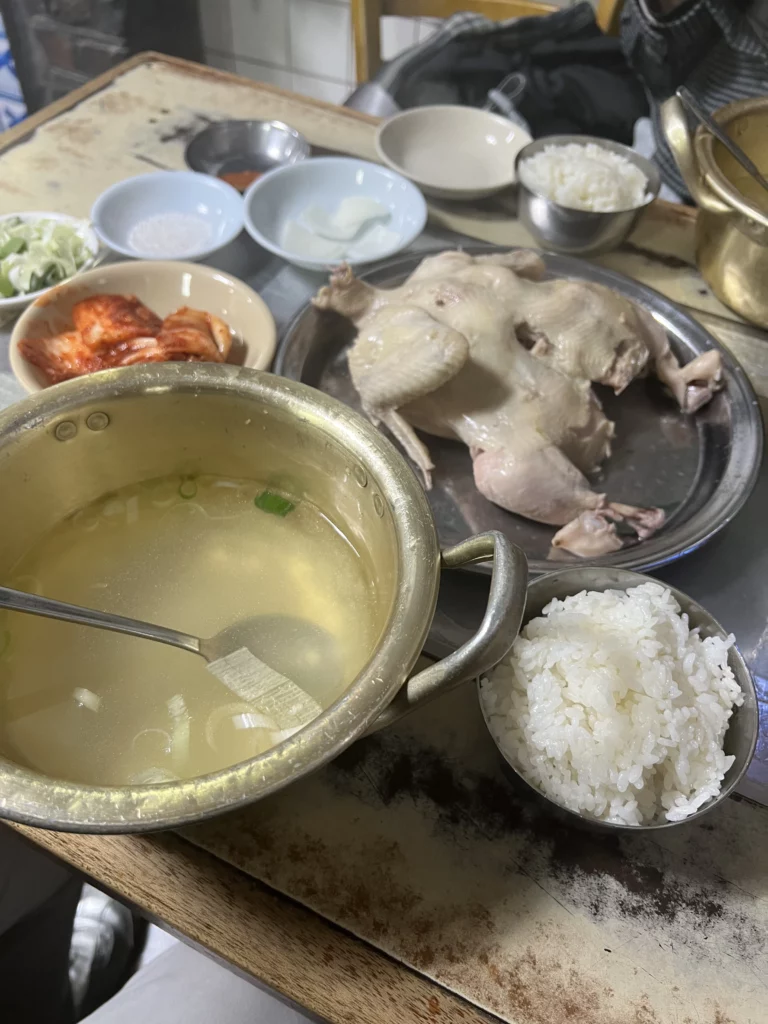
Baeksuk Baekban (백숙백반) – The restaurant’s flagship offering, priced around 9,000 won per person. Each serving includes half a beautifully tender chicken, rich garlic-infused broth, rice, and traditional side dishes. The chicken’s tenderness results from careful timing—cooked just enough to achieve perfect texture where meat practically falls from the bone.
Kalguksu (칼국수) – The restaurant’s other specialty features hand-cut wheat noodles in the same quality chicken broth. The noodles, made fresh daily, possess texture and bite impossible to achieve with dried alternatives. However, kalguksu frequently sells out by early afternoon. If you’re specifically craving this dish, arrive before noon to secure a bowl.


Side Dishes and Condiments – The kimchi performs a crucial role in the eating experience—not mild tourist-friendly versions but authentic, properly aged kimchi with pronounced garlic notes. Additional accompaniments include sliced green onions for fresh contrast, salt-pepper mixture for dipping chicken, vinegar-based soy sauce providing acidic brightness, and ssamjang (a blend of gochujang and doenjang) offering flexibility in flavor combinations.
What Are the Key Ingredients That Create This Flavor?
Understanding Dak Baeksuk’s deceptive simplicity requires examining three core ingredients:
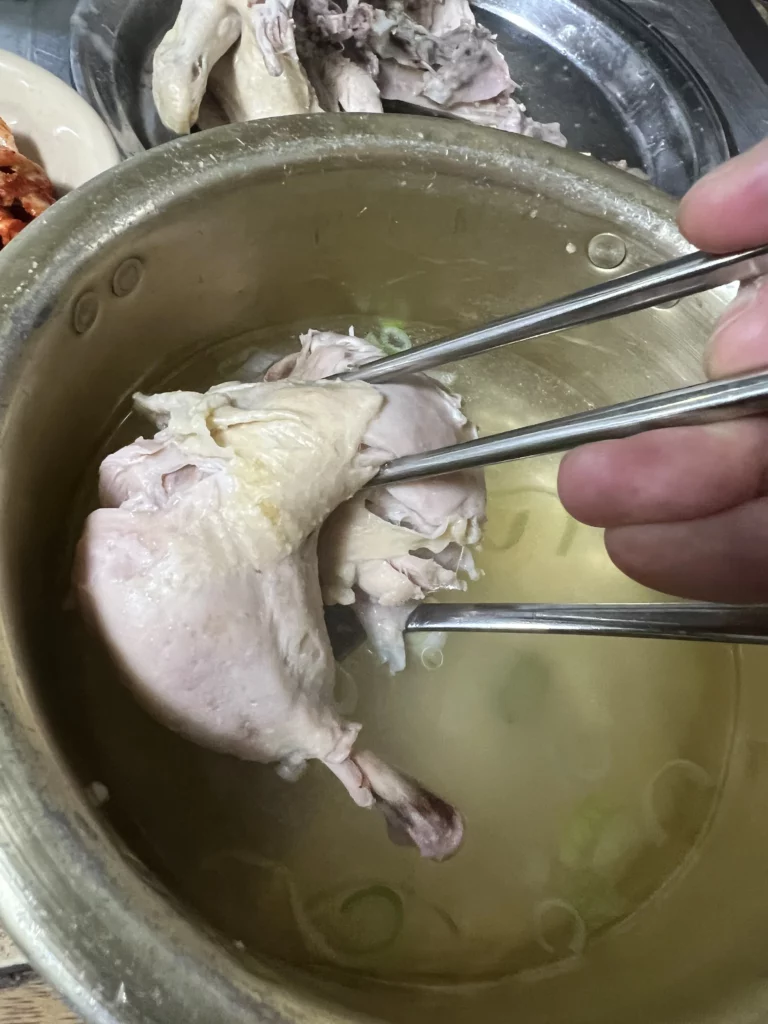
Chicken (닭) – Sarangbang Kalguksu uses mature chickens (approximately 1.5-2 kg) rather than young Cornish hens, resulting in more developed flavor and firmer texture. The chicken contributes natural umami and subtle sweetness. Korean cooking wisdom holds that gently boiled chicken releases beneficial nutrients—collagen breaks down into gelatin, creating characteristic silky mouthfeel, while minerals and amino acids infuse the liquid with satisfying depth. Nutritionally, chicken offers lean, easily digestible protein.
Garlic (마늘) – While Western soups might use garlic as one flavor among many, Dak Baeksuk elevates it to co-starring status. Sarangbang Kalguksu’s version features whole peeled garlic cloves—often a dozen or more—boiled until they transform from sharp and pungent to sweet and mellow. Korean garlic typically features smaller cloves with intense raw flavor but particularly pleasant character when cooked. Beyond taste, garlic carries significance in Korean traditional medicine as a "warming" food that improves circulation and supports immune function.
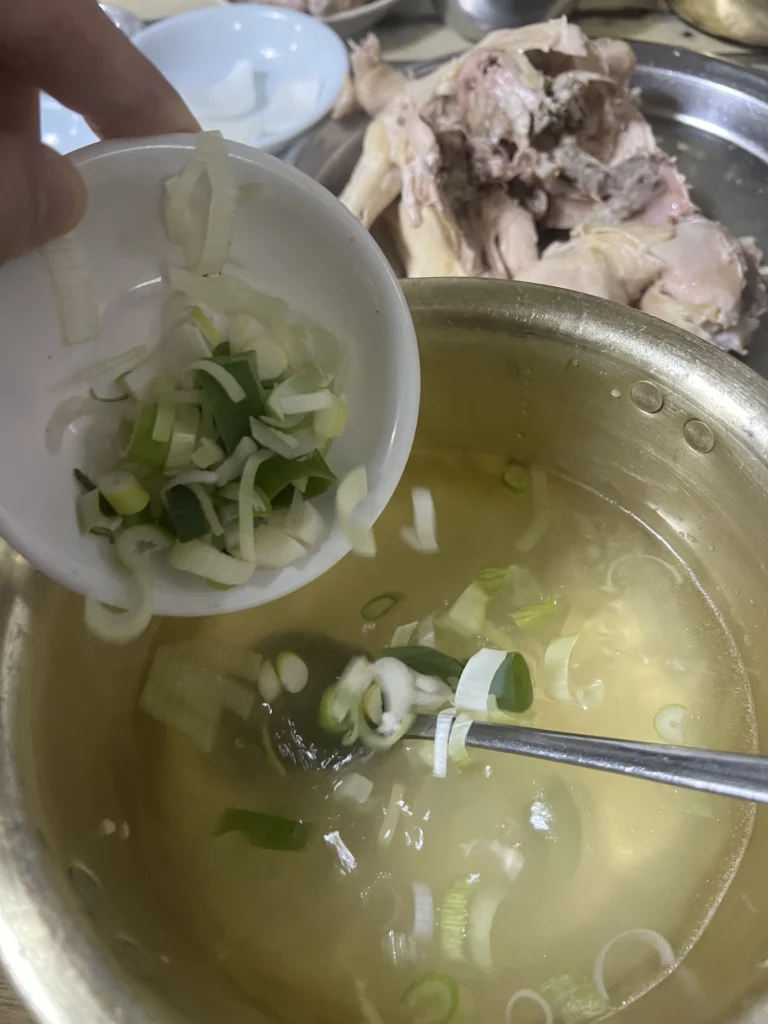
Water and Salt – Clean, neutral-tasting water allows chicken and garlic flavors to shine. Minimal salt during cooking enhances rather than masks natural ingredients. Unlike Western traditions that season throughout cooking, Korean Dak Baeksuk uses little salt initially, allowing diners to adjust seasoning at the table—reflecting broader Korean culinary philosophy about respecting ingredients’ natural character.
How Would You Describe the Taste and Spice Level?
Dak Baeksuk at Sarangbang Kalguksu registers 1-2 on a 10-point spice scale—essentially no heat unless you add spicy condiments.
The primary flavor profile emphasizes savory umami balanced with subtle sweetness. The chicken contributes deep, satisfying savoriness—pure essence of quality chicken cooked expertly. Garlic adds gentle sweetness, particularly noticeable in soft, caramelized cloves. There’s underlying mineral quality from chicken bones and a clean, almost milky character from collagen and fat emulsified during boiling.
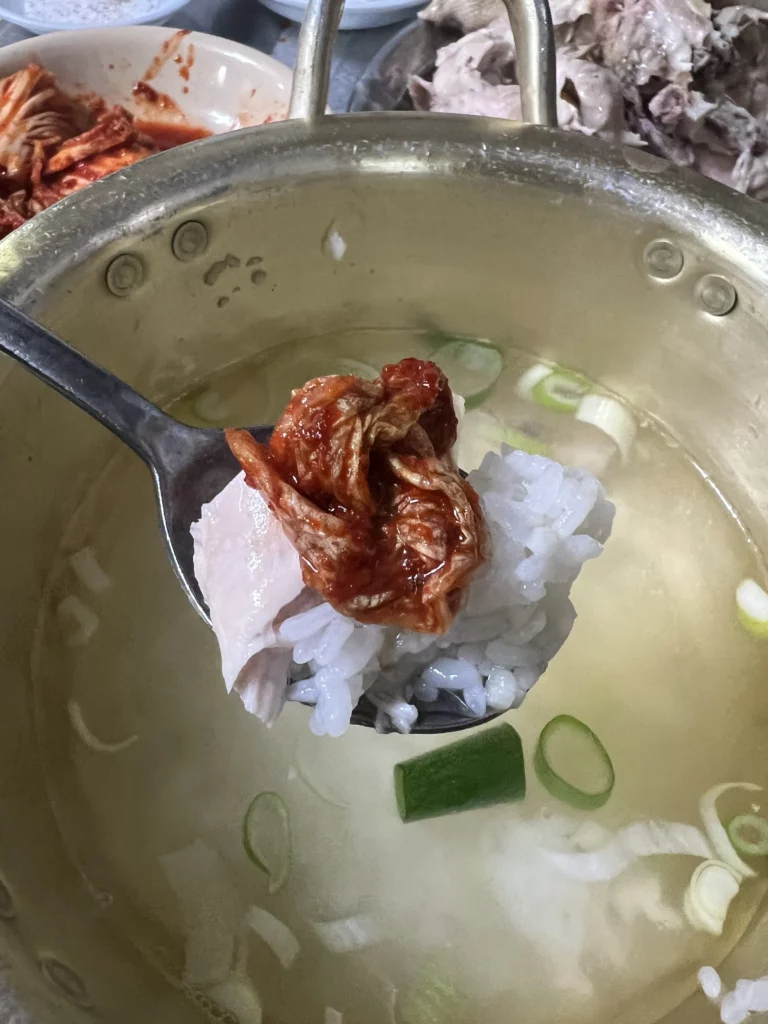
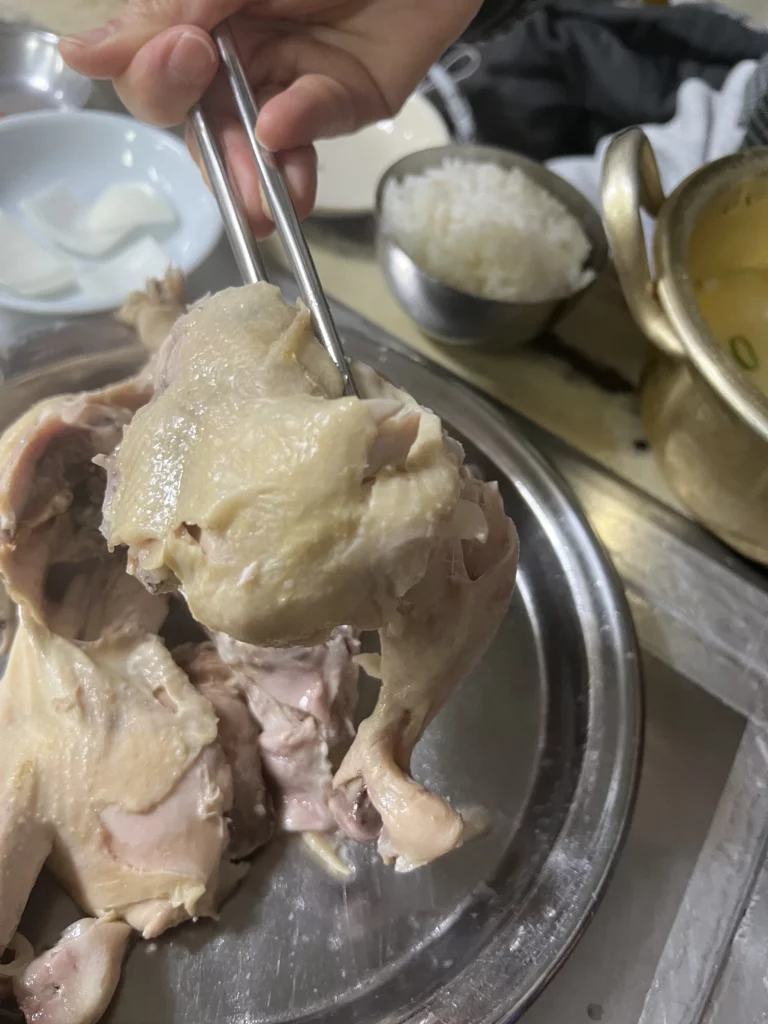
Texture plays an equally important role. The chicken achieves ideal tenderness Korean diners call "bu-deu-reop-da" (부드럽다)—tender and soft, almost melting yet maintaining enough structure for satisfying chew. You can easily tear meat with chopsticks, and it separates cleanly along natural muscle fibers. The skin becomes silky and gelatinous rather than crispy.
The broth has medium-light body—not watery but not thick like cream soup. It coats your spoon lightly, leaving subtle richness that encourages another sip. When you add rice to make porridge after finishing chicken, starch thickens the broth beautifully, creating velvety, comforting consistency.
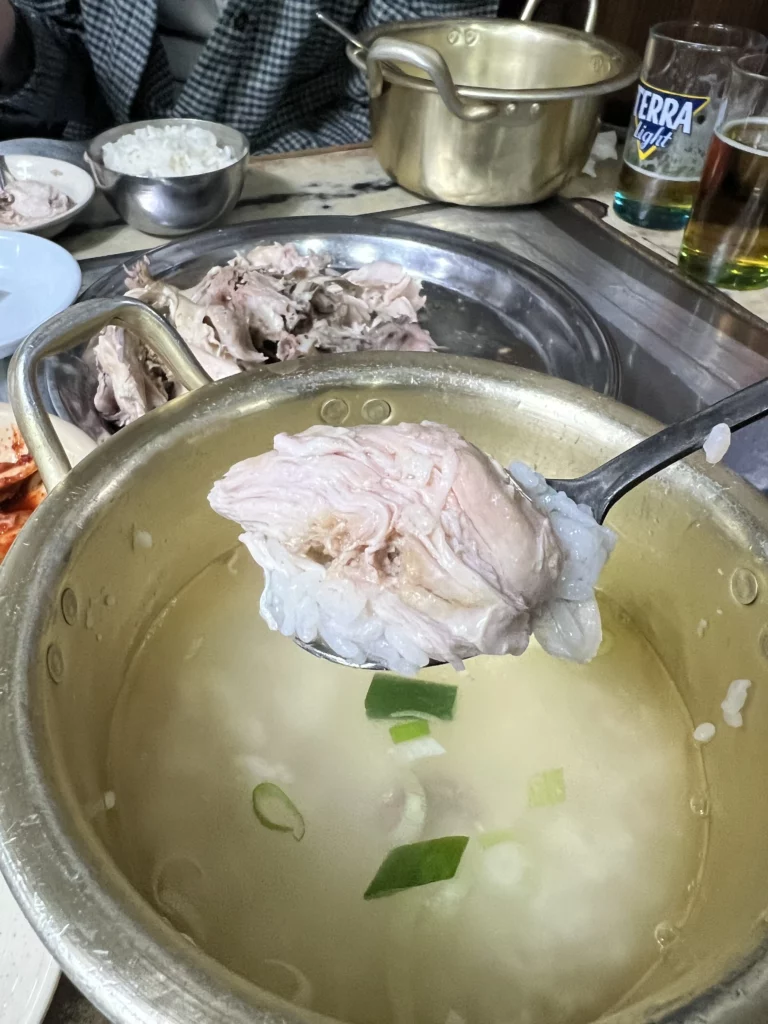
Temperature-wise, Dak Baeksuk arrives steaming hot. Take your time, starting with broth while allowing chicken to cool slightly. The mild flavor might seem subtle at first if you’re used to heavily seasoned soups, but the clean, honest taste reveals its charm gradually. Your palate experiences evolution throughout the meal—pure broth offers delicate character, dipping chicken in condiments adds complexity, and final rice porridge concentrates and enriches flavors.
What Should First-Time Eaters Know?
Approaching Dak Baeksuk for the first time requires understanding basic Korean dining customs, though the dish’s flexibility means there’s no single "correct" way.
The Basic Eating Method:
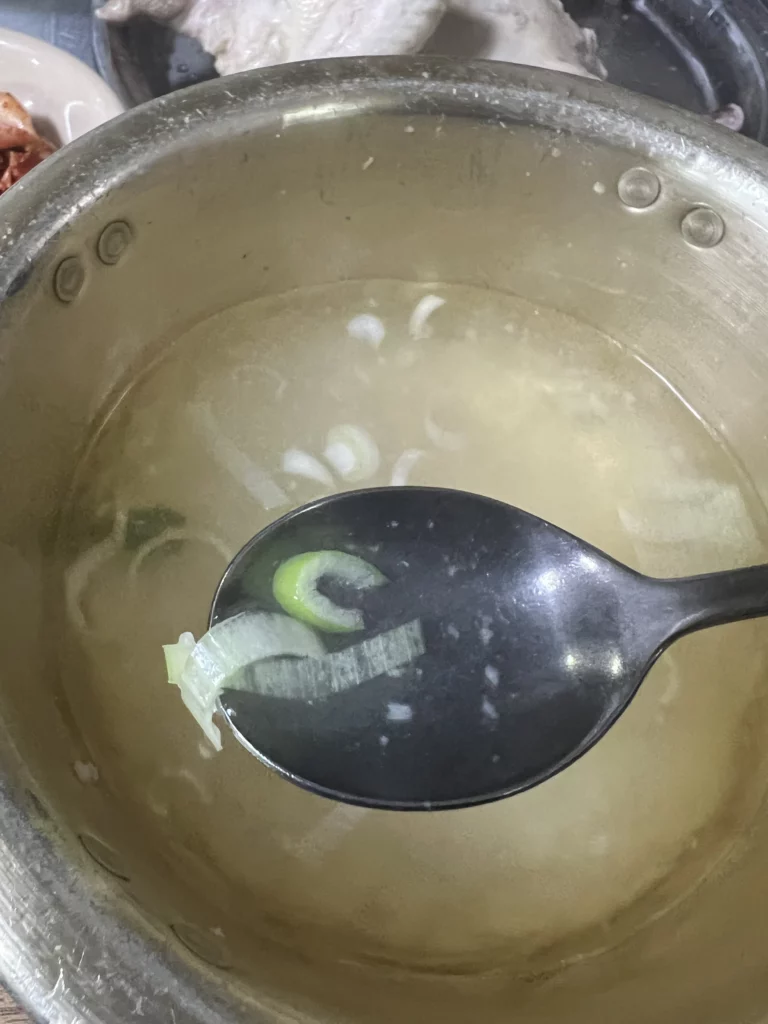

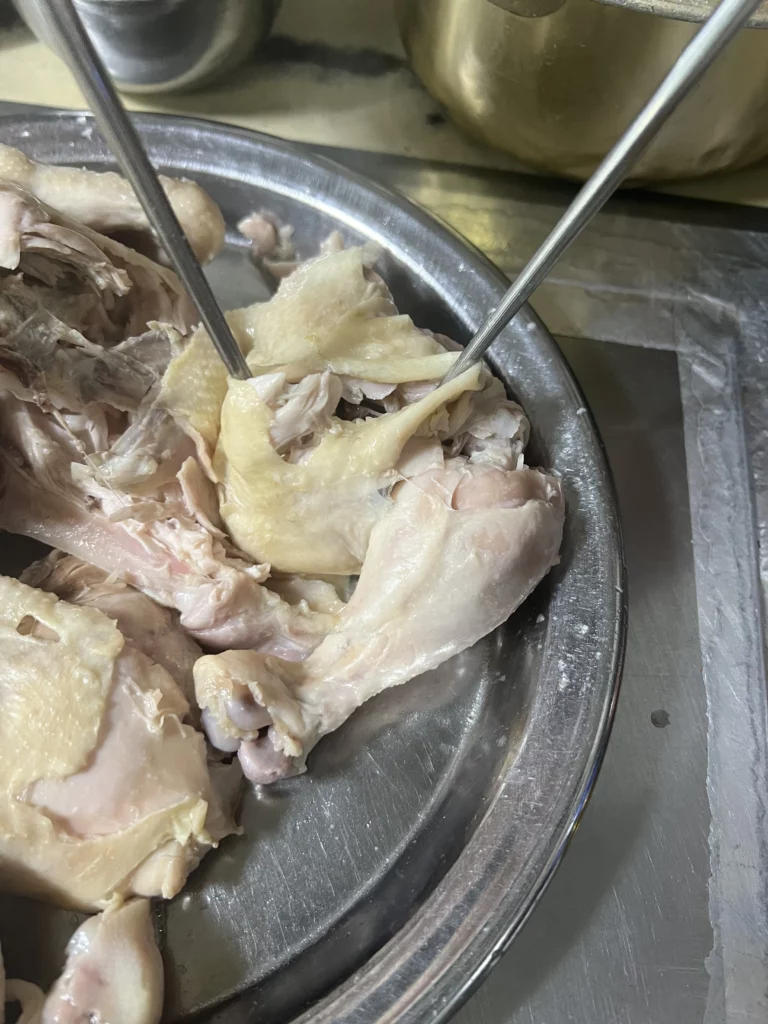


- Start with broth – Take a few sips of pure broth first to appreciate delicate flavor before mixing other elements. Some diners eat soft garlic cloves first, enjoying their sweet, mild character.
- Prepare your chicken – Using chopsticks, tear chicken into bite-sized pieces. Korean etiquette discourages biting food in half, so aim for one or two-bite pieces. The tender meat separates easily along natural lines.
- Seasoning options:
- Dip in salt-pepper mixture for simple seasoning highlighting chicken’s natural flavor
- Use vinegar-soy sauce for tangy, savory contrast
- Wrap chicken in kimchi leaves—many Koreans consider this ideal, as cool, tangy kimchi perfectly balances warm, mild chicken
- Eat plain to appreciate pure chicken taste
- Rice transformation – After finishing most chicken, add your rice bowl directly into remaining broth. Stir gently, breaking up rice and allowing it to absorb soup. Let the mixture sit for a minute, allowing rice to soften and flavors to meld. This rice porridge (called "juk") provides comforting, easy-to-digest finish. Many Koreans consider this the most satisfying part.
- Finishing touches – Add kimchi, green onions, or other banchan to rice porridge according to taste.
What to Expect on First Taste:
Your initial sip might seem milder than expected if you’re accustomed to heavily seasoned Western soups. Give it a moment—Dak Baeksuk’s charm reveals itself gradually through clean, honest flavors creating a calming quality rather than aggressive impact.
Cultural Considerations:
Korean dining emphasizes sharing and community. You’ll receive individual servings, but the atmosphere encourages conviviality. Table manners include: don’t blow your nose at the table, avoid sticking chopsticks vertically into rice, and try to at least taste all banchan provided. Use the spoon for rice and soup, chopsticks for picking up side dishes and chicken.
How to Order and Eat Like a Local
For First-Time Visitors:

The safest order is Baeksuk Baekban (백숙백반). Simply indicate the number of people—"Baeksuk baekban [hold up fingers]" works perfectly. If visiting during early lunch (before noon) and interested in noodles, order "Kalguksu hana, Baeksuk baekban hana" (one kalguksu, one baeksuk).

Timing Your Visit:
Arriving before lunch rush (ideally by 11:30 AM) provides best chance of securing kalguksu before sell-out. Weekday lunch hours (12:00-13:30) mean crowds and possible waiting. The restaurant opens at 10:30 AM most days.
What Locals Know:
Korean diners drink broth throughout the meal, not just at beginning or end. Water and kimchi refills are free—don’t hesitate to request more if you’ve finished your initial serving. The rice-to-broth ratio for final porridge depends on personal preference—add rice gradually and adjust consistency to your liking.
Best Time to Visit and Practical Information

Strategic Timing:
For optimal experience, arrive Tuesday-Thursday between 11:15-11:45 AM. This avoids Monday (ingredients less fresh after Sunday closure) and Friday (end-of-week crowds peak). Mid-morning arrival ensures quick seating, kalguksu availability, and comfortable pace before lunch rush.

Location and Hours:
Address: Seoul, Jung-gu, Toegye-ro 27-gil, 46 (서울특별시 중구 퇴계로27길 46)

Nearest Stations:
- Chungmuro Station (Lines 3 & 4) – Exit 9, 5-minute walk
- Euljiro 3-ga Station (Lines 2 & 3) – Exit 13/14, 7-minute walk
Operating Hours:
- Monday-Friday: 10:30 – 21:40
- Saturday: 10:30 – 21:00
- Sunday: 10:30 – 16:00
- Regular Holiday: First Sunday of each month
Phone: 0507-1427-2043

Public transportation provides the most reliable access. The Chungmuro/Euljiro area historically served as Seoul’s printing district, and pockets of authentic working-class Seoul remain, offering glimpses of everyday life untouched by tourism.
Payment and Language:
Cash and cards both accepted, though carrying Korean won ensures smooth payment. Expect minimal English signage and limited English-speaking staff, but simple menu and pointing prove sufficient for successful ordering.
Experience Authentic Korean Comfort Food at Sarangbang Kalguksu
Sarangbang Kalguksu represents everything wonderful about Seoul’s neighborhood restaurant culture: honest food prepared with skill and consistency, prices that respect customers’ budgets, and atmosphere shaped by decades of serving local communities. The restaurant’s consistent recognition tells a story of unwavering commitment to doing simple things extraordinarily well.
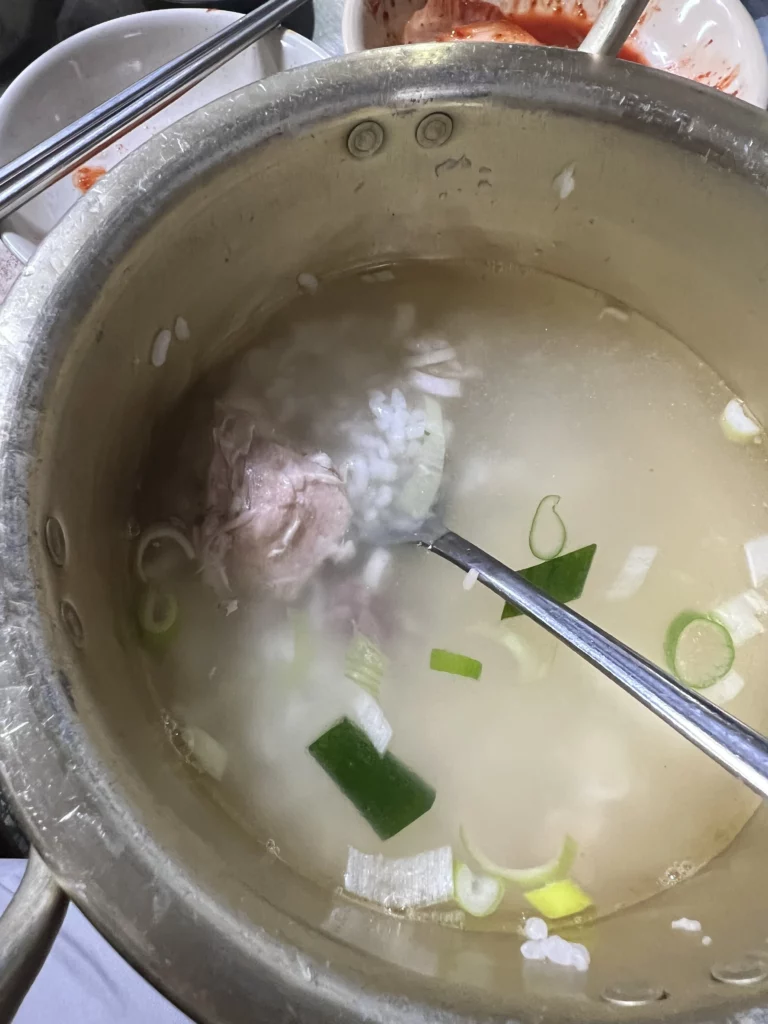
The Dak Baeksuk served here embodies Korean culinary philosophy at its finest—maximum flavor from minimal ingredients, wellness and pleasure intertwined, and food that nourishes body and spirit equally. Whether you’re seeking comfort on a cold Seoul day, curious about traditional Korean cuisine beyond spicy dishes, or following local recommendations to discover authentic favorites, Sarangbang Kalguksu delivers an experience worth the journey.
For your visit to this Chungmuro institution, arrive early to secure their famous kalguksu, bring appetite for generous portions, and prepare to understand why Koreans have loved boiled chicken soup for centuries. The warm broth, tender chicken, and welcoming atmosphere await.
Location
46, Toegye-ro 27-gil, Jung-gu, Seoul, Republic of Korea, KR
Reviews
5.0
0 reviews
5
0%
4
0%
3
0%
2
0%
1
0%
Loading reviews...
Related Recipes

Noodles
Halloween Bibim Guksu: Spooky Eyeball Noodles
Looking for a spooky and delicious dish to serve this Halloween? Halloween Eyeball Bibim Guksu puts a playful twist on...

Noodles
Janchi Guksu: Korean Banquet Noodle Soup
In Korea, asking a friend “When will you feed us noodles?” is a playful way of asking when they plan...

Noodles
Spicy Korean Buckwheat Noodles
There’s a particular kind of relief that comes with the first bite of spicy Korean buckwheat noodles on a sweltering...

Chicken
Yeongyang Center Myeongdong: Korea's Original Tongdak Since 1960
Jung-gu, Seoul, South Korea Yeongyang Center Main Branch 52 Myeongdong 2-gil
5

Chicken
Seoul's Top 3 Stir-Fried Chicken: Okeunnae Dakgalbi, Michelin Bib Gourmand Restarant
1st Floor 40-9 Hangangno 3(sam)-ga, Yongsan District, Seoul
5

Chicken
Tongnamujip Dakgalbi: Chuncheon's Charcoal Grilled Chicken Galbi Experience
Chuncheon-si, Gangwon-do 655 Sinsaembat-ro, Sinbuk-eup,
5

Chicken
Top 3 Fried Chicken in Seoul: Why Locals Love "Gyeyeolsa" in Buam-dong
Jongno-gu, Seoul, Republic of Korea 7 Baekseokdong-gil
5