


When it comes to authentic Korean noodles, few places can match the prestigious legacy of Sohojeong, a restaurant that once served Korea’s presidential Blue House. This Seoul institution has been perfecting the art of Andong guksi—a refined Korean noodle dish—since 1985, bringing the sophisticated flavors of Korea’s noble cuisine to modern diners.
Korean Noodles at Sohojeong: A Presidential Legacy in Seoul
5
Korean Noodles at Sohojeong: A Presidential Legacy in Seoul
5
22 Seocho-daero 78-gil, Seocho-gu, Seoul, Republic of Korea 2nd Floor
Editor: James Lee


Interior04
Food07

Menu02
Overview
+82 02-583-6063
WiFi Provided
Indoor Seating Only
Electronic Payment, Credit Card accepted: American Express, Master Card, Visa
Introduction
Operating hours
Mon, Tue, Wed, Thu, FriAM 11:00 - PM 9:30
Sat, SunAM 11:00 - PM 9:00
Menu
Editor's Detail
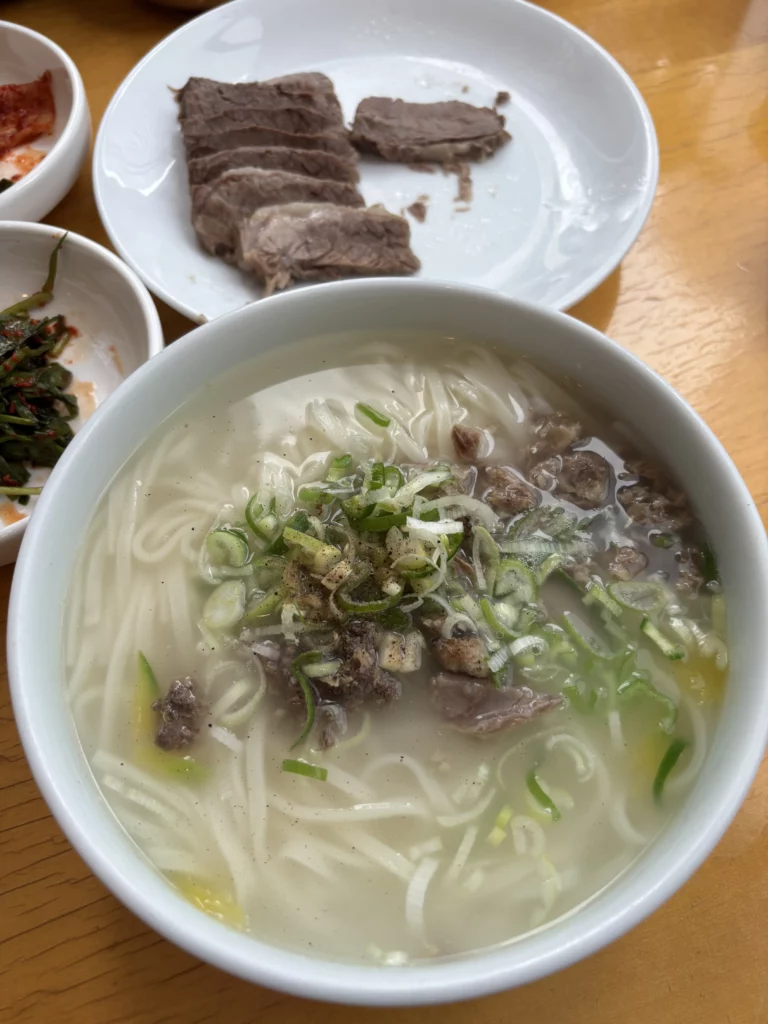
When it comes to authentic Korean noodles, few places can match the prestigious legacy of Sohojeong, a restaurant that once served Korea’s presidential Blue House. This Seoul institution has been perfecting the art of Andong guksi—a refined Korean noodle dish—since 1985, bringing the sophisticated flavors of Korea’s noble cuisine to modern diners.
Unlike the typical seafood-based Korean noodle soups found elsewhere, Sohojeong specializes in Korean noodles prepared with rich, amber-colored beef broth that has been simmered for hours. But the culinary excellence doesn’t stop there—this renowned establishment also serves exceptional gukbap (Korean rice soup) and premium hanwoo suyuk (boiled beef), creating a complete traditional Korean dining experience that represents centuries of aristocratic food culture.
What Makes This Dish Uniquely Korean?
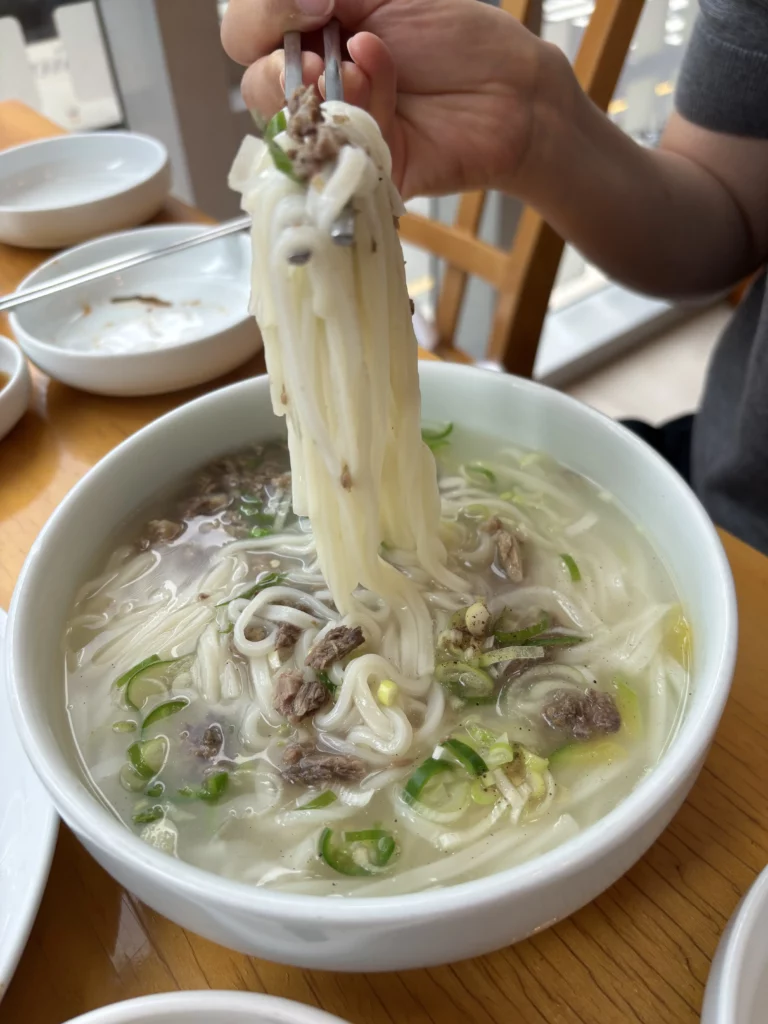
Andong guksi, the specialty Korean noodles served at Sohojeong, represents the pinnacle of traditional Korean aristocratic cuisine. Originating from Andong in North Gyeongsang Province, this dish was traditionally served to honored guests at yangban (noble) households during important ceremonies and ancestral rites.
The cultural significance runs deep—these Korean noodles were considered so precious that they were reserved for special occasions, reflecting the Confucian values of respect for guests and family traditions. The term "guksi" itself is a Gyeongsang dialect word for "guksu" (noodles), highlighting the regional authenticity that sets this dish apart from other Korean noodle varieties.
What distinguishes these Korean noodles from similar Asian dishes is the meticulous preparation process and the use of premium Korean hanwoo beef, creating a broth that’s both clean and deeply flavorful without being heavy or greasy. This same premium beef foundation also creates the restaurant’s renowned gukbap and suyuk, making Sohojeong a destination for experiencing multiple expressions of traditional Korean beef cuisine.
What Are the Key Ingredients That Create This Flavor?
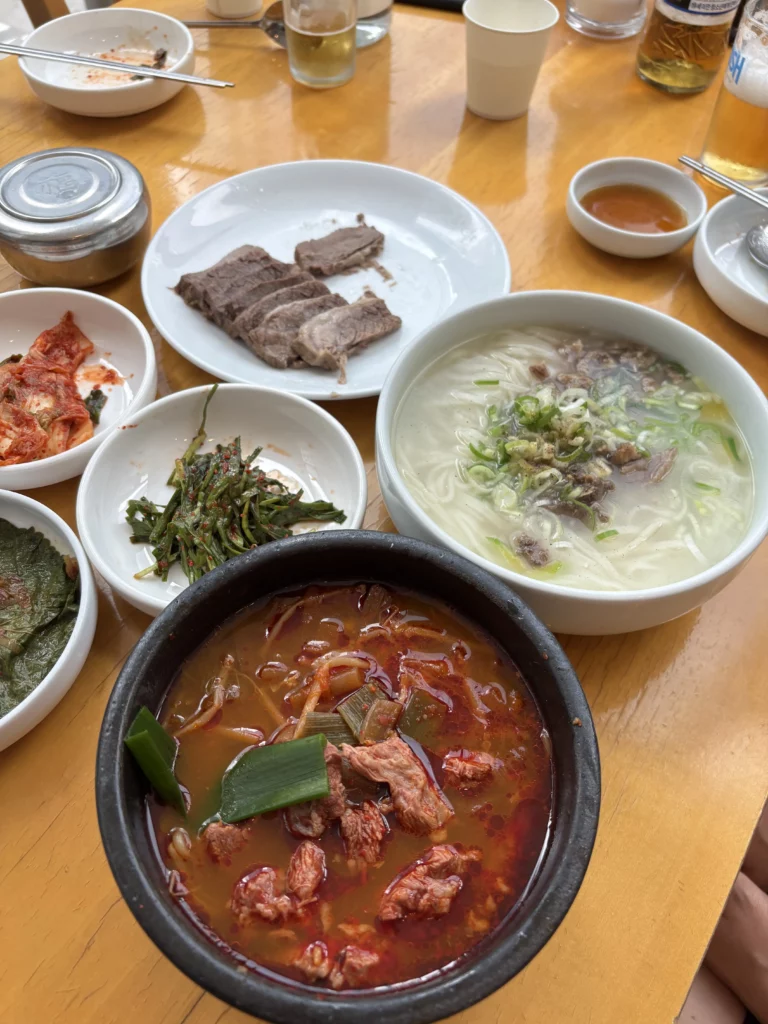
Premium Korean Hanwoo Beef (한우) The foundation of authentic Korean noodles at Sohojeong lies in the use of high-quality hanwoo beef bones and brisket. This indigenous Korean cattle breed produces meat with exceptional marbling and a naturally sweet flavor profile. The bones are simmered for over four hours, extracting deep umami flavors while maintaining a crystal-clear broth that’s rich in collagen and nutrients. This same premium beef is used throughout the menu, from the Korean noodles to the tender suyuk slices.
Hand-cut Wheat and Soybean Noodles Traditional Korean noodles here are made by mixing wheat flour with soybean powder in carefully measured ratios, creating noodles with a distinctive pale yellow color and slightly nutty flavor. This combination not only enhances the taste but also adds nutritional value, as soybeans provide additional protein and create a more satisfying texture that holds up beautifully in the hot broth.
Premium Korean Rice (한국쌀) For the gukbap, Sohojeong uses high-quality Korean short-grain rice that maintains its texture even when served in the hot beef broth. The rice absorbs the rich flavors while retaining a pleasant bite, creating a hearty and satisfying meal that differs significantly from the lighter Korean noodles experience.
How Would You Describe the Taste and Spice Level?
Spice Level: 2/10 – These Korean noodles are exceptionally mild, making them perfect for those sensitive to heat or newcomers to Korean cuisine.
The flavor profile is elegantly restrained yet deeply satisfying. The first sip reveals a clean, savory broth that tastes of pure beef essence without any gaminess. The Korean noodles themselves have a pleasant chewiness with a subtle nutty undertone from the soybean flour, creating textural interest in every bite.
Unlike many Korean soups that feature bold, spicy flavors, this dish showcases the refined side of Korean cuisine. The taste is reminiscent of a premium chicken soup but with more depth and complexity. The warmth spreads through your body, providing both comfort and nourishment—a perfect example of Korean comfort food at its finest.
The broth temperature is served hot but not scalding, allowing you to appreciate the nuanced flavors immediately without burning your tongue.
What Should First-Time Eaters Know?

Proper Eating Method: Korean noodles are traditionally eaten with both chopsticks and a spoon. Use chopsticks to lift the noodles and a spoon for the broth. It’s perfectly acceptable to slurp—this actually enhances the flavors and shows appreciation for the dish.

What to Expect: Your first taste might surprise you with its subtle elegance. Unlike the bold, spicy Korean dishes many foreigners expect, these Korean noodles offer a gentle introduction to Korean cuisine. The flavor builds gradually, and you’ll find yourself appreciating the depth more with each spoonful.

Cultural Dining Sequence: The meal typically begins with small side dishes (banchan) including kimchi and seasoned perilla leaves. Try wrapping some noodles in a perilla leaf for an authentic flavor combination. Many diners also order sliced beef (suyuk) as an accompaniment, which pairs beautifully with the noodles.
Portion Expectations: Korean noodle servings at Sohojeong are generous. One bowl is often sufficient as a complete meal, though the clean broth makes it easy to finish everything without feeling overly full.
Beyond Korean Noodles: Gukbap – The Hearty Korean Rice Soup

While Korean noodles may be the star, Sohojeong’s Andong gukbap deserves equal recognition as a masterpiece of traditional Korean cuisine. This substantial dish features the same premium beef broth that makes the Korean noodles so exceptional, but paired with perfectly cooked Korean rice instead of noodles.

What Makes Gukbap Special? Gukbap represents Korean comfort food in its purest form. The dish consists of warm, fluffy Korean rice served in the same crystal-clear beef broth used for the Korean noodles, but with additional tender beef pieces and fresh vegetables. The rice gradually absorbs the savory broth, creating a porridge-like consistency that’s both nourishing and deeply satisfying.

The Cultural Significance of Gukbap Historically, gukbap was considered a complete meal that provided sustenance for working people throughout the day. At Sohojeong, this humble dish is elevated to aristocratic standards through the use of premium ingredients and traditional preparation methods passed down through generations.

Flavor Profile and Texture The taste experience differs significantly from Korean noodles—while the broth base remains the same, the rice creates a heartier, more filling sensation. Each grain of rice becomes infused with the beef essence, while maintaining enough texture to provide satisfying chewiness. The beef pieces are incredibly tender, falling apart at the touch of chopsticks.
Suyuk: Premium Korean Boiled Beef Perfection

No discussion of Sohojeong would be complete without highlighting their exceptional hanwoo suyuk—thinly sliced boiled beef that represents the pinnacle of Korean meat preparation techniques.

The Art of Korean Suyuk Preparation Suyuk at Sohojeong showcases the natural flavor of premium hanwoo beef through minimal intervention cooking. The beef is gently simmered in the same aromatic broth used for the Korean noodles, allowing the meat to cook slowly and evenly while retaining its natural juices and tender texture.
Why Suyuk Pairs Perfectly with Korean Noodles Many diners order suyuk alongside their Korean noodles for good reason. The mild, clean taste of the boiled beef provides protein richness that complements the subtle flavors of the noodle soup without overwhelming the palate. The combination creates a balanced meal that satisfies both hunger and cultural curiosity.
Traditional Serving Style and Accompaniments Suyuk arrives beautifully arranged on a separate plate, accompanied by traditional Korean condiments including:


- Saeujeot (salted shrimp sauce) – adds umami depth
- Ssamjang (fermented bean paste) – provides earthy complexity
- Fresh garlic and green onions – contribute sharp, fresh notes
- Korean perilla leaves – offer aromatic wrapping for the meat
How to Eat Suyuk Properly Take a slice of the tender beef, dip it lightly in your preferred sauce, and wrap it in a perilla leaf if desired. The meat is so tender it practically melts in your mouth, with a clean, beefy flavor that highlights the quality of Korean hanwoo without any gaminess.
The Complete Sohojeong Experience: Combining All Three Dishes

The Traditional Set Menu Approach For first-time visitors wanting to experience the full range of Sohojeong’s offerings, consider ordering a combination that includes Korean noodles, gukbap, and suyuk. This approach allows you to compare and contrast different expressions of the same premium beef base while experiencing various textures and preparation methods.
Recommended Dining Sequence
- Start with suyuk – The clean beef flavor prepares your palate
- Progress to Korean noodles – Experience the delicate balance of noodles and broth
- Finish with gukbap – The heartier rice soup provides satisfying fullness
Sharing Culture Korean dining tradition encourages sharing, making it natural to order multiple dishes for the table. This communal approach enhances the cultural experience while allowing everyone to taste the different specialties that make Sohojeong famous.
Why Sohojeong Stands Out Among Korean Restaurants

Sohojeong’s reputation extends far beyond typical Korean noodle shops. The restaurant’s founder once served as the personal chef to former President Kim Young-sam, earning these Korean noodles the nickname "Cheongwadae kalguksu" (Blue House noodles). This presidential connection speaks to the exceptional quality and refinement of the cuisine across all dishes—from Korean noodles to gukbap and suyuk.

Located in Seoul’s sophisticated Seocho district, Sohojeong maintains an upscale atmosphere that reflects its distinguished clientele from political and business circles. With 11 locations across Seoul and its suburbs, the restaurant has successfully maintained consistency while expanding, proving that authentic Korean noodles and traditional beef dishes can scale without losing their traditional essence.


The restaurant’s commitment to using Korean-sourced ingredients ensures that every bowl of Korean noodles and every plate of suyuk meets the highest standards. From the hanwoo beef to the locally grown vegetables, each component reflects Korea’s agricultural excellence and culinary heritage.
Nutritional Benefits of Traditional Korean Beef Cuisine
Korean Noodles Nutrition The soybean flour mixed into the Korean noodles provides additional protein and fiber compared to regular wheat noodles. The beef broth is rich in collagen, which supports joint health and skin elasticity. The clean preparation method means minimal additives or excessive sodium.
Gukbap Health Benefits Korean rice provides steady energy release, while the beef broth supplies high-quality protein and essential amino acids. The combination creates a balanced meal that supports sustained energy levels throughout the day.
Suyuk Protein Power Premium hanwoo beef in suyuk form provides easily digestible protein with lower fat content than grilled or fried preparations. The gentle cooking method preserves nutrients while making the meat tender and easy to digest.
Planning Your Visit
What to Order for Different Appetites
- Light meal: Korean noodles with a small portion of suyuk
- Moderate hunger: Gukbap with side dishes and kimchi
- Hearty appetite: Korean noodles, suyuk, and traditional banchan
- Group dining: Combination of all three main dishes for sharing

Price Considerations While Sohojeong’s prices reflect the premium quality of ingredients and preparation, the generous portions and exceptional quality provide excellent value. Korean noodles and gukbap are priced around 11,000-13,000 won, while suyuk portions vary based on size.

For more information about traditional Korean cuisine and its cultural significance, visit the Korean Food Promotion Institute.
Sohojeong offers more than just a meal—it provides a comprehensive window into Korea’s refined culinary heritage through its exceptional Korean noodles, hearty gukbap, and premium suyuk. The restaurant’s presidential pedigree, combined with its unwavering commitment to traditional preparation methods, creates an authentic dining experience that honors the past while satisfying contemporary palates.
Whether you’re drawn by the delicate Korean noodles, the comforting gukbap, or the premium suyuk, each dish tells a story of Korean culinary excellence rooted in centuries of tradition. The gentle flavors, premium hanwoo beef, and historical significance make every visit a meaningful culinary journey through Korea’s aristocratic food culture.
Ready to experience Korea’s most distinguished Korean noodles and traditional beef cuisine? Plan your visit to Sohojeong and discover why this presidential favorite has become a Seoul institution. Located conveniently in the heart of Seoul, this remarkable restaurant continues to serve Korean noodles, gukbap, and suyuk that bridge centuries of tradition with modern excellence.
Location
2nd Floor , 22 Seocho-daero 78-gil, Seocho-gu, Seoul, Republic of Korea, KR
Reviews
5.0
0 reviews
5
0%
4
0%
3
0%
2
0%
1
0%
Loading reviews...
Related Recipes

Meat & Poultry
Ttukbaegi Bulgogi (Korean Sizzling Beef Stew in a Hot Stone Pot)
There’s a particular kind of comfort in lifting the lid off a bubbling ttukbaegi bulgogi . Steam curls upward, the...

Noodles
Spicy Korean Buckwheat Noodles
There’s a particular kind of relief that comes with the first bite of spicy Korean buckwheat noodles on a sweltering...

Meat & Poultry
Korean Spicy Pork (Jeyuk Bokkeum)
If you have ever stood in front of a sizzling Korean BBQ pan in Seoul, watching deep-red pork edges caramelize...
Related Ingredients

Ingredient
Udoonsal : Korea’s Leanest Beef Cut for Yukhoe
If there is one Korean beef cut that professional butchers and seasoned home cooks quietly revere above all others, it...

Ingredient
Korean raw beef dish (Yukhoe)
There are dishes that define a cuisine’s confidence — its willingness to let a single, exceptional ingredient speak for itself....

Meat & Poultry
Korean beef
Few ingredients carry as much cultural weight in Korean cuisine as sogoegi (소고기) — Korean beef. Long before it became...

Beef
Somunnan Seongsu Gamjatang: Seongsu's 24-Hour Pork Stew
Seongdong-gu, Seoul 45, Yeonmujang-gil,
5

Beef
Saejae Halmaejip: Mungyeong's Yakdol Pork Since 1973
Mungyeong-si, Gyeongsangbuk-do 922, Saejae-ro, Mungyeong-eup
4

Beef
Ilsang Jeongwon: Shabu Shabu at Seoul Express Bus Terminal
Seoul FP103, 205, Sapyeong-daero, Seocho-gu, Seoul
5

Beef
Myeongdong Kyoja: Seoul's Michelin Kalguksu Since 1966
Jung-gu, Seoul 29, Myeongdong 10-gil
5