


Hidden in Gangnam’s vibrant Nonhyeon neighborhood, Chowon serves some of Seoul’s most memorable Korean BBQ experiences. Their specialty marinated sirloin jumulleok and thick-cut beef tongue deliver bold flavors that define authentic Seoul-style grilling, while soul-warming gopnaejangtang provides the perfect finish to any meal.
Chowon Korean BBQ: Gangnam's Hidden Gem for Marinated Sirloin and Premium Beef Tongue
5
Chowon Korean BBQ: Gangnam's Hidden Gem for Marinated Sirloin and Premium Beef Tongue
5
Gangnam-gu, Seoul, Republic of Korea 62-3 Nonhyeon-dong
Editor: James Lee


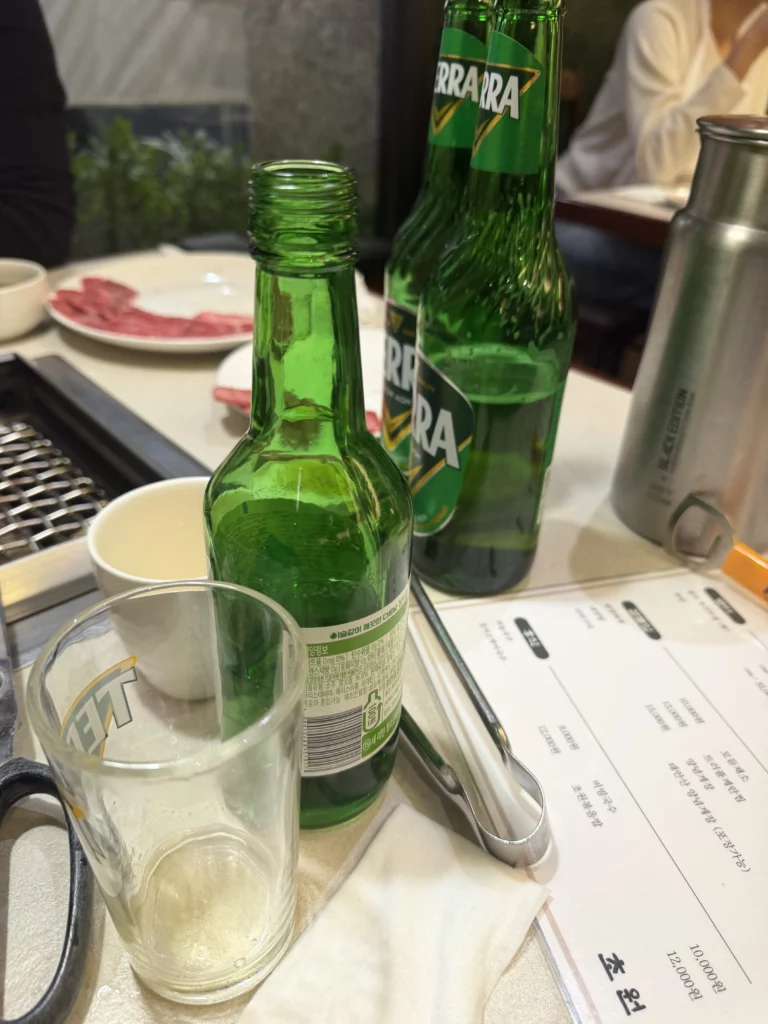
Interior02
Food02

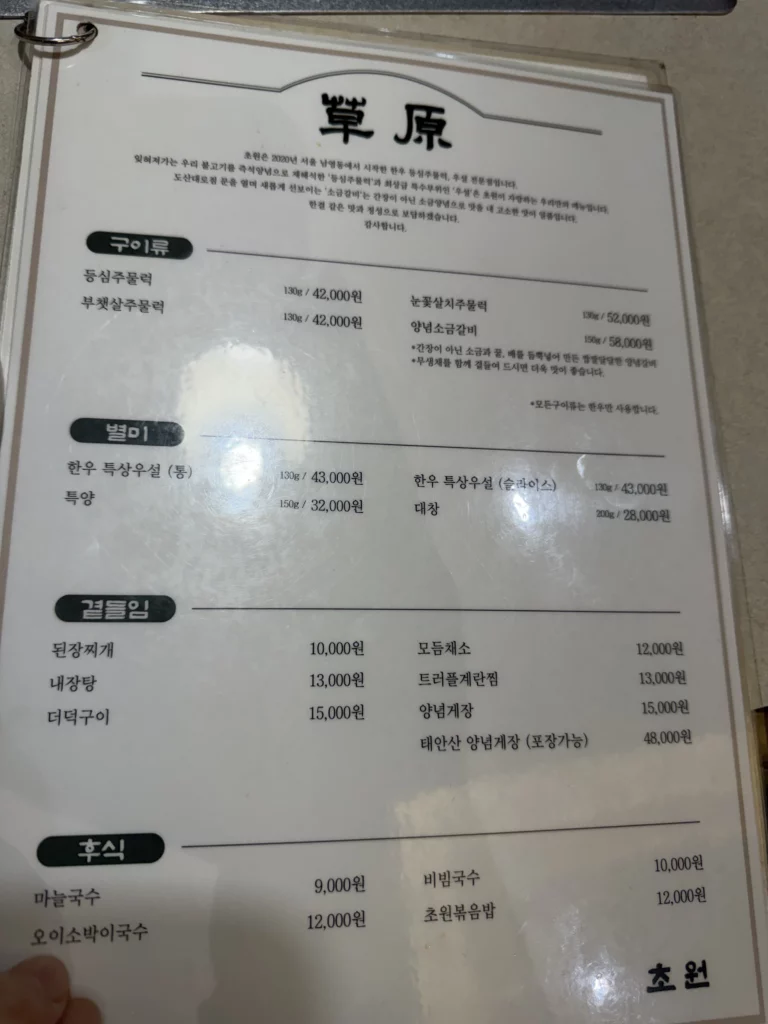
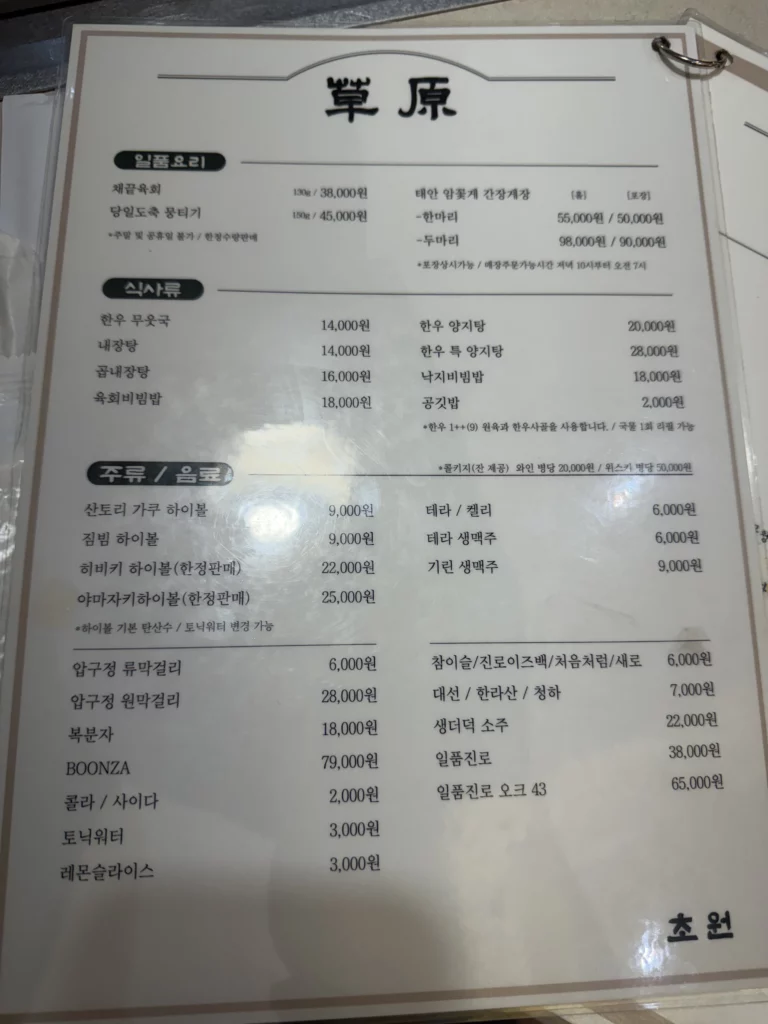
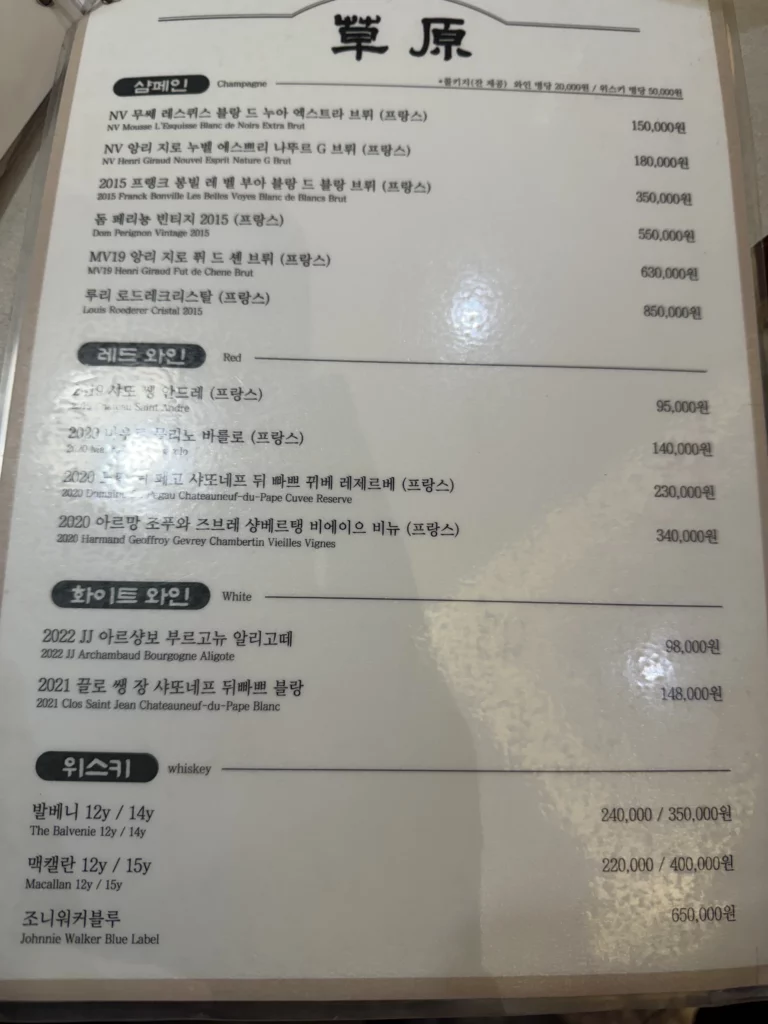
Menu01
Overview
+82 0507-1362-5949
WiFi Provided
Indoor Seating Only
Electronic Payment accepted: American Express, Master Card, Visa
Introduction
Operating hours
Mon, Tue, Wed, Thu, Fri, Sat, SunAM 12:00 - PM 12:00
Menu
Editor's Detail
Imagine stepping into a bustling Korean BBQ restaurant where the intoxicating aroma of marinated beef sizzling over charcoal fills the air, while diners gather around glowing grills sharing laughter and perfectly grilled meat. This is Chowon (초원) in Seoul’s fashionable Gangnam district, where traditional Korean BBQ culture meets exceptional meat quality in an atmosphere that captures everything locals love about Korean grilling. Located at 62-3 Nonhyeon-dong, Gangnam-gu, this neighborhood favorite has built a devoted following among Seoul’s discerning meat enthusiasts who return repeatedly for three signature dishes: deungsim jumulleok (marinated sirloin), premium beef tongue, and comforting gopnaejangtang.
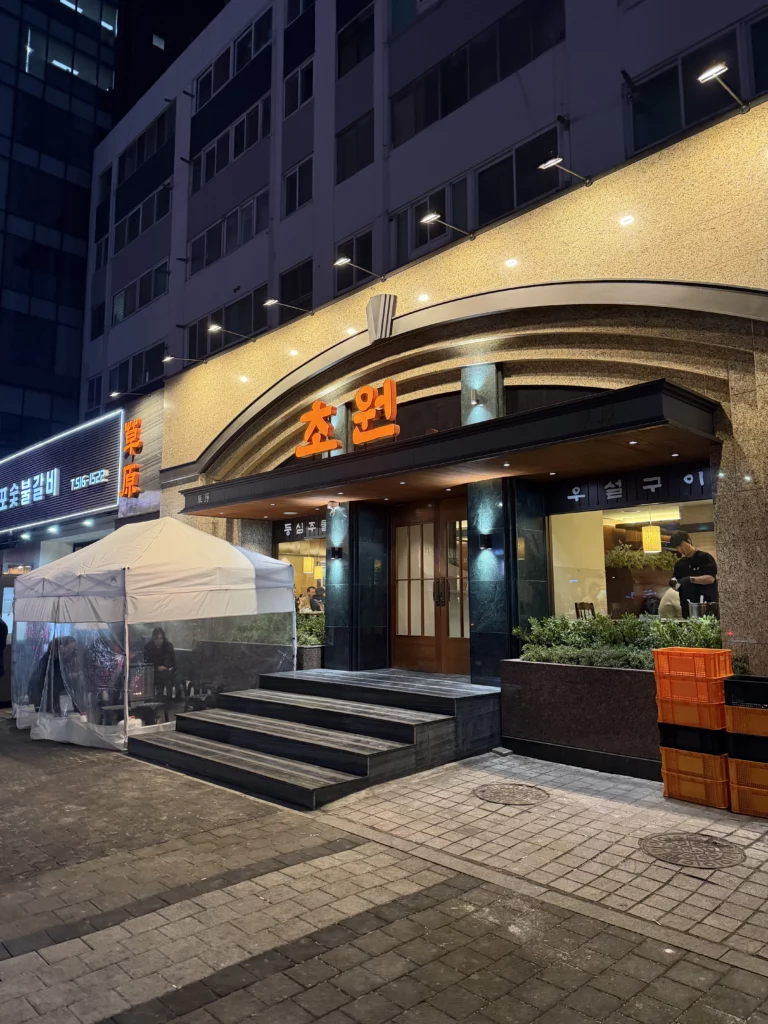
While Gangnam overflows with Korean BBQ options, Chowon distinguishes itself through its commitment to quality cuts and precise preparation methods that honor Korean grilling traditions. The restaurant’s specialty jumulleok showcases the art of Korean marinades, where beef absorbs layers of savory-sweet flavor before hitting the grill. Their thick-cut beef tongue offers adventurous eaters a chance to experience one of Korean BBQ’s most prized delicacies. For those seeking warmth and nourishment, the gopnaejangtang delivers deep, soul-satisfying comfort in every spoonful. Together, these dishes create a complete Korean BBQ experience that goes beyond mere sustenance to celebrate Korea’s rich culinary heritage and communal dining culture.
Table of Contents
- What Makes Chowon’s Korean BBQ Experience Special
- Understanding Jumulleok: Korea’s Marinated Short Steak Tradition
- What makes this dish uniquely Korean?
- What are the key ingredients that create this flavor?
- How would you describe the taste and spice level?
- What should first-time eaters know?
- Beef Tongue: From Skepticism to Obsession
- What makes this dish uniquely Korean?
- What are the key ingredients that create this flavor?
- How would you describe the taste and spice level?
- What should first-time eaters know?
- Gopnaejangtang: The Perfect Korean BBQ Finale
- How to Eat Korean BBQ Like a Seoul Local
- The Ssam Technique
- Grilling Etiquette
- Pace and Progression
- Essential Korean BBQ FAQ
- Planning Your Visit to Chowon
- Experience Seoul’s Korean BBQ Culture at Chowon
What Makes Chowon’s Korean BBQ Experience Special
Korean BBQ represents more than just grilled meat—it’s an interactive dining ritual that brings people together around shared flames and communal plates. At Chowon, this cultural tradition thrives in an atmosphere where the crackling of charcoal and the sizzle of marinating meat create a sensory symphony that defines Seoul dining culture. The restaurant embodies what makes Korean BBQ culture so captivating: the combination of premium ingredients, expert preparation, and the joy of cooking and sharing food with others.
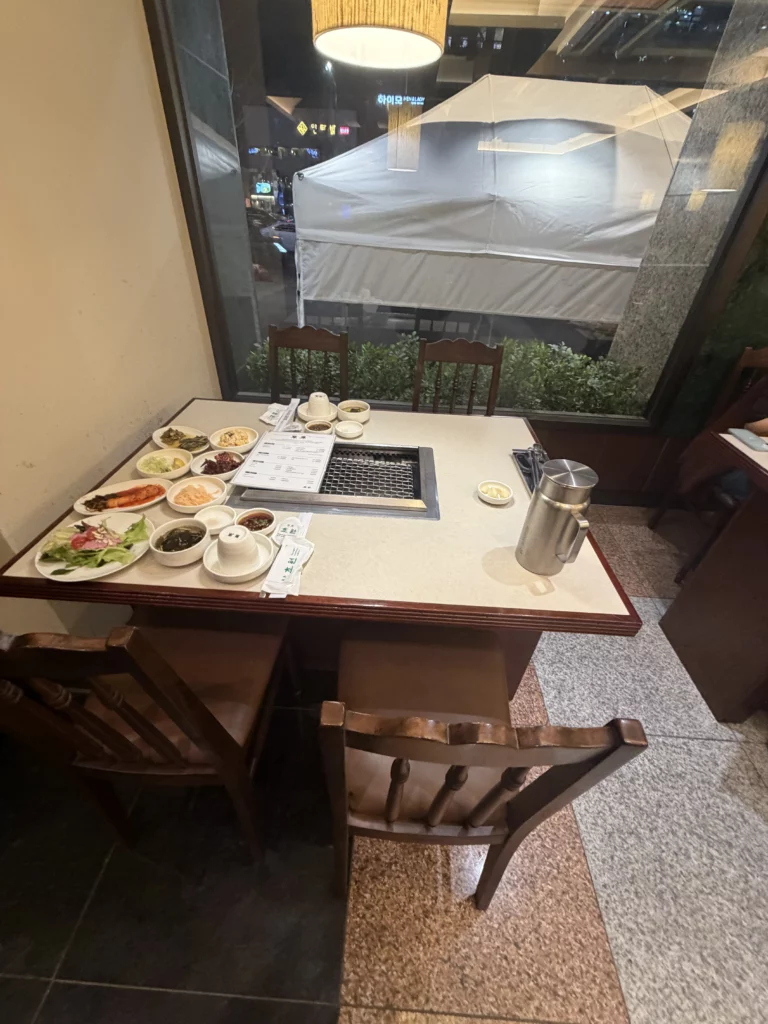
The restaurant’s location in Nonhyeon-dong places it at the heart of Gangnam’s thriving food scene, surrounded by office workers, local residents, and food enthusiasts who appreciate quality without pretension. Unlike tourist-oriented establishments that prioritize volume over quality, Chowon caters to a discerning Korean clientele who can immediately recognize superior meat quality and authentic preparation methods. This local following serves as the ultimate endorsement in a city where Korean BBQ options number in the thousands.
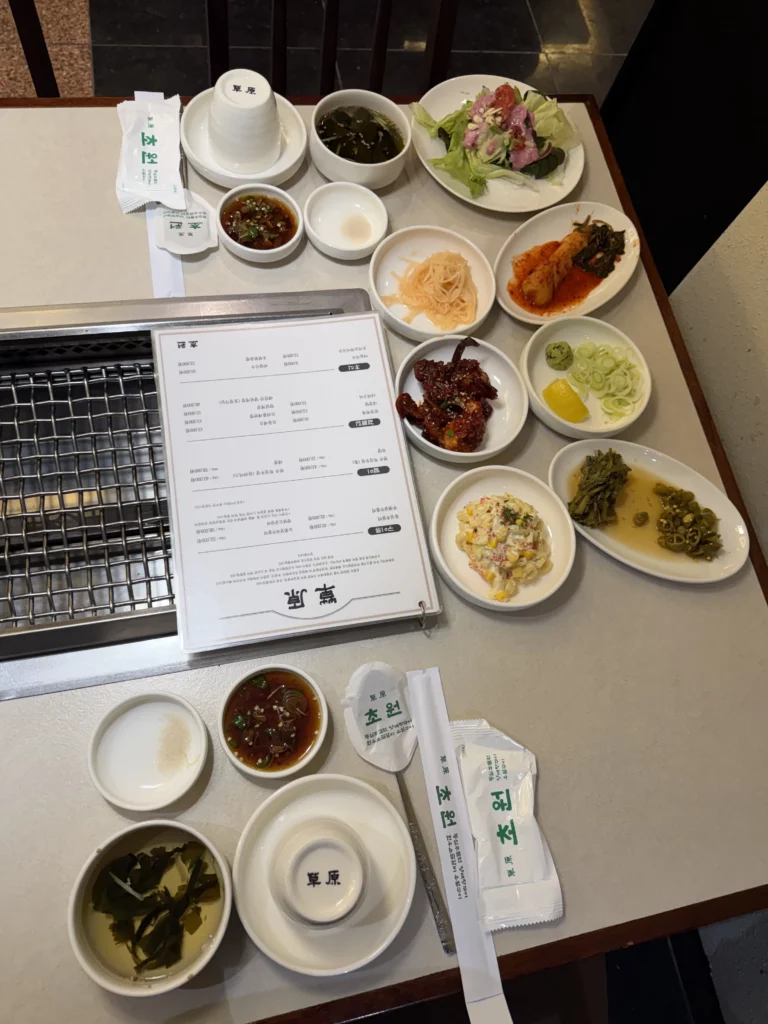
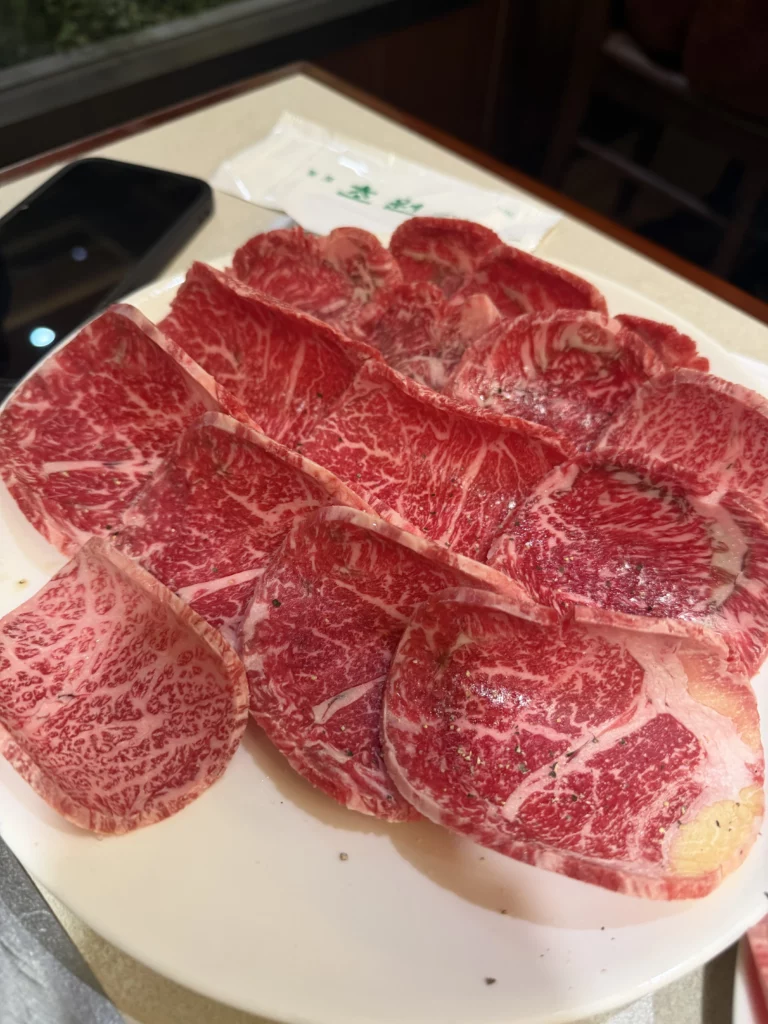
What truly sets Chowon apart is their approach to the three signature dishes. The deungsim jumulleok showcases marinated sirloin prepared in the traditional style where sesame oil, garlic, and carefully balanced seasonings penetrate the meat through massage and marination. The beef tongue—thick-cut rather than the disappointing thin slices served at lesser establishments—delivers the tender, elastic texture that Korean diners prize. The gopnaejangtang provides a warming conclusion that aids digestion after rich grilled meats, completing the meal in traditional Korean fashion.
Understanding Jumulleok: Korea’s Marinated Short Steak Tradition
What makes this dish uniquely Korean?
Jumulleok (주물럭) represents a fascinating chapter in Korean culinary evolution. The name derives from the Korean word meaning "to massage," referencing the traditional preparation method where marinades are kneaded directly into the meat rather than simply soaked. This technique, perfected over generations, creates deeper flavor penetration than standard marination methods while maintaining the meat’s natural texture and juiciness.
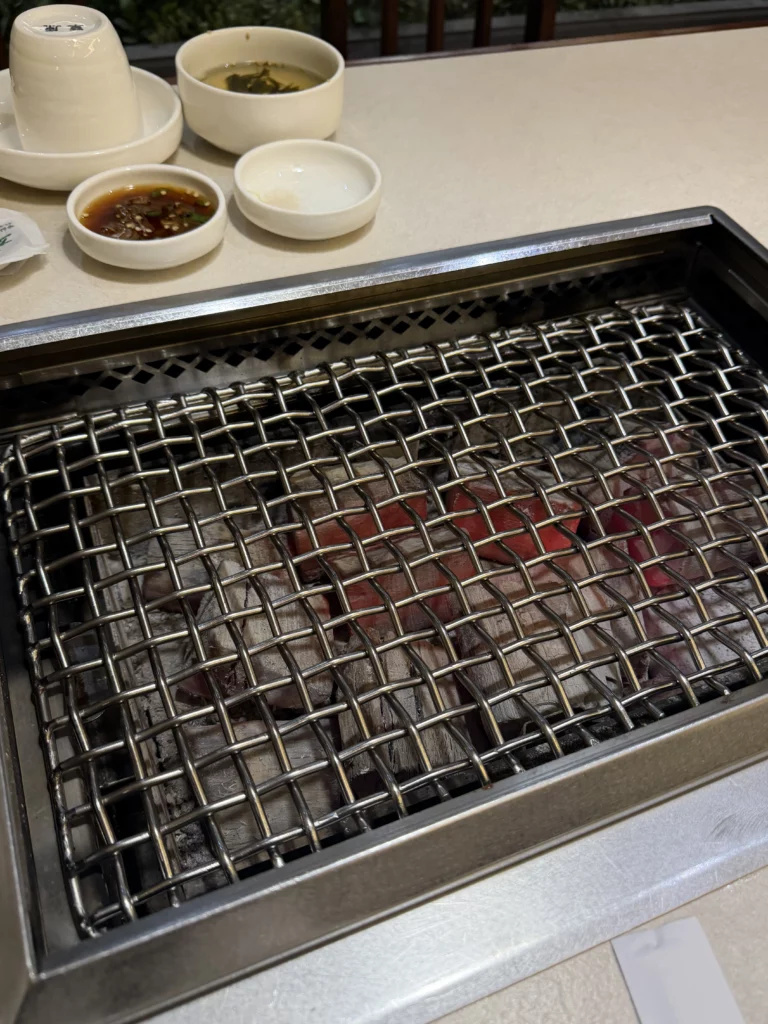
Unlike the heavily sweetened bulgogi popular at tourist restaurants, authentic jumulleok achieves sophisticated balance. The marinade typically combines Korean soy sauce, sesame oil, minced garlic, and subtle sweetness that enhances rather than masks the beef’s natural flavor. This preparation method gained tremendous popularity in Korea during the 1980s, though it has somewhat faded from mainstream restaurant menus in recent years as preferences shifted toward unmarinated premium beef. Finding establishments like Chowon that still excel at traditional jumulleok preparation has become increasingly rare and valuable.
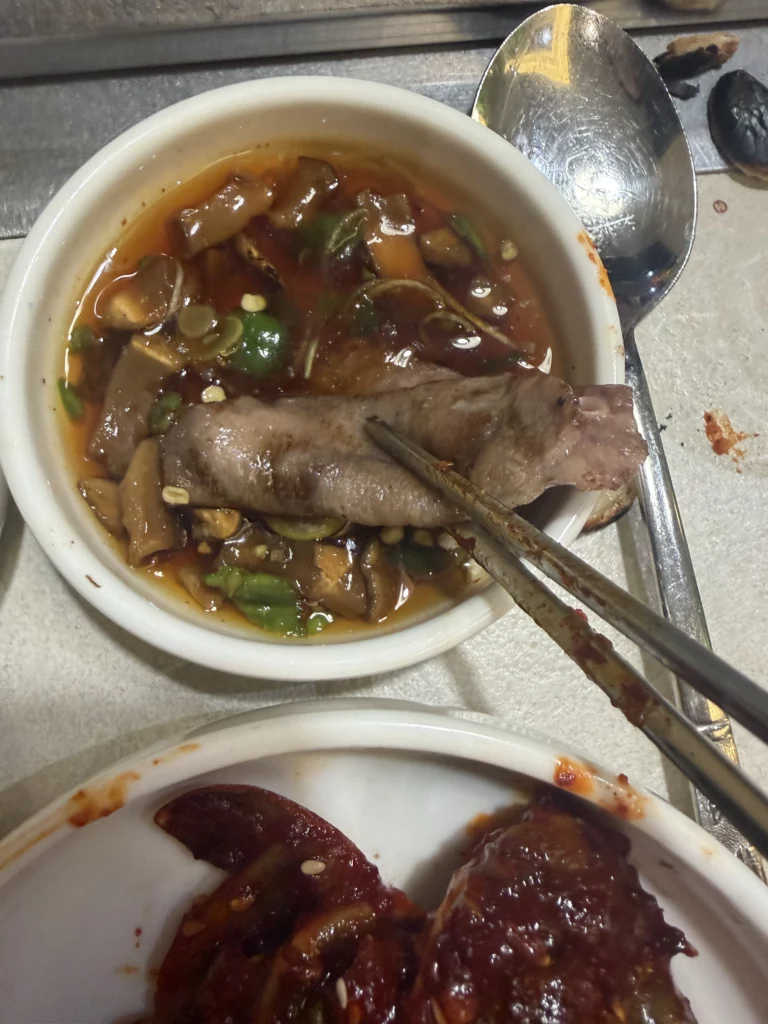
At Chowon, their deungsim (sirloin) jumulleok represents the restaurant’s flagship offering. The thick-sliced beef—cut substantially thicker than typical Korean BBQ meats—allows for proper caramelization on the exterior while maintaining a tender, juicy interior. This thickness distinguishes jumulleok from bulgogi’s paper-thin slices, creating a more steak-like eating experience that appeals to those who appreciate substantial, satisfying bites of perfectly seasoned beef.
What are the key ingredients that create this flavor?
The magic of Chowon’s jumulleok lies in three essential components working in harmony. Sesame oil forms the aromatic foundation, its nutty richness coating each piece of beef while helping other flavors penetrate the meat. Korean cooks prize toasted sesame oil for its ability to enhance umami notes without overwhelming delicate beef flavor. Fresh garlic provides sharp, pungent notes that balance the marinade’s richness—minced finely and massaged directly into the meat, garlic transforms through the marination process from raw and harsh to mellow and sweet when grilled.
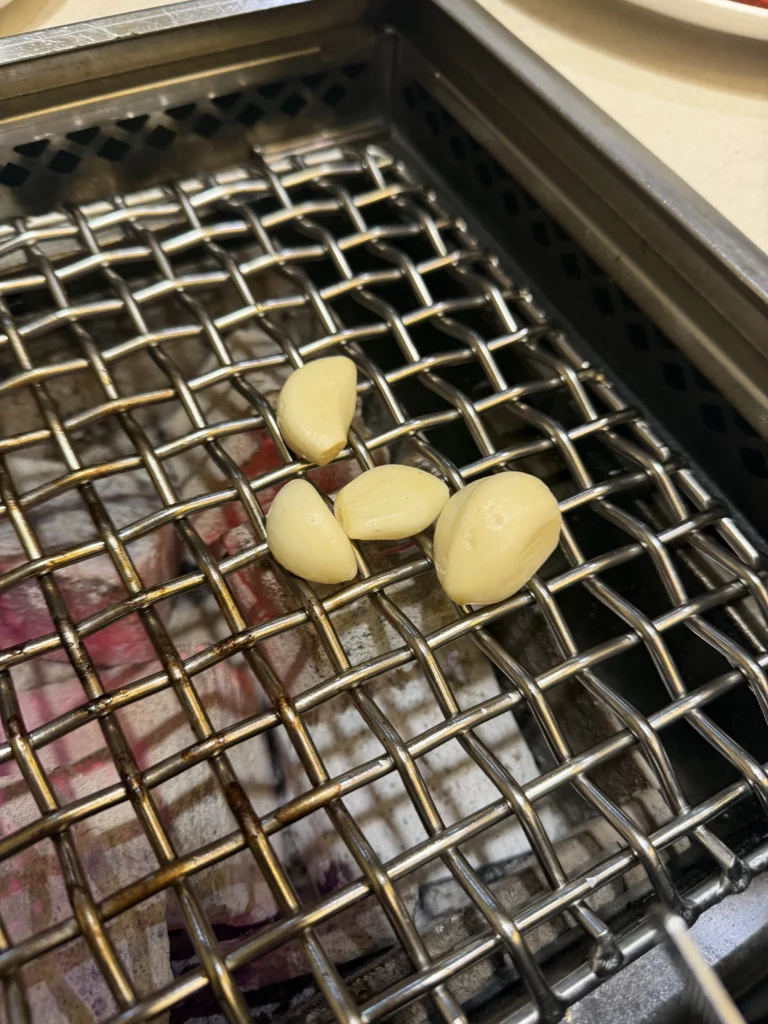
Korean soy sauce delivers the essential savory-salty backbone while contributing complex fermented flavors developed during traditional brewing processes. This isn’t just a seasoning element—quality Korean soy sauce contains enzymes that naturally tenderize beef while adding layers of umami depth. The fermented soybean base provides probiotics and nutritional benefits alongside its flavor contribution, making jumulleok both delicious and surprisingly health-conscious when consumed in moderation.
How would you describe the taste and spice level?
Chowon’s jumulleok registers at a comfortable 2-3 on a 10-point spice scale, making it accessible to those who prefer milder flavors while still delivering authentic Korean taste. The primary flavor profile centers on savory-sweet harmony, where fermented soy sauce umami meets subtle sweetness and nutty sesame notes. Unlike some Korean BBQ preparations that lean heavily sweet, this jumulleok maintains sophisticated balance that allows the high-quality beef to shine through the marinade.
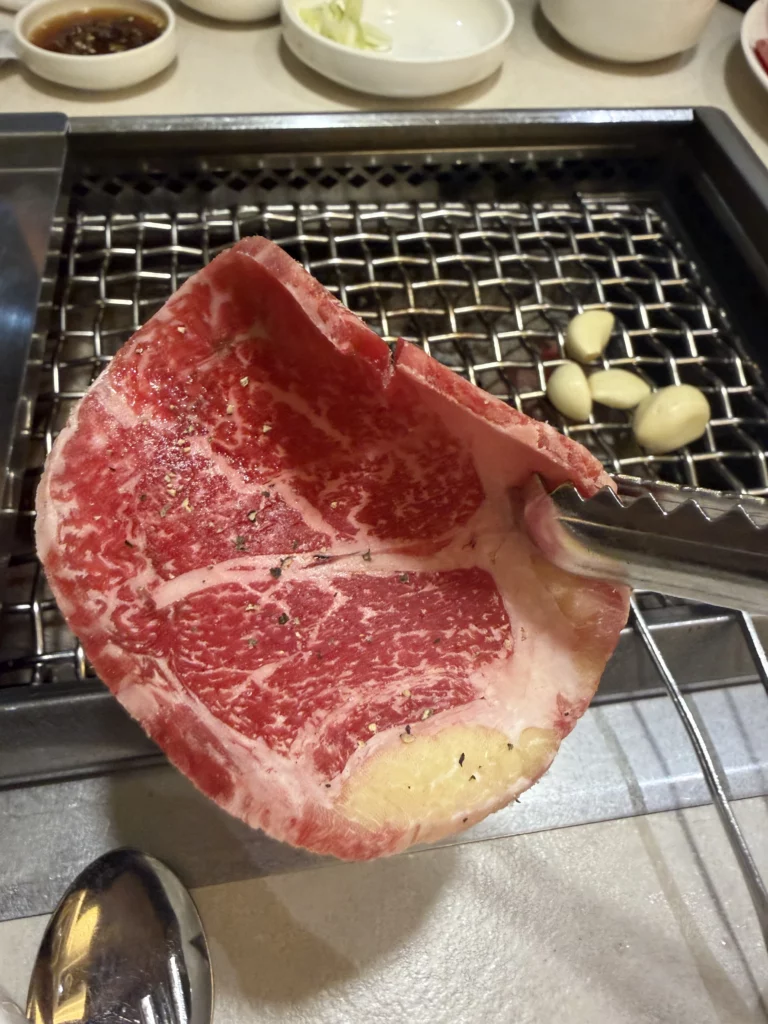
The texture provides as much pleasure as the flavor—the exterior develops a beautiful caramelized crust during grilling, creating slight char that adds smoky depth, while the interior remains tender and juicy. When properly cooked, each bite delivers a satisfying contrast between crispy edges and soft, succulent meat. The marinade’s sesame oil content helps create a glossy, appealing sheen while preventing the meat from drying out during the grilling process.
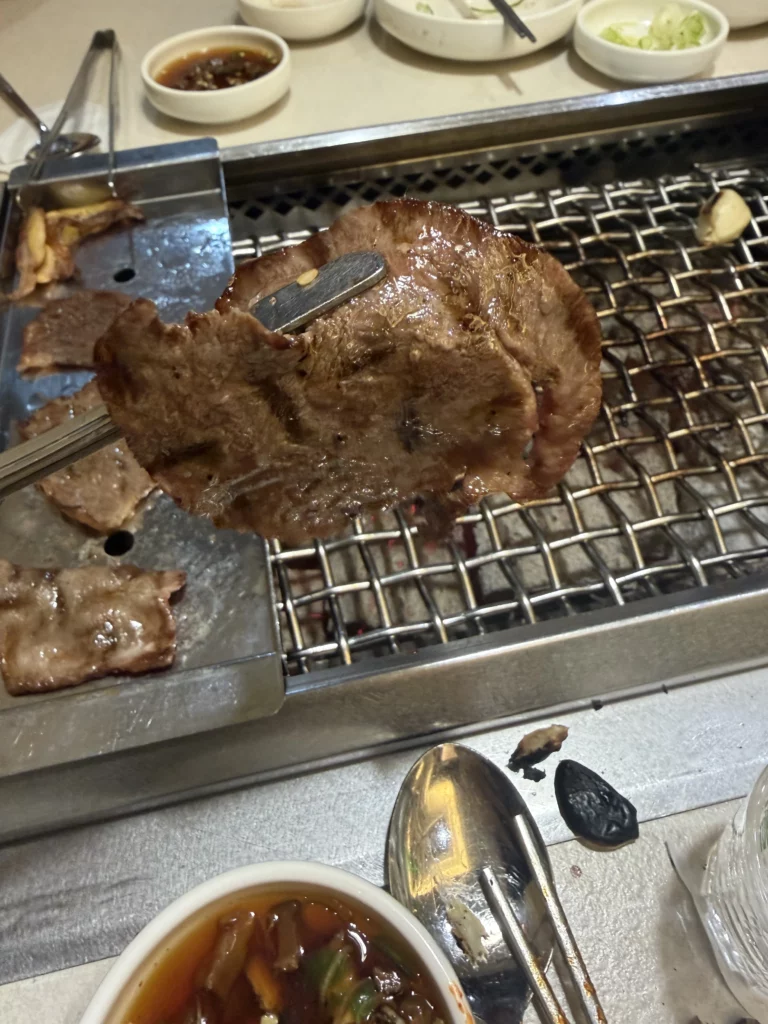
What should first-time eaters know?
Don’t make the rookie mistake of eating jumulleok straight from the grill like a Western steak! The authentic Korean method involves creating ssam (wraps) using fresh lettuce or perilla leaves. Take a piece of grilled jumulleok, add it to a lettuce leaf along with a small dab of ssamjang (the essential Korean BBQ dipping sauce), perhaps a grilled garlic clove and a bit of kimchi, then fold it into a compact package and eat the entire thing in one or two bites.
This wrapping technique isn’t just tradition—it’s functional brilliance. The fresh, crisp lettuce provides cooling contrast to the hot, rich meat while adding fiber and nutrients. The ssamjang contributes fermented complexity and spicy-savory notes, while kimchi adds acidic brightness that cuts through the meat’s richness. Together, these elements create balanced, complete bites that prevent palate fatigue and aid digestion. If you’re accustomed to Western portion sizes, you might be surprised by how satisfying these small, carefully composed wraps can be.
Beef Tongue: From Skepticism to Obsession
What makes this dish uniquely Korean?
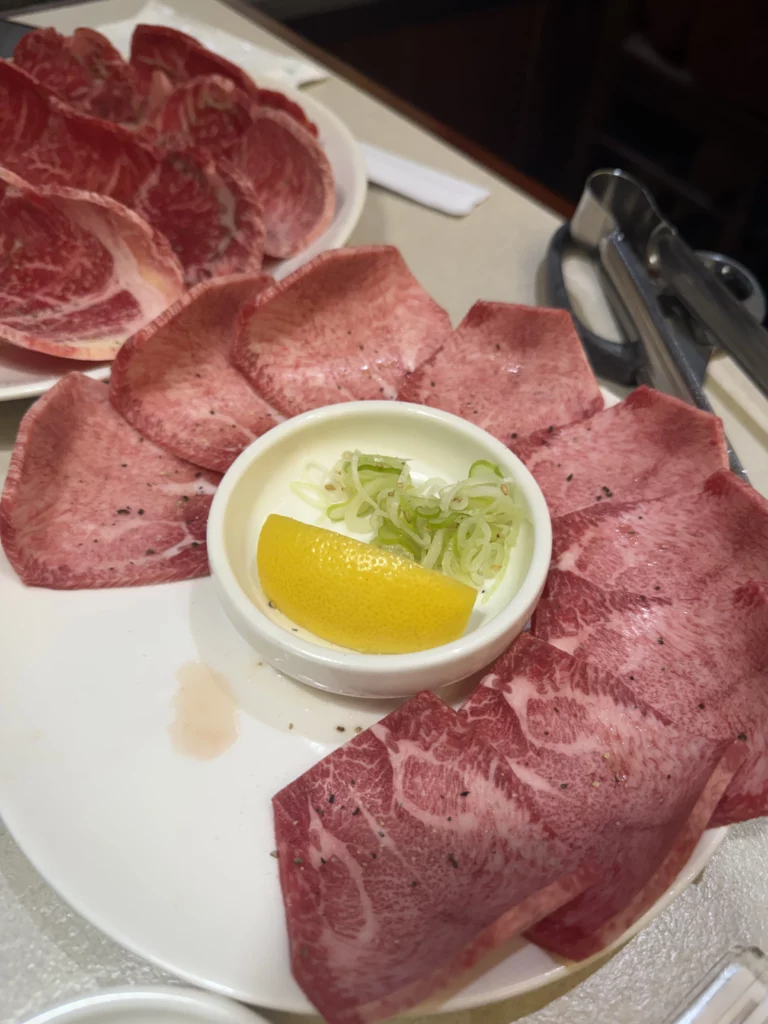
Beef tongue (우설, useol) occupies a special place in Korean culinary culture as one of the most prized cuts among serious meat enthusiasts. While many cuisines around the world utilize tongue, Korean preparation methods emphasize the cut’s unique textural properties through specific grilling techniques and thickness specifications that maximize tenderness while developing appealing char.
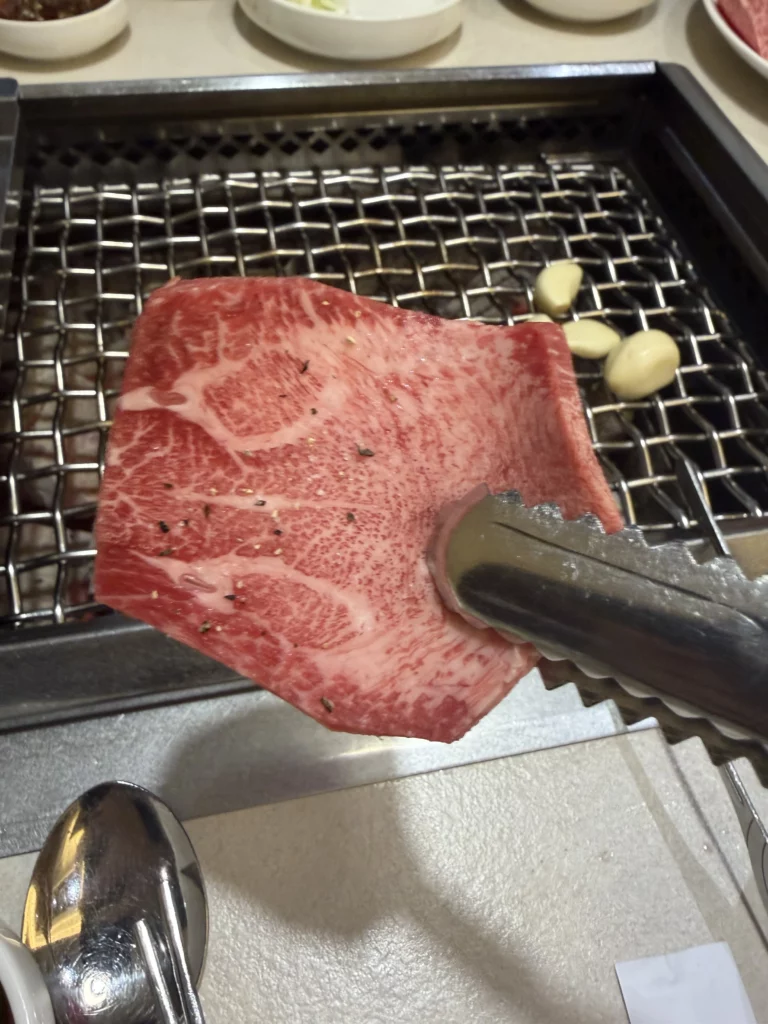
At premium Korean BBQ establishments, tongue isn’t merely an adventurous addition—it’s a celebrated delicacy that commands premium prices and devoted followings. Korean diners prize tongue for its distinctive "seogeok seogeok" (서걱서걱) texture—a Korean onomatopoeia describing the pleasantly firm yet yielding bite that properly prepared tongue delivers. This texture, impossible to replicate with other beef cuts, creates an eating experience that transforms skeptics into enthusiasts.
Chowon’s approach to beef tongue exemplifies quality-focused preparation. Rather than serving disappointing thin slices that become tough and chewy, they offer substantial thick-cut portions that allow proper grilling technique. The thickness enables the exterior to develop beautiful caramelization while the interior remains tender and juicy—a balance that requires both quality sourcing and skilled preparation.
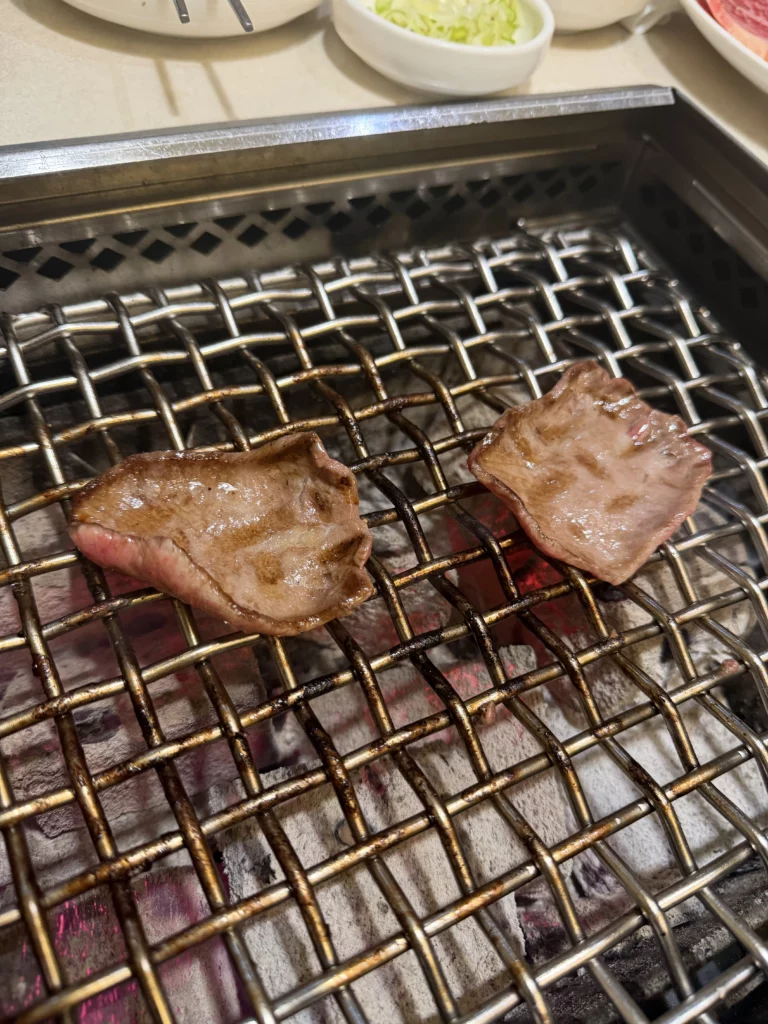
What are the key ingredients that create this flavor?
Premium beef tongue requires minimal intervention to shine. At its core, the ingredient list is remarkably simple: high-quality fresh beef tongue forms the foundation, typically sourced from young cattle whose tongue tissue remains tender. Light seasoning—usually just salt and pepper or minimal marinade—allows the meat’s natural flavor to dominate. Unlike heavily marinated preparations, Korean-style grilled tongue lets the beef speak for itself.
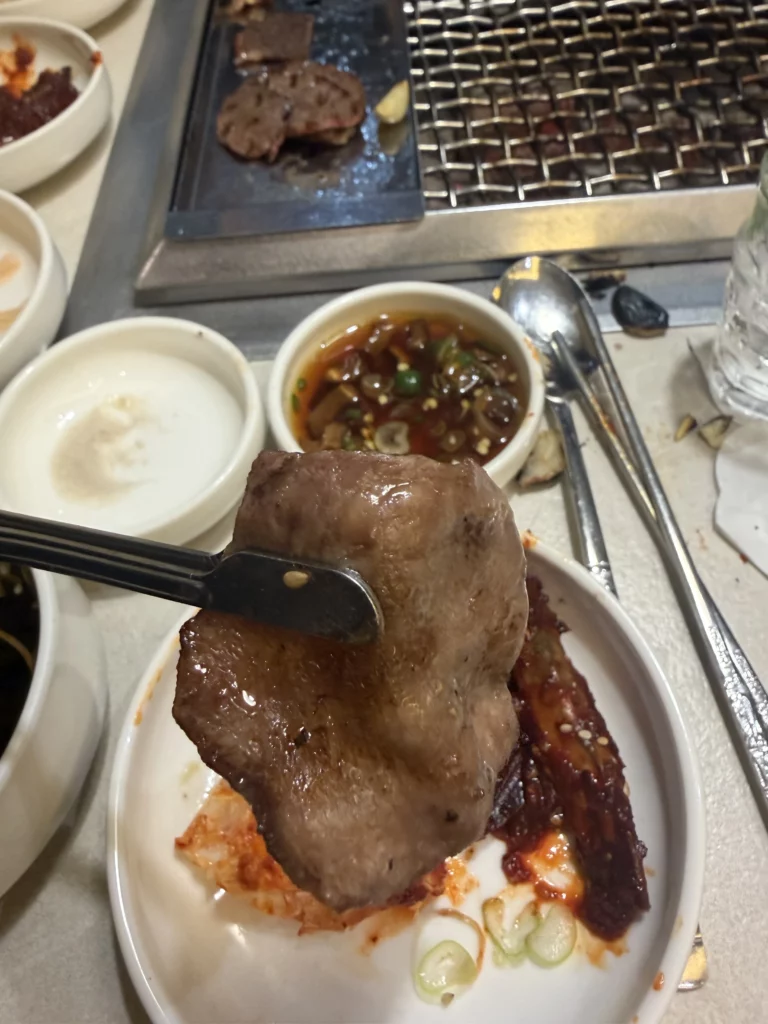
Sesame oil often makes an appearance, brushed lightly on the tongue slices before or during grilling to enhance aroma and prevent sticking. The oil’s nutty fragrance complements tongue’s subtle beef flavor without overwhelming it. Some establishments serve tongue with a citrus-based dipping sauce that adds bright, acidic notes, though many purists prefer the meat with just salt, allowing the unique texture and mild flavor to take center stage.
The nutritional profile adds to tongue’s appeal—high in protein, iron, zinc, and B vitamins while being relatively low in fat compared to other organ meats. Korean food culture has long recognized organ meats as valuable nutrition sources, and tongue represents one of the most accessible entry points for those new to Korean offal cuisine.
How would you describe the taste and spice level?
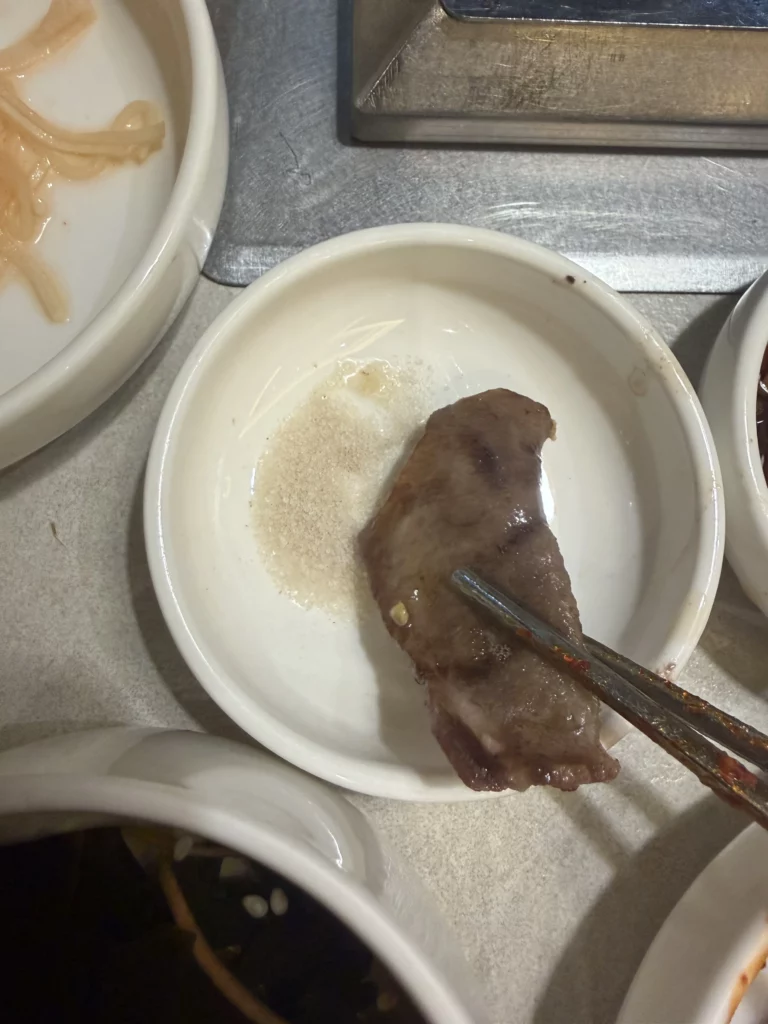
Spice level: 0-1 out of 10 when eaten plain—beef tongue is exceptionally mild, making it ideal for those who prefer gentle flavors. The primary taste profile centers on clean, pure beef flavor with subtle sweetness and rich umami notes. Unlike more assertive organ meats, tongue delivers remarkably mild flavor that even hesitant eaters often find surprisingly pleasant.
The texture distinguishes tongue more than the taste—imagine a combination of tender beef and firm seafood, with that distinctive "seogeok" bite that creates gentle resistance before yielding. When properly grilled, the exterior develops slight crispiness while the interior remains soft and succulent. The fat content, while moderate, renders beautifully during grilling, creating natural juiciness without feeling greasy.
What should first-time eaters know?
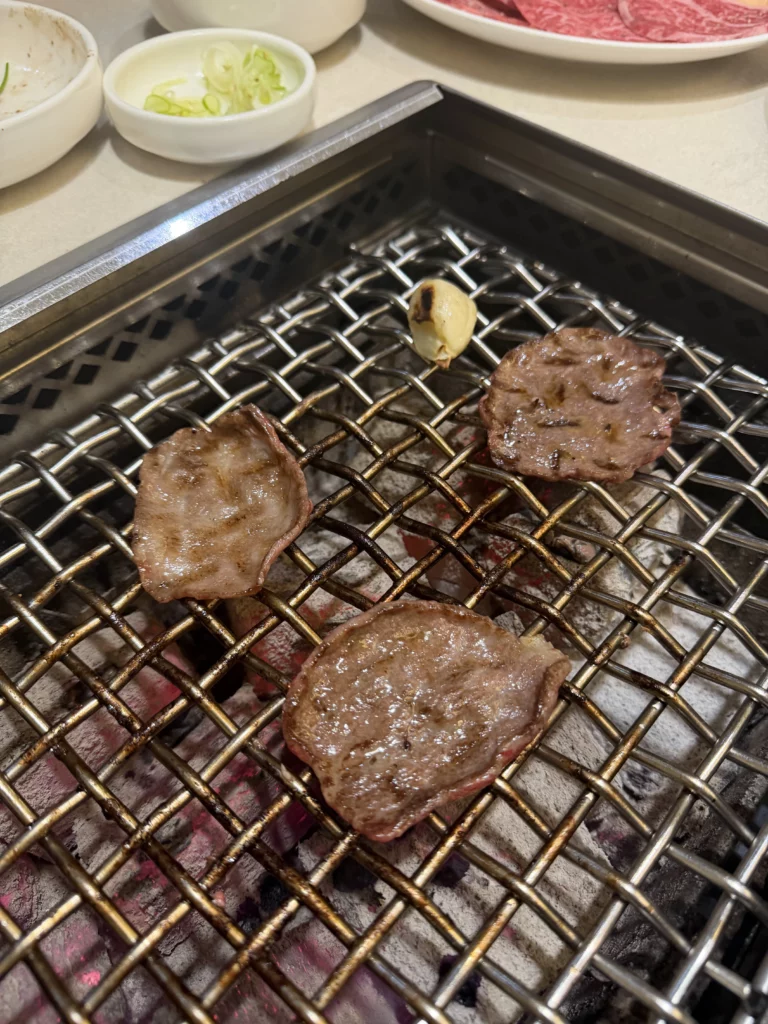
Approach beef tongue without preconceptions—the name might sound intimidating, but the eating experience is remarkably approachable. Many first-timers report surprise at how "normal" and delicious it tastes, often preferring it to more conventional cuts after trying it. The key is ensuring proper cooking: tongue should be grilled until the exterior shows golden-brown char but the interior remains tender. Overcooking creates toughness, while undercooking prevents flavor development.
Watch how Korean diners eat tongue—they often dip it in sesame oil with salt, wrap it in lettuce with minimal accompaniments, or enjoy it plain to appreciate the unique texture fully. Don’t overwhelm your first bite with ssamjang or kimchi; start simple to understand what makes tongue special, then experiment with accompaniments. If you enjoy the texture of well-cooked squid or octopus, you’ll likely appreciate tongue’s similar but more tender mouthfeel.
Gopnaejangtang: The Perfect Korean BBQ Finale
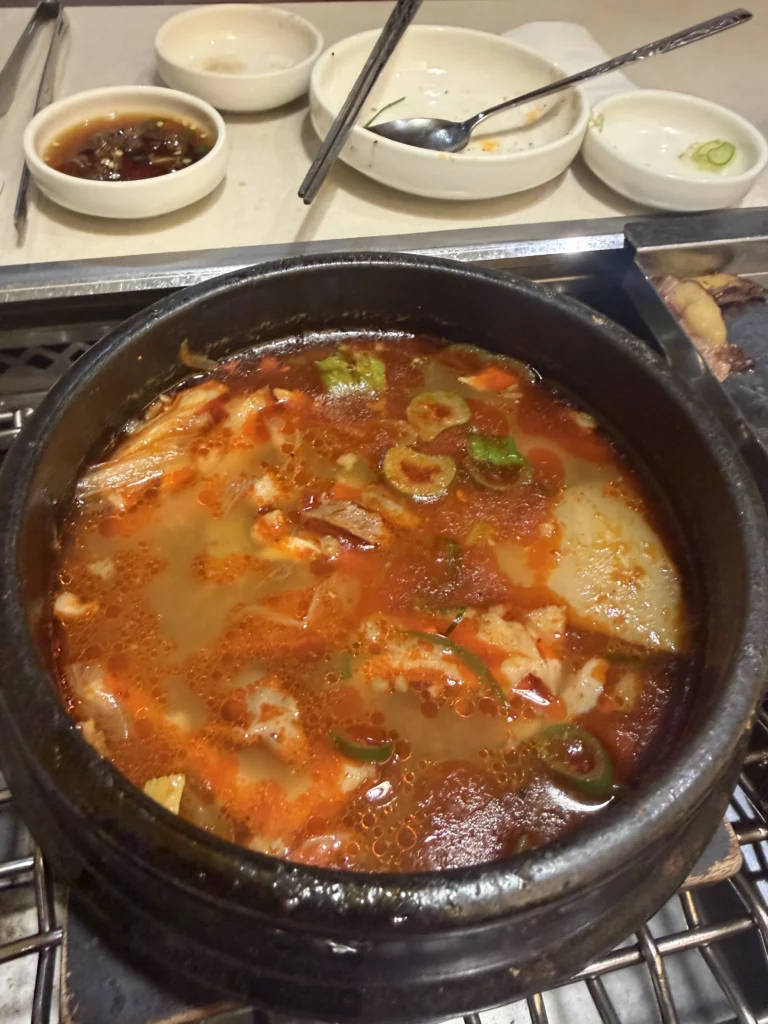
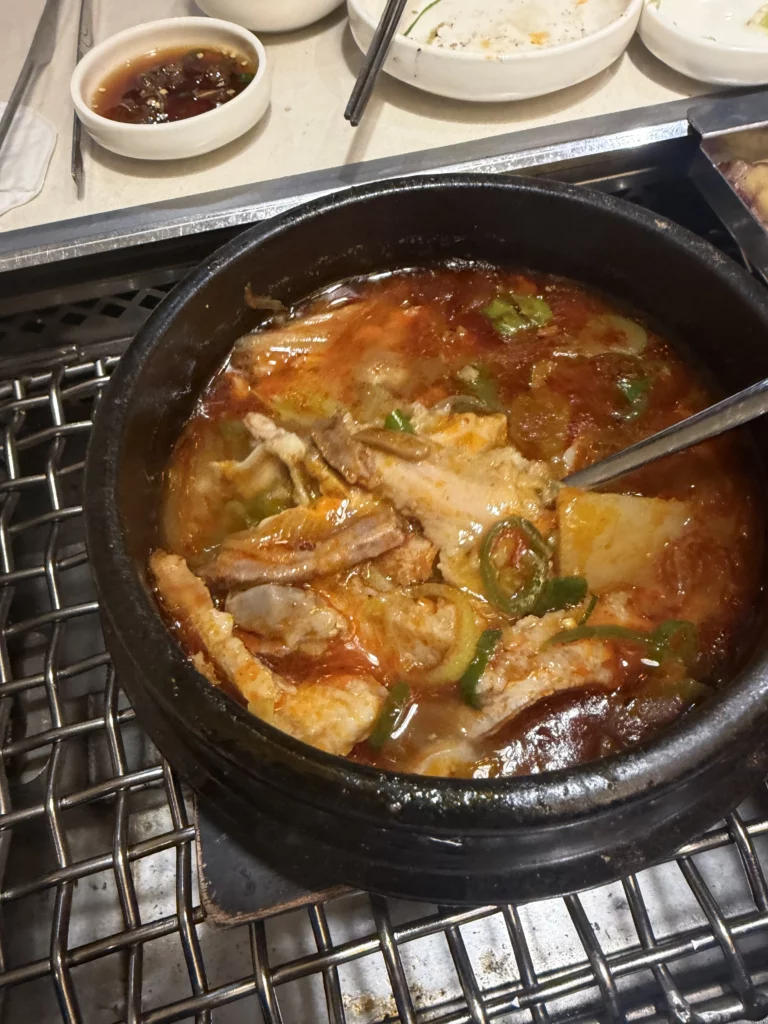
After indulging in rich, fatty grilled meats, Korean diners traditionally conclude their meal with something warming and nourishing. Gopnaejangtang (곱내장탕)—a hearty soup featuring beef tripe and intestines—serves this purpose perfectly at Chowon. The name combines "gop" (small intestines), "naejang" (organs), and "tang" (soup), indicating its primary ingredients and preparation method.
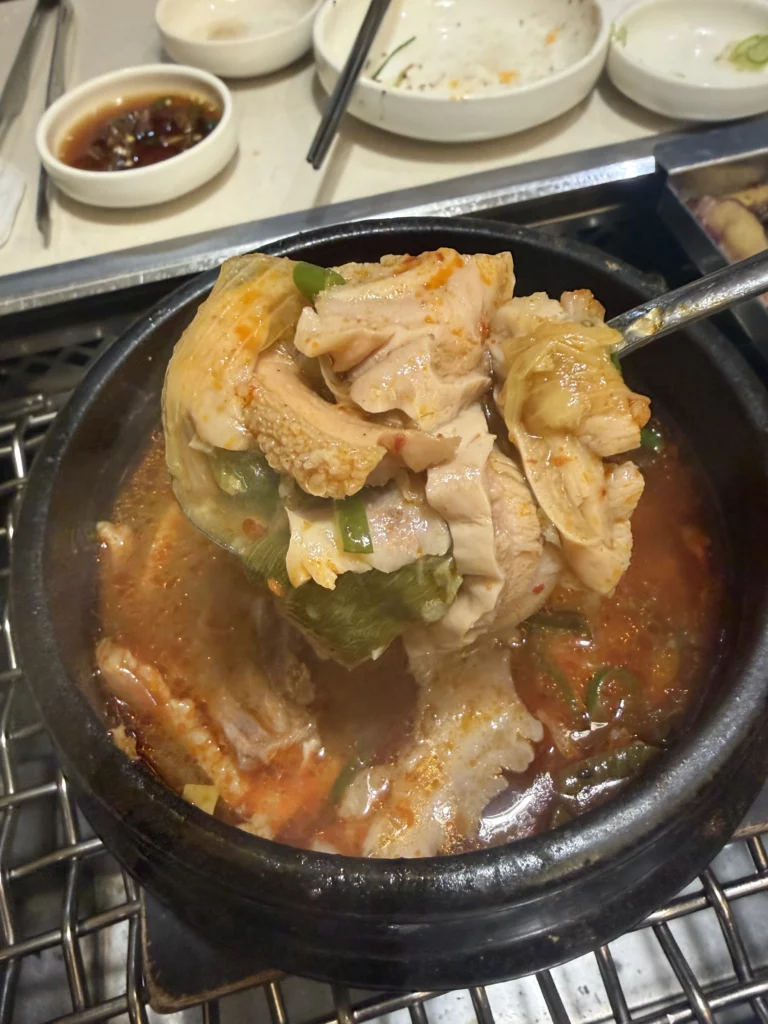
This dish represents Korean cuisine’s holistic approach to utilizing entire animals while creating deeply nourishing foods. The long-simmered beef bone broth provides a clean, clear base enriched with collagen and minerals. The tripe and intestines, when properly cleaned and prepared, deliver satisfying chewiness and subtle beef flavor while contributing beneficial nutrients including iron and protein. The broth’s warmth and the tripe’s texture create comfort that helps settle full stomachs after substantial meat consumption.
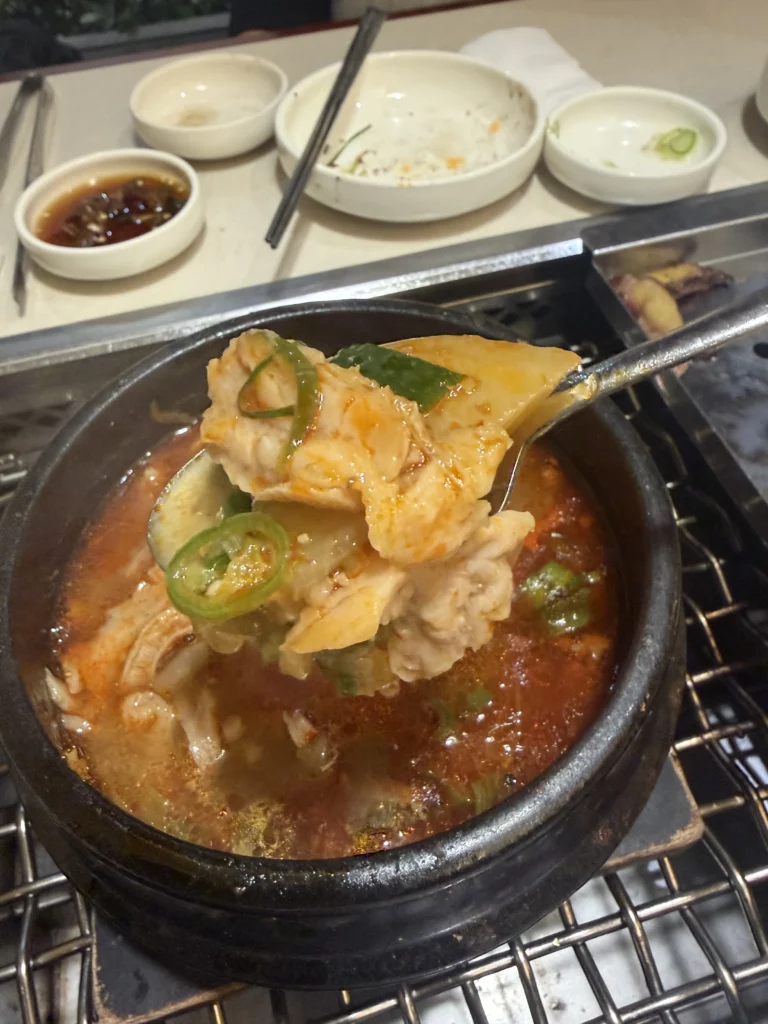
Korean culinary wisdom recognizes that hot soup aids digestion, particularly when following heavy or rich foods. The gopnaejangtang’s clear broth, seasoned simply with salt, pepper, and scallions, provides palate-cleansing refreshment while its warmth promotes digestive comfort. Many Korean diners consider the meal incomplete without this finishing soup, viewing it as essential as banchan side dishes.
How to Eat Korean BBQ Like a Seoul Local
The Ssam Technique
Mastering the ssam (wrap) represents the foundation of authentic Korean BBQ dining. Take a piece of red leaf lettuce or perilla leaf in your palm—Koreans prefer perilla for its unique minty-anise flavor that pairs beautifully with rich beef. Add your grilled meat (one piece of jumulleok or tongue), a chickpea-sized dab of ssamjang, optional grilled garlic, and a bit of kimchi. Fold the leaf to create a neat package and consume it in one or two bites maximum—attempting to nibble it in half results in filling spilling everywhere, marking you instantly as a Korean BBQ novice.
Grilling Etiquette
At establishments where staff grill the meat for you, relax and enjoy the theatrical element. When grilling yourself, avoid the common mistake of overcrowding the grill or constantly flipping the meat. Proper Korean BBQ grilling involves patience—let the meat develop proper char before turning it once. Use the provided scissors to cut grilled meat into bite-sized pieces directly on the grill or your plate. This isn’t Western dining where cutting food is considered poor etiquette; scissors are standard Korean BBQ tools that make eating easier and maintain meat temperature.
Pace and Progression
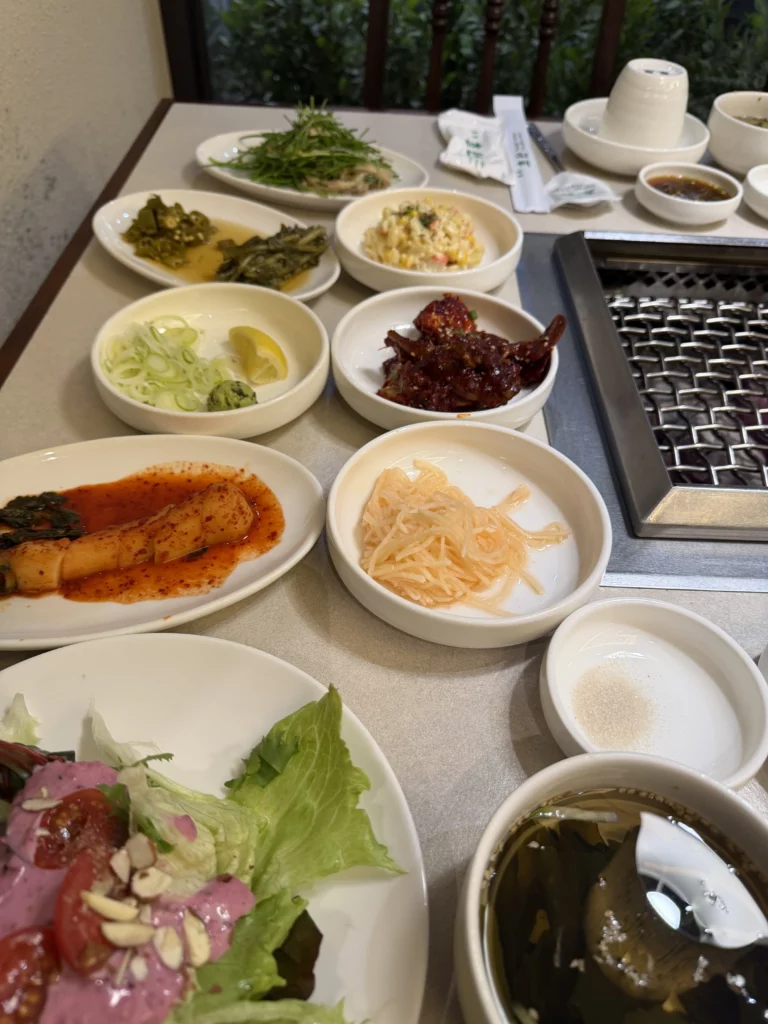
Korean BBQ isn’t a race toward fullness—it’s a leisurely social experience meant for conversation and connection. Order meat in stages rather than all at once, allowing yourself to enjoy each batch while it’s perfectly hot. Alternate between meat wraps and other elements like kimchi, banchan side dishes, and palate-cleansing beverages. When you’re nearing fullness, order the gopnaejangtang to conclude your meal in traditional fashion. Many Korean diners finish with bokkeumbap (fried rice made with the remaining meat and kimchi), though after substantial meat consumption, the lighter soup option often feels more appropriate.
Essential Korean BBQ FAQ
Q: Is Korean BBQ always expensive?
Korean BBQ spans a wide price range depending on location and meat quality. Chowon positions itself in the mid-to-premium range, with prices justified by superior meat quality and generous portions. Expect to spend approximately ₩30,000-50,000 per person (roughly $22-37 USD) for a satisfying meal including meat, soup, and drinks. This represents reasonable value in Seoul’s Gangnam district, where premium ingredients and convenient location command appropriate pricing.
Q: Do I need to make a reservation?
For popular neighborhood spots like Chowon during peak dining hours (7-9 PM weekdays, weekend evenings), arriving without a reservation often means waiting 30-60 minutes. Calling ahead, particularly for groups of four or more, ensures smoother dining. Solo diners or pairs might find counter seating available without reservations, though flexibility with timing helps. Lunch hours typically offer easier walk-in access.
Q: What if I don’t eat beef?
While Chowon specializes in beef preparations, most Korean BBQ restaurants offer pork options like samgyeopsal (pork belly). However, this establishment’s strength lies in their beef dishes—visiting for pork would mean missing their signature offerings. Vegetarians will find Korean BBQ challenging, as meat-focused restaurants typically offer limited vegetable-only options beyond side dishes.
Q: How spicy is Korean BBQ?
The grilled meats themselves typically aren’t spicy at all—marinades lean savory-sweet rather than hot. Spice comes from optional elements like kimchi and gochugaru-based dipping sauces that diners add according to preference. You control the heat level by adjusting how much kimchi and spicy condiments you include in your wraps. The gopnaejangtang also remains non-spicy, making Korean BBQ accessible to those who prefer milder flavors.
Planning Your Visit to Chowon
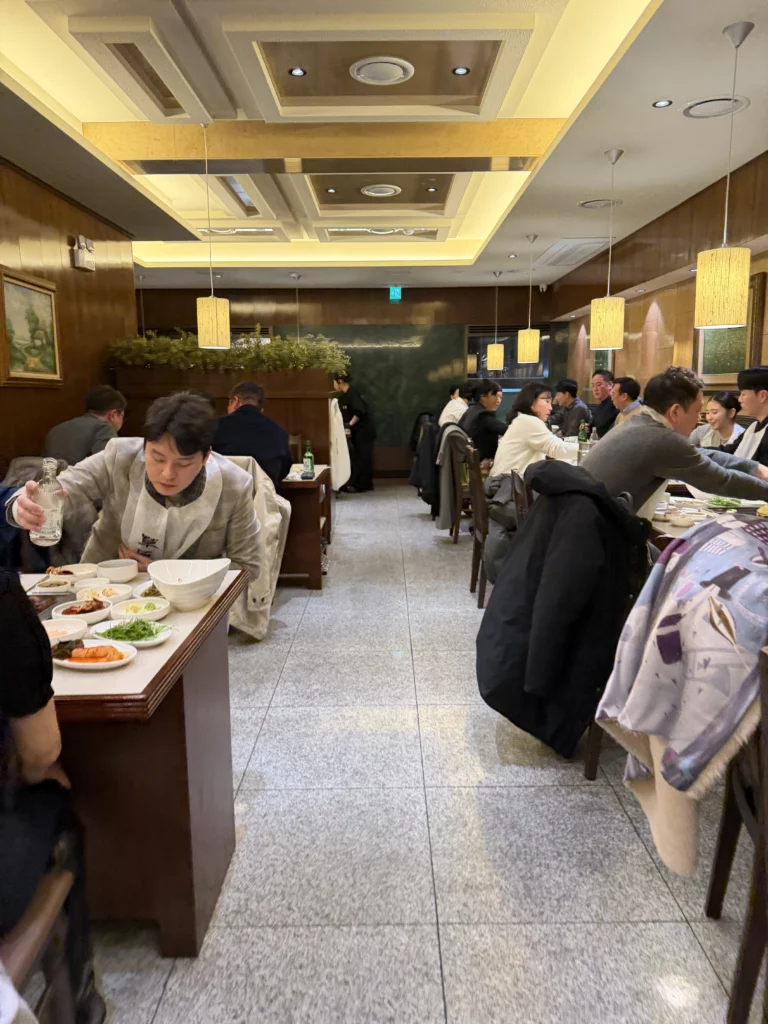
Location & Access: Chowon sits at 62-3 Nonhyeon-dong, Gangnam-gu, Seoul (서울특별시 강남구 논현동 62-3), making it accessible via Seoul’s excellent public transportation network. The nearest subway stations place you within walking distance, though the exact station depends on your starting point in Seoul.
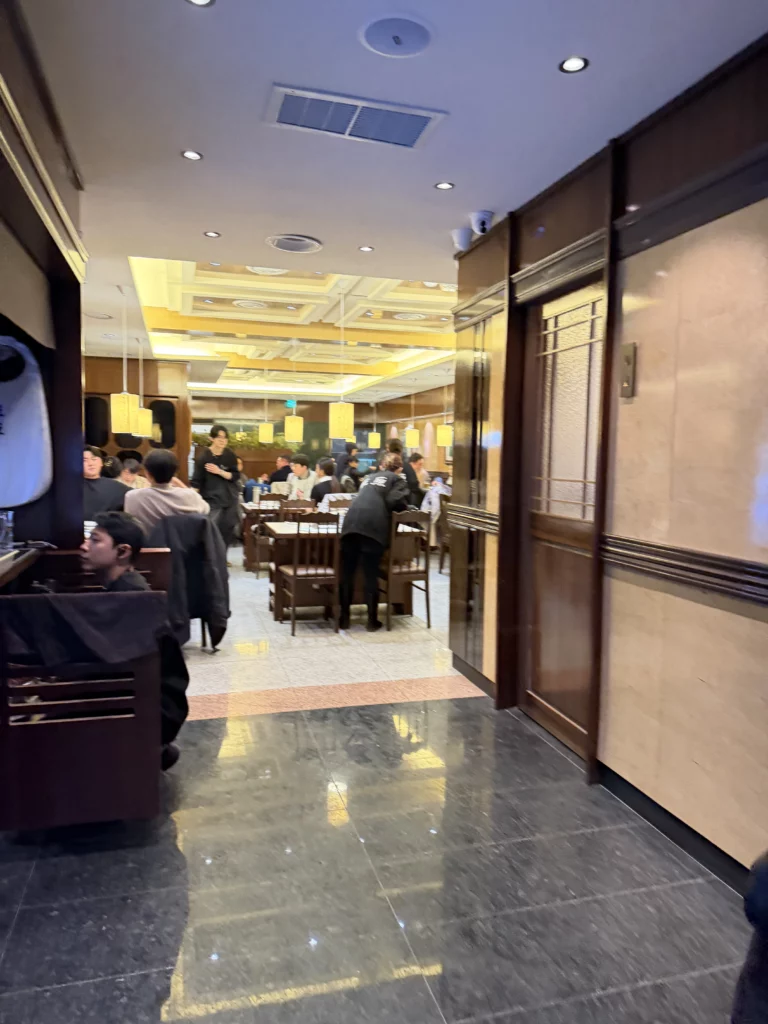

What to Order: First-timers should start with the deungsim jumulleok to experience Chowon’s signature preparation, adding one order of beef tongue for adventurous palates. Conclude with gopnaejangtang to complete the traditional progression. Groups of 3-4 people can comfortably share 2-3 meat orders plus soup, adjusting quantities based on appetite.
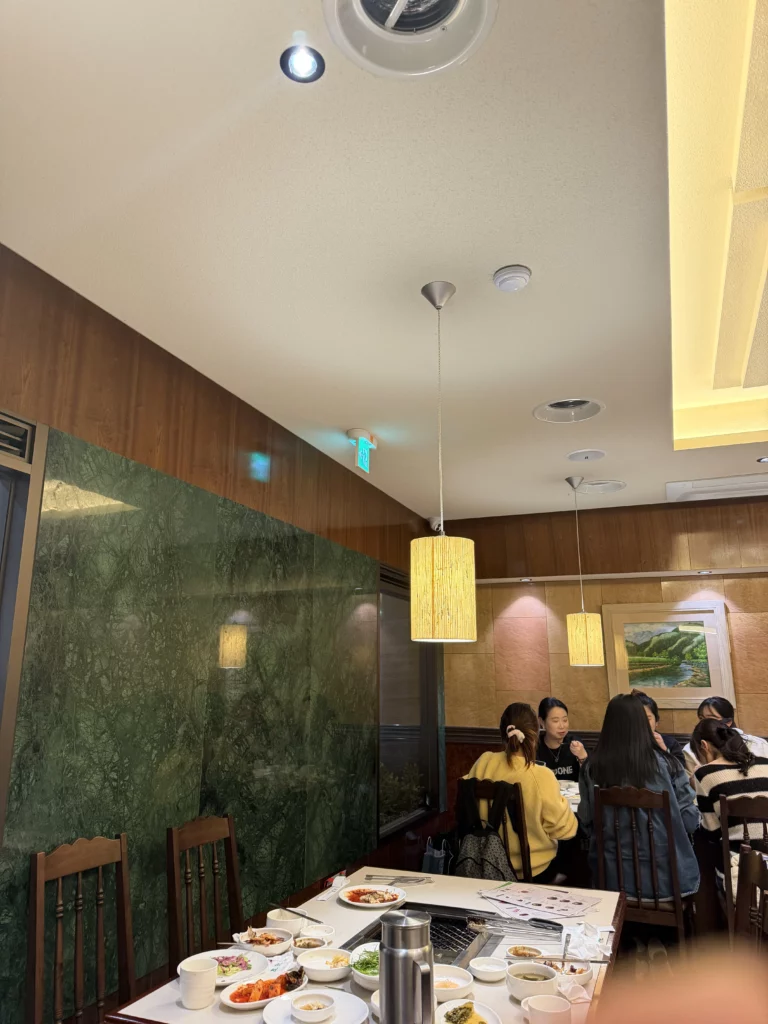
When to Visit: Weekday lunches offer shorter waits and slightly more relaxed atmosphere, though dinner provides the quintessential Korean BBQ experience with bustling energy and social dining culture in full effect. Weekend evenings attract the largest crowds—arrive early or prepare for waits.
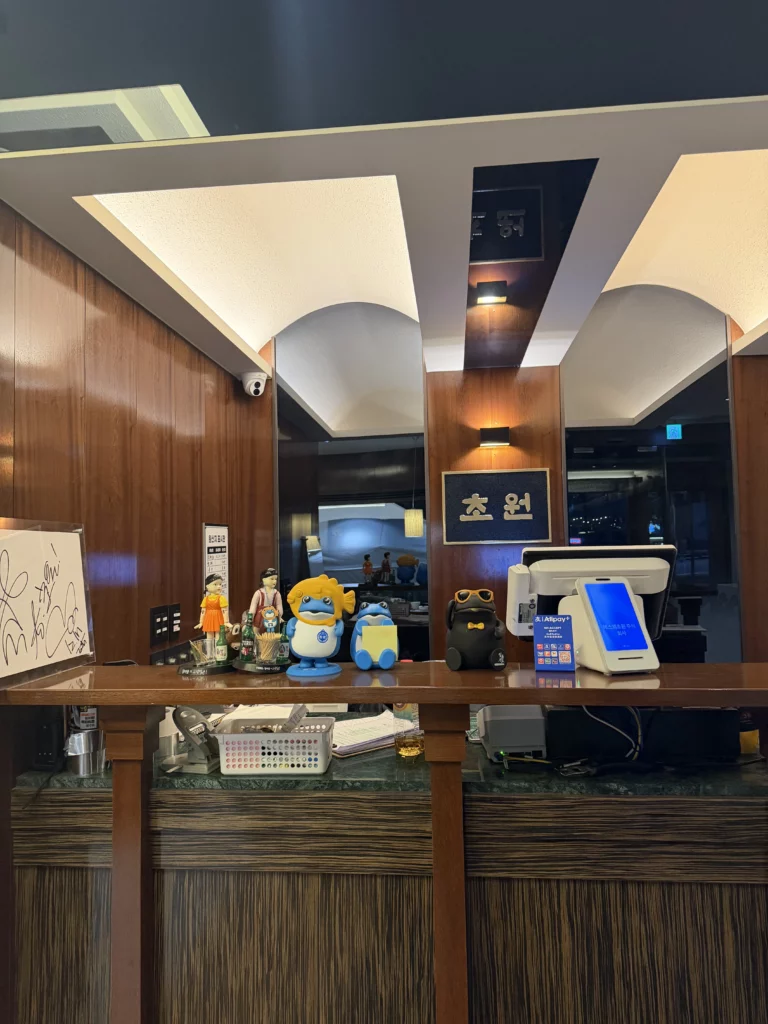
Language Considerations: Basic menu navigation might challenge non-Korean speakers, though pointing at menu items and using translation apps generally works. Staff accustomed to the international Gangnam neighborhood often manage basic English, particularly for common requests.
Experience Seoul’s Korean BBQ Culture at Chowon
Chowon represents everything that makes Seoul’s Korean BBQ culture worth experiencing—quality ingredients, traditional preparation methods, and the warm atmosphere where food becomes the foundation for connection and celebration. Their specialty jumulleok showcases Korean marinade mastery, while thick-cut beef tongue offers adventurous eaters a chance to discover one of Korean BBQ’s most prized delicacies. The comforting gopnaejangtang provides the perfect conclusion, aiding digestion while delivering soul-warming nourishment.
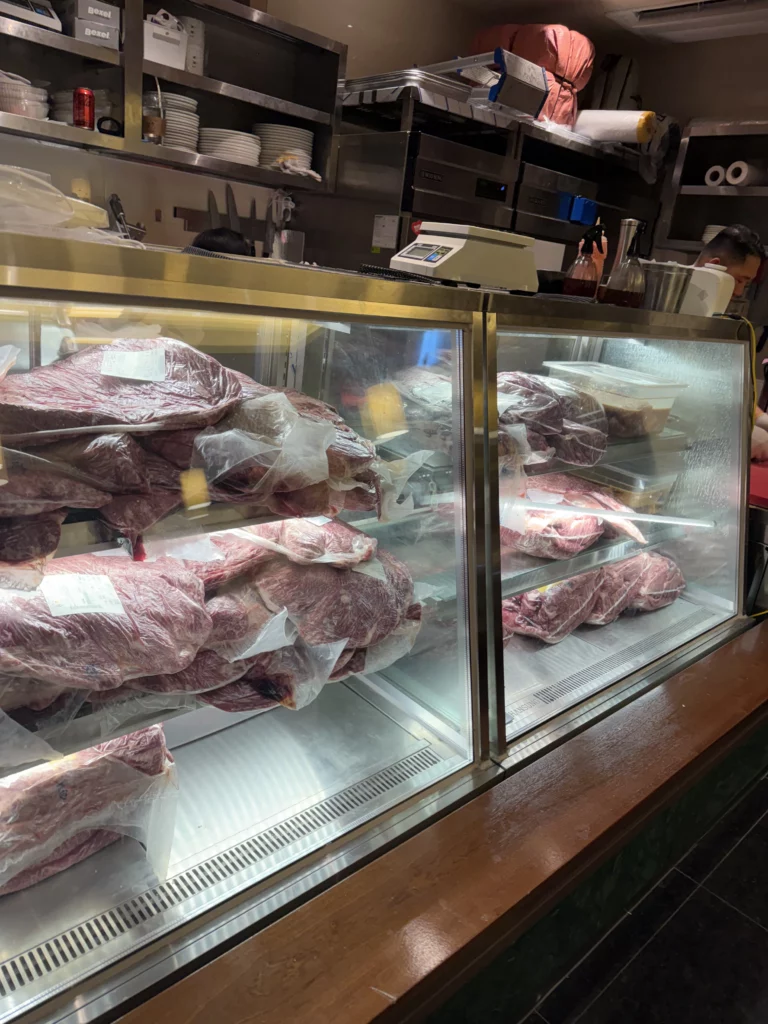
For those seeking authentic Korean BBQ beyond tourist-focused establishments, Chowon delivers the neighborhood restaurant experience where locals return repeatedly for memorable meals. The combination of premium cuts, expert preparation, and genuine Korean dining atmosphere creates experiences that linger in memory long after the last wrap is consumed. Whether you’re a Korean BBQ enthusiast or a curious first-timer, Chowon’s approach to traditional grilling offers valuable insight into why Koreans consider this more than mere dining—it’s a cultural celebration that brings people together around shared flames and perfectly grilled meat.
Location
62-3 Nonhyeon-dong, Gangnam-gu, Seoul, Republic of Korea, KR
Reviews
5.0
0 reviews
5
0%
4
0%
3
0%
2
0%
1
0%
Loading reviews...
Related Recipes

Vegetable&Fruit
Myeong-i Namul Jangajji
Few side dishes earn a permanent place on the Korean BBQ table the way Myeong-i Namul Jangajji — Korean pickled...

Meat & Poultry
Ttukbaegi Bulgogi (Korean Sizzling Beef Stew in a Hot Stone Pot)
There’s a particular kind of comfort in lifting the lid off a bubbling ttukbaegi bulgogi . Steam curls upward, the...

Meat & Poultry
Korean Spicy Pork (Jeyuk Bokkeum)
If you have ever stood in front of a sizzling Korean BBQ pan in Seoul, watching deep-red pork edges caramelize...
Related Ingredients

Ingredient
Udoonsal : Korea’s Leanest Beef Cut for Yukhoe
If there is one Korean beef cut that professional butchers and seasoned home cooks quietly revere above all others, it...

Ingredient
Myeong-i
When the last of winter’s snow finally retreats from the volcanic slopes of Ulleungdo Island, something quietly extraordinary happens. Broad,...

Ingredient
Korean raw beef dish (Yukhoe)
There are dishes that define a cuisine’s confidence — its willingness to let a single, exceptional ingredient speak for itself....

Beef
Somunnan Seongsu Gamjatang: Seongsu's 24-Hour Pork Stew
Seongdong-gu, Seoul 45, Yeonmujang-gil,
5

Beef
Saejae Halmaejip: Mungyeong's Yakdol Pork Since 1973
Mungyeong-si, Gyeongsangbuk-do 922, Saejae-ro, Mungyeong-eup
4

Beef
Ilsang Jeongwon: Shabu Shabu at Seoul Express Bus Terminal
Seoul FP103, 205, Sapyeong-daero, Seocho-gu, Seoul
5

Beef
Myeongdong Kyoja: Seoul's Michelin Kalguksu Since 1966
Jung-gu, Seoul 29, Myeongdong 10-gil
5