


When you step into Sosohan Scenery tucked away in Seoul’s artistic Buam-dong neighborhood, the first thing you notice isn’t just the seasonal flowers adorning the entrance or the vintage Provencal interior—it’s the intoxicating aroma of their signature spicy steamed eggplant wafting from the kitchen. This isn’t your typical Korean restaurant dish. Here, humble eggplant transforms into something extraordinary through careful steaming and bold Korean-fusion seasoning that earned this establishment Korea’s first Blue Ribbon Survey Award. Whether you’re a fusion cuisine enthusiast or an eggplant skeptic, this dish challenges everything you thought you knew about Korean vegetable preparations.
Seoul's Hidden Gem: Sosohan Scenery's Spicy Steamed Eggplant in Buam-dong
5
Seoul's Hidden Gem: Sosohan Scenery's Spicy Steamed Eggplant in Buam-dong
5
Seoul 75 Jahamun-ro 40-gil, Jongno-gu,
Editor: Katie Lee


Interior02
Food01

Menu06
Overview
+82 02-305-5035
WiFi Provided
Outdoor Seating Available
Electronic Payment
Introduction
Operating hours
TuePM 12:00 - PM 10:00
Menu
Editor's Detail
Hidden in the lush hillsides of Buam-dong, just minutes from the historic Gyeongbokgung Palace, lies a Korean fusion restaurant that transformed the Seoul dining scene. Sosohan Scenery (소소한풍경) occupies a renovated traditional Korean house where vintage Provencal aesthetics meet Korean culinary innovation. The restaurant’s signature dish—spicy steamed eggplant—represents everything that makes Korean fusion cuisine exciting: respect for traditional techniques combined with creative flavor profiles that appeal to modern palates. This comprehensive guide explores why food enthusiasts travel across Seoul to experience this remarkable dish and what makes Sosohan Scenery a must-visit destination for anyone serious about Korean cuisine.
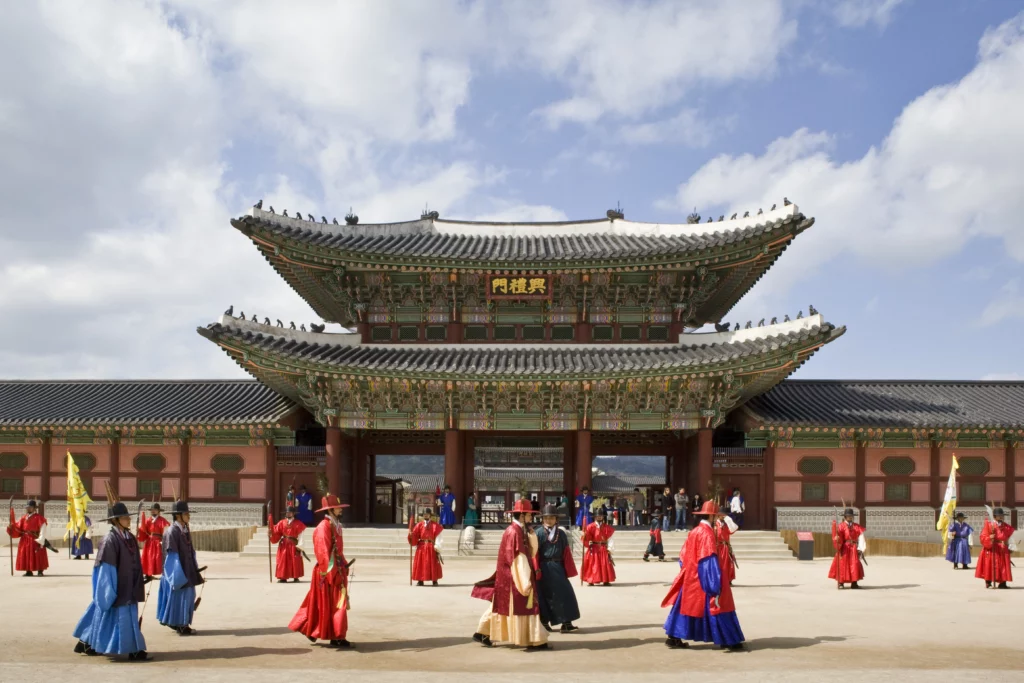
Table of Contents
- What Makes Sosohan Scenery Unique
- The Art of Korean Steamed Eggplant
- Understanding Gaji Jjim: Korea’s Steamed Eggplant Tradition
- How Sosohan Scenery Elevates Traditional Eggplant
- What Makes This Dish Uniquely Korean
- What Are the Key Ingredients That Create This Flavor
- How Would You Describe the Taste and Spice Level
- What Should First-Time Eaters Know
- The Buam-dong Experience: Location and Atmosphere
- Complete Menu Highlights Beyond Eggplant
- Practical Information for Your Visit
- Why This Restaurant Earned the Blue Ribbon Award
What Makes Sosohan Scenery Unique
Sosohan Scenery achieved something remarkable in Korean culinary history—becoming the first restaurant in the entire country to receive recognition from the prestigious Blue Ribbon Survey, Korea’s equivalent to the Michelin Guide. This wasn’t luck or marketing. The recognition came from delivering consistently exceptional food that bridges traditional Korean cooking with unexpected international influences while maintaining authenticity.

The restaurant occupies what was once a private residence, and that residential warmth permeates every corner. Walking through the entrance, visitors encounter seasonal flower arrangements provided by Infiorata, one of Korea’s most celebrated florists. This partnership between culinary and floral artistry creates an atmosphere where every detail matters—from the plate presentation to the ambient environment. The interior blends vintage country charm with touches of Provencal style, creating a space that feels simultaneously Korean and cosmopolitan. Large windows overlook the surrounding mountains, while the homey atmosphere reminds diners they’re eating in what was once someone’s cherished home.
This fusion approach extends beyond aesthetics into the kitchen. The menu showcases Korean ingredients and cooking techniques but isn’t afraid to incorporate unexpected flavor combinations. When you understand Korean home cooking traditions—where steaming preserves nutritional value and brings out natural sweetness—you begin appreciating how Sosohan Scenery honors these methods while pushing creative boundaries.
The Art of Korean Steamed Eggplant
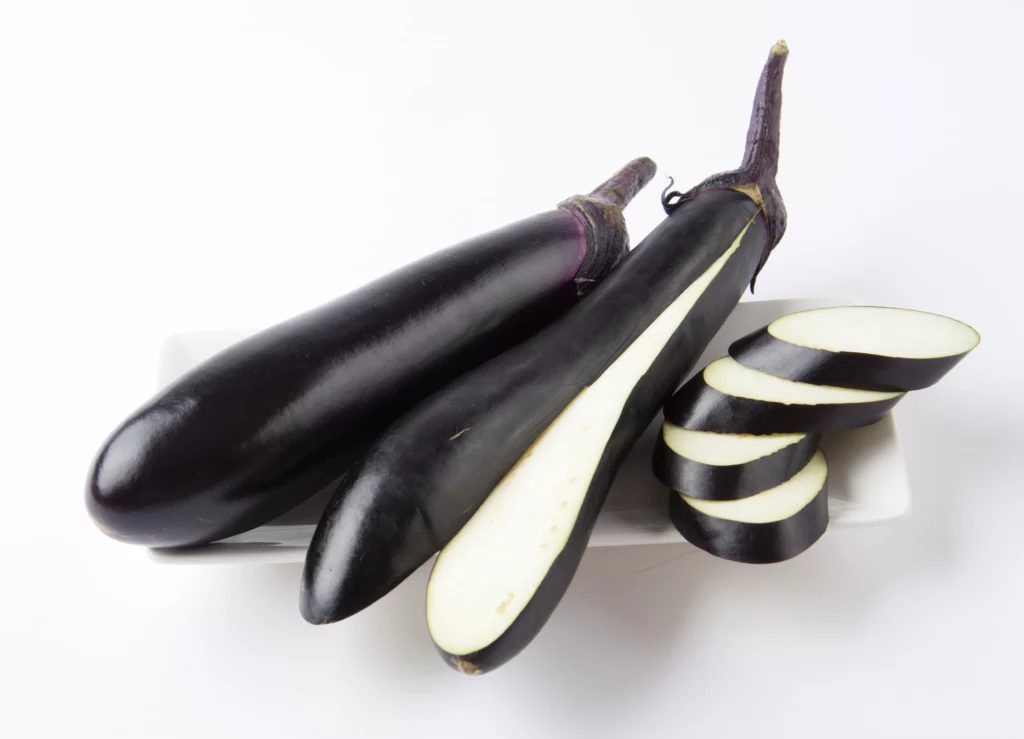
Korean eggplant, known as gaji (가지), differs significantly from the large globe eggplants common in Western markets. These slender, purple vegetables feature tender skin and naturally sweet flesh that responds beautifully to steaming. In Korean home cooking, eggplant appears frequently as a banchan (side dish), typically prepared through steaming, stir-frying, or grilling. The vegetable’s spongy texture absorbs flavors remarkably well while maintaining structural integrity when cooked properly, making it ideal for bold Korean seasonings.
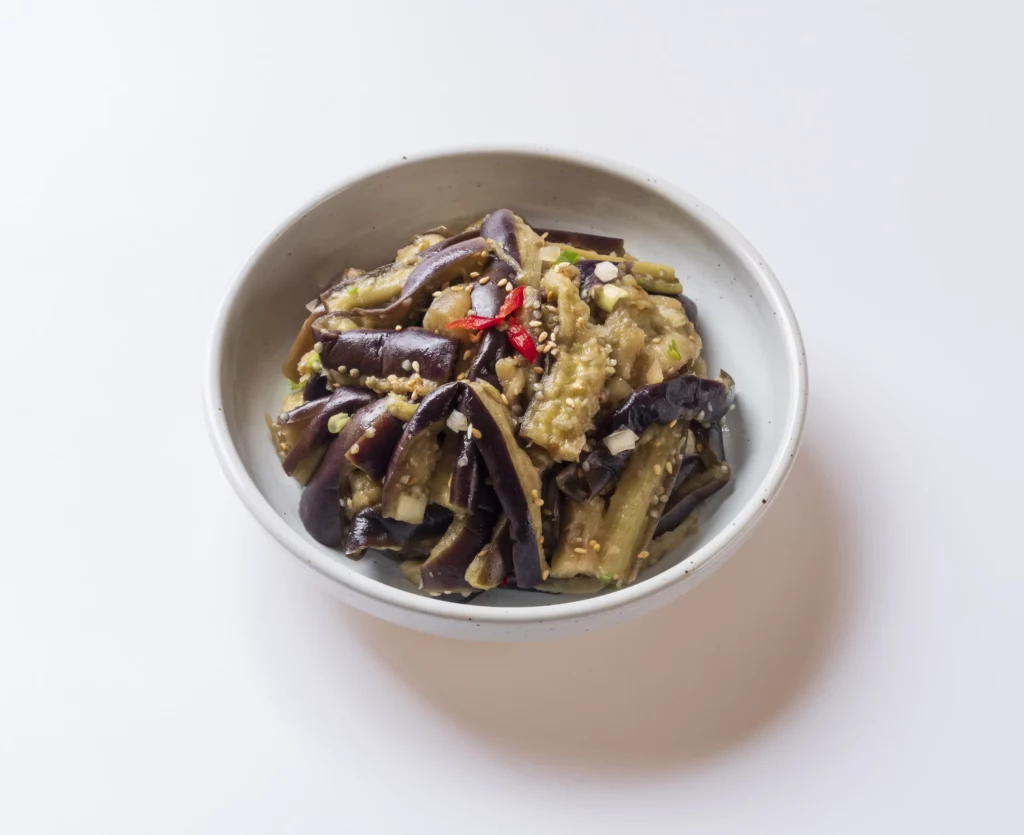
Traditional Korean eggplant preparations focus on simplicity—steamed eggplant torn by hand and dressed with soy sauce, sesame oil, garlic, and gochugaru (Korean red pepper flakes). This humble dish, called gaji namul, appears on Korean tables throughout summer when eggplants peak in freshness. Families have passed down preparation techniques for generations, with each household adding subtle variations that reflect regional preferences and family traditions.
Eggplant’s nutritional profile makes it particularly valuable in Korean cuisine, which emphasizes balanced, health-conscious eating. Rich in antioxidants, particularly nasunin found in the purple skin, eggplant supports cardiovascular health and provides dietary fiber for digestion. Low in calories but high in nutrients, it exemplifies the Korean philosophy that food should nourish both body and spirit. The vegetable contains vitamins C, K, B6, and minerals including potassium and manganese—nutrients that support everything from bone health to blood pressure regulation.
Understanding Gaji Jjim: Korea’s Steamed Eggplant Tradition
Gaji jjim (가지찜) translates literally to "steamed eggplant," and the dish represents one of Korea’s most approachable vegetable preparations. Unlike more complex Korean dishes requiring lengthy fermentation or elaborate preparation, gaji jjim can be prepared quickly while delivering remarkable flavor depth. The steaming process softens the eggplant’s flesh without turning it mushy, creating a silky texture that melts on the tongue.
Traditional gaji jjim preparation begins with selecting the right eggplants—typically the long, slender Asian varieties that maintain their shape during cooking. After cutting them into manageable pieces (usually 2-3 inches), they’re placed in a steamer for 5-7 minutes until easily pierced with chopsticks. The key lies in not overcooking; perfect gaji jjim maintains some textural integrity while becoming tender enough to tear apart gently with your hands or chopsticks.
While the eggplant steams, cooks prepare the seasoning sauce—a mixture that varies by region and family but typically includes soy sauce, minced garlic, chopped green onions, sesame oil, gochugaru, and sesame seeds. Some versions incorporate gochujang (Korean red pepper paste) for added depth and umami. The warm steamed eggplant gets tossed in this aromatic sauce, which penetrates the vegetable’s porous flesh, infusing every bite with flavor.
This dish traditionally appears as one of many banchan accompanying Korean meals, particularly during summer when eggplants grow abundantly. It pairs exceptionally well with rich, fatty dishes—the refreshing, slightly spicy eggplant provides a counterpoint to grilled meats, making it a natural companion to Korean BBQ like samgyeopsal.
How Sosohan Scenery Elevates Traditional Eggplant
What sets Sosohan Scenery’s version apart isn’t abandoning tradition but thoughtfully enhancing it. The restaurant’s spicy steamed eggplant maintains the fundamental cooking technique—gentle steaming that preserves the vegetable’s integrity—while amplifying the flavor profile through carefully balanced seasonings and premium ingredient selection.
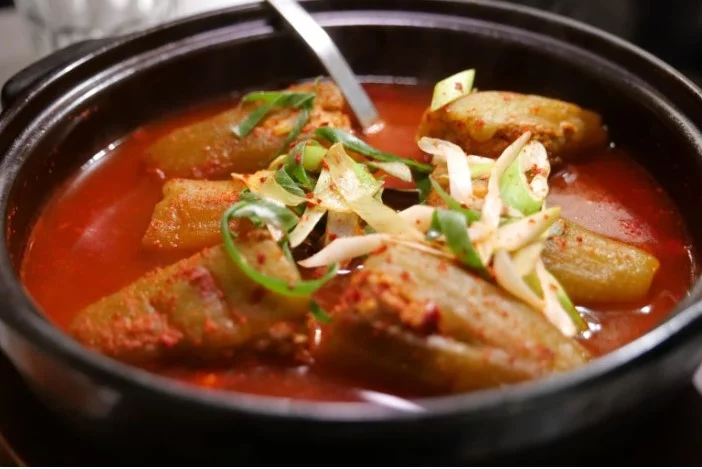
The dish arrives at your table with visual appeal that signals its elevated status. Rather than the simple home-style presentation of traditional gaji namul, Sosohan Scenery plates the eggplant with attention to color contrast and artistic arrangement. The glossy, sauce-coated eggplant pieces glisten under the restaurant’s warm lighting, garnished strategically to enhance both appearance and flavor.
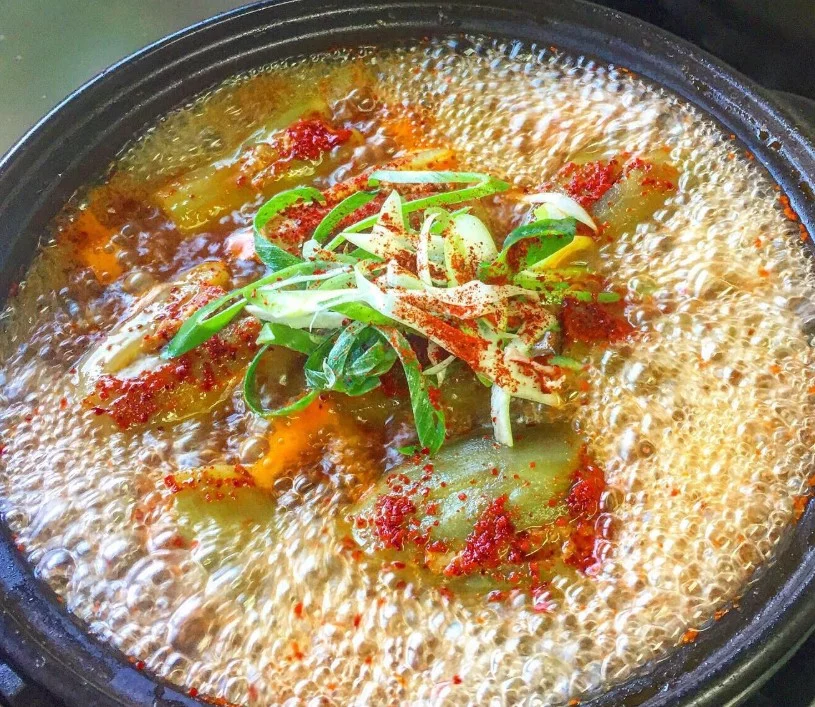
The seasoning demonstrates the restaurant’s fusion philosophy. While unmistakably Korean in its use of gochujang, soy sauce, and sesame, there’s a complexity suggesting influence from beyond Korea’s borders. The heat level sits higher than traditional home-style preparations, appealing to contemporary Korean tastes that increasingly embrace bold spiciness. The sauce achieves perfect balance—spicy without overwhelming, savory without excessive saltiness, with subtle sweetness that rounds out the flavor profile.
Texture receives equal attention. Each piece of eggplant maintains its shape while achieving that characteristic silky softness that defines perfectly cooked gaji. The exterior develops a slightly glazed appearance from the sauce, while the interior remains tender and almost creamy. This textural achievement requires precise timing—even thirty seconds too long in the steamer results in mushiness, while understeaming leaves the eggplant unpleasantly firm.
What Makes This Dish Uniquely Korean?
Korean eggplant dishes occupy a distinctive place in the country’s culinary landscape, reflecting centuries of agricultural tradition and regional cooking wisdom. Unlike Chinese eggplant preparations that often involve high-heat wok cooking or Japanese nasu dishes featuring miso-based glazes, Korean gaji preparations emphasize gentle cooking methods that preserve the vegetable’s natural character while layering complex fermented flavors.
The use of gochugaru and gochujang immediately identifies this as Korean cuisine. These fermented chili products provide heat alongside deep umami that can’t be replicated with fresh chilies or other spice blends. Gochujang particularly contributes a savory-sweet complexity developed through months of fermentation—a hallmark of Korean flavor building that distinguishes it from neighboring Asian cuisines.
Steaming as the primary cooking method reflects Korean culinary philosophy emphasizing health and natural flavors. While other cuisines might deep-fry or heavily sauté eggplant, Korean tradition favors methods that don’t mask the vegetable’s essential qualities. This approach aligns with the broader Korean dietary principle of balancing yin and yang through food—steamed eggplant provides cooling properties that complement heating foods like grilled meat, creating harmonious meals that benefit overall wellbeing.
The communal nature of serving also marks this as distinctly Korean. Although served as a side dish, it’s meant for sharing, placed in the center of the table for everyone to access. This reflects Korean dining culture’s emphasis on togetherness and shared experience, where proper etiquette and communal eating strengthen social bonds.
What Are the Key Ingredients That Create This Flavor?
Three ingredients form the flavor foundation of Sosohan Scenery’s steamed eggplant, each contributing essential characteristics that make the dish memorable.
Korean Eggplant (Gaji, 가지): The slender Asian eggplant variety contains less bitterness and fewer seeds than globe eggplants, with tender skin that doesn’t require peeling. When steamed properly, it develops an almost buttery texture while maintaining enough structure to hold the sauce without becoming soggy. The purple skin contains nasunin, a powerful antioxidant that gives eggplant its distinctive color while providing cellular protection. Beyond nasunin, eggplants offer potassium for heart health, fiber for digestive wellness, and vitamin B6 for energy metabolism. Select eggplants that feel firm and heavy for their size, with smooth, glossy skin free from soft spots or wrinkles.
Gochujang (고추장): This fermented red pepper paste represents one of Korea’s most essential condiments, created through a months-long fermentation process combining red chili powder, glutinous rice, fermented soybeans, and salt. The result delivers simultaneous heat, sweetness, and profound umami that fresh peppers can’t match. Gochujang’s complex flavor develops from bacterial fermentation similar to that in miso or soy sauce, creating amino acids and other compounds that trigger savory taste receptors. The paste’s thick consistency helps it cling to steamed eggplant surfaces, ensuring every bite captures its distinctive flavor. Beyond taste, gochujang provides capsaicin (which may boost metabolism), probiotics from fermentation, and vitamin C preserved during the production process.
Sesame Oil (Chamgireum, 참기름): Toasted sesame oil adds the final layer of aromatic complexity. Unlike neutral cooking oils, Korean sesame oil comes from roasted sesame seeds, delivering a nutty, almost sweet fragrance that pervades the entire dish. Just a small amount transforms the flavor profile, providing richness without heaviness. Sesame oil contains healthy unsaturated fats, vitamin E, and antioxidants called lignans that support cardiovascular health. In Korean cooking tradition, sesame oil serves as a finishing touch rather than a cooking medium—its delicate flavor compounds would break down under high heat, so it’s typically added after cooking or used in cold preparations.
How Would You Describe the Taste and Spice Level?
Sosohan Scenery’s spicy steamed eggplant delivers a complex flavor experience that evolves as you eat it. The first bite introduces you to the sauce’s bold character—immediate heat from gochujang announces itself without overwhelming, followed quickly by savory depth from fermented soybean components and a whisper of sweetness that rounds out the spice. The eggplant itself contributes a mild, slightly sweet vegetable flavor that provides a neutral canvas for these bolder tastes.
The spice level sits around 6-7 on a scale of 10, making it noticeably spicy but not punishingly so. The heat comes primarily from gochujang rather than fresh chilies, creating a warming sensation that builds gradually rather than hitting immediately. This allows your palate to appreciate the dish’s other flavor dimensions—the nuttiness from sesame, the umami from fermented ingredients, the subtle garlic bite—without being dominated by pure heat. For those unaccustomed to Korean spice levels, this might seem quite spicy initially, but the heat remains manageable, especially when eaten with rice that helps temper the intensity.
Texture plays a crucial role in the overall experience. The eggplant achieves that perfect doneness where it’s completely tender but not mushy—when you bite into it, the flesh almost melts while still maintaining just enough structure to create satisfying mouthfeel. The sauce creates a slight glaze on the eggplant’s exterior, providing a silky coating that contrasts pleasantly with the vegetable’s softer interior. This textural interplay—slippery exterior meeting tender but structured interior—defines well-executed Korean eggplant preparations.
Primary flavor notes include spicy, savory (umami), sweet, and aromatic. The dish arrives at your table warm, not piping hot, which allows you to immediately appreciate its full flavor spectrum without burning your tongue. This temperature also suits eggplant’s characteristics—too hot and the texture becomes unpleasantly soft, while too cold mutes the aromatic qualities of sesame oil and other seasonings.
What Should First-Time Eaters Know?
Korean fusion cuisine can surprise first-timers, and Sosohan Scenery’s steamed eggplant comes with a few considerations that enhance your dining experience. First, understand that this appears as one component of a larger meal rather than a standalone dish. Korean restaurants typically serve multiple dishes simultaneously—your main order arrives with several banchan (complimentary side dishes) that create a complete flavor experience. The steamed eggplant, whether ordered as part of a set menu or separately, should be enjoyed alongside rice and other dishes rather than eaten alone.
The proper eating method follows standard Korean dining practices. Use your chopsticks to pick up a piece of eggplant, then take a bite of rice from your bowl (using your spoon, as rice is always eaten with a spoon in Korean culture). This combination allows the rice’s mild flavor and soft texture to balance the eggplant’s intense seasoning. If the heat proves too strong, don’t hesitate to drink water or eat more rice—there’s no shame in managing spice levels to your comfort.
Korean dining etiquette emphasizes sharing, so if you’re eating with others, place some eggplant onto your personal small plate before eating. Don’t eat directly from the communal serving dish. When dining with Korean colleagues or elders, wait for the oldest person at the table to begin eating before you start—this shows proper respect and aligns with Korean cultural values around age hierarchy.
On your first taste, expect the sauce to be the dominant flavor. Let it coat your palate before judging—the eggplant’s more subtle characteristics emerge as you continue eating. Some find the texture takes getting used to if they’re only familiar with firm, undercooked eggplant. Trust that the silky-soft consistency is intentional and desirable in Korean preparation, not a sign of overcooking.
If you’re vegetarian or vegan, ask about the preparation method. While the dish appears plant-based, some Korean sauces incorporate fish sauce or anchovy-based ingredients for umami depth. The restaurant can typically accommodate dietary restrictions if you communicate them clearly when ordering.
The Buam-dong Experience: Location and Atmosphere
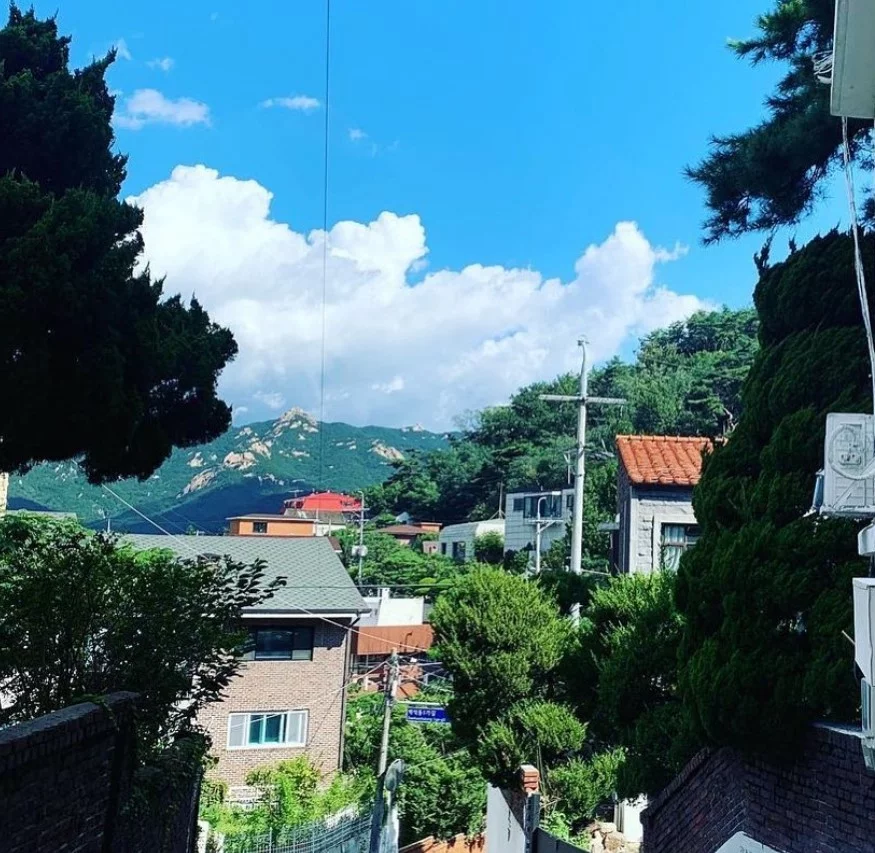
Buam-dong represents one of Seoul’s most charming neighborhoods—a hillside area that escaped the aggressive development transforming much of the capital, maintaining an almost village-like character despite being minutes from downtown. The neighborhood attracts artists, writers, and those seeking respite from Seoul’s relentless urban energy. Traditional hanok houses share narrow streets with modern cafes and small galleries, creating an atmosphere where old and new Seoul coexist peacefully.
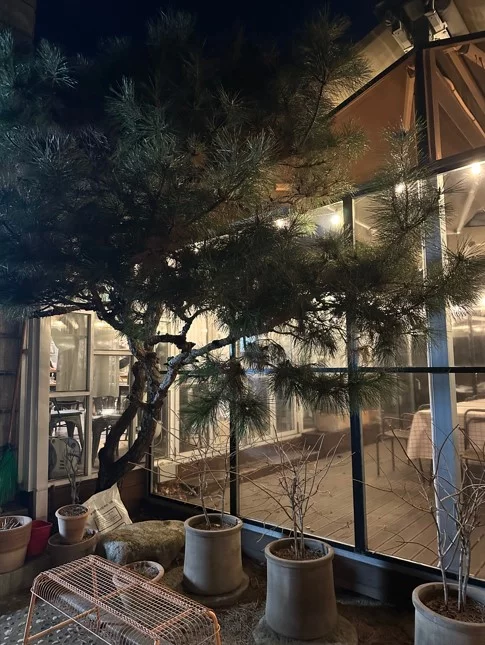
Reaching Sosohan Scenery requires navigation through winding streets that climb the hills below Bugaksan Mountain. The journey itself sets the tone for your dining experience—leaving behind the crowded main roads, you wind through residential lanes where the city’s rush seems distant. The restaurant’s location at 75 Jahamun-ro 40-gil places it within walking distance of several other Buam-dong attractions, including the Whanki Museum and various artisan cafes that draw creative professionals from across Seoul.
The restaurant’s exterior maintains the understated elegance characteristic of renovated hanok spaces. Seasonal flowers frame the entrance—in spring, cherry blossoms or forsythia might greet you; summer brings hydrangeas; autumn showcases chrysanthemums; winter features subtle evergreen arrangements. This changing floral display reflects Korean aesthetic values emphasizing seasonal awareness and natural beauty.
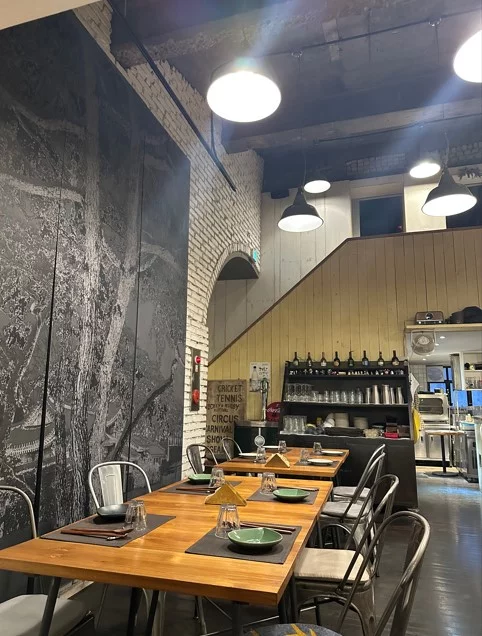
Inside, the Provencal influence becomes apparent. While the building structure remains Korean, the interior design incorporates vintage European furniture, soft color palettes, and country-style details that create unexpected warmth. Large windows frame mountain views, connecting the interior space to the surrounding natural environment. The lighting tends toward warm and ambient rather than bright and clinical, encouraging leisurely meals where conversation flows naturally.
The neighborhood’s artistic character extends to the restaurant’s clientele. You’re likely to encounter local creative professionals, food writers documenting Seoul’s culinary scene, and international visitors who’ve done their research beyond standard tourist guides. Weekends draw couples and small groups seeking escape from central Seoul’s crowds, while weekday lunches often feature solo diners enjoying quiet meals with mountain views.
Complete Menu Highlights Beyond Eggplant
While the spicy steamed eggplant claims signature status, Sosohan Scenery offers a complete menu worth exploring. The restaurant operates on a course-meal system, particularly during lunch and dinner services, where set menus provide the best value and most comprehensive experience of their culinary approach.
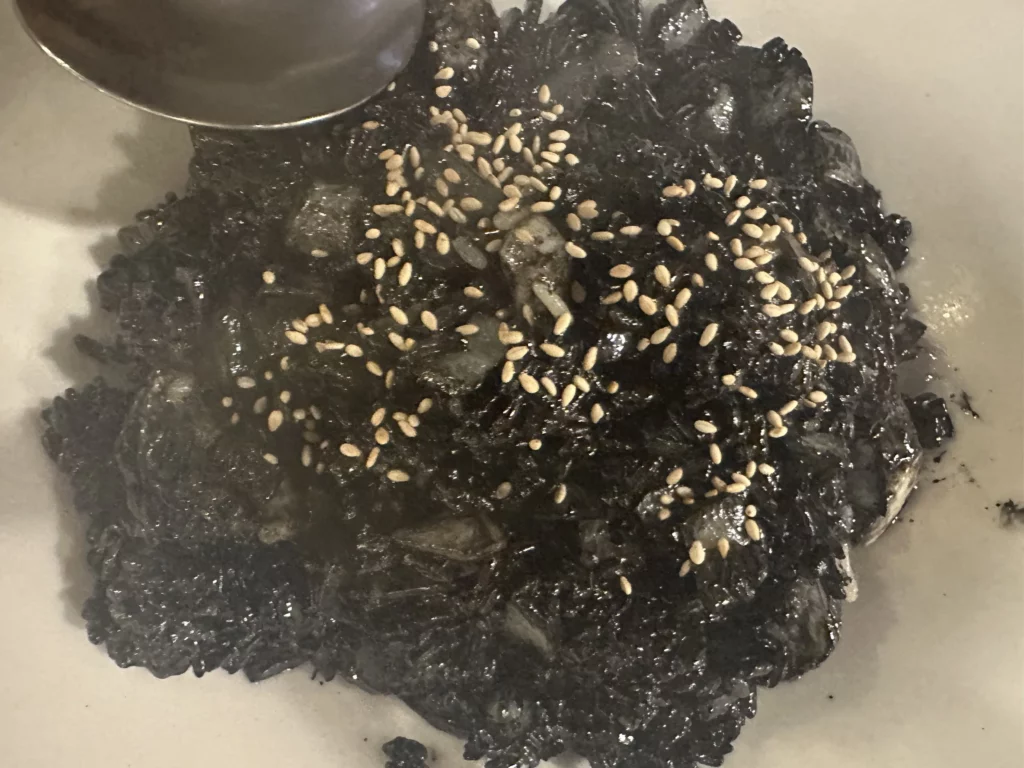
The squid dish featuring squid ink rice stands alongside the steamed eggplant as a menu highlight. This preparation demonstrates the restaurant’s skill with seafood, using fresh squid cooked precisely to maintain tenderness while the squid ink rice provides dramatic visual appeal and deep, briny flavor that seafood lovers appreciate. The black rice contrasts strikingly with colorful vegetable garnishes, creating Instagram-worthy presentation that doesn’t sacrifice taste for appearance.
Course menus typically begin with appetizers showcasing seasonal vegetables prepared simply to highlight their natural flavors. These might include various namul (seasoned vegetable dishes), fresh salads with Korean-style dressings, or small portions of fermented specialties. The progression through courses follows Korean meal structure—building from lighter, refreshing flavors toward richer, more substantial dishes.
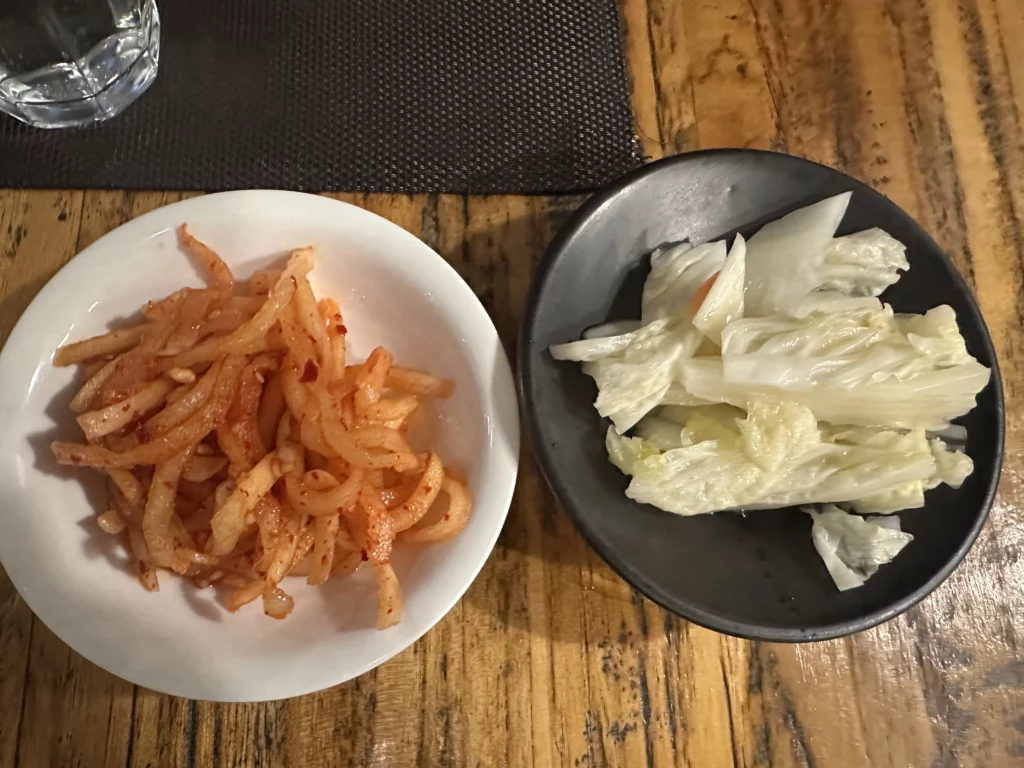
Main dishes beyond the famous eggplant often feature Korean proteins prepared with fusion twists. You might encounter beef preparations using traditional bulgogi marinades but presented in unexpected forms, or chicken dishes incorporating Western herbs alongside Korean seasonings. The kitchen demonstrates particular skill with fish, often sourcing seasonal catches and preparing them to emphasize freshness and delicate flavors.
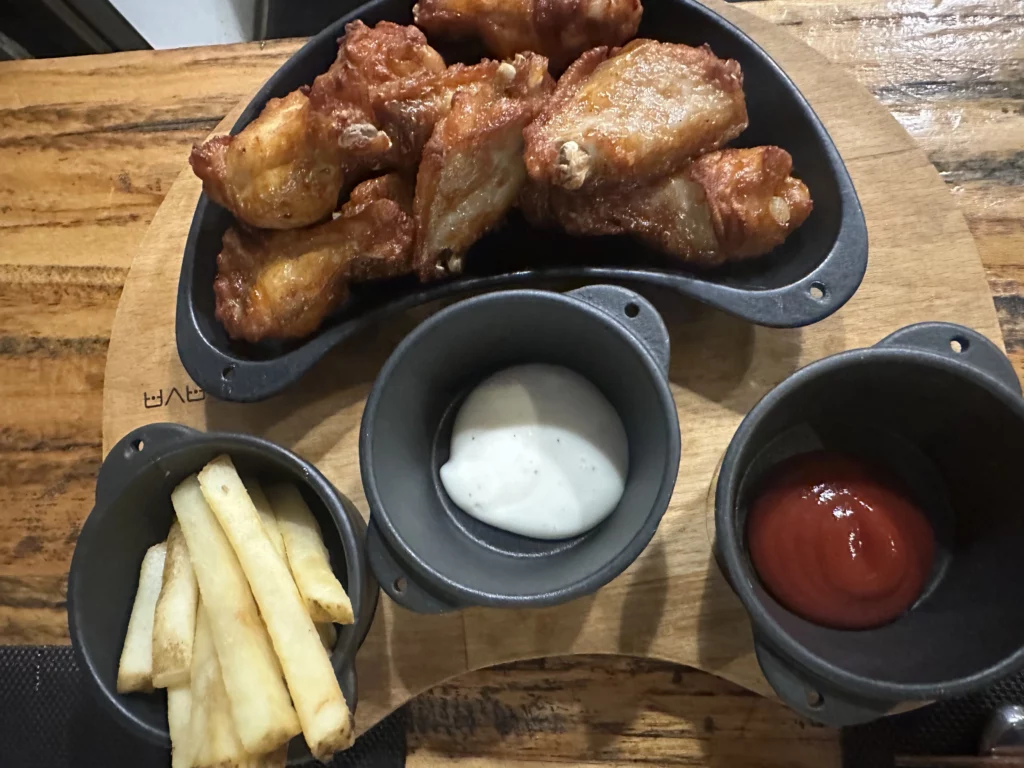
Lunch sets start around ₩15,000 (approximately $11-12 USD), offering remarkable value considering the quality of ingredients and preparation. Dinner courses command higher prices reflecting their more elaborate presentations and additional dishes, but remain reasonable compared to Seoul’s high-end dining establishments. The pricing strategy makes the restaurant accessible to a broad audience rather than positioning it as special-occasion-only dining.
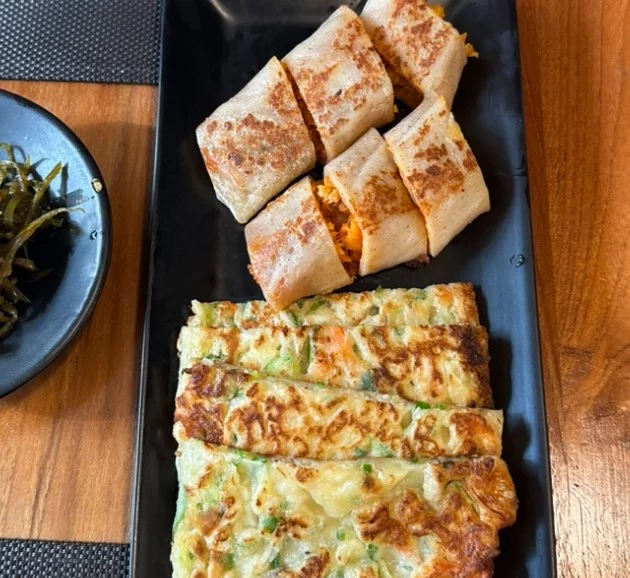
Wheat crepe with kimchi (kimchi mil jeonbyeong) and dried bean curd wraps (geondubu ssam) represent other signature items that regular customers specifically request. These dishes showcase Korean ingredients through creative preparation methods that honor tradition while introducing unexpected textural and flavor combinations.
Practical Information for Your Visit
Planning your Sosohan Scenery experience requires some logistical consideration, as the restaurant’s popularity and intimate size mean advance planning helps ensure you secure a table.
Reservations: Strongly recommended, especially for dinner and weekend visits. The restaurant’s limited seating fills quickly, and walk-in availability can be scarce during peak hours. Call ahead at 02-395-5035 to book your table. English-speaking staff availability varies, so having your hotel concierge make the reservation might prove helpful if you don’t speak Korean.
Hours: The restaurant typically operates from noon to 9:00 PM, though specific hours should be confirmed as they can vary seasonally. A break period occurs between lunch and dinner service (usually 3:30-5:00 PM), during which the restaurant may be closed. Last orders are typically taken 30 minutes before closing.
Getting There: From Gyeongbokgung Station (Line 3, Exit 3), walk to the second bus stop and board bus 1020, 7022, or 7212. Alight at Buam-dong Community Service Center (부암동주민센터), then walk approximately 5 minutes to reach the restaurant. Taxi drivers recognize the address, though having it written in Korean helps: 서울시 종로구 자하문로 40길 75. The restaurant sits in a residential area where parking is limited, so public transportation or taxi represents the best access method.
Group Size: Korean BBQ and fusion restaurants typically accommodate groups of 2-4 most comfortably. Larger parties may require special arrangements and advance notice. Solo diners are welcome during off-peak hours, though you may encounter minimum order requirements.
Payment: The restaurant accepts both cash and credit cards. Tipping is not customary or expected in Korean restaurants—the price you see includes service.
Language: Menus include some English, though not all dishes receive translation. Staff members may have limited English proficiency. Using translation apps or bringing a Korean-speaking friend enhances your ability to ask questions about ingredients, preparation methods, and recommendations. Don’t let language barriers deter you—pointing to menu items and showing enthusiasm goes far in Korean dining culture.
Dress Code: Casual comfortable clothing is perfectly acceptable. Buam-dong’s artistic, bohemian character means you’ll see everything from workout clothes to smart casual attire. Wear something you feel good in, and don’t overthink it.
Why This Restaurant Earned the Blue Ribbon Award
The Blue Ribbon Survey represents Korea’s most respected restaurant guide, predating the Michelin Guide’s arrival in Seoul by over a decade. Launched in 2005, the guide combines professional critic assessments with extensive public voting to identify restaurants demonstrating consistent excellence. Being named the first recipient of this recognition meant Sosohan Scenery set a standard that subsequent honorees would be measured against.
Several factors contributed to this distinction. First, consistent quality across all menu items, not just signature dishes. Reviewers who visited multiple times reported uniform excellence whether they ordered the famous steamed eggplant or less prominent menu items. This consistency indicates robust kitchen systems and attention to detail extending beyond showcase dishes.
Second, the successful fusion approach that respects Korean culinary traditions while introducing creative elements. Many fusion attempts fail by arbitrarily combining incompatible elements or abandoning the core identity of one cuisine. Sosohan Scenery demonstrates how to honor Korean cooking principles—emphasis on fermentation, balance of flavors, use of seasonal ingredients—while incorporating international techniques and presentations that broaden appeal without compromising authenticity.
Third, the complete dining experience extending beyond food quality. The ambiance, service style, attention to seasonal details, and overall atmosphere contribute to making meals memorable. Reviewers noted how the restaurant creates spaces where diners want to linger, engage in conversation, and return regularly—qualities defining truly excellent restaurants beyond mere technical cooking skill.
The award validation helped establish Buam-dong as a legitimate culinary destination rather than just a neighborhood with nice views and art galleries. It signaled to Seoul’s dining scene that innovation and tradition could coexist in ways that respected Korean culinary heritage while pushing creative boundaries. This balance—honoring the past while embracing evolution—perhaps represents the restaurant’s greatest achievement and the reason its recognition continues mattering years after the initial honor.
Experience the award-winning fusion of Korean tradition and creative innovation for yourself at Sosohan Scenery in Buam-dong. Whether you’re a long-time Korean food enthusiast or a curious first-time visitor, this hidden gem offers flavors and atmosphere that reward the journey beyond Seoul’s tourist centers.
Location
75 Jahamun-ro 40-gil, Jongno-gu, , Seoul, KR
Reviews
5.0
0 reviews
5
0%
4
0%
3
0%
2
0%
1
0%
Loading reviews...
Related Recipes

Vegetable&Fruit
Myeong-i Namul Jangajji
Few side dishes earn a permanent place on the Korean BBQ table the way Myeong-i Namul Jangajji — Korean pickled...

Recipe
Chicken Stock/Dalk-yuksu
There’s a moment in every serious Korean kitchen when the cook stops reaching for boxed broth and starts making her...

Side dish
Samsaek-namul (Three-Color Seasoned Vegetables)
Samsaek namul (삼색나물) is Korea’s iconic trio of three-color vegetable side dishes — blanched spinach (green), seasoned bellflower root (white),...
Related Ingredients

Ingredient
Myeong-i
When the last of winter’s snow finally retreats from the volcanic slopes of Ulleungdo Island, something quietly extraordinary happens. Broad,...

Ingredient
Korean Mackerel (Godeungeo)
Few ingredients carry as much quiet authority on the Korean dinner table as Korean mackerel — known locally as godeungeo...

Ingredient
Webfoot Octopus (Jjukkumi)
Walk through any coastal market in Korea’s South Chungcheong Province come spring, and the air fills with the sharp, briny...

Beef
Saejae Halmaejip: Mungyeong's Yakdol Pork Since 1973
Mungyeong-si, Gyeongsangbuk-do 922, Saejae-ro, Mungyeong-eup
4

Korean BBQ
Kosanbutchers KOREA BBQ - Shin Yongsan
1st Floor 18-5 Hangang-daero 40-gil, Yongsan District, Seoul
5

K-BBQ
Cheonggiwa Town - Korean Barbeque House
2nd Floor Seoul, Gangnam District, Yeoksam-dong, 739-1
5

Beef
Seoul Prime: Falls Church's Korean Steakhouse Redefining Premium Beef
106 Founders Ave, Falls Church, VA 22046
5