


Seoul’s historic Seochon district harbors a culinary gem that has elevated the humble art of makguksu to masterful heights. Jalppaejin Memil (잘빠진 메밀), literally meaning "well-shaped buckwheat," stands as a testament to Korea’s rich noodle-making tradition, where the aromatic earthiness of pure buckwheat flour transforms into silky, satisfying strands that embody centuries of Korean culinary wisdom.
Authentic Korean Makguksu at Jalppaejin Memil Seoul
4
Authentic Korean Makguksu at Jalppaejin Memil Seoul
4
Jongno-gu, Seoul, Republic of Korea 120 Tongin-dong
Editor: James Lee


Interior09
Food07

Menu03
Overview
+82 0507-1403-1214
WiFi Provided
Indoor Seating Only
Electronic Payment, Credit Card accepted: American Express, Master Card, Visa
Introduction
Operating hours
Mon, Tue, Wed, Thu, Fri, Sat, SunAM 11:00 - PM 9:30
Break TimePM 3:00 - PM 7:00
Menu
Editor's Detail

Seoul’s historic Seochon district harbors a culinary gem that has elevated the humble art of makguksu to masterful heights. Jalppaejin Memil (잘빠진 메밀), literally meaning "well-shaped buckwheat," stands as a testament to Korea’s rich noodle-making tradition, where the aromatic earthiness of pure buckwheat flour transforms into silky, satisfying strands that embody centuries of Korean culinary wisdom.
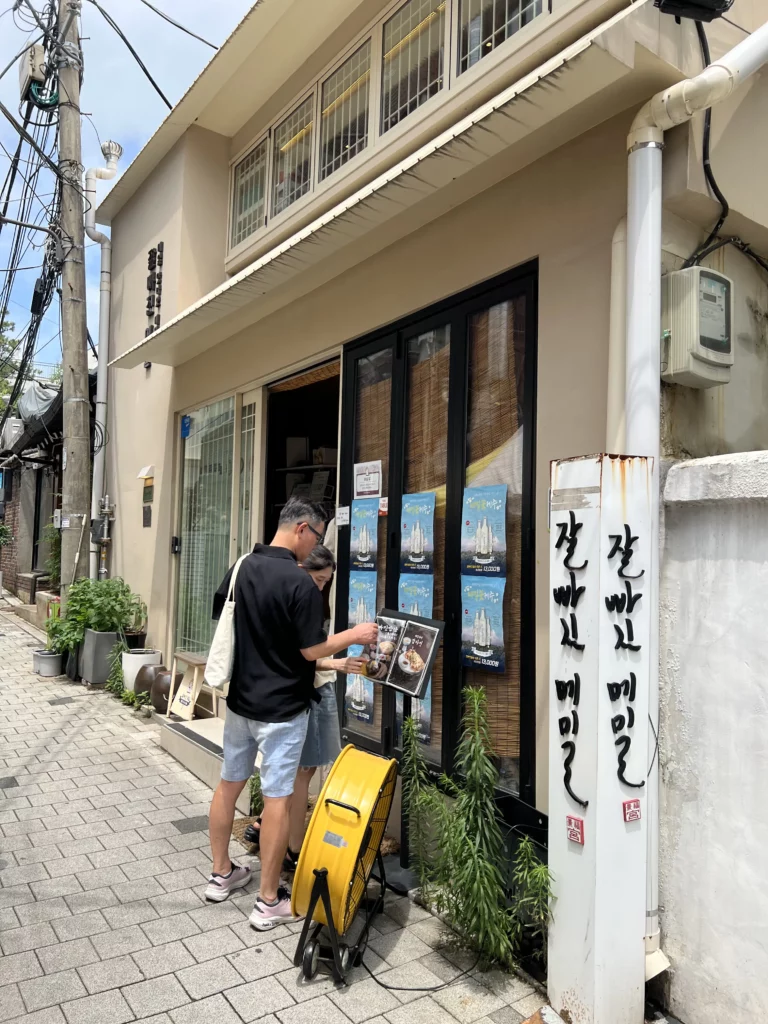
Located in the charming Tongin-dong neighborhood of Jongno-gu, this acclaimed restaurant gained national recognition when featured on SBS’s renowned program "Master of Living" (생활의 달인) as a makguksu specialist. The moment you step inside, the gentle aroma of freshly made buckwheat noodles mingles with the buzz of satisfied diners enjoying what many consider Seoul’s finest makguksu experience.
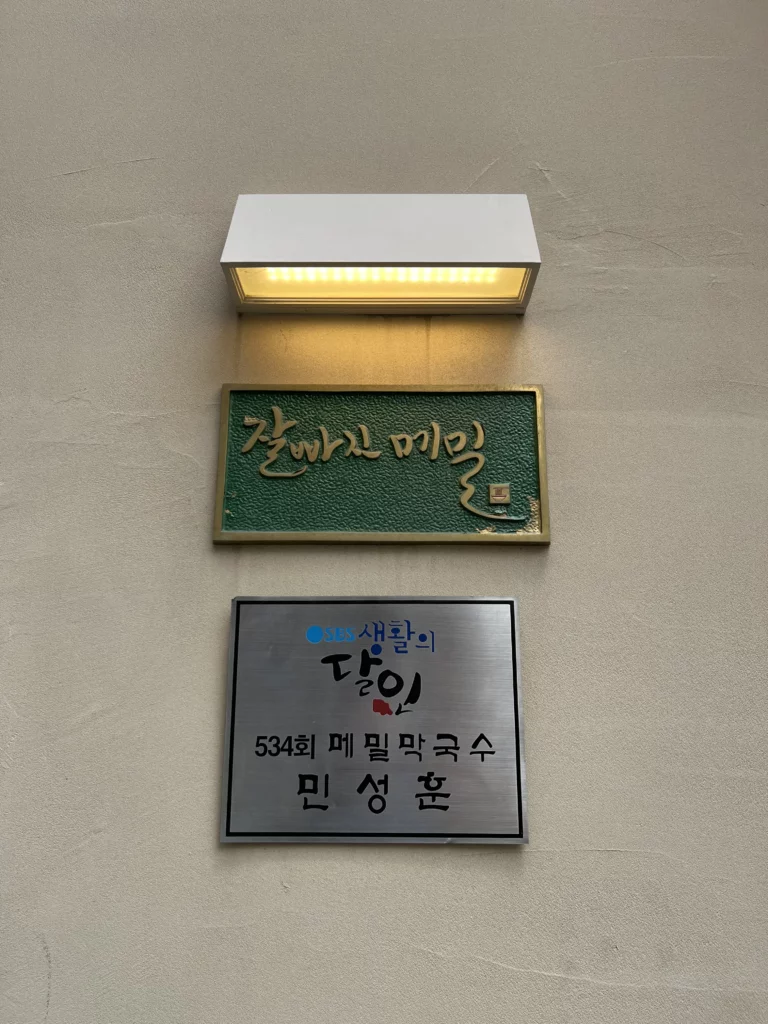
Table of Contents
- What Makes This Dish Uniquely Korean?
- Key Ingredients That Create This Flavor
- Taste and Spice Level Guide
- First-Time Eater’s Essential Tips
- Menu Highlights at Jalppaejin Memil
- The Jalppaejin Memil Experience
- Why Makguksu Matters in Korean Culture
What Makes This Dish Uniquely Korean?

Makguksu represents Korea’s ingenious adaptation to regional geography and seasonal necessity. Unlike the wheat-based noodles common in other Asian cuisines, makguksu emerged from Gangwon Province’s mountainous terrain where buckwheat thrived in harsh conditions unsuitable for rice cultivation.
This dish embodies the Korean concept of "medicinal food" (약식동원), where eating becomes healing. During Korea’s scorching summers, makguksu serves as natural air conditioning – the buckwheat’s cooling properties help regulate body temperature while providing essential nutrients. The fermented kimchi accompaniments add probiotics, creating a holistic approach to seasonal dining that Western fast food simply cannot match.
What distinguishes Korean makguksu from Japanese soba is the communal aspect and the bold, sweet-spicy flavor profile. While soba emphasizes pure buckwheat taste, Korean makguksu celebrates the harmony between the nutty noodles and vibrant accompaniments like dongchimi (radish water kimchi) or spicy gochujang-based sauces.
What Are the Key Ingredients That Create This Flavor?
Pure Buckwheat Flour (메밀가루)
Jalppaejin Memil prides itself on using 100% buckwheat flour, creating noodles with distinctive dark specks from the grain’s outer hull. This unrefined approach delivers an intense, earthy flavor with subtle bitterness that wheat noodles cannot replicate. Buckwheat contains lysine, an essential amino acid often missing in plant-based diets, making it nutritionally superior to regular pasta.
Perilla Oil (들기름)

The restaurant’s signature 들기름 막국수 features perilla oil, extracted from roasted perilla seeds. This golden oil provides a rich, nutty aroma reminiscent of sesame but with more complexity. Rich in omega-3 fatty acids, perilla oil has been used in Korean medicine for centuries to support brain health and reduce inflammation.
Fermented Kimchi Varieties
Traditional dongchimi (동치미) – the clear, refreshing radish water kimchi – provides the cooling broth base for 물막국수 (mul-makguksu). The fermentation process creates natural probiotics while the radish contributes vitamin C and aids digestion, particularly important when consuming buckwheat’s dense nutrients.
How Would You Describe the Taste and Spice Level?
Spice Level: 3-4 out of 10 for most variations (mild to moderate)
Jalppaejin Memil’s makguksu delivers a sophisticated flavor symphony that unfolds in layers. The initial taste presents buckwheat’s characteristic nuttiness – earthy and robust, similar to whole grain bread but with more minerality. The 들기름 막국수 (perilla oil makguksu) coats your palate with rich, toasted flavors that linger pleasantly without overwhelming.
The 물막국수 (cold broth version) offers refreshing clarity – the dongchimi broth tastes clean and slightly tangy, like cucumber water with a subtle fermented complexity. Unlike the aggressive spice of some Korean dishes, makguksu focuses on balance. Any heat comes from subtle kimchi flavors rather than direct chili intensity.

Texture: The noodles provide a unique mouthfeel – slightly grainy and prone to breaking (due to lack of gluten), yet satisfying. They’re served perfectly chilled, creating an almost therapeutic eating experience during Seoul’s humid summers.
What Should First-Time Eaters Know?
Eating Method: Unlike Western pasta, makguksu is typically eaten with chopsticks and requires a different technique. Lift small portions gently (the noodles break easily) and don’t worry about slurping – it’s encouraged and helps cool the noodles.
First Taste Expectations: The initial flavor might surprise Western palates – buckwheat tastes more "wild" and substantial than wheat pasta. Give yourself 2-3 bites to appreciate the complexity. The earthiness grows more appealing as your palate adjusts.
Proper Sequence: Start with a small amount of banchan (side dishes), then try the noodles plain to understand the base flavor. Add condiments gradually – kimchi, sesame oil, or the provided seasonings – to customize your experience.
Cultural Considerations: Makguksu is considered perfect sharing food. Ordering the 잘빠진 한상 (Jalppaejin feast set) allows you to experience multiple textures and flavors, including the famous yuzu-marinated pork that diners rave about. Don’t feel pressured to finish everything – Korean dining emphasizes variety over quantity.

Menu Highlights at Jalppaejin Memil
Signature Dishes
들기름 막국수 (Perilla Oil Makguksu) – The restaurant’s crown jewel, featuring hand-pulled buckwheat noodles tossed in aromatic perilla oil with fresh vegetables. The nutty richness perfectly complements buckwheat’s earthiness.
물막국수 (Mul-makguksu) – Cold buckwheat noodles served in refreshing dongchimi broth. This traditional preparation showcases makguksu in its purest form, ideal for Seoul’s sweltering summers.
모둠전 (Modumjeon – Assorted Korean Pancakes) – Traditional Korean pancakes featuring various ingredients like seafood, vegetables, and kimchi. The crispy exterior and soft interior provide textural contrast to the smooth noodles.
The Famous Lunch Sets
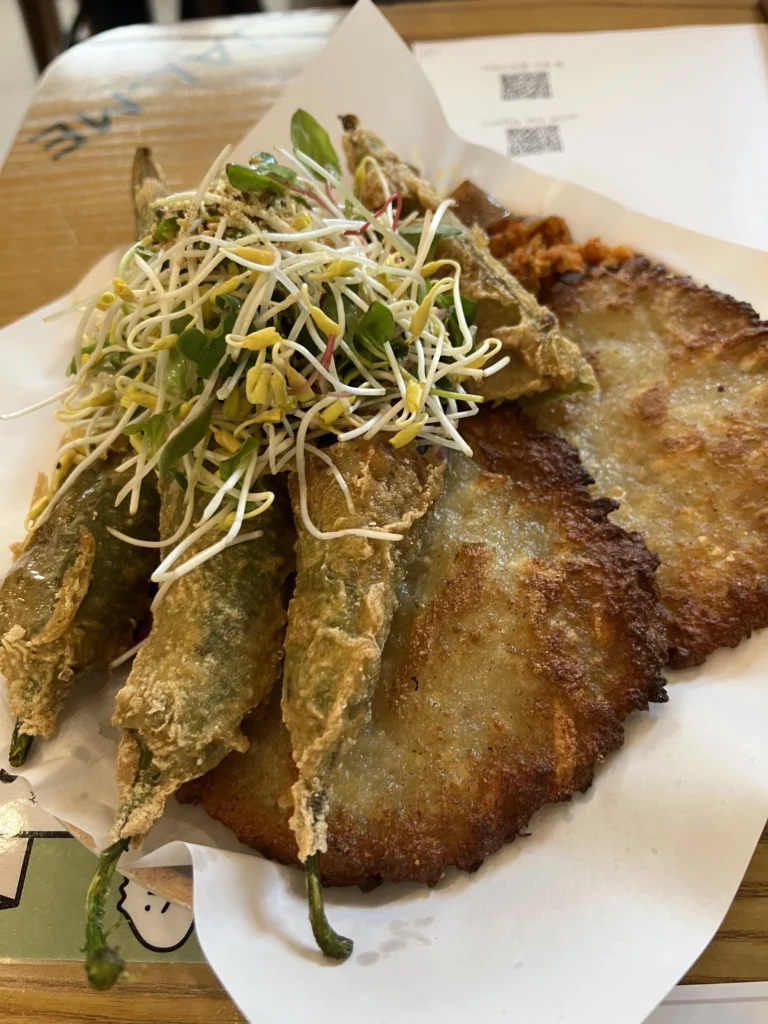
Jalppaejin Memil’s 런치 스페셜 (Lunch Special) offers incredible value – limited to 20 servings daily, it includes makguksu, yuzu-marinated pork, traditional pancakes, and seasonal banchan. This comprehensive introduction to Korean buckwheat cuisine has become legendary among Seoul food enthusiasts.
The Jalppaejin Memil Experience
Atmosphere and Service

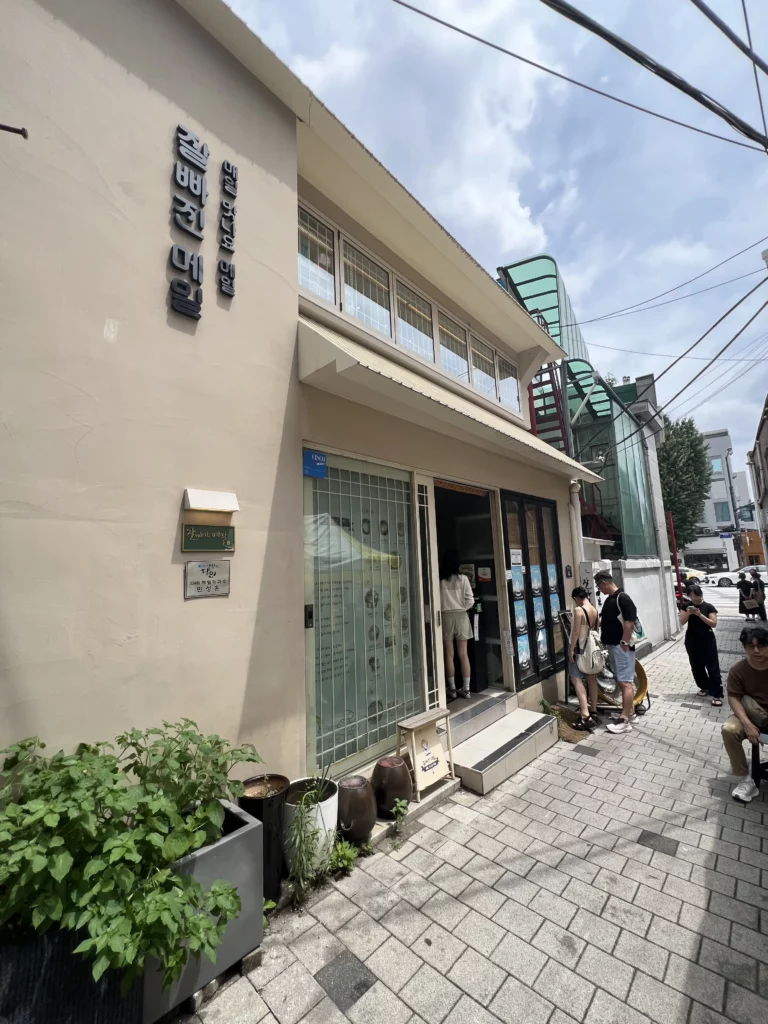
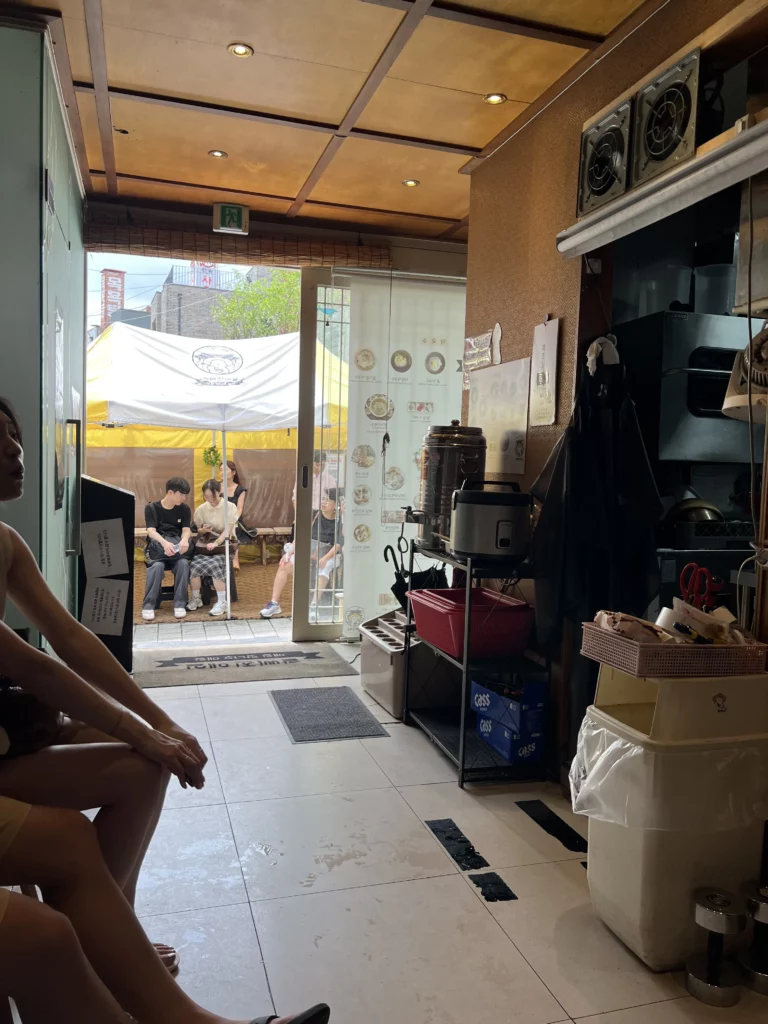
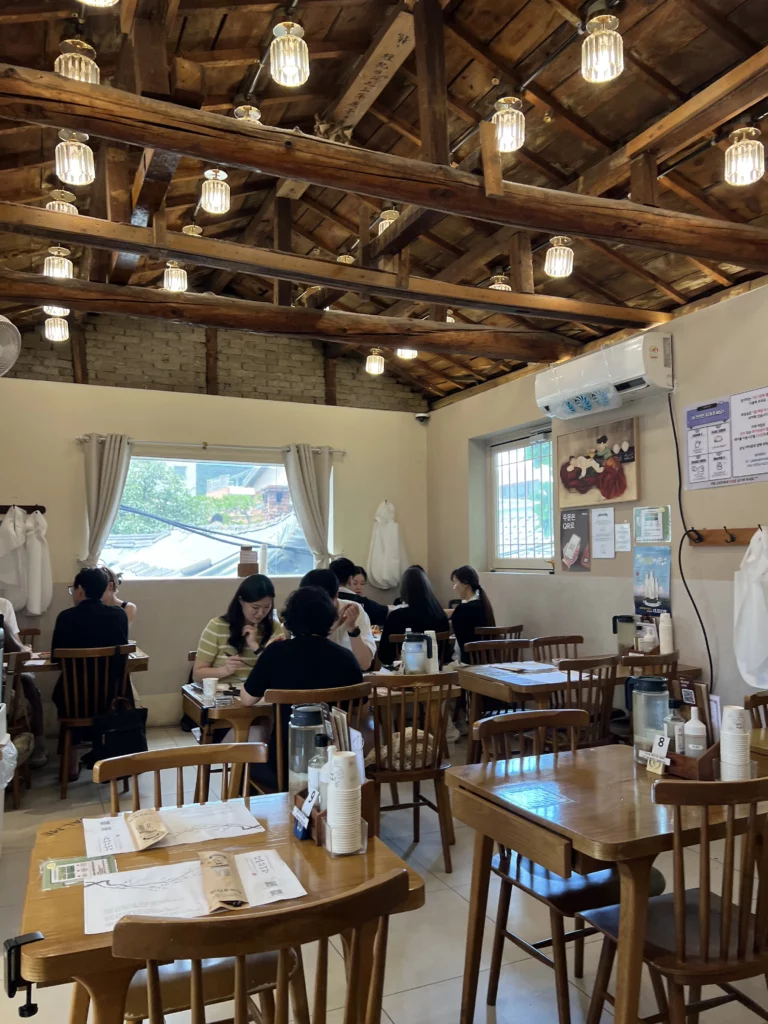
The two-story restaurant maintains traditional Korean aesthetics with modern comfort. The hanok-inspired ceiling and warm wood tones create an intimate setting perfect for both casual meals and special occasions. Expect waiting times during peak hours – the restaurant’s popularity means 30-50 minute waits during lunch and dinner rushes, but the experience justifies the patience.
Ordering and Dining Culture
Tables feature QR code ordering systems (English available), though staff happily assist international visitors. The restaurant embraces Korea’s sharing culture – most dishes are designed for communal enjoyment, making it perfect for groups wanting to explore multiple flavors.

Location and Accessibility
Situated in Seoul’s historic Seochon area near Gyeongbokgung Palace, Jalppaejin Memil offers easy access via subway (Anguk Station, Line 3) or bus routes serving the Jongno district. The neighborhood itself rewards exploration, with traditional tea houses, art galleries, and cultural sites within walking distance.
Why Makguksu Matters in Korean Culture
Historical Significance: Dating back to the 17th century cookbook "Eumsik Dimibang," makguksu represented more than sustenance – it symbolized Korean adaptability and resourcefulness. In regions where rice couldn’t grow, buckwheat became the foundation of community meals and celebrations.
Seasonal Wisdom: Korean traditional medicine views makguksu as summer medicine. The buckwheat’s cooling properties balance the body’s internal heat, while fermented accompaniments support digestive health during months when appetites typically decrease.
Modern Renaissance: Today’s makguksu revival reflects Koreans’ growing appreciation for traditional foods with proven health benefits. Restaurants like Jalppaejin Memil honor historical preparation methods while adapting presentation for contemporary diners.
Social Dining: Unlike individual pasta servings in Western culture, makguksu encourages communal eating. Sharing banchan, discussing flavors, and adjusting seasonings together creates social bonds that extend beyond mere nutrition.
Planning Your Visit
Best Times: Weekday afternoons (2-4 PM) typically have shorter waits. Weekend visits require patience but offer the full bustling restaurant experience.
Recommended Order: First-time visitors should try the perilla oil makguksu set to experience the restaurant’s signature preparation alongside traditional accompaniments.
Nearby Attractions: Combine your meal with visits to Bukchon Hanok Village, Gyeongbokgung Palace, or Inwangsan Mountain for a complete Seoul cultural experience.
Jalppaejin Memil transforms the humble act of eating noodles into a celebration of Korean culinary heritage. Every bowl of makguksu connects diners to centuries of tradition while delivering the refreshing satisfaction modern Seoul residents crave.


The restaurant’s commitment to 100% buckwheat noodles and traditional preparation methods creates an authentic experience that honors Korea’s mountainous heritage while serving the contemporary palate. Whether you choose the signature 들기름 막국수 with its rich perilla oil coating or the refreshing 물막국수 in clear dongchimi broth, each bite delivers the cooling comfort that has sustained Korean communities for generations.
For travelers seeking authentic Korean flavors beyond the familiar barbecue and kimchi, Jalppaejin Memil offers an essential cultural and culinary education. Experience these time-honored flavors for yourself at this master-recognized restaurant in Seoul’s historic Seochon district.

Have you experienced authentic Korean makguksu? Share your thoughts about this traditional buckwheat noodle dish in the comments below – we’d love to hear about your culinary adventures in Seoul!
Location
120 Tongin-dong, Jongno-gu, Seoul, Republic of Korea, KR
Reviews
4.0

0 reviews
5
0%
4
0%
3
0%
2
0%
1
0%
Loading reviews...
Related Recipes

Noodles
Spicy Korean Buckwheat Noodles
There’s a particular kind of relief that comes with the first bite of spicy Korean buckwheat noodles on a sweltering...

Side dish
Perilla Oil Makguksu (Nutty Korean Noodle Dish)
Perilla Oil Makguksu, known as 들기름 막국수 (deulgireum makguksu) in Korean, represents a beautiful paradox in Korean cuisine: a dish...
Related Ingredients

Ingredient
Perilla Seed Powder
Perilla Seed Powder (Deul-kkae-ga-ru) is the secret behind the “hidden luxury” of Korean cooking, capable of transforming a simple clear...

Ingredient
Perilla Seeds
Perilla seeds are one of Korea’s most distinctive traditional ingredients, known for their rich nutty aroma and high nutritional value....

Ingredient
Korean Perilla Oil: The Golden Secret of Authentic Korean Cooking
Few ingredients in the Korean pantry reward curiosity as richly as perilla oil. One small drizzle of ** 들기름 (deulgireum)...

Beef
Dam Restaurant at Seoul Arts Center: Where Hanjeongsik Meets Cultural Excellence
Seocho-gu, Seoul, Republic of Korea 700 Seocho-dong
5

Bossam
Mijin's Korean Buckwheat Noodles: The Michelin-Starred Legacy in Seoul's Historic Pimatgol
Jongno-gu, Seoul, Republic of Korea 24 Jongno 1-ga
5

Beef
Nunnamu-jip Bukchon: Seoul's Hidden Gem for Authentic Grilled Bulgogi
Jongno-gu, Seoul, Republic of Korea 136-1 Samcheong-ro
5

Fusion Korean
Hojokban Cheongdam: Where Modern Korean Fusion Meets Traditional Comfort in Seoul's Trendiest District
Gangnam-gu, Seoul 1F, 39 Eonju-ro 164-gil
5