


Experience authentic Korean bulgogi in the heart of Seoul’s historic Bukchon neighborhood. Nunnamu-jip serves traditional grilled bulgogi on stone grills, alongside classic Korean favorites like handmade dumpling soup and crispy mung bean pancakes. Located among centuries-old hanok houses, this beloved local spot offers exceptional value and genuine flavors that have kept customers returning for years. Discover why Bukchon’s residents and savvy travelers alike choose Nunnamu-jip for traditional Korean dining done right—without the tourist markup or pretense.
Nunnamu-jip Bukchon: Seoul's Hidden Gem for Authentic Grilled Bulgogi
5
Nunnamu-jip Bukchon: Seoul's Hidden Gem for Authentic Grilled Bulgogi
5
Jongno-gu, Seoul, Republic of Korea 136-1 Samcheong-ro
Editor: James Lee


Interior02
Food03

Menu01
Overview
+82 02-739-6742
WiFi Provided
Indoor Seating Only
Electronic Payment, Credit Card accepted: American Express, Master Card, Visa
Introduction
Operating hours
Mon, Tue, Wed, Thu, Fri, Sat, SunAM 11:00 - PM 8:00
Menu
Editor's Detail
Nestled in the heart of Seoul’s historic Bukchon Hanok Village, Nunnamu-jip offers a rare opportunity to experience authentic Korean bulgogi in a setting that honors centuries of culinary tradition. The restaurant’s signature grilled bulgogi, cooked on a traditional seoksoé (stone grill), captures the essence of Korean BBQ culture while maintaining the affordable prices and welcoming atmosphere that have made it a local favorite for years.
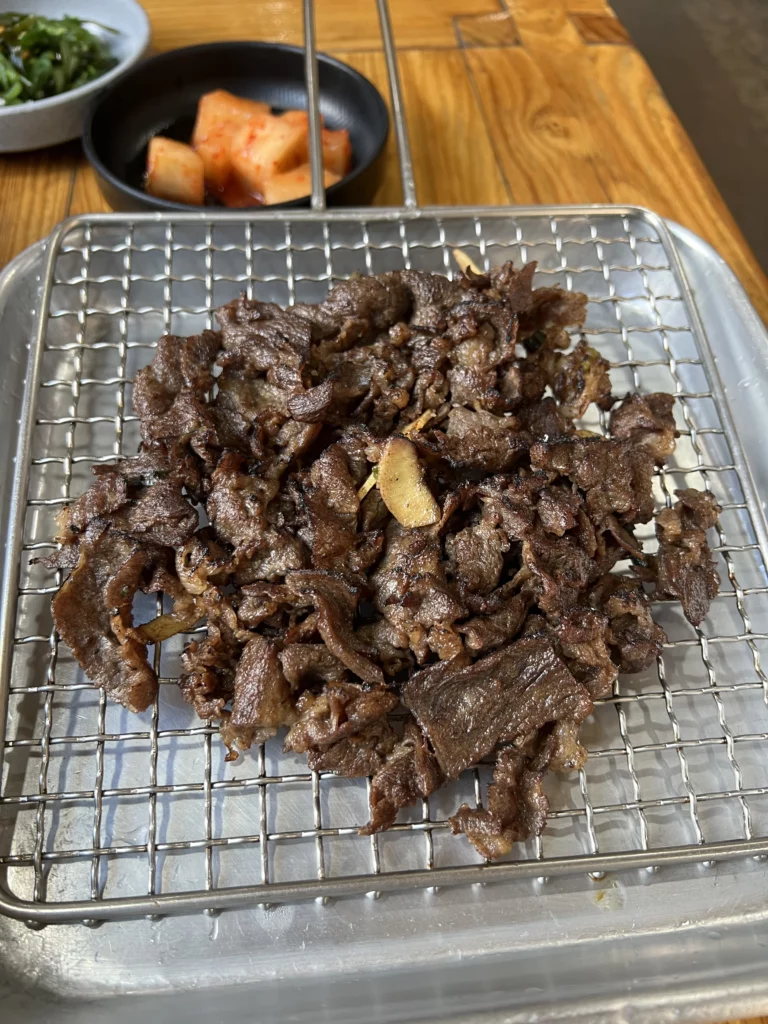
What Makes Nunnamu-jip Special in Bukchon’s Dining Scene
Located in Samcheong-dong, part of the Bukchon area, Nunnamu-jip has established itself as a longstanding fixture in the neighborhood. The restaurant occupies the second floor of a building, offering diners a peaceful escape from the bustling streets below while maintaining the area’s characteristic nature-inspired Korean interior design aesthetic.

What sets this establishment apart is its commitment to value-driven dining without sacrificing quality. The restaurant is known for its reasonable prices and delicious food, making it accessible to both locals and tourists. While Bukchon has become increasingly tourist-oriented, Nunnamu-jip retains an authenticity that appeals to those seeking genuine Korean culinary experiences.
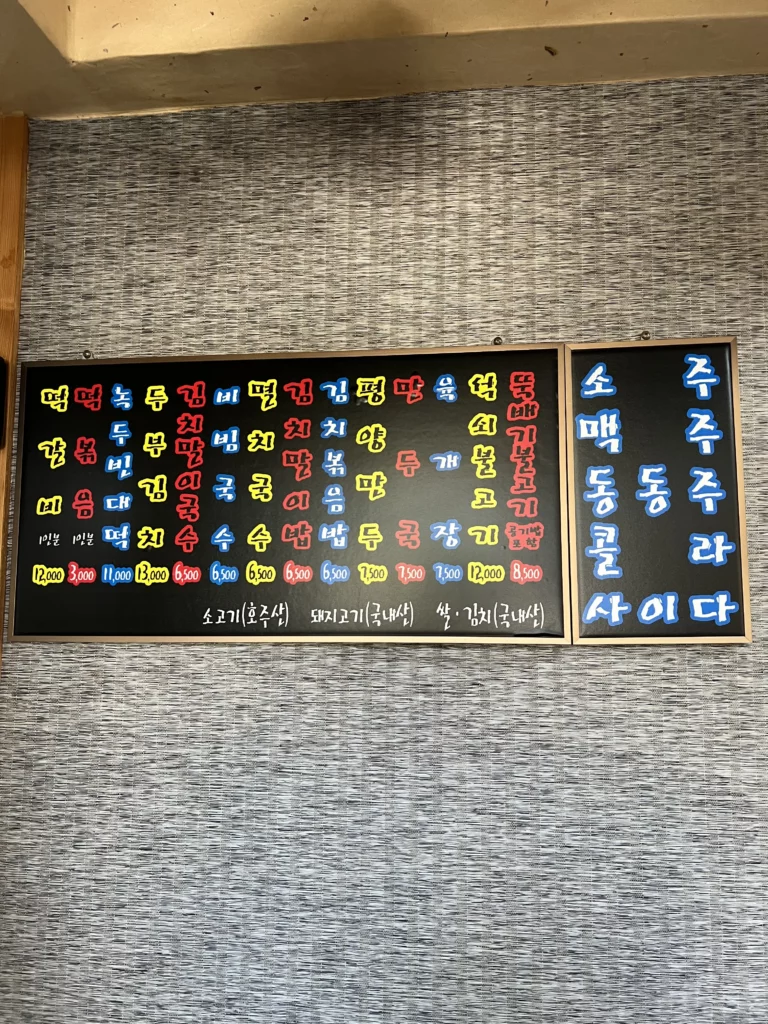
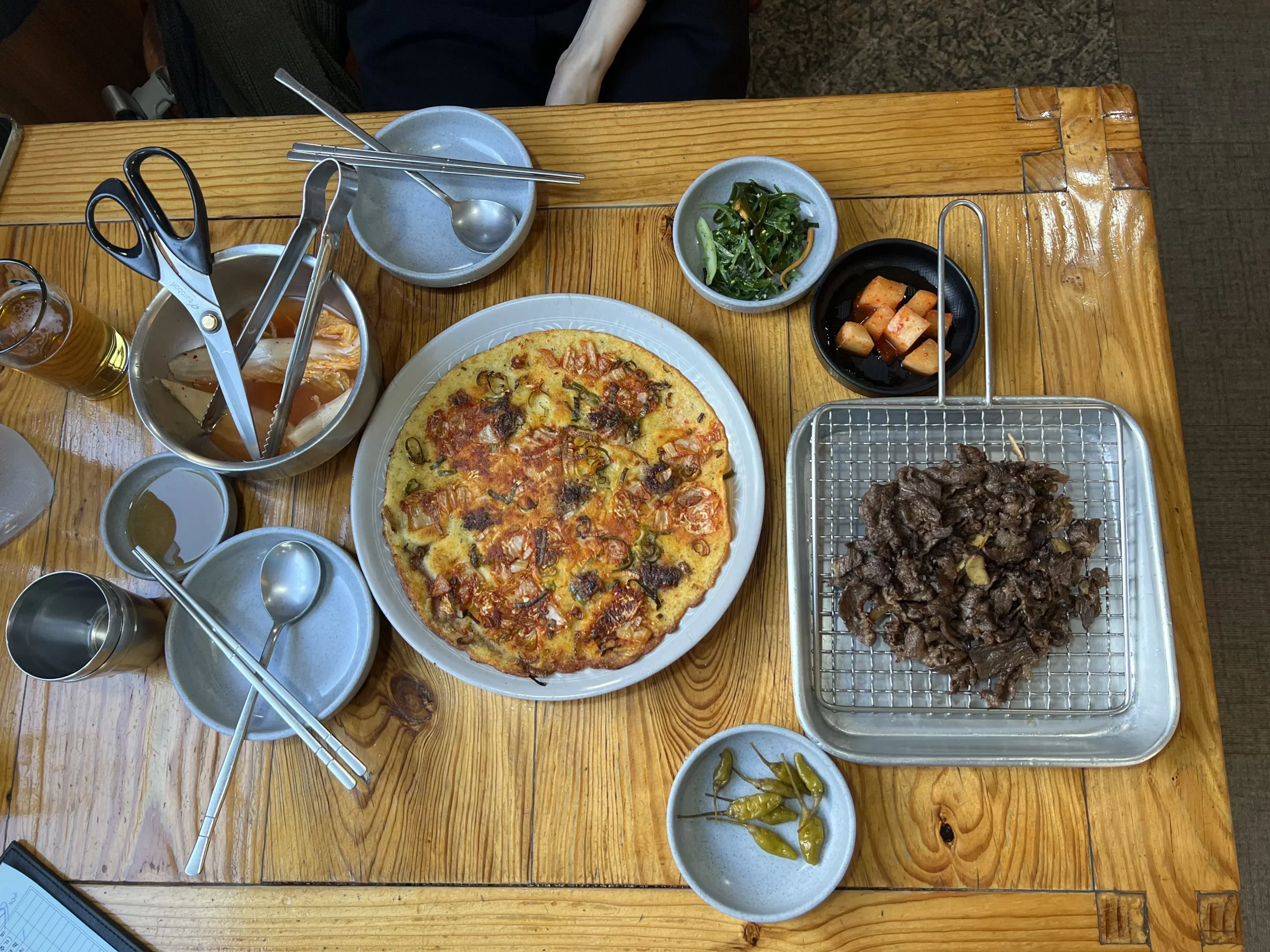
The restaurant’s menu centers on classic Korean comfort foods, with bulgogi taking center stage alongside other traditional favorites like dumpling soup (mandu-guk) and mung bean pancakes (nokdu-bindaetteok). This combination of dishes reflects the balanced approach to Korean dining, where grilled meats are accompanied by various complementary dishes that enhance the overall meal experience.
Understanding Bulgogi: Korea’s Beloved "Fire Meat"
Bulgogi, translating literally to "fire meat" in Korean, consists of thin, marinated slices of meat grilled on a barbecue or stove-top griddle. The dish’s origins trace back over a thousand years, with bulgogi believed to have originated during the Goguryeo era (37 BCE–668 CE), when it was originally called maekjeok and prepared with beef grilled on skewers.
During the Joseon Dynasty, the dish evolved into what was called neobiani, meaning "thinly spread" meat, and was traditionally prepared especially for the wealthy and nobility. This historical connection to Korean royalty and aristocracy—particularly relevant given Bukchon‘s own history as a residential neighborhood where traditional Korean houses (hanok) from the late 19th and early 20th centuries housed the elite—adds layers of cultural significance to enjoying bulgogi in this historic district.
What Makes This Dish Uniquely Korean?
Bulgogi represents the intersection of Korean culinary philosophy and practical cooking techniques developed over centuries. Unlike Western grilled meats that often rely on dry rubs or post-cooking sauces, bulgogi’s identity comes from its marinade—a complex blend of flavors that both seasons and tenderizes the meat before it ever touches heat.
The dish embodies the Korean concept of "harmony" in food, where sweet, salty, and umami flavors balance perfectly. This balance reflects the broader Korean philosophical principle of "jungdo," or moderation, applied to cuisine. Bulgogi gained its global popularity through Hallyu, the "Korean Wave," describing the rise in popularity of Korean culture during the 1990s and 2000s, becoming one of Korea’s most recognizable culinary exports.
What distinguishes Korean bulgogi from similar grilled meat dishes in other Asian cuisines is its specific marinade composition and the thinness of the meat slices, which allow for quick cooking and maximum flavor absorption. The dish is also deeply social—in many Korean barbecue restaurants, customers are seated at tables with grills installed in the middle, where they can cook bulgogi themselves, making dining an interactive, communal experience.
What Are the Key Ingredients That Create This Flavor?
Soy Sauce (Ganjang): The foundation of bulgogi marinade, soy sauce provides the essential savory depth and saltiness that defines the dish. Korean soy sauce differs from Japanese or Chinese varieties in its fermentation process and flavor profile, contributing a distinctive umami richness. This fermented ingredient contains beneficial enzymes and amino acids that not only enhance flavor but also aid in meat tenderization. Korean soy sauce is available at most Asian markets or can be substituted with low-sodium soy sauce in international groceries.
Asian Pear (Bae): Pears are traditionally used in the marinade to help tenderize the meat, distinguishing bulgogi from other grilled meat preparations. Korean pears contain a tenderizing enzyme and add subtle sweetness to enhance the marinade’s flavor profile. This fruit’s high moisture content keeps the meat juicy during grilling while its natural sugars contribute to the characteristic caramelization. The enzymatic action breaks down proteins without making the meat mushy—a crucial balance. Korean pears can be found at Asian grocery stores, or Bosc pears and Fuji apples serve as acceptable substitutes.
Sesame Oil (Chamgireum): This aromatic oil is essential for authentic bulgogi flavor. Using generous amounts of garlic and sesame oil is necessary to create an authentic taste. Made from toasted sesame seeds, this oil contributes a nutty, warming aroma and helps carry the marinade’s flavors into the meat. Sesame oil also contains beneficial unsaturated fats and antioxidants. A little goes a long way—typically just 1-2 tablespoons per pound of meat. Look for toasted (not raw) sesame oil, available in most supermarkets in the international aisle.
How Would You Describe the Taste and Spice Level?
Bulgogi registers at approximately 2-3 out of 10 on the spice scale, making it one of the most foreigner-friendly Korean dishes. The flavor profile leans toward savory-sweet rather than spicy, with primary taste notes including:
- Umami richness from soy sauce and sesame oil
- Subtle sweetness from sugar, pear, and caramelized meat surfaces
- Savory depth from garlic and black pepper
- Slight tanginess from the fermentation in soy sauce
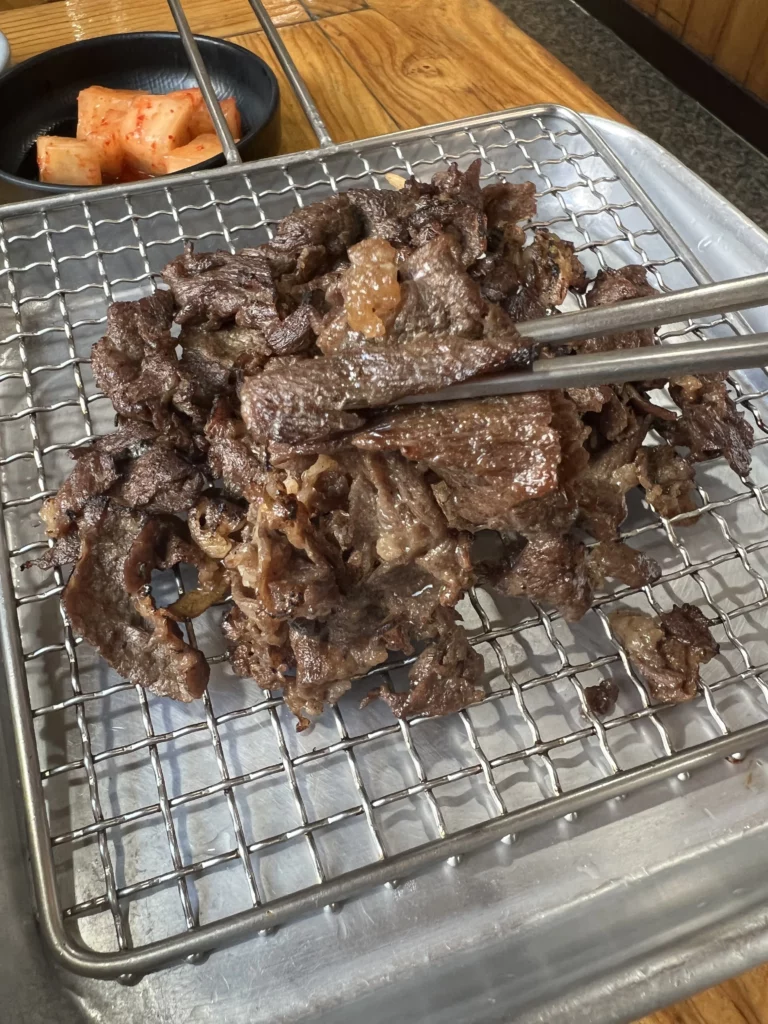
The texture varies depending on the cut and cooking method. At Nunnamu-jip, the grilled bulgogi would feature tender, thinly sliced beef with slightly crispy, caramelized edges where the marinade’s sugars have encountered high heat. When grilled over fire, the juices are sealed in, and smoky flavors penetrate the meat. The meat should be juicy yet not tough, with each bite releasing the complex flavors developed during marination.
Bulgogi is traditionally served hot, immediately after cooking, to preserve the contrast between the crispy exterior and tender interior. The temperature when served is typically quite hot (around 160-180°F), so allow it to cool slightly before eating.
What Should First-Time Eaters Know?
Eating Method: Bulgogi can be enjoyed in multiple ways at Korean restaurants. The most common method involves eating the meat with white rice, using chopsticks to pick up pieces of bulgogi and alternating with bites of rice. The dish is sometimes served with lettuce or other leafy vegetables, which is used to wrap a slice of cooked meat, often along with a dab of ssamjang, rice, or other side dishes, and then eaten together. This wrapping method, called "ssam," creates a perfect bite combining multiple flavors and textures.
First Taste Expectations: On your first bite, expect an immediate burst of savory-sweet flavor with subtle garlic notes. The caramelized edges provide a slight crunch, while the interior remains tender and juicy. The sweetness is subtle—not dessert-like—and balances perfectly with the salty, umami components. Some first-timers are surprised by how approachable bulgogi is compared to their expectations of Korean food being intensely spicy.
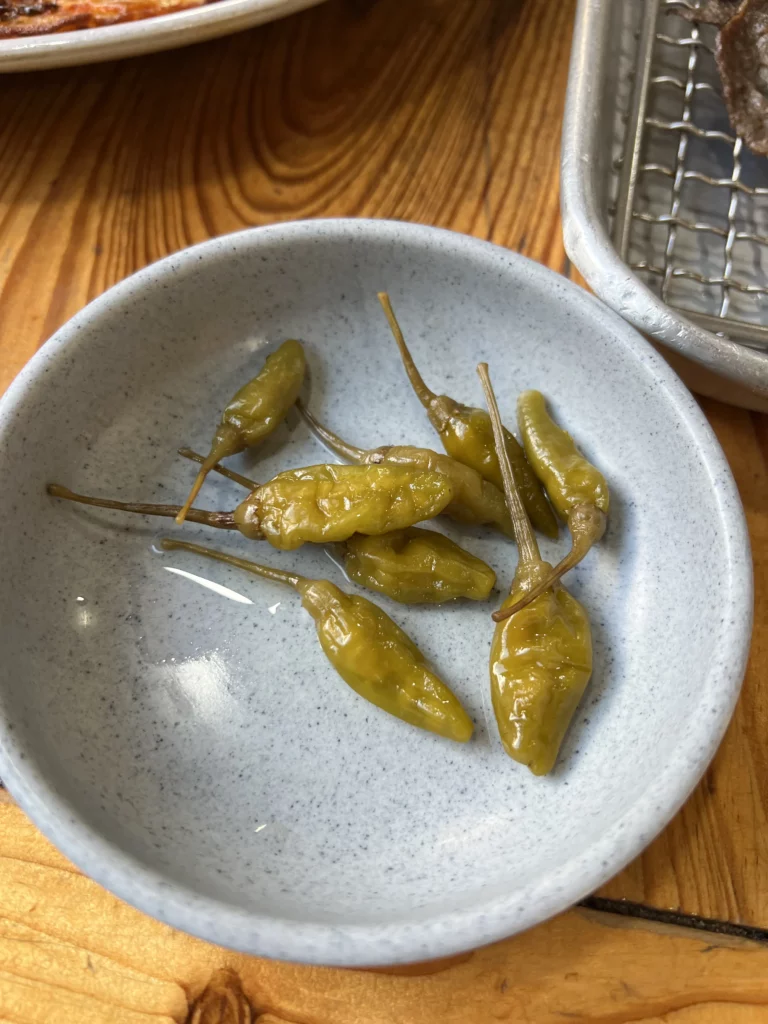

Proper Dining Sequence: Korean meals follow a specific rhythm. Bulgogi is accompanied by various side dishes such as kimchi and is often served with rice. Begin by sampling the banchan (side dishes) that arrive before your main course. When the bulgogi arrives, alternate between the meat, rice, and side dishes rather than finishing one item completely before moving to the next. This creates a balanced dining experience and prevents palate fatigue.
Cultural Considerations: When dining at Korean restaurants, remember that visitors are advised to be respectful at all times, especially in Bukchon where the area is a residential neighborhood, and regulations have been put in place to manage the high volume of tourists Keep voices moderate, don’t photograph residents without permission, and avoid blocking narrow alleyways. If dining with Koreans, wait for the eldest person to begin eating before starting your meal. It’s also customary to use both hands when receiving dishes or pouring drinks as a sign of respect.
Nunnamu-jip’s Menu Highlights
While bulgogi takes center stage at Nunnamu-jip, the restaurant’s menu showcases several other Korean classics worth exploring:
Grilled Bulgogi (Seoksoebulgogi): The restaurant’s signature dish features beef marinated in the traditional style and grilled on a seoksoé (석쇠), a traditional Korean grill. This cooking method creates the characteristic smoky flavor and caramelized edges that define excellent bulgogi. The meat arrives sizzling hot, with visible grill marks and an aromatic blend of sesame and garlic scents.
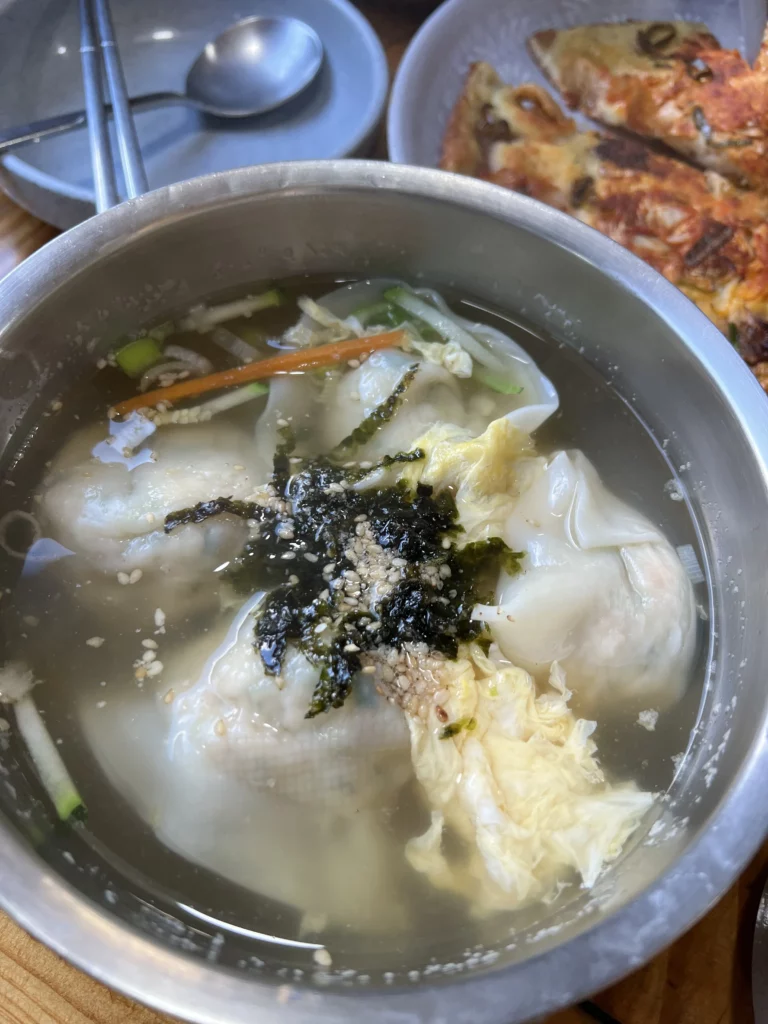

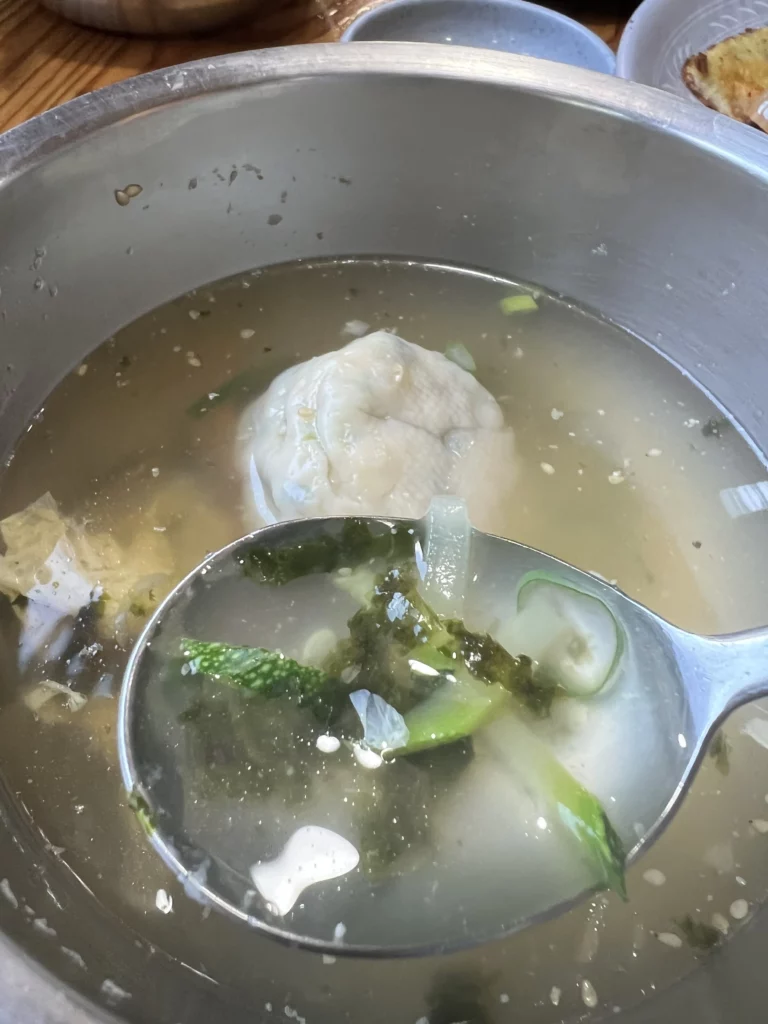

Dumpling Soup (Mandu-guk): A comforting Korean staple, this soup combines handmade dumplings in a clear, savory broth. The dumplings typically contain a mixture of pork, vegetables, and tofu, wrapped in delicate wheat wrappers. This dish represents Korean home cooking at its finest—simple, nourishing, and deeply satisfying.
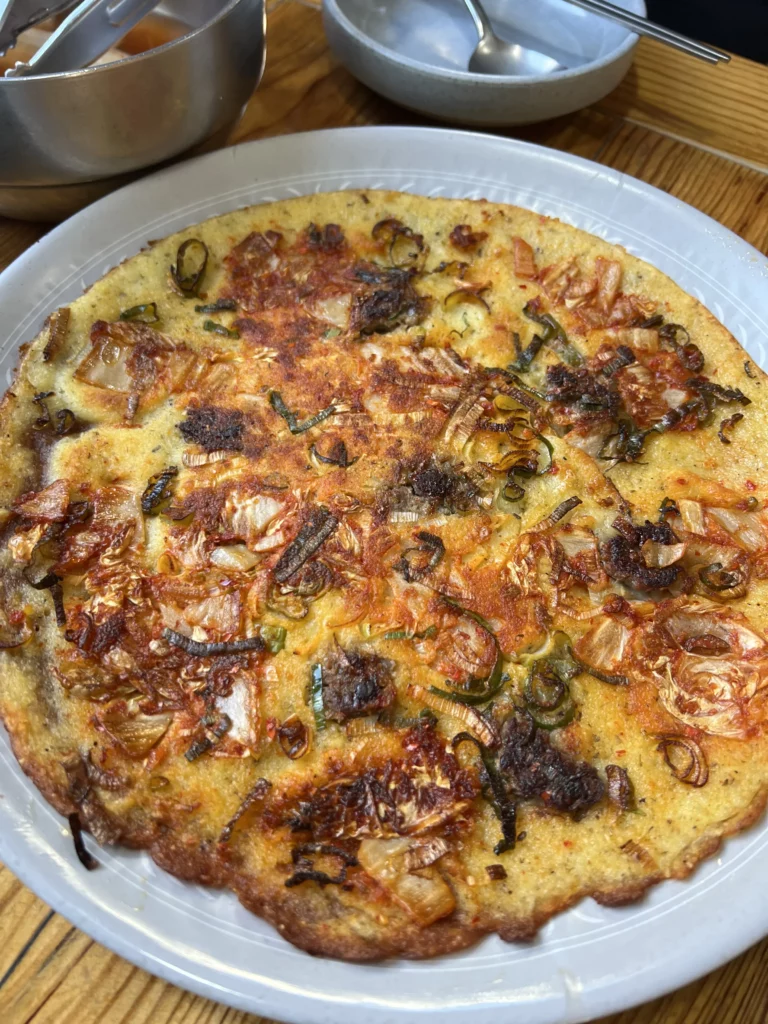

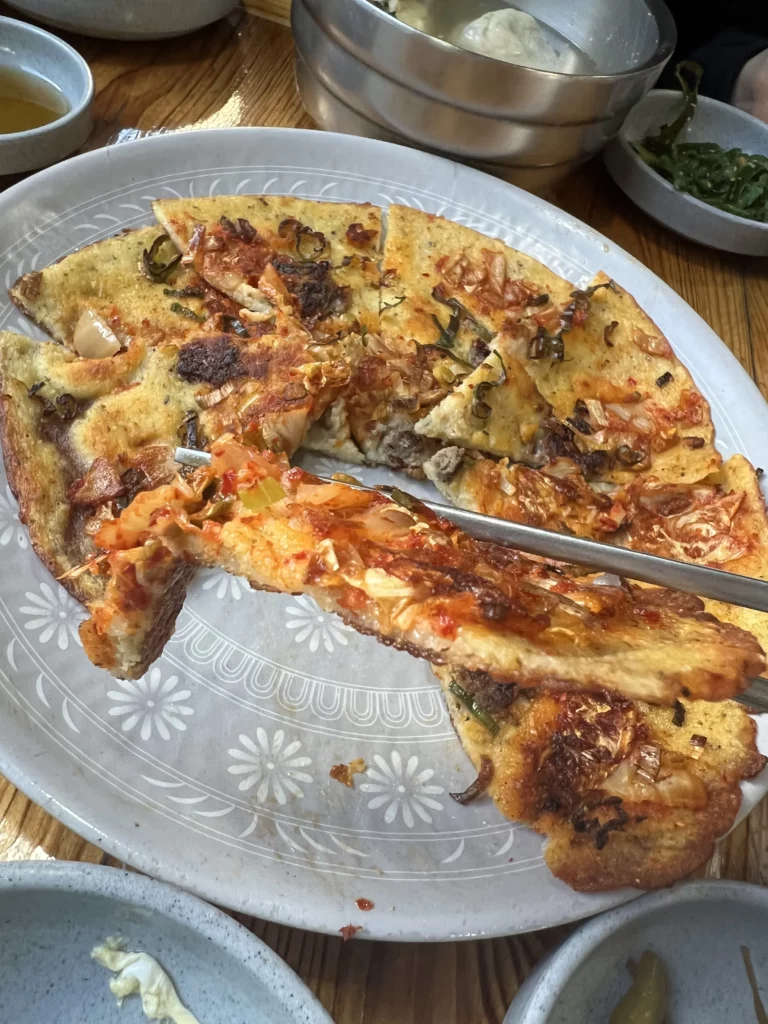
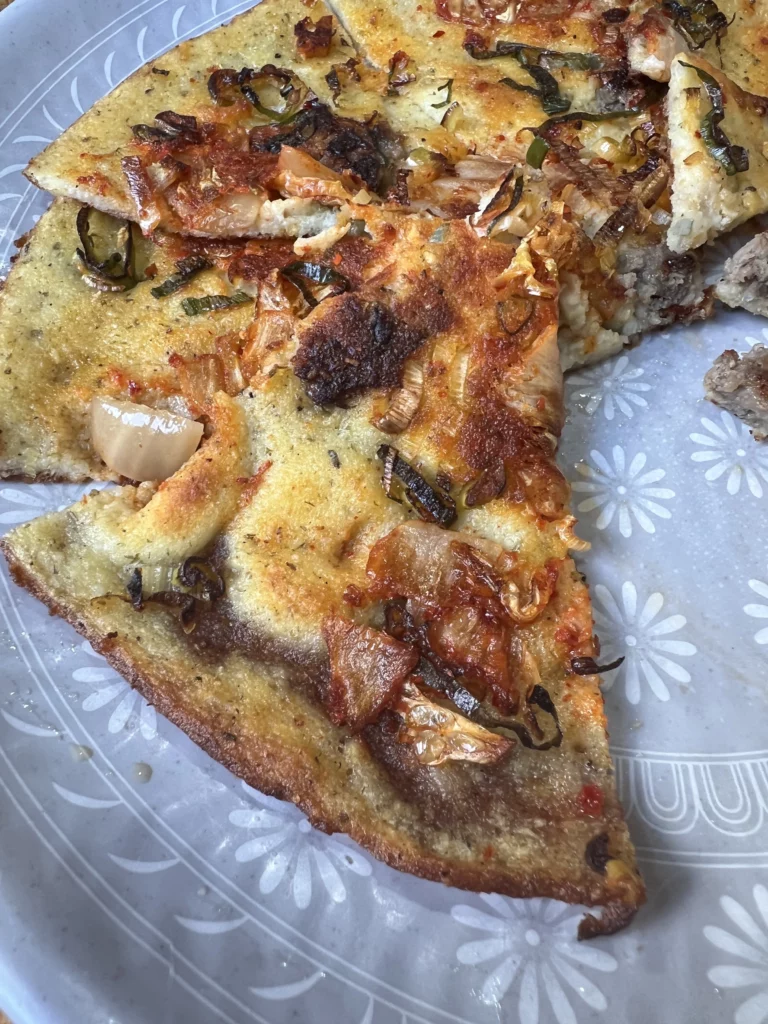
Mung Bean Pancake (Nokdu-bindaetteok): These savory pancakes made from ground mung beans offer a crispy exterior with a tender center. Often filled with vegetables and sometimes pork, bindaetteok provides a textural contrast to the tender bulgogi and works excellently as a shared appetizer.
The restaurant is also known for tteokgalbi (grilled short rib patties) and kimchi-mari-guksu (kimchi rolled noodles), providing alternatives for those who want to explore beyond bulgogi while maintaining the focus on traditional Korean flavors.
Exploring Bukchon: The Perfect Setting for Traditional Dining

Understanding Nunnamu-jip’s location adds context to the dining experience. Bukchon Hanok Village is a residential neighborhood in Jongno District, Seoul, containing many restored traditional Korean houses called hanok that date to the late 19th and early 20th centuries.
The neighborhood’s name, meaning "north village," derives from its location north of two significant Seoul landmarks, Cheonggyecheon Stream and Jongno. Surrounded by Gyeongbokgung Palace, Changdeokgung Palace and Jongmyo Shrine, Bukchon Hanok Village is home to hundreds of traditional houses, creating an atmosphere where centuries of Korean culture remain tangible.

Walking through Bukchon’s narrow alleyways before or after dining at Nunnamu-jip provides cultural context for the traditional dishes you’re experiencing. During the Joseon Dynasty, the area was where the ruling class lived, making it a historical center of Korean aristocratic culture. The same refined sensibilities that shaped these elegant homes also influenced the development of Korean court cuisine, of which bulgogi is a descendant.

Today, many hanoks operate as cultural centers, guesthouses, restaurants and tea houses, providing visitors with an opportunity to experience, learn and immerse themselves in traditional Korean culture. The juxtaposition of traditional architecture with modern cafes and restaurants creates a unique atmosphere where past and present coexist harmoniously.

However, visitors that aren’t staying in guesthouses in the area can only enter between 10 a.m. and 5 p.m. as of January 2025, due to overtourism concerns. This makes lunch at Nunnamu-jip an ideal way to experience both the neighborhood and its culinary offerings within permitted hours.
Planning Your Visit to Nunnamu-jip
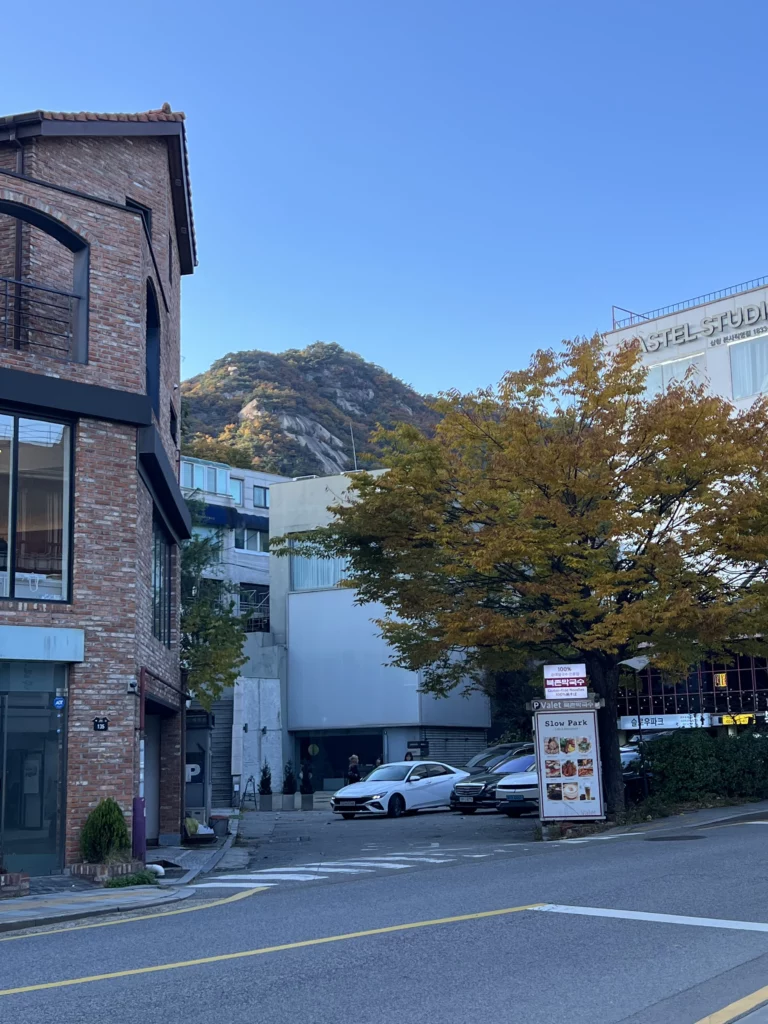
Location and Access: Nunnamu-jip is located in Samcheong-dong, easily accessible from Anguk Station. After exiting the station, a short walk through Bukchon’s charming streets leads to the restaurant. The second-floor location means you’ll need to climb stairs—an important consideration for those with mobility concerns.
Best Times to Visit: The restaurant can experience wait times, as it’s popular among both locals and tourists. Arriving before the lunch rush (before 11:30 AM) or during off-peak afternoon hours (2:30-4:30 PM) typically ensures shorter wait times. The restaurant is open daily from 11:30 AM to 9:00 PM, making it suitable for both lunch and dinner visits.

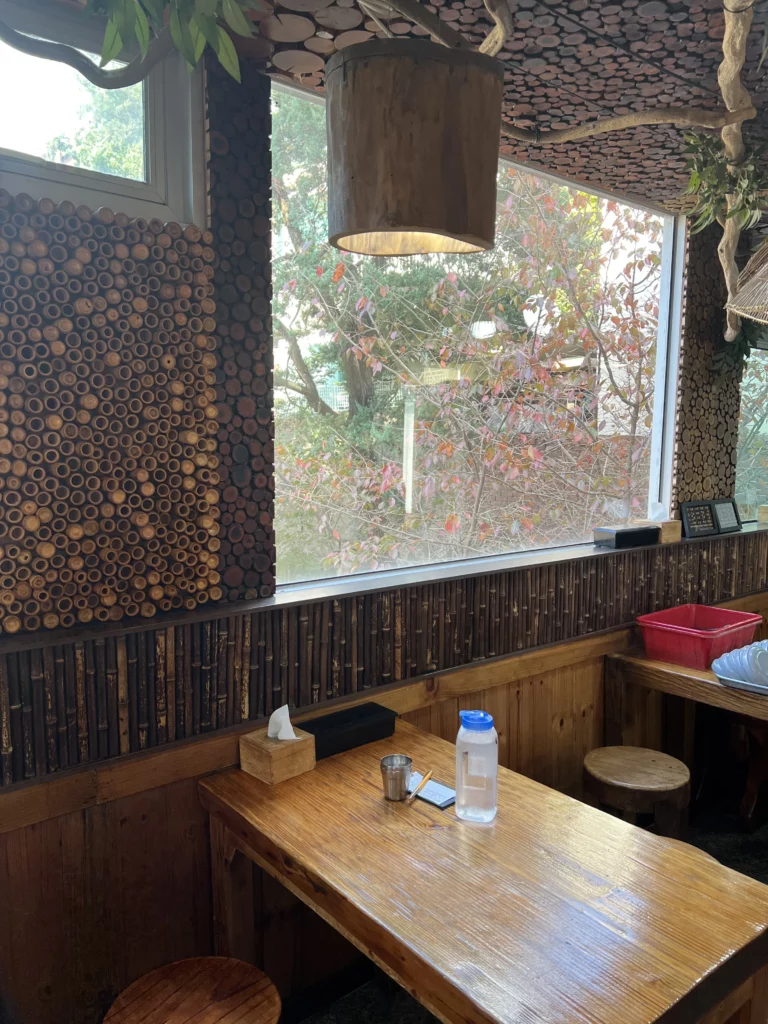
What to Expect: The restaurant’s interior embraces natural Korean aesthetics with wooden elements and traditional design touches. The atmosphere feels casual and welcoming rather than formal, making it appropriate for various dining occasions—from solo meals to family gatherings. Don’t expect English menus, but staff members are generally helpful with pointing and simple communication.

Ordering Tips: For first-time visitors, the grilled bulgogi paired with mandu-guk creates a satisfying meal that showcases both the restaurant’s signature dish and a comforting Korean classic. The mung bean pancake makes an excellent shared appetizer if dining with companions. Most Korean restaurants serve banchan (side dishes) automatically—these are complimentary and typically refillable.
Budget Expectations: One of Nunnamu-jip’s strongest appeals is its value proposition. Expect to spend approximately 10,000-15,000 won ($7-11 USD) per person for a satisfying meal including a main dish and soup. This represents excellent value, especially considering the quality of food and the historic neighborhood location.
Korean Dining Etiquette for International Visitors

Understanding basic Korean dining customs enhances your experience:
- Wait for everyone’s food: Korean meals are communal experiences. Wait until all dishes arrive before beginning to eat.
- Chopstick and spoon etiquette: Use chopsticks for side dishes and solid foods; use the spoon for rice and soups. Never stick chopsticks upright in rice, as this resembles funeral rituals.
- Banchan sharing: Side dishes are meant for sharing among all diners. Use your chopsticks to take portions onto your plate rather than eating directly from shared dishes.
- Pace yourself: Korean meals unfold gradually. There’s no rush—enjoy the experience and alternate between different dishes.
- Respect the space: Remember you’re dining in a historic neighborhood where locals live. Keep voices moderate and be courteous to staff and other diners.
Frequently Asked Questions
Can I make a reservation at Nunnamu-jip? Most traditional Korean restaurants of this style operate on a first-come, first-served basis. However, calling ahead in Korean or having your hotel concierge inquire about reservations for larger groups can be helpful, especially during peak tourist seasons.
Is Nunnamu-jip vegetarian-friendly? Like most traditional Korean restaurants focusing on meat dishes, vegetarian options are limited. However, the mung bean pancakes can be prepared without meat, and the banchan side dishes often include vegetable-based options. Vegans may find the restaurant challenging, as many Korean dishes contain fish-based broths or seasonings.
How spicy is the food at Nunnamu-jip? The grilled bulgogi at Nunnamu-jip is not spicy—it focuses on savory and slightly sweet flavors. However, some banchan side dishes like kimchi will have heat. If you’re sensitive to spice, you can avoid the spicy side dishes while enjoying the main courses.
Do I need to speak Korean to dine here? While English proficiency varies, staff at restaurants in tourist areas like Bukchon are accustomed to international visitors. Basic pointing, gestures, and smartphone translation apps work well. Having your hotel write down your order in Korean or showing pictures of dishes can be helpful.
Discover the authentic flavors of Korean bulgogi in Seoul’s most historic neighborhood. Nunnamu-jip in Bukchon offers the perfect introduction to traditional Korean BBQ, combining centuries-old recipes with welcoming hospitality and excellent value. Whether you’re exploring Korea’s rich culinary heritage or simply seeking a delicious meal in a beautiful setting, this neighborhood gem delivers an experience that extends far beyond the plate.
Location
136-1 Samcheong-ro, Jongno-gu, Seoul, Republic of Korea, KR
Reviews
5.0
0 reviews
5
0%
4
0%
3
0%
2
0%
1
0%
Loading reviews...
Related Recipes

Meat & Poultry
Ttukbaegi Bulgogi (Korean Sizzling Beef Stew in a Hot Stone Pot)
There’s a particular kind of comfort in lifting the lid off a bubbling ttukbaegi bulgogi . Steam curls upward, the...

Meat & Poultry
Korean Spicy Pork (Jeyuk Bokkeum)
If you have ever stood in front of a sizzling Korean BBQ pan in Seoul, watching deep-red pork edges caramelize...

Meat & Poultry
Yukhoe Bibimbap: Korean Raw Beef Rice Bowl with Minari
If there is a rice bowl that rewards restraint over complexity, yukhoe bibimbap (육회비빔밥) is it. This elegant Korean raw...
Related Ingredients

Ingredient
Udoonsal : Korea’s Leanest Beef Cut for Yukhoe
If there is one Korean beef cut that professional butchers and seasoned home cooks quietly revere above all others, it...

Ingredient
Korean raw beef dish (Yukhoe)
There are dishes that define a cuisine’s confidence — its willingness to let a single, exceptional ingredient speak for itself....

Meat & Poultry
Korean beef
Few ingredients carry as much cultural weight in Korean cuisine as sogoegi (소고기) — Korean beef. Long before it became...

Beef
Somunnan Seongsu Gamjatang: Seongsu's 24-Hour Pork Stew
Seongdong-gu, Seoul 45, Yeonmujang-gil,
5

Beef
Saejae Halmaejip: Mungyeong's Yakdol Pork Since 1973
Mungyeong-si, Gyeongsangbuk-do 922, Saejae-ro, Mungyeong-eup
4

Beef
Ilsang Jeongwon: Shabu Shabu at Seoul Express Bus Terminal
Seoul FP103, 205, Sapyeong-daero, Seocho-gu, Seoul
5

Beef
Myeongdong Kyoja: Seoul's Michelin Kalguksu Since 1966
Jung-gu, Seoul 29, Myeongdong 10-gil
5