


Nestled in Seoul’s historic Seochon district, Seochon Giwajip offers an authentic journey into traditional Korean cuisine through their exceptional bulgogi and naengmyeon. The restaurant’s name, meaning "tile house," reflects its commitment to preserving Korea’s culinary heritage in a setting that honors traditional architecture and flavors.
Authentic Korean Bulgogi and Naengmyeon at Seochon Giwajip: A Traditional Seoul Dining Experience
4
Authentic Korean Bulgogi and Naengmyeon at Seochon Giwajip: A Traditional Seoul Dining Experience
4
Jongno-gu, Seoul, Republic of Korea 204-2 Pirun-dong
Editor: James Lee


Interior05
Food10

Menu02
Overview
+82 02-723-3911
WiFi Provided
Indoor Seating Only
Electronic Payment, Credit Card accepted: American Express, Master Card, Visa
Introduction
Operating hours
Mon, Wed, Thu, Fri, Sat, SunAM 11:00 - PM 10:00
Menu
Editor's Detail
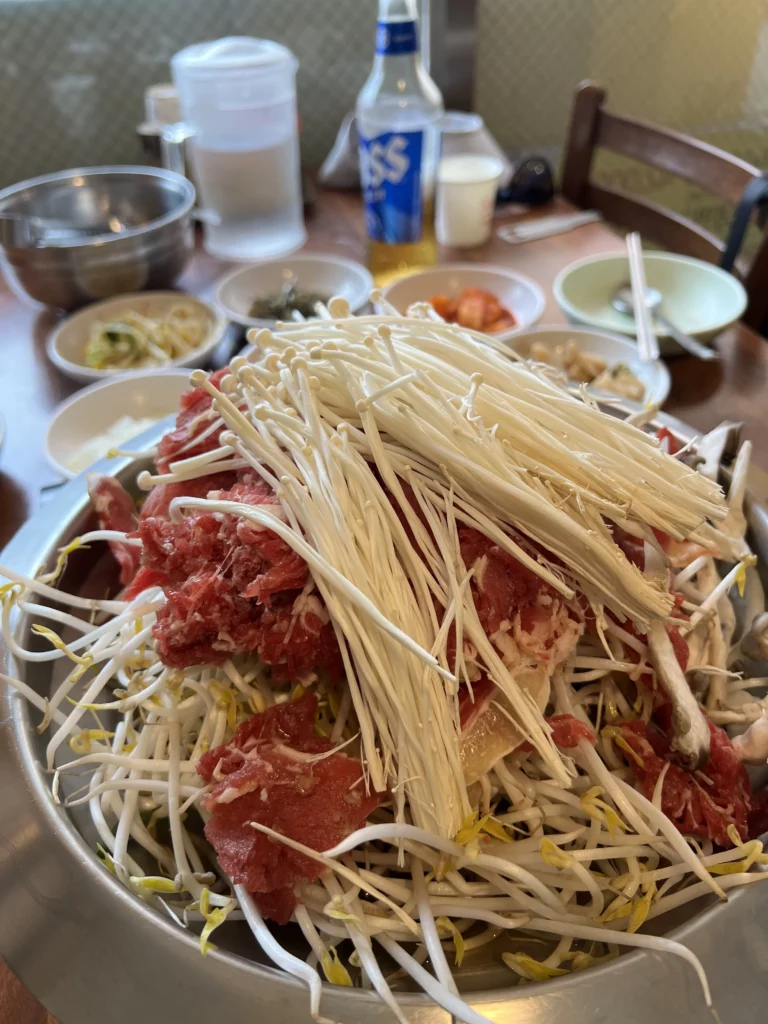
Table of Contents
- Introduction to Seochon Giwajip
- The Art of Traditional Korean Bulgogi
- Refreshing Naengmyeon: Perfect Summer Comfort
- Cultural Dining Experience
- Essential Korean Food FAQs
- Planning Your Visit
Seochon Giwajip
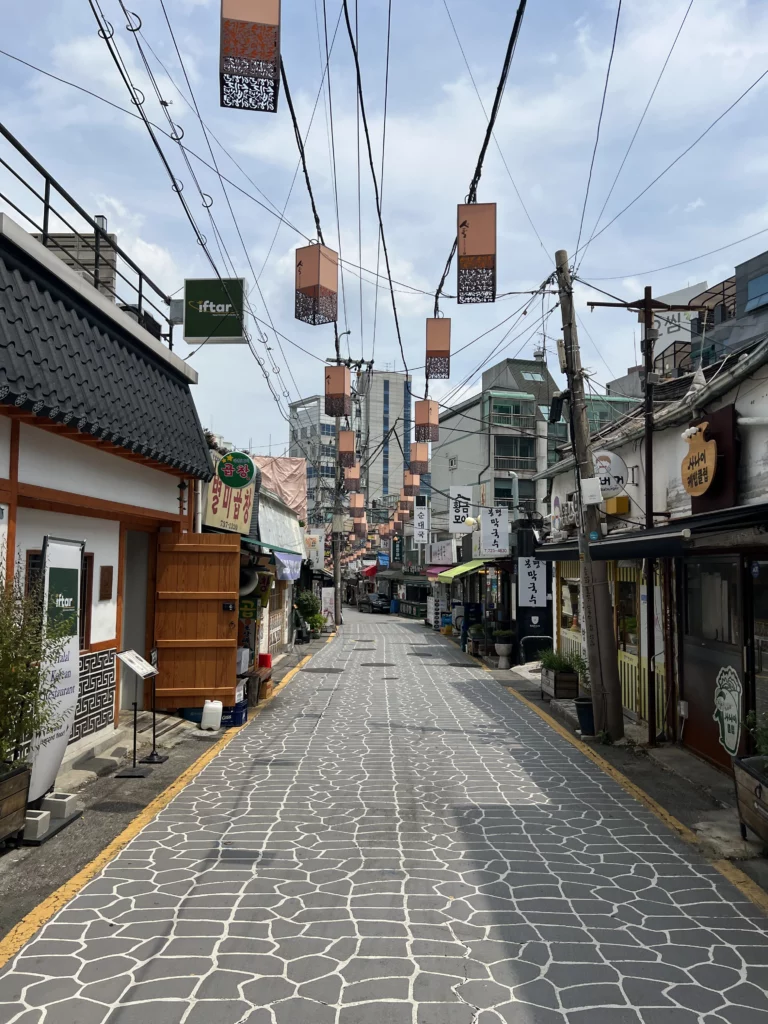
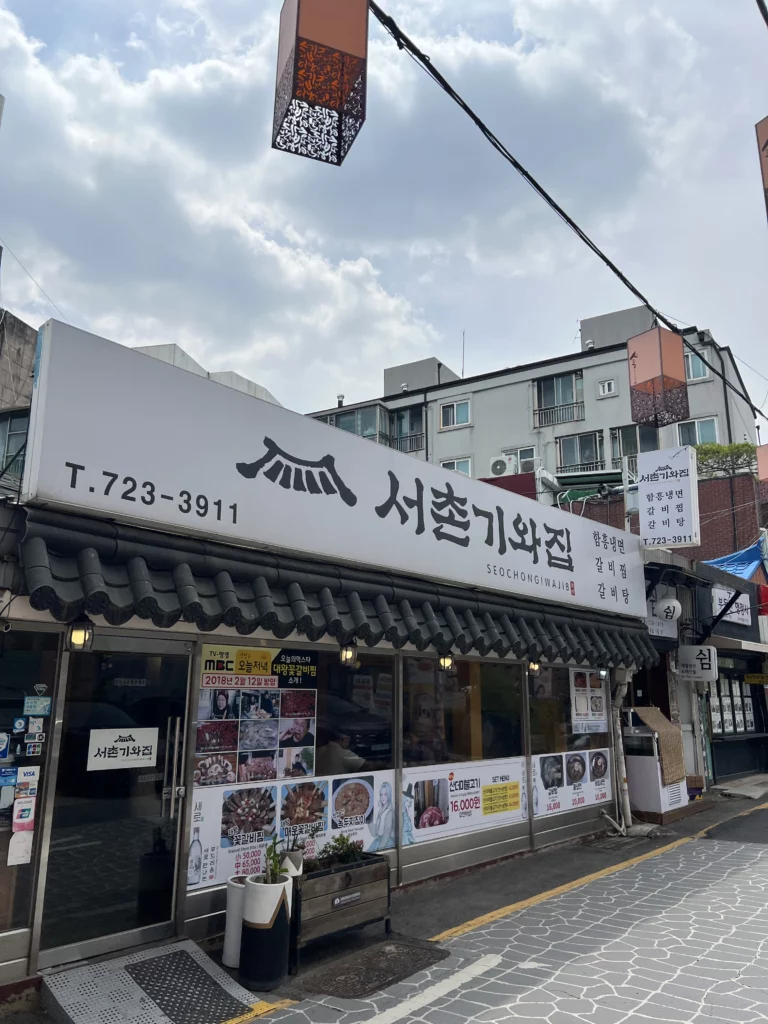
Nestled in Seoul’s historic Seochon district, Seochon Giwajip offers an authentic journey into traditional Korean cuisine through their exceptional bulgogi and naengmyeon. The restaurant’s name, meaning "tile house," reflects its commitment to preserving Korea’s culinary heritage in a setting that honors traditional architecture and flavors.
Walking into Seochon Giwajip, guests are immediately transported by the rich aroma of marinated beef sizzling on traditional grills and the clean, refreshing scent of freshly prepared naengmyeon broth. This family-run establishment has become a cornerstone of Seoul’s Seochon neighborhood, where ancient palaces meet modern Seoul, creating the perfect backdrop for an authentic Korean dining experience.
The restaurant specializes in the timeless combination of bulgogi (Korean marinated BBQ beef) and naengmyeon (cold buckwheat noodles), a pairing that represents the perfect balance of warm, savory comfort food with cool, refreshing elements that define Korean cuisine’s sophisticated flavor harmony.
The Art of Traditional Korean Bulgogi
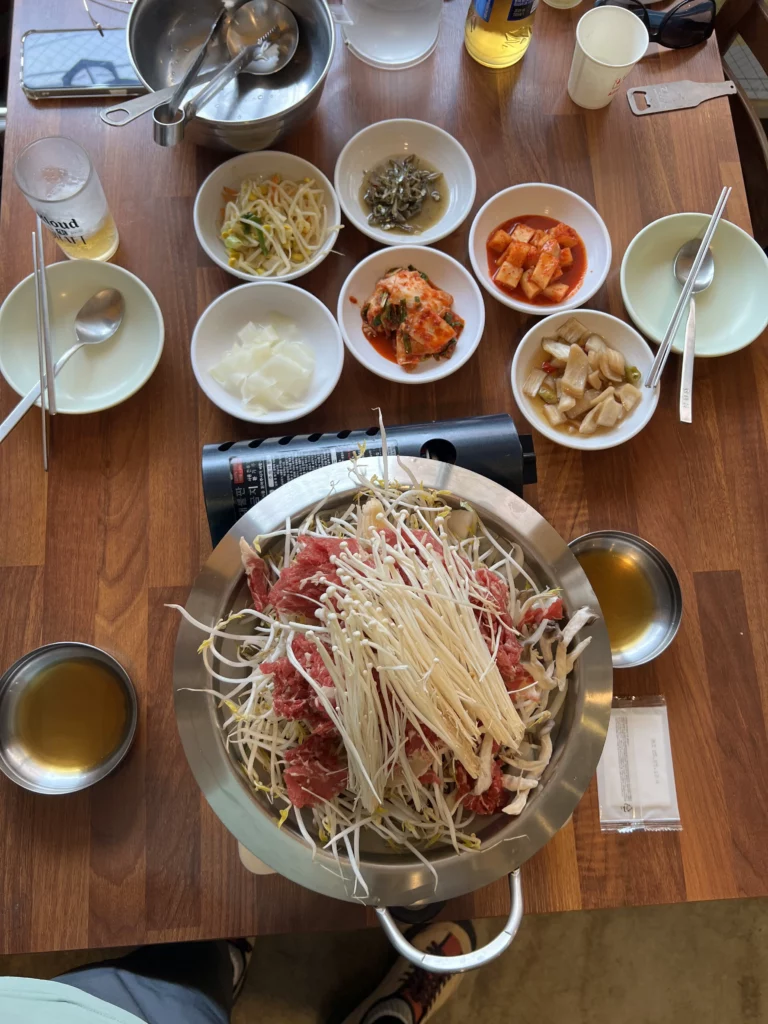
Bulgogi, literally meaning "fire meat," represents one of Korea’s most internationally recognized dishes, yet Seochon Giwajip elevates this classic through time-honored preparation methods. Their bulgogi showcases paper-thin slices of premium Korean beef, marinated in a complex blend of soy sauce, Asian pear, garlic, and sesame oil that has been refined over decades.

The restaurant’s approach to bulgogi preparation follows traditional Seoul-style methods, where the meat is grilled on dome-shaped cast iron plates that allow even heat distribution. This technique, known as bulgogi-pan grilling, creates the characteristic slightly caramelized edges while maintaining the meat’s tender interior, resulting in the signature sweet-savory flavor profile that makes authentic bulgogi unforgettable.
What sets Seochon Giwajip’s bulgogi apart is their commitment to using only Korean-raised beef, specifically selecting cuts with optimal marbling that absorb the marinade beautifully. The 24-hour marination process allows the flavors to penetrate deeply, creating meat that’s simultaneously umami-rich and delicately sweet, with subtle hints of sesame and garlic that complement rather than overwhelm the natural beef flavor.
Key Ingredients That Create Bulgogi’s Signature Flavor
Ganjang (간장) – Korean Soy Sauce: The foundation of bulgogi marinade provides deep umami and saltiness. Korean soy sauce offers a cleaner, less aggressive flavor than Japanese varieties, creating the perfect base for marination.
Asian Pear (배) – Nashi Pear: This crucial ingredient contains natural enzymes that tenderize the meat while adding subtle sweetness. The pear’s moisture content also helps create bulgogi’s characteristic glossy appearance when grilled.
Gochujang (고추장) – Fermented Red Pepper Paste: Used sparingly in traditional bulgogi, this fermented ingredient adds depth and a gentle heat while contributing beneficial probiotics and complex umami from the fermentation process.
Refreshing Naengmyeon: Perfect Summer Comfort

Naengmyeon, Korea’s beloved cold noodle soup, represents the perfect counterbalance to bulgogi’s rich, warm flavors. At Seochon Giwajip, their naengmyeon follows the traditional Pyongyang-style preparation, featuring delicate buckwheat noodles served in a crystal-clear, ice-cold broth that’s both refreshing and deeply flavorful.
The restaurant’s naengmyeon broth requires an intensive 48-hour preparation process, beginning with slow-simmered beef bones and brisket that create a clean, clear stock. This broth is then chilled overnight and combined with traditional dongchimi (radish kimchi juice), which adds a subtle tang and probiotics that aid digestion—particularly beneficial when paired with grilled meats.

Seochon Giwajip serves their naengmyeon in traditional ceramic bowls, maintaining the optimal temperature while allowing diners to appreciate the dish’s visual presentation. The thin, chewy memil noodles (buckwheat noodles) provide a satisfying texture contrast, while carefully arranged toppings including julienned radish, Asian pear slices, and a perfectly halved boiled egg create both visual appeal and flavor complexity.
Cultural Dining Experience at Seochon Giwajip
Located in Seochon, one of Seoul’s most culturally significant neighborhoods, the restaurant embodies the area’s unique blend of historical preservation and contemporary Korean life. The Seochon district, situated between Gyeongbokgung Palace and Inwangsan Mountain, has maintained its traditional hanok architecture and narrow stone paths, creating an authentic cultural context for experiencing Korean cuisine.
Dining at Seochon Giwajip follows traditional Korean meal customs, where dishes are served simultaneously rather than in courses. The banchan (side dishes) arrival signals the beginning of the meal, typically featuring kimchi, namul (seasoned vegetables), and oi-sobagi (stuffed cucumber kimchi) that complement both the bulgogi and naengmyeon.

The restaurant’s interior features traditional ondol heating and low wooden tables that encourage the communal dining style central to Korean food culture. Staff members demonstrate proper grilling techniques for the bulgogi, ensuring optimal flavor development while educating guests about traditional cooking methods.
Essential Korean Food FAQs
What makes bulgogi uniquely Korean?

Bulgogi represents Korea’s mastery of marination and grilling techniques that date back over 2,000 years to the Goguryeo period. Unlike other Asian grilled meats, bulgogi’s distinctive character comes from the fermented soy sauce base combined with fruit enzymes from Asian pear, creating a perfect balance of umami, sweetness, and tenderness. The traditional bulgogi-pan grilling method used at Seochon Giwajip allows even cooking while capturing the meat’s natural juices, resulting in the characteristic slightly caramelized exterior that defines authentic bulgogi.
What are the key ingredients that create naengmyeon’s flavor?

Naengmyeon’s distinctive taste profile comes from three essential components: buckwheat noodles (memil) that provide earthy flavor and chewy texture, clear beef bone broth simmered for 24-48 hours that offers clean, deep umami, and dongchimi juice (fermented radish liquid) that adds probiotics, subtle sourness, and digestive benefits. The combination creates a refreshing yet satisfying dish that’s particularly prized during Korea’s hot summers for its cooling properties and nutritional balance.
How would you describe the taste and spice level?
Bulgogi registers at a 2-3 out of 10 spice level, making it extremely approachable for international palates. The primary flavor notes are sweet and savory umami with subtle garlic and sesame undertones, served hot and tender with a slightly sticky glaze from the marinade. Naengmyeon is completely non-spicy with a clean, refreshing taste that’s mildly salty with hints of sourness from fermented radish. The combination creates perfect flavor harmony—warm, rich bulgogi balanced by cool, cleansing naengmyeon.

What should first-time eaters know?

Proper eating method: Use scissors provided to cut naengmyeon noodles into manageable lengths, and alternate bites of bulgogi with sips of cold broth for optimal taste experience. Temperature expectations: Naengmyeon is served extremely cold with ice in the broth—this is intentional and traditional. Cultural etiquette: Share banchan (side dishes) communally, and it’s acceptable to make gentle slurping sounds when eating noodles. Dining sequence: Start with bulgogi while hot, then cleanse your palate with naengmyeon between bites for the full Korean dining experience.

The Perfect Pairing: Why Bulgogi and Naengmyeon Work Together
The combination of bulgogi and naengmyeon represents a fundamental principle in Korean cuisine: temperature and texture contrast. The warm, tender bulgogi with its rich marinade creates a perfect counterpoint to the ice-cold, refreshing naengmyeon. This pairing, especially popular during Seoul’s humid summers, allows diners to enjoy satisfying grilled meat while maintaining comfort through cooling elements.

From a nutritional perspective, this combination provides complete protein from the beef, complex carbohydrates from buckwheat noodles, and beneficial probiotics from fermented ingredients in both the marinade and the dongchimi juice. The pairing also demonstrates Korean cuisine’s sophisticated understanding of flavor progression—alternating between rich and light, warm and cold, creates a dining experience that prevents palate fatigue.
Traditional Korean Dining Etiquette Tips
- Chopstick placement: Rest chopsticks on the table, not across bowls
- Sharing culture: Banchan are meant to be shared among all diners
- Grilling assistance: Allow restaurant staff to help with bulgogi grilling for optimal results
- Broth drinking: It’s appropriate to drink naengmyeon broth directly from the bowl
- Noodle cutting: Use provided scissors to cut long noodles—it’s not considered poor manners
Seasonal Considerations and Menu Variations

At Seochon Giwajip, the bulgogi and naengmyeon combination adapts beautifully to Seoul’s distinct seasons. During winter months, the restaurant offers mul-naengmyeon (water-based cold noodles) alongside bibim-naengmyeon (spicy mixed cold noodles) for those preferring variety. The bulgogi marinade also receives seasonal adjustments, with winter versions incorporating slightly more warming spices.

Spring and autumn visits allow diners to enjoy the perfect temperature balance, while summer dining emphasizes the cooling properties of naengmyeon. The restaurant sources ingredients seasonally, ensuring peak flavor profiles throughout the year while maintaining consistent quality in their signature dishes.
Planning Your Visit to Seochon Giwajip

Location Context: Situated in historic Seochon district near Gyeongbokgung Palace, the restaurant provides an ideal dining stop during Seoul cultural exploration. The narrow traditional streets surrounding the restaurant offer glimpse into old Seoul’s architectural heritage.
Recommended Ordering: First-time visitors should try the bulgogi and naengmyeon set menu, which includes traditional banchan and provides the complete cultural dining experience. The portion sizes are generous, with the combination typically suitable for sharing between two people.

Dining Time Expectations: Allow 60-90 minutes for the full experience, as bulgogi is grilled tableside and naengmyeon is prepared fresh to order. The restaurant encourages leisurely dining that allows appreciation of both the food and cultural atmosphere.
Accessibility: The traditional building features some steps and low seating options, though modern tables are available for those preferring standard height dining. Staff members speak basic English and are happy to explain traditional eating methods.
Seochon Giwajip offers more than just a meal—it provides an authentic window into Korean culinary tradition through their masterful preparation of bulgogi and naengmyeon. The restaurant’s commitment to traditional techniques, quality ingredients, and cultural authenticity creates a dining experience that honors Korea’s rich food heritage while remaining accessible to international visitors.
Whether you’re exploring Seoul’s historic Seochon neighborhood or specifically seeking authentic Korean flavors, Seochon Giwajip delivers an unforgettable combination of warm hospitality, traditional atmosphere, and exceptional cuisine. Experience the perfect harmony of sweet, savory bulgogi with refreshing, clean naengmyeon for yourself at Seochon Giwajip—a true taste of Korean culinary artistry in the heart of Seoul.
For those planning to explore Korean cuisine, this restaurant represents an ideal introduction to the sophisticated flavor combinations and cultural dining customs that make Korean food one of the world’s most distinctive culinary traditions.
Location
204-2 Pirun-dong, Jongno-gu, Seoul, Republic of Korea, KR
Reviews
4.0

0 reviews
5
0%
4
0%
3
0%
2
0%
1
0%
Loading reviews...
Related Recipes

Vegetable&Fruit
Myeong-i Namul Jangajji
Few side dishes earn a permanent place on the Korean BBQ table the way Myeong-i Namul Jangajji — Korean pickled...

Meat & Poultry
Ttukbaegi Bulgogi (Korean Sizzling Beef Stew in a Hot Stone Pot)
There’s a particular kind of comfort in lifting the lid off a bubbling ttukbaegi bulgogi . Steam curls upward, the...

Noodles
Spicy Korean Buckwheat Noodles
There’s a particular kind of relief that comes with the first bite of spicy Korean buckwheat noodles on a sweltering...
Related Ingredients

Ingredient
Udoonsal : Korea’s Leanest Beef Cut for Yukhoe
If there is one Korean beef cut that professional butchers and seasoned home cooks quietly revere above all others, it...

Ingredient
Myeong-i
When the last of winter’s snow finally retreats from the volcanic slopes of Ulleungdo Island, something quietly extraordinary happens. Broad,...

Ingredient
Korean raw beef dish (Yukhoe)
There are dishes that define a cuisine’s confidence — its willingness to let a single, exceptional ingredient speak for itself....

Beef
Somunnan Seongsu Gamjatang: Seongsu's 24-Hour Pork Stew
Seongdong-gu, Seoul 45, Yeonmujang-gil,
5

Beef
Saejae Halmaejip: Mungyeong's Yakdol Pork Since 1973
Mungyeong-si, Gyeongsangbuk-do 922, Saejae-ro, Mungyeong-eup
4

Beef
Ilsang Jeongwon: Shabu Shabu at Seoul Express Bus Terminal
Seoul FP103, 205, Sapyeong-daero, Seocho-gu, Seoul
5

Beef
Myeongdong Kyoja: Seoul's Michelin Kalguksu Since 1966
Jung-gu, Seoul 29, Myeongdong 10-gil
5