


Seoul’s Samgyetang Legend: Why Food Lovers Queue for Hours at Tosokchon
In the shadow of Seoul’s grand Gyeongbokgung Palace stands a traditional hanok where one dish has commanded attention for over 40 years. Tosokchon Samgyetang isn’t just a restaurant – it’s where Seoul’s most beloved ginseng chicken soup tradition comes to life in earthenware bowls filled with tender young chicken, premium Korean ginseng, and a signature pine nut-enriched broth that sets it apart from countless competitors.
This comprehensive guide explores what makes Tosokchon Seoul’s go-to destination for authentic samgyetang, from its distinctive preparation methods to insider tips for navigating the inevitable queues. Whether you’re a first-time visitor curious about Korean wellness cuisine or a Seoul regular seeking to deepen your appreciation for this iconic dish, discover why Tosokchon S
Tosokchon Samgyetang: Seoul's Most Legendary Korean Ginseng Chicken Soup Experience
Jongno-gu, Seoul, Republic of Korea 85-1 Chaebu-dong
Editor: James Lee


Overview
Introduction
Operating hours
Menu
Editor's Detail
When travelers ask about must-try Korean food in Seoul, one dish consistently tops the list: samgyetang, the nourishing ginseng chicken soup that Koreans swear by for energy and wellness. And when it comes to authentic samgyetang, Tosokchon Samgyetang stands as Seoul’s most celebrated destination, having perfected this traditional dish for over four decades.
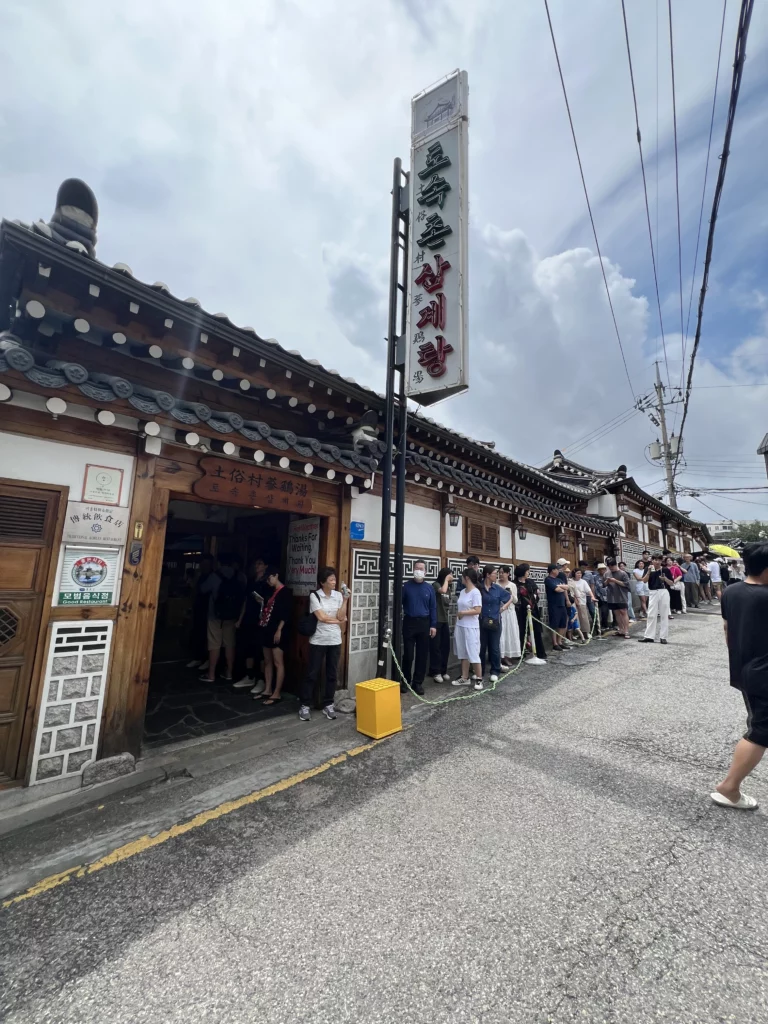
Located in a traditional Korean hanok near Gyeongbokgung Palace, this legendary restaurant attracts both locals and international visitors who brave long queues for a taste of what many consider Seoul’s finest ginseng chicken soup. The restaurant’s signature milky broth, enriched with pine nuts and mung beans, offers a distinctive flavor profile that has made Tosokchon synonymous with samgyetang excellence.
What Makes Tosokchon Samgyetang Special?
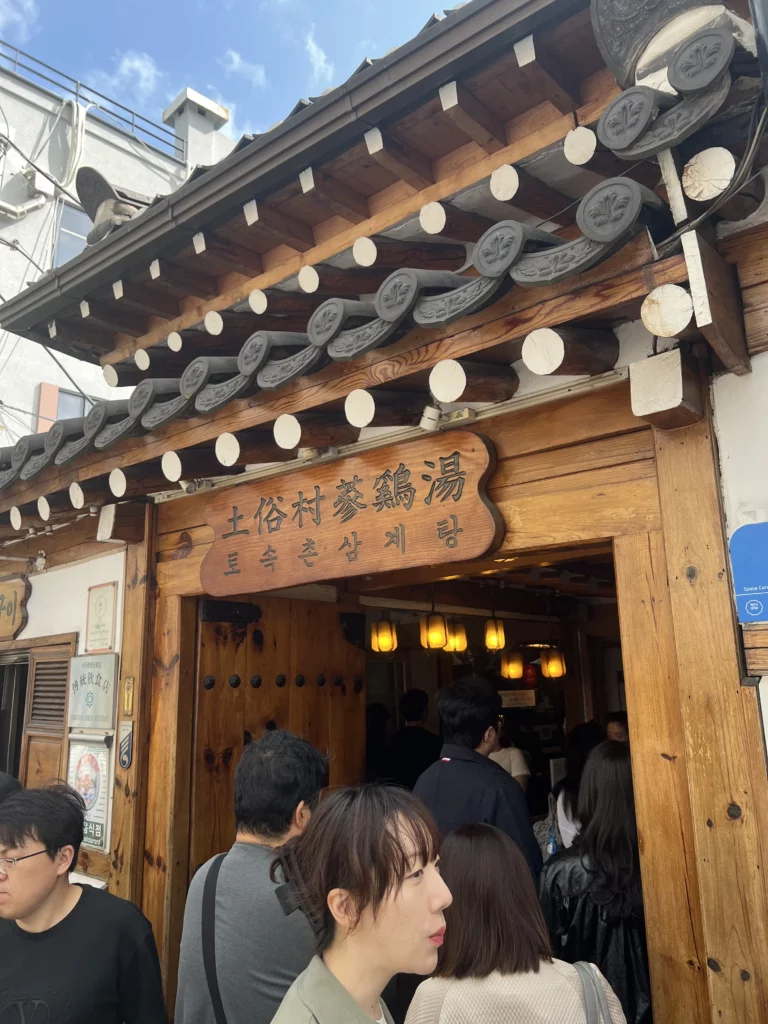
Since 1983, Tosokchon has maintained its reputation as one of Seoul’s premier samgyetang establishments. The restaurant occupies a sprawling traditional hanok complex with multiple dining rooms connected by covered walkways and small courtyard gardens, creating an authentic Korean dining atmosphere that transports diners back in time.
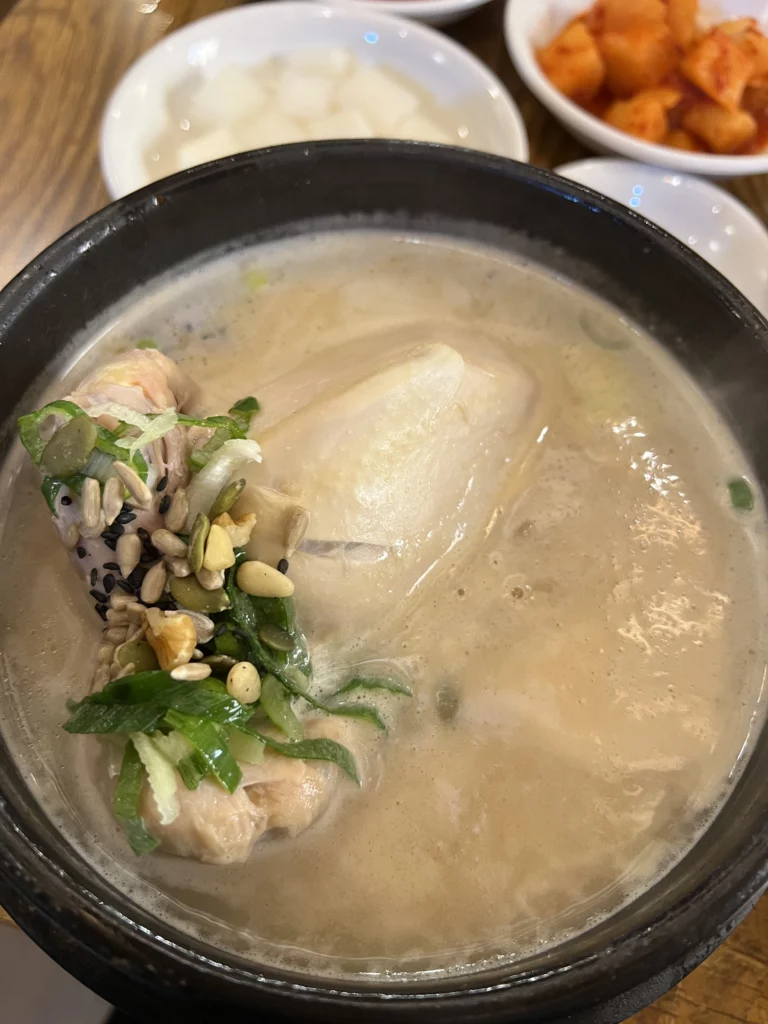
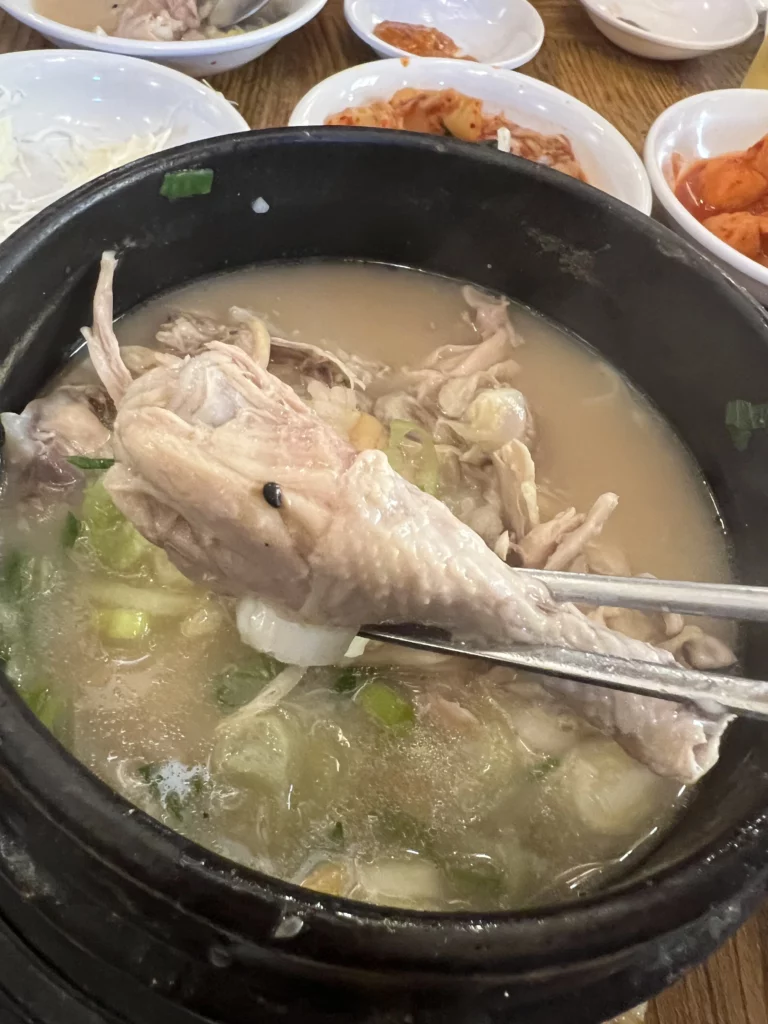
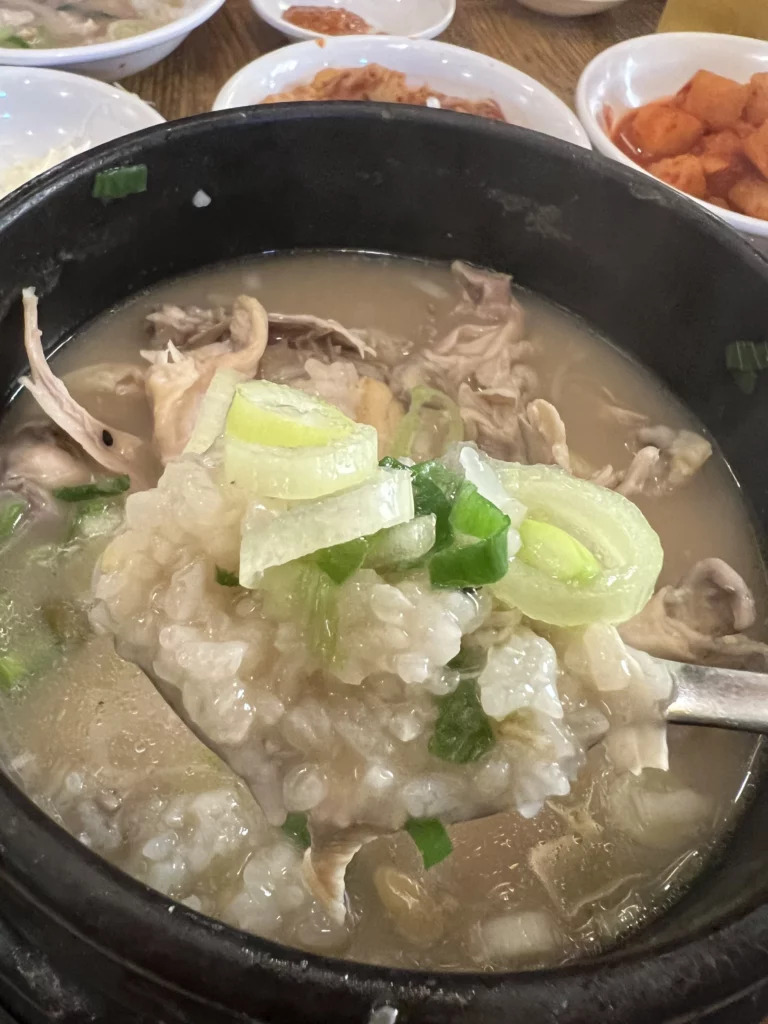
What truly distinguishes Tosokchon’s samgyetang is its uniquely rich and nutty broth. Unlike the clear broths found at other establishments, Tosokchon’s soup features a thick, creamy consistency achieved through pine nuts and mung beans simmered alongside traditional ingredients like ginseng, jujubes, and garlic. This creates a savory, almost porridge-like quality that coats your palate with deep, comforting flavors.
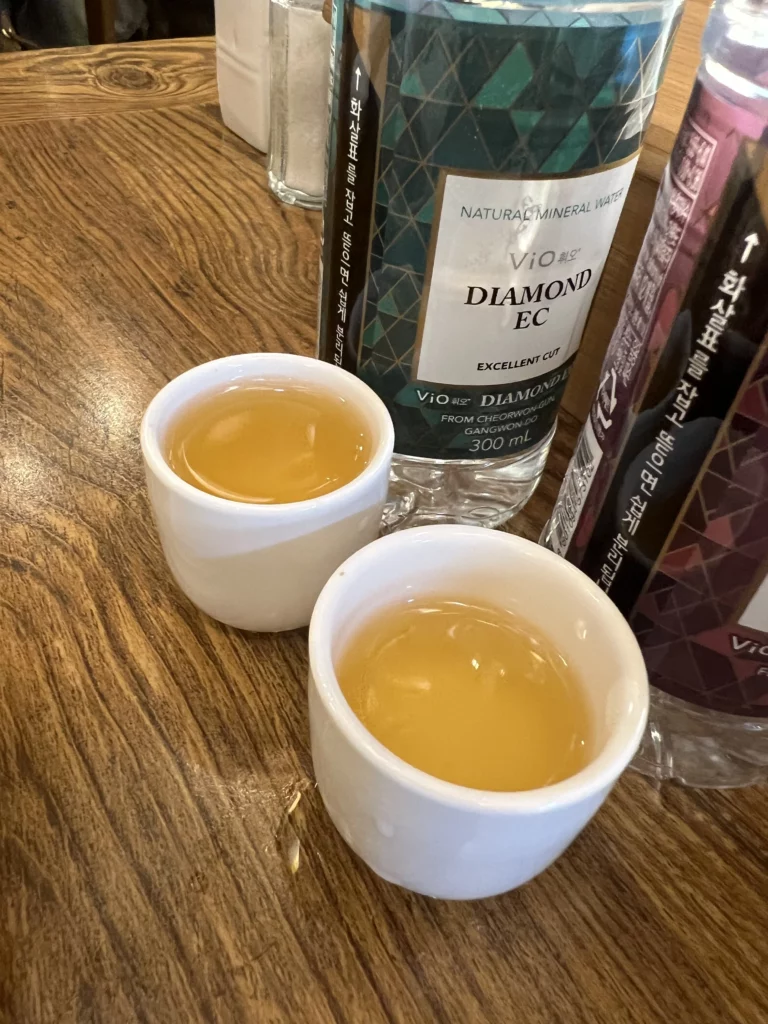
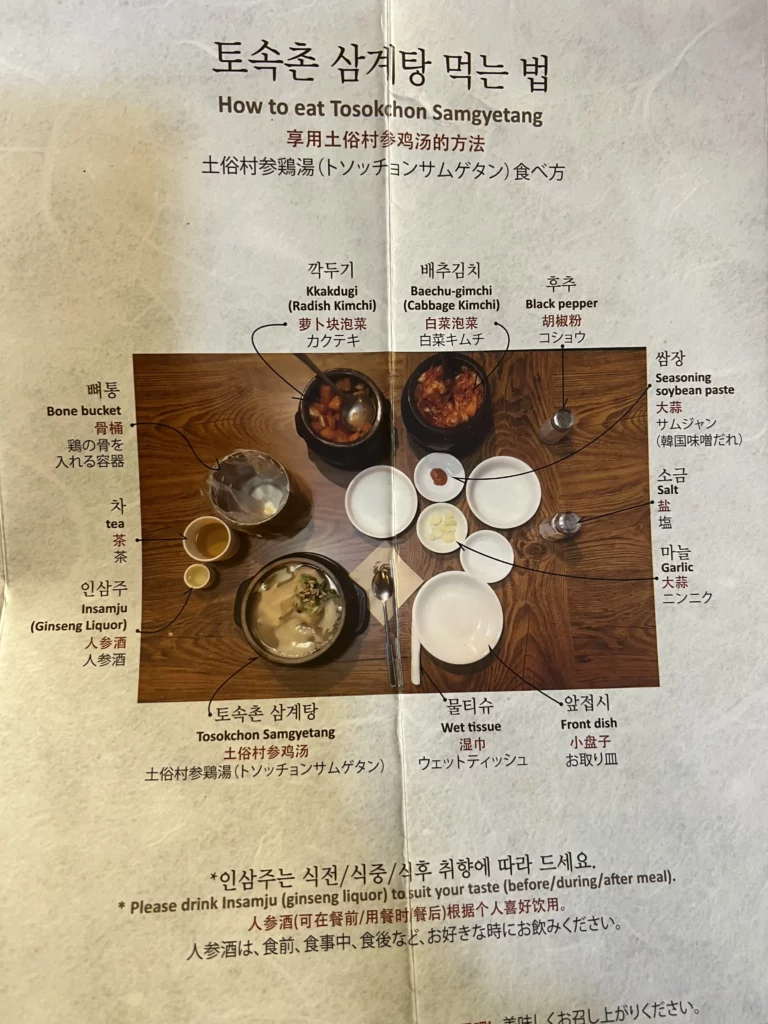
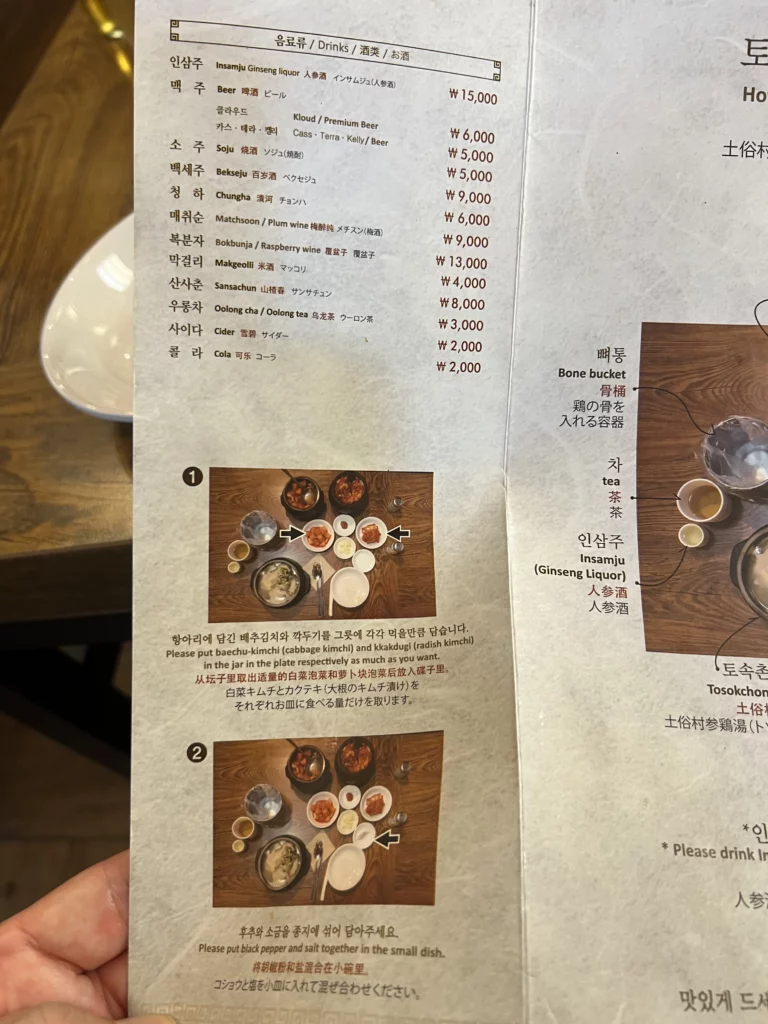
The restaurant serves each guest an entire young chicken stuffed with glutinous rice, whole ginseng root, garlic cloves, and jujubes, presented bubbling hot in individual earthenware pots. As a complimentary gesture reflecting Korean hospitality, diners receive a small cup of ginseng liquor (insam-ju) before their meal – a warming tradition that many first-time visitors find delightful.
Understanding Samgyetang: Korea’s Ultimate Wellness Food
What makes this dish uniquely Korean?
Samgyetang (삼계탕) embodies a fundamental principle in Korean food culture: food as medicine. This dish reflects centuries of Traditional Korean Medicine wisdom, where ingredients are carefully selected not just for taste but for their healing properties. The concept of "iyeolchiyeol" (이열치열) – fighting heat with heat – explains why Koreans specifically consume this piping hot soup during the three hottest days of summer, known as sambok days.
Unlike Western chicken soups designed for cold weather comfort, samgyetang serves as a restorative meal meant to replenish energy, nutrients, and fluids lost through summer heat and physical exertion. The whole young chicken symbolizes receiving complete nourishment, while the stuffing of glutinous rice represents sustained energy. This tradition of summer wellness dining distinguishes Korean culinary culture from other Asian cuisines that typically favor cooling foods in hot weather.
What are the key ingredients that create this flavor?
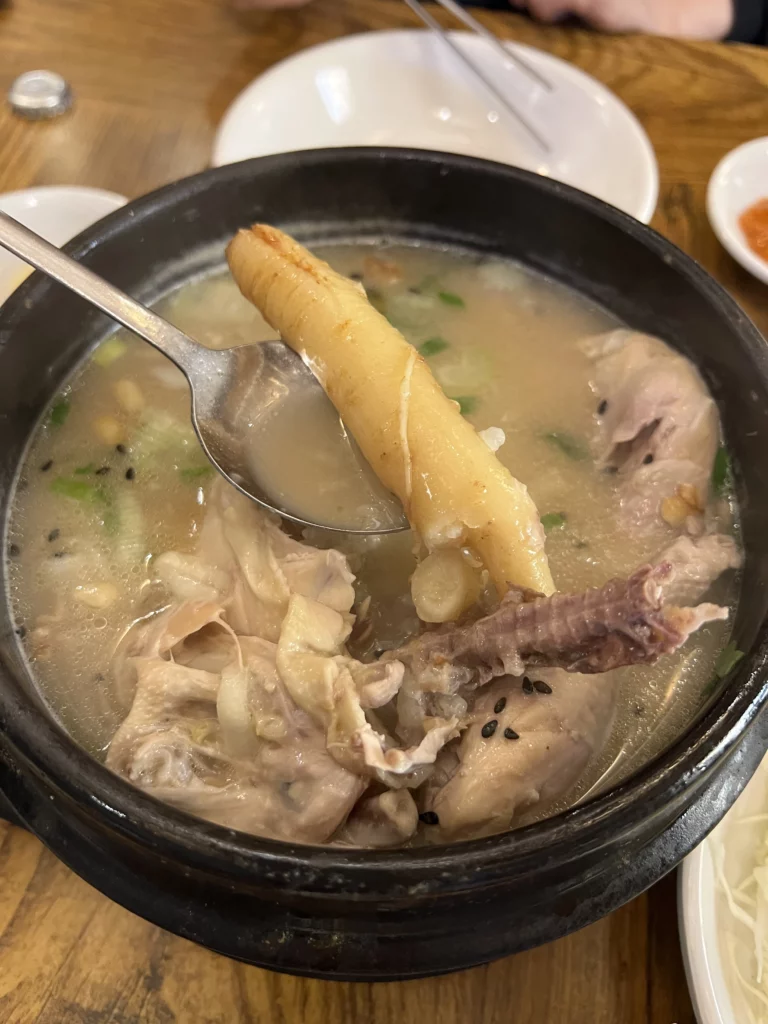
Korean Ginseng (인삼, insam): The star ingredient that gives samgyetang its name and primary health benefits. This knobby root, often looking like a miniature human figure, brings a subtle earthy bitterness and slight sweetness to the broth. Ginseng is prized in traditional medicine for boosting immunity, improving stamina, and enhancing mental clarity. Korean ginseng specifically contains higher concentrations of ginsenosides, the active compounds responsible for its medicinal effects.
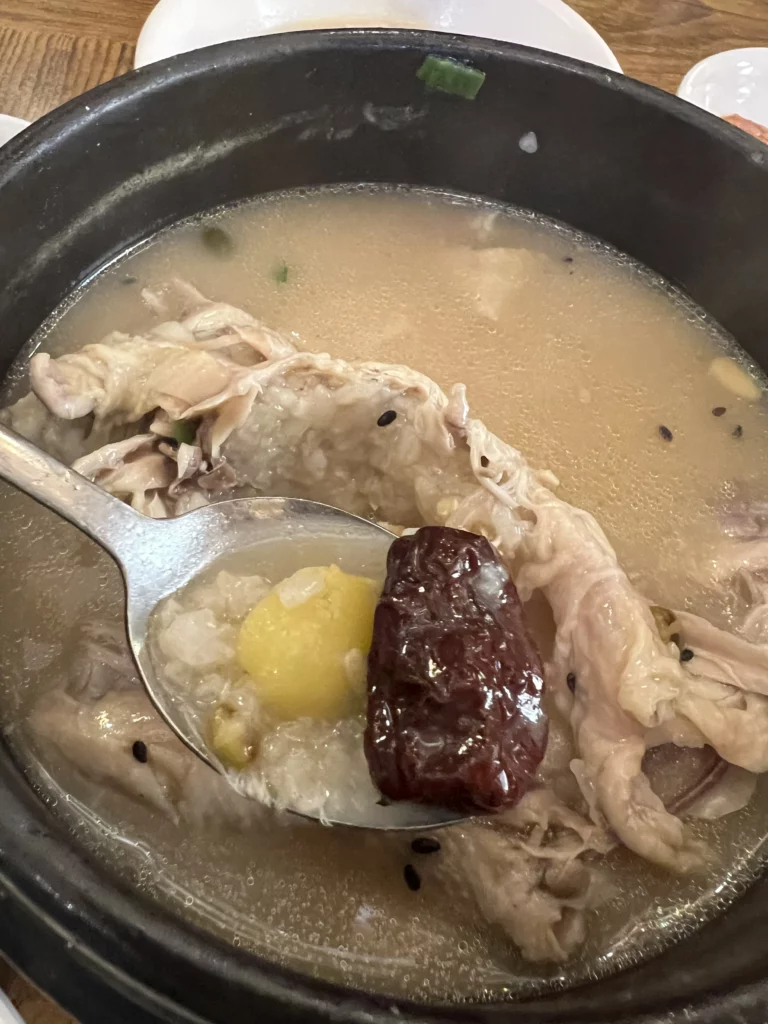
Jujube (대추, daechu): These wrinkled, reddish-brown dried fruits add natural sweetness and depth to balance the ginseng’s bitterness. Rich in antioxidants and vitamin C, jujubes have traditionally been used to reduce anxiety and improve sleep quality. They impart a subtle fruity note that rounds out the savory broth.
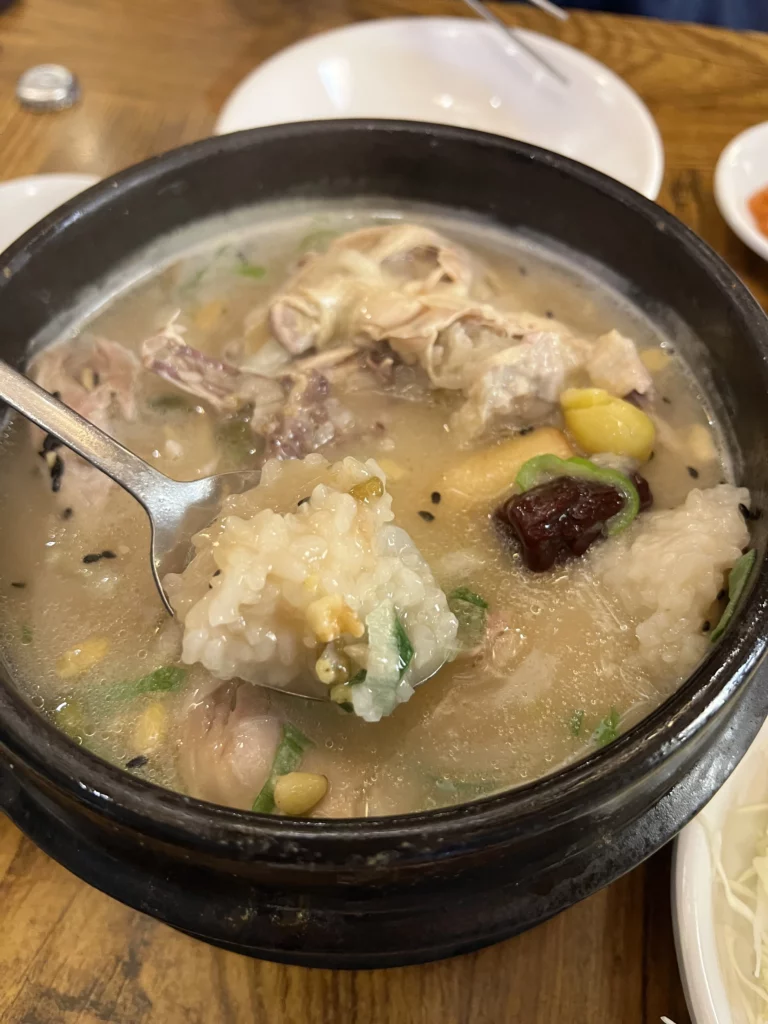
Glutinous Rice (찹쌀, chapsal): Stuffed inside the chicken cavity, this sticky rice absorbs the chicken’s juices and herbal flavors during cooking, creating a uniquely textured comfort food element. When eaten together with the tender meat and rich broth, the rice provides sustained energy and adds satisfying substance to the meal. Its natural stickiness helps thicken the soup as some grains escape during cooking.
How would you describe the taste and spice level?
Samgyetang registers at a 1 out of 10 on the spice scale – it contains virtually no heat, making it accessible to all palates. The flavor profile centers on savory umami, subtle herbal notes, gentle sweetness, and comforting richness. The broth tastes clean yet deeply nourishing, with the chicken providing mild, delicate meat flavors enhanced by ginseng’s earthy character and jujube’s natural sweetness.
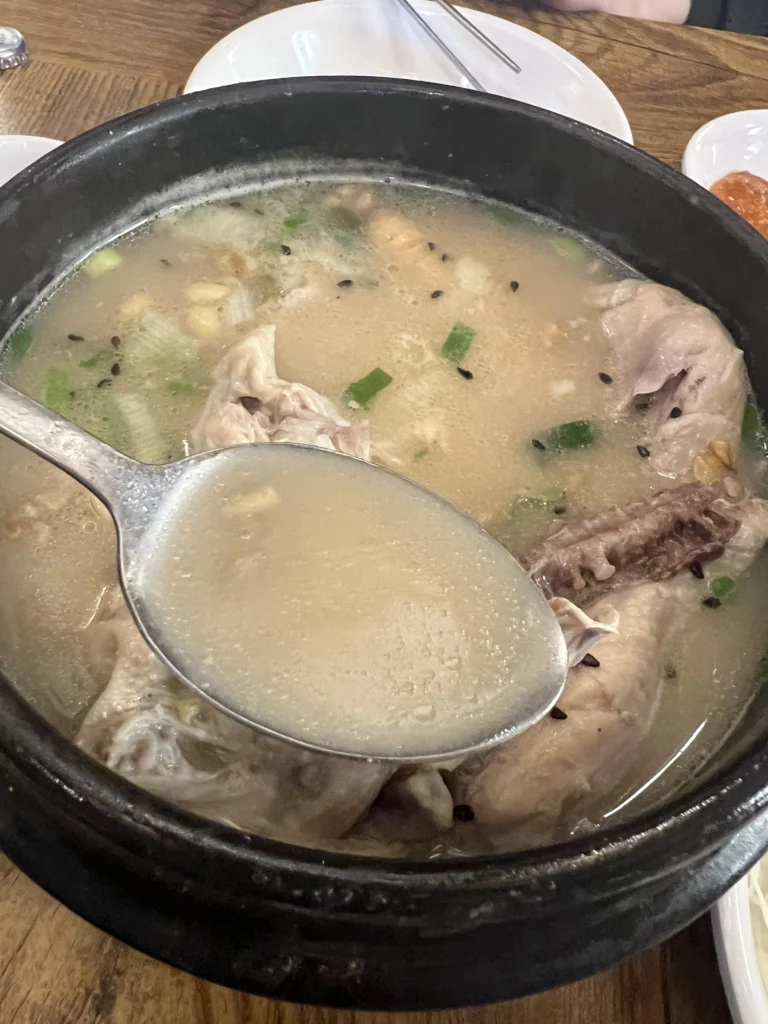
Tosokchon’s version specifically offers a nutty, creamy richness from pine nuts and mung beans that creates an almost porridge-like consistency. The texture combines tender, fall-off-the-bone chicken, soft glutinous rice with a pleasant chew, and smooth, warming broth. The dish is always served piping hot in traditional earthenware bowls that retain heat throughout your meal, creating steam that carries the aromatic herbal fragrance.
What should first-time eaters know?
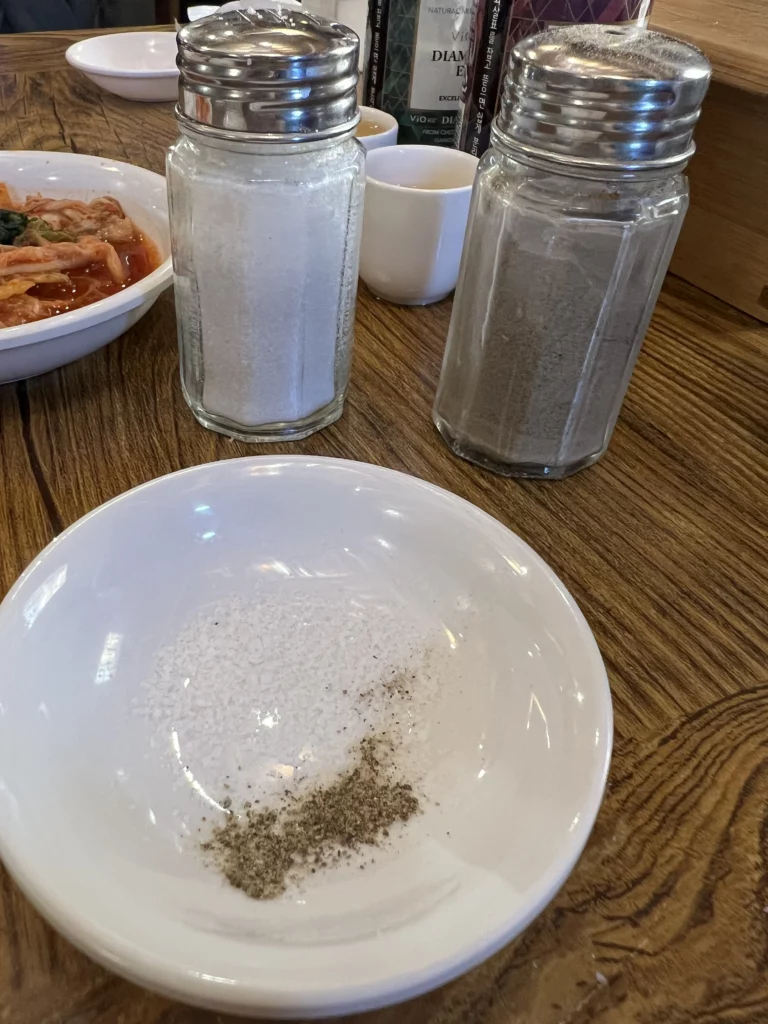
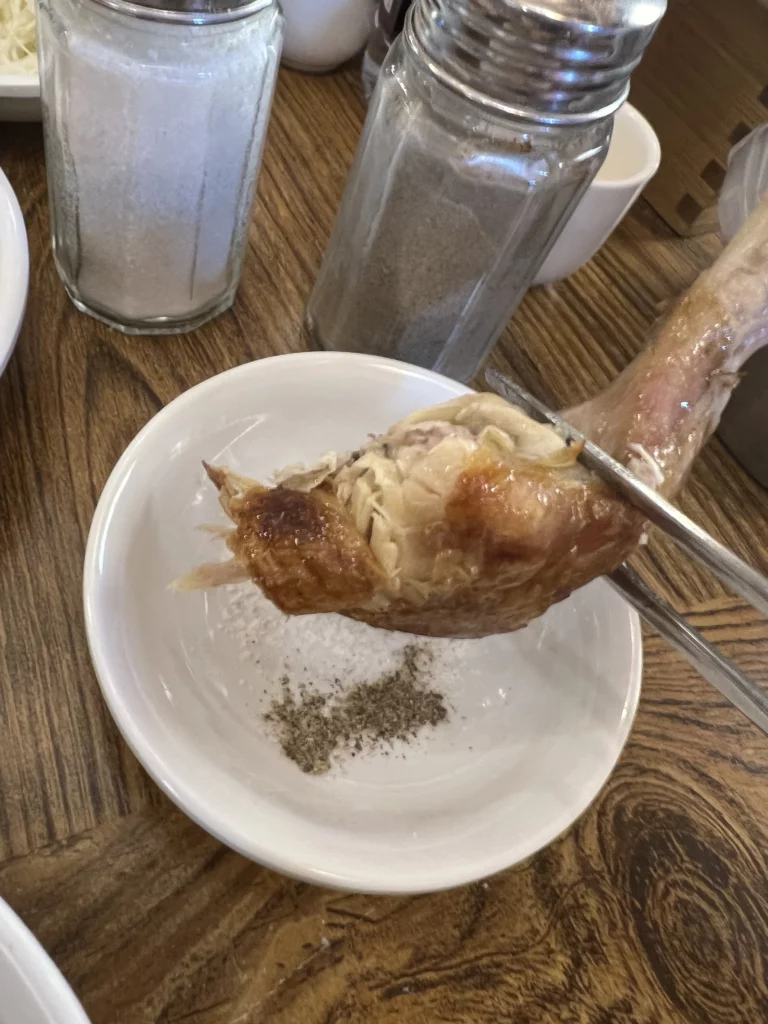
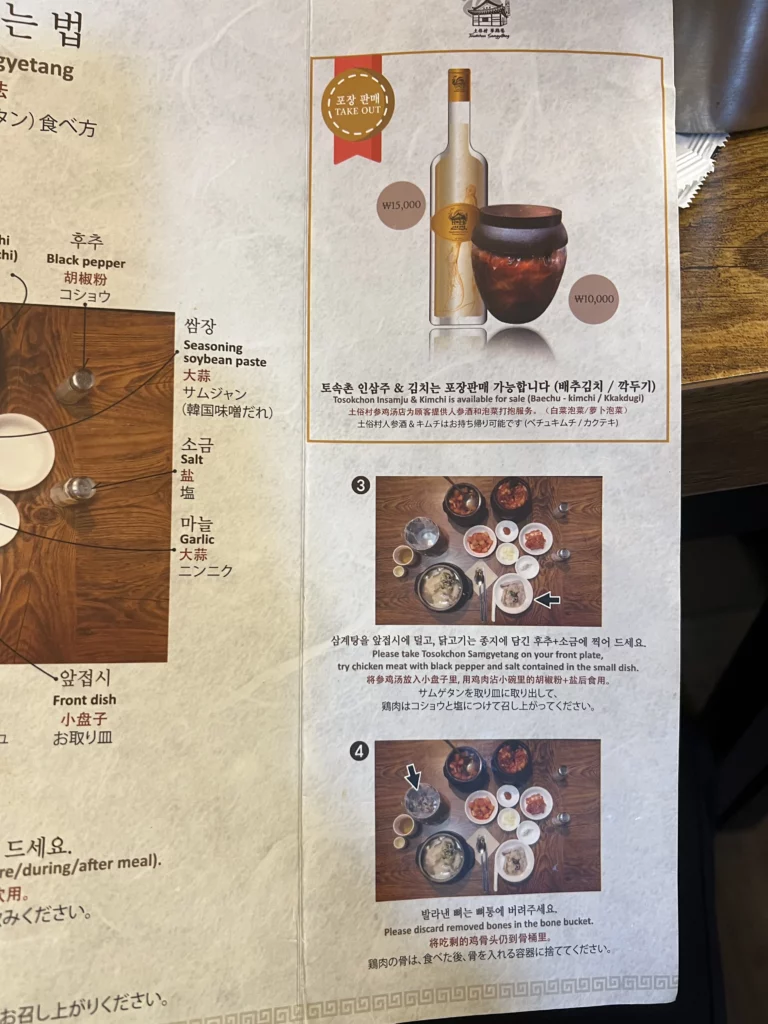
How to eat samgyetang properly: You’ll receive salt and pepper on the side for seasoning to taste – most Koreans add just a pinch of salt to enhance flavors without overpowering the delicate broth. Use your spoon to break apart the chicken, which should be tender enough to separate easily. Scoop the glutinous rice from inside the chicken cavity and mix it into your broth. The entire chicken, including softer bones, can be consumed, though many diners prefer to eat only the meat.
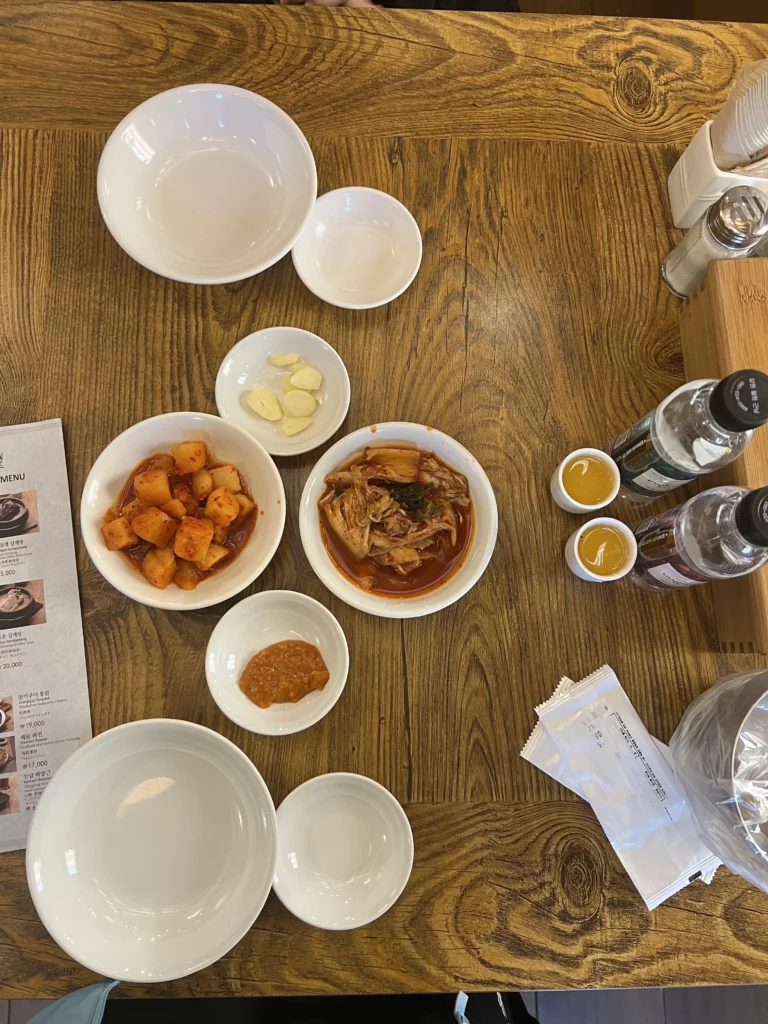
What to expect on first taste: The soup may initially seem bland compared to heavily seasoned Western soups, but this simplicity is intentional. The nuanced flavors reveal themselves gradually – the subtle ginseng bitterness, the natural chicken sweetness, the nutty undertones. Many first-timers are surprised by the thickness of Tosokchon’s broth compared to expectations of clear chicken soup.
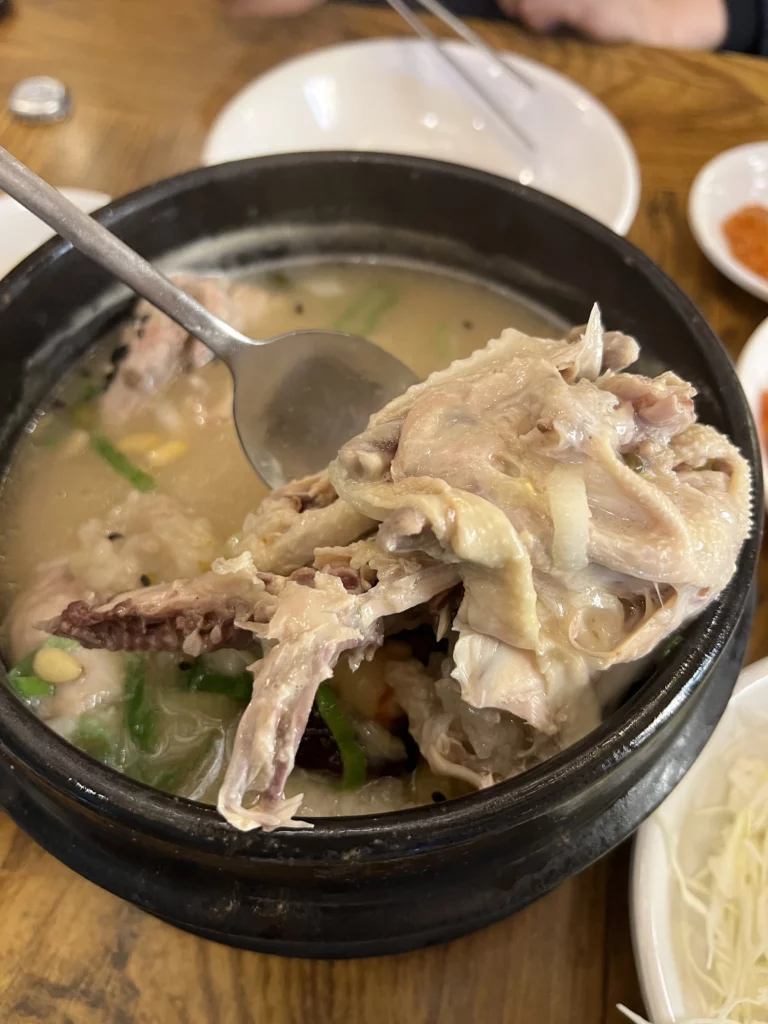
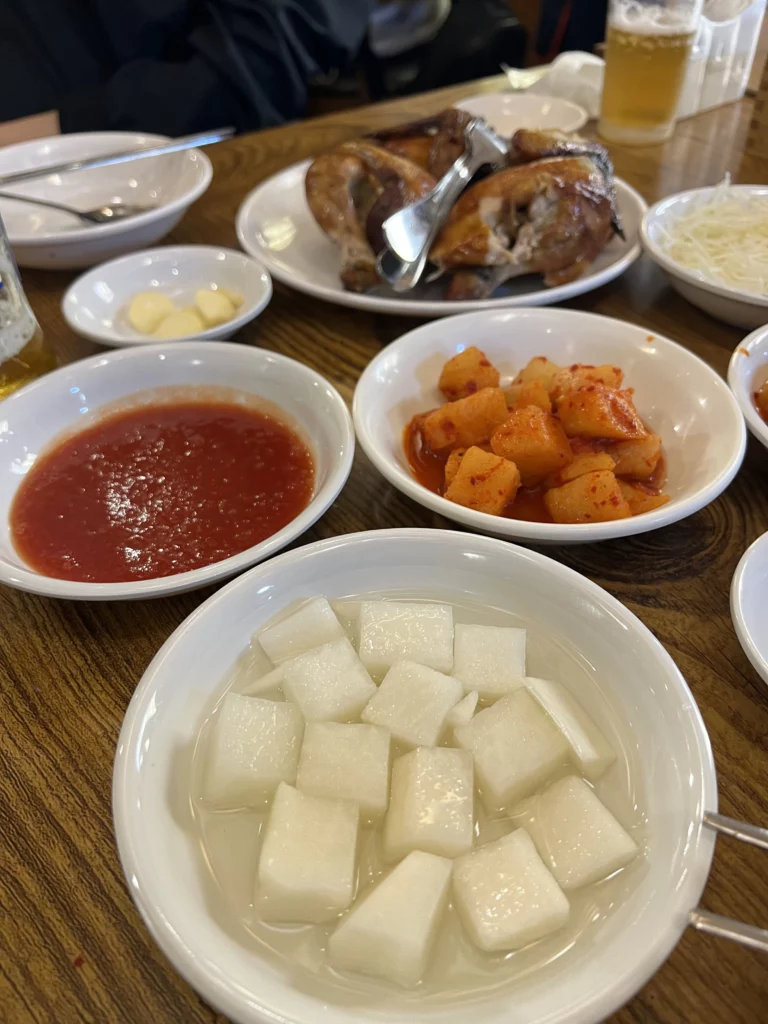
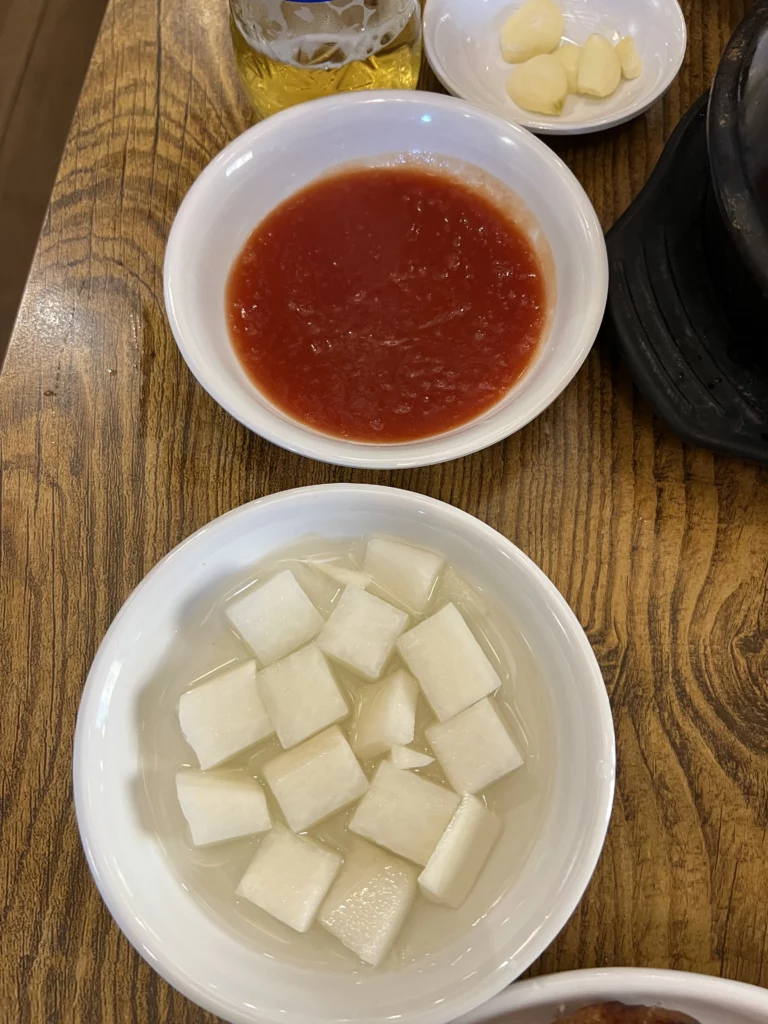
Proper dining etiquette: Samgyetang is traditionally enjoyed as an individual dish rather than shared. Each person receives their own whole chicken and pot of soup. It’s perfectly acceptable to use your hands to hold and pull apart larger pieces of chicken. The meal pairs beautifully with traditional side dishes (banchan) like kimchi and kkakdugi (cubed radish kimchi), which provide refreshing contrast to the rich soup.
The Health Benefits Behind the Hype
Samgyetang isn’t just comfort food – it’s considered medicinal cuisine backed by centuries of traditional wisdom and increasingly supported by modern nutritional science.
Immune System Support: Ginseng contains powerful antioxidants and adaptogens that help strengthen your body’s defense mechanisms. Studies suggest regular ginseng consumption may enhance immune function and reduce inflammation.
Energy and Stamina Boost: The combination of easily digestible protein from young chicken, complex carbohydrates from glutinous rice, and ginseng’s energizing properties creates a meal that provides sustained energy without heaviness. This makes samgyetang popular among students during exam periods and professionals needing stamina.
Digestive Wellness: The long-simmered broth becomes easily digestible, making it ideal for those recovering from illness or with sensitive stomachs. Garlic adds antimicrobial properties while promoting healthy gut bacteria.
Heat Stress Recovery: Despite seeming counterintuitive, consuming hot soup in summer helps regulate body temperature through sweating, which cools the body naturally. The mineral-rich broth also replaces electrolytes lost through perspiration.
How to Visit Tosokchon Samgyetang
Location: 5 Jahamun-ro 5-gil, Jongno-gu, Seoul (서울특별시 종로구 자하문로5길 5)
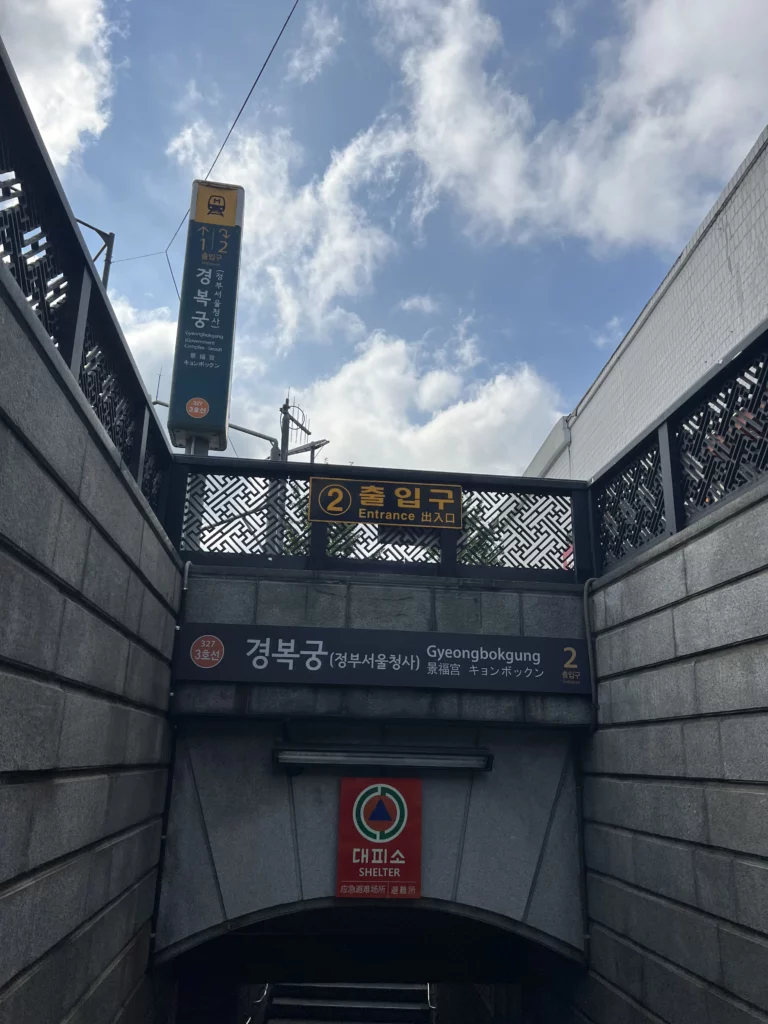
Getting There: Take Seoul Metro Line 3 to Gyeongbokgung Station, exit 2. Walk straight for about 2 minutes until you see a GS25 convenience store on your left. Turn left at the store, and you’ll spot the traditional hanok building behind it – that’s Tosokchon.
Hours: Daily 10:00 AM – 10:00 PM
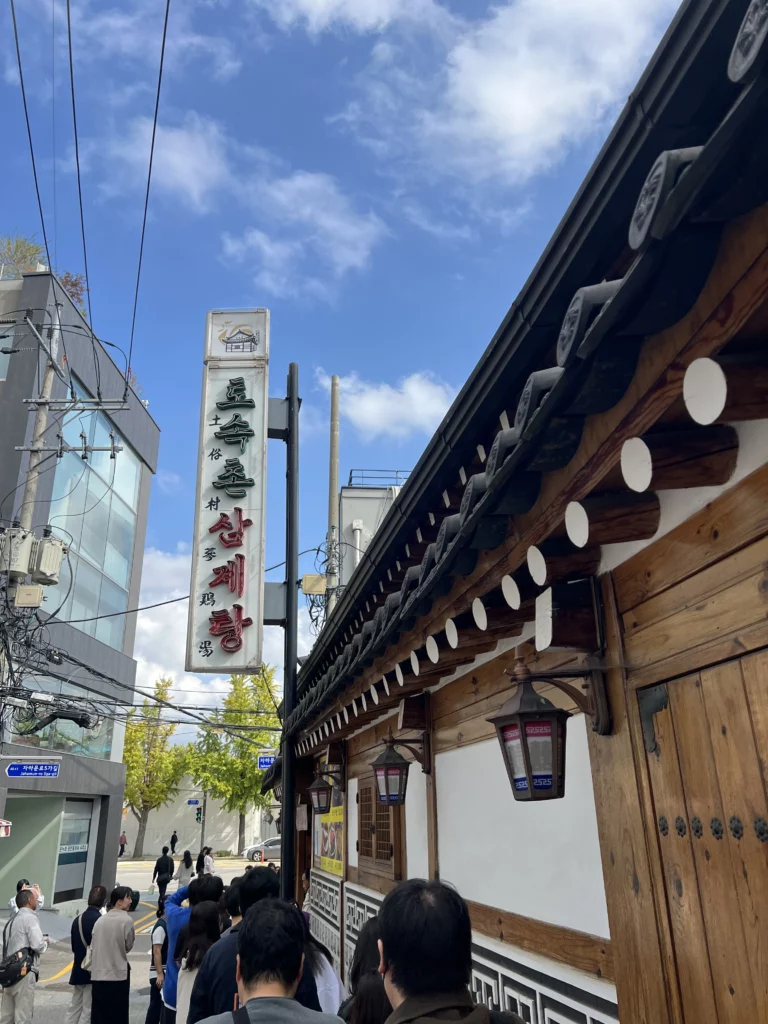
Expected Wait Time: Arrive before 11:30 AM or after 2:00 PM on weekdays to avoid peak lunch crowds. Weekends and summer holidays (especially sambok days) can see wait times exceeding 60 minutes during meal hours.
Menu Highlights and Pricing
Tosokchon Samgyetang (토속촌 삼계탕) – ₩20,000: The signature dish featuring a whole young chicken with the restaurant’s distinctive pine nut and mung bean enriched broth, stuffed with glutinous rice, ginseng, jujube, and garlic.
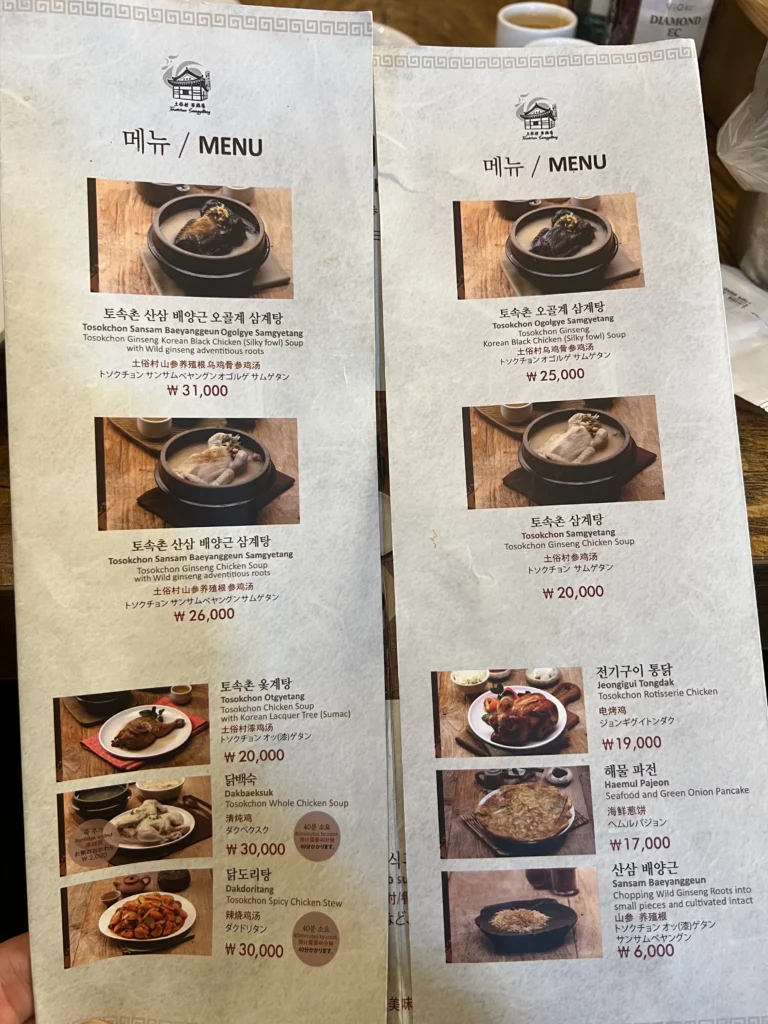
Tosokchon Ogolgye Samgyetang (토속촌 오골계 삼계탕) – ₩25,000: Premium version using silky Korean black chicken, prized for its superior nutritional profile and tender meat texture.
Tosokchon Sansam Baeyanggeun Ogolgye Samgyetang – ₩29,000: The ultimate upgrade featuring black chicken with wild ginseng adventitious roots for enhanced medicinal benefits.
Haemul Pajeon (해물파전) – ₩17,000: Thick, egg-rich seafood and scallion pancake that pairs excellently with samgyetang.
What Sets Tosokchon Apart from Other Samgyetang Restaurants?
Seoul boasts hundreds of samgyetang restaurants, so what keeps Tosokchon at the top?
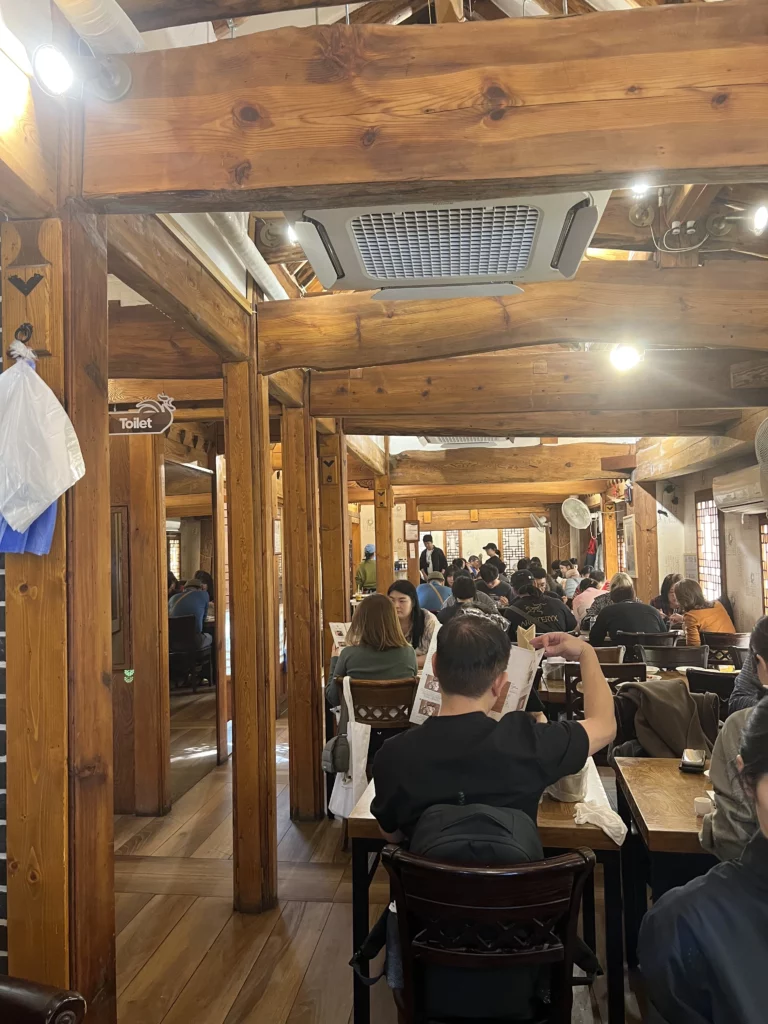
Consistency Over Decades: Since 1983, Tosokchon has maintained its recipe and quality standards, building trust across generations of diners.
The Signature Broth: That uniquely thick, nutty consistency from pine nuts and mung beans simply isn’t replicated elsewhere. Many competitors serve clearer broths that, while delicious, lack Tosokchon’s distinctive richness.
Generous Ginseng: The restaurant uses premium, large ginseng roots visible in every bowl, demonstrating quality over cost-cutting.
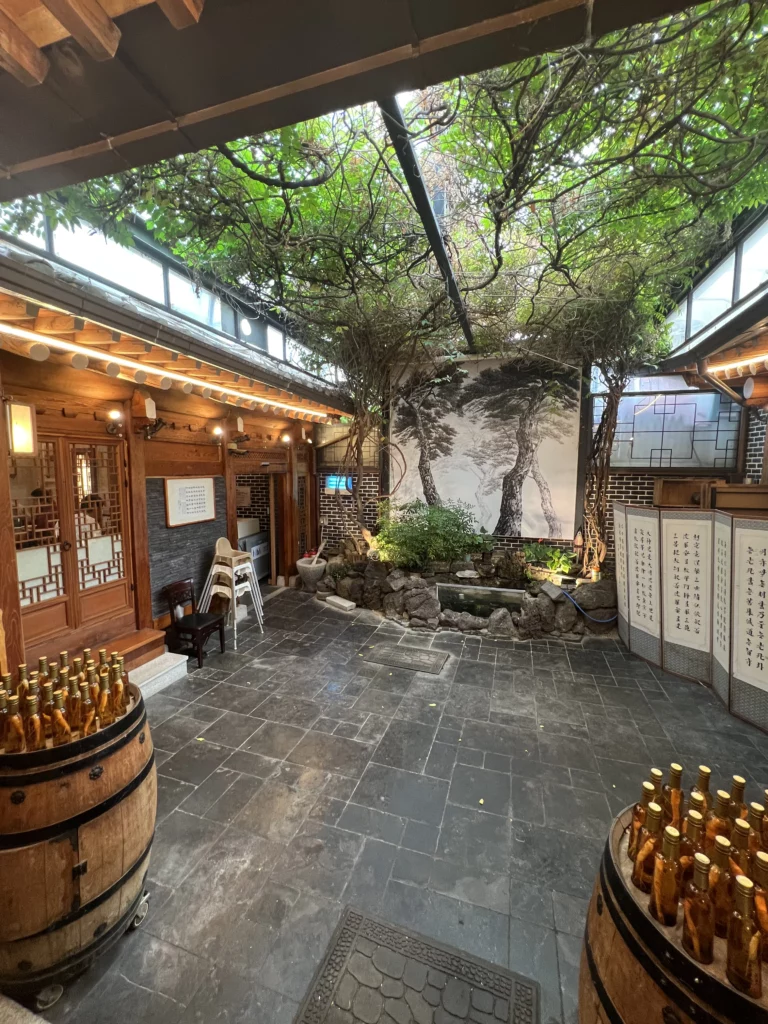
Authentic Atmosphere: The sprawling hanok complex with traditional architecture creates an immersive cultural experience beyond just eating.
Tourist-Friendly: While authentically Korean, Tosokchon has English menus and staff experienced with international visitors, making it accessible for first-time travelers.
Understanding Korean Summer Wellness Traditions
The tradition of eating samgyetang during summer’s peak heat illustrates Korea’s unique approach to seasonal wellness. The three sambok days – chobok (초복, beginning), jungbok (중복, middle), and malbok (말복, end) – fall roughly 10-20 days apart between mid-July and mid-August, marking the lunar calendar’s hottest period.
On these days, samgyetang restaurants across Korea see extraordinary crowds. Office workers take extended lunch breaks to enjoy hot soup together. Families make restaurant reservations weeks in advance. This collective ritual demonstrates how deeply food culture connects to Korean identity and social bonds.
The practice reflects Traditional Korean Medicine principles where balance is key. Hot soup causes sweating, which naturally cools the body while flushing toxins. The nutrient-dense ingredients replenish what’s lost through heat and exertion. This holistic approach treats food as preventive medicine rather than just sustenance.
Beyond Samgyetang: What to Order
While samgyetang dominates Tosokchon’s menu, the haemul pajeon (seafood pancake) deserves attention. This thick, crispy-edged pancake loaded with seafood and scallions provides textural contrast to the soup’s softness. Its savory, slightly salty flavor complements samgyetang beautifully, though it’s substantial enough that one order easily serves two people.
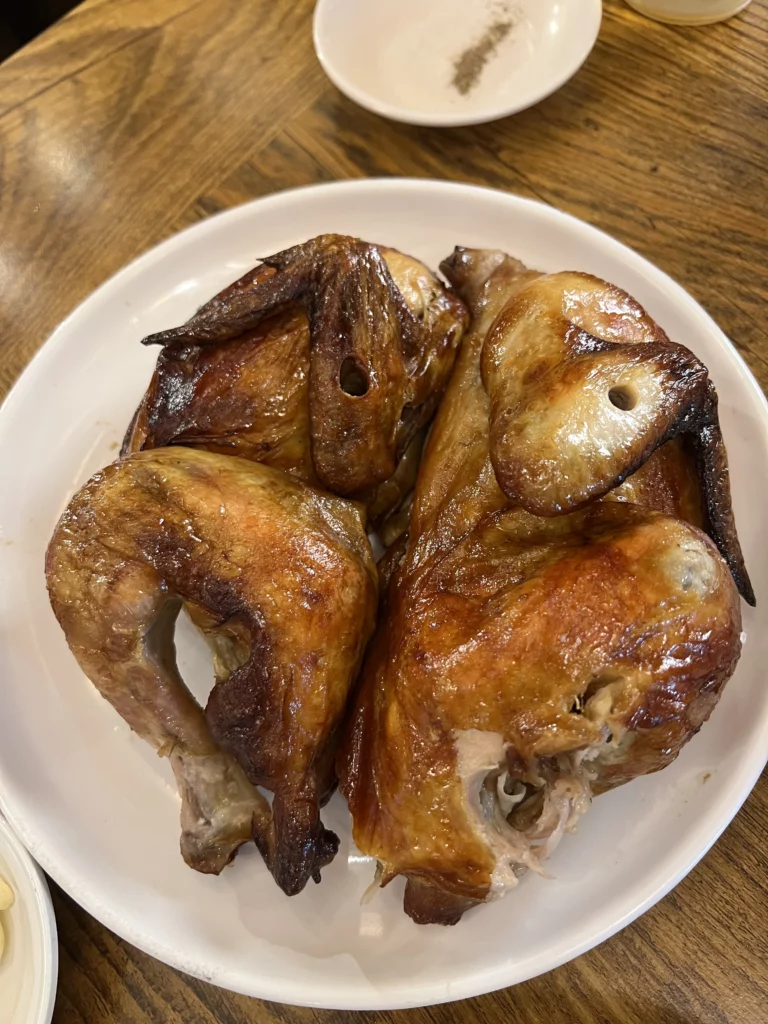
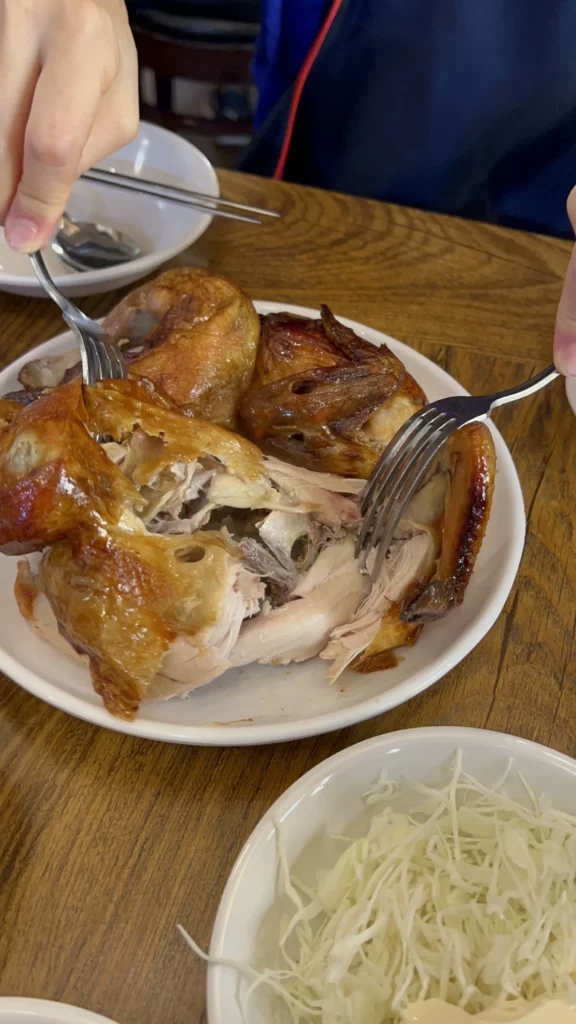
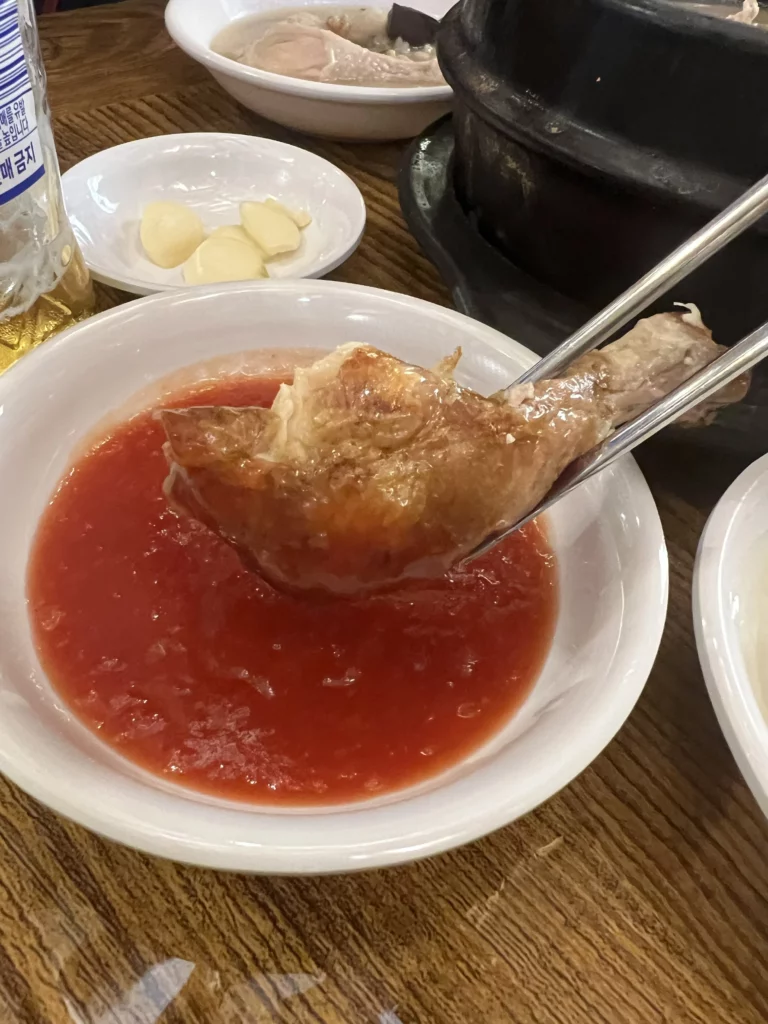
Some diners also enjoy rotisserie chicken (jeongi gui tongdak), showing Tosokchon’s skill with poultry extends beyond soup. However, most first-time visitors should prioritize the signature samgyetang experience.
Nearby Attractions: Making the Most of Your Visit
Tosokchon’s location near Gyeongbokgung Palace, Seoul’s grandest royal palace, makes combining cultural sightseeing with your meal convenient.
Before Your Meal: Explore Gyeongbokgung Palace (경복궁), Korea’s main royal palace featuring stunning architecture and the changing of the guard ceremony. The palace sits just a 5-minute walk from Tosokchon.
After Your Meal: Wander through Seochon Village (서촌), a charming neighborhood of hanok houses, indie cafes, and art galleries. This area maintains old Seoul charm while hosting creative spaces and cultural venues.
Extend Your Exploration: Bukchon Hanok Village, another traditional neighborhood showcasing Korean architecture, sits about 15 minutes away on foot. The combination creates an immersive traditional Korean experience.
Common Questions About Dining at Tosokchon
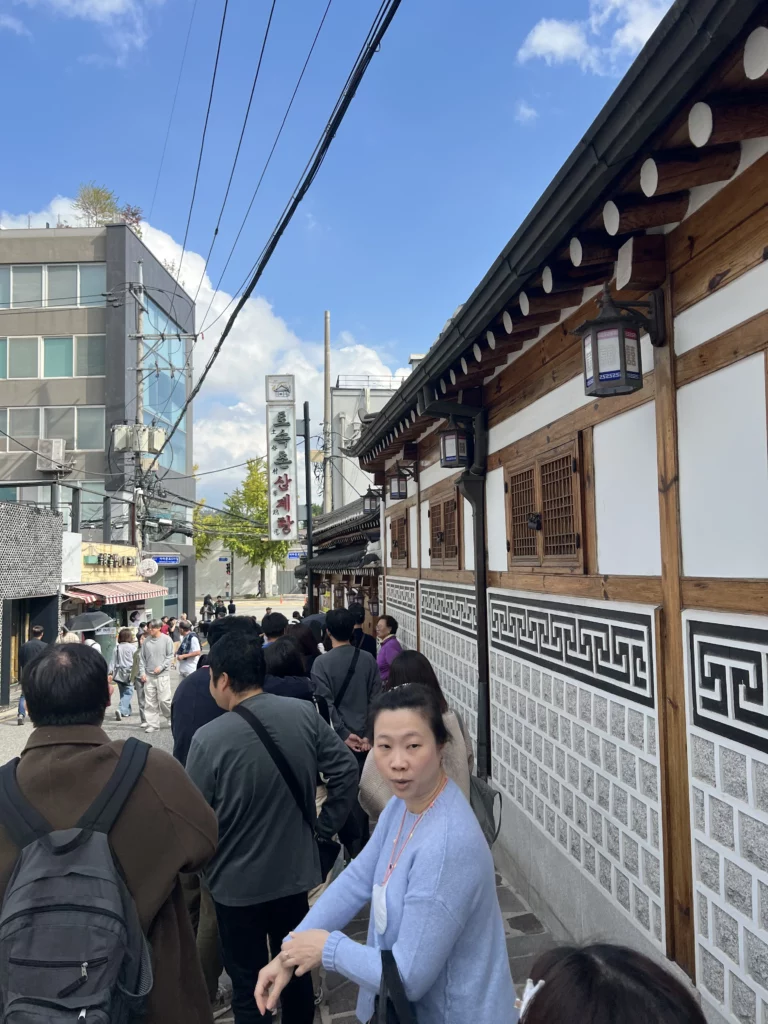
Is it worth the wait? Most diners say yes, particularly first-time visitors wanting authentic samgyetang from a legendary establishment. The unique broth and cultural experience justify the wait for many. However, if you’re on a tight schedule, arriving during off-peak hours or visiting less famous (but still excellent) samgyetang restaurants might suit better.
Can vegetarians enjoy anything here? Unfortunately, Tosokchon specializes exclusively in chicken dishes. The restaurant offers no vegetarian main courses, though the side dishes (kimchi and pickled radish) are plant-based.
Is it child-friendly? Yes, though children unfamiliar with ginseng’s flavor might find it unusual. The mild, non-spicy profile generally appeals to young palates. The floor seating might challenge very young children who struggle sitting still.
Should I make reservations? Tosokchon operates on a first-come, first-served basis without reservations. This contributes to wait times but ensures fairness. Arrive early or during off-peak hours to minimize waiting.
How Samgyetang Fits Into Korean Dining Culture
Understanding samgyetang’s cultural context enhances appreciation. Koreans view certain foods as "medicinal foods" (보양식, boyangsik) – dishes consumed specifically for health benefits rather than just pleasure. Samgyetang leads this category alongside dishes like Korean ginseng chicken soup prepared at home.
This reflects Korea’s holistic approach where food, medicine, and wellness interconnect seamlessly. The concept of "food as medicine" (약식동원, yaksik dongwon) suggests that proper diet prevents illness and promotes longevity. Samgyetang embodies this philosophy perfectly – it’s genuinely delicious while providing tangible health benefits.
The practice of eating specific foods on designated days (like samgyetang on sambok days) also demonstrates Korea’s strong connection to seasonal rhythms and lunar calendar traditions, maintaining ancient wisdom in modern life.
Experience Seoul’s Legendary Samgyetang Tradition
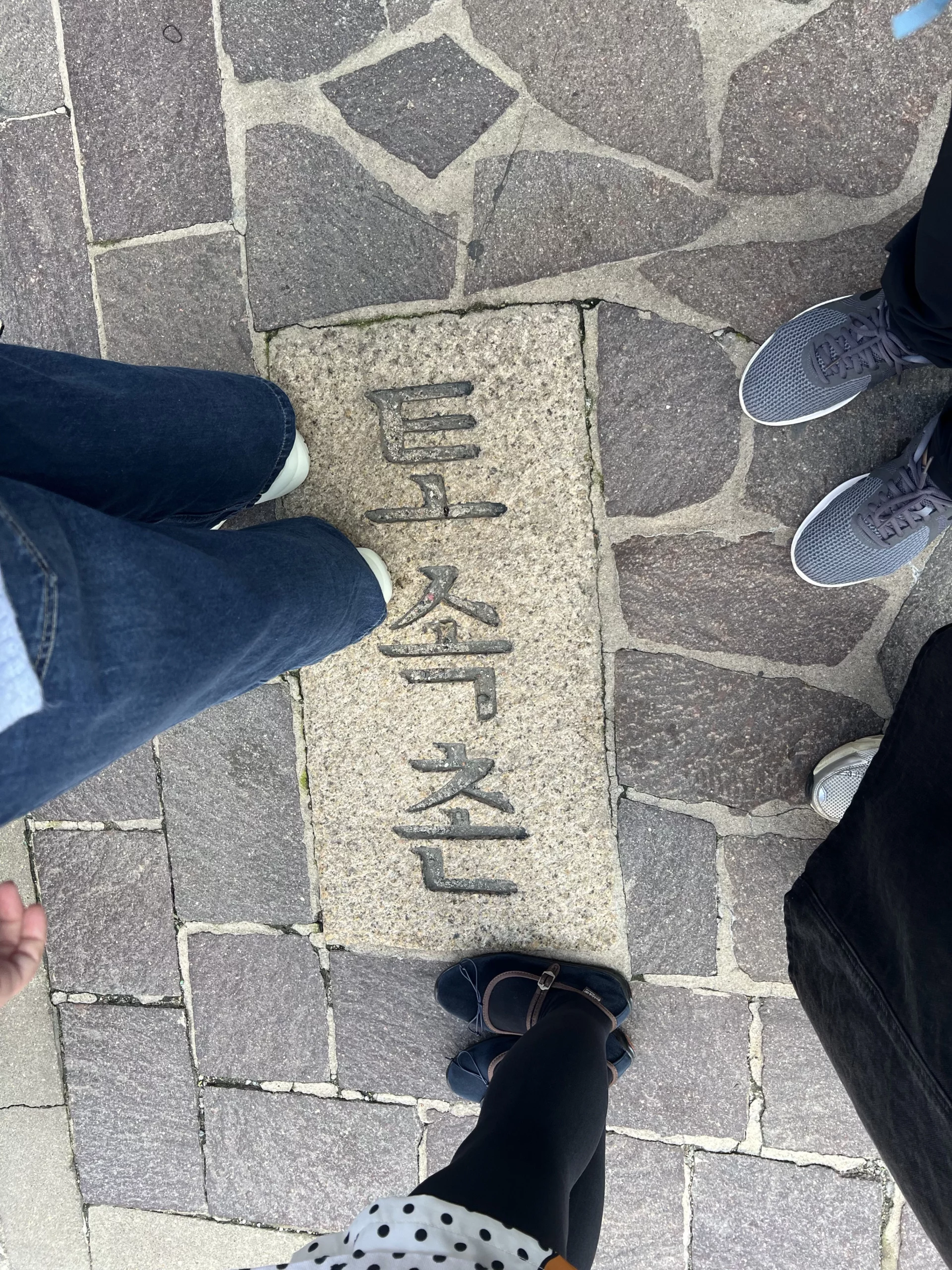
Tosokchon Samgyetang represents more than just excellent food – it’s a gateway to understanding Korean wellness philosophy, traditional dining culture, and the art of nourishing both body and spirit through carefully prepared cuisine. Whether you visit during peak summer heat to follow authentic tradition or on a cold winter day seeking warming comfort, the experience connects you to centuries of Korean culinary wisdom.
The restaurant’s enduring popularity among both locals and international visitors speaks to its quality and authenticity. While Seoul offers numerous samgyetang options, Tosokchon’s distinctive preparation, generous portions, traditional atmosphere, and convenient location near major attractions make it an ideal introduction to this iconic Korean dish.
Ready to experience Seoul’s most famous ginseng chicken soup? Head to Gyeongbokgung Station and follow the crowds to the historic hanok where steaming bowls of nourishing samgyetang await. Your taste buds – and your body – will thank you.
Have you tried samgyetang before, or would this be your first experience with Korean wellness cuisine? Share your thoughts or questions about visiting Tosokchon in the comments below!
Location
Reviews
5.0
0 reviews
Related Recipes

Chicken Stock/Dalk-yuksu
There’s a moment in every serious Korean kitchen when the cook stops reaching for boxed broth and starts making her...

Korean Chicken Noodle Soup (Dak Kalguksu)
There’s a reason Korean home cooks reach for Dak Kalguksu when the skies turn gray or when someone needs nourishing...

Samgyetang (Korean Ginseng Chicken Soup)
When summer’s sweltering heat blankets the Korean peninsula, something counterintuitive happens at dining tables across the nation. Rather than reaching...