


Seoul’s Hidden Architectural Gem: Seonungak Hanok Cafe
Imagine sipping premium coffee inside Seoul’s largest private traditional Korean house, surrounded by centuries-old architectural techniques and framed by Bukhansan Mountain’s seasonal transformations. Seonungak offers exactly this experience—a rare fusion of authentic cultural heritage and contemporary cafe culture that few places in Seoul can match.
This comprehensive guide reveals everything you need to know about visiting Seonungak, from its fascinating transformation from elite entertainment venue to public cultural space, through its appearances in beloved K-dramas, to practical tips for maximizing your visit across all four seasons. Whether you’re planning your first Seoul trip or seeking new discoveries as a resident, Seonungak delivers unforgettable encounters with traditional Korean aesthetics and natural mountain beauty.
Join us as we explore why this historic hanok cafe has become one of Seoul’s most beloved destinations for locals, tourists, and K-drama fans worldwide.
Seonungak: Seoul's Most Majestic Traditional Hanok Cafe at Bukhansan Mountain
Gangbuk-gu, Seoul, Republic of Korea 260-6 Ui-dong
Editor: James Lee


Overview
Introduction
Operating hours
Menu
Editor's Detail
Nestled at the base of Seoul’s majestic Bukhansan Mountain, Seonungak stands as a breathtaking testament to Korea’s architectural heritage and modern cafe culture. This traditional Korean hanok cafe represents the largest private hanok structure in Seoul outside royal palaces, offering visitors a rare opportunity to experience authentic Korean architecture while enjoying contemporary cafe amenities.
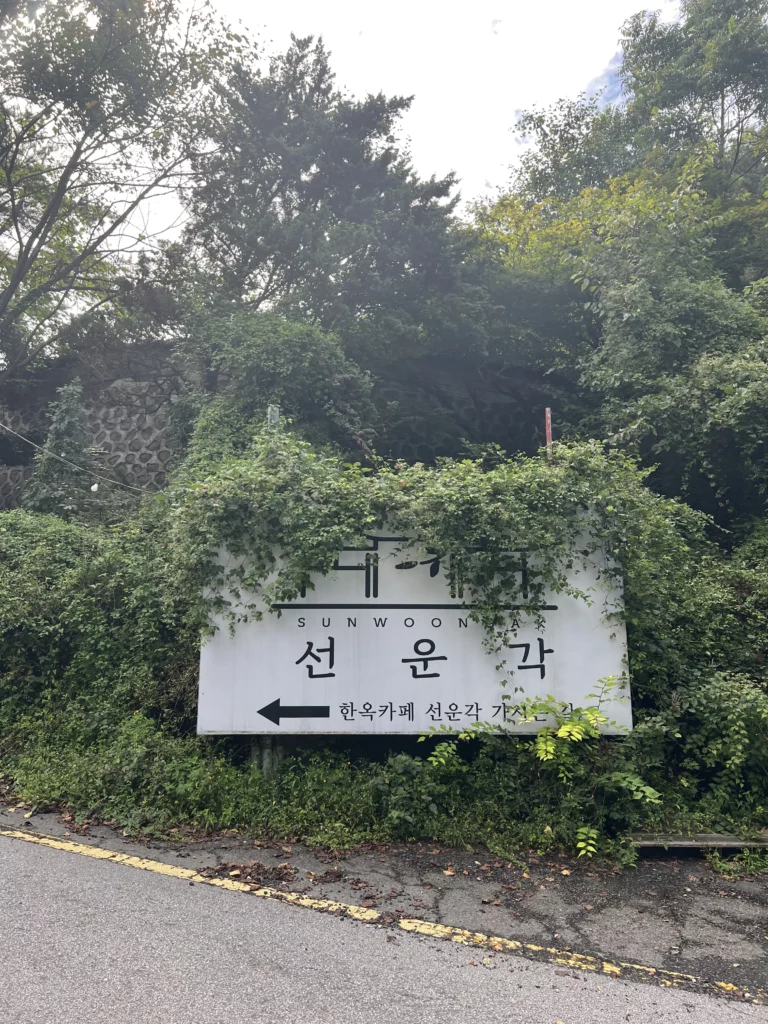
Built in 1967 by the late Hyundai Group founder Chung Ju-yung, Seonungak originally served as one of Seoul’s three most prestigious traditional entertainment venues alongside Samcheong-gak and Daewon-gak. Today, this historic space welcomes everyone seeking a peaceful retreat from Seoul’s urban energy, combining cultural authenticity with natural mountain beauty in ways few other cafes can match.
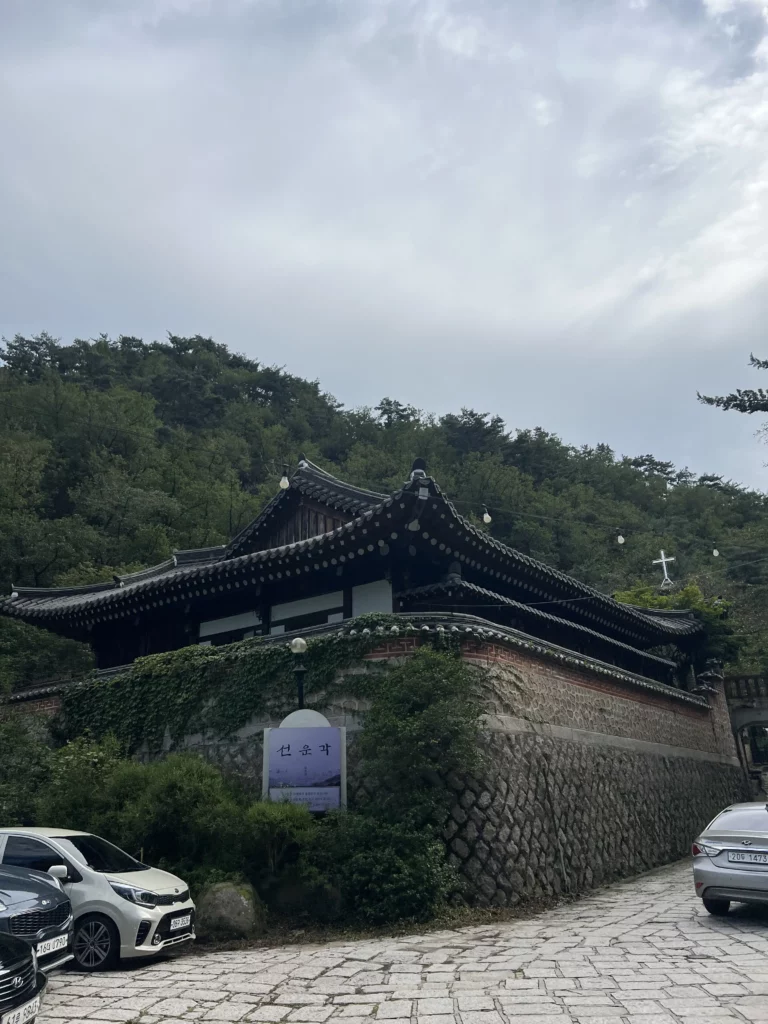
Whether you’re drawn by its appearances in popular K-dramas like "Mr. Sunshine" and "The World of the Married," seeking Instagram-worthy seasonal photography, or simply craving a unique cultural experience, Seonungak delivers an unforgettable journey into Korea’s architectural soul.
Table of Contents
- What Makes Seonungak Unique Among Seoul Cafes?
- The Fascinating History Behind Seoul’s Largest Private Hanok
- Experiencing Four Seasons at Seonungak
- What Makes This Korean Hanok Architecturally Special?
- What Are the Key Features Traditional Hanok Cafes Offer?
- How Would You Describe the Atmosphere and Experience?
- What Should First-Time Visitors Know?
- Famous K-Drama Filming Location
- Practical Information: Hours, Location, and Access
- Why Seonungak Represents the Best of Seoul Cafe Culture
What Makes Seonungak Unique Among Seoul Cafes?
Seonungak holds the distinction of being the largest private hanok structure in Seoul, excluding royal palaces, creating an experience that feels more like visiting a cultural heritage site than a typical cafe . The sheer scale of the property, combined with its location within Bukhansan National Park boundaries, creates an atmosphere of tranquil grandeur rarely found in urban Seoul.
Three distinctive features set Seonungak apart:
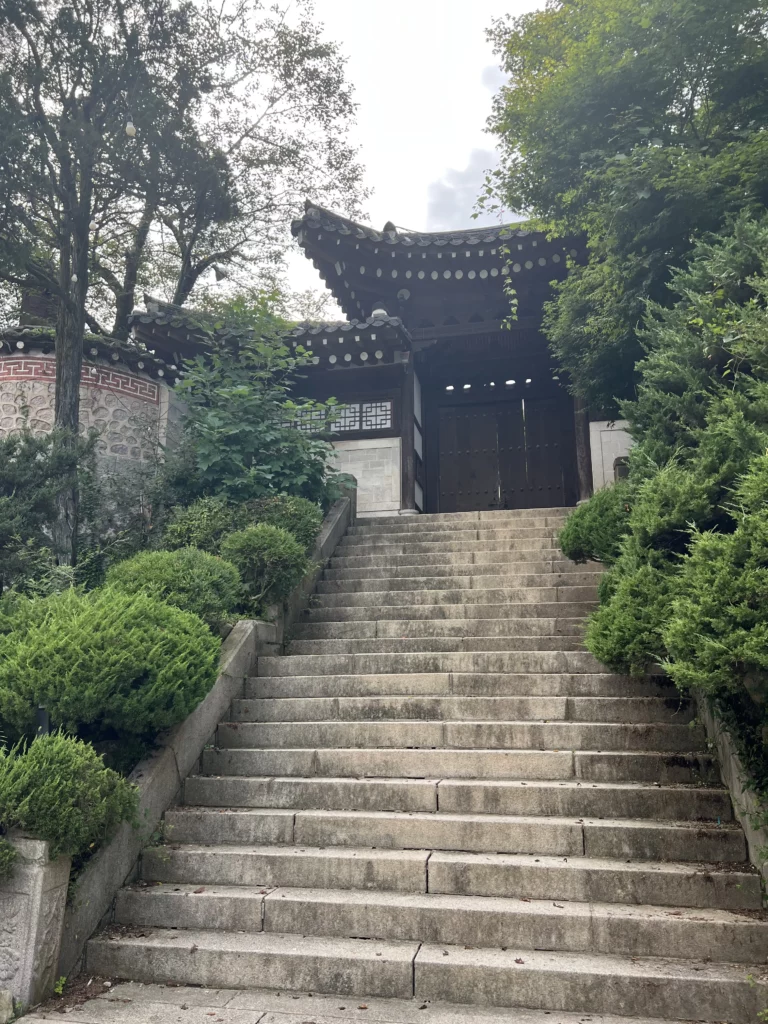
The architectural authenticity stands unmatched. The building incorporates tiles from the late Joseon Dynasty royal palace, making portions of the structure potentially cultural heritage-level constructions . Walking through the space, visitors encounter traditional Korean architectural elements from stone courtyards to intricately carved wooden beams, all maintained in exceptional condition.
The natural setting amplifies the experience. Unlike hanok cafes squeezed into urban neighborhoods, Seonungak breathes freely against Bukhansan Mountain’s backdrop. Ancient trees provide natural shade in summer, while the mountain creates a dramatic canvas for seasonal transformations throughout the year.
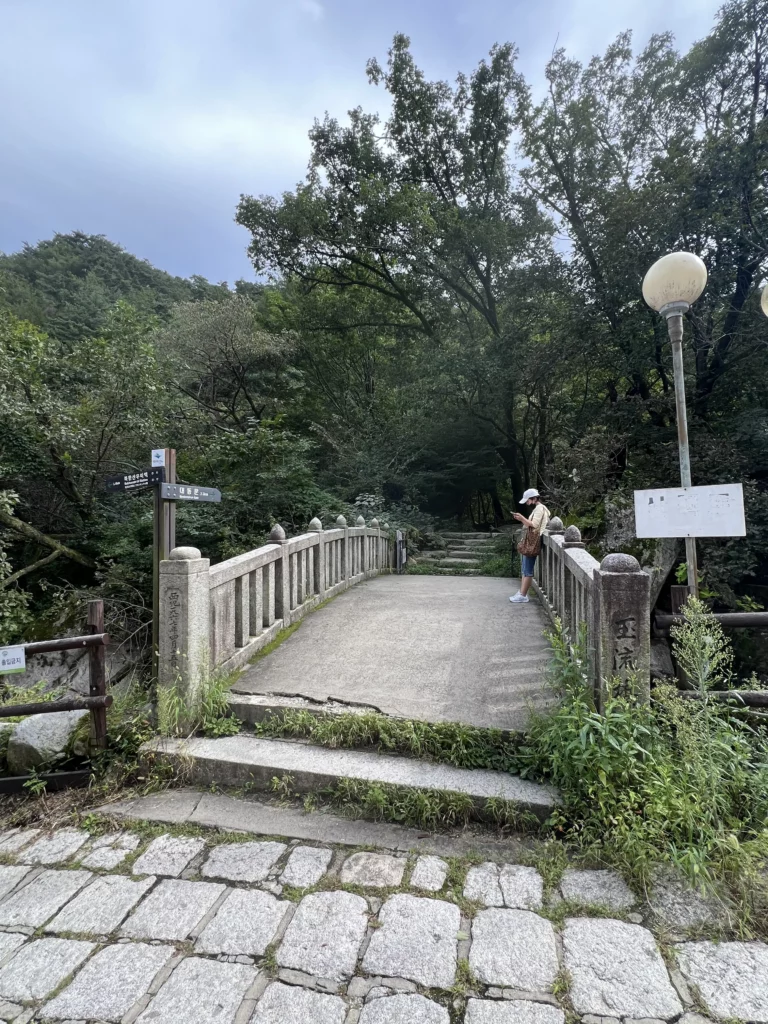
The dual identity as both cafe and event venue adds cultural depth. The space hosts traditional Korean wedding ceremonies and serves as a filming location for major television productions, meaning visitors might witness these special events, adding unexpected cultural encounters to their cafe visit.
The Fascinating History Behind Seoul’s Largest Private Hanok
Seonungak’s story begins in 1967 when Chung Ju-yung, founder of Hyundai Group, commissioned this extraordinary hanok structure. During South Korea’s rapid modernization period, when many traditional buildings were demolished for development, Chung’s decision to build such an elaborate traditional structure demonstrated remarkable cultural foresight.
From Elite Entertainment to Public Cultural Space
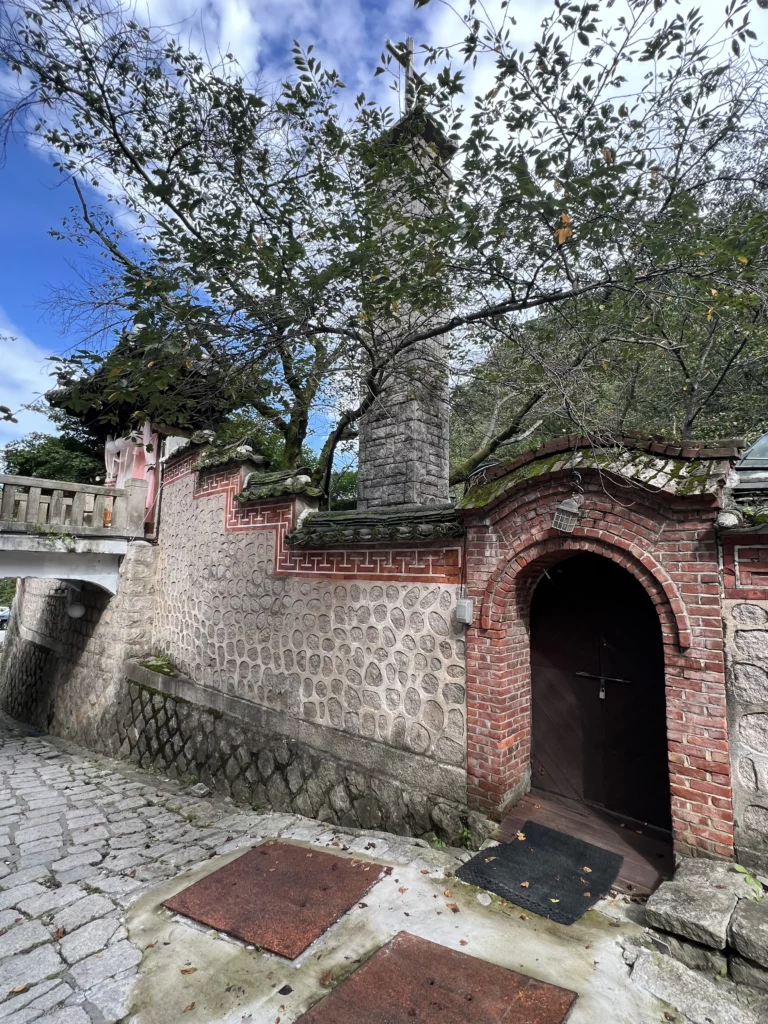
The venue initially operated as one of three prestigious "yojeong" in Seoul—high-end traditional entertainment establishments where political and business leaders held important meetings and celebrations. President Park Chung-hee frequently hosted gatherings here, making Seonungak a silent witness to significant moments in modern Korean history.
The transformation journey continued through several incarnations. After its yojeong era, Seonungak operated as an upscale Korean restaurant, then briefly as a meat restaurant, before finding its current identity. The decision to open as a public cafe came after years of serving exclusively as a wedding venue and filming location, finally allowing everyday visitors to experience this architectural treasure.
Architectural Heritage and Mystery
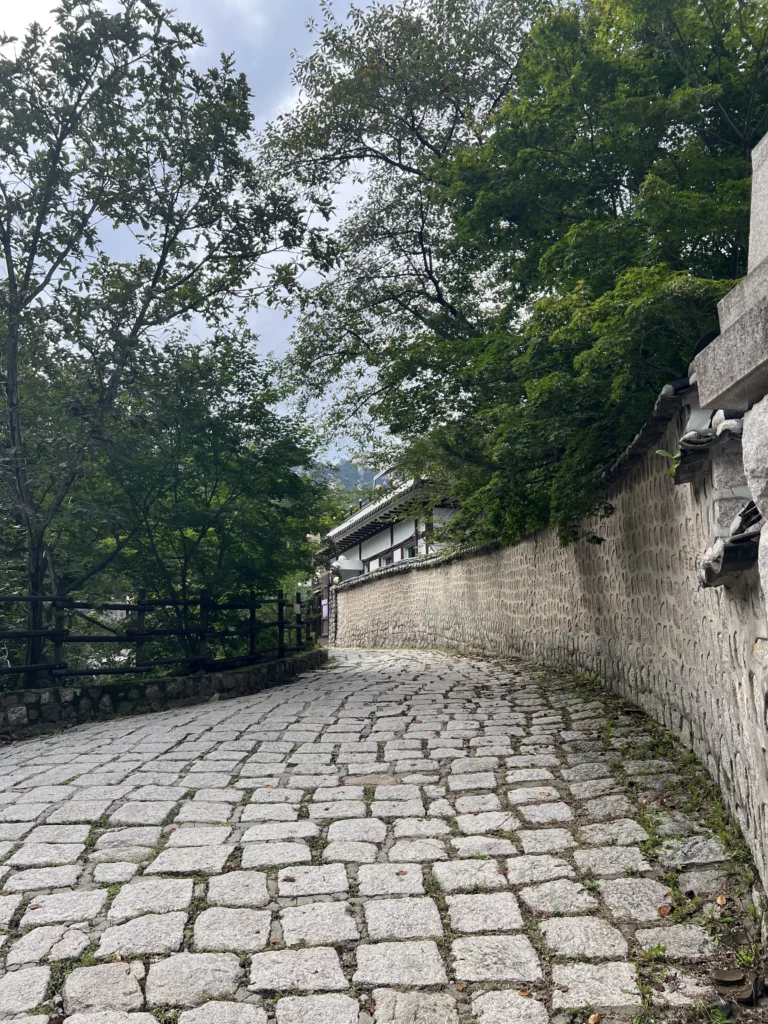
Unique tile patterns discovered throughout the building suggest connections to late Joseon Dynasty royal construction, sparking ongoing speculation about the building’s materials and origins. These architectural elements elevate Seonungak beyond a mere replica, potentially incorporating authentic pieces of Korea’s royal architectural heritage.
Experiencing Four Seasons at Seonungak
Seonungak’s courtyard captures Bukhansan Mountain’s seasonal transformations in ways that make each visit feel entirely different. The cafe has earned recognition as one of Seoul’s premier seasonal photography destinations, attracting visitors who return throughout the year to document nature’s changing canvas.
Spring: Cherry Blossom Paradise (March-April)
Spring brings magnificent cherry blossoms blooming across the property, creating tunnel-like canopies over walking paths. The contrast between delicate pink blossoms and sturdy traditional architecture creates scenes reminiscent of historical Korean paintings. Peak bloom typically occurs in early April, when the entire compound transforms into a pastel wonderland.
Summer: Green Sanctuary (May-August)

Dense green foliage and ancient trees provide natural cooling shade throughout summer months. The lush mountain backdrop creates a refreshing escape from Seoul’s heat and humidity. This season offers the quietest visiting experience, as most tourists prefer spring and autumn.
Autumn: Foliage Spectacle (September-November)
Fall transforms Seonungak into Seoul’s most sought-after autumn foliage destination, particularly famous for its ginkgo trees and vibrant maple leaves. The mountainside explodes in reds, oranges, and golds, creating a natural amphitheater of color visible from every corner of the cafe. Late October through mid-November represents peak season, when advance planning becomes essential due to crowds.
Winter: Serene Snow Scenes (December-February)
Winter brings profound tranquility to Seonungak, with snow-covered hanok roofs creating classic Korean landscape imagery. The cafe becomes notably quieter during cold months, offering peaceful contemplation for visitors who appreciate winter’s stark beauty.
What Makes This Korean Hanok Architecturally Special?
Traditional Korean Hanok Design Philosophy

Korean hanok architecture embodies "harmony with nature"—a principle beautifully demonstrated at Seonungak. The structure follows traditional placement guidelines, positioning buildings to maximize southern sunlight exposure while protecting against northern winds. The stone flooring (박석/bakseok) and decorative stone walls exemplify traditional Korean landscaping techniques that have defined Korean aesthetic sensibilities for centuries.
Three Key Architectural Elements:

Curved Rooflines (처마/cheoma): The gracefully upturned eaves represent classic Joseon Dynasty design, both aesthetically pleasing and functionally efficient for rain drainage. These curves create the iconic silhouette associated with Korean traditional architecture.


Courtyard-Centered Layout (마당/madang): The expansive central courtyard serves as the cafe’s heart, where visitors gather to photograph seasonal changes against the mountain backdrop. This open-air gathering space reflects traditional Korean social customs and spatial organization.


Natural Material Integration: The building extensively uses wood, stone, and clay tiles—materials that age gracefully and maintain thermal properties suited to Korea’s climate. The natural color palette of earth tones creates visual harmony with the surrounding mountain environment.
What Are the Key Features Traditional Hanok Cafes Offer?
Ondol (온돌) – Traditional Korean Heating:


Authentic hanok utilize ondol, an underfloor heating system where heated air circulates beneath stone floors. This centuries-old technology keeps spaces comfortably warm in winter while maintaining the aesthetic integrity of traditional interiors. Modern hanok cafes like Seonungak balance this traditional heating with contemporary climate control for year-round comfort.
Hanji (한지) – Traditional Korean Paper:
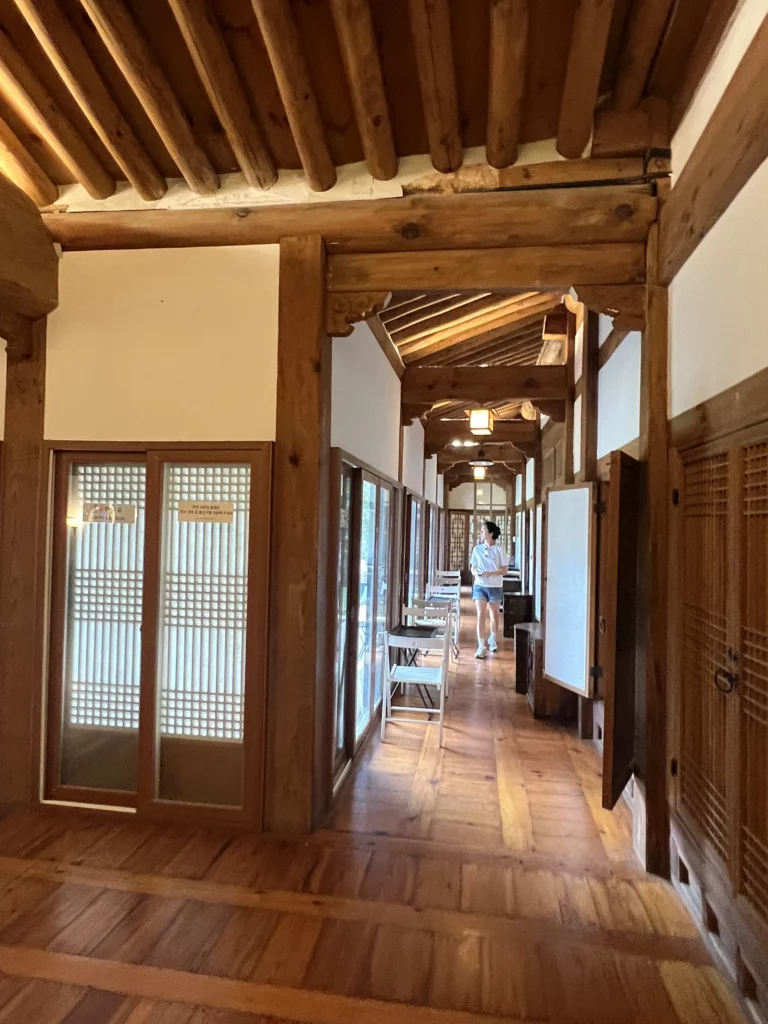
Many interior surfaces feature hanji, traditional mulberry paper known for breathability and soft light diffusion. This material regulates humidity naturally while creating warm, glowing interior ambiance that synthetic materials cannot replicate.
Natural Ventilation and Climate Adaptation:
Seonungak’s design incorporates large trees that provide natural shade during summer, demonstrating how traditional Korean architecture works with nature rather than against it. Strategic window placement creates cross-ventilation that cools spaces naturally before air conditioning era techniques.

How Would You Describe the Atmosphere and Experience?
Spatial Grandeur Meets Intimate Corners


The cafe’s vast size creates surprising variety in atmosphere. The main courtyard encourages social gathering and photography, while smaller indoor sections offer intimate spaces for quiet conversation or solo contemplation. Interior corridors display seasonal photography exhibitions showcasing the cafe’s year-round beauty, adding educational elements to the visual experience.
Service Style: Casual Elegance


The cafe operates on a self-service model with menu pricing typically ranging from 8,000-20,000 won per person. Staff maintain professional courtesy while allowing visitors freedom to explore and photograph at leisure. The approach feels more like visiting a public cultural space than a commercial establishment.


Sound and Sensory Experience
Natural sounds dominate—bird calls, wind through trees, and the nearby valley stream create a soundscape markedly different from typical Seoul cafes. The absence of loud music or urban noise pollution contributes significantly to the restorative atmosphere many visitors seek.
What Should First-Time Visitors Know?
Arrival and Parking Logistics

Parking costs 3,000 won and must be paid in cash at the entrance. The parking area accommodates approximately 30-40 vehicles, but fills completely during peak autumn foliage season. Arriving before 11:00 AM opening time on weekends significantly improves parking prospects.
Walking Access from Bukhansan Ui Station

The walk from Bukhansan Ui Station (Line Ui-Sinseol) takes approximately 20-30 minutes along gradually ascending mountain paths. The route passes through Ui-dong’s hiking gear shops and local restaurants, offering glimpses into Seoul’s mountain culture neighborhood. Comfortable walking shoes are essential, particularly in wet weather.
Optimal Visiting Times
Weekday mornings (11:00 AM-1:00 PM): Quietest period with best natural lighting for photography. Winter weekdays offer particular tranquility, when the cafe receives minimal visitors but maintains full operations.
Autumn weekends: Expect significant crowds during October-November peak foliage season. Weekend visits during this period require patience and willingness to share photography spots.
Pet-Friendly Policy
Seonungak welcomes well-behaved pets throughout the property, making it popular among Seoul’s dog-owning community. Pet owners should bring leashes and maintain respectful behavior around other guests.
Cultural Considerations

When traditional wedding ceremonies occur, certain areas may have restricted access. Visitors should respect these boundaries and observe quietly if witnessing ceremonies. The blend of public cafe and private event space requires mutual consideration from all guests.
Famous K-Drama Filming Location
Seonungak gained international recognition as the filming location for the American legation in the hit drama "Mr. Sunshine," where pivotal scenes between main characters unfolded . The drama’s period setting showcased Seonungak’s authentic historical atmosphere, introducing global audiences to traditional Korean architecture’s grandeur.

Additional productions including "The World of the Married" and "Itaewon Class" have filmed at Seonungak , cementing its status among Seoul’s most photogenic locations. For K-drama fans, visiting Seonungak offers opportunities to stand where favorite characters stood, experiencing firsthand the settings that appeared on screen.
The filming legacy adds layers of meaning for international visitors who discovered Korean culture through drama content. Many guests report emotional connections to spaces they previously knew only through screens, creating unique tourism experiences that blend media consumption with cultural exploration.
Practical Information: Hours, Location, and Access
Operating Hours:
- Daily: 11:00 AM – 9:00 PM (Last order: 8:00 PM)
- Open seven days a week including holidays
Location:
- Address: 265-16 Ui-dong, Gangbuk-gu, Seoul (서울 강북구 우이동 265-16)
- Alternative address: 223 Samyang-ro 173-gil, Gangbuk-gu, Seoul
Contact Information:
- Phone: 0507-1399-1105 or 010-4395-1105
- Instagram: @sunwoongak_official (check for event closures and seasonal updates)

Transportation Options:
By Subway: Take Ui-Sinseol Line to Bukhansan Ui Station (북한산우이역), Exit 2. 20-30 minute uphill walk to cafe.
By Taxi: Most convenient option from central Seoul locations. Show drivers the address or call the cafe for Korean directions.
By Car: Navigate to "선운각" using Korean GPS applications (Naver Map or KakaoMap work best). Parking fee: 3,000 won cash only.

Nearby Attractions:
Combine your Seonungak visit with Bukhansan hiking trails, Doseonsa Temple, or Ui-dong valley walks for a full-day mountain area exploration. The neighborhood offers numerous traditional Korean restaurants and hiking equipment shops reflecting Seoul’s outdoor recreation culture.
Why Seonungak Represents the Best of Seoul Cafe Culture
Seonungak transcends typical cafe categorization, offering experiences that satisfy multiple interests simultaneously. Architecture enthusiasts discover authentic traditional construction techniques. K-drama fans walk through familiar filming locations. Nature lovers enjoy seasonal mountain beauty. Photography enthusiasts capture Instagram-worthy compositions at every turn.

The transformation from exclusive elite venue to public cultural space represents broader democratization of Korea’s cultural heritage. Where political leaders once held private meetings, today anyone can sit beneath the same traditional eaves, sipping coffee while contemplating the same mountain views. This accessibility makes Seonungak emblematic of modern Korea’s approach to heritage—preservation through adaptation rather than isolation.
Experience Seoul’s cultural depth at Seonungak, where every visit reveals new layers of beauty depending on season, time of day, and personal perspective. Whether you’re planning your first Seoul trip or seeking new discoveries as a long-term resident, this majestic hanok cafe near Bukhansan Mountain offers experiences that linger in memory long after your visit concludes.

Ready to experience traditional Korean architecture in Seoul’s most scenic setting? Plan your visit to Seonungak and discover why this historic hanok cafe has captured the hearts of locals and international visitors alike. Check their Instagram for current seasonal highlights and special event information before your visit.
Location
Reviews
5.0
0 reviews
Related Recipes

Patbingsu: Traditional Korean Shaved Ice with Sweet Red Beans
Few things signal the arrival of a Korean summer like a towering bowl of patbingsu (팥빙수) — Korean shaved ice...

Sujeonggwa (Korean Cinnamon Ginger Punch)
There is something deeply comforting about the first sip of well-made sujeonggwa. The warm sweetness of cinnamon meets the quiet...