


Tucked within Seoul’s premier cultural complex, Dam restaurant offers more than just a meal—it provides an immersive journey through Korea’s royal court dining traditions. This elegant hanjeongsik restaurant transforms the dining experience into cultural theater, where each small dish tells a story of fermentation, balance, and centuries-old culinary wisdom. Located on the first floor of Seoul Arts Center’s Calligraphy Museum, Dam serves as the perfect culinary companion to an afternoon of artistic exploration.
Dam Restaurant at Seoul Arts Center: Where Hanjeongsik Meets Cultural Excellence
5
Dam Restaurant at Seoul Arts Center: Where Hanjeongsik Meets Cultural Excellence
5
Seocho-gu, Seoul, Republic of Korea 700 Seocho-dong
Editor: James Lee


Interior03
Food02

Menu01
Overview
+82 02-598-8187
WiFi Provided
Indoor Seating Only
Electronic Payment, Credit Card accepted: American Express, Master Card, Visa
Introduction
Operating hours
Mon, Tue, Wed, Thu, Fri, Sat, SunAM 11:00 - PM 9:00
Menu
Editor's Detail
Imagine a dining table transformed into an art installation, where dozens of small ceramic bowls arranged in perfect harmony showcase Korea’s culinary philosophy in its most refined form. At Dam restaurant in Seoul’s prestigious Arts Center, this vision becomes reality through hanjeongsik, the traditional Korean full-course meal that represents the pinnacle of Korean dining culture. Here, the elegance of royal court cuisine meets contemporary accessibility, offering both Korean food enthusiasts and curious international visitors an authentic taste of Korea’s gastronomic heritage.
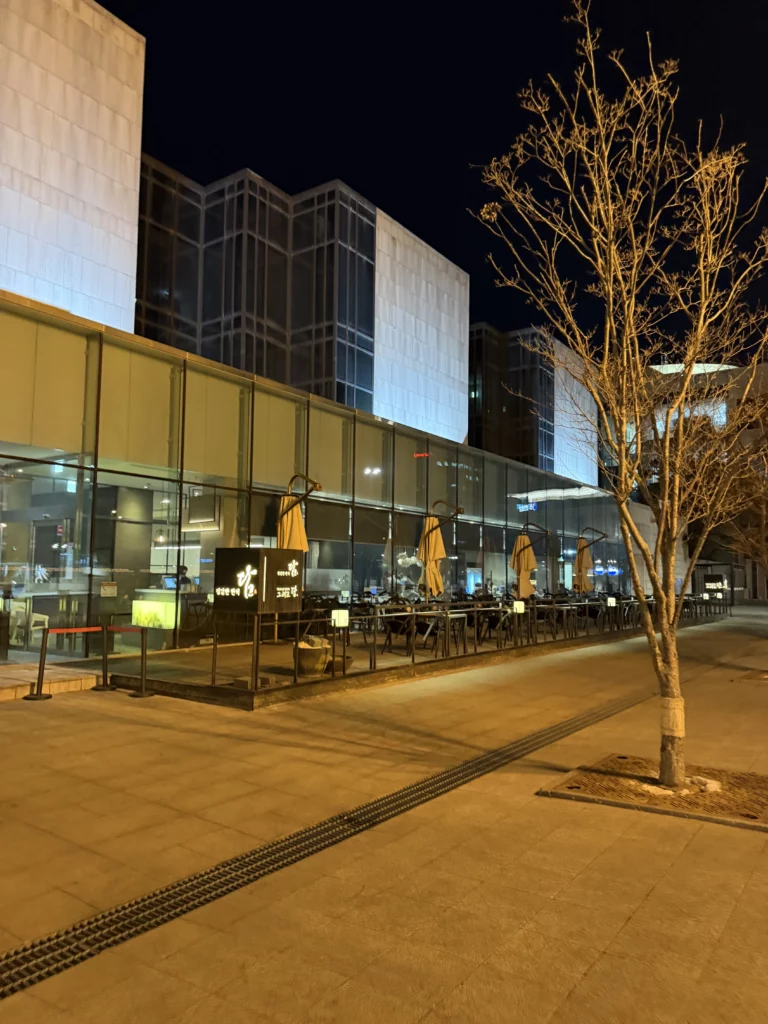
Table of Contents
What is Hanjeongsik and Why Visit Dam Restaurant?
Hanjeongsik translates to "Korean table d’hôte," representing a full-course Korean meal characterized by an abundant array of banchan—small side dishes served in varied colors and flavors. Dam restaurant specializes in presenting this elaborate dining tradition in an accessible, elegant setting that honors both authenticity and contemporary dining preferences.
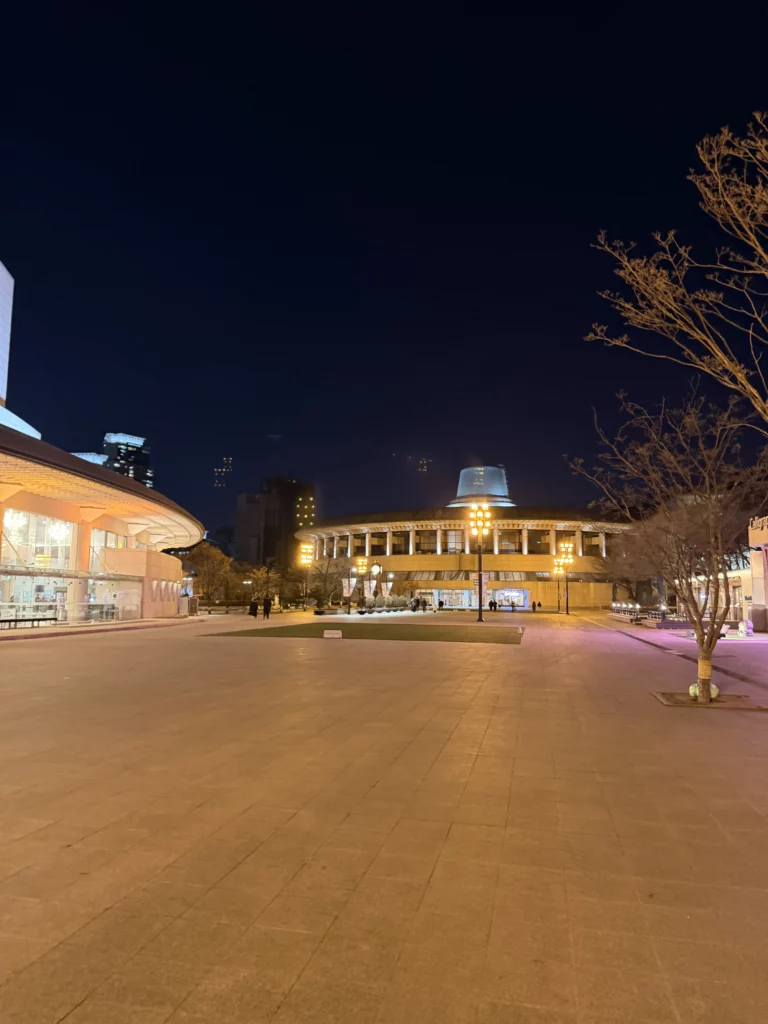
Located within Seoul Arts Center at 700 Seocho-dong, Seocho-gu, Dam serves as an oasis of refined Korean cuisine in one of Seoul’s most culturally significant locations. The restaurant’s proximity to the performing arts complex makes it an ideal dining destination before catching a performance or after exploring the art museums. Unlike touristy hanjeongsik establishments in areas like Insadong or Myeongdong, Dam attracts a sophisticated local clientele—arts patrons, performers, and Seoul residents seeking authentic Korean flavors in an elevated environment.
The Dam Hansangcharim Experience
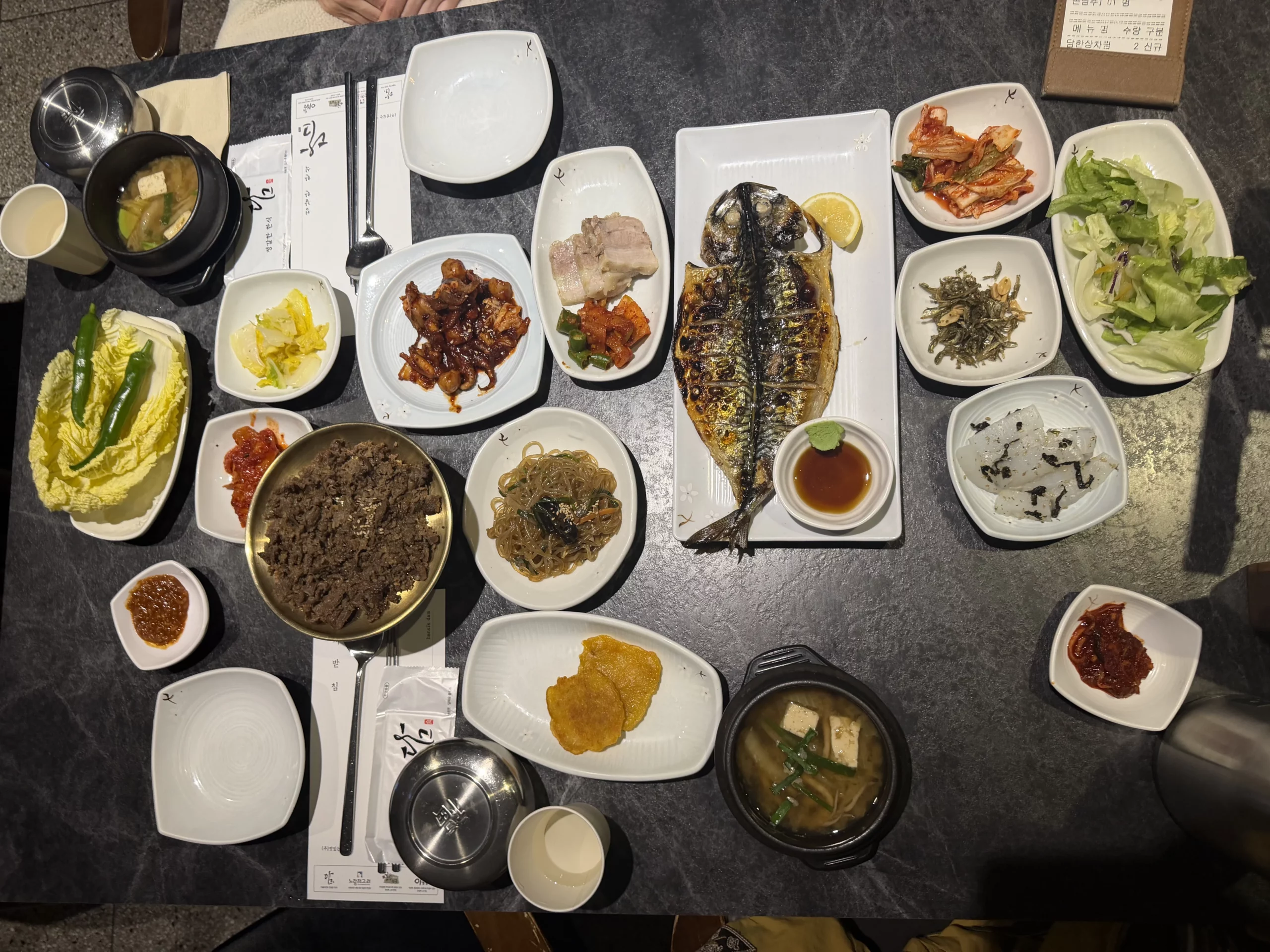
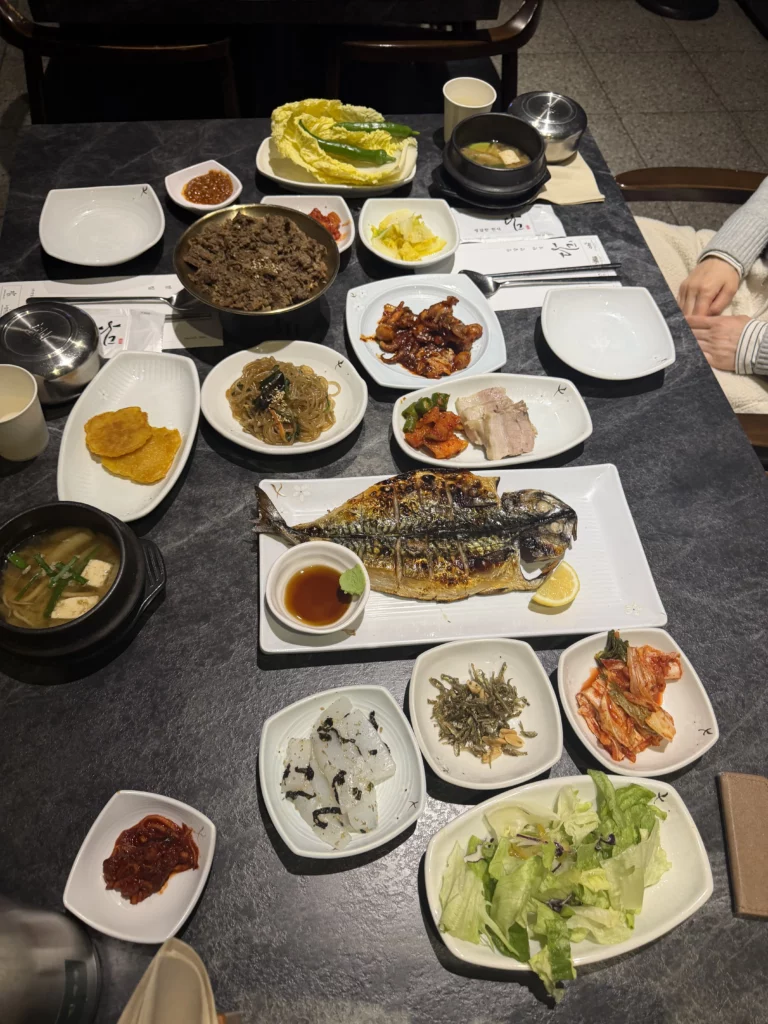
Dam’s signature offering, the Hansangcharim (한상차림), exemplifies the restaurant’s approach to traditional Korean dining. The name itself—meaning "full table setting"—hints at the visual spectacle awaiting diners. When your Hansangcharim arrives, the table fills with an impressive spread that might include:
Main Dishes:
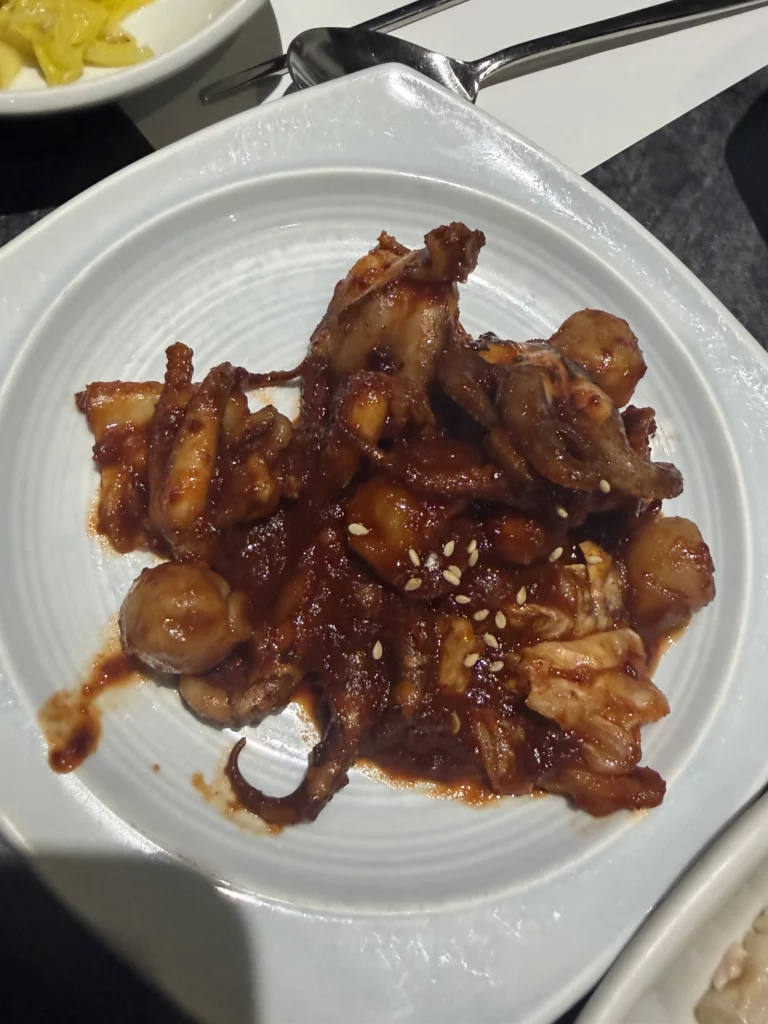
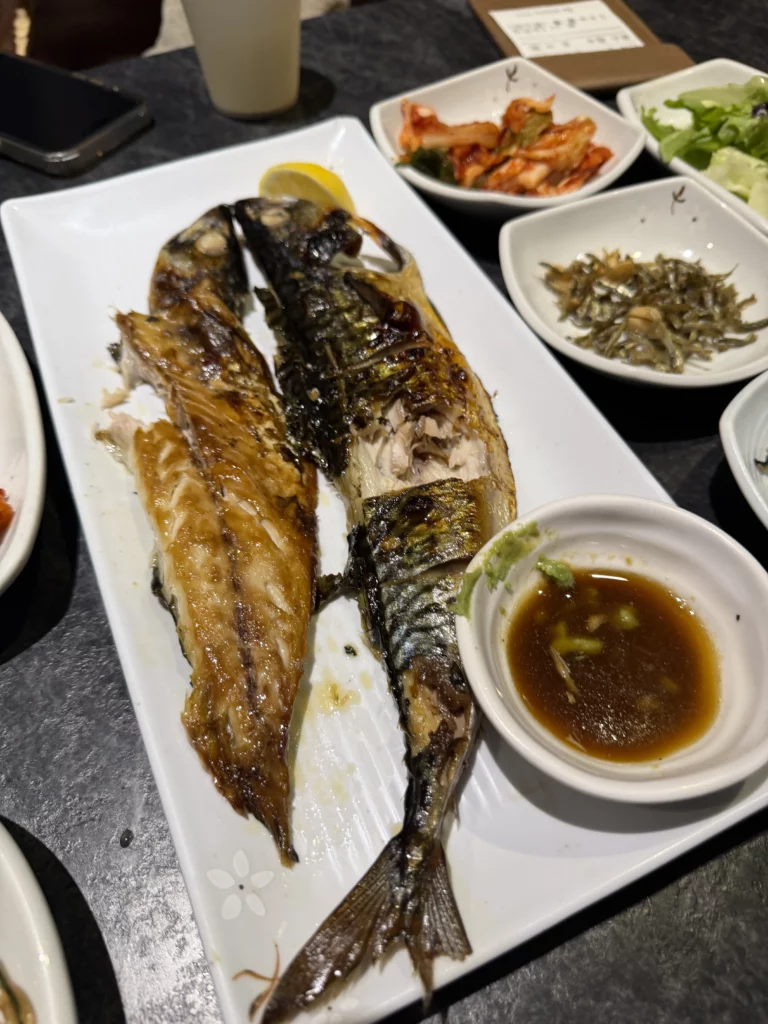
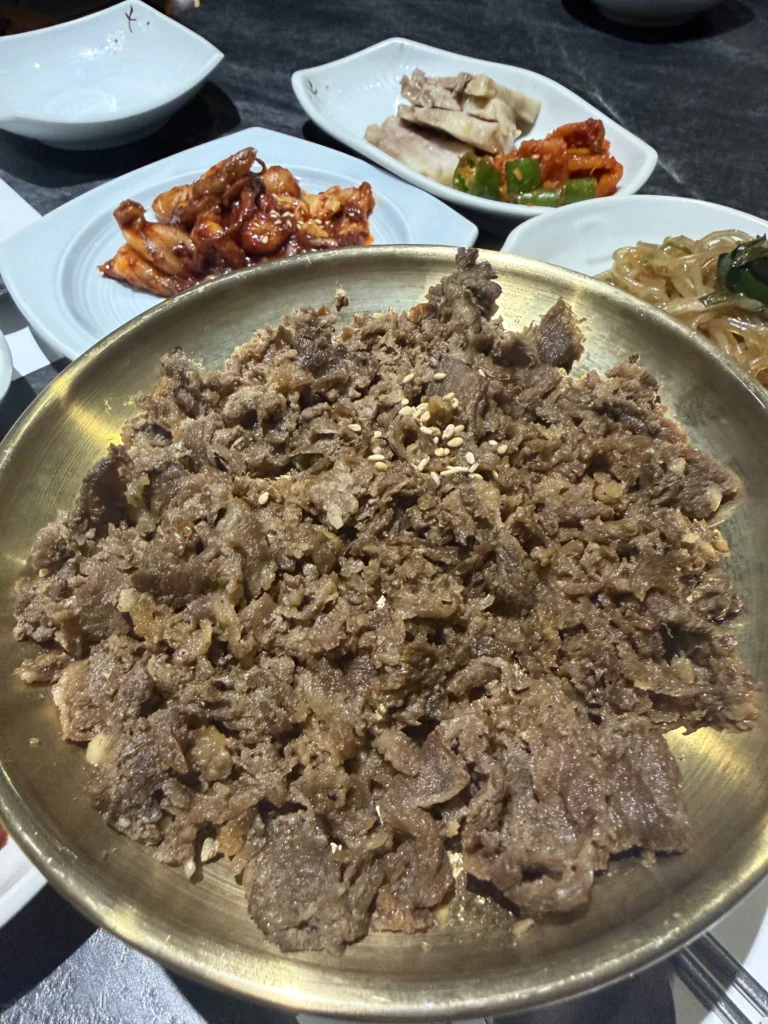
- Jeyuk bokkeum (spicy stir-fried pork) or Bossam (boiled pork wraps) – tender, flavorful proteins prepared with traditional Korean techniques
- Jjukkumi bibimbap (webfoot octopus mixed rice) – a specialty that combines chewy octopus with perfectly seasoned rice and vegetables
- Grilled mackerel (godeung-eo gui) – when available, showcasing Korea’s appreciation for quality seafood
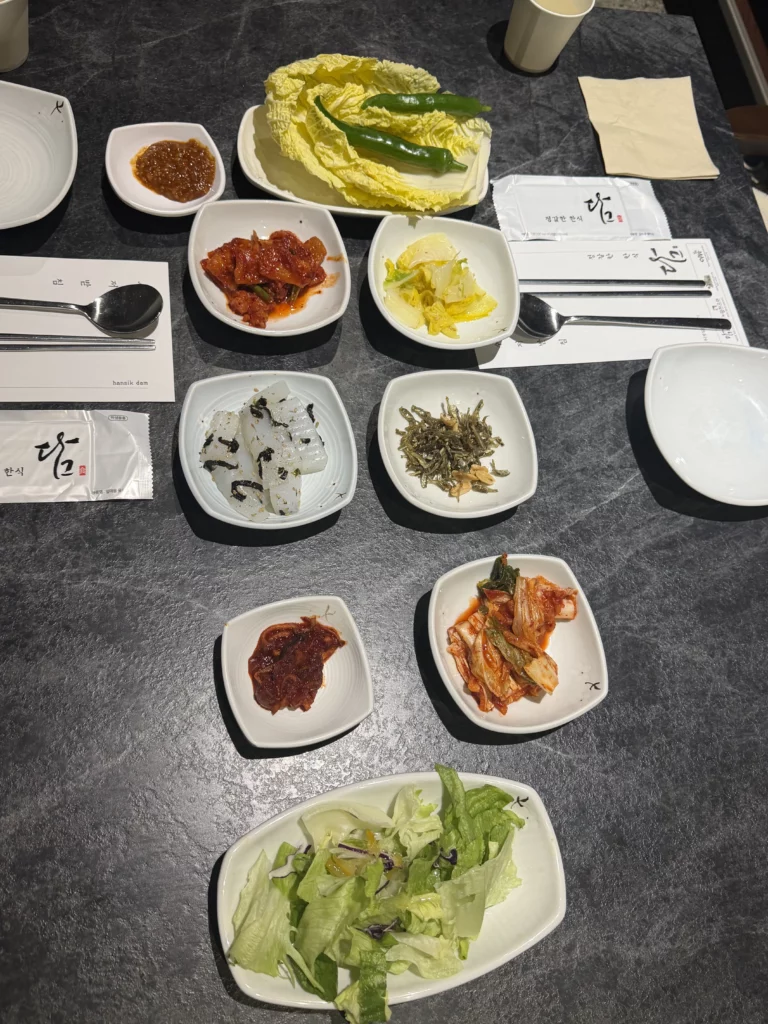
Supporting Cast of Banchan: The Hansangcharim shines through its diverse selection of banchan, the small side dishes that define Korean meals. Your table might feature:
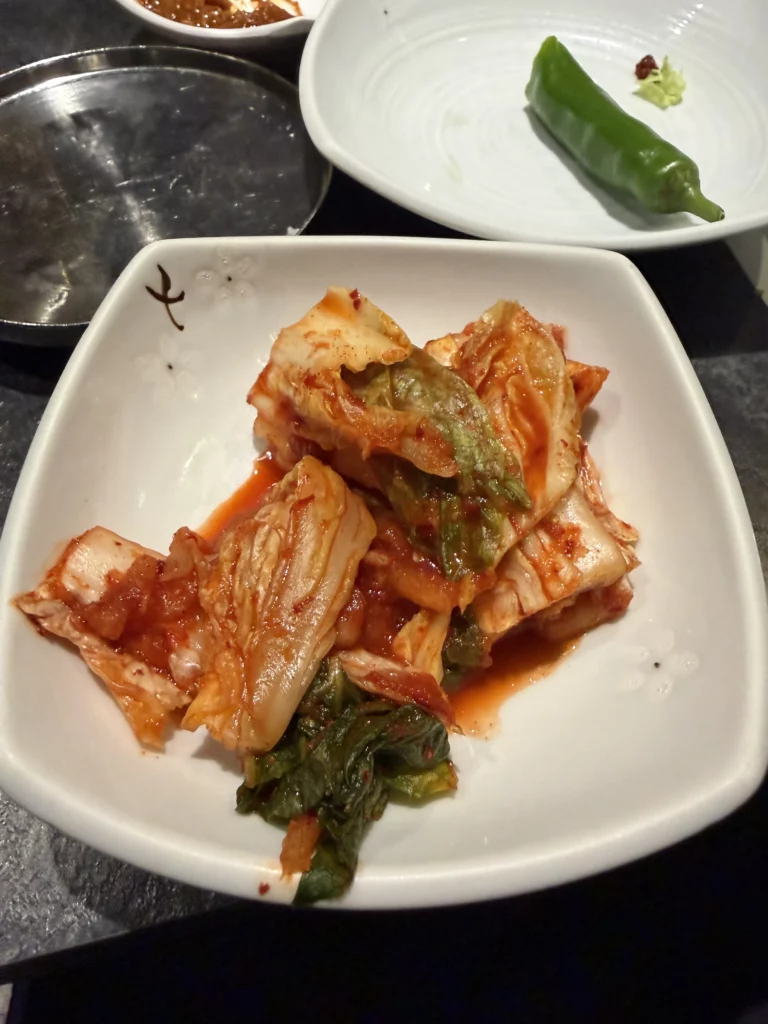
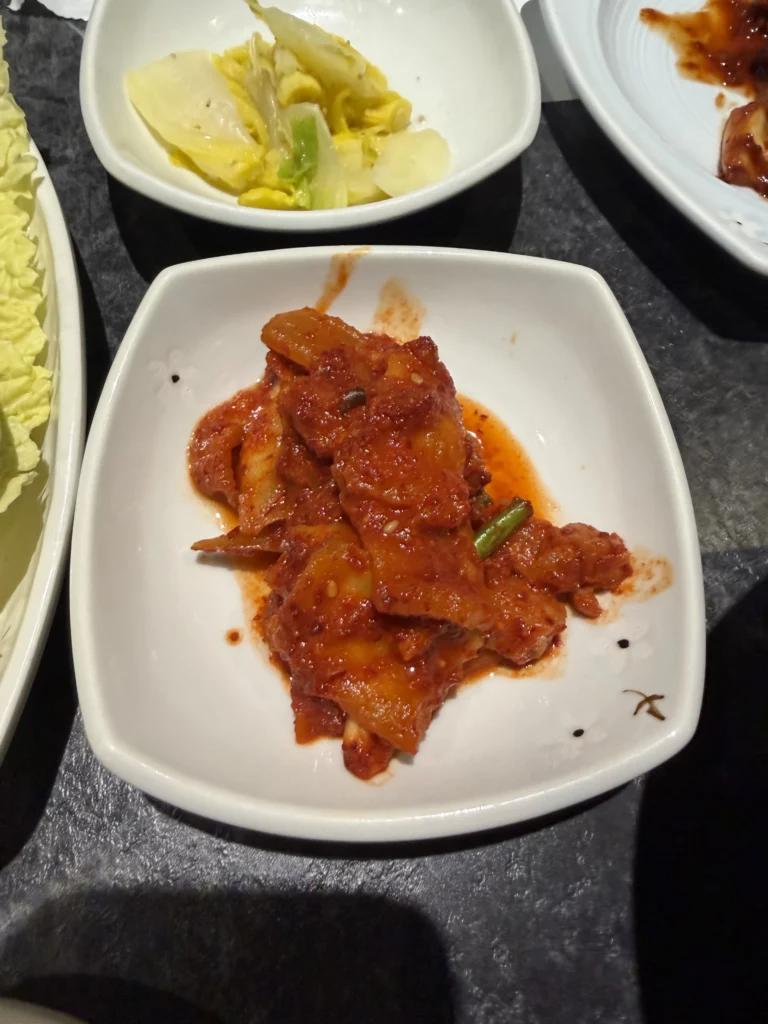
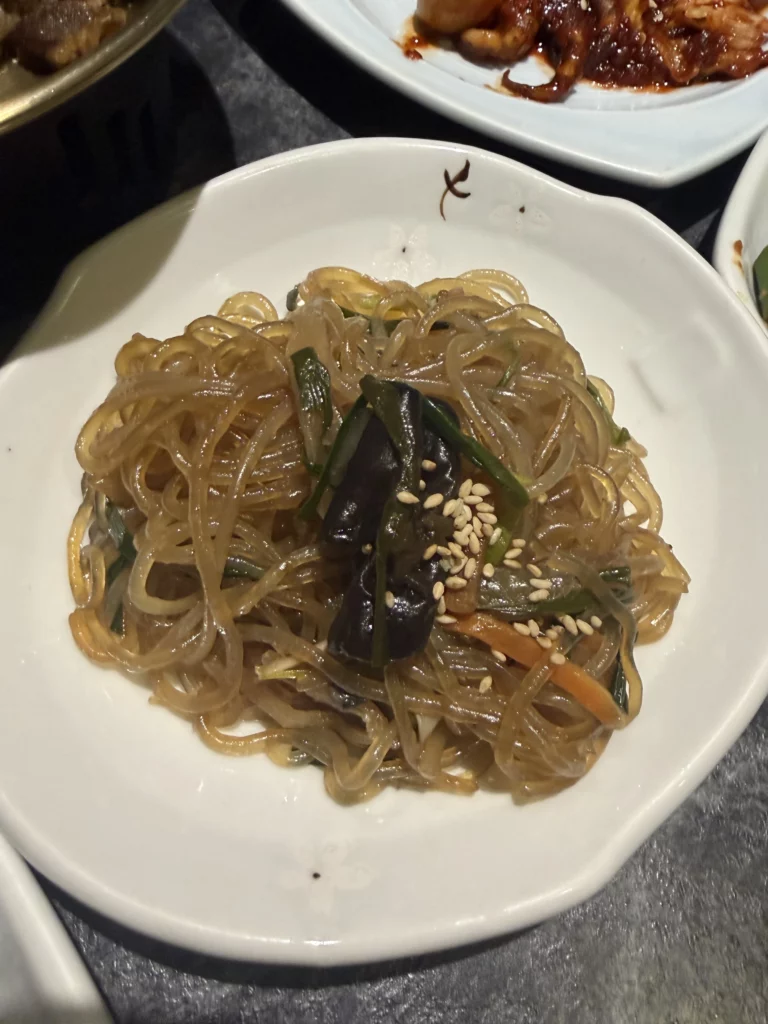
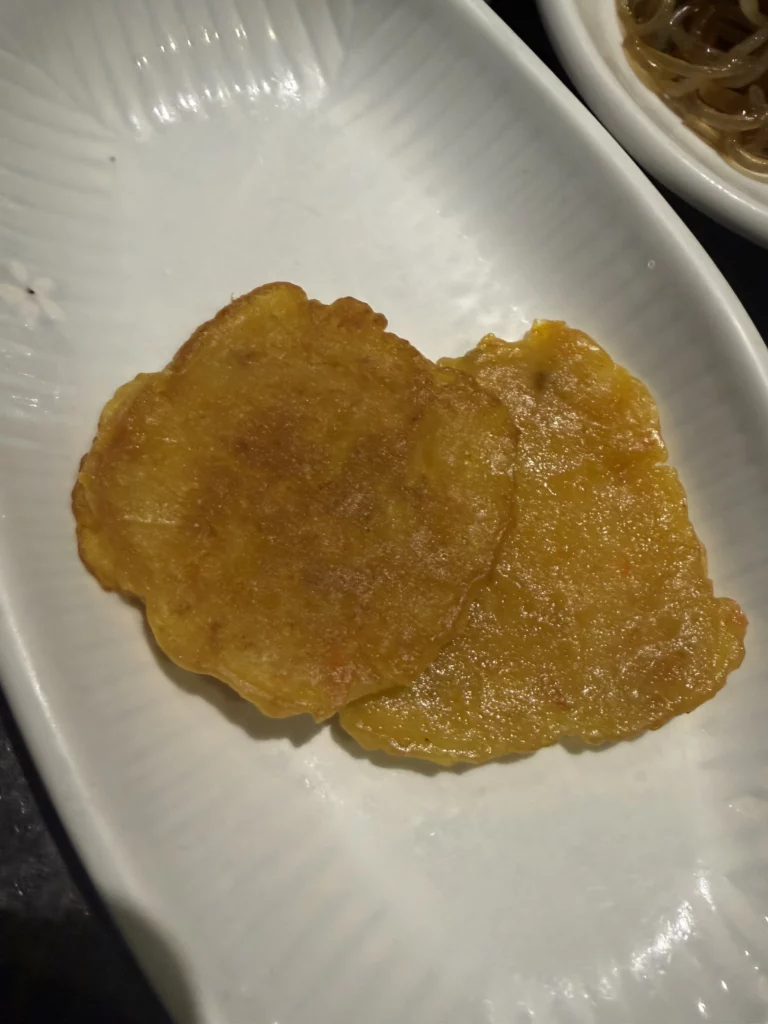
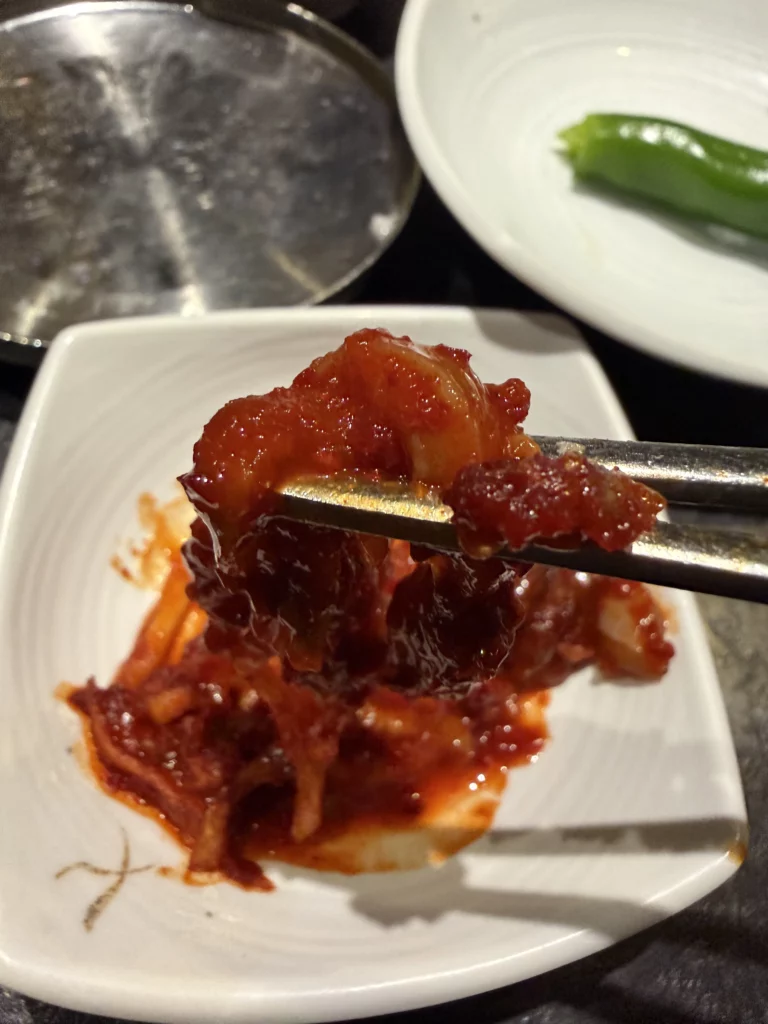
- Various kimchi varieties – from classic napa cabbage to refreshing radish versions
- Namul muchim (seasoned vegetable dishes) – blanched spinach, soybean sprouts, and seasonal greens dressed with sesame oil and garlic
- Japchae – the beloved glass noodle dish that often appears as a premium banchan
- Jeon (savory pancakes) – vegetable or seafood varieties adding textural variety
- Jorim (braised dishes) – typically featuring lotus root or potatoes in sweet-soy glazes
This abundance isn’t mere excess—it reflects Korean hospitality’s core principle that generosity in food demonstrates care for guests.
Understanding Korean Hanjeongsik: A Cultural Dining Tradition
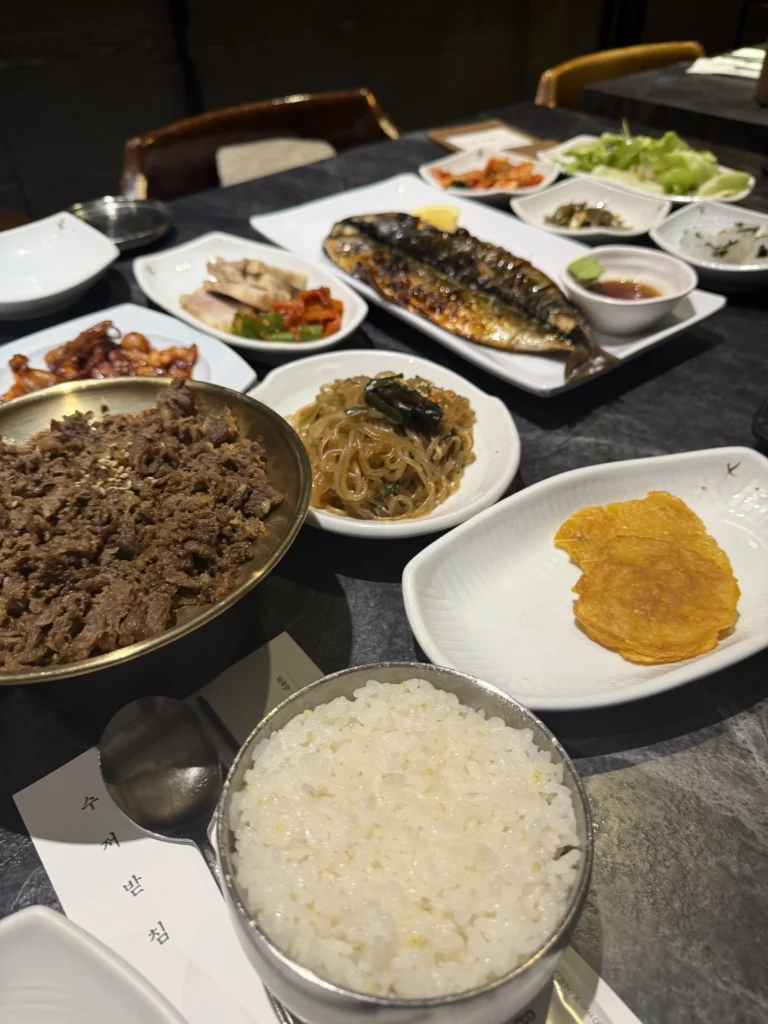
Hanjeongsik represents more than a meal format; it embodies Korean culinary philosophy developed over centuries. The tradition traces its roots to royal court banquets of the Joseon Dynasty (1392-1897), where elaborate spreads demonstrated the kingdom’s prosperity and the chef’s mastery of seasonal ingredients.
The philosophy guiding hanjeongsik preparation follows Eumyang Ohaeng (음양 오행)—the principle of Yin-Yang and the Five Elements. This traditional Korean framework ensures each meal achieves harmony through:
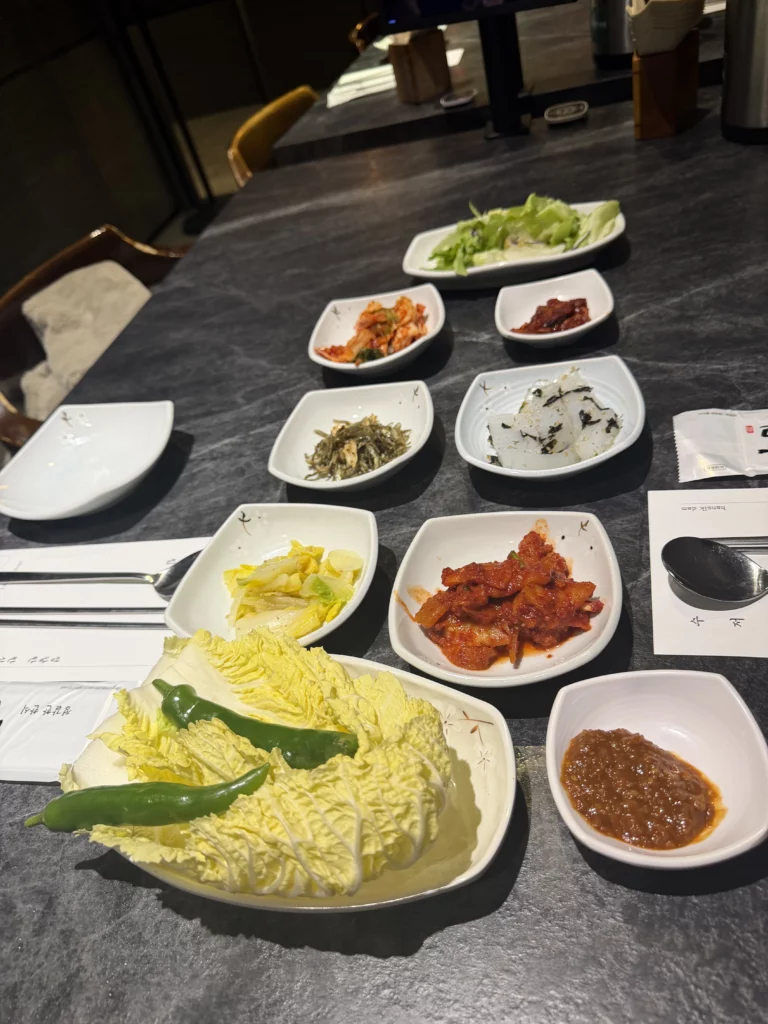
Five Colors: Red (gochugaru-spiced dishes), white (rice and radish), black (seaweed and mushrooms), green (vegetables), yellow (egg and squash)
Five Flavors: Sweet, salty, sour, bitter, and umami—each present in balanced proportions
Five Cooking Methods: Grilling, steaming, boiling, fermenting, and raw preparations
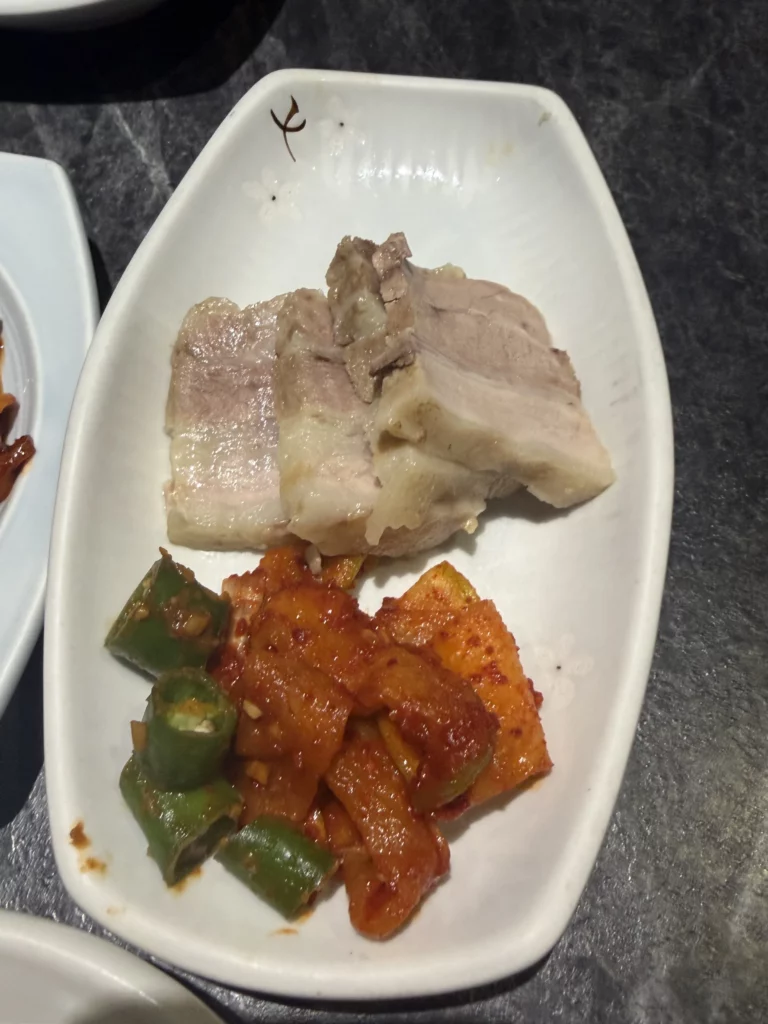
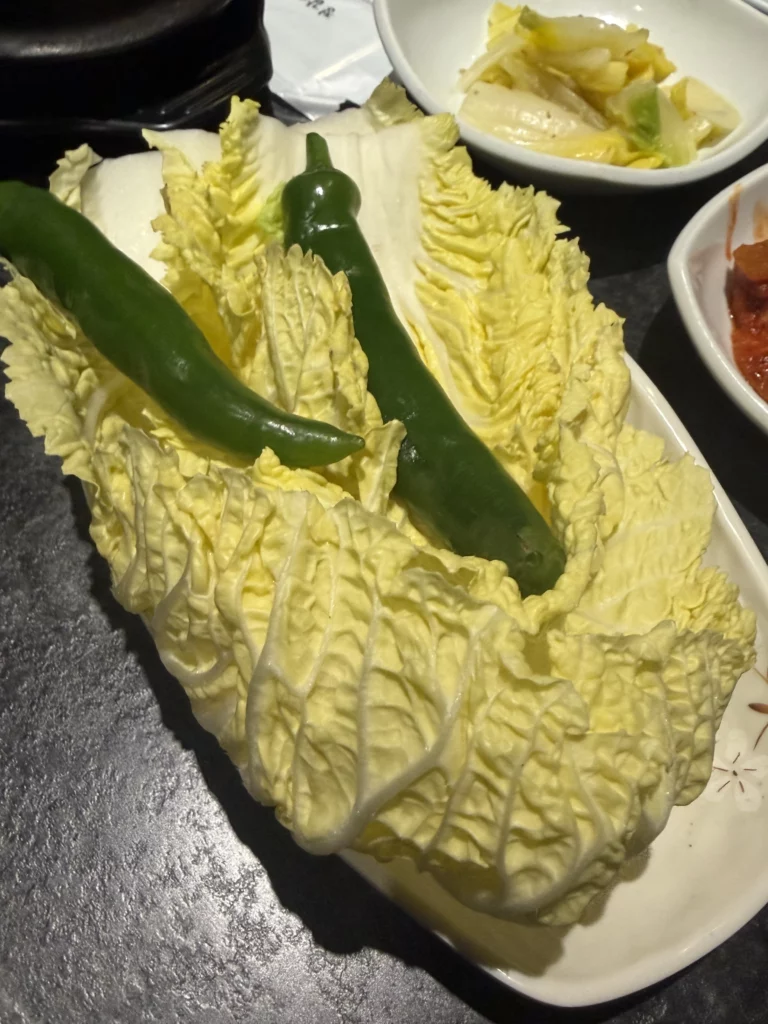
This careful orchestration creates meals that satisfy nutritionally while delighting aesthetically. The World Health Organization has recognized hansik (Korean food) as a model of nutritional balance, noting how traditional Korean meals prevent obesity and support overall wellness.
Seoul Arts Center: Where Culture and Cuisine Converge
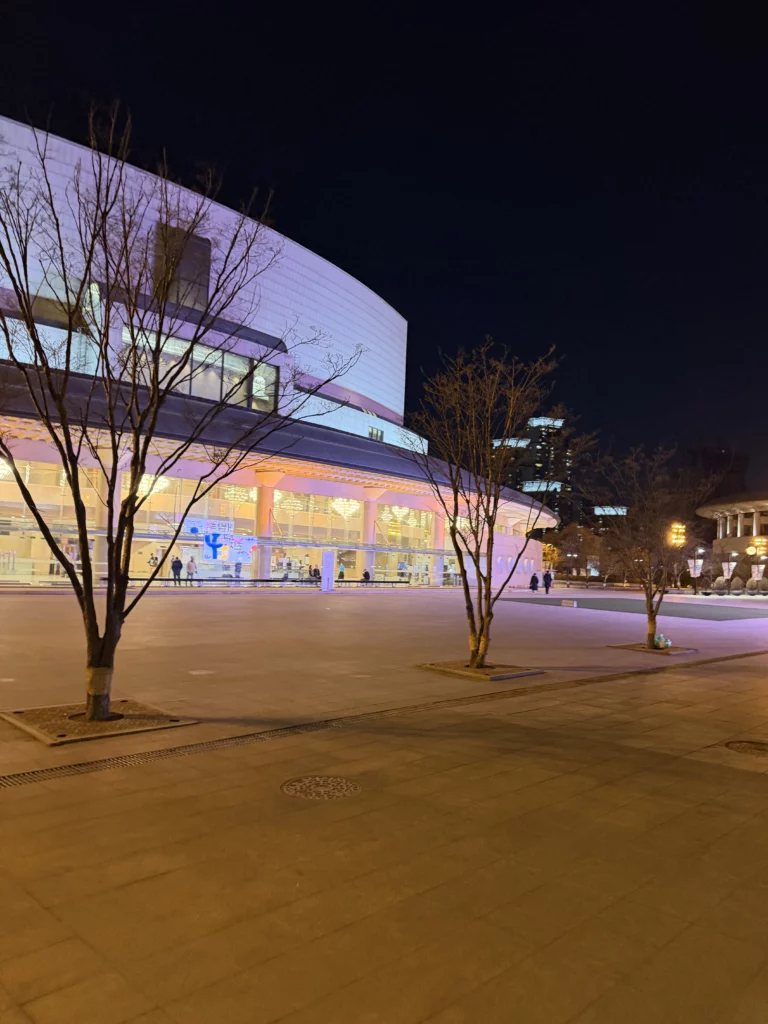
Understanding Dam’s setting enhances appreciation for the dining experience. Seoul Arts Center (예술의전당), established in 1988, stands as Korea’s premier cultural complex and one of the world’s ten leading arts centers. The sprawling facility encompasses:
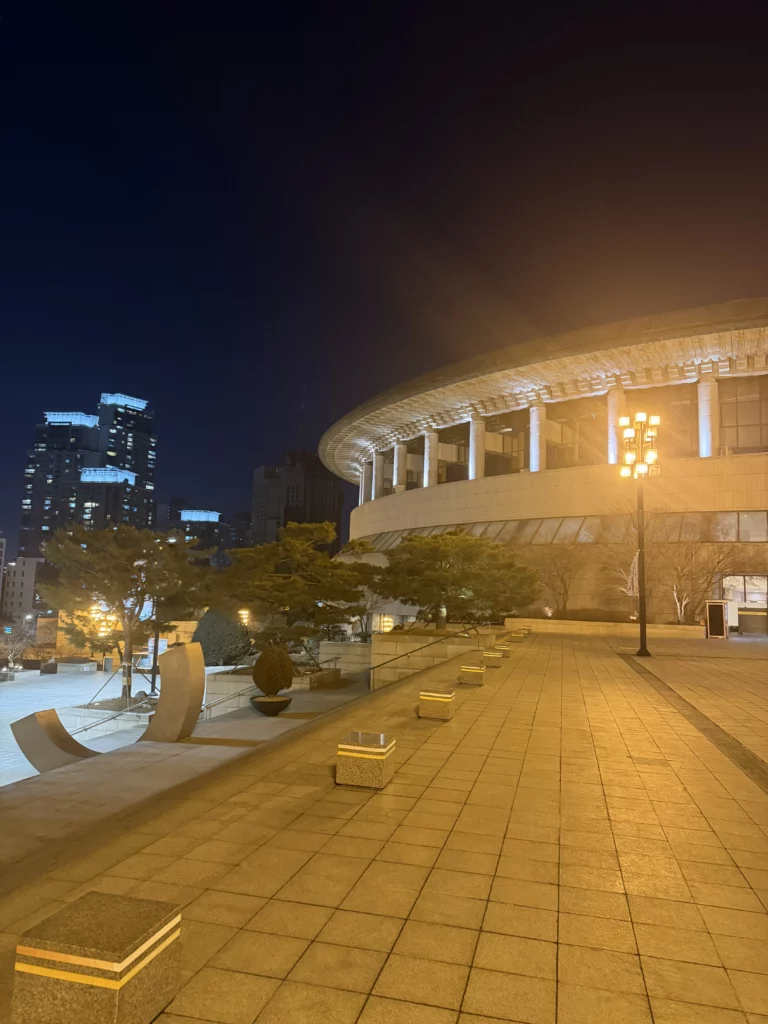
- Opera House with three performance halls
- Concert Hall featuring a 2,523-seat main auditorium
- Hangaram Art Museum showcasing contemporary exhibitions
- Seoul Calligraphy Art Museum (home to Dam restaurant)
- Outdoor performance spaces and sculpture gardens
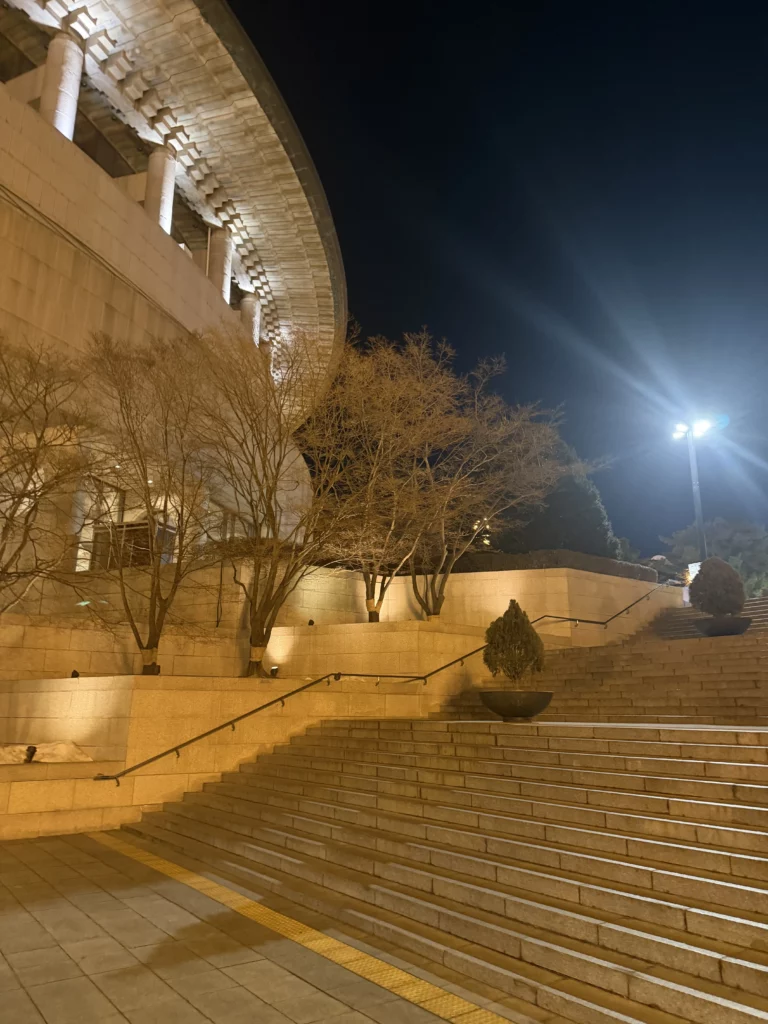
The center’s location in Seocho-gu, at the foot of Mt. Umyeon, provides a tranquil setting removed from Seoul’s urban intensity. The signature Opera House, designed to resemble a traditional Korean gat (bamboo hat), demonstrates how the complex honors Korean heritage while embracing international artistic standards.
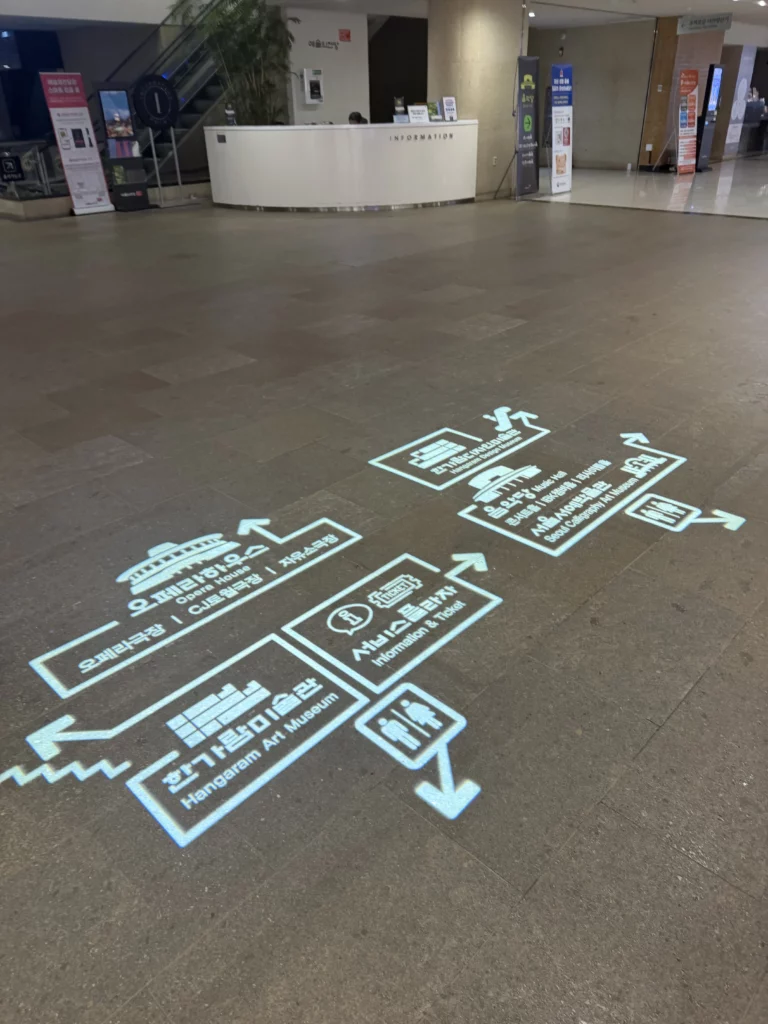
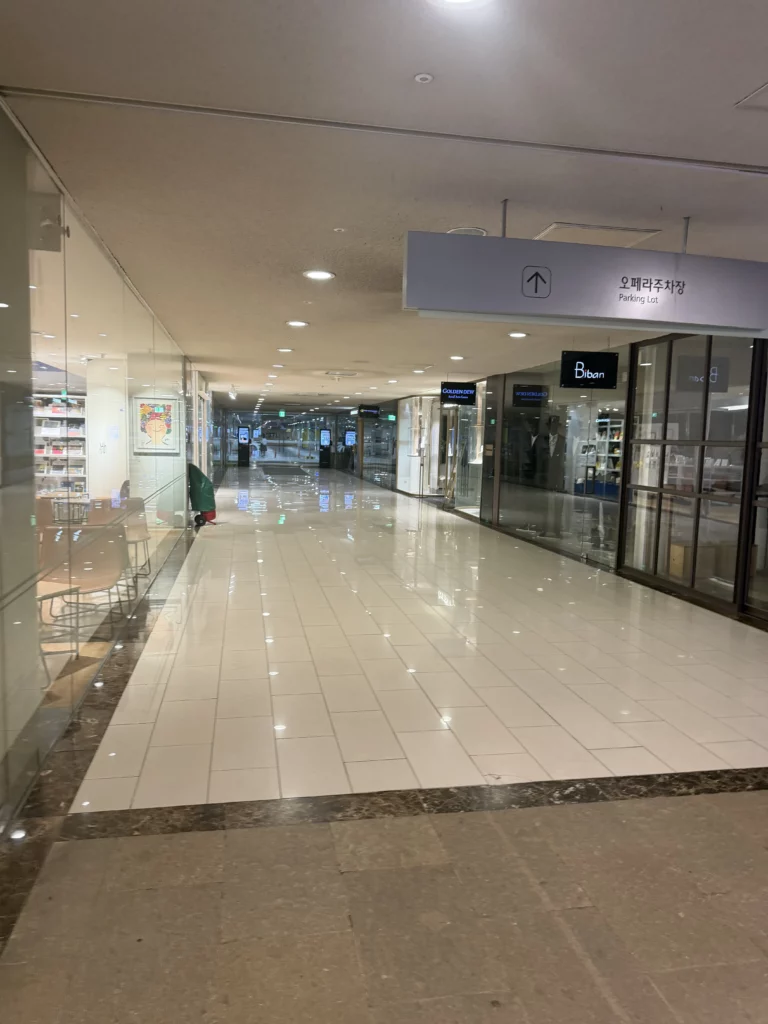
For visitors planning a cultural day, Dam offers the perfect midpoint—refined Korean cuisine that complements rather than overwhelms an afternoon of artistic exploration. The restaurant’s terrace provides pleasant outdoor seating during favorable weather, allowing diners to enjoy their meal while soaking in the Arts Center’s architectural beauty.
What Makes Hanjeongsik Uniquely Korean?
Several distinctive elements set hanjeongsik apart from elaborate multi-course meals in other culinary traditions:
Communal Sharing Philosophy: Unlike Western fine dining where each diner receives individual portions, hanjeongsik places all dishes in the center for sharing. This arrangement reflects Korean culture’s emphasis on community and collective experience over individualism.
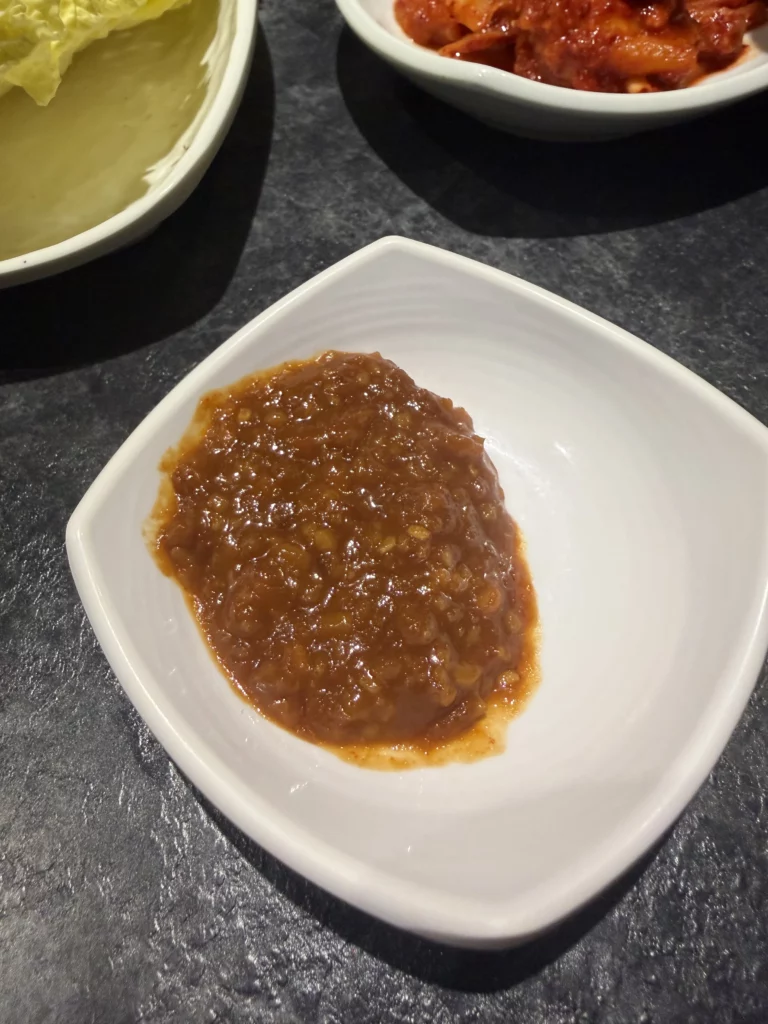
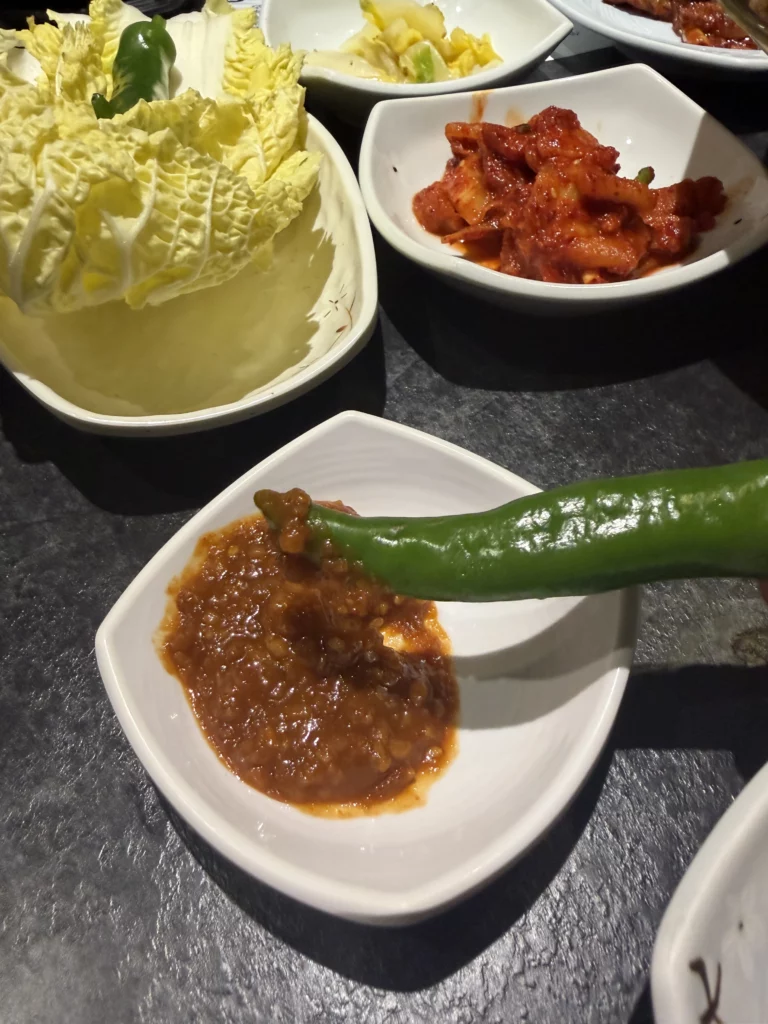
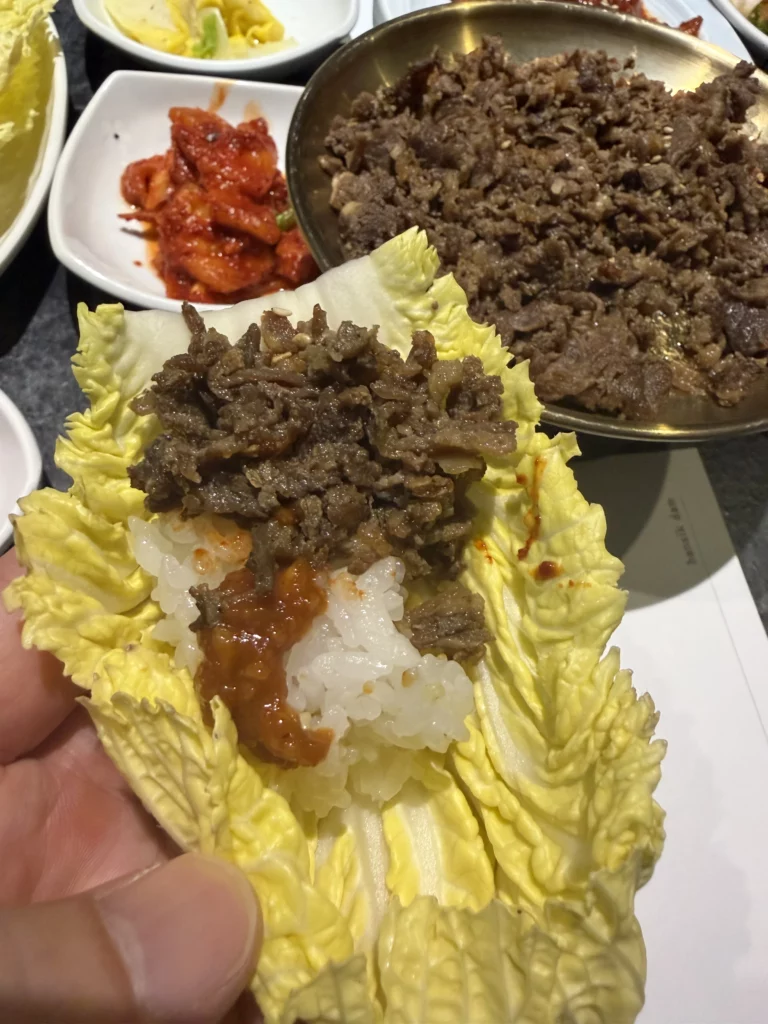
Fermentation as Foundation: Korean fermented foods—including kimchi, doenjang (soybean paste), and ganjang (soy sauce)—provide the flavor backbone. These ingredients represent centuries of preservation wisdom, creating complex umami depth impossible to replicate through simple seasoning.
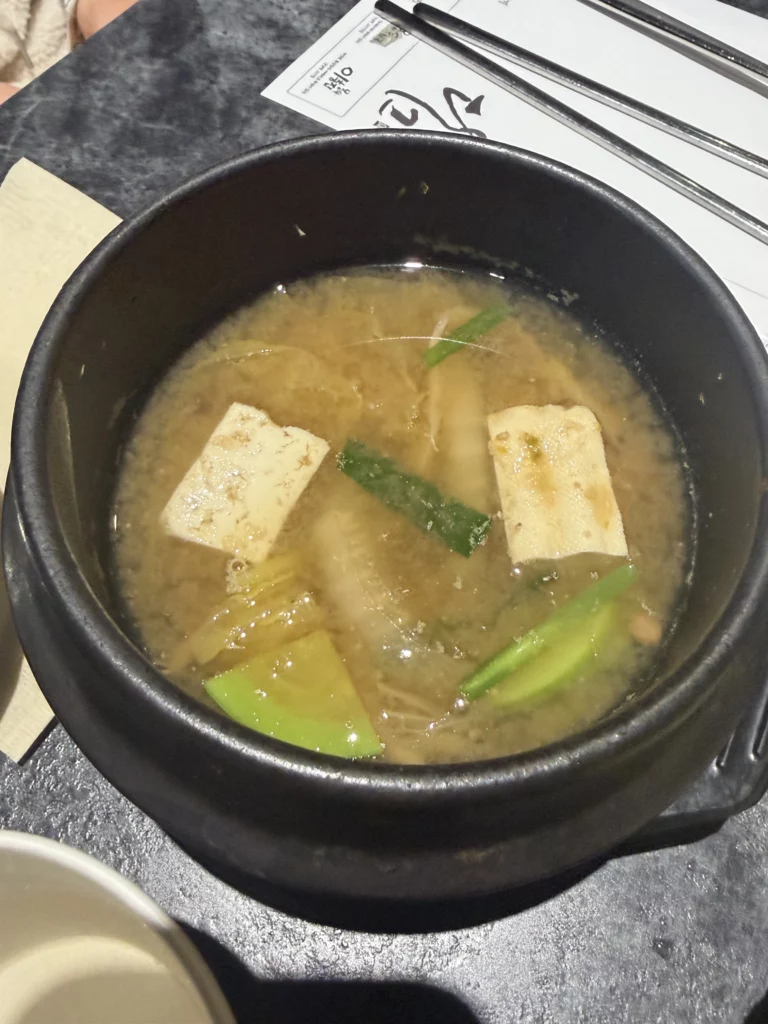
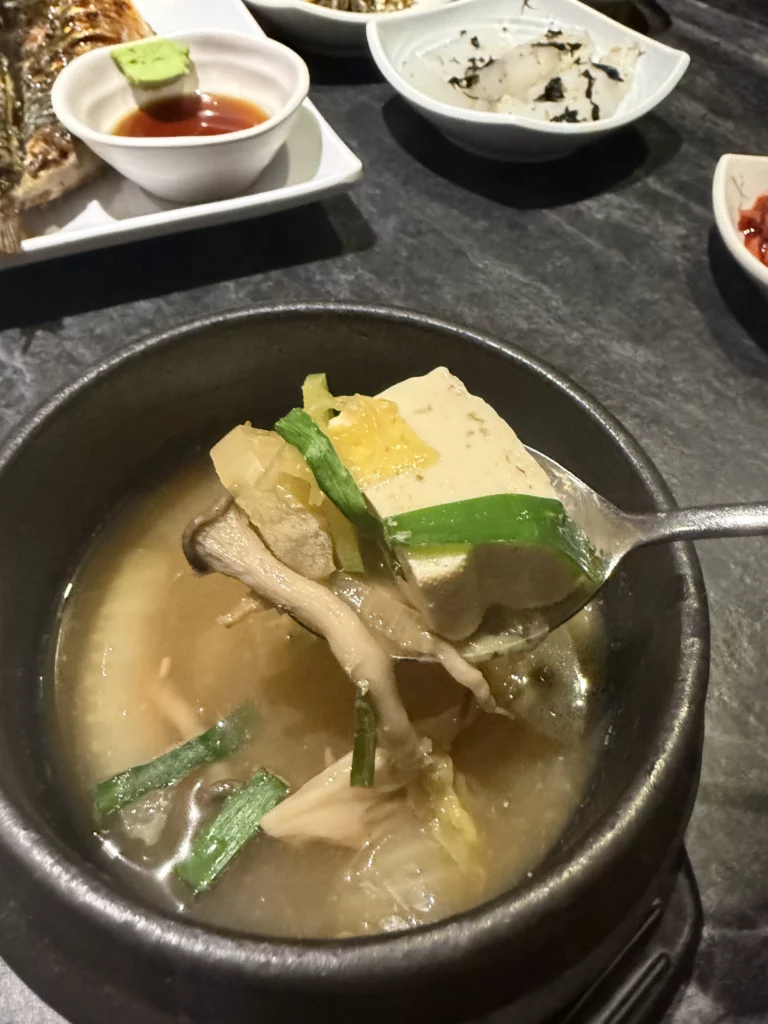
Seasonal Consciousness: Traditional hanjeongsik changes with Korea’s distinct four seasons. Spring brings tender shoots and mountain vegetables, summer offers refreshing cold dishes, autumn features hearty grains and mushrooms, while winter showcases preserved and fermented preparations.
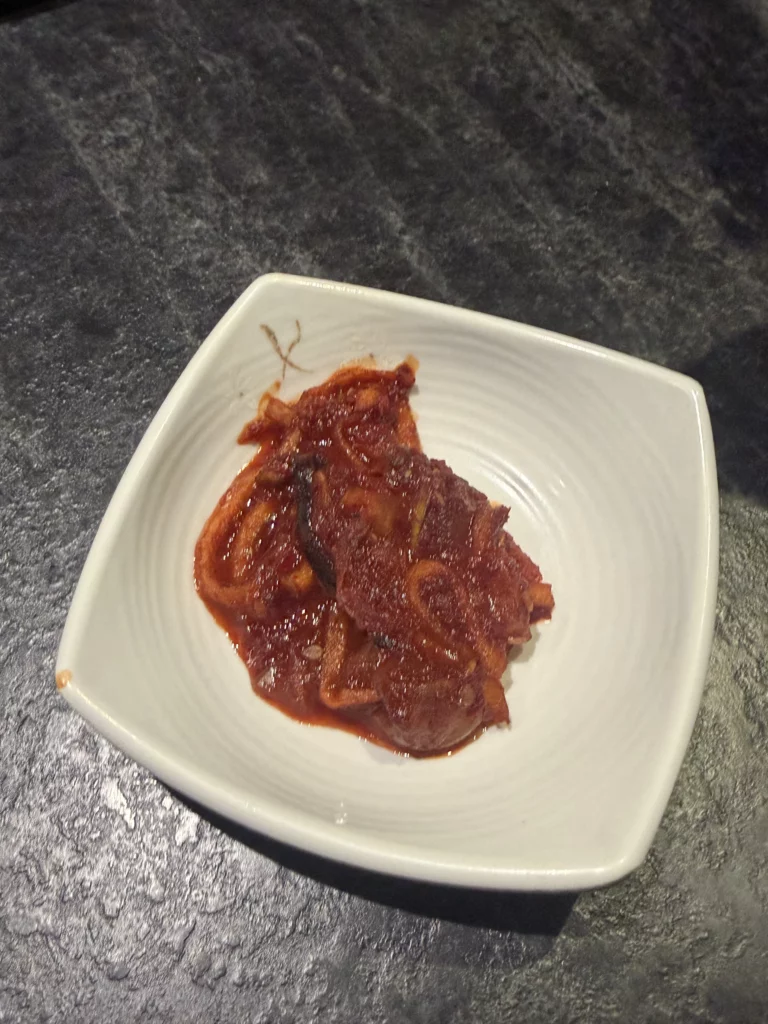
Balance Over Indulgence: Despite the abundance, hanjeongsik emphasizes lightness and digestibility. The variety ensures nutritional completeness while preventing the heaviness often associated with Western multi-course meals.
What Are the Key Ingredients That Create These Flavors?
Three fundamental ingredients define hanjeongsik’s distinctive character:
1. Gochugaru (고춧가루) – Korean Red Pepper Flakes This coarse, vibrant red powder provides hanjeongsik’s characteristic gentle heat and fruity undertones. Unlike cayenne or other chili products, gochugaru offers sweet, smoky notes with moderate spiciness. The fermentation-friendly properties of Korean chili peppers make them essential for kimchi production, while their vitamin C content supports immune function. Find it at any Korean grocery store, or substitute with a mix of paprika and cayenne for approximation (though the flavor won’t match authentically).
2. Gochujang (고추장) – Fermented Chili Paste This thick, savory-sweet-spicy paste represents Korea’s fermentation mastery. Made from fermented soybeans, glutinous rice, chili powder, and salt, gochujang undergoes months of aging that develops complex umami while creating beneficial probiotics. The paste provides depth to sauces and marinades without overwhelming heat. Its fermentation creates bioactive compounds with documented health benefits, including anti-inflammatory properties. Available at Asian markets and increasingly at mainstream supermarkets in Korean or Asian food sections.
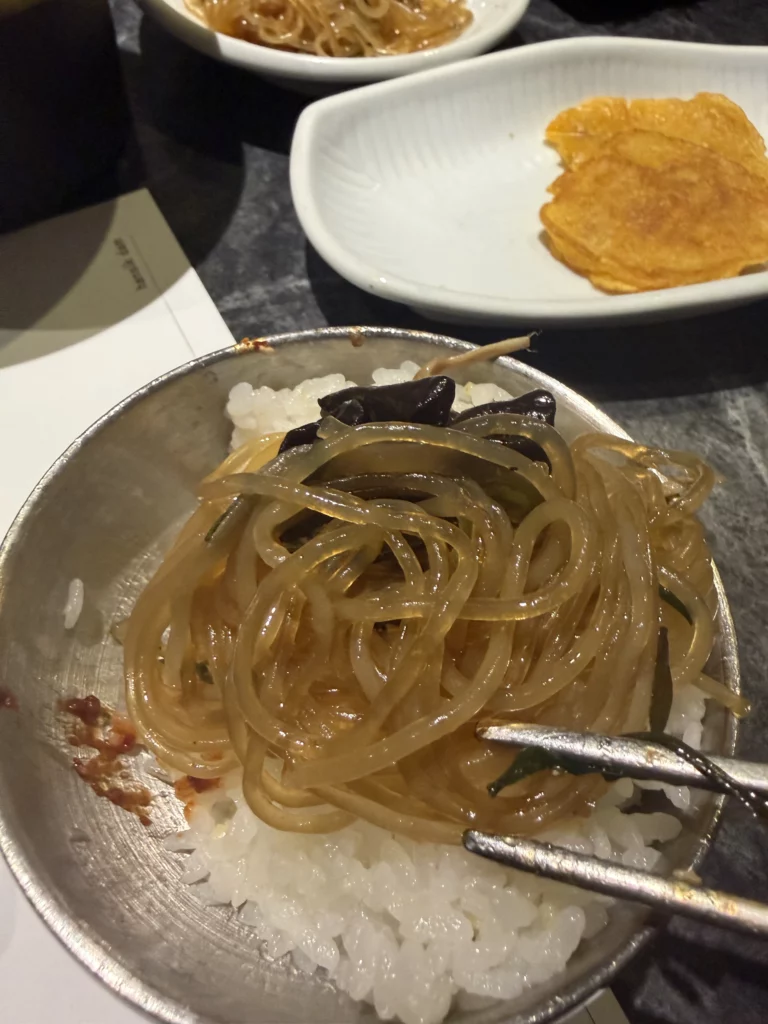
3. Chamgireum (참기름) – Toasted Sesame Oil The nutty, aromatic finishing oil that appears in nearly every banchan. Korean sesame oil’s distinct toasted quality (versus Chinese versions) comes from roasting sesame seeds before pressing. This creates a more pronounced nutty flavor and amber color. Just a few drops transform simple vegetables into flavorful side dishes. Sesame oil provides healthy fats and vitamin E while adding signature Korean aroma. Purchase from Korean markets for best quality; avoid substituting with untoasted sesame oil as the flavor differs dramatically.
How Would You Describe the Taste and Spice Level?
Spice Level: 3-5 out of 10 for most hanjeongsik components
Unlike the fiery reputation Korean food sometimes carries, traditional hanjeongsik maintains moderate spiciness that enhances rather than dominates. The heat builds gradually, allowing flavors to develop across the meal.
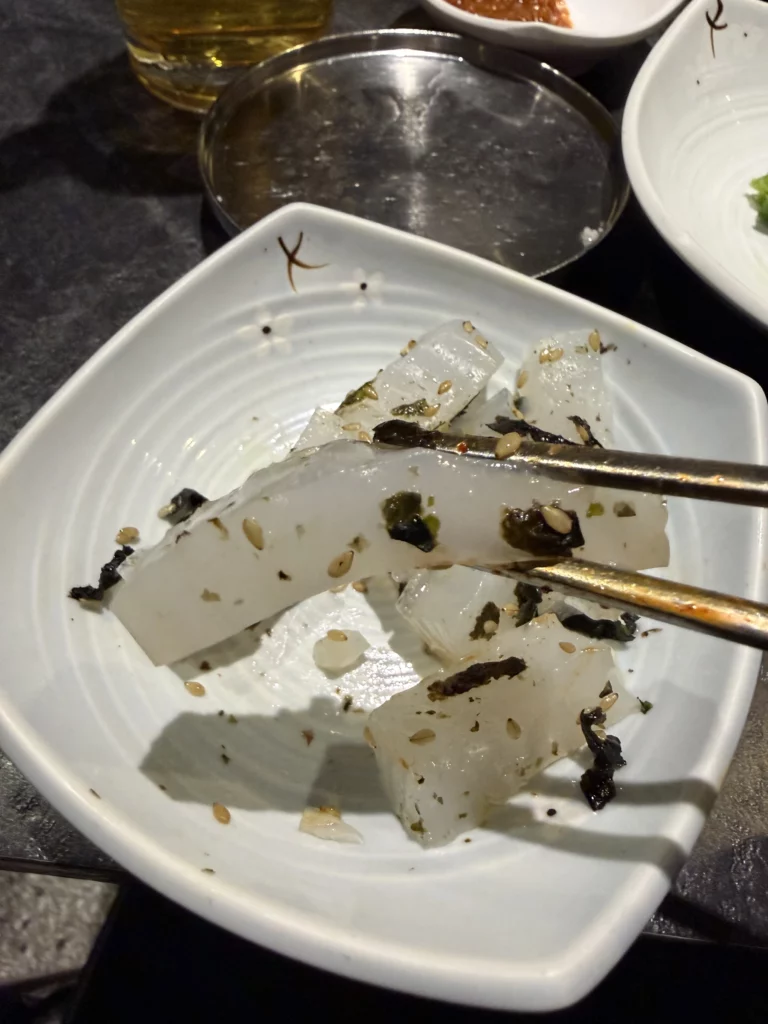
Primary Flavor Notes:
- Umami-forward savory depth from fermented pastes and soy sauce
- Gentle sweetness from natural vegetable sugars and minimal added sugar
- Bright acidity from fermented kimchi and pickled vegetables
- Nutty richness from sesame oil and toasted seeds
- Clean, refreshing finish rather than heavy, coating sensations
Textural Variety: Hanjeongsik excels in textural contrast—crisp raw vegetables alongside soft braised items, chewy glass noodles next to fluffy steamed egg, crunchy pickles contrasting tender proteins. This variety keeps the palate engaged throughout the extended meal.
Temperature Play: Expect both hot and cold elements served simultaneously—warm rice and soup alongside chilled cucumber kimchi, room-temperature namul beside sizzling proteins. This temperature variety reflects Korean dining philosophy that embraces contrast rather than uniformity.
What Should First-Time Eaters Know About Hanjeongsik?
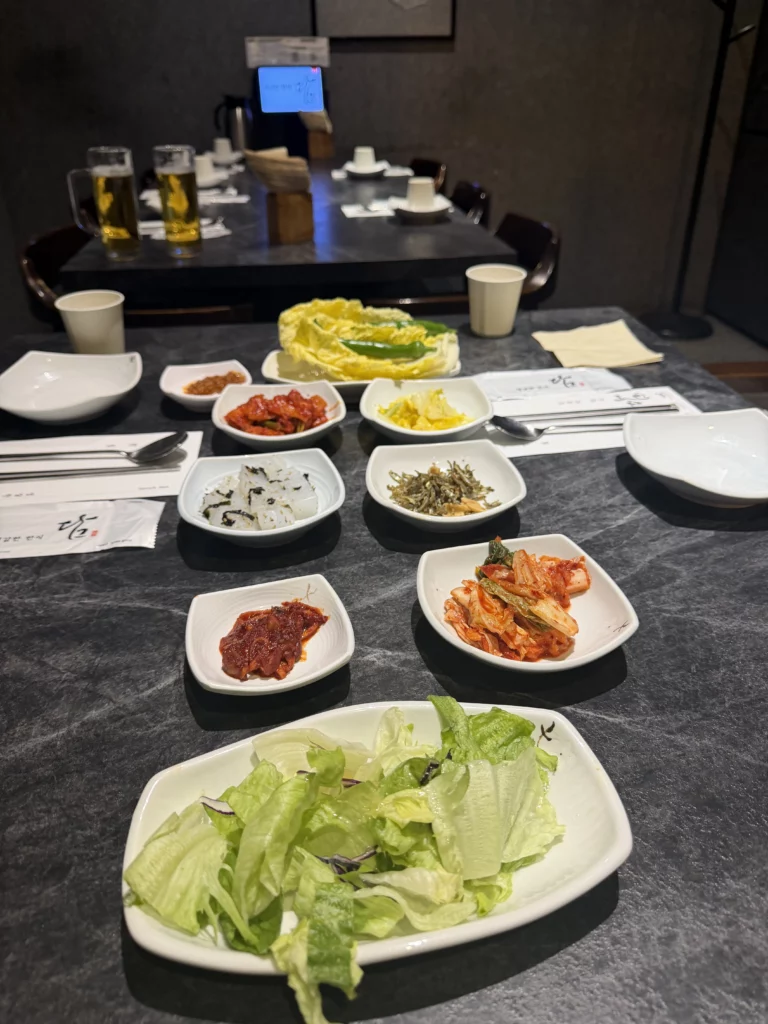
Eating Method and Etiquette:
Start with a spoonful of rice and soup to cleanse your palate. Then begin exploring banchan, taking small portions of different dishes to create flavor combinations. Don’t feel obligated to finish everything—the abundance is intentional, demonstrating hospitality rather than expectation.
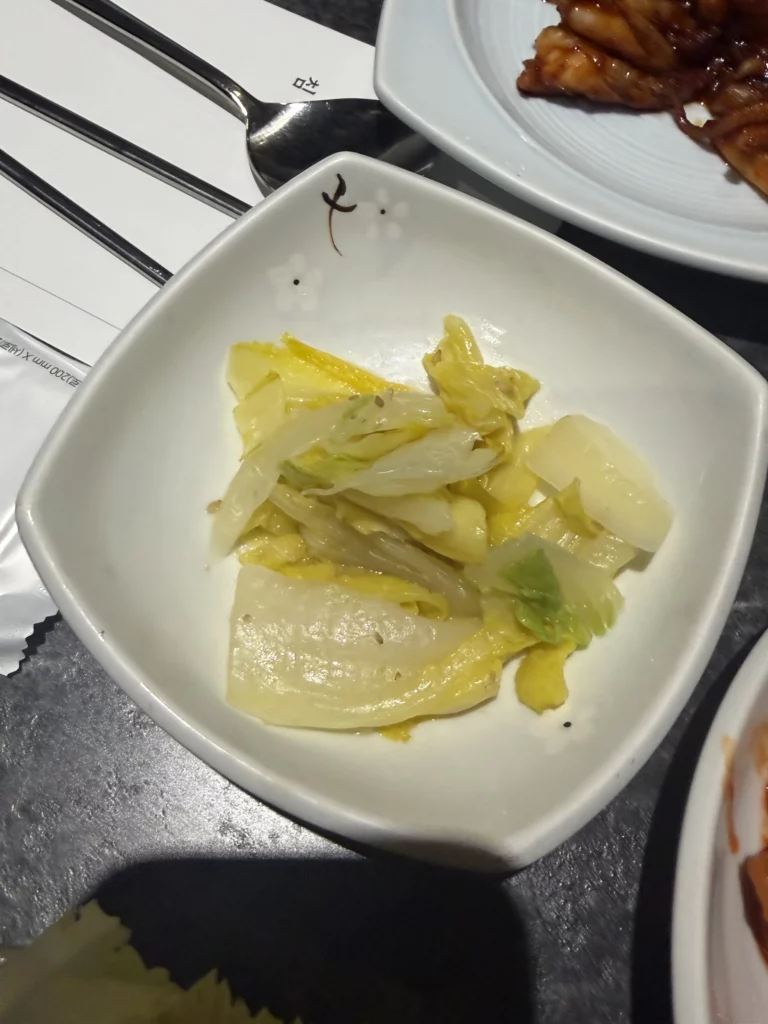
Proper Sequence: Unlike Western dining’s strict course progression, hanjeongsik offers flexibility. However, Koreans typically follow this gentle rhythm:
- Begin with lighter, refreshing items (kimchi, namul)
- Progress to richer dishes (grilled proteins, braised items)
- Continue alternating between rice/soup and banchan
- Conclude with remaining lighter elements
Cultural Considerations:
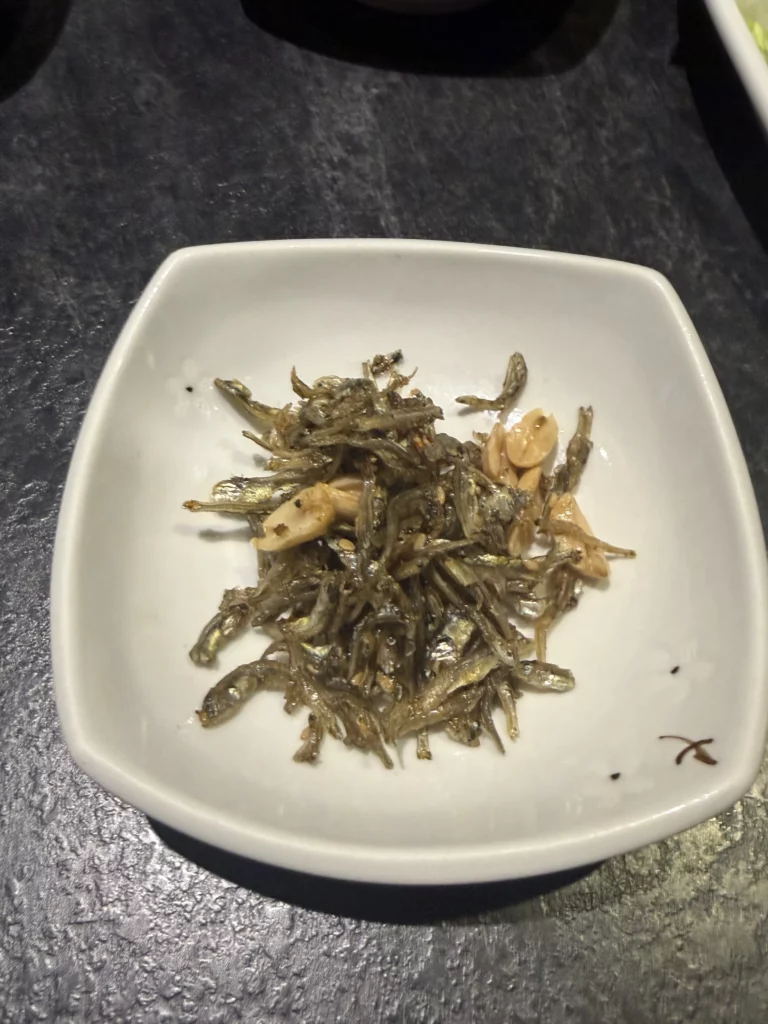
- Banchan refills are complimentary—don’t hesitate to request more of your favorites
- Use your spoon for rice and soup, chopsticks for banchan
- It’s acceptable to share directly from communal banchan dishes
- Pace yourself—hanjeongsik is meant for leisurely enjoyment, not rushed consumption
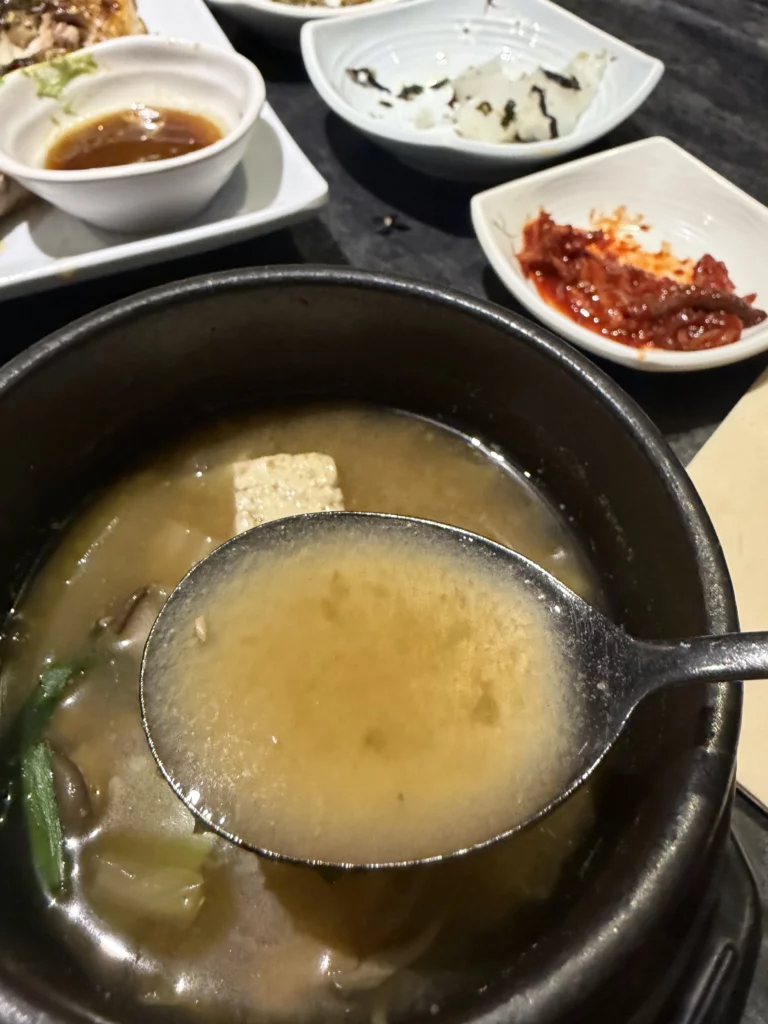
First Taste Expectations: Initially, the sheer variety might feel overwhelming. Focus on experiencing individual flavors before attempting complex combinations. Notice how fermented elements (kimchi, doenjang soup) provide tangy counterpoints to richer items, how sesame oil’s nuttiness threads through multiple dishes, how rice acts as a neutral canvas allowing banchan flavors to shine.
Planning Your Visit to Dam Restaurant
Location and Access: Dam Restaurant Seoul Calligraphy Art Museum, 1st Floor Seoul Arts Center 700 Seocho-dong, Seocho-gu, Seoul 06757 Korea
Getting There:
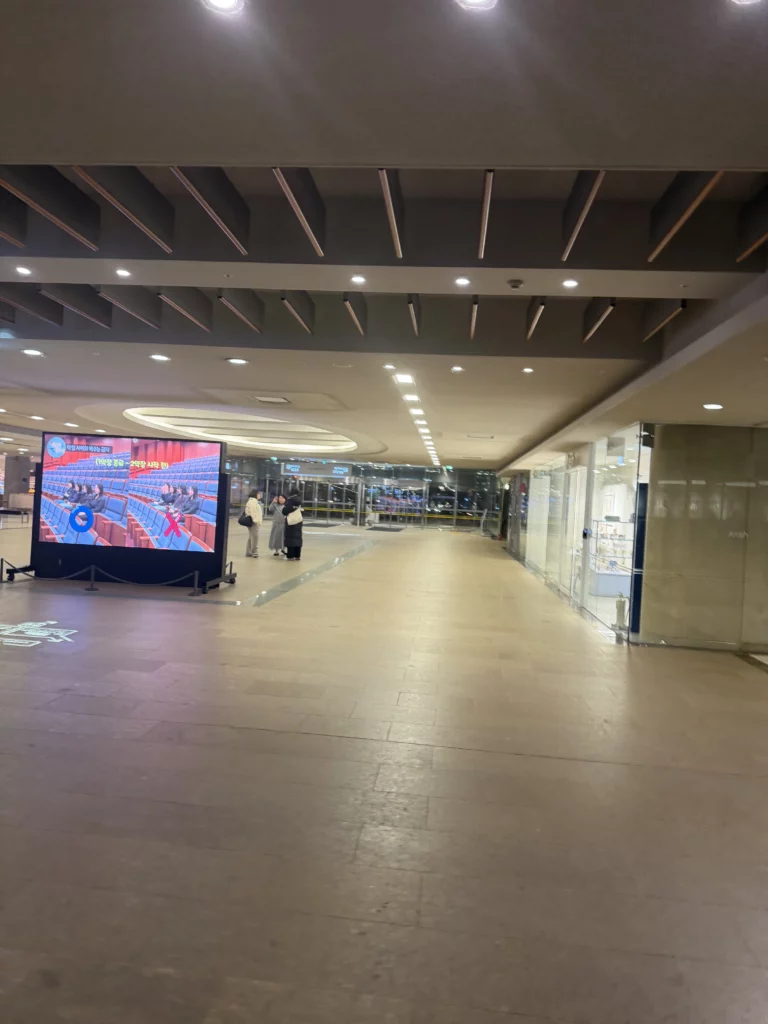
- Subway: Nambu Bus Terminal Station (Line 3), Exit 5 → 10-minute walk
- Bus: Multiple routes serve Seoul Arts Center
- Taxi: Request "Seoul Arts Center" (예술의전당) or "Seoul Calligraphy Museum"
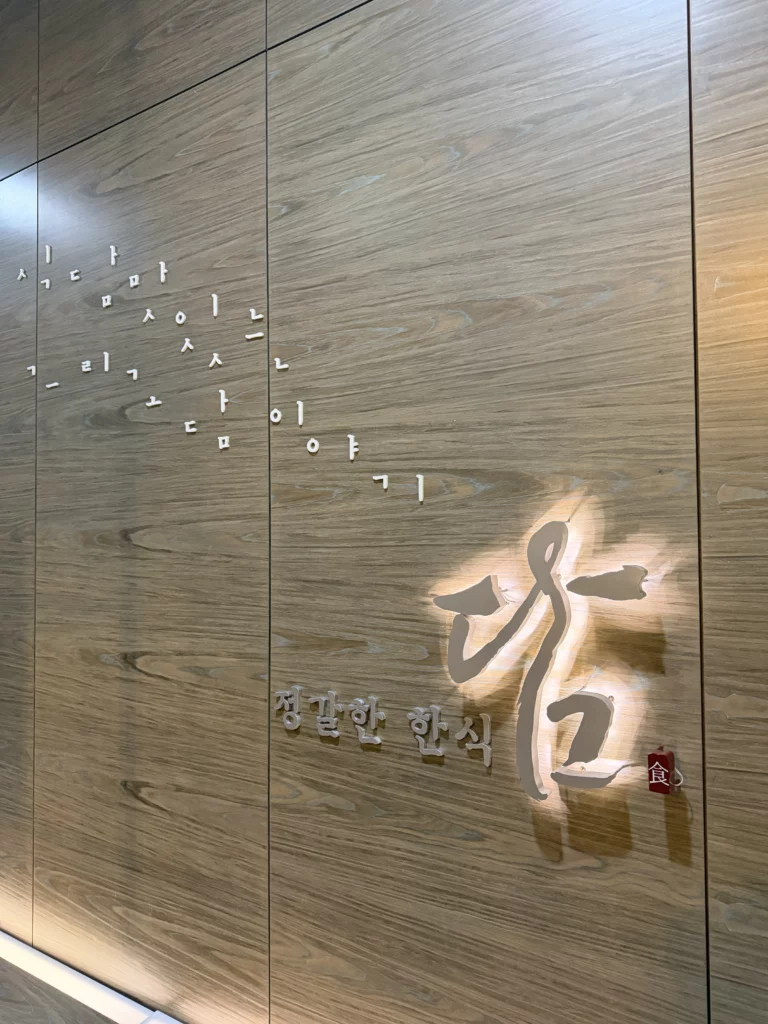
Timing Your Visit: Consider combining your Dam dining experience with Seoul Arts Center activities:
- Before evening performances (arrive by 5:30 PM for leisurely dining)
- After morning museum visits (lunch service typically 11:30 AM – 2:30 PM)
- Weekend cultural outings when the Arts Center hosts multiple exhibitions
What to Expect:
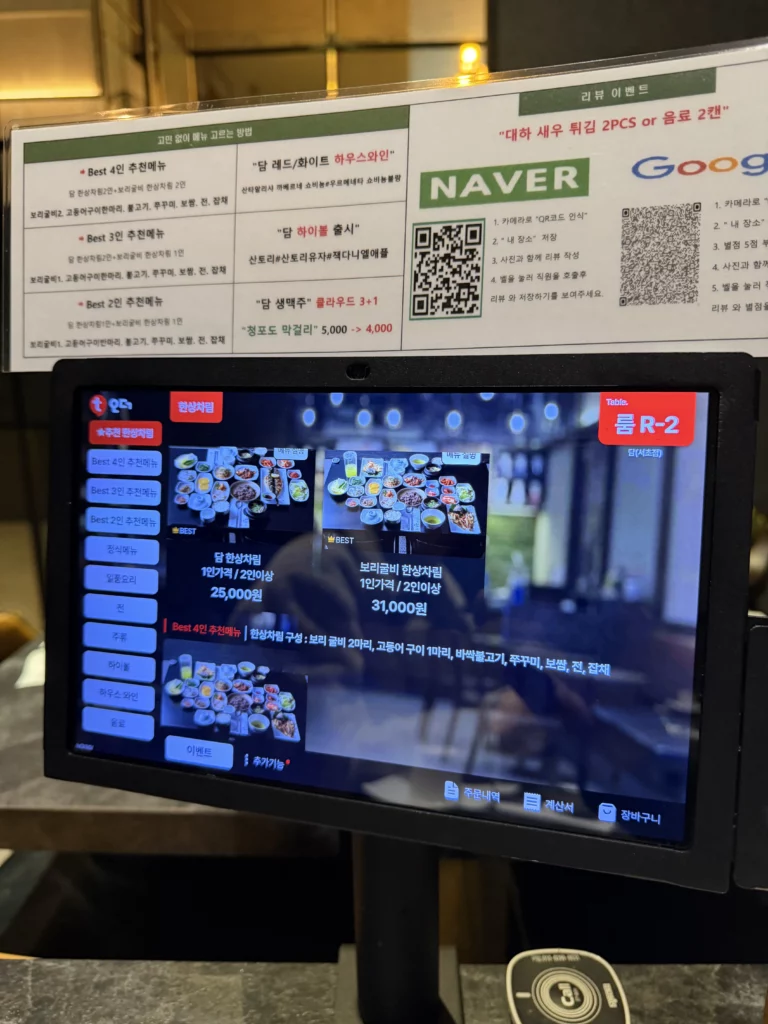
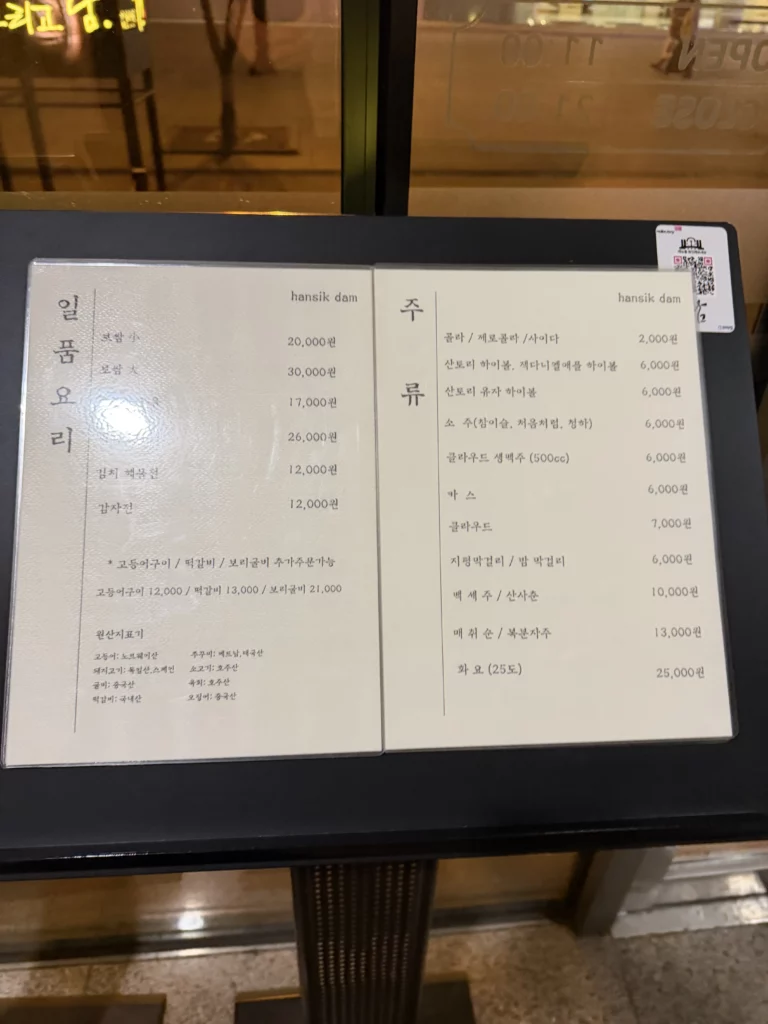
- Price Range: ₩15,000-₩35,000 per person for hansangcharim sets
- Atmosphere: Refined yet approachable, with Korean traditional aesthetics
- Service: Attentive staff familiar with explaining dishes to international guests
- Reservations: Recommended during performance seasons and weekends
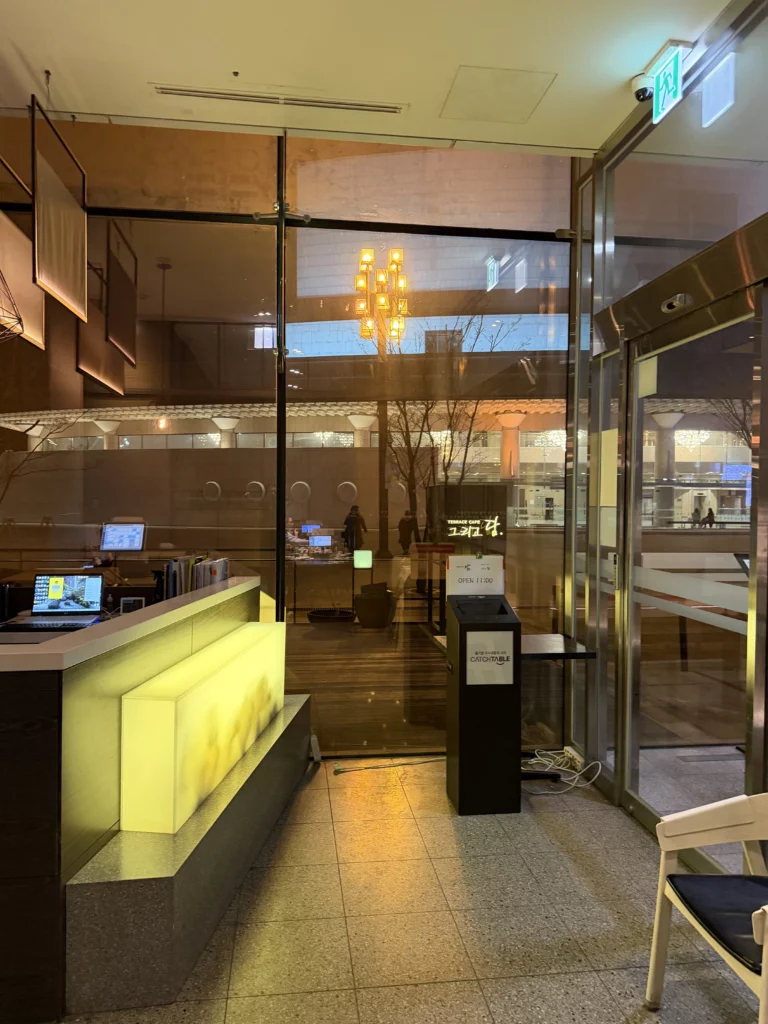
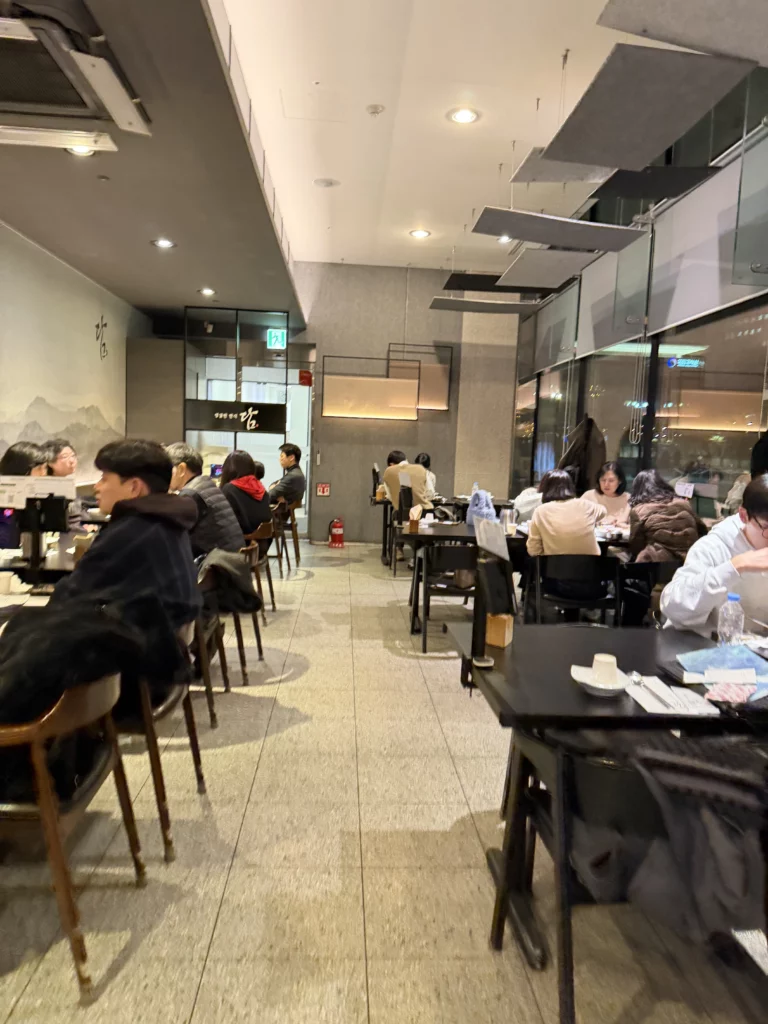
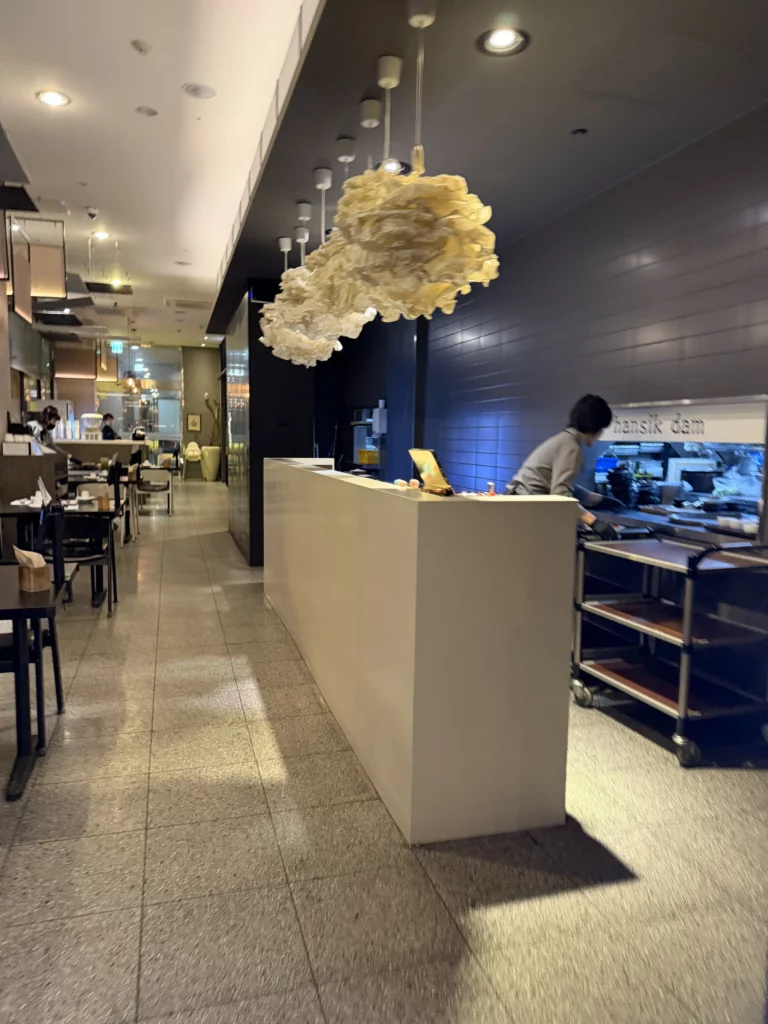
The restaurant’s post-meal coffee service deserves mention—reasonably priced takeaway coffee allows you to continue your Arts Center exploration while savoring Dam’s pleasant terrace when weather permits.
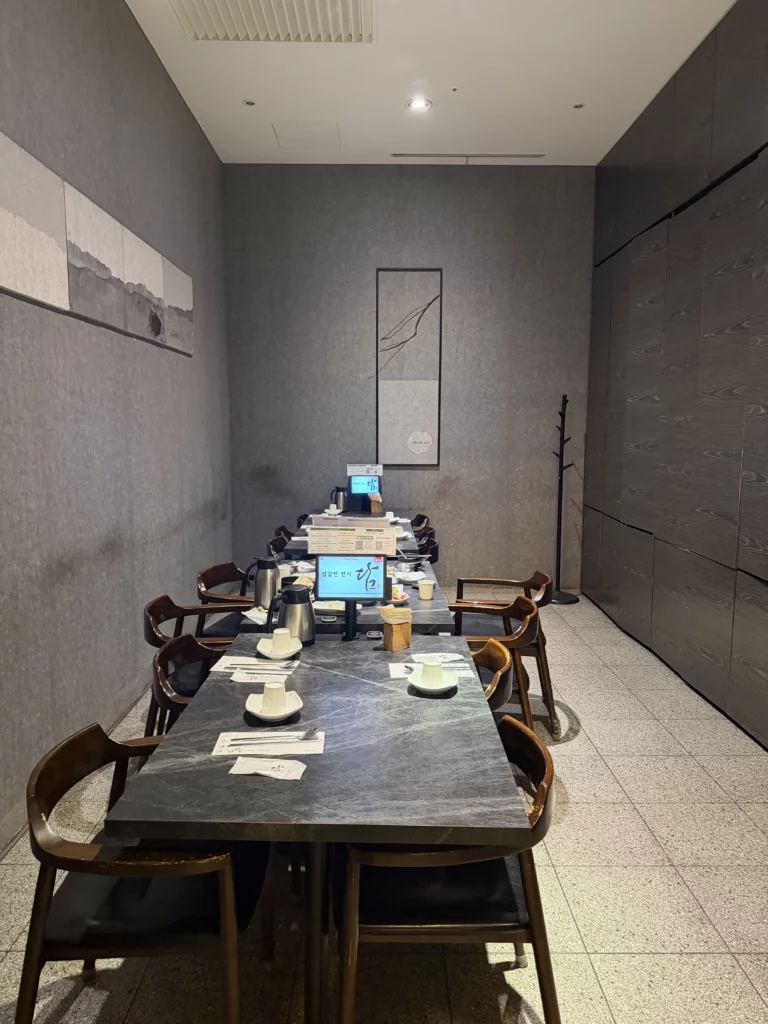
Experience the artistry of Korean royal court dining at Dam, where centuries of culinary tradition meet contemporary Seoul elegance. Whether you’re a longtime Korean food enthusiast or a curious first-timer, Dam’s hansangcharim offers an authentic window into Korea’s sophisticated food culture. Located within Seoul’s premier cultural destination, this refined restaurant transforms traditional hanjeongsik into an accessible, memorable experience that honors both heritage and hospitality.
Location
700 Seocho-dong, Seocho-gu, Seoul, Republic of Korea, KR
Reviews
5.0
0 reviews
5
0%
4
0%
3
0%
2
0%
1
0%
Loading reviews...
Related Recipes

Meat & Poultry
Ttukbaegi Bulgogi (Korean Sizzling Beef Stew in a Hot Stone Pot)
There’s a particular kind of comfort in lifting the lid off a bubbling ttukbaegi bulgogi . Steam curls upward, the...

Meat & Poultry
Korean Spicy Pork (Jeyuk Bokkeum)
If you have ever stood in front of a sizzling Korean BBQ pan in Seoul, watching deep-red pork edges caramelize...

Side dish
Samsaek-namul (Three-Color Seasoned Vegetables)
Samsaek namul (삼색나물) is Korea’s iconic trio of three-color vegetable side dishes — blanched spinach (green), seasoned bellflower root (white),...
Related Ingredients

Ingredient
Udoonsal : Korea’s Leanest Beef Cut for Yukhoe
If there is one Korean beef cut that professional butchers and seasoned home cooks quietly revere above all others, it...

Ingredient
Doraji(Korean Bellflower Root)
Walk into a Korean home kitchen during Chuseok or the Lunar New Year, and you’re likely to find three vegetable...

Ingredient
Korean raw beef dish (Yukhoe)
There are dishes that define a cuisine’s confidence — its willingness to let a single, exceptional ingredient speak for itself....

Beef
Somunnan Seongsu Gamjatang: Seongsu's 24-Hour Pork Stew
Seongdong-gu, Seoul 45, Yeonmujang-gil,
5

Beef
Saejae Halmaejip: Mungyeong's Yakdol Pork Since 1973
Mungyeong-si, Gyeongsangbuk-do 922, Saejae-ro, Mungyeong-eup
4

Beef
Ilsang Jeongwon: Shabu Shabu at Seoul Express Bus Terminal
Seoul FP103, 205, Sapyeong-daero, Seocho-gu, Seoul
5

Beef
Myeongdong Kyoja: Seoul's Michelin Kalguksu Since 1966
Jung-gu, Seoul 29, Myeongdong 10-gil
5