


Craving Seoul’s hottest Korean BBQ spot? Seokam Saeng Sogeum-gui is revolutionizing samgyeopsal with patented stone grill plates that create the perfect crispy-tender pork belly. Discover why wait times stretch to 3 hours, learn the art of lettuce wraps, and explore what makes this viral restaurant worth the hype. From signature Chungju apple kimchi to theatrical dolpan jjapagetti, this complete guide covers everything you need to know before your visit. Perfect for Korean BBQ newcomers and seasoned enthusiasts alike—dive into Seoul’s most talked-about dining experience where ancient stone-grilling traditions meet modern culinary innovation.
Seokam Saeng Sogeum-gui: Where Premium Samgyeopsal Meets Volcanic Stone Grilling in Seoul
5
Seokam Saeng Sogeum-gui: Where Premium Samgyeopsal Meets Volcanic Stone Grilling in Seoul
5
Jongno-gu, Seoul, Republic of Korea 46-1 Donui-dong
Editor: James Lee


Interior04
Food03
Menu00
Overview
+82 0507-1339-8789
Free WiFi Available
No Outdoor Seating
Electronic Payment accepted: American Express, Master Card, Visa
Introduction
Operating hours
Mon, Tue, Wed, ThuPM 4:00 - PM 12:00
Fri, Sat, SunPM 4:00 - AM 12:30
Menu
Menu Image 1
Menu Image 2
Menu Image 3
Editor's Detail
Imagine sitting around a massive stone grill that radiates heat like a natural rock formation, the sizzle of premium pork belly filling the air as golden-brown edges crisp to perfection. This isn’t a countryside camping trip—it’s the experience at Seokam Saeng Sogeum-gui (석암 생 소금구이), Seoul’s innovative Korean BBQ restaurant that’s revolutionizing how we enjoy samgyeopsal. With wait times stretching up to 3-4 hours during peak periods, this relative newcomer has captured the hearts of Korean BBQ enthusiasts across Seoul.
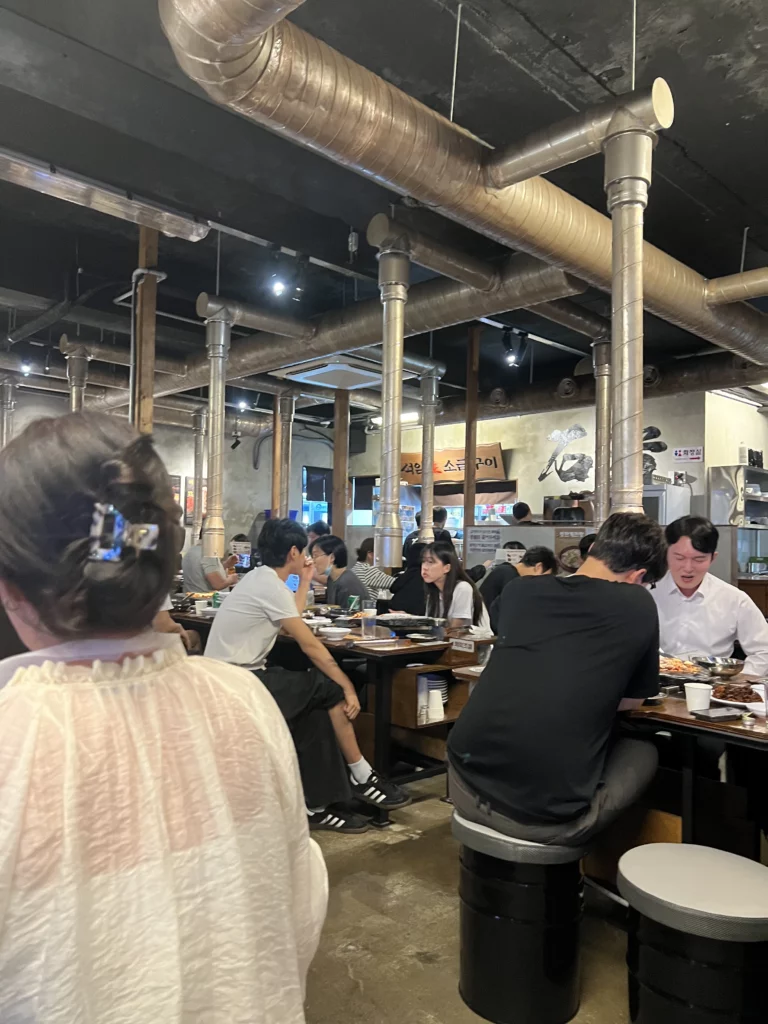
What Makes Seokam Saeng Sogeum-gui Special?
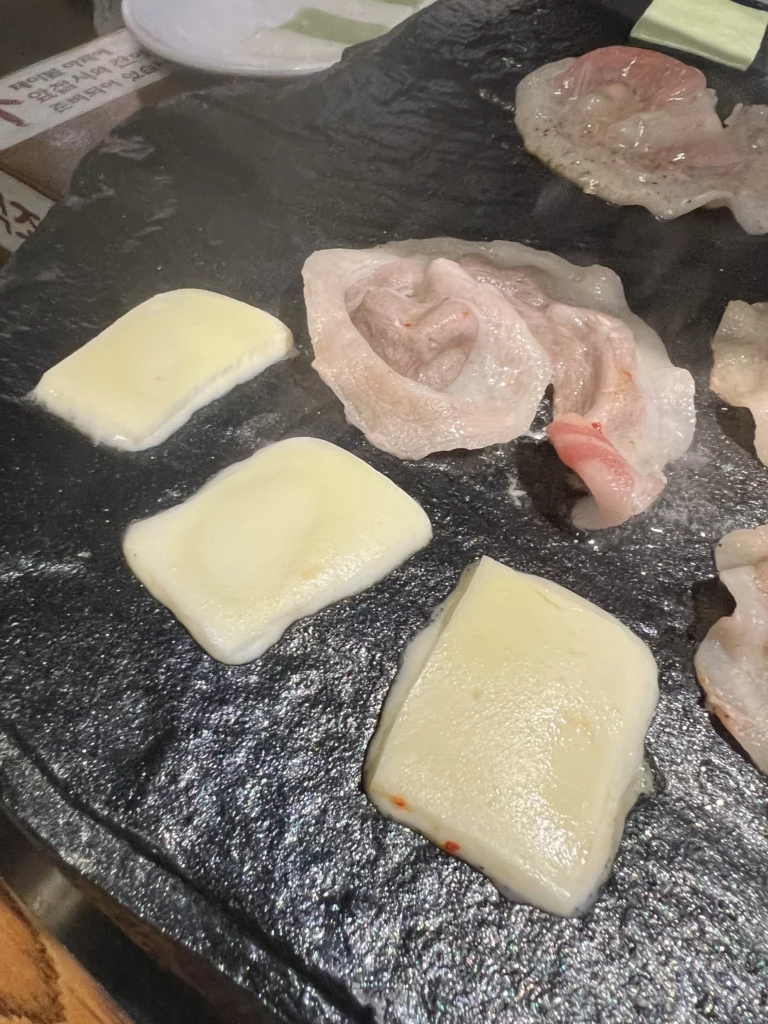
Seokam Saeng Sogeum-gui stands apart in Seoul’s crowded Korean BBQ landscape through its distinctive approach to grilling samgyeopsal. The restaurant’s name itself reveals its unique concept: "Seokam" (石巖) translates to "large, wide stone" in Korean, referring to the restaurant’s signature patented stone cast iron grill plates that define the dining experience.
Launched by Sekwang Green Food—the same culinary group behind popular brands like Sancheong Sutbul Garden and Sekwang Yang Daechang—Seokam opened its first location in Magok in 2024 and quickly became one of Seoul’s most talked-about dining destinations. The restaurant creates an immersive atmosphere that transports diners from urban Seoul to a rustic outdoor grilling experience, complete with natural stone elements and wood-grain tables that evoke the feeling of cooking over stones in the Korean countryside.
The Patented Stone Grill Technology
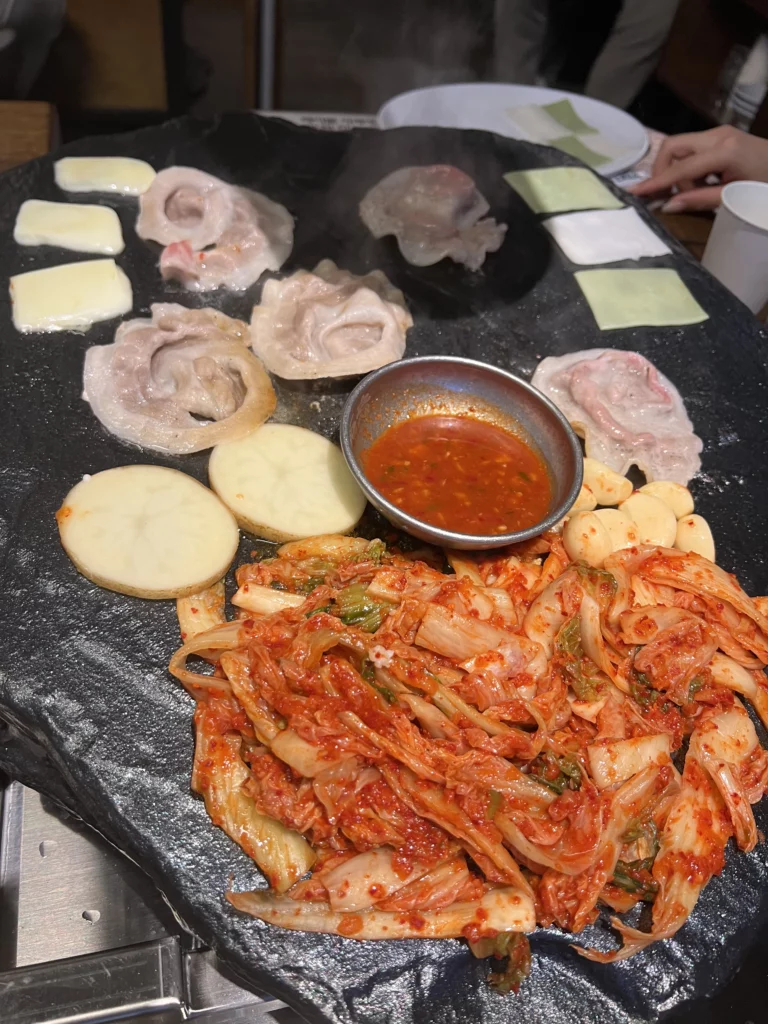
The heart of Seokam’s innovation lies in its custom-engineered stone cast iron grill plates. After years of research and development, Sekwang Green Food created these proprietary grills by carefully calculating the optimal temperature distribution and thickness for cooking pork belly to perfection. The result? A patented grilling surface that maintains consistent heat while allowing natural fat drainage, creating crispy edges and tender, juicy centers in every slice of samgyeopsal.
Unlike conventional flat-top grills or mesh grates, these stone plates distribute heat evenly across their surface, mimicking the effect of grilling over natural rock formations. The porous stone texture creates multiple contact points with the meat, developing deeper caramelization and more complex flavors than standard grilling methods.
Understanding Samgyeopsal: Korea’s Beloved Pork Belly
What makes this dish uniquely Korean?
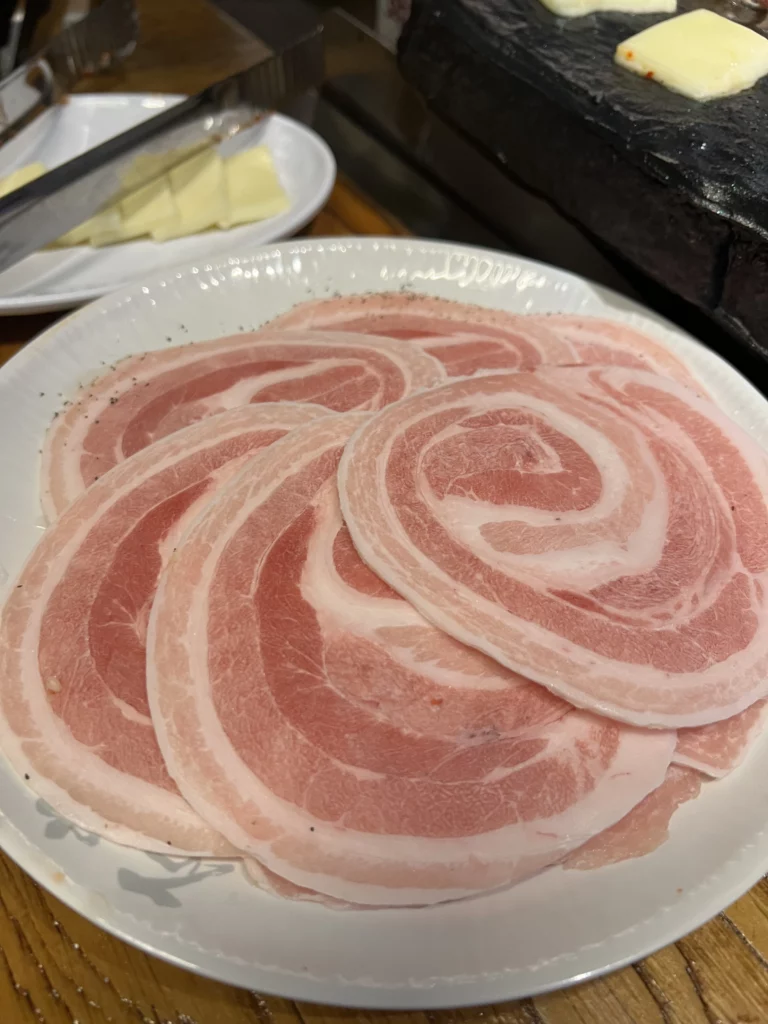
Samgyeopsal represents more than just grilled pork—it embodies Korean communal dining culture where sharing, conversation, and togetherness matter as much as the food itself. The name "samgyeopsal" (삼겹살) literally means "three-layer meat," referring to the distinctive striations of lean meat and fat visible in pork belly cuts. This cut has become so culturally significant that South Korea celebrates "Samgyeopsal Day" every March 3rd (3/3, symbolizing the three layers), when restaurants offer special promotions and families gather to enjoy this national favorite.
According to recent statistics, the average Korean consumes approximately 21 kilograms (46 pounds) of pork belly annually—more than half of their total meat consumption. This isn’t simply about taste preference; samgyeopsal dining creates memorable social experiences where colleagues bond after work, families celebrate milestones, and friends reconnect over sizzling meat and endless conversation.
What are the key ingredients that create this flavor?
Premium Pork Belly (Samgyeopsal, 삼겹살): The star ingredient features alternating layers of meat and fat that render during cooking, creating a perfect balance of tender protein and rich, savory flavor. At Seokam, the restaurant sources high-quality domestic Korean pork known for its superior marbling and clean taste. The three distinct layers provide textural variety in every bite—from crispy edges to melt-in-your-mouth fat that coats the palate with umami richness.
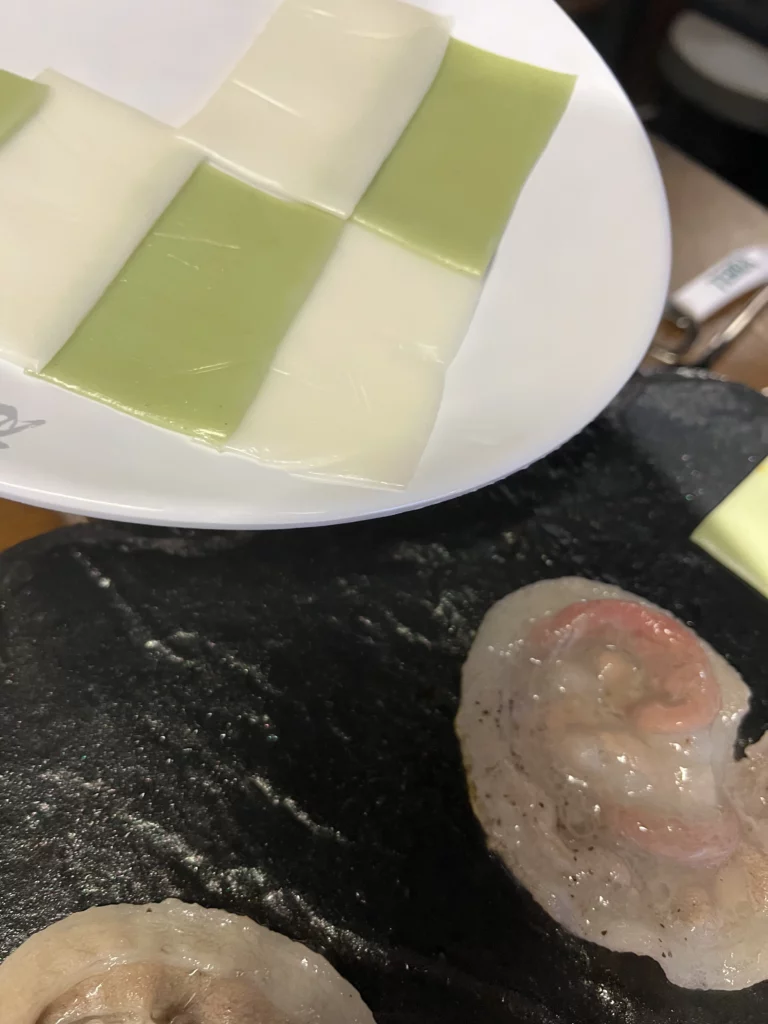
Jeungdo Raw Salt (Jeungdo Saeng Sogeum, 증도생소금): Seokam uses premium raw salt from Jeungdo Island, harvested through traditional Korean salt-making methods. This mineral-rich salt enhances the natural sweetness of the pork without overpowering it, while its coarse crystals provide pleasant bursts of salinity. The clean, pure flavor profile of Jeungdo salt complements rather than masks the quality of the meat, allowing the pork’s inherent taste to shine through.
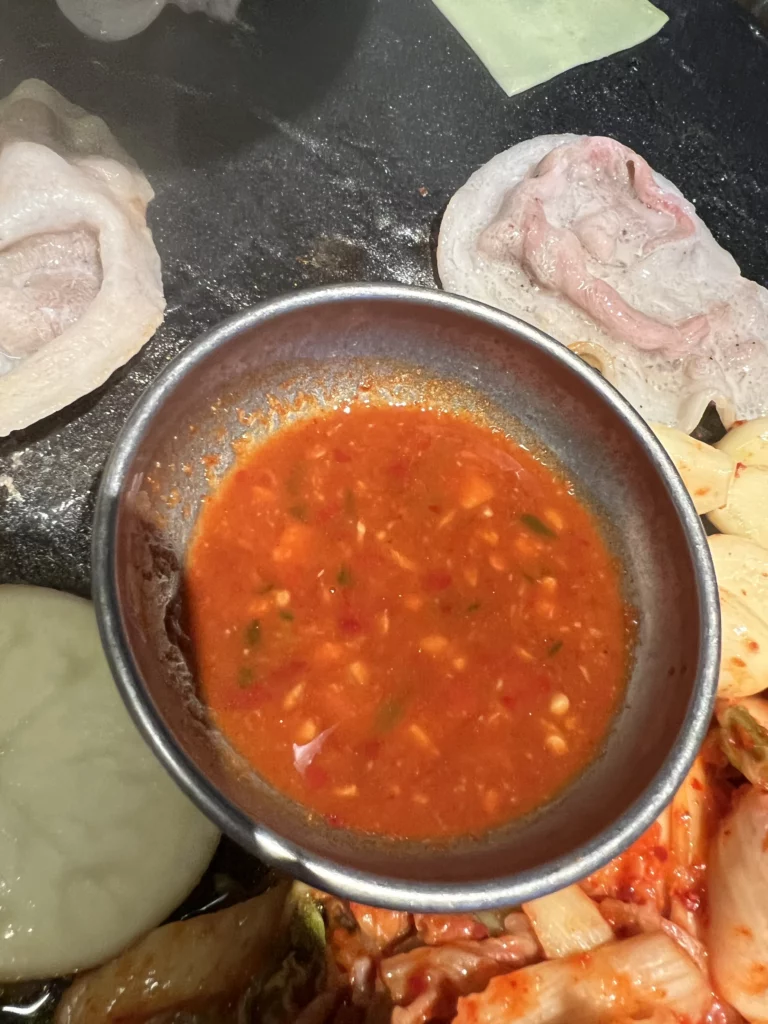
Chungju Apple Kimchi (Chungju Sagwa Kimchi, 충주사과김치): Perhaps Seokam’s most distinctive element is their signature kimchi made with Chungju apple concentrate. Unlike standard napa cabbage kimchi, this version ferments with quality fish sauce and fresh apple juice, creating a naturally sweet-tangy profile without artificial sugars. When grilled alongside the pork belly, the kimchi caramelizes and develops smoky, complex flavors that cut through the meat’s richness. The generous portions mean diners never run out of this essential accompaniment.
How would you describe the taste and spice level?
Seokam’s samgyeopsal registers at a comfortable 2-3 out of 10 on the spice scale—essentially mild with no inherent heat. The pork belly itself tastes rich, savory, and slightly sweet when properly crisped, with a pleasant fattiness balanced by the light seasoning of raw salt. The primary flavor notes are umami-forward with subtle sweetness, especially when paired with the Chungju apple kimchi.
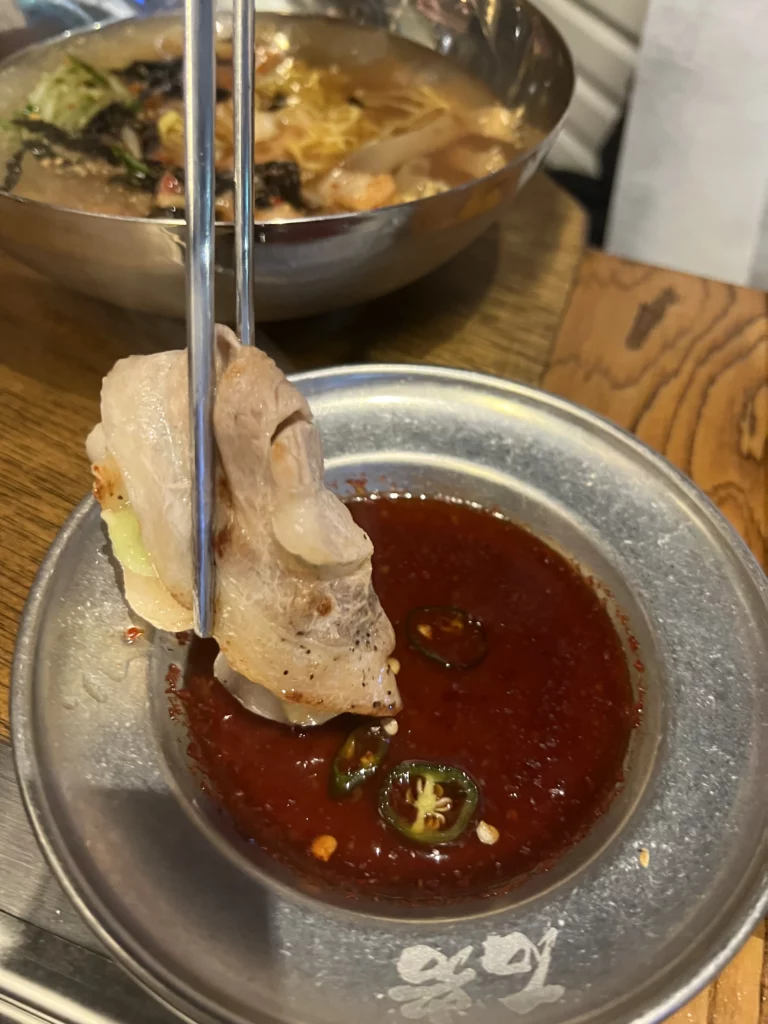
The texture experience matters as much as taste: expect crispy, golden-brown edges that crackle between your teeth, giving way to tender, succulent interior meat. The stone grill creates distinctive char marks and caramelized surfaces that add depth and complexity. The pork is served piping hot—immediately off the grill—so the fat remains liquid and glossy, coating your palate with rich, satisfying flavor. The temperature contrast between the hot meat and cool, crisp lettuce wraps creates a dynamic eating experience.
What should first-time eaters know?
At Seokam, skilled staff members grill the meat for you, removing the guesswork and ensuring perfect doneness every time. They’ll cut the pork into bite-sized pieces using kitchen scissors once it reaches optimal crispness. Here’s the traditional eating method that Seokam encourages:
Place a piece of red leaf lettuce (or perilla leaf) in your palm. Add one piece of grilled samgyeopsal, a small amount of grilled garlic and kimchi, and a dollop of ssamjang sauce. Some diners also add rice for extra heartiness. Fold the lettuce around all ingredients and eat the entire wrap in one bite—this "ssam" method balances the rich pork with fresh vegetables and savory-spicy sauce.
First-time visitors should expect an interactive, social dining experience. The tableside grilling means your table becomes the cooking station, filling the air with aromatic smoke (excellent ventilation systems prevent clothes from absorbing too much odor). Don’t be surprised by generous side dishes (banchan) that appear before your meat—these complimentary accompaniments refresh your palate between bites.
The Seokam Dining Experience
Interior Design and Atmosphere
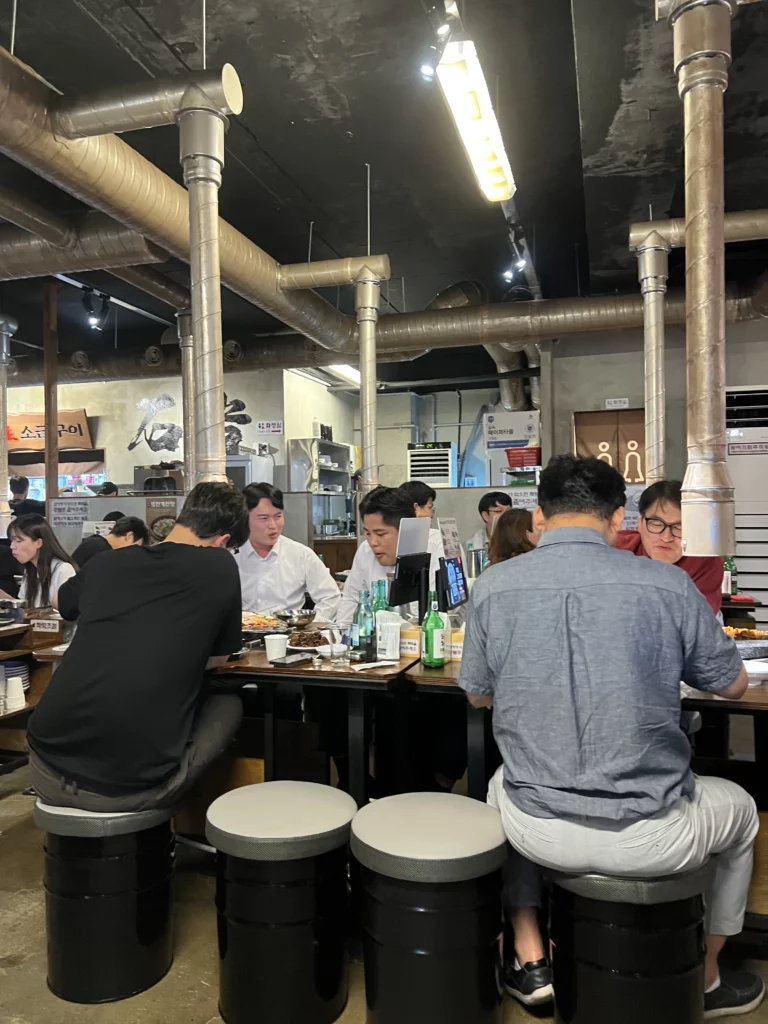
Walking into any Seokam location feels like stepping into a modern interpretation of a traditional Korean countryside dwelling. The restaurant collaborated with professional film art directors to create spaces that blend rustic authenticity with contemporary comfort. Natural stone surfaces, warm wood tones, and strategically placed lighting create an intimate yet lively atmosphere perfect for both casual dinners and special celebrations.
Each table features the signature massive stone grill plate as its centerpiece, surrounded by wooden accents that echo the natural aesthetic. The open kitchen layout allows diners to see the preparation process, while efficient ventilation systems—with individual exhaust hoods above each table—keep the air fresh despite constant grilling activity.
The Menu Beyond Samgyeopsal
While samgyeopsal remains the undisputed star, Seokam offers several cuts to satisfy different preferences:
- Samgyeopsal (삼겹살): Classic pork belly with three distinct layers
- Cheonggyeopsal (천겹살): Also called hangjeongsal, this premium cut from the pig’s jowl features delicate marbling and tender texture
- Roseu (로스): Thinly sliced pork loin, leaner than belly cuts but still flavorful
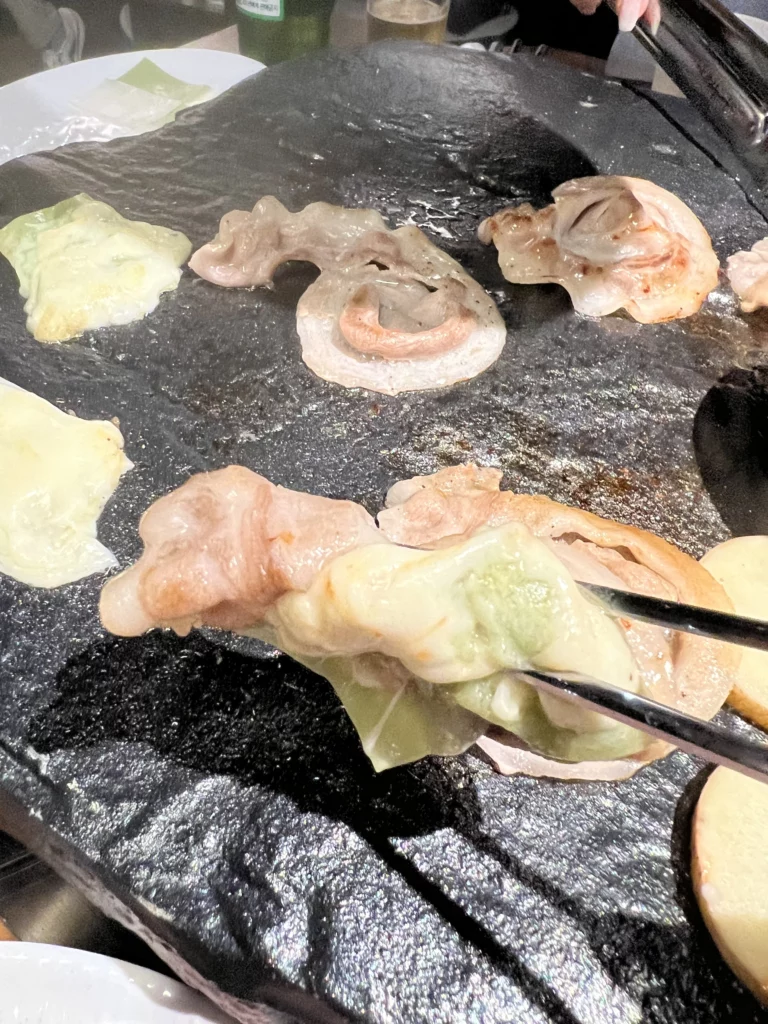
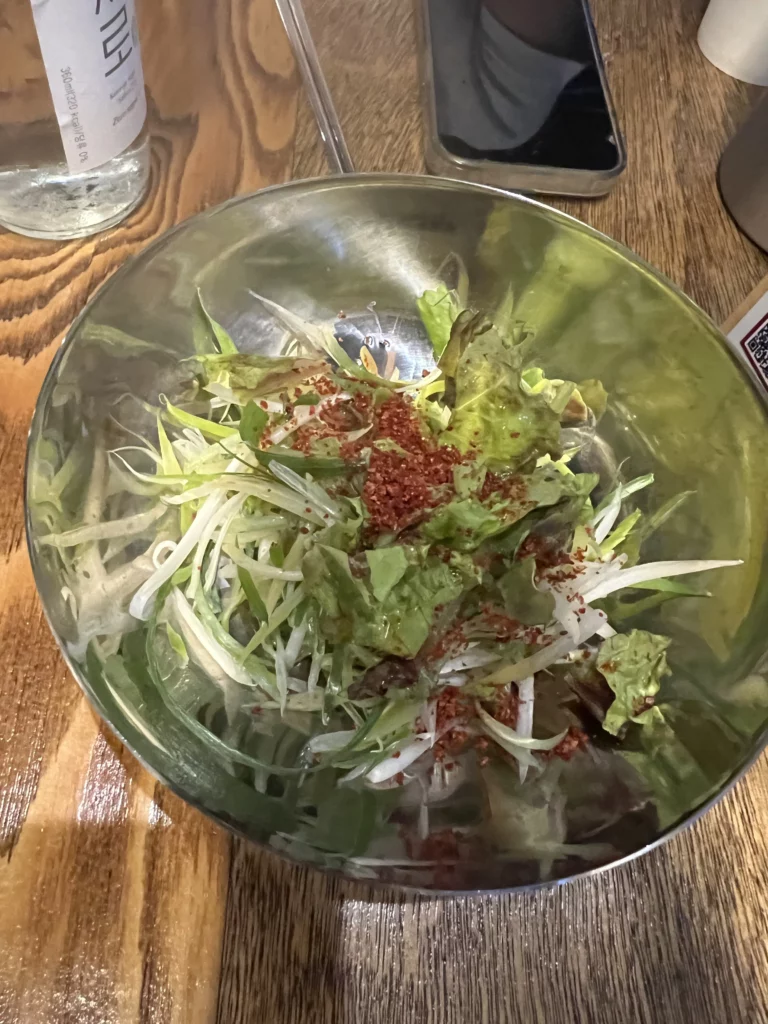
The restaurant’s signature side dishes deserve special mention. Beyond the exceptional Chungju apple kimchi, tables receive traditional accompaniments including green onion salad (pajori), seasoned vegetables, and dipping sauces featuring both ssamjang and a sesame oil-salt mixture.
Signature Finishing Dishes
After enjoying the grilled meat, many diners opt for Seokam’s famous finishing dishes cooked on the same stone grill:
Dolpan Jjapagetti (돌판짜파게티): This ingenious creation transforms instant Korean black bean noodles into a restaurant specialty. Staff members cook the jjapagetti directly on the hot stone grill, creating crispy, caramelized edges while the noodles absorb the residual pork fat and flavors. The theatrical preparation—watching noodles sizzle and crisp before your eyes—has made this dish a social media sensation.
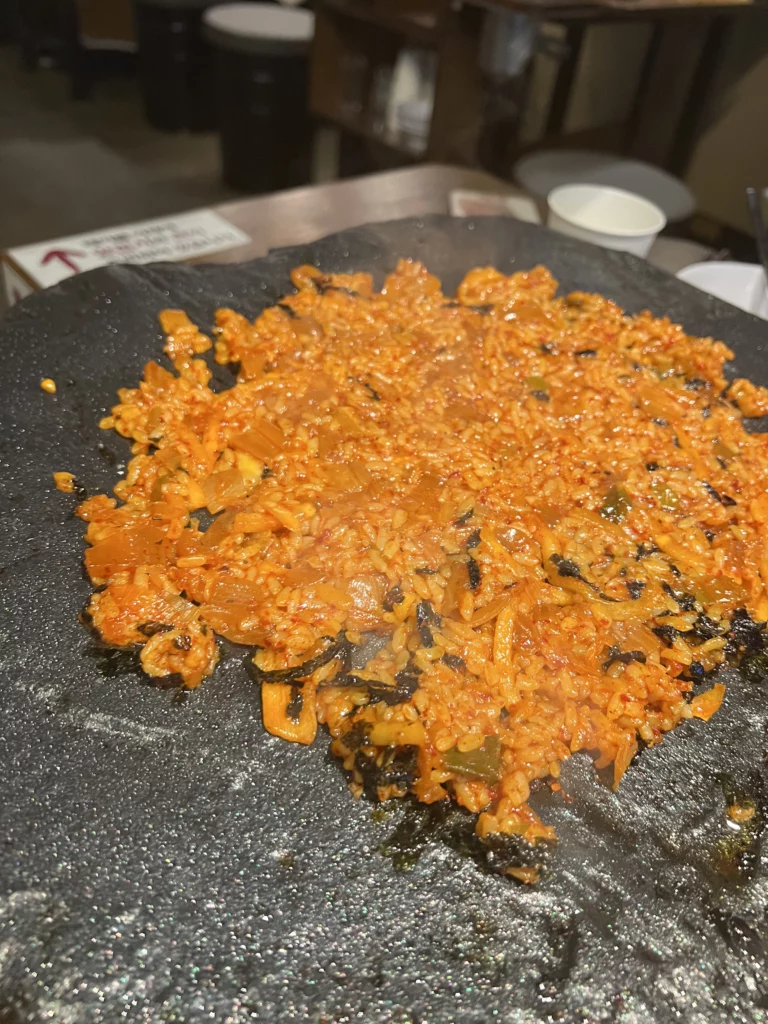
Seokam Bokkeumbap (석암볶음밥): Korean fried rice elevated to art form. Mixed with finely chopped kimchi, vegetables, and remaining pork pieces, then pressed onto the hot stone to create a crispy bottom layer (nurungji), this satisfying finale ensures no flavor goes to waste. The contrast between soft rice and crunchy bottom provides textural satisfaction that perfectly caps the meal.
How Does Seokam Compare to Traditional Korean BBQ?
What’s Different About the Stone Grill Method?
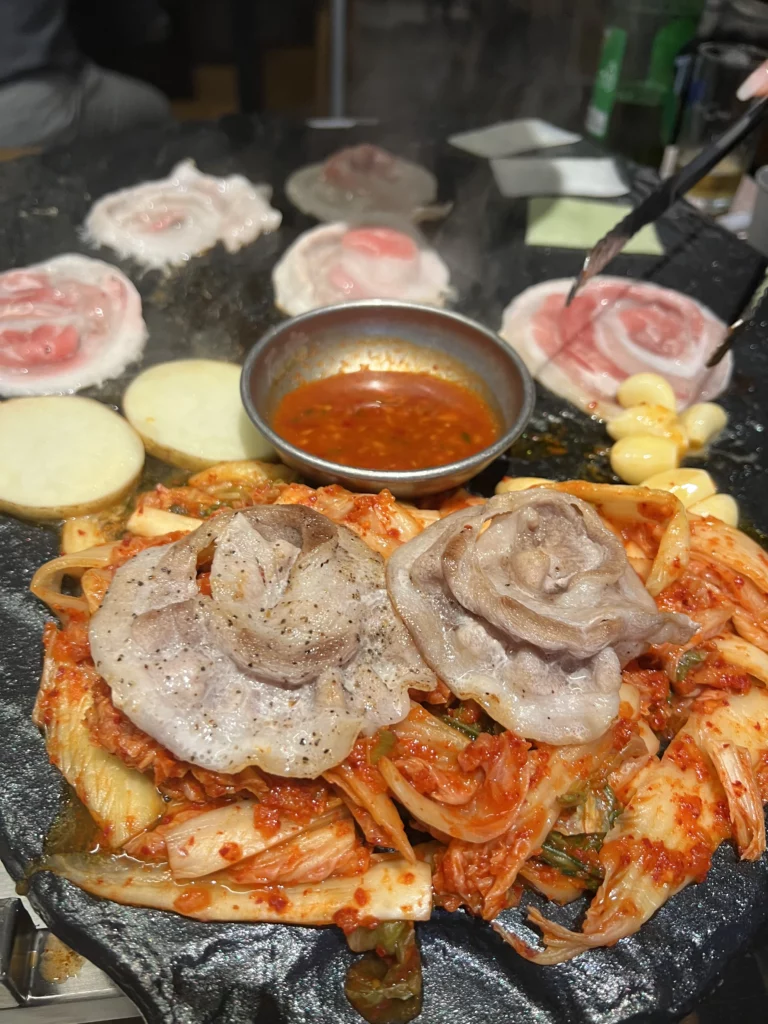
Traditional Korean BBQ restaurants typically use one of three grilling methods: mesh grates over charcoal, flat metal griddles, or portable gas burners. Seokam’s stone cast iron approach offers distinct advantages that elevate the samgyeopsal experience.
The stone’s superior heat retention means consistent cooking temperatures throughout the meal, unlike metal griddles that cool significantly when cold meat is added. The textured surface creates more contact points with the meat, developing enhanced Maillard reactions (the chemical process that creates browning and complex flavors). Additionally, the natural non-stick properties of properly heated stone reduce the need for added oils, allowing the pork’s own fat to do the work.
The visual appeal shouldn’t be underestimated either. The massive stone grill creates an impressive focal point that enhances the dining experience’s theatrical nature—guests can’t help but photograph and share their meals, contributing to Seokam’s viral popularity across Instagram, TikTok, and Korean food blogs.
Price Point and Value
Seokam positions itself in the mid-to-premium category of Seoul’s Korean BBQ market. A standard samgyeopsal order serving 2-3 people costs approximately 30,000-40,000 won (roughly $23-30 USD), while combination platters with multiple cuts range from 38,000-50,000 won. Side dishes like dolpan jjapagetti add 6,000-7,000 won, and bokkeumbap costs around 5,500-6,500 won per serving.
While not the cheapest Korean BBQ option in Seoul, the quality of ingredients, unique stone grill experience, attentive table-side service, and generous side dish portions justify the pricing for most diners. The restaurant’s popularity suggests customers find substantial value in the complete experience package rather than just the food itself.
Locations and Practical Information
Seokam Saeng Sogeum-gui currently operates multiple locations across Seoul, making this distinctive samgyeopsal experience accessible to diners throughout the city:
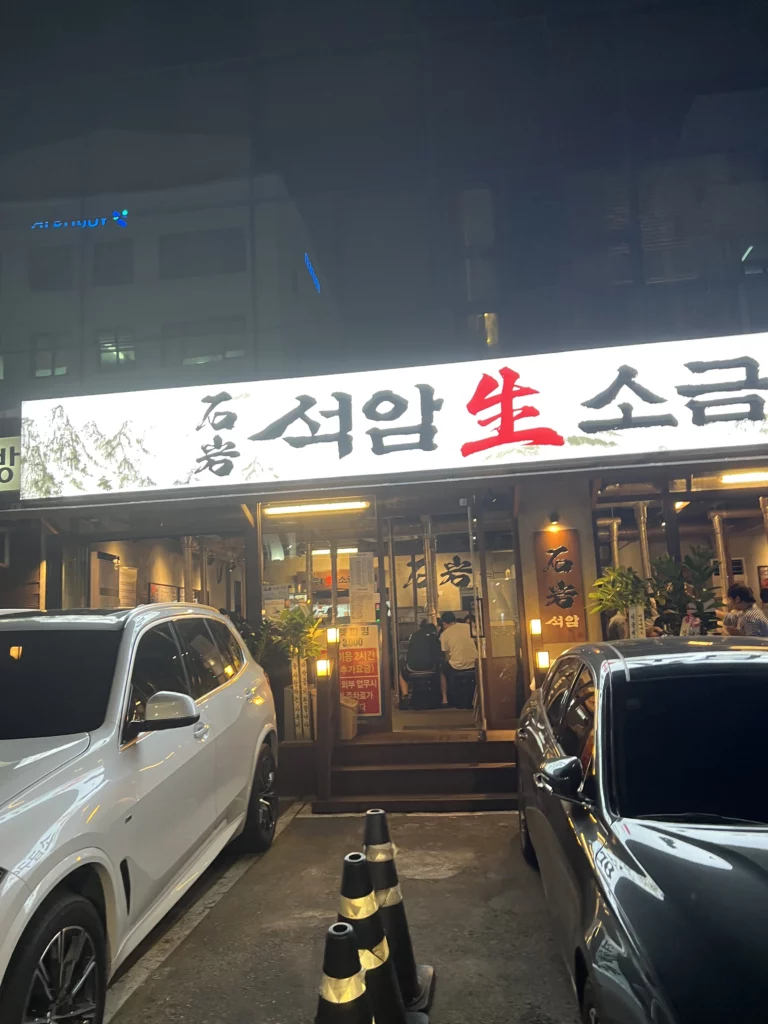
- Magok Main Branch: Seoul, Gangseo-gu, Magok Jungang 6-ro 70 (마곡중앙6로 70) | Known for spacious seating and being the flagship location
- Yongsan Branch: Seoul, Yongsan-gu, Hangang-daero 49 (한강대로 49) | Perhaps the most famous location with the longest wait times
- Nowon Branch: Seoul, Nowon-gu, Nohae-ro 83-gil 21 (노해로83길 21) | Convenient for northern Seoul residents
- Sinlim Branch: Seoul, Gwanak-gu, Nambusunhwan-ro 1600-11 (남부순환로 1600-11) | Popular among university students from nearby campuses
- Gangnam Branch: Located in Seoul’s trendy Gangnam district
- Cheonan Branch: Expanding beyond Seoul to Chungcheongnam-do
Making Reservations and Managing Wait Times
Seokam’s explosive popularity means walk-in diners often face wait times exceeding 90 minutes, especially during prime dinner hours (6:00 PM – 9:00 PM) and weekends. The restaurant uses the Catch Table reservation system, allowing guests to add their names to the waitlist remotely via mobile app.
Pro tips for minimizing wait times:
- Arrive before 5:30 PM on weekdays for immediate seating
- Use Catch Table to join the waitlist before arriving at the restaurant
- Weekday lunches (when offered) provide the easiest access
- Party sizes of 2-3 typically seat faster than larger groups
Most locations operate daily from approximately 12:00 PM to 11:00 PM (last order around 9:50 PM), though specific hours vary by branch. Parking is available at most locations with validation for diners, typically covering 2 hours of parking fees.
Why Seokam Samgyeopsal Resonates with Modern Diners
The Instagram Effect and Social Dining Culture
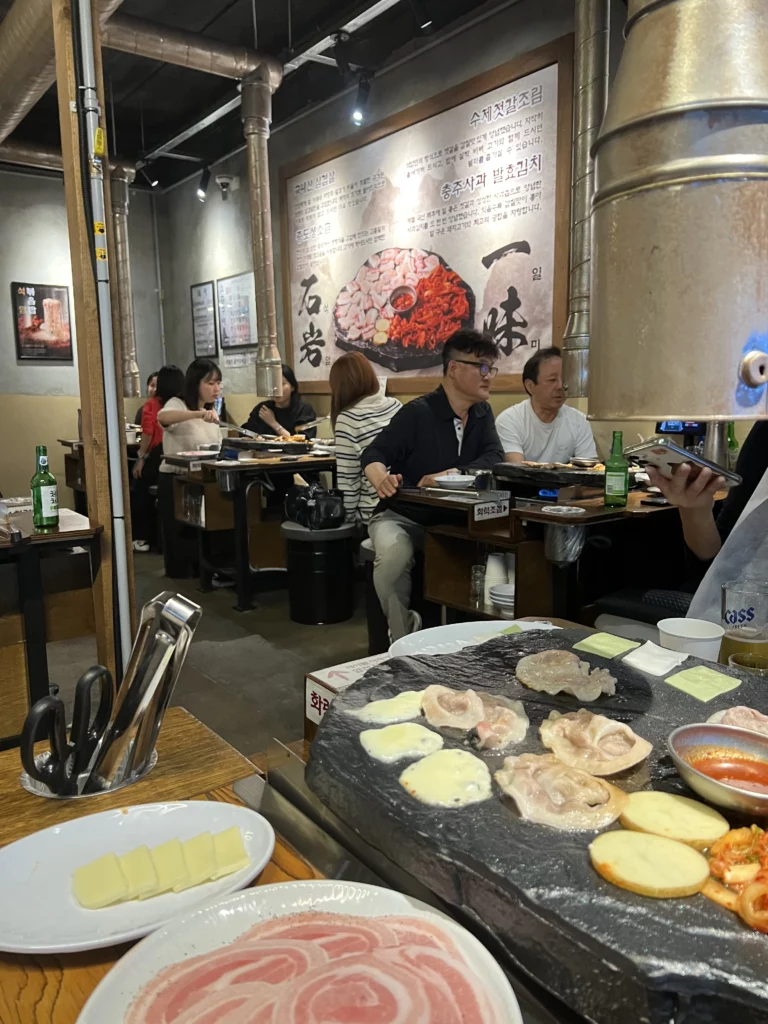
Seokam’s meteoric rise reflects broader trends in how younger generations approach restaurant dining. The visual spectacle of massive stone grills, dramatic food preparation, and aesthetically pleasing presentations creates highly shareable content that fuels social media buzz. Each table becomes a stage for documenting the experience, from the initial meat presentation to the theatrical jjapagetti preparation.
The restaurant’s design—from the rustic-modern interior to the photogenic stone grills—was intentionally crafted with shareability in mind. This isn’t accidental; Sekwang Green Food’s leadership explicitly acknowledges designing "meaningful experiences" that customers want to visually document and share with their networks.
However, Seokam’s success extends beyond aesthetic appeal. The restaurant taps into nostalgia for traditional Korean outdoor grilling culture while delivering it in a comfortable, urban setting. The stone grill concept evokes memories of camping trips and countryside experiences that resonate emotionally with Korean diners, particularly those who grew up with these traditions but now live fast-paced Seoul lifestyles.
Quality Meets Convenience
Modern Korean diners increasingly value quality ingredients and professional preparation over DIY grilling. Seokam’s model—where expert staff handle all cooking—removes the stress of achieving perfect doneness while ensuring consistent results. This "premium casual" approach bridges the gap between expensive high-end Korean BBQ restaurants and budget all-you-can-eat chains.
The restaurant’s commitment to ingredient quality, from domestic pork to Jeungdo salt to Chungju apple kimchi, demonstrates that customers willingly pay moderate premiums for transparency and authenticity. In an era where food safety and sourcing matter more than ever, Seokam’s clear communication about ingredient origins builds trust and justifies its pricing.
How to Eat Korean BBQ Like a Local at Seokam
The Art of Ssam (Lettuce Wraps)
Korean BBQ dining revolves around creating perfect "ssam"—lettuce wraps that combine multiple flavors and textures in a single bite. At Seokam, you’ll receive generous portions of red leaf lettuce and perilla leaves (kkaennip) for wrapping. Here’s the classic construction method:
- Place one large lettuce leaf in your palm
- Add one or two pieces of grilled samgyeopsal
- Include one piece of grilled garlic and some grilled kimchi
- Add a small dollop of ssamjang (Korean fermented soybean paste mixed with chili paste)
- Optionally add green onion salad, rice, or sesame oil-salt dipping sauce
- Fold the lettuce around all ingredients and eat in one large bite
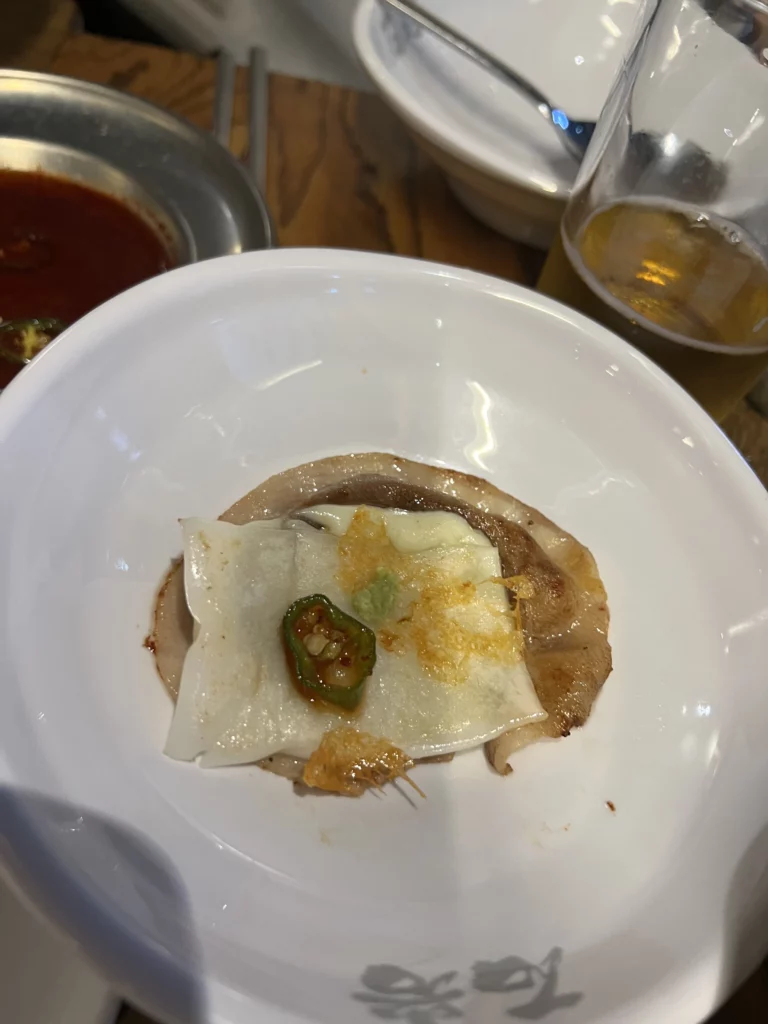
The key is balance—too much filling tears the lettuce, while too little fails to create the harmonious flavor combination that makes ssam special. Perilla leaves add an aromatic, slightly minty note that pairs beautifully with rich pork, making them worth trying even if you’re unfamiliar with the flavor.
Pairing Beverages with Samgyeopsal
Korean dining culture strongly associates samgyeopsal with alcoholic beverages, particularly soju (Korean distilled spirit) and beer. Many diners order "somaek"—a mixture of soju and beer that creates a refreshing, effervescent drink that cuts through the meat’s richness. Seokam offers various soju brands, local and imported beers, and even wine options for those who prefer it.
For non-drinkers, traditional barley tea (bori-cha) provides a mild, nutty beverage that complements rather than competes with the food’s flavors. The slight natural sweetness of barley tea refreshes the palate between bites of rich pork belly.
Beyond the Main Course: Exploring Side Dishes
The banchan (side dishes) at Seokam deserve attention beyond mere accompaniments. The restaurant provides:
- Chungju Apple Kimchi: The signature dish warrants multiple servings throughout your meal—don’t be shy about requesting refills
- Pajeori (Green Onion Salad): Thinly shredded green onions dressed in vinegar, soy sauce, and chili powder provide sharp, bright flavors that cut through fatty pork
- Musaengchae (Spicy Radish Salad): Julienned radish tossed in gochugaru offers crunchy texture and refreshing spice
- Various Pickled Vegetables: Rotating seasonal pickles add variety and help cleanse the palate
Korean dining culture considers banchan essential rather than optional—these dishes balance the meal nutritionally and provide flavor variety that prevents palate fatigue during longer meals.
Planning Your Visit to Seokam Saeng Sogeum-gui
What to Expect in Terms of Service and Atmosphere
Seokam operates with a bustling, energetic atmosphere that reflects Korean dining culture’s social nature. Service moves quickly—staff members are attentive and efficient, regularly checking tables to flip meat, refill side dishes, and clear finished plates. The noise level can be quite high during peak hours as conversations, sizzling grills, and general restaurant activity create a lively soundscape.
Don’t expect quiet, intimate dining here; Seokam’s appeal lies in its vibrant, communal energy where the exciting cooking process and social interactions take center stage. Tables are positioned relatively close together, reflecting Korean dining norms where privacy matters less than efficiency and atmosphere.
Average Meal Duration and Pacing
Plan for 60-90 minutes from seating to departure. This timing accounts for:
- 5-10 minutes: Reviewing menus and ordering
- 30-40 minutes: Grilling and eating the main meat courses
- 15-20 minutes: Finishing dishes (jjapagetti or bokkeumbap)
- 5-10 minutes: Settling the bill and departing
Korean BBQ shouldn’t be rushed—the extended duration allows conversation and connection that form the meal’s social core. Seokam’s table-side cooking means you can relax rather than actively managing the grill, making it easier to focus on companions and enjoy the experience’s theatrical elements.
Budget Planning and Group Size Considerations
For accurate budget planning, consider these typical costs per person at Seokam:
- Main meat orders: 12,000-15,000 won per person
- Finishing dish (shared): 2,000-3,000 won per person
- Beverages: 3,000-7,000 won per person (depending on alcohol choice)
- Total average: 17,000-25,000 won ($13-19 USD) per person
Groups of 2-4 dine most comfortably, as larger parties require multiple orders to ensure everyone receives enough food. The stone grill’s size accommodates 2-3 meat orders simultaneously, meaning groups of 6+ might experience longer cooking times as batches rotate through the grill.
Solo dining is technically possible but uncommon at Korean BBQ restaurants where communal sharing defines the experience. Solo diners should expect minimum orders and may feel slightly out of place in the social atmosphere, though staff remain welcoming regardless of party size.
Comparing Seokam to Other Seoul Korean BBQ Destinations
How Does Seokam Stack Up Against Competitors?
Seoul’s Korean BBQ landscape ranges from budget all-you-can-eat chains to ultra-premium restaurants serving dry-aged hanwoo (Korean beef). Seokam occupies a sweet spot that balances quality, innovation, and accessibility:
Versus budget chains (Maple Tree House, Sariwon): Seokam offers superior meat quality, unique stone grill experience, and more attentive service at moderate price premiums (typically 30-50% higher). The trade-off is no unlimited refills—you pay per order.
Versus premium restaurants (Sancheong Sutbul Garden, Guksujip): Seokam provides comparable or better ambiance and innovation at slightly lower prices. While ultra-premium spots may source rarer pork cuts or use traditional charcoal, Seokam’s stone grill technology creates distinctive flavors that justify its positioning.
Versus traditional neighborhood spots: Local samgyeopsal restaurants offer authenticity and often lower prices, but typically lack Seokam’s polished presentation, innovative cooking method, and Instagram-worthy atmosphere that appeals to younger diners and tourists.
Is Seokam Saeng Sogeum-gui Right for You?
Seokam Saeng Sogeum-gui excels at delivering what it promises: a visually striking, flavorfully satisfying Korean BBQ experience centered around premium samgyeopsal grilled on innovative stone plates. The restaurant successfully captures the essence of traditional Korean outdoor grilling while adapting it for contemporary urban diners who value both quality and shareability.
You’ll love Seokam if you:
- Appreciate innovative takes on traditional cuisine
- Enjoy social, interactive dining experiences
- Want attentive table service rather than self-grilling
- Seek Instagram-worthy food presentations
- Prefer comfortable, modern restaurant atmospheres
You might prefer alternatives if you:
- Seek the most budget-friendly Korean BBQ options
- Want traditional charcoal-grilled flavors
- Prefer quiet, intimate dining settings
- Need extensive vegetarian/vegan options
- Dislike waiting for popular restaurants
For visitors to Seoul interested in experiencing Korean BBQ culture through a modern lens, Seokam offers an accessible, high-quality introduction that showcases why samgyeopsal holds such a special place in Korean hearts. The restaurant’s popularity isn’t mere hype—it reflects genuine innovation and quality execution that resonate with diners seeking memorable meal experiences.
Whether you’re a Korean BBQ veteran or first-timer, the distinctive stone grill cooking method, exceptional Chungju apple kimchi, and lively atmosphere at Seokam Saeng Sogeum-gui create moments worth savoring. Just remember to join the Catch Table waitlist before you go, arrive with an appetite for both food and fun, and prepare for an evening that celebrates Korean culinary tradition while embracing contemporary dining trends.
Experience the magic of premium samgyeopsal meeting volcanic stone grilling at one of Seokam Saeng Sogeum-gui’s multiple Seoul locations—your taste buds and your Instagram feed will thank you.
Location
46-1 Donui-dong, Jongno-gu, Seoul, Republic of Korea, KR
Reviews
5.0
0 reviews
5
0%
4
0%
3
0%
2
0%
1
0%
Loading reviews...
Related Recipes

Vegetable&Fruit
Myeong-i Namul Jangajji
Few side dishes earn a permanent place on the Korean BBQ table the way Myeong-i Namul Jangajji — Korean pickled...

Meat & Poultry
Korean Spicy Pork (Jeyuk Bokkeum)
If you have ever stood in front of a sizzling Korean BBQ pan in Seoul, watching deep-red pork edges caramelize...

Recipe
Bossam – Boiled Pork with Kimchi
When you take that first bite of a perfectly assembled Bossam wrap—warm, succulent pork folded into crisp salted cabbage alongside...
Related Ingredients

Ingredient
Myeong-i
When the last of winter’s snow finally retreats from the volcanic slopes of Ulleungdo Island, something quietly extraordinary happens. Broad,...

Ingredient
Korean Pork
Korean pork, known as dwaeji-gogi (돼지고기) in Korean, stands as one of the most beloved and widely consumed meats in...

Meat & Poultry
Samgyeopsal
Few dishes capture Korean dining like samgyeopsal, the thick-cut pork belly at the center of nearly every Korean BBQ table....