


Since 1976, Samwon Garden has set the gold standard for Korean BBQ in Seoul, serving premium Hanwoo galbi to discerning diners, international dignitaries, and families celebrating life’s special moments. Located in the heart of Gangnam near Apgujeong Station, this Michelin Guide-featured restaurant combines Korea’s finest indigenous beef with traditional charcoal grilling techniques, expert service, and a serene Korean garden setting.
This comprehensive guide explores everything you need to know about experiencing Hanwoo galbi at Samwon Garden—from understanding what makes Hanwoo beef exceptional to navigating Korean BBQ etiquette. Whether you’re a first-time visitor to Seoul or a seasoned Korean food enthusiast, discover why this nearly 50-year-old institution remains the city’s most celebrated destination for authentic Korean beef short ribs.
Samwon Garden Seoul: Where Premium Hanwoo Galbi Meets 48 Years of Korean BBQ Excellence
Gangnam-gu, Seoul, Republic of Korea 835 Eonju-ro
Editor: James Lee


Overview
Introduction
Operating hours
Menu
Editor's Detail
Imagine stepping into a serene Korean garden where the gentle sounds of a waterfall blend with the sizzle of perfectly marbled beef short ribs grilling over charcoal. This is Samwon Garden, Seoul’s iconic Hanwoo galbi destination that has been serving discerning diners and international dignitaries since 1976. Located in the heart of Gangnam near Apgujeong Station, this Michelin Guide-featured restaurant represents the pinnacle of Korean BBQ tradition, where premium indigenous beef meets masterful grilling techniques passed down through nearly five decades.
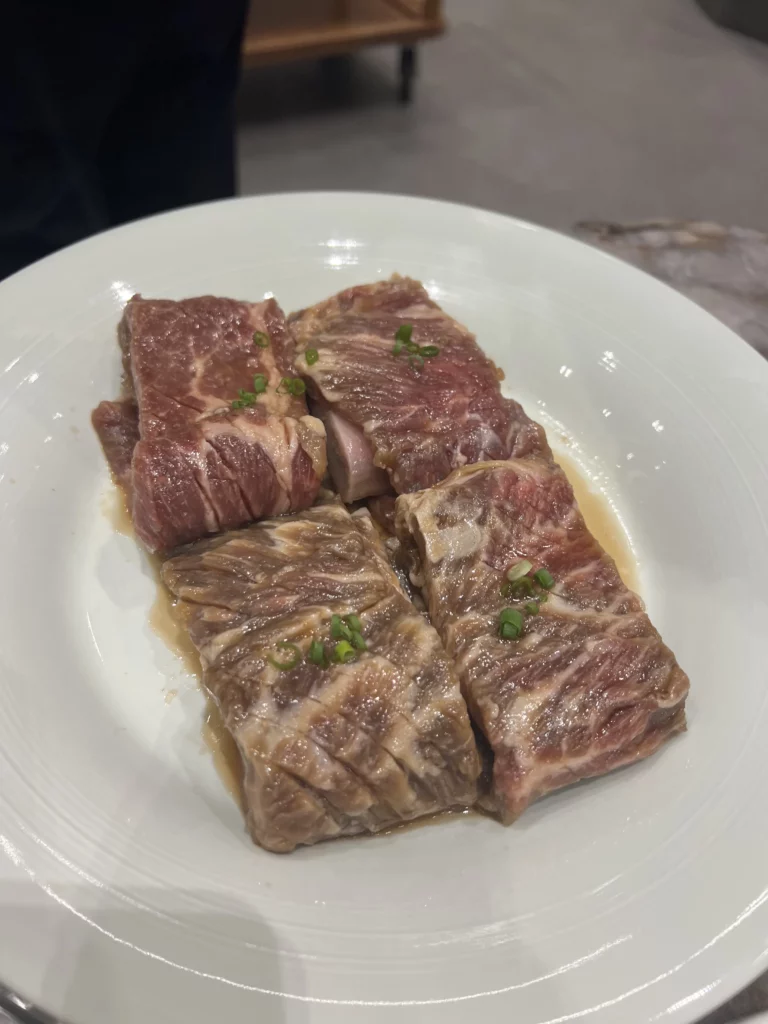
For anyone seeking an authentic taste of Korea’s finest beef in an atmosphere that honors both tradition and sophistication, Samwon Garden delivers an unforgettable culinary experience. The restaurant’s commitment to serving only top-grade Hanwoo—Korea’s prized native cattle breed—sets it apart in Seoul’s competitive BBQ landscape.
The Legacy of Samwon Garden: Nearly Five Decades of Korean BBQ Excellence
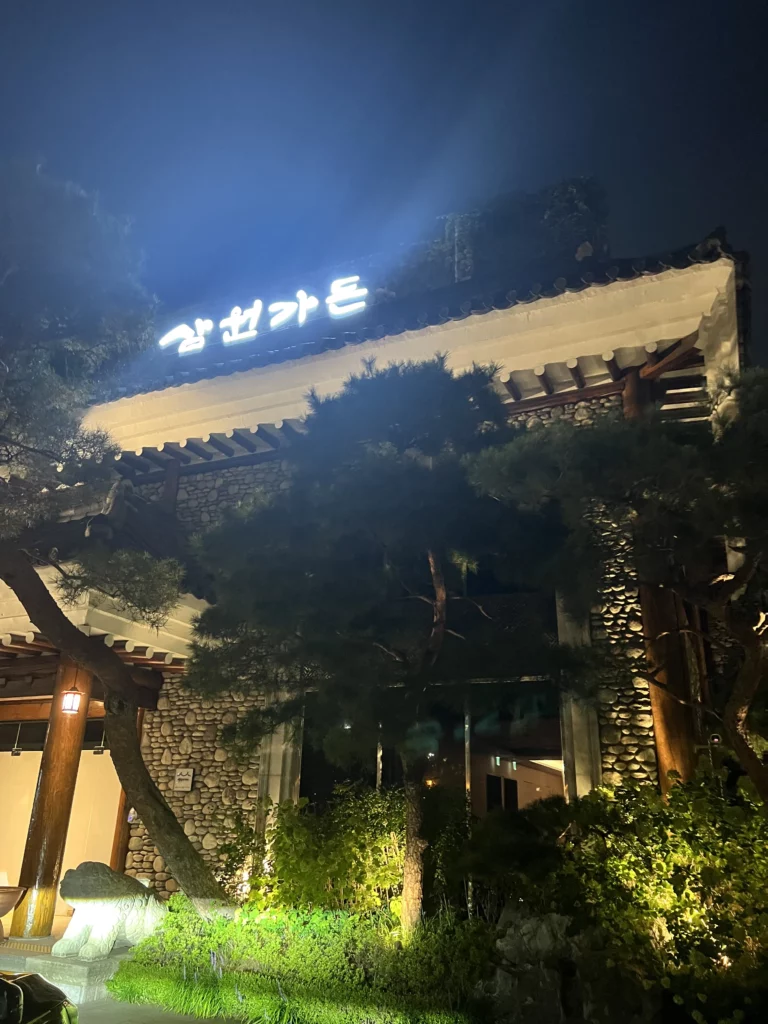
Since opening its doors in 1976, Samwon Garden has established itself as one of Seoul’s largest and most prestigious Korean restaurants. The establishment has hosted countless state dinners for visiting foreign dignitaries, corporate celebrations, and family milestones, earning its reputation as the go-to destination for life’s most important gatherings.
What makes Samwon Garden exceptional is its ability to balance Korean BBQ culture’s accessibility with upscale dining refinement. The restaurant occupies a sprawling space featuring traditional hanok-style architecture, multiple private dining rooms, and beautifully landscaped gardens that transport diners away from Gangnam’s urban bustle. Expert grill masters attend to each table, ensuring that every piece of Hanwoo galbi is cooked to absolute perfection—a service that reflects Korea’s communal dining values while maintaining professional excellence.

The restaurant’s Michelin Guide recognition acknowledges not just the quality of its ingredients but the seamless integration of premium beef, skilled service, and ambiance that creates Seoul’s definitive Korean BBQ experience.
Understanding Hanwoo Galbi: Korea’s Most Prized Beef Short Ribs
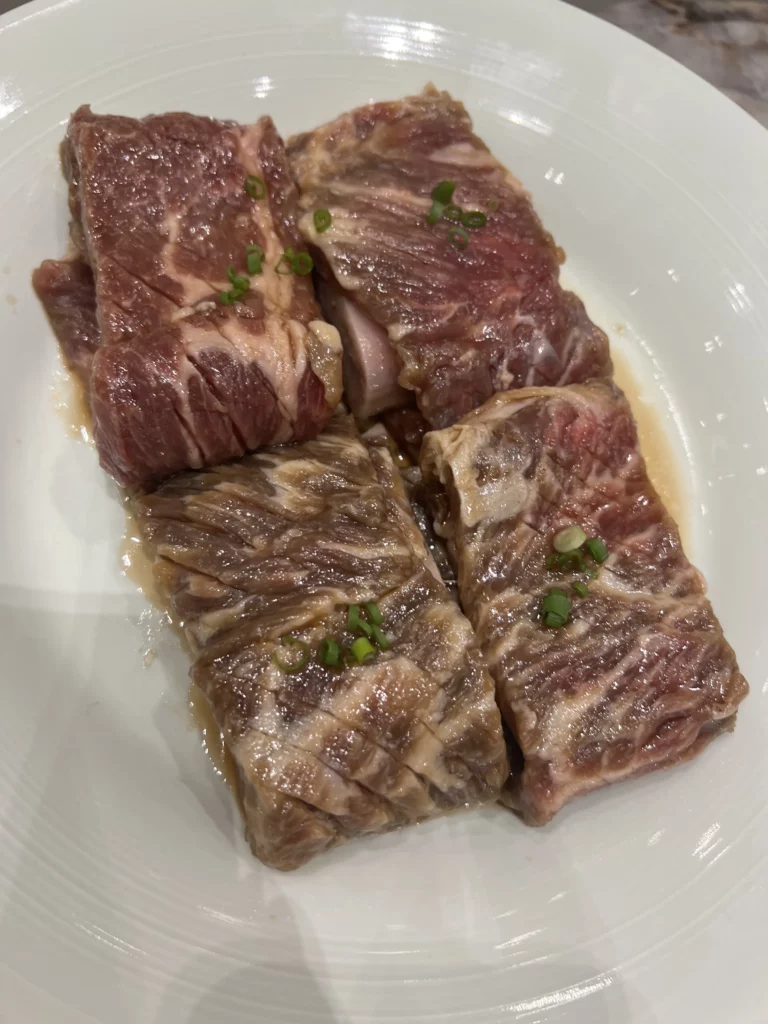
Hanwoo galbi represents the intersection of Korea’s finest indigenous beef and centuries-old grilling tradition. Galbi (갈비) translates to "ribs" in Korean, and when prepared with Hanwoo—Korea’s native cattle breed—it becomes a dish worthy of celebration.
Hanwoo cattle are raised free-range in South Korea’s countryside on carefully controlled diets, resulting in beef with exceptional marbling, deep flavor, and tender texture comparable to Japanese Wagyu. The scarcity of Hanwoo, combined with Korea’s limited grazing land, makes authentic Hanwoo galbi significantly more expensive than imported beef, but the difference is immediately apparent from the first bite.
At Samwon Garden, the Hanwoo galbi arrives butterflied and attached to the bone—a traditional Korean butchering technique that maximizes the meat’s surface area for optimal caramelization while keeping it succulent. Each rib section unfurls into a thin, generous portion that grills quickly over charcoal, developing a beautiful char on the outside while remaining tender and juicy within.
What Makes Hanwoo Galbi Uniquely Korean?
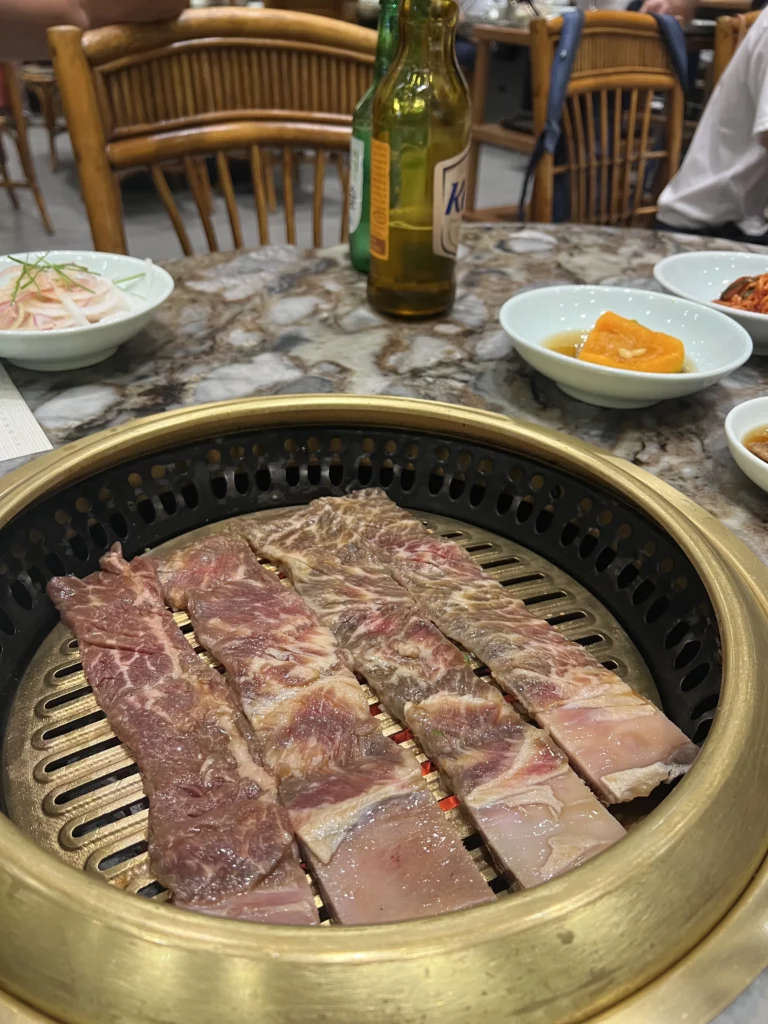
Korean short ribs hold a special place in the nation’s culinary heritage that extends far beyond mere sustenance. Historically, beef was reserved for royalty and special occasions during the Joseon Dynasty (1392-1910), when dishes like neobiani—thinly sliced, marinated beef—graced the tables of Korean nobility. This tradition of treating quality beef as precious has persisted into modern times, with Hanwoo galbi maintaining its status as celebration food.
The Korean saying "Il du baek mi" (일두백미), meaning "one cow, 100 flavors," reflects the cultural practice of using every part of the animal in diverse preparations. While Korea recognizes over 120 retail beef cuts—far more than Western countries—galbi remains the most coveted due to minimal muscle movement in the rib area, resulting in exceptionally tender meat.
The communal aspect of Korean BBQ distinguishes it from Western grilling traditions. At Samwon Garden and throughout Korea, diners gather around table-embedded grills to cook, share, and enjoy food together—a practice that reinforces Korean values of togetherness and collective experience. The ritual of wrapping grilled galbi in fresh lettuce with garlic, ssamjang, and kimchi creates an interactive dining experience that turns a meal into a memorable social event.
What Are the Key Ingredients That Create Hanwoo Galbi’s Flavor?
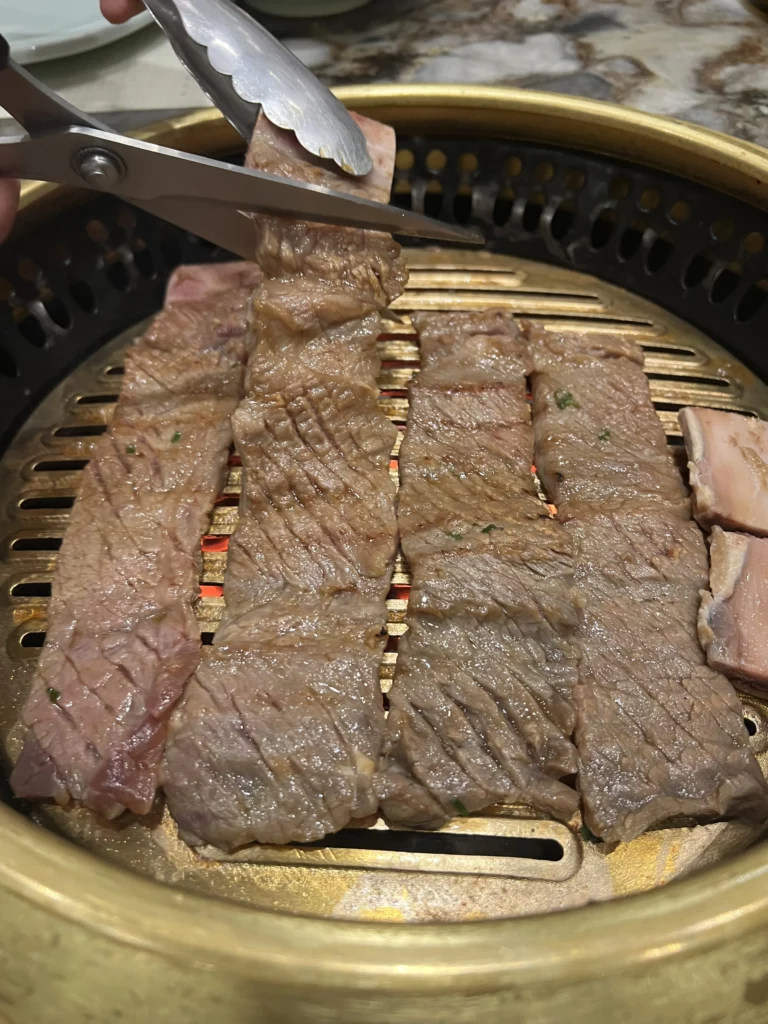
Three essential components define exceptional Hanwoo galbi at Samwon Garden:
Hanwoo Beef (한우): Korea’s indigenous cattle breed produces beef with fine, evenly distributed marbling (typically graded 1++ with a Beef Marbling Score of 9 at premium establishments). The meat delivers a rich, buttery flavor with subtle sweetness and umami depth that sets it apart from other beef varieties. Hanwoo is exceptionally high in omega-3 and omega-6 fatty acids, contributing to both flavor and nutritional benefits. While authentic Hanwoo commands premium prices, Samwon Garden also offers imported Australian and American beef options for those seeking the restaurant’s signature preparation at more accessible price points.
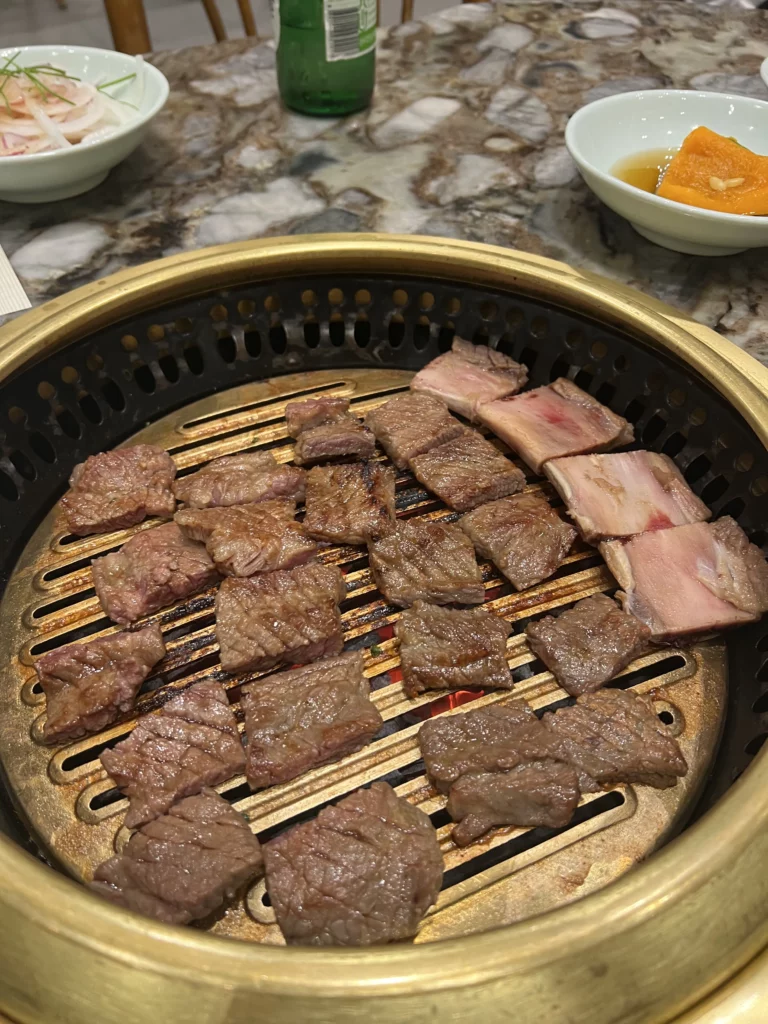
Yangnyeom (양념) Marinade: For marinated galbi, the traditional sauce combines soy sauce, Asian pear (or apple), garlic, sesame oil, and sugar to create a balance of savory, sweet, and aromatic notes. The Asian pear contains natural enzymes that tenderize the meat while adding subtle fruity undertones. This marinade caramelizes beautifully over charcoal heat, creating the characteristic glossy, slightly charred exterior that galbi enthusiasts crave. The fermented soy sauce base provides deep umami complexity.

Charcoal (숯불): Traditional wood charcoal grilling (sootbul) imparts a subtle smokiness that gas or electric grills cannot replicate. The intense, even heat from charcoal allows for rapid cooking that seals in juices while creating the desired char. At Samwon Garden, skilled service staff monitor the grilling process, ensuring each piece achieves the ideal balance of caramelized exterior and tender, pink interior.
How Would You Describe the Taste and Spice Level of Hanwoo Galbi?
Hanwoo galbi at Samwon Garden delivers a complex flavor profile that balances richness with subtlety. On a spice scale of 1-10, galbi rates approximately 1-2—it’s not spicy at all in the chili-heat sense, though marinated versions may include a hint of black pepper. The dominant flavors are savory umami, gentle sweetness from the marinade and natural beef sugars, and buttery richness from the marbled fat.
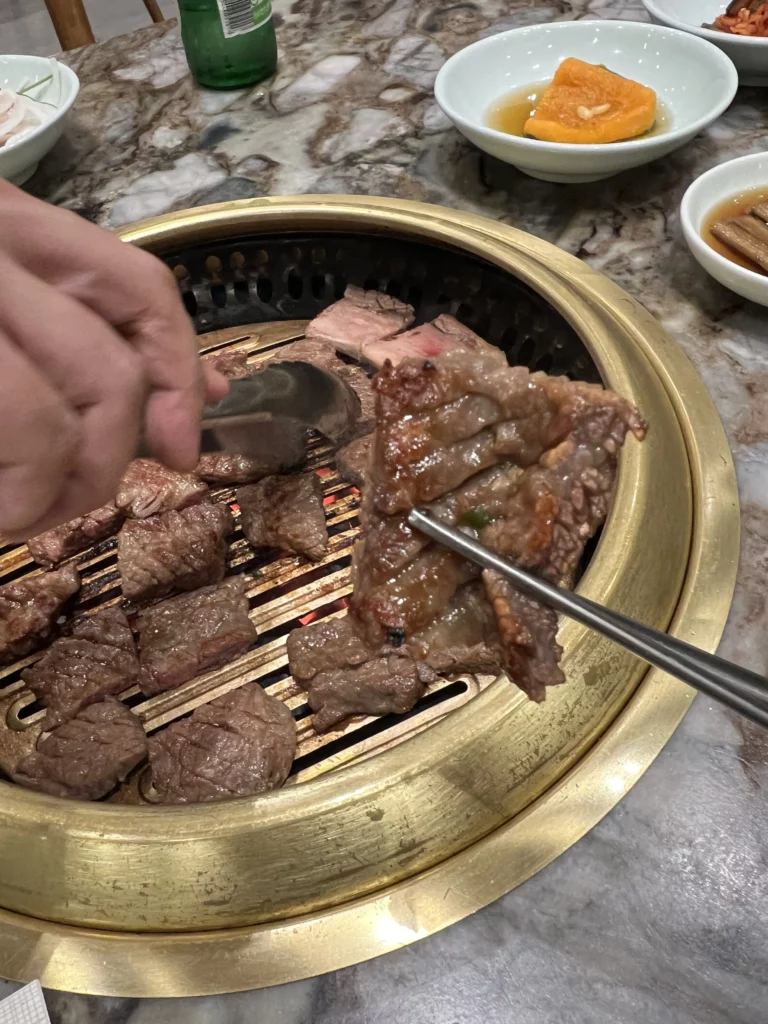
When grilled over charcoal, the exterior develops a slightly sweet-savory caramelization with pleasant char notes, while the interior remains tender and juicy. The texture is notably tender due to both the cut’s inherent quality and the marinade’s tenderizing properties—each bite offers a satisfying chew without being tough. Hanwoo galbi is always served hot off the grill, with the rendered fat providing luxurious mouthfeel.
The beef’s natural flavor shines through even in marinated versions, distinguishing premium Hanwoo from lesser grades. First-time eaters often describe the experience as "melt-in-your-mouth" rich without being overwhelmingly fatty, with a clean beef flavor that doesn’t require heavy seasoning to be exceptional.
What Should First-Time Eaters Know About Enjoying Hanwoo Galbi?
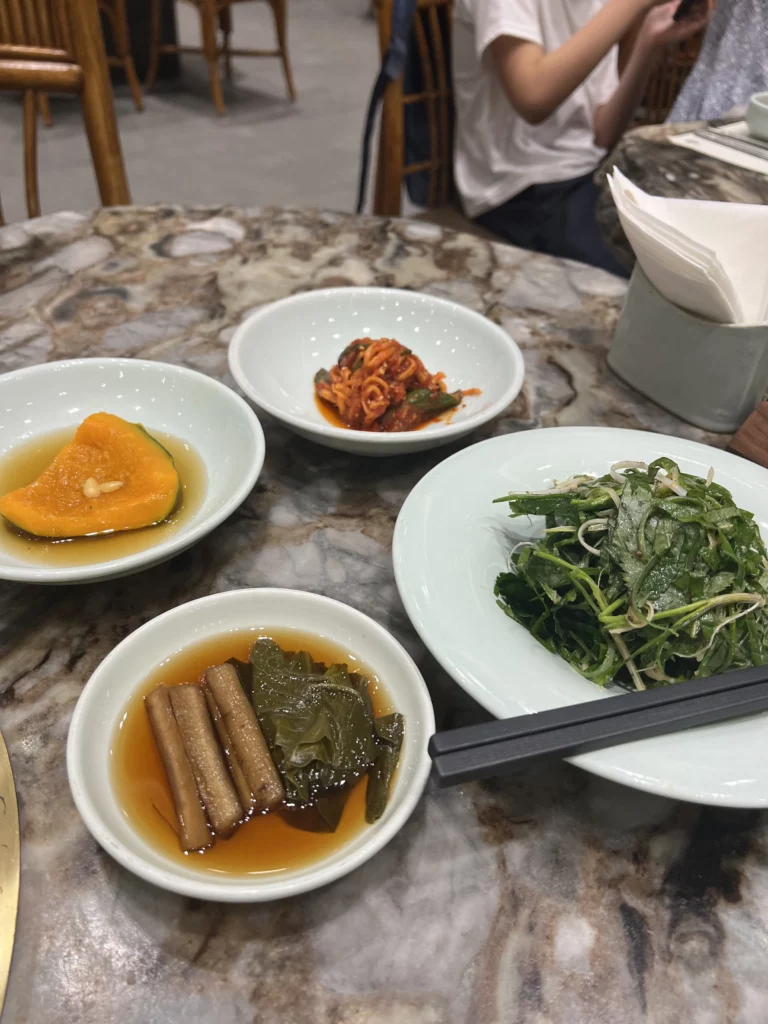
Experiencing Hanwoo galbi at Samwon Garden involves both proper technique and cultural awareness:

Eating Method: Once grilled, use scissors (provided at the table) to cut the galbi into bite-sized pieces. Take a fresh lettuce leaf (sangchu) or perilla leaf (kkaennip), add a piece of grilled galbi, a dab of ssamjang (fermented soybean and chili paste), optional raw garlic, a piece of kimchi, and perhaps some grilled onion or mushroom. Fold the lettuce into a wrap and eat the entire parcel in one or two bites. This method, called ssam, balances the rich meat with fresh vegetables and pungent condiments.
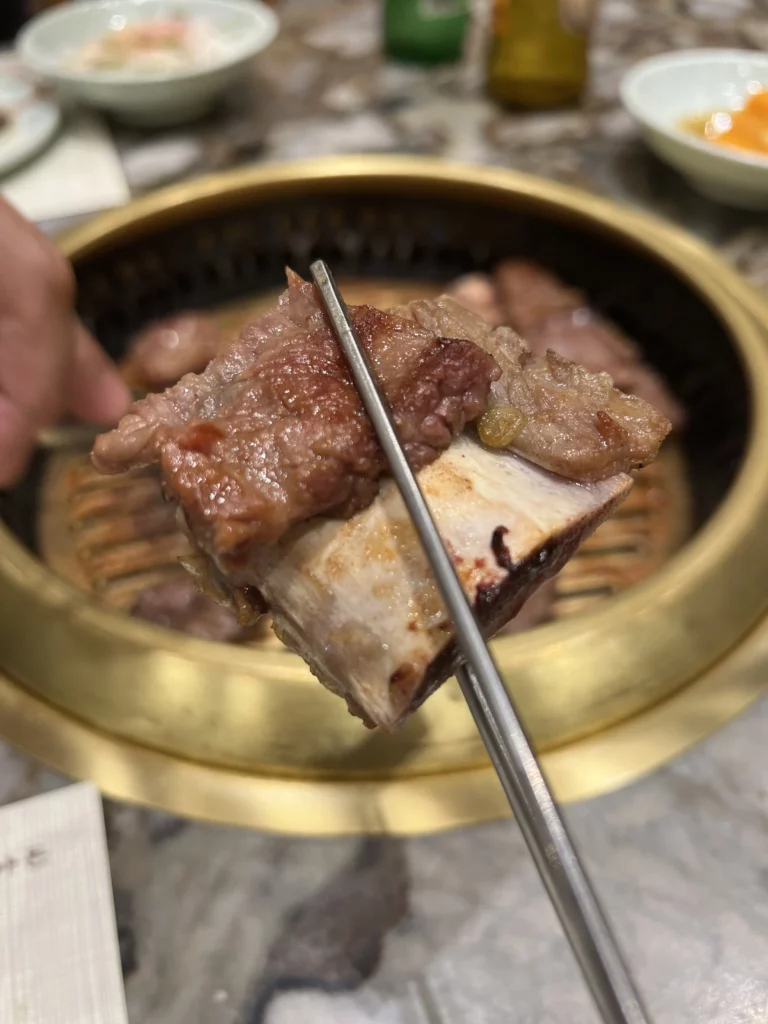
What to Expect on First Taste: The initial impression is usually the meat’s remarkable tenderness and the way the fat melts on your tongue rather than feeling greasy. The charred exterior provides textural contrast and a hint of smokiness. If you’re accustomed to Western-style ribs, Korean galbi’s thinner cut and quicker cooking method will feel quite different—less about slow-cooked falling-off-the-bone tenderness and more about optimal char-to-juice ratio.
Dining Sequence: Begin with the grilled meats, then enjoy naengmyeon (cold buckwheat noodles) or dwenjang jjigae (soybean paste stew) to cleanse your palate and aid digestion. At Samwon Garden, these accompaniments come with your galbi order.
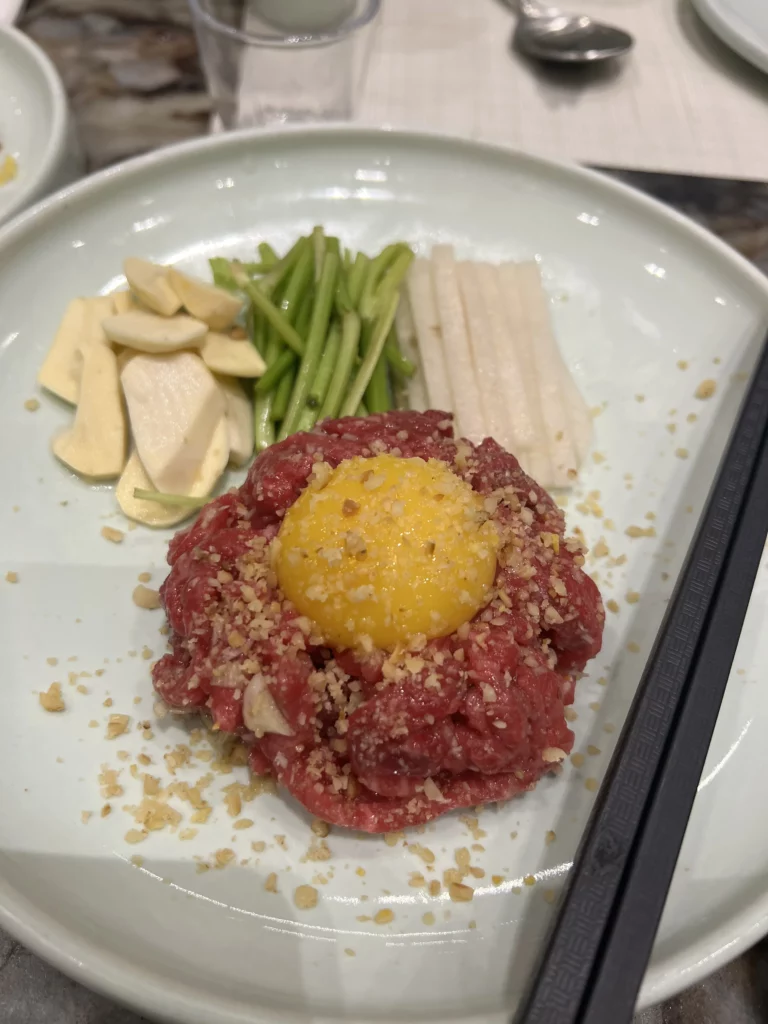
Cultural Considerations: Don’t be surprised if service staff grill the meat for you—this is standard at upscale Korean BBQ restaurants and reflects their commitment to serving perfectly cooked galbi. Allow them to guide the grilling process, especially if you’re unfamiliar with optimal cooking times. The communal grilling experience means sharing from a central grill is normal and expected. Pace yourself—Korean BBQ typically involves multiple courses beyond just the meat, including numerous banchan (side dishes), rice, and soup.
The Banchan Experience: Supporting Cast to Samwon Garden’s Star Attraction
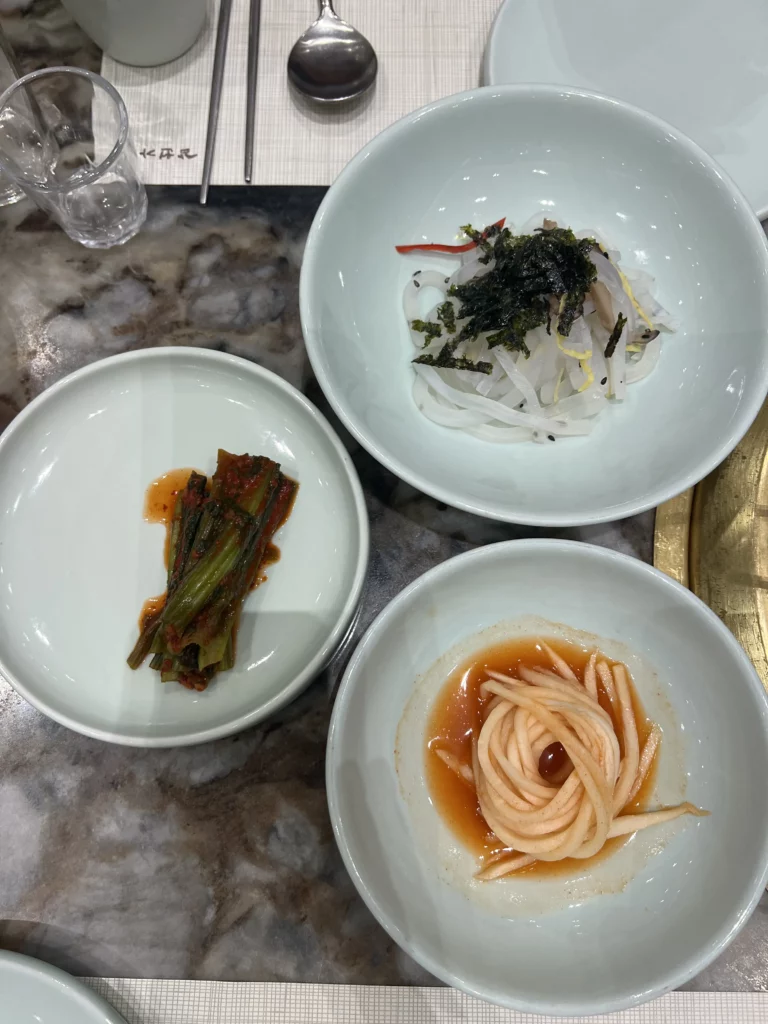
No Korean BBQ experience is complete without banchan—the colorful array of small side dishes that arrive before your main course. At Samwon Garden, expect an impressive spread of at least 8-12 banchan varieties, including several types of kimchi, seasoned vegetables, pickled radish, and more.
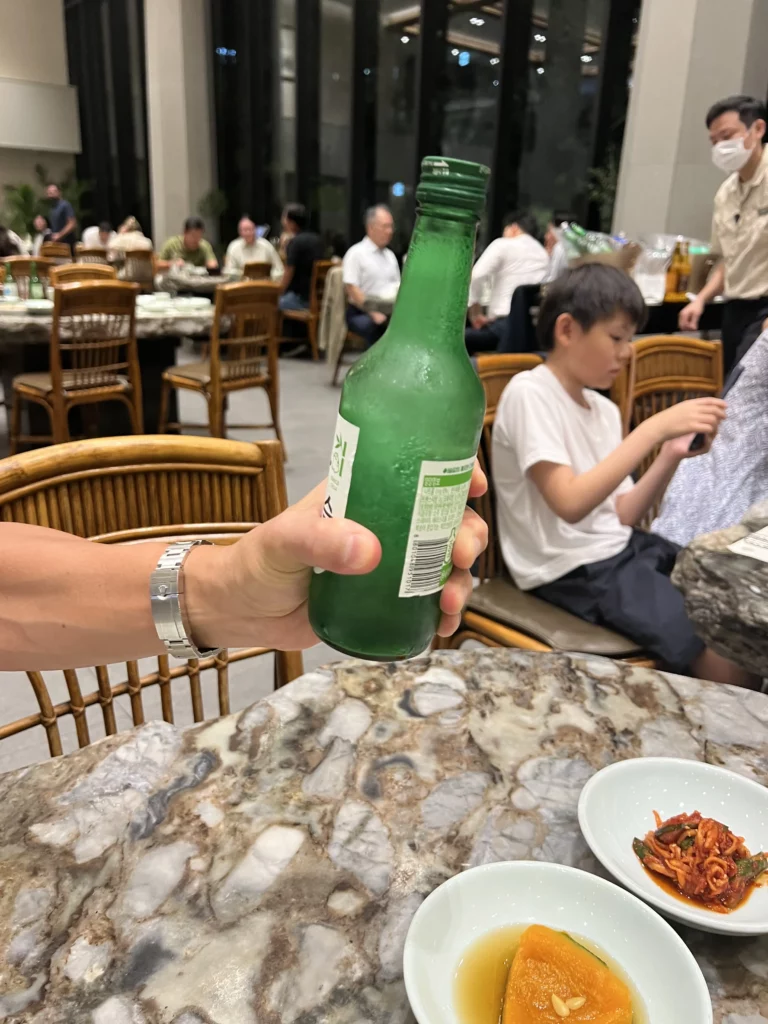
These side dishes serve multiple purposes: they provide palate-cleansing freshness between rich bites of beef, add nutritional balance to the meal, and offer contrasting flavors and textures that enhance the overall dining experience. The kimchi, in particular, cuts through the richness of Hanwoo galbi with its tangy fermented notes and spicy kick.
According to traditional Korean dining etiquette, banchan are meant to be enjoyed throughout the meal and are typically refillable at no additional cost. Don’t hesitate to request more of your favorites.
Samwon Garden’s Atmosphere: Where Traditional Meets Refined
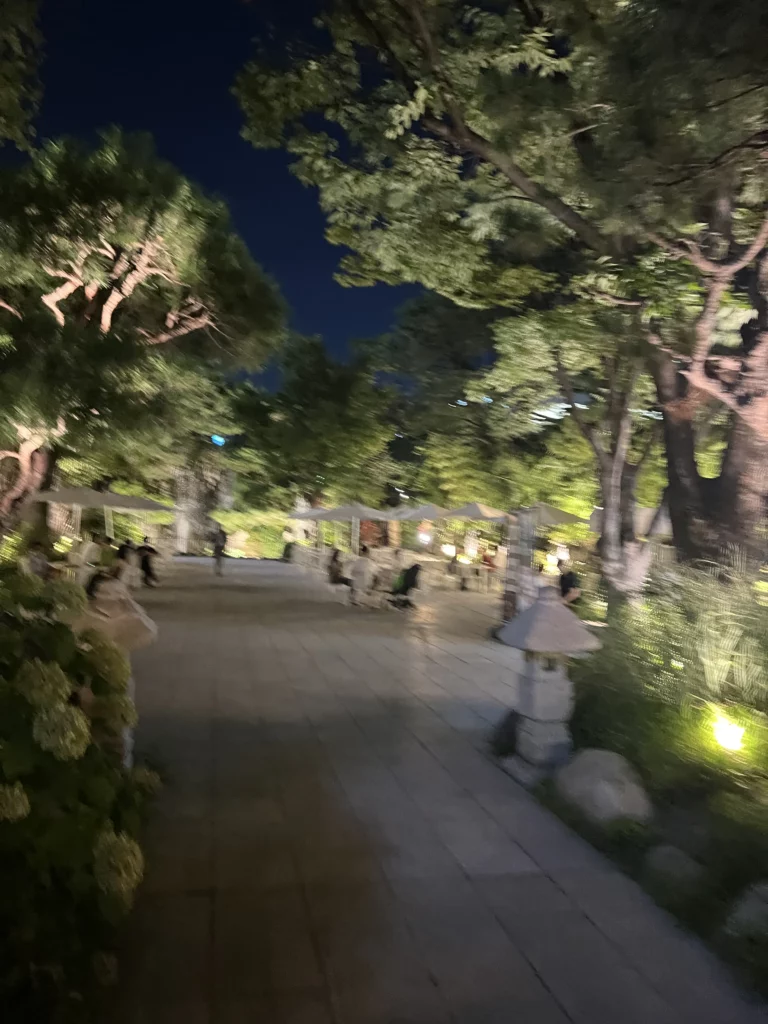
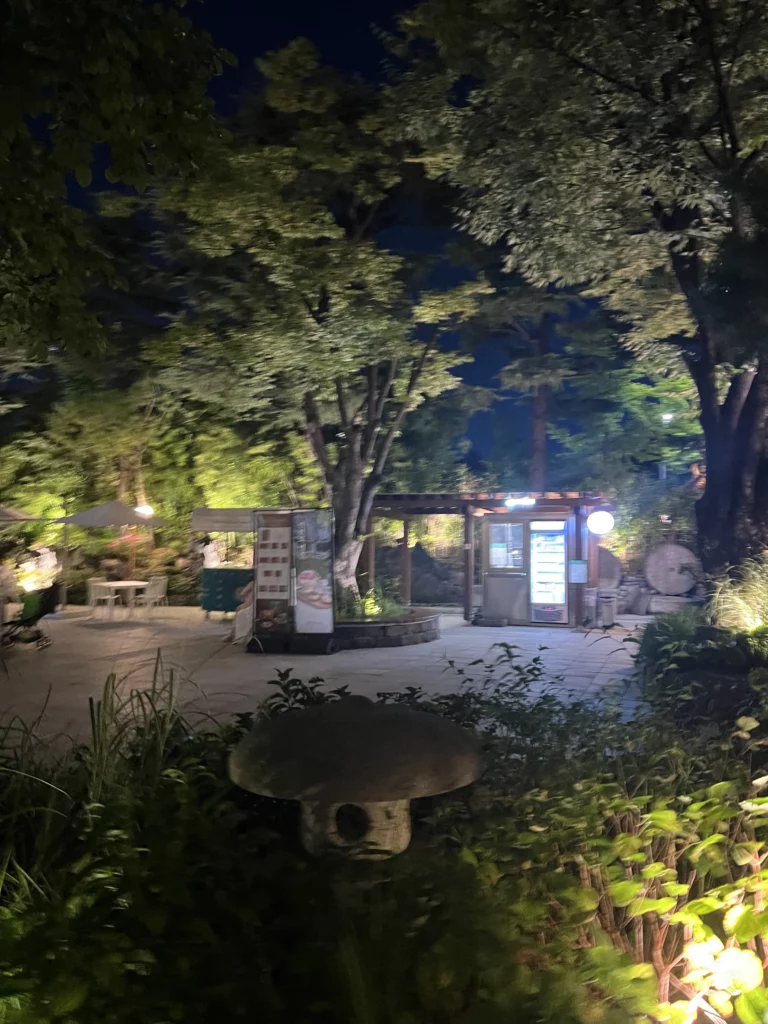
The restaurant’s design philosophy centers on creating spaces that honor Korean aesthetics while accommodating modern dining expectations. Upon entering, guests are greeted by a traditional Korean garden complete with a waterfall and carefully curated landscaping—an unexpected oasis in urban Gangnam.
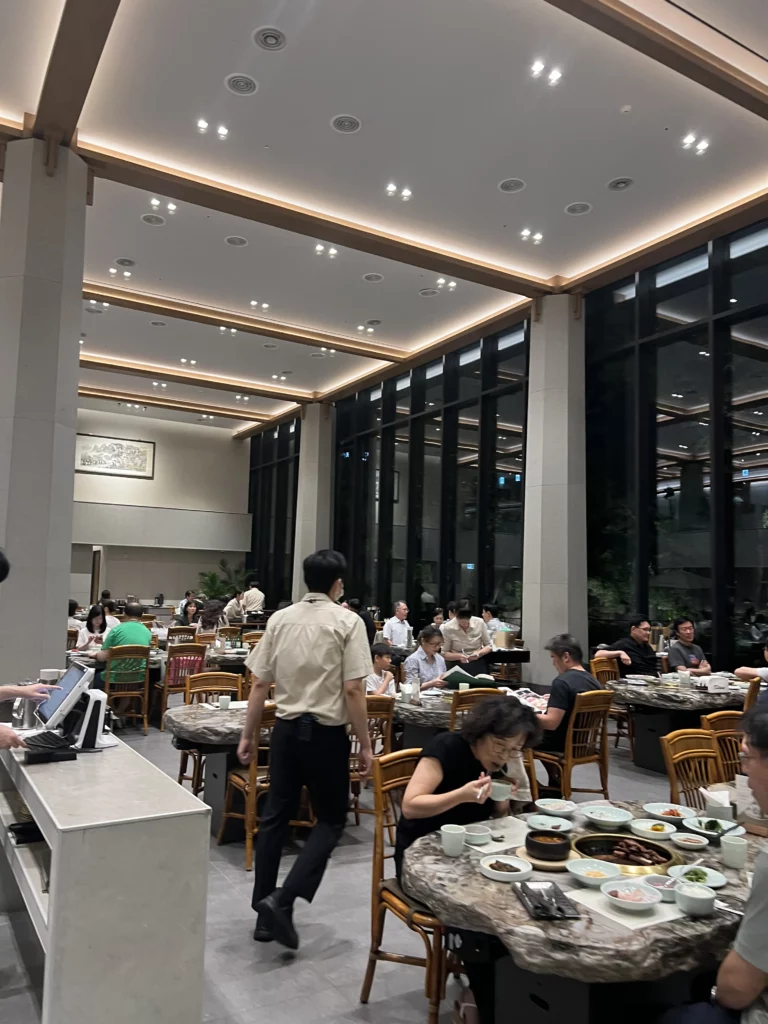
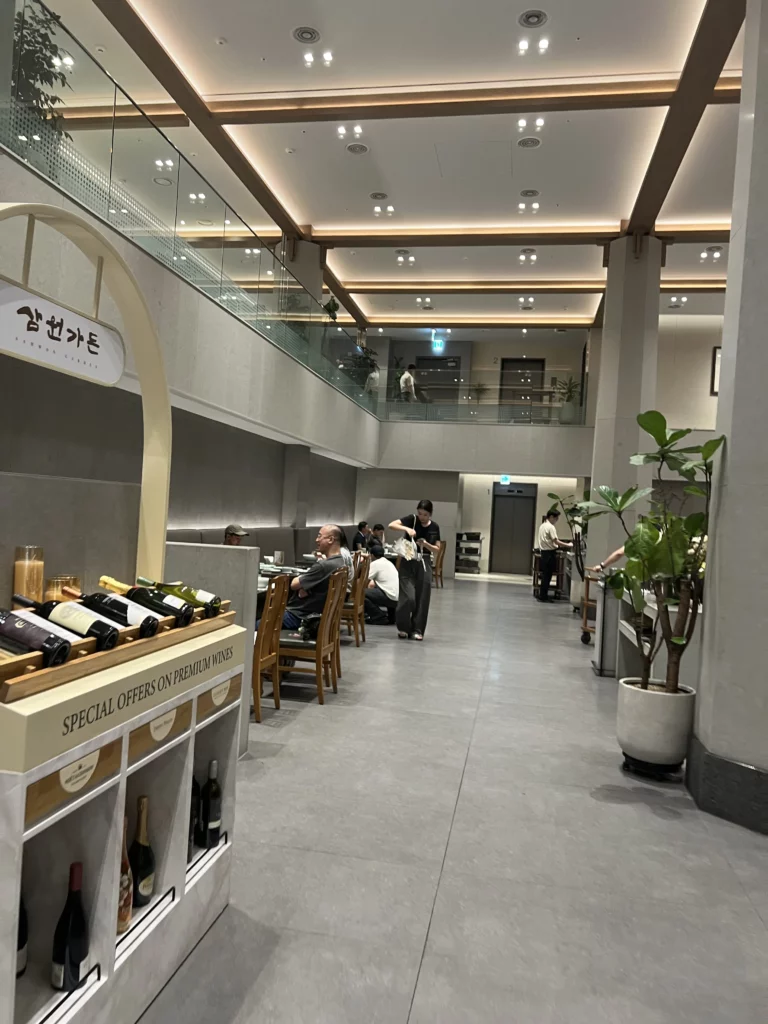
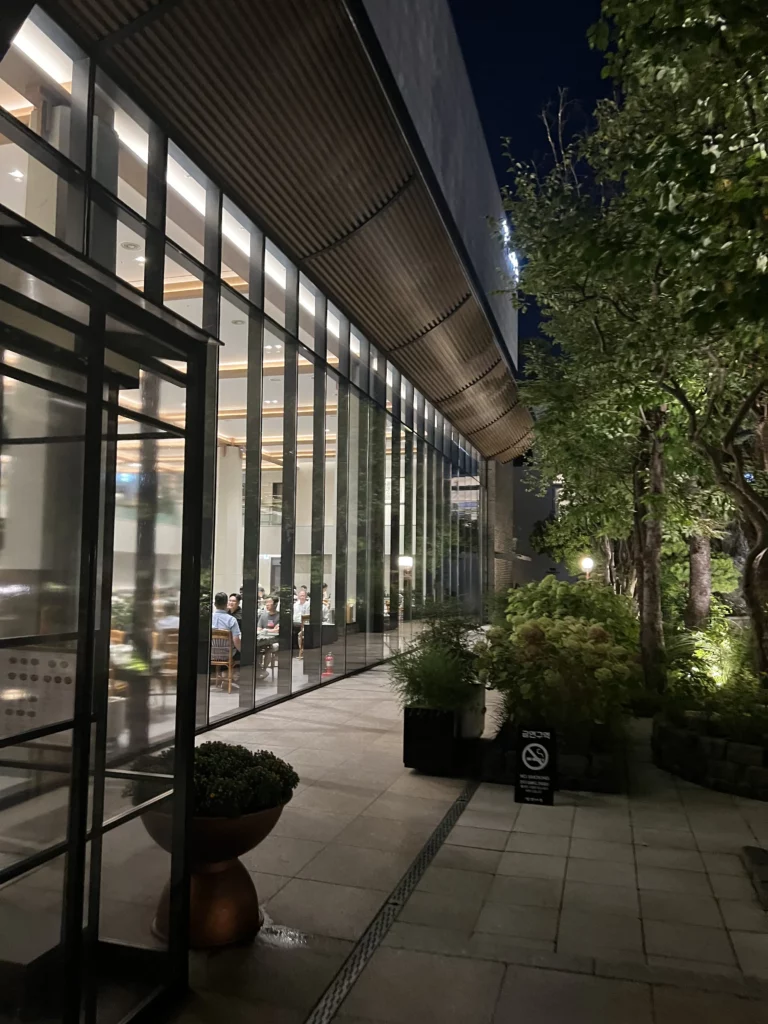
The main dining areas feature high ceilings and floor-to-ceiling windows that showcase the garden views, while the architectural details incorporate hanok-style elements that reference traditional Korean homes. For private occasions, Samwon Garden offers multiple private dining rooms ranging from intimate spaces for small families to large halls suitable for corporate events and celebrations.
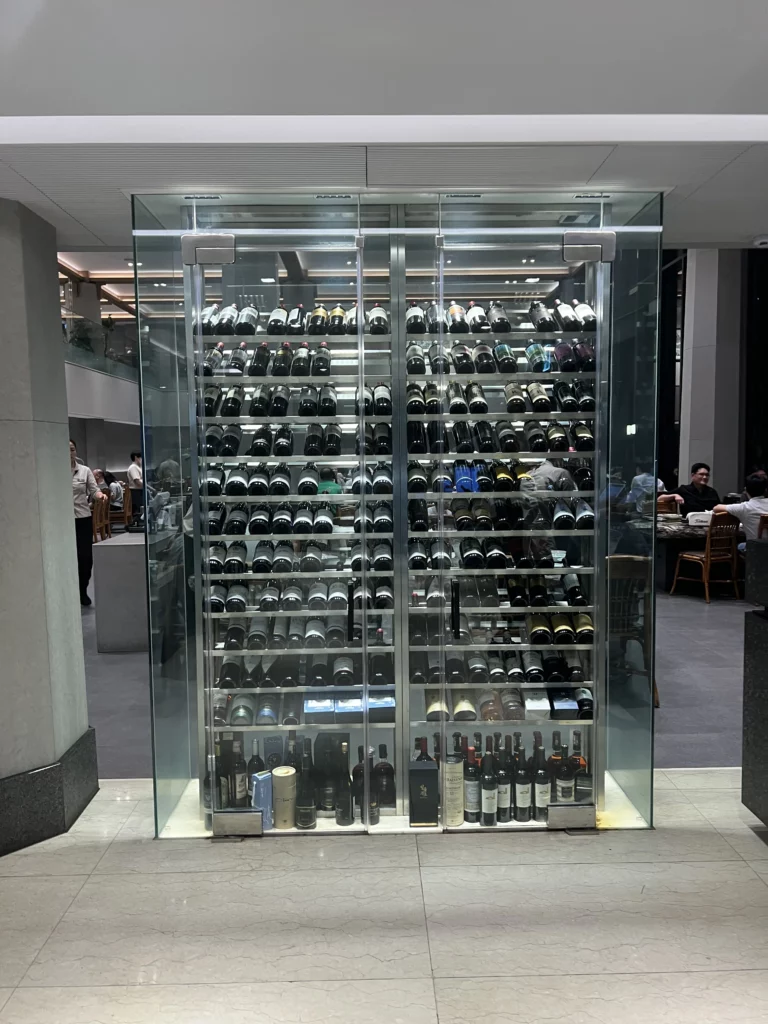
The ambiance strikes a balance between formal and welcoming—appropriate for business entertaining or milestone celebrations, yet comfortable enough that families with children won’t feel out of place. The décor may appear somewhat traditional compared to Seoul’s modern minimalist restaurants, but this is intentional, reflecting the establishment’s commitment to preserving Korean culinary heritage.
Planning Your Visit to Samwon Garden
Location and Access: Samwon Garden is located at 835 Eonju-ro, Gangnam-gu, Seoul, approximately a 7-minute walk from Apgujeong Station (Line 3, Exit 3). The restaurant’s convenient location makes it accessible whether you’re staying in Gangnam or visiting from other parts of Seoul.
Reservations: For dinner and weekend visits, reservations are highly recommended, especially if you want to secure a private room or have a large group. The restaurant operates from 11:30 AM to 10:00 PM Monday through Saturday, with slightly shorter hours on Sundays.


Pricing Expectations: As a premium Hanwoo galbi destination, Samwon Garden reflects quality in its pricing. Expect to pay approximately 40,000-50,000+ won per person for Hanwoo options, though imported beef choices are available at lower price points (starting around 30,000 won per person). One serving (approximately 180 grams) typically serves one person, though ordering styles vary—some diners prefer to sample multiple cuts and share.
What to Order: First-time visitors should consider the traditional marinated Hanwoo galbi (yangnyeom galbi) to experience the restaurant’s signature preparation. Pair it with naengmyeon (cold buckwheat noodles) and dwenjang jjigae (fermented soybean stew) for a complete meal. Adventurous diners might also try the plain grilled galbi (saeng galbi) to taste the pure flavor of premium Hanwoo without marinade.
Korean BBQ Etiquette: Making the Most of Your Samwon Garden Experience
Understanding basic Korean BBQ etiquette enhances your dining experience and shows respect for cultural traditions:
- Let the experts grill: At establishments like Samwon Garden, trained staff will typically manage the grilling. Allow them to do their job—they know exactly when each piece reaches optimal doneness.
- Use serving utensils: Always use the provided tongs or spoons for communal dishes, never your personal chopsticks. This is fundamental Korean dining etiquette.
- Don’t over-order initially: Korean meals involve multiple courses. Start with a reasonable amount and order more as needed.
- Pace yourself: Korean dining is meant to be leisurely and social. Enjoy the conversation, the atmosphere, and the progression of dishes rather than rushing through the meal.
- Wrap mindfully: When creating ssam (lettuce wraps), aim for a size you can eat in one or two bites. Overstuffed wraps that fall apart are difficult to eat gracefully.
Is Samwon Garden Worth the Premium Price?
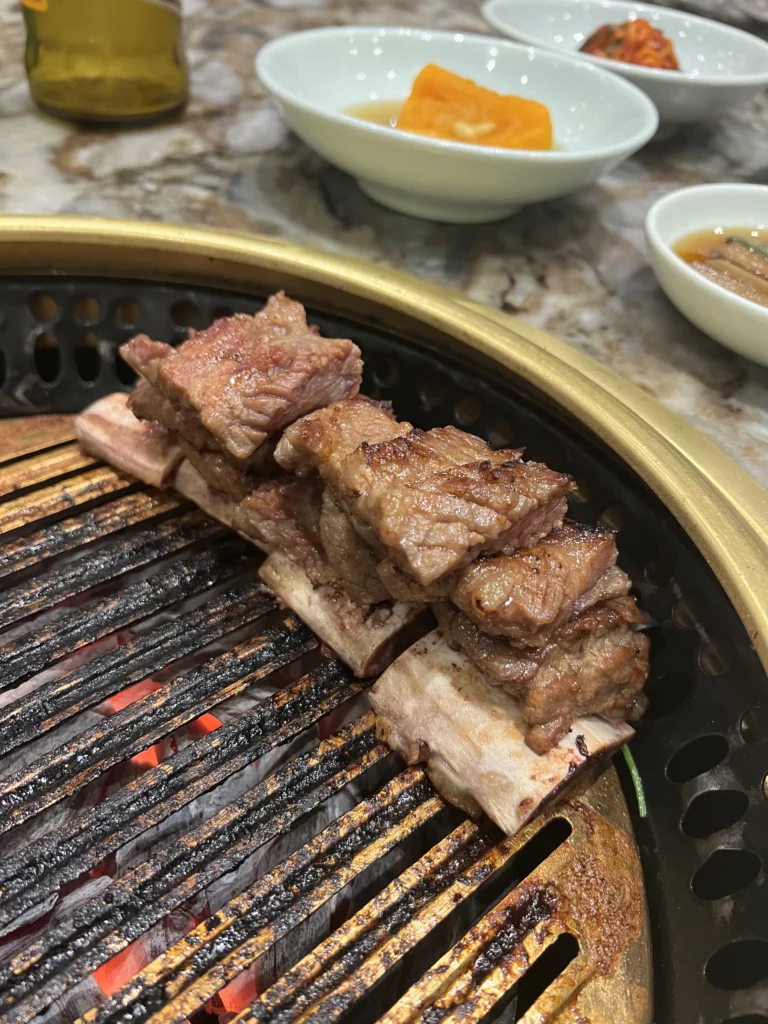
For those seeking an authentic, high-quality Korean BBQ experience in Seoul, Samwon Garden delivers on multiple fronts. The premium pricing reflects genuine quality—from the top-grade Hanwoo beef to the expert service and elegant setting. While you can find more affordable Korean BBQ throughout Seoul, few establishments match Samwon Garden’s combination of premium ingredients, professional service, traditional ambiance, and historical prestige.
The restaurant is particularly well-suited for special occasions, business entertaining, or when you want to treat yourself or visitors to an exceptional Hanwoo galbi experience. The beautiful garden setting, private dining options, and Michelin recognition make it a destination restaurant rather than a casual neighborhood spot.
That said, if you’re primarily seeking the best value for Korean BBQ without concern for ambiance and service level, Seoul offers numerous excellent mid-range options. Samwon Garden’s strength lies in delivering a complete experience where the premium beef is just one element of a memorable evening.
Beyond Galbi: Exploring Samwon Garden’s Full Menu
While Hanwoo galbi is undoubtedly the star, Samwon Garden’s extensive menu offers much more for those interested in exploring traditional Korean cuisine. The bulgogi (marinated beef) provides a different preparation style for Hanwoo, with thinner slices cooked in a sweeter marinade. Galbitang (short rib soup) offers a comforting, nourishing alternative to grilled meats, with tender beef in a clear, deeply flavored broth.
Seasonal specialties and traditional Korean dishes round out the menu, making repeat visits worthwhile for those wanting to explore beyond Korean BBQ. The restaurant also accommodates dietary restrictions and preferences with advance notice.
For nearly five decades, Samwon Garden has remained Seoul’s premier destination for Hanwoo galbi, earning its place in both the Michelin Guide and the hearts of locals and international visitors. Whether you’re marking a special milestone or simply craving Korea’s finest beef in an atmosphere that honors tradition, this Gangnam institution delivers an unforgettable Korean BBQ experience. Located just minutes from Apgujeong Station, Samwon Garden invites you to discover why authentic Hanwoo galbi prepared with decades of expertise remains one of Korean cuisine’s most treasured experiences.
Ready to experience Seoul’s most legendary Korean BBQ? Reserve your table at Samwon Garden and taste the difference that premium Hanwoo beef and 48 years of culinary excellence make.
Location
Reviews
5.0
0 reviews
Related Recipes

Myeong-i Namul Jangajji
Few side dishes earn a permanent place on the Korean BBQ table the way Myeong-i Namul Jangajji — Korean pickled...

Ttukbaegi Bulgogi (Korean Sizzling Beef Stew in a Hot Stone Pot)
There’s a particular kind of comfort in lifting the lid off a bubbling ttukbaegi bulgogi . Steam curls upward, the...

Korean Spicy Pork (Jeyuk Bokkeum)
If you have ever stood in front of a sizzling Korean BBQ pan in Seoul, watching deep-red pork edges caramelize...
Related Ingredients

Udoonsal : Korea’s Leanest Beef Cut for Yukhoe
If there is one Korean beef cut that professional butchers and seasoned home cooks quietly revere above all others, it...

Myeong-i
When the last of winter’s snow finally retreats from the volcanic slopes of Ulleungdo Island, something quietly extraordinary happens. Broad,...

Korean raw beef dish (Yukhoe)
There are dishes that define a cuisine’s confidence — its willingness to let a single, exceptional ingredient speak for itself....