


Tucked away in the bustling Nonhyeon-dong neighborhood of Gangnam, Mapo Charcoal Pork Ribs (마포숯불갈비) represents everything that makes Korean BBQ an unforgettable culinary experience. This authentic restaurant specializes in Dwaeji Galbi (돼지갈비) – Korean-style pork ribs that are marinated to perfection and grilled over traditional charcoal, creating an intoxicating aroma that draws both local regulars and curious food enthusiasts. Unlike trendy BBQ chains, this establishment maintains the time-honored techniques that have made Korean grilled meats famous worldwide, offering diners an authentic taste of Seoul’s vibrant food culture in the heart of one of the city’s most dynamic districts.
Mapo Charcoal Pork Ribs: Seoul's Hidden Gem for Authentic Korean BBQ
4
Mapo Charcoal Pork Ribs: Seoul's Hidden Gem for Authentic Korean BBQ
4
Gangnam-gu, Seoul, Republic of Korea 62-3 Nonhyeon-dong
Editor: James Lee


Interior03
Food04

Menu03
Overview
+82 02-516-1522
Free WiFi Available
Indoor Seating Only
Electronic Payment, Credit Card accepted: American Express, Master Card, Visa
Introduction
Operating hours
Mon, Tue, Wed, Thu, Fri, Sat, SunAM 11:00 - AM 6:00
Menu
Editor's Detail
Table of Contents
- What Makes Mapo Charcoal Pork Ribs Special
- Understanding Dwaeji Galbi: Korean Pork Ribs
- The Charcoal Grilling Difference
- Menu Highlights and Signature Dishes
- Essential Information for First-Time Visitors
- Korean BBQ FAQ
What Makes Mapo Charcoal Pork Ribs Special
The name "Mapo Charcoal" isn’t just branding – it’s a commitment to authentic preparation methods. While many modern Korean BBQ restaurants have switched to gas grills for convenience, Mapo Charcoal Pork Ribs maintains the traditional charcoal grilling technique that Korean BBQ masters have perfected over generations.

Why charcoal matters: The high heat from authentic charcoal creates the signature caramelization on pork ribs while the subtle smokiness penetrates the meat, adding depth that gas grills simply cannot replicate. The Maillard reaction – the chemical process that creates those delicious browned, crispy edges – happens more intensely with charcoal’s consistent, radiant heat.
Located at 62-3 Nonhyeon-dong in Gangnam-gu, this restaurant occupies prime real estate in one of Seoul’s most competitive dining districts. Yet it thrives not on flashy marketing but on word-of-mouth recommendations from satisfied diners who appreciate quality over trends. The restaurant’s longevity in this area speaks volumes about its consistency and the loyalty of its customer base.
Atmosphere and Ambiance
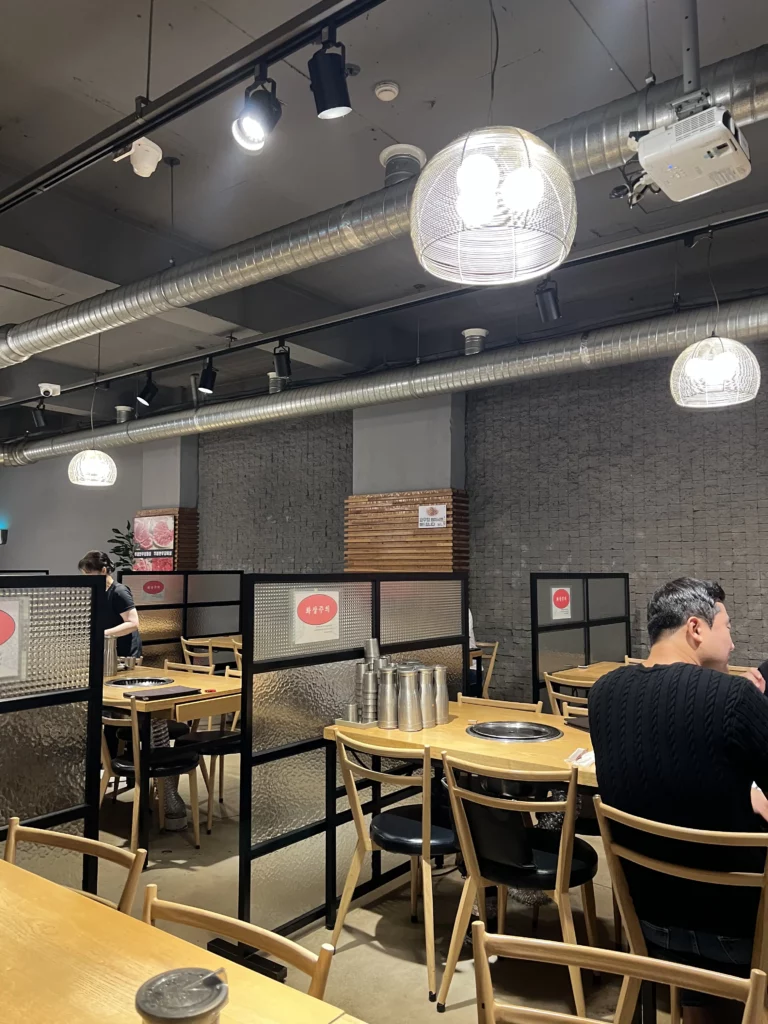
The interior embraces the no-frills aesthetic common in traditional Korean BBQ establishments. You won’t find Instagram-worthy decor or mood lighting here. Instead, the focus remains squarely on the food. Sturdy tables equipped with built-in grills, efficient ventilation systems pulling smoke upward, and the constant sizzle of meat cooking create an energetic, convivial atmosphere. This is where locals come after work, where families celebrate special occasions, and where the true essence of Korean dining culture – centered around shared grilled meats and lively conversation – comes alive.
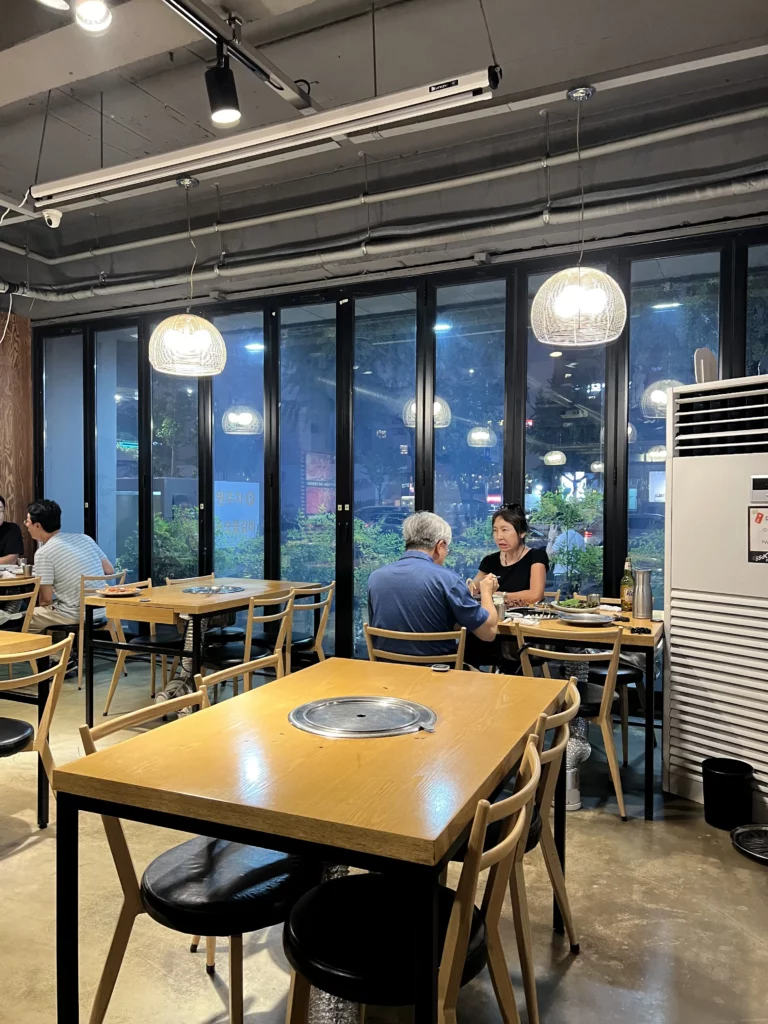
Understanding Dwaeji Galbi: Korean Pork Ribs

Dwaeji Galbi (돼지갈비) translates literally to "pork ribs," but this simple translation doesn’t capture the culinary artistry involved. Unlike American-style BBQ ribs that fall off the bone, Korean pork ribs maintain a slight chew – the meat should pull cleanly from the bone but with just enough resistance to showcase its quality and proper preparation.

The Cut and Preparation
Korean pork ribs typically use spare ribs or rib tips cut into individual bone portions, each about 2-3 inches long. This size is perfect for grilling quickly while allowing diners to pick up each piece with chopsticks or tongs. The meat is scored with shallow cuts that help the marinade penetrate while creating more surface area for that coveted caramelization.
The marinade is where Mapo Charcoal Pork Ribs distinguishes itself. While exact recipes remain closely guarded secrets, traditional Korean pork rib marinades build complexity through layers of flavor:
- Ganjang (간장, Korean soy sauce) provides the salty, umami foundation
- Gochugaru (고춧가루, Korean red pepper flakes) adds heat and a distinctive red color
- Garlic and ginger create aromatic depth
- Asian pear or apple contributes natural sweetness and enzymes that tenderize the meat
- Sesame oil and seeds add nutty richness
- Rice wine or mirin balances the flavors and helps caramelize the sugars

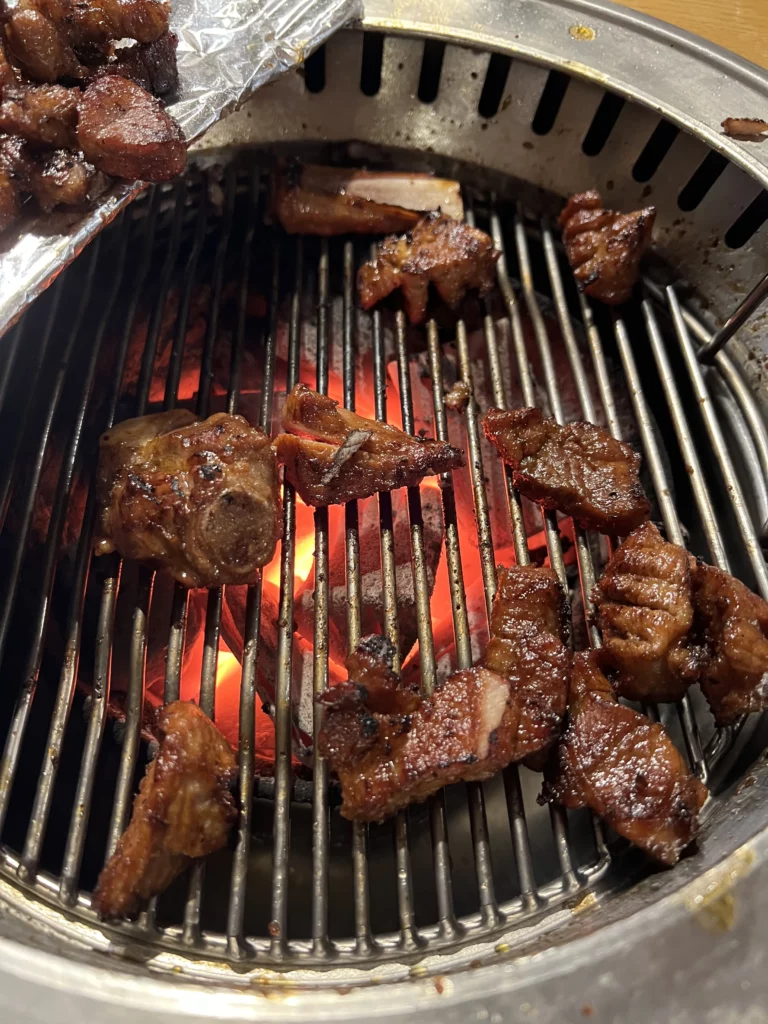
The ribs marinate for several hours, allowing these flavors to meld and penetrate the meat. When grilled over charcoal, the sugars in the marinade caramelize beautifully, creating a glossy, slightly charred exterior that contrasts with the juicy interior.
The Charcoal Grilling Difference
Watching your Dwaeji Galbi cook over glowing charcoal is part of the Mapo experience. The grill masters – often your server or sometimes you, if you’re feeling adventurous – place the marinated ribs on the hot grate where they immediately begin to sizzle. The fat renders, dripping onto the charcoal and creating small flare-ups that add extra char and smokiness.

Proper grilling technique involves:
- Initial sear: Place ribs on the hottest part of the grill to develop color and crust
- Rotation: Turn the pieces regularly to ensure even cooking and prevent burning
- Basting: Some establishments brush on additional marinade mid-cook for extra flavor
- Testing doneness: The meat should be cooked through but still juicy, not dried out
- Resting: Allow the ribs to rest briefly after grilling so juices redistribute

The entire process takes about 8-10 minutes, during which the intoxicating aroma of caramelizing meat and charcoal smoke fills the air around your table. This isn’t just cooking – it’s theater, and the payoff is immensely satisfying.
Menu Highlights and Signature Dishes

While Dwaeji Galbi reigns as the star attraction, Mapo Charcoal Pork Ribs offers a carefully curated menu that showcases various aspects of Korean BBQ tradition.
Main Dishes
Original Pork Ribs (본갈비): The restaurant’s signature offering features premium pork ribs in their house marinade. The generous portions ensure everyone at the table gets plenty, and the quality of the meat – well-marbled with visible fat that renders during grilling – speaks to careful sourcing.

Spicy Pork Ribs (매운갈비): For those who enjoy heat, the spicy version amplifies the gochugaru content, creating a fiery kick that pairs perfectly with cold beer or soju. The spice level hits around 6-7 on a 10-point scale – noticeable heat that enhances rather than overwhelms.
Grilled Pork Belly (삼겹살): No Korean BBQ experience is complete without samgyeopsal. Thick-cut, unmarinated pork belly slices are grilled until the fat turns golden and crispy while the meat remains tender.
Beef Options: For variety, the menu includes beef short ribs (소갈비) and beef bulgogi, though pork remains the specialty here.
Banchan (Side Dishes)

Like all respectable Korean restaurants, Mapo serves complimentary banchan (반찬) – small side dishes that accompany the main course. Expect classic offerings including:

- Kimchi (김치): Fermented napa cabbage with spicy, tangy flavor
- Lettuce and perilla leaves: For wrapping grilled meat ssam-style
- Ssamjang (쌈장): Thick, savory paste made from doenjang (fermented soybean paste) and gochujang (red pepper paste)
- Pickled radish (무): Palate cleanser between rich, fatty bites
- Green onion salad (파절이): Fresh, spicy topping for grilled meats

These aren’t mere garnishes – they’re integral to the Korean BBQ experience, providing contrasting flavors and textures that complement the rich grilled meats.

Essential Information for First-Time Visitors

Location and Access
Address: 62-3 Nonhyeon-dong, Gangnam-gu, Seoul
Nearest Subway: Sinnonhyeon Station (Line 9) or Gangnam Station (Line 2) – both approximately 10-15 minutes walking distance
The Nonhyeon-dong area is known for its concentration of quality restaurants and nightlife. While not directly adjacent to major subway exits, the walk through the neighborhood offers glimpses of authentic Seoul life away from tourist hotspots.
Practical Tips
Reservations: Highly recommended, especially for dinner service and weekends. The restaurant’s reputation among locals means it fills up quickly.
Peak Hours: Lunch (12:00-13:30) and dinner (18:00-20:00) see the heaviest traffic. Arriving slightly before or after these windows often means shorter waits.
Dress Code: Casual is perfectly acceptable. Korean BBQ is inherently messy, and you’ll leave smelling like delicious smoke regardless of what you wear.
Language: Staff may have limited English, but menus typically include photos and basic English descriptions. Pointing and smiling goes a long way. Key phrases: "Dwaeji galbi juseyo" (Please give me pork ribs) and "Masisseoyo" (It’s delicious).
Payment: Cash and cards both accepted. Tipping is not customary in Korea.
Party Size: Tables accommodate 2-6 people comfortably. Larger groups should call ahead.
Price Range
Expect to spend approximately 15,000-25,000 KRW per person (roughly $12-20 USD) depending on how much meat you order and whether you add extras like drinks or additional dishes. This represents excellent value for the quality and quantity provided.
Korean BBQ FAQ
What makes this dish uniquely Korean?
Korean pork ribs distinguish themselves through the marinade-first approach rather than the dry rub or post-cooking sauce methods common in American BBQ. The marinade contains distinctly Korean ingredients – gochugaru for heat, ganjang for umami depth, and often fruit for natural sweetness and tenderization. The interactive dining experience is equally important: in Korean culture, BBQ is inherently communal, with shared grilling, conversation, and the ritual of wrapping grilled meat in lettuce leaves with various accompaniments. This social aspect elevates the meal beyond simple sustenance into a bonding experience.
What are the key ingredients that create this flavor?
Gochugaru (고춧가루, Korean red pepper flakes): Unlike cayenne or other chili powders, gochugaru offers fruity, almost smoky heat with a subtle sweetness. It provides the distinctive red color and moderate spice level (typically 4,000-8,000 Scoville units) that’s noticeable but not overwhelming. Rich in vitamin C and capsaicin, gochugaru also aids digestion. Available at Asian markets or online, with varying coarseness options.
Ganjang (간장, Korean soy sauce): Korean soy sauce differs from Chinese or Japanese varieties with its deeper, more complex umami profile. Made from naturally fermented soybeans, it provides the salty foundation while adding glutamate richness that makes meat taste meatier. The fermentation process creates beneficial probiotics and enhances mineral content, particularly iron and magnesium.
Asian Pear (배, bae): This crisp, juicy fruit serves dual purposes – its natural enzymes tenderize the meat by breaking down proteins, while its subtle sweetness balances the salty and spicy elements without making the marinade cloying. Fresh Asian pear is ideal, but apple works as a substitute. The fruit’s juice integrates seamlessly into the marinade, disappearing into the background while elevating all other flavors.
How would you describe the taste and spice level?
Korean pork ribs deliver a multi-layered flavor experience: initial sweetness from caramelized sugars, followed by savory umami depth from soy sauce and charcoal smoke, building to a moderate spicy finish from gochugaru. The texture combines a slightly charred, crispy exterior with tender, juicy meat that pulls cleanly from the bone. Spice level: 5-6/10 for regular versions – enough heat to create warmth and complexity without overwhelming other flavors. The spicy version jumps to 7-8/10, creating noticeable but not painful heat. Served piping hot directly from the grill, the ribs are best enjoyed within the first few minutes when the contrast between crispy edges and juicy interior peaks.
What should first-time eaters know?

Proper eating method: Use metal tongs or chopsticks to pick up individual rib pieces from the grill. You can eat them directly, or follow the traditional ssam (쌈) wrapping method: place a rib piece in a lettuce or perilla leaf, add a small dollop of ssamjang, perhaps some kimchi or garlic, then fold and eat in one bite. The vegetable wrapper provides refreshing crunch and helps cut the richness of the meat.
What to expect: The first bite delivers intense, concentrated flavor – saltier and more robust than many Western BBQ styles. The meat should be tender but not falling apart, requiring a clean pull from the bone. Don’t be surprised by the generous amount of fat; in Korean cuisine, this is prized for flavor and texture, not trimmed away.
Pacing: Order one or two servings initially. You can always order more, but Korean BBQ portions are often larger than expected. The meal naturally slows down as you grill, eat, converse, and repeat – this isn’t fast food. Budget 60-90 minutes for a leisurely experience.
Cultural considerations: It’s polite to wait for the eldest person at the table to begin eating first. Pour drinks for others rather than yourself. Don’t stick chopsticks vertically in rice (funeral symbolism). And embrace getting a bit messy – that’s part of the fun!
Making the Most of Your Visit
Ideal Combinations
Classic pairing: Order the original pork ribs with a side of samgyeopsal for variety. The unmarinated pork belly provides a nice contrast to the intensely flavored ribs.
Drinks: Soju (Korean distilled spirit) or beer are traditional accompaniments. The alcohol cuts through the richness of the grilled meat. Try somaek (소맥) – a mix of soju and beer that’s hugely popular in Korea.
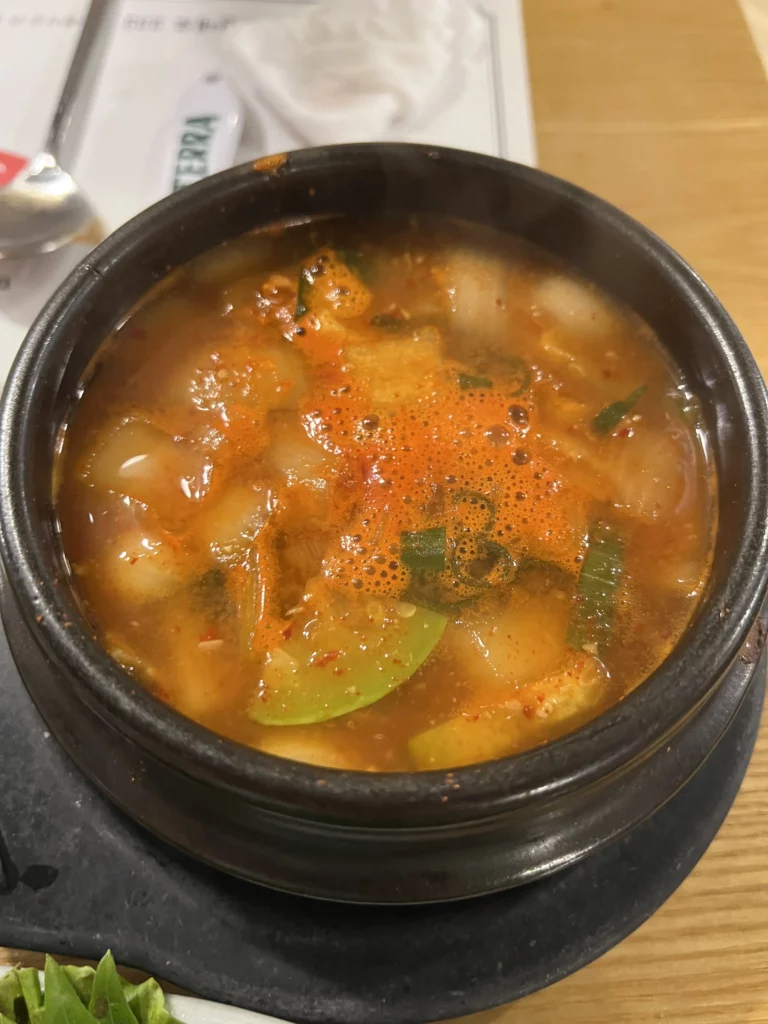
Finishing strong: Many Korean BBQ meals conclude with naengmyeon (냉면, cold buckwheat noodles) or doenjang-jjigae (된장찌개, fermented soybean paste stew) to cleanse the palate and fill any remaining space.
The Gangnam Experience
Mapo Charcoal Pork Ribs sits in Gangnam, the district made famous by PSY’s "Gangnam Style." While the song depicted the area’s flashy, expensive reputation, neighborhoods like Nonhyeon-dong reveal a more grounded side – this is where locals actually eat, drink, and socialize. After your meal, explore the surrounding streets lined with cafes, bars, and diverse restaurants representing Korea’s thriving food scene.
The proximity to major business districts means weekday lunches attract office workers seeking quality meals within reasonable budgets. This local patronage serves as the highest endorsement – when Korean diners consistently choose a restaurant, you know the food delivers.
Experience Seoul’s BBQ Culture

Mapo Charcoal Pork Ribs represents Korean BBQ at its most essential – quality ingredients, time-honored preparation methods, and the simple pleasure of gathering around a grill with friends or family. While Seoul offers countless dining options from Michelin-starred establishments to street food stalls, this restaurant occupies an important middle ground: authentic, affordable, and accessible without requiring insider knowledge or reservations weeks in advance.
The Dwaeji Galbi here tastes as it should – boldly flavored, properly charred, satisfyingly tender – prepared by people who understand that great Korean BBQ doesn’t need gimmicks, just commitment to craft. Whether you’re a Korean food enthusiast eager to explore beyond bulgogi and bibimbap, or a curious first-timer ready to experience authentic Seoul dining culture, Mapo Charcoal Pork Ribs delivers an experience that lingers in memory long after the charcoal smoke clears.

Ready to experience authentic Korean pork ribs? Make your reservation at Mapo Charcoal Pork Ribs and discover why generations of Seoul residents have made charcoal-grilled galbi a cornerstone of Korean cuisine. Located at 62-3 Nonhyeon-dong, Gangnam-gu, this hidden gem awaits your visit.
Have you tried authentic Korean BBQ? What’s your favorite way to enjoy grilled pork ribs? Share your experiences in the comments below!
Location
62-3 Nonhyeon-dong, Gangnam-gu, Seoul, Republic of Korea, KR
Reviews
4.0

0 reviews
5
0%
4
0%
3
0%
2
0%
1
0%
Loading reviews...
Related Recipes

Vegetable&Fruit
Myeong-i Namul Jangajji
Few side dishes earn a permanent place on the Korean BBQ table the way Myeong-i Namul Jangajji — Korean pickled...

Meat & Poultry
Korean Spicy Pork (Jeyuk Bokkeum)
If you have ever stood in front of a sizzling Korean BBQ pan in Seoul, watching deep-red pork edges caramelize...

Recipe
Bossam – Boiled Pork with Kimchi
When you take that first bite of a perfectly assembled Bossam wrap—warm, succulent pork folded into crisp salted cabbage alongside...
Related Ingredients

Ingredient
Myeong-i
When the last of winter’s snow finally retreats from the volcanic slopes of Ulleungdo Island, something quietly extraordinary happens. Broad,...

Ingredient
Korean Pork
Korean pork, known as dwaeji-gogi (돼지고기) in Korean, stands as one of the most beloved and widely consumed meats in...

Meat & Poultry
Samgyeopsal
Few dishes capture Korean dining like samgyeopsal, the thick-cut pork belly at the center of nearly every Korean BBQ table....

Beef
Somunnan Seongsu Gamjatang: Seongsu's 24-Hour Pork Stew
Seongdong-gu, Seoul 45, Yeonmujang-gil,
5

Beef
Saejae Halmaejip: Mungyeong's Yakdol Pork Since 1973
Mungyeong-si, Gyeongsangbuk-do 922, Saejae-ro, Mungyeong-eup
4

Beef
Ilsang Jeongwon: Shabu Shabu at Seoul Express Bus Terminal
Seoul FP103, 205, Sapyeong-daero, Seocho-gu, Seoul
5

Beef
Myeongdong Kyoja: Seoul's Michelin Kalguksu Since 1966
Jung-gu, Seoul 29, Myeongdong 10-gil
5