


Craving an authentic Korean dining experience away from the tourist crowds? Haega Jjukkumi in Seoul’s Sinsa-dong serves some of the city’s most addictive jjusam—tender webfoot octopus and grilled pork belly in a fiery-sweet gochujang sauce. This comprehensive guide reveals everything first-time visitors need to know about ordering, eating, and enjoying this beloved Korean specialty in one of Gangnam’s hippest neighborhoods. From spice level advice to the best time to visit, learn why locals keep returning to this unassuming restaurant where the sizzling hot plates and bold flavors perfectly capture the spirit of contemporary Seoul dining culture.
Haega Jjukkumi: Seoul's Hidden Gem for Authentic Spicy Webfoot Octopus in Sinsa-dong
5
Haega Jjukkumi: Seoul's Hidden Gem for Authentic Spicy Webfoot Octopus in Sinsa-dong
5
Gangnam-gu, Seoul, Republic of Korea 516 Sinsa-dong
Editor: James Lee


Interior02
Food03

Menu01
Overview
+82 0507-1315-8644
WiFi Provided
Indoor Seating Only
Electronic Payment accepted: American Express, Master Card, Visa
Introduction
Operating hours
Mon, Tue, Wed, Thu, Fri, Sat, SunPM 5:00 - PM 12:00
Menu
Editor's Detail
Tucked away in Seoul’s trendy Sinsa-dong neighborhood, Haega Jjukkumi offers a quintessential Korean dining experience centered around one of the peninsula’s most beloved seasonal delicacies: jjukkumi, or webfoot octopus. This unassuming restaurant has quietly built a devoted following among locals who crave the perfect balance of spicy, sweet, and savory flavors that only expertly prepared jjukkumi can deliver. The sizzling iron plates, aromatic gochujang-based sauce, and tender octopus tentacles create an unforgettable sensory experience that captures the essence of contemporary Korean cuisine.
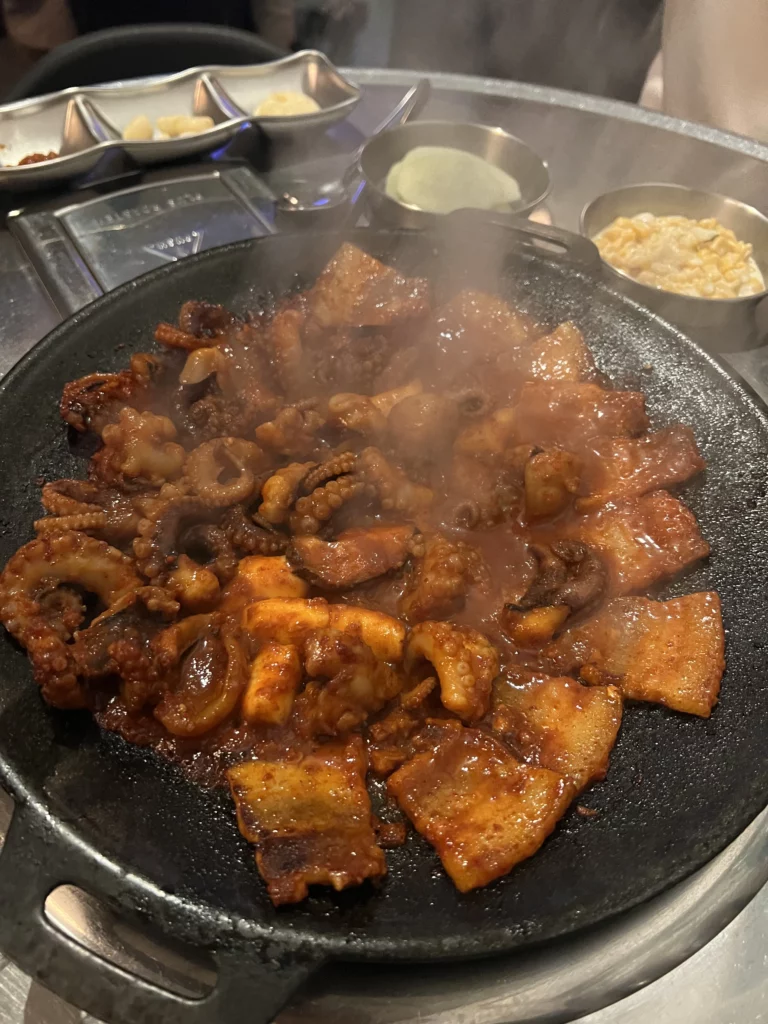
Located just minutes from Sinsa Station in the heart of Gangnam, Haega Jjukkumi represents the kind of neighborhood restaurant where Seoul residents go when they want authentic Korean flavors without pretension. The restaurant specializes in jjusam—the addictive combination of spicy stir-fried webfoot octopus and grilled pork belly—a pairing that has become one of Korea’s most popular casual dining options for good reason.
What Makes Jjukkumi Uniquely Korean?
Webfoot octopus has held a special place in Korean culinary tradition for generations, particularly along the western coastal regions where these small cephalopods are harvested. In Korean food culture, jjukkumi represents the arrival of spring—there’s even a popular saying, "Bom jjukkumi, gaeul nakji" (Spring for jjukkumi, fall for nakji), highlighting the seasonal importance of this ingredient.
Historically, jjukkumi became popular during a time known as borit-gogae, or the "barley hump"—the lean period between winter and summer harvests when food was scarce. For coastal communities, the arrival of spawning jjukkumi provided essential nutrition during challenging times. Today, this tradition has evolved into a celebrated culinary event, with jjukkumi festivals held annually in fishing communities like Seocheon County.
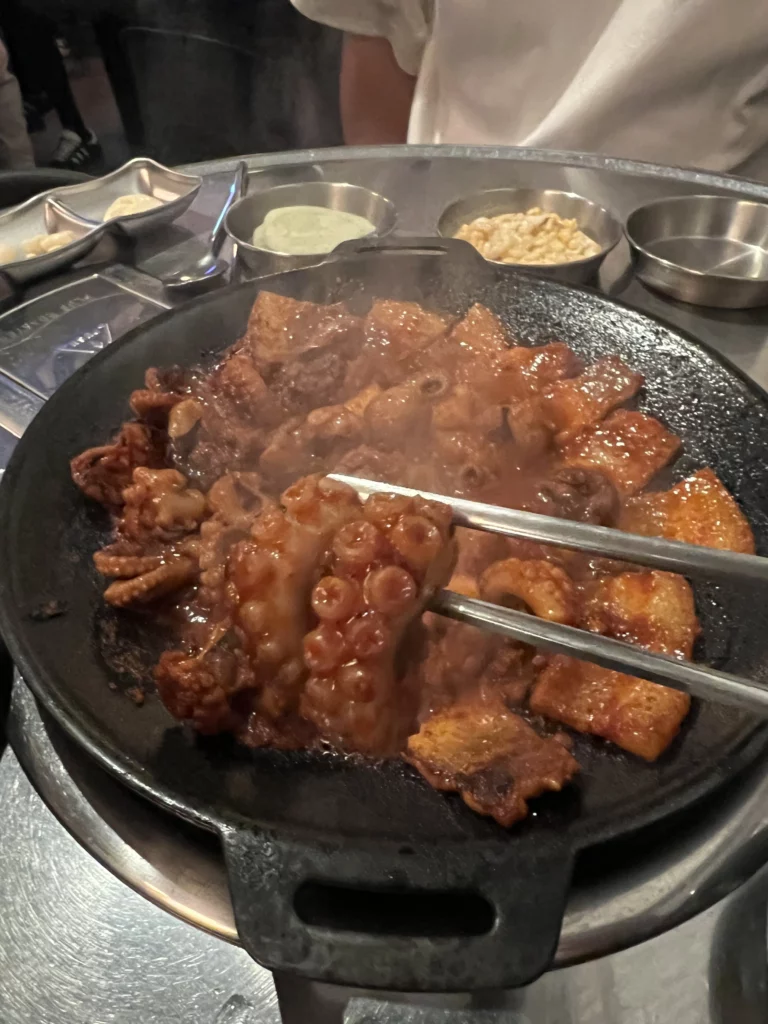
What distinguishes Korean jjukkumi preparation from other octopus dishes worldwide is the distinctive spicy-sweet marinade. Korean cooks typically coat the octopus in a complex sauce featuring gochujang (fermented red chili paste), soy sauce, garlic, ginger, and rice syrup, creating layers of flavor that complement rather than overpower the delicate seafood. This approach transforms a simple ingredient into something memorable, showcasing Korea’s mastery of balanced seasoning.
What Are the Key Ingredients That Create This Flavor?
Jjukkumi (Webfoot Octopus): These small octopuses measure only 12-17 centimeters in length with distinctive webbed membranes between their tentacles, giving them their English name. Unlike larger octopus varieties, jjukkumi maintains a tender, pleasantly chewy texture that becomes even more enjoyable when cooked quickly at high heat. Rich in taurine—containing two to five times more than regular octopus—jjukkumi provides significant nutritional benefits while remaining low in calories. The peak season runs from March through May when the octopus are plump with eggs, offering both exceptional flavor and a unique textural element.
Gochujang-Based Sauce: The soul of any jjukkumi dish lies in its marinade, where Korean gochujang serves as the foundation. This fermented red chili paste brings depth, subtle sweetness, and complex umami notes that complement the seafood beautifully. The sauce typically includes additional elements like gochugaru (Korean chili flakes) for heat, soy sauce for saltiness, rice syrup for balance, and fresh garlic and ginger for aromatic punch. The fermentation process in gochujang develops beneficial probiotics while creating that distinctive tangy-sweet flavor profile unique to Korean cuisine.
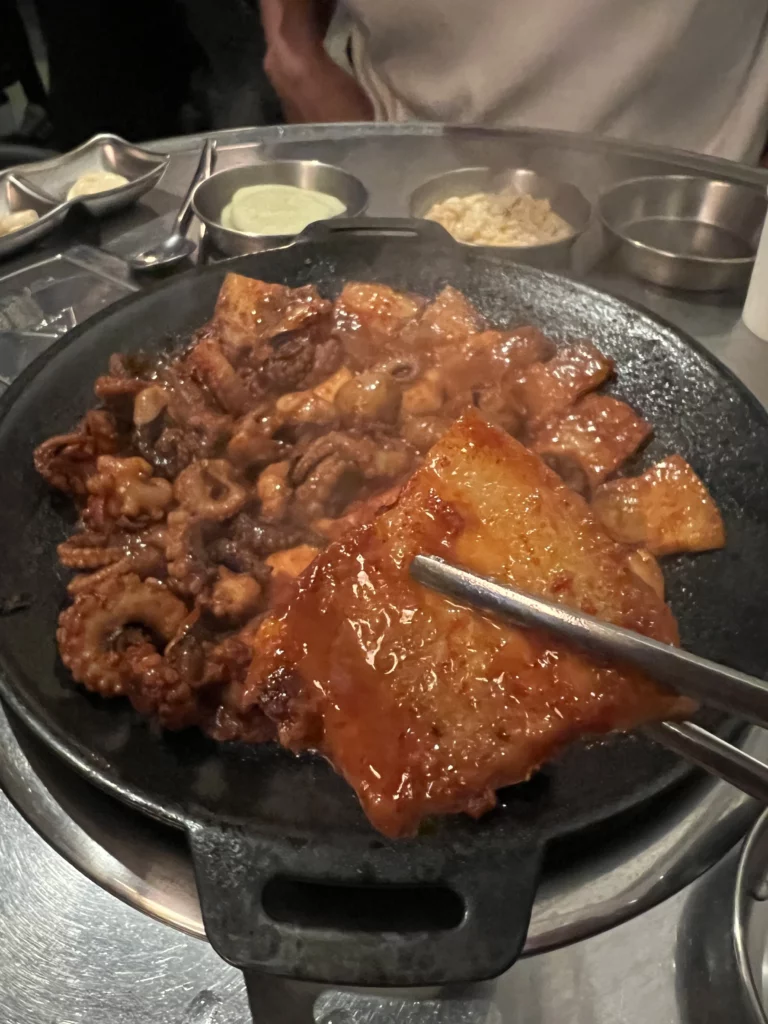
Samgyeopsal (Pork Belly): When jjukkumi meets samgyeopsal in the jjusam combination, magic happens. The rich, fatty pork belly serves multiple purposes: its rendered fat creates a cooking medium that prevents the octopus from sticking while adding depth to the sauce. The contrast between tender seafood and crispy-edged pork creates textural interest, while the pork’s mild flavor provides a canvas that allows the spicy sauce to shine. Many Korean diners consider this combination the "golden ratio" of jjukkumi dining, with the fat helping to temper the spiciness while adding satisfying richness to every bite.
How Would You Describe the Taste and Spice Level?
Jjukkumi dishes typically register between 6-8 on a spice scale of 1-10, making them moderately to significantly spicy for most international diners. The heat builds gradually rather than hitting all at once, thanks to the balanced sauce composition. The primary flavor profile combines spicy heat from chili elements with pronounced sweetness from rice syrup and gochujang’s natural sugars, creating a addictive sweet-spicy dynamic. Underlying umami notes from fermented ingredients and soy sauce add savory depth, while fresh garlic and ginger provide aromatic brightness.
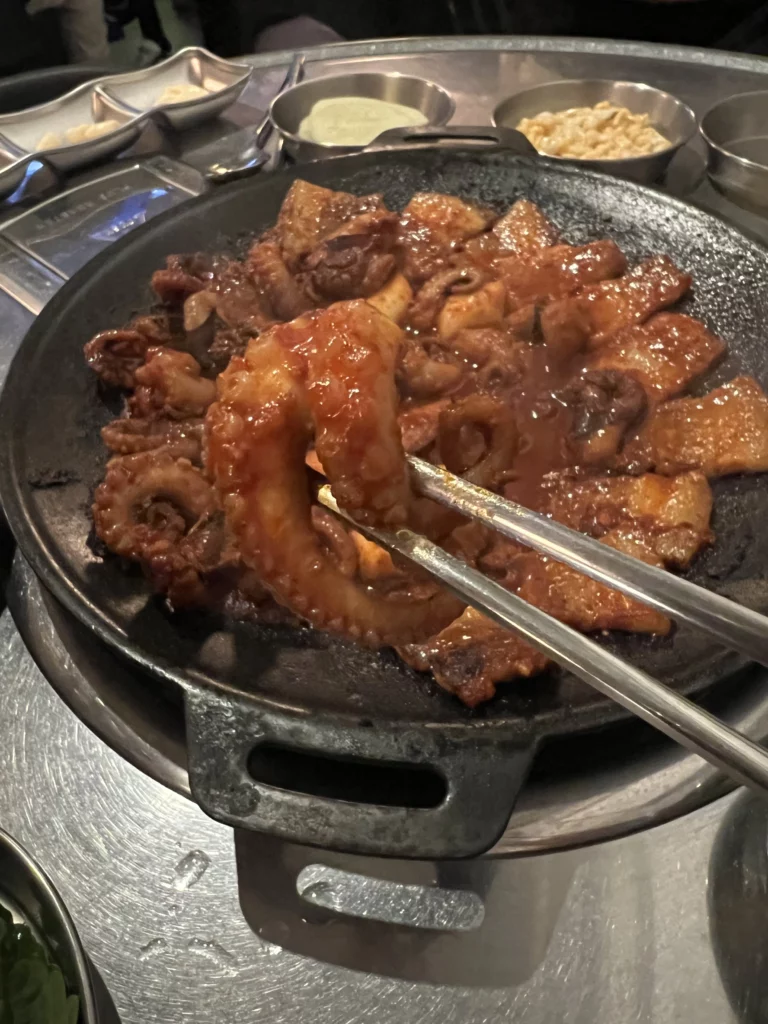
The texture experience varies throughout the dish: the jjukkumi itself offers a tender yet pleasantly chewy bite—never rubbery when cooked properly—while the pork belly alternates between crispy caramelized edges and tender fatty sections. Vegetables like onions and peppers soften during cooking, absorbing the flavorful sauce. The dish arrives sizzling hot on an iron plate or grill, maintaining temperature throughout the meal and allowing the flavors to develop as you eat.
Most restaurants, including Haega Jjukkumi, allow spice level customization, so don’t hesitate to request "deol maepge" (less spicy) if you’re sensitive to heat. The spiciness, while prominent, never overwhelms the delicate seafood flavor—skilled Korean cooks understand that the sauce should enhance rather than mask the primary ingredient.
What Should First-Time Eaters Know?
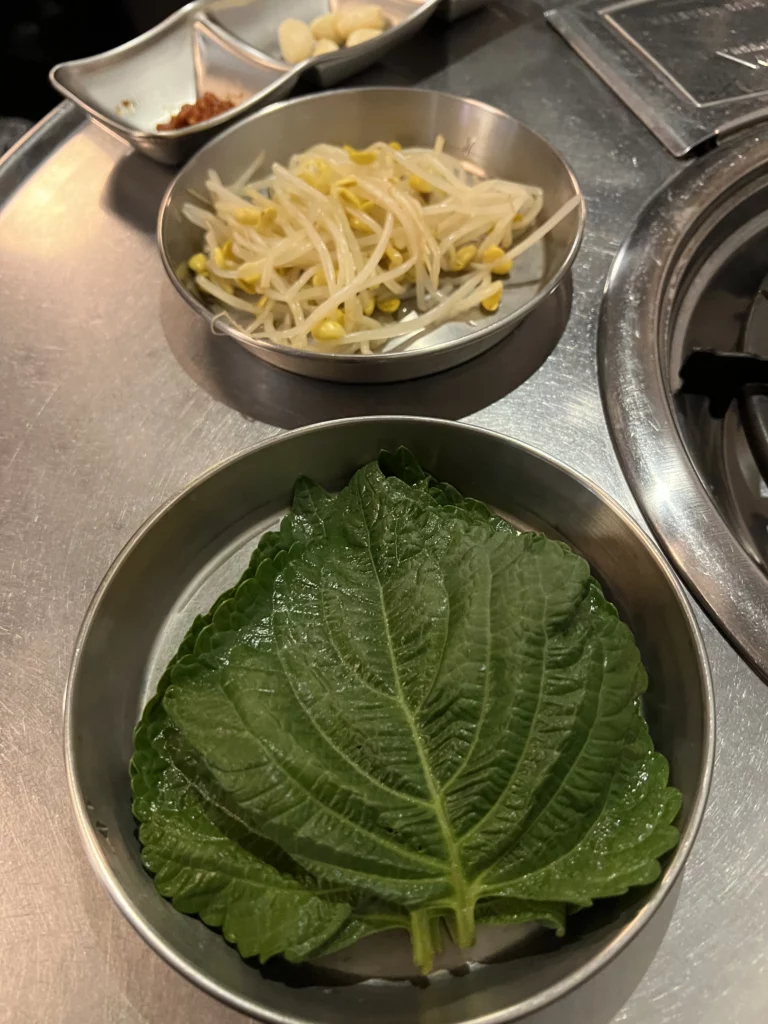
Jjukkumi is typically served on a hot iron plate or grill, already cooked and ready to eat—unlike Korean BBQ where you cook the meat yourself. The staff may finish the cooking tableside or bring it out fully prepared, depending on the restaurant. Most establishments provide perilla leaves (ggaenip), lettuce, or cabbage for making wraps, along with various dipping sauces like ssamjang or wasabi mayo.
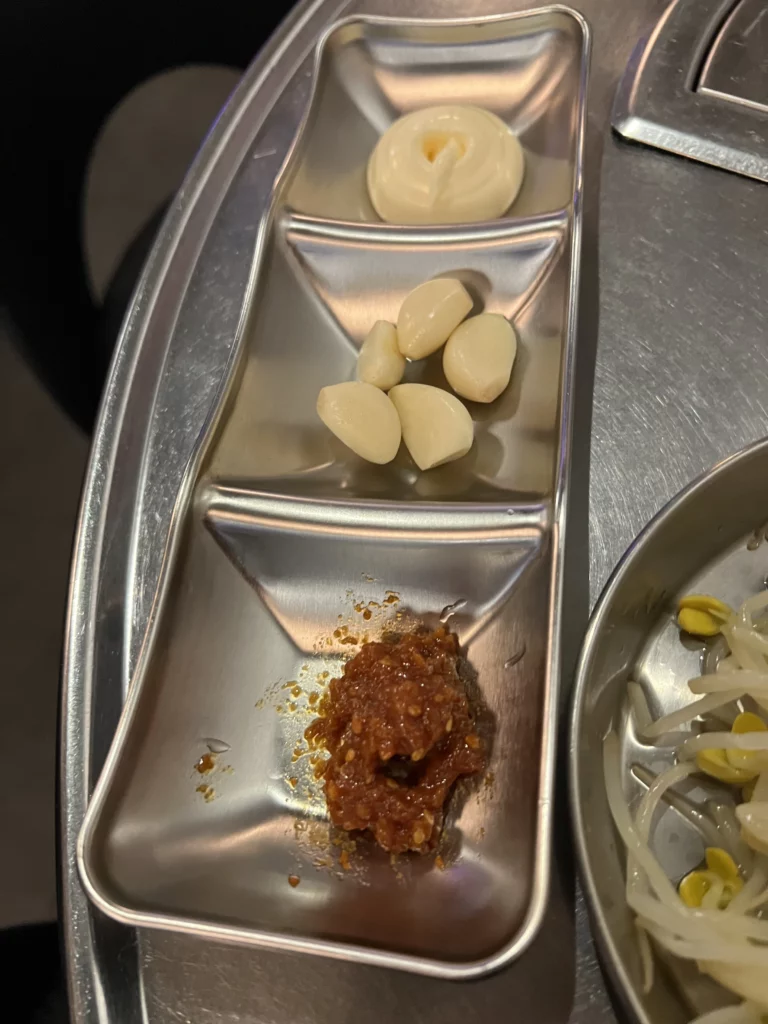
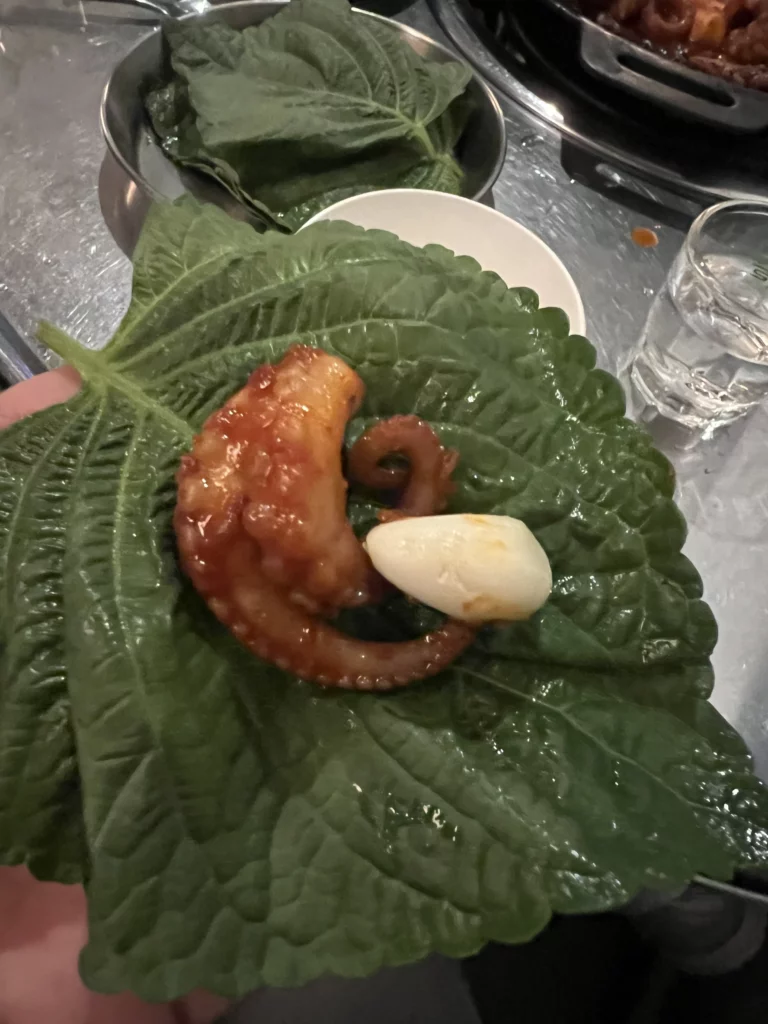
The proper eating method involves wrapping a piece of jjukkumi and pork belly in a perilla leaf with some bean sprouts, radish, and a small amount of rice, then eating it in one or two bites. Don’t be surprised if the octopus legs occasionally stick to your plate—this is normal and indicates freshness rather than poor quality. Use your chopsticks to separate them gently.
Many first-time eaters underestimate the spiciness, so keep rice and water nearby. Korean diners often order yogurt drinks or cold beer to help manage the heat. After finishing the main ingredients, most restaurants will make fried rice (bokkeumbap) with the remaining sauce—don’t skip this finale, as it’s often the most anticipated part of the meal. The rice soaks up all the accumulated flavors, creating a satisfying conclusion.
Be prepared for the aroma: jjukkumi has a distinctive seafood smell that intensifies during cooking. This is completely normal and part of the authentic experience. If you have an important appointment afterward, consider the strong garlic and chili scent that may linger on your clothes.
The Jjusam Experience at Haega Jjukkumi
At Haega Jjukkumi, the star attraction is undoubtedly the jjusam—the harmonious marriage of spicy stir-fried webfoot octopus and grilled pork belly. This combination represents the restaurant’s interpretation of a beloved Korean casual dining staple, executed with attention to ingredient quality and traditional technique.
The jjukkumi arrives at your table already marinated in the restaurant’s signature red chili sauce, glistening with the promise of bold flavors. The octopus pieces are cut to optimal size—small enough for easy eating but large enough to appreciate the tender, springy texture that makes jjukkumi special. Alongside the octopus, thick slices of pork belly begin to render their fat, creating a rich cooking medium that mingles with the spicy marinade.
As the dish cooks on the hot plate, the aromas intensify: pungent garlic, sweet-spicy gochujang, and the distinctive scent of seafood meeting high heat. The pork belly develops crispy, caramelized edges while releasing fat that prevents the octopus from becoming tough. Bean sprouts, onions, and green peppers add freshness and textural contrast, wilting slightly while maintaining some crunch.
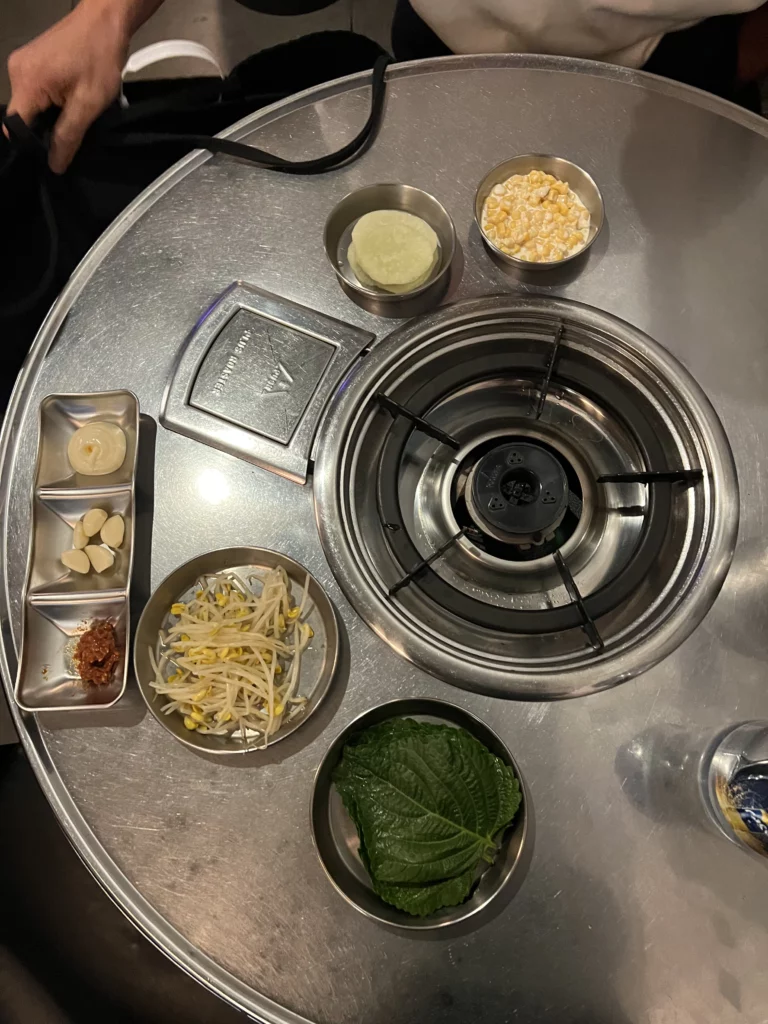
The restaurant provides an array of banchan (side dishes) that complement the main event: crisp radish cubes to cleanse the palate, fresh lettuce and perilla leaves for wrapping, and various sauces including wasabi mayo for heat relief. Many diners at Haega Jjukkumi also order the seasoned steamed egg (gyeranjjim) to balance the spiciness—the fluffy, mild egg custard provides a cooling counterpoint to the fiery main dish.
Why Sinsa-dong Is the Perfect Location for This Experience
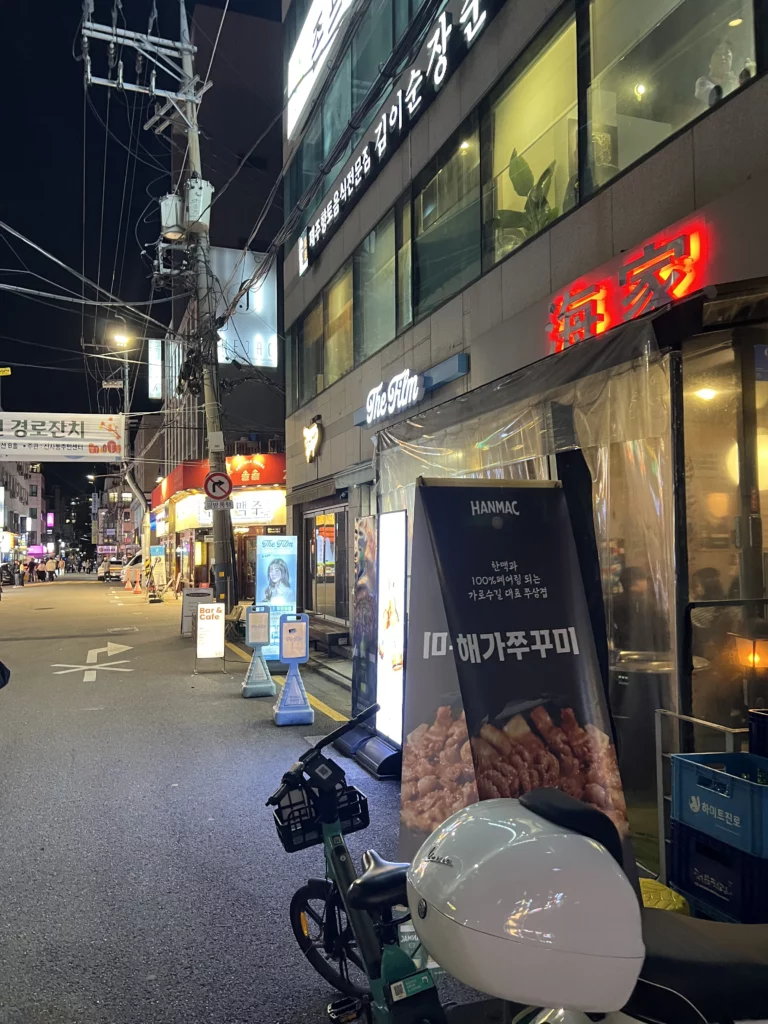
Sinsa-dong, where Haega Jjukkumi calls home, represents one of Seoul’s most dynamic dining districts. Located in affluent Gangnam-gu, just south of the Han River, this neighborhood has evolved from a quiet residential area into a culinary and cultural hotspot centered around the famous Garosu-gil (Tree-Lined Street).
The area surrounding the restaurant pulses with Seoul’s contemporary energy: boutique fashion stores, specialty coffee shops, international restaurants, and design studios create a sophisticated yet accessible atmosphere. Unlike the tourist-heavy districts of Myeongdong or Insadong, Sinsa-dong maintains a more local character where Seoul residents come to eat, shop, and socialize. Finding a restaurant like Haega Jjukkumi here—focused on traditional Korean flavors rather than fusion or international cuisine—reflects the neighborhood’s dual nature: trendy yet grounded in Korean culinary traditions.
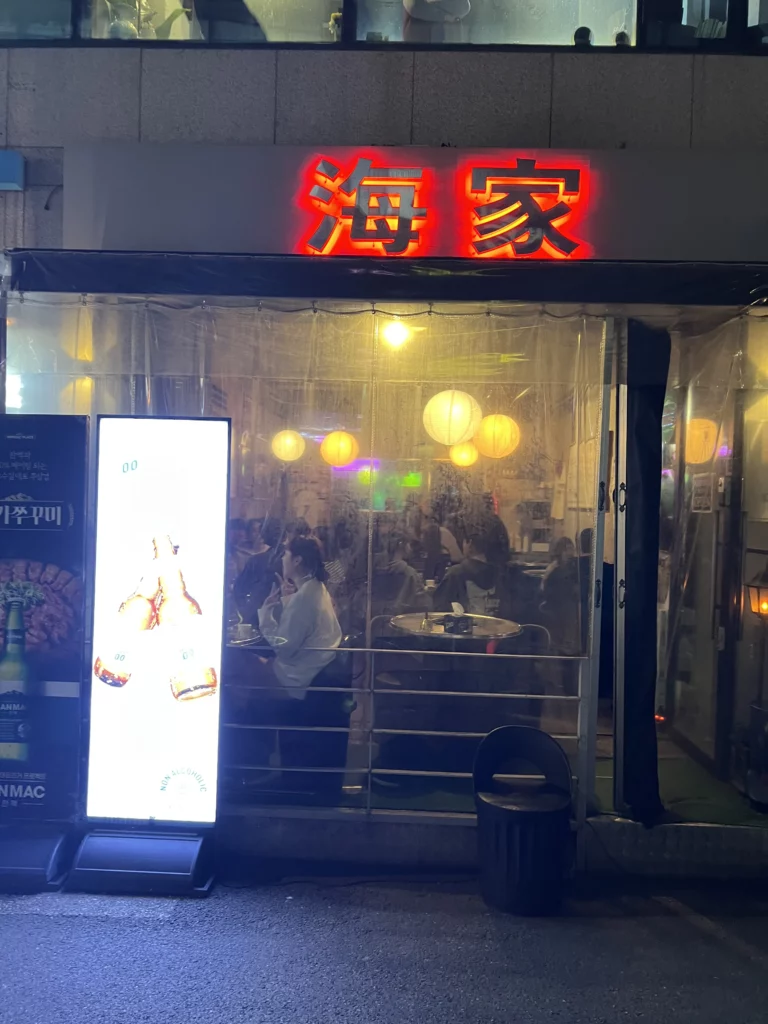
The restaurant’s location at 516 Sinsa-dong places it within easy walking distance of Sinsa Station (Line 3), making it highly accessible for both locals and visitors. After your meal, you can explore Garosu-gil’s boutiques and cafes, or head to nearby Sinsa Gojib for premium Korean BBQ if you’re planning a neighborhood food tour. The concentration of quality restaurants in this area makes Sinsa-dong an ideal destination for anyone seeking authentic Korean dining experiences beyond the typical tourist path.
Practical Information for Your Visit
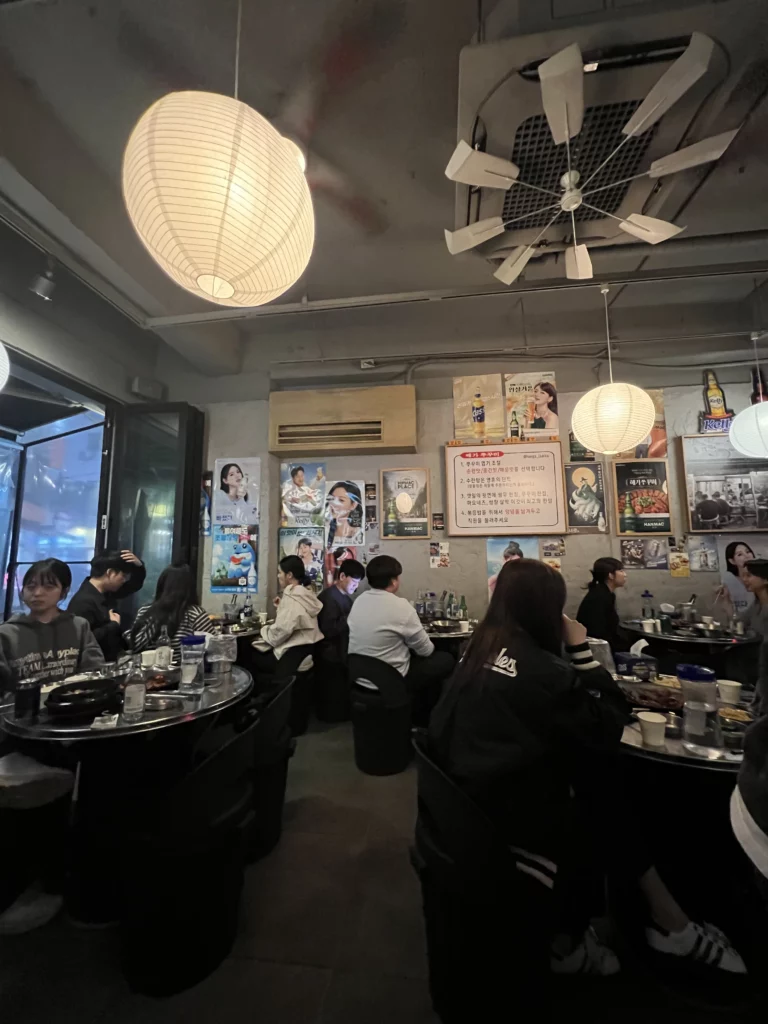
Location: 516 Sinsa-dong, Gangnam-gu, Seoul
Transportation: Take Seoul Metro Line 3 to Sinsa Station, exit 8. Walk approximately 5-7 minutes toward Garosu-gil.
Best Time to Visit: Jjukkumi season runs from March through May, offering the freshest octopus with roe. However, the restaurant serves quality jjukkumi year-round using frozen or imported octopus during off-season months.
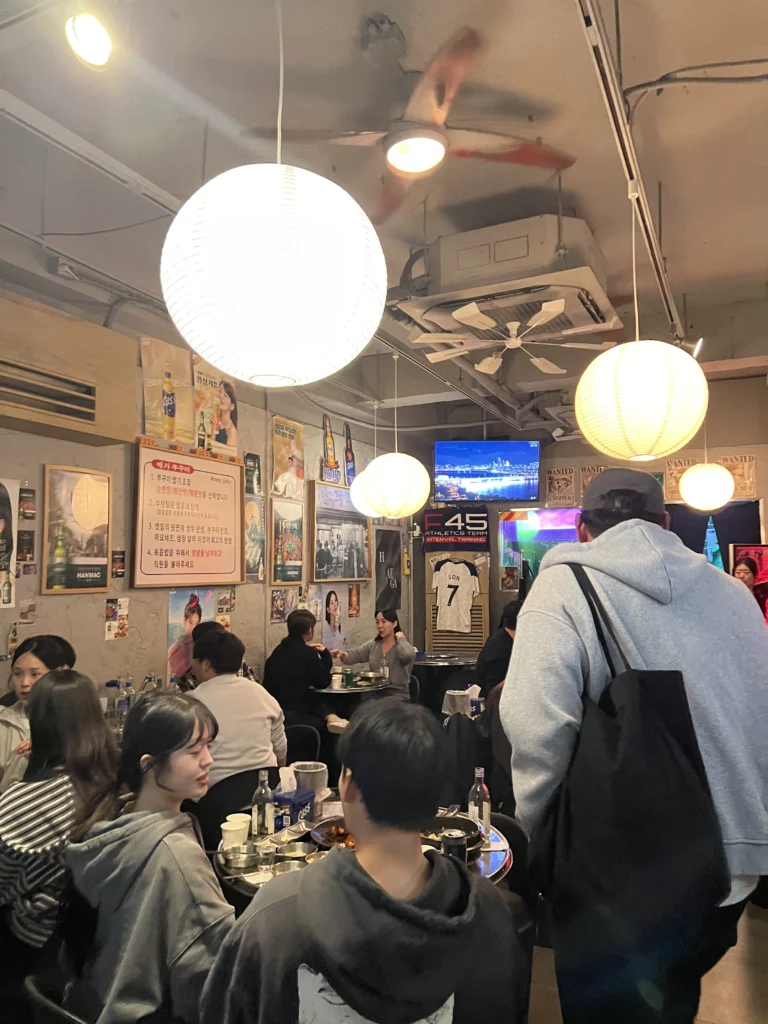
For first-time visitors, arrive slightly before or after peak dining hours (12-1 PM for lunch, 6-8 PM for dinner) to avoid potential waits. Most neighborhood restaurants in Sinsa-dong fill up quickly during meal times, especially on weekends. The restaurant atmosphere tends toward casual and lively rather than quiet and romantic—expect the sounds of sizzling plates, animated conversation, and the occasional ventilation fan working overtime.
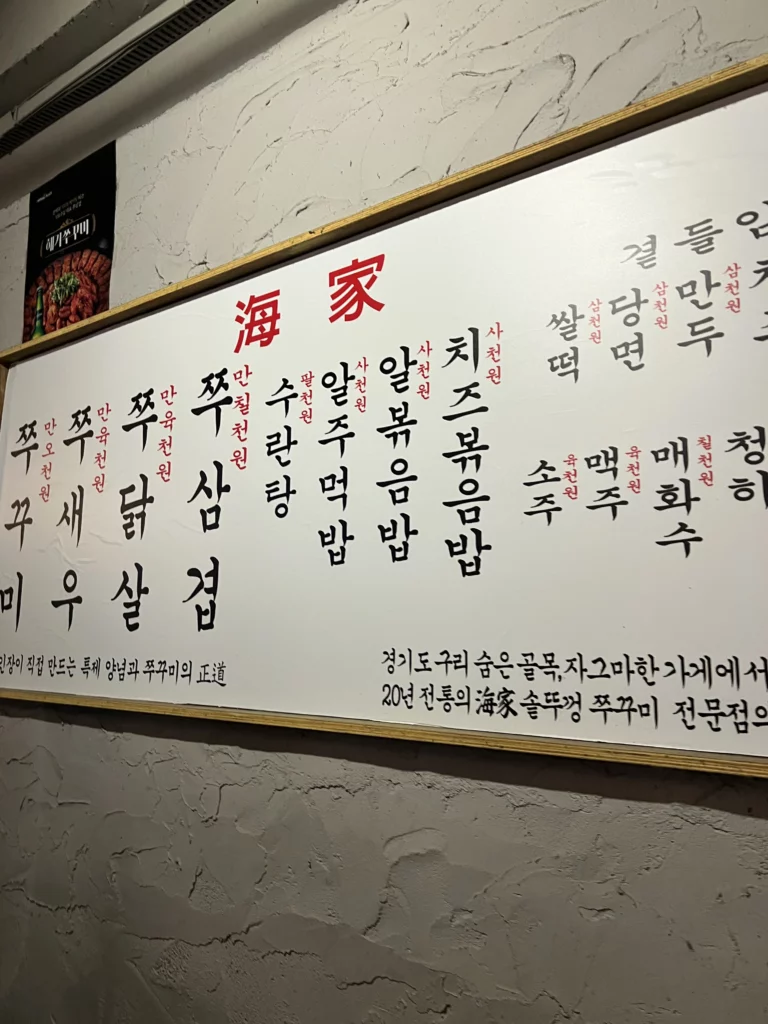
Budget approximately 15,000-25,000 won per person depending on your order, with jjusam typically priced around 18,000-22,000 won per serving. Most menu items serve 2-3 people, so plan accordingly if dining solo or with a large group. While the menu may have limited English, pointing to what neighboring tables are eating works remarkably well—jjusam is often the most popular order.
Essential Ordering Tips and Dining Etiquette
When you sit down at Haega Jjukkumi, your server will likely ask two key questions: how many servings you want and your preferred spice level. For first-timers, "medium" or "deol maepge" (less spicy) provides a good introduction without overwhelming heat. Most Korean diners order one serving of jjusam per two people, though heartier appetites might prefer a 1:1 ratio.
Don’t hesitate to request the fried rice (bokkeumbap) toward the end of your meal—many servers will automatically offer to make it when you’re nearly finished with the main ingredients. This finishing touch transforms leftover sauce and bits of food into a satisfying conclusion. Some diners consider it the best part of the experience, so save a bit of appetite for this final course.
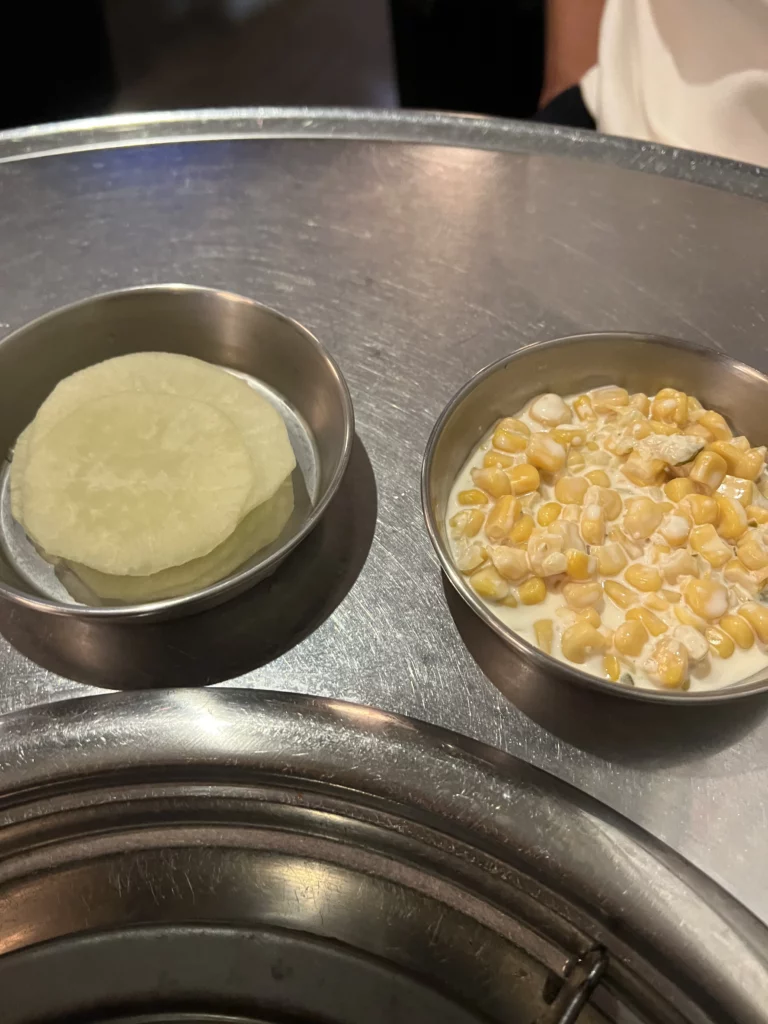
Korean dining culture emphasizes shared plates and communal eating. At Haega Jjukkumi, you’ll likely share the jjusam from the central hot plate, using your chopsticks to transfer portions to your individual rice bowl or directly to lettuce/perilla leaves for wrapping. If you’re uncomfortable with shared utensil use, you can request individual serving spoons, though this is less common in casual restaurants.
The restaurant provides wet towels before and after the meal—use them liberally, as jjukkumi eating can get messy, especially when making lettuce wraps. Don’t be shy about asking for extra napkins, and expect the strong aroma of garlic, chili, and seafood to linger on your hands and clothes after the meal. This is part of the authentic experience that makes Korean jjukkumi dining memorable.
Pairing Your Jjukkumi with the Right Beverages
Korean diners have strong opinions about the optimal beverages for jjukkumi, and the overwhelming favorite is cold beer—particularly light Korean lagers like Cass or Hite. The carbonation and cold temperature help cut through the richness of the pork belly while providing relief from the spicy sauce. Soju also pairs well, especially the lighter, fruit-flavored varieties that have become increasingly popular in Korea.
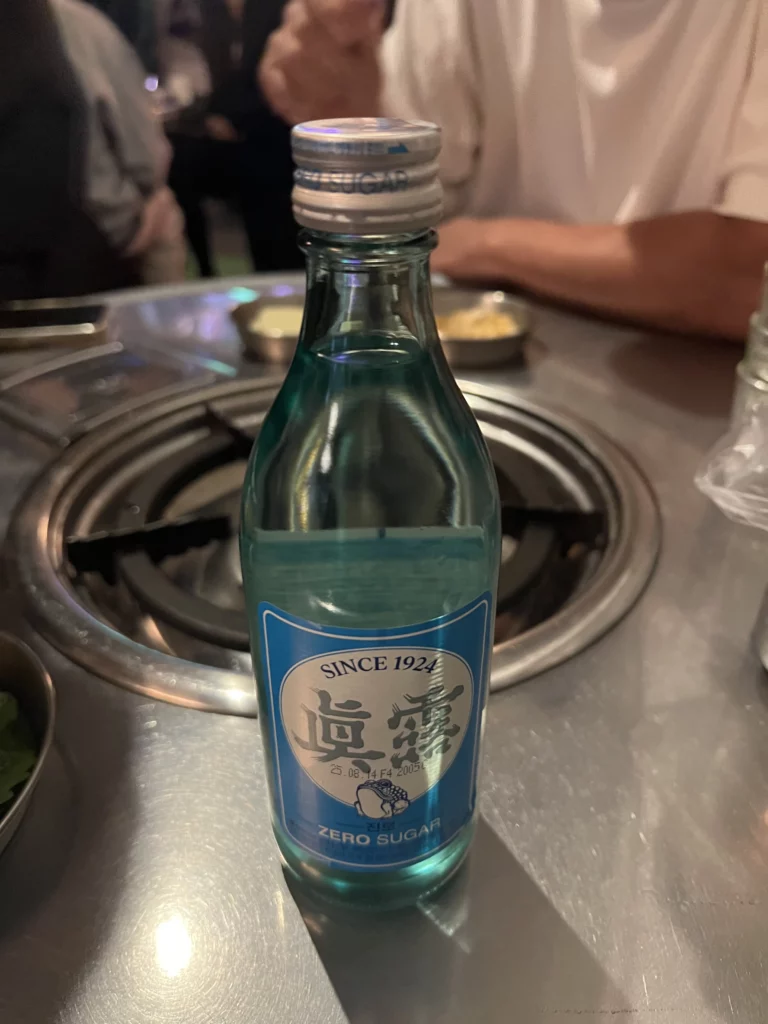
For non-alcoholic options, yogurt drinks (yakult or similar) are surprisingly effective at tempering spiciness while complementing the tangy fermented notes in the gochujang-based sauce. Cold barley tea (boricha) offers a more traditional choice, providing subtle nutty flavors without competing with the dish’s bold seasonings. Some diners prefer simple water, though be prepared to refill your glass frequently if you’re sensitive to spicy food.
Avoid strongly flavored beverages like Coke or other sweet sodas, as they tend to clash with the complex sauce rather than enhance it. The acidity can also intensify the perception of spiciness rather than reducing it. Hot beverages are generally not recommended with jjukkumi—stick with cold or room temperature drinks for the most comfortable dining experience.
Beyond Jjukkumi: Exploring Sinsa-dong’s Food Scene
While Haega Jjukkumi specializes in one dish done exceptionally well, the surrounding Sinsa-dong neighborhood offers diverse dining options for those planning a longer food exploration. The area has become known for quality Korean comfort food restaurants like Gwan-gye, where traditional recipes meet contemporary presentation.
Garosu-gil, the main shopping street just minutes from the restaurant, features everything from hole-in-the-wall tteokbokki stands to upscale fusion restaurants. The side streets (often called Serosu-gil) hide numerous cafes perfect for post-meal coffee and desserts. If you’re interested in exploring more Korean barbecue after trying jjukkumi, the neighborhood hosts several premium options where you can compare different grilling styles and meat selections.
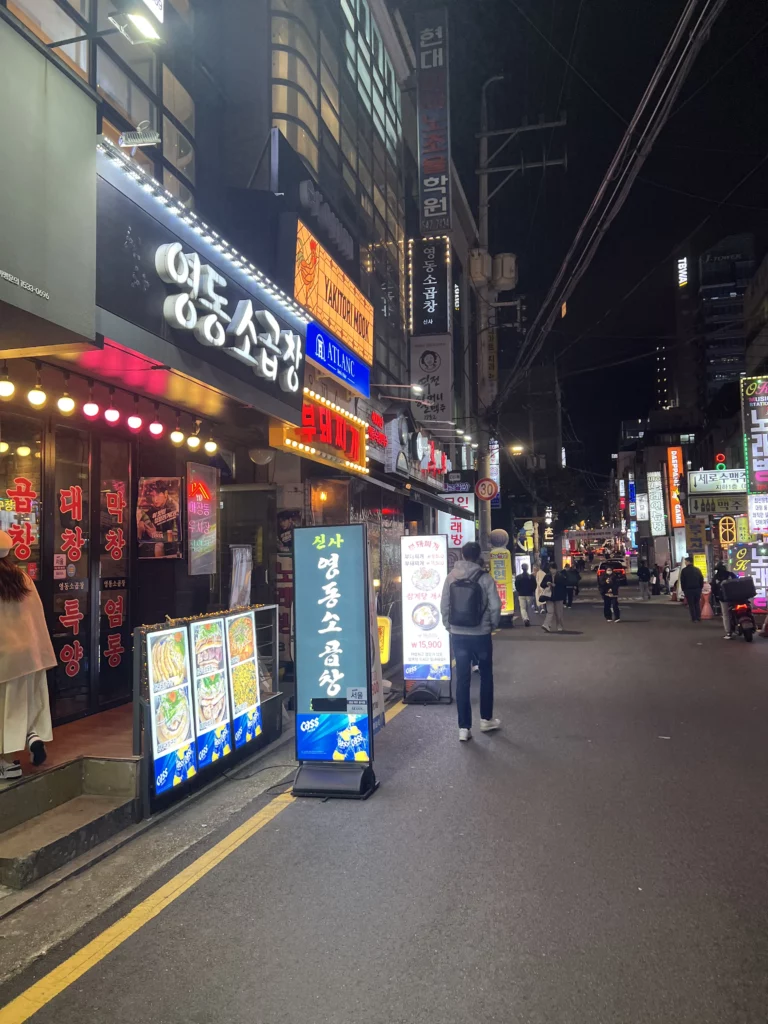
The concentration of quality restaurants in Sinsa-dong reflects Seoul’s reputation as one of Asia’s premier dining destinations. From traditional Korean to international fusion, from casual street food to white-tablecloth establishments, the neighborhood provides a microcosm of Seoul’s diverse food culture. Using Haega Jjukkumi as a starting point for neighborhood exploration allows you to experience both traditional Korean flavors and contemporary Seoul food trends.
Frequently Asked Questions About Jjukkumi Dining
Is jjukkumi safe for people with shellfish allergies?
While jjukkumi is a cephalopod (octopus) rather than a shellfish, individuals with seafood allergies should exercise caution. Cephalopod allergies can occur independently or alongside shellfish allergies. Additionally, cross-contamination may occur in restaurant kitchens that prepare multiple seafood items. Always inform your server about allergies before ordering.
Can children eat jjukkumi?
The spiciness level makes jjukkumi challenging for most children, even when ordered at the mildest setting. However, the pork belly component can be eaten separately, and many restaurants will prepare a less-spicy version if requested. Korean families often introduce children to jjukkumi gradually, starting with tiny portions mixed with plenty of rice.
How does frozen jjukkumi compare to fresh?
Peak season (March-May) offers the best fresh jjukkumi with roe, but modern freezing techniques preserve quality remarkably well. Most Seoul restaurants, including those operating year-round, use frozen or previously frozen octopus during off-season. The texture remains tender and the flavor stays intact when properly handled, though fresh seasonal jjukkumi offers a slightly superior experience.
What’s the difference between jjukkumi and nakji?
Both are small octopuses popular in Korean cuisine, but jjukkumi (webfoot octopus) has shorter arms and a larger body compared to nakji (small/baby octopus). Jjukkumi is considered spring food, while nakji is preferred in autumn. The cooking methods and preparations are similar, though nakji is also famous for sannakji (live octopus), while jjukkumi is almost always cooked.
Haega Jjukkumi delivers an authentic taste of Korean casual dining culture in one of Seoul’s most vibrant neighborhoods. The restaurant’s focus on quality jjusam—the beloved combination of spicy webfoot octopus and pork belly—represents Korean home-style cooking at its most satisfying. While the spiciness may challenge uninitiated palates, the balanced flavors, tender textures, and convivial dining atmosphere create a memorable experience that captures the essence of contemporary Korean food culture.
Located in the heart of Sinsa-dong’s dining district, Haega Jjukkumi offers the perfect introduction to one of Korea’s most cherished seasonal delicacies. Whether you visit during peak jjukkumi season in spring or any other time of year, the combination of expertly prepared seafood, well-balanced spicy sauce, and rich pork belly will leave you understanding why Koreans queue up for this dish.
Experience the bold, spicy flavors that define Korean casual dining at Haega Jjukkumi, conveniently located just minutes from Sinsa Station in Seoul’s trendy Gangnam district. Your taste buds will thank you for the adventure.
Location
516 Sinsa-dong, Gangnam-gu, Seoul, Republic of Korea, KR
Reviews
5.0
0 reviews
5
0%
4
0%
3
0%
2
0%
1
0%
Loading reviews...
Related Recipes

Vegetable&Fruit
Myeong-i Namul Jangajji
Few side dishes earn a permanent place on the Korean BBQ table the way Myeong-i Namul Jangajji — Korean pickled...

Seafood & Gim
Jjukkumi Bokkeum: Korea’s Fiery Stir-Fried Webfoot Octopus
There’s a dish that Seoul street-food veterans order without even glancing at the menu — 쭈꾸미볶음 ( jjukkumi-bokkeum ), a...

Side dish
Spicy Gochujang shrimp Samgyeopsal
Spicy Shrimp Stuffed Samgyeopsal is a bold twist on traditional Korean BBQ. Juicy pork belly is butterflied and filled with...
Related Ingredients

Ingredient
Myeong-i
When the last of winter’s snow finally retreats from the volcanic slopes of Ulleungdo Island, something quietly extraordinary happens. Broad,...

Ingredient
Korean Pork
Korean pork, known as dwaeji-gogi (돼지고기) in Korean, stands as one of the most beloved and widely consumed meats in...

Meat & Poultry
Samgyeopsal
Few dishes capture Korean dining like samgyeopsal, the thick-cut pork belly at the center of nearly every Korean BBQ table....