


Featured on the popular Korean TV show "Master of Living" (생활의 달인), the owner has perfected the art of serving frozen samgyeopsal—thinly sliced pork belly that delivers an unforgettable texture and flavor experience. This isn’t your typical Korean BBQ; it’s a celebration of precision, quality, and the perfect pairing of crispy grilled pork with refreshing minari (water dropwort). The perfectly uniform slices hit the grill to the satisfying crunch of gosari (fernbrake) and the nostalgic snap of Korean pink sausages, every element at Gyeongbok tells a story of dedication to Korean grilling excellence. Taste is very clean and the quality of the side dishes are on spot!
Gyeongbok - Frozen Samgyeopsal that even Tzuyang went!
5
Gyeongbok - Frozen Samgyeopsal that even Tzuyang went!
5
1st floor South Korea, Seoul, Gangnam District, Yeoksam-dong, 687-5
Editor: 안주은


Interior05
Food05

Menu05
Overview
+82 2-555-1093
Free WiFi Available
Outdoor Seating Available
Electronic Payment accepted: American Express, Master Card, Visa
Introduction
Operating hours
Mon, Tue, Wed, Thu, FriAM 11:30 - AM 12:00
SatPM 3:30 - PM 10:50
SunPM 3:30 - PM 9:50
Break TimePM 2:30 - PM 4:30
Menu
Editor's Detail
Table of Contents
- What Makes Gyeongbok’s Samgyeopsal Unique
- The Art of Frozen Samgyeopsal: Why It’s Superior
- Essential Side Dishes and Accompaniments
- Understanding Korean BBQ Culture at Gyeongbok
- How to Eat Samgyeopsal Like a Local
- What to Expect on Your First Visit
- Menu Highlights and Pricing Guide
- Location and Practical Information
What Makes Gyeongbok’s Samgyeopsal Unique
Unlike typical Korean BBQ restaurants that serve thicker, room-temperature cuts, Gyeongbok specializes in paper-thin, frozen slices of pork belly that create an entirely different grilling experience. Even mukbang youtuber Tzuyang loves this place!
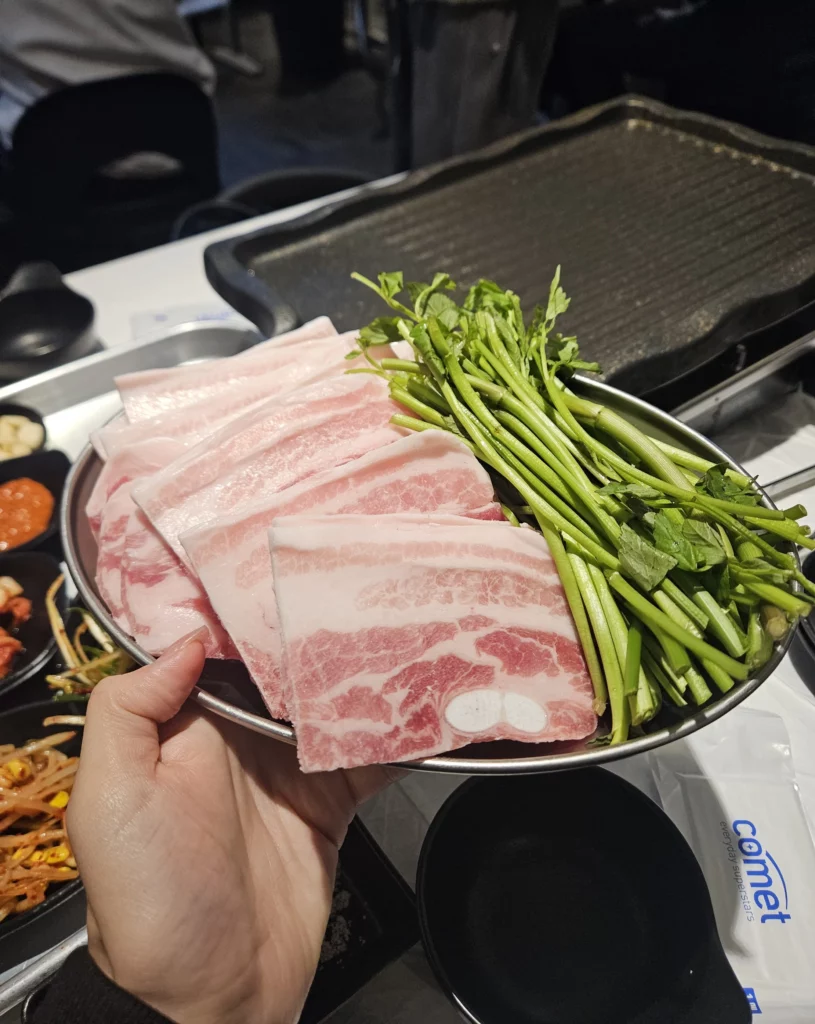
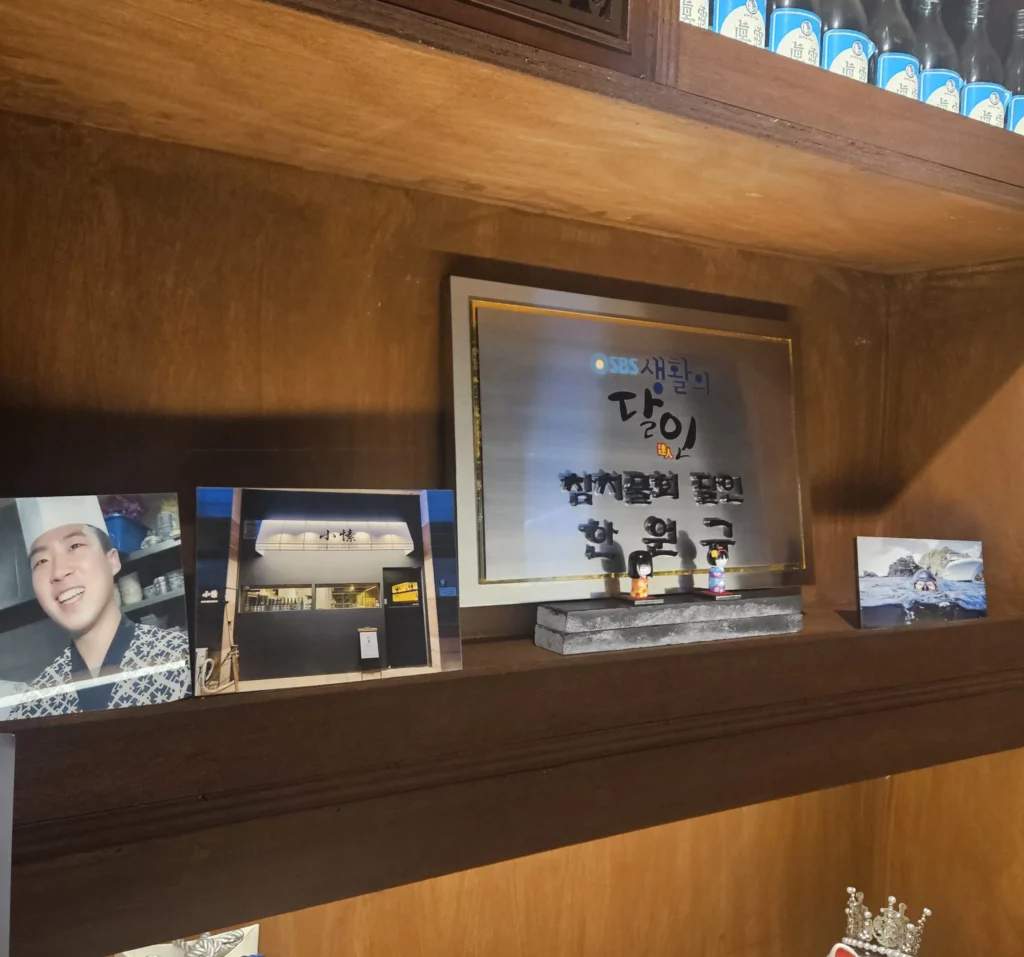
The owner’s appearance on "Master of Living" (생활의 달인), a Korean television program that showcases artisans who have perfected their craft, wasn’t just recognition—it was validation of years spent mastering the technique of slicing, freezing, and serving samgyeopsal at its absolute best. This Master is also famous for his Tuna!
This main branch location remains under the direct supervision of the master himself, ensuring every plate meets the exacting standards that earned national recognition.
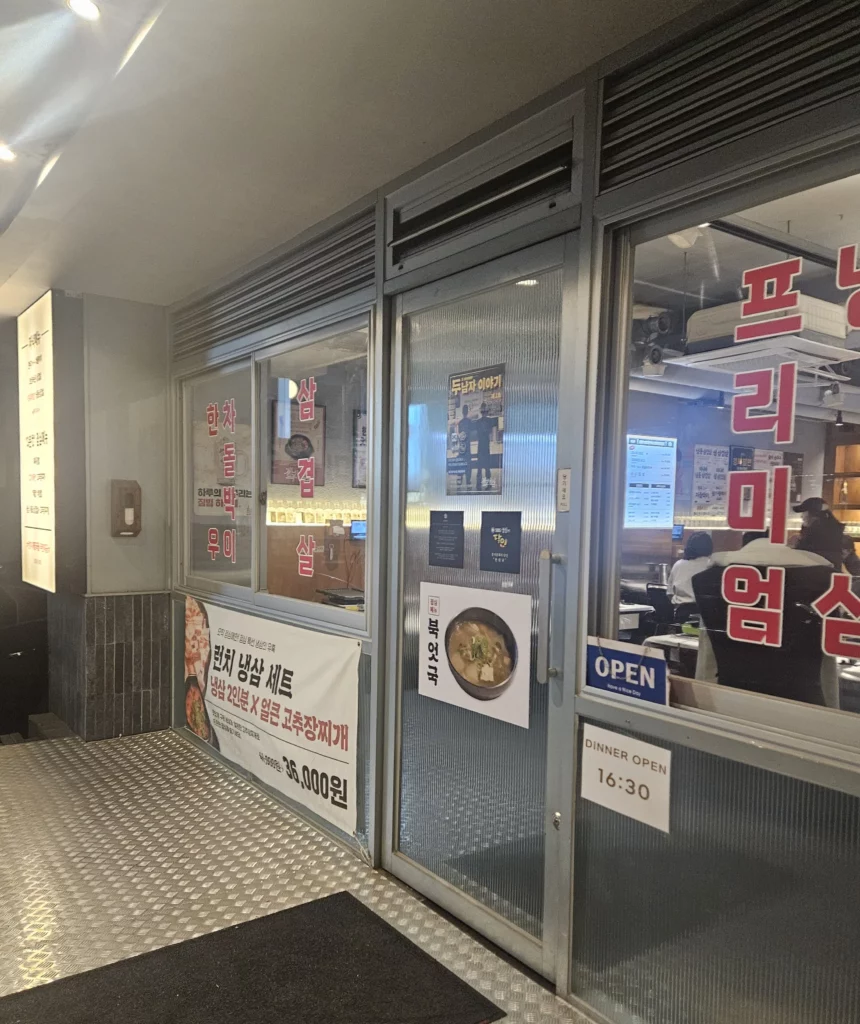
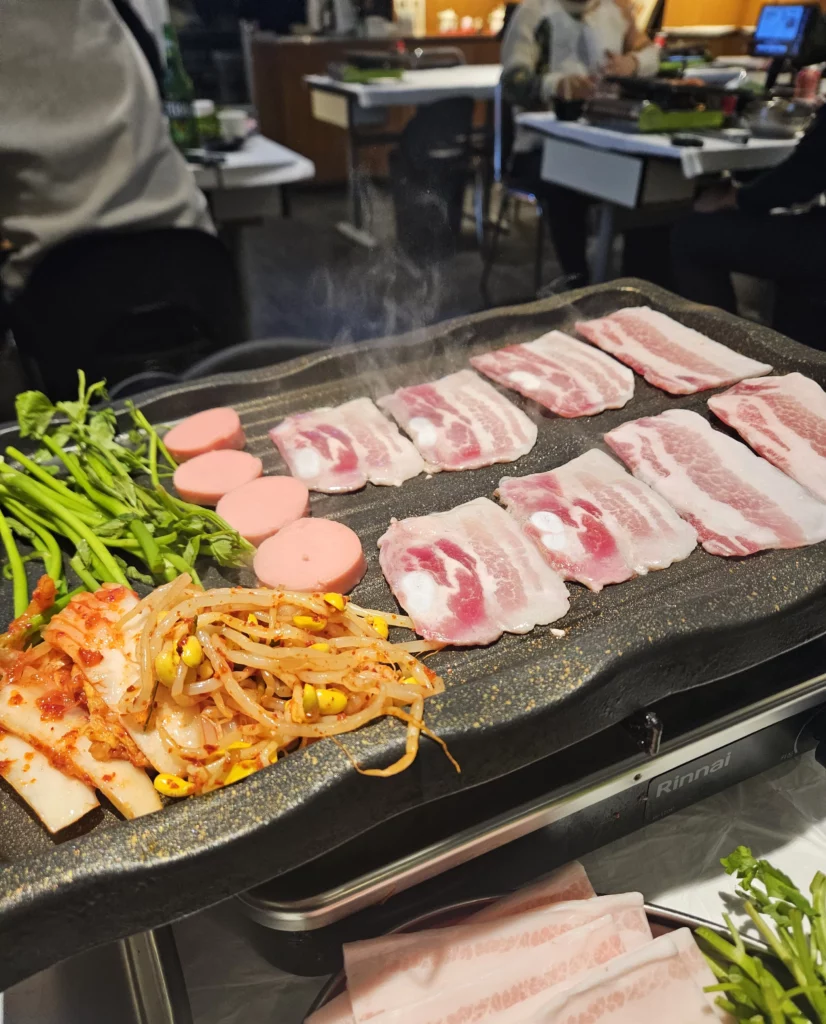
What sets this restaurant apart is the texture transformation that happens on the grill. The frozen slices, cut with professional precision, thaw and crisp simultaneously, creating edges that shatter like glass while maintaining a tender, juicy center. This dual-texture experience is nearly impossible to achieve with conventional room-temperature pork belly, making Gyeongbok’s approach both innovative and deeply rooted in understanding how temperature and thickness affect the final result.
The restaurant pairs this signature pork belly with fresh minari (Korean water dropwort), an herbaceous green with a clean, slightly peppery flavor that cuts through the richness of the grilled meat. This combination represents a thoughtful balance—the crispy, fatty pork finds its perfect counterpoint in the refreshing, vegetal crunch of minari, creating a harmony that defines the Gyeongbok dining experience.
The Art of Frozen Samgyeopsal: Why It’s Superior
The Science Behind the Slice
Traditional samgyeopsal is served in thick strips, typically 8-10mm, which allows the fat to render slowly while developing a golden crust. Gyeongbok’s frozen samgyeopsal, by contrast, measures just 2-3mm thick—a dimension that fundamentally changes how the meat cooks and tastes.
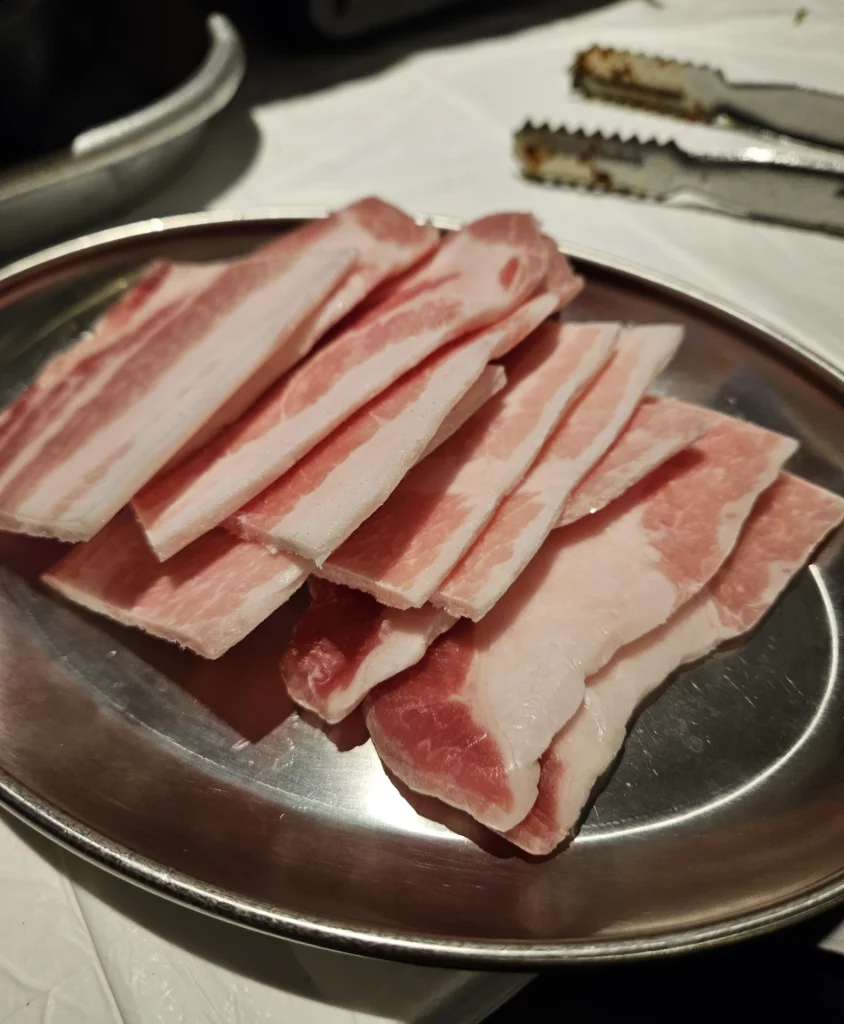
Freezing the pork belly before slicing serves multiple purposes. First, it allows for impossibly thin, uniform cuts that would be difficult to achieve with fresh, soft meat. Second, the freezing process forms tiny ice crystals within the meat fibers, which, when they melt during grilling, create microscopic channels that help render fat more efficiently. Third, the frozen state means the meat hits the hot grill at a much lower temperature, extending the cooking time just enough to develop maximum crispiness without overcooking the interior.
The result is a piece of samgyeopsal that crisps like bacon around the edges while remaining succulent in the thicker sections, all in under 60 seconds of grilling time. This rapid cooking preserves the pork’s natural sweetness and prevents the meat from becoming chewy—a common issue with overcooked thick-cut samgyeopsal.
Temperature and Texture Mastery
When you order at Gyeongbok, the frozen slices arrive at your table maintaining their rigid form, often stacked in neat, translucent sheets. This presentation isn’t just for show—it’s functional. The frozen state prevents the thin slices from clumping together and ensures each piece maintains its integrity until it touches the grill.
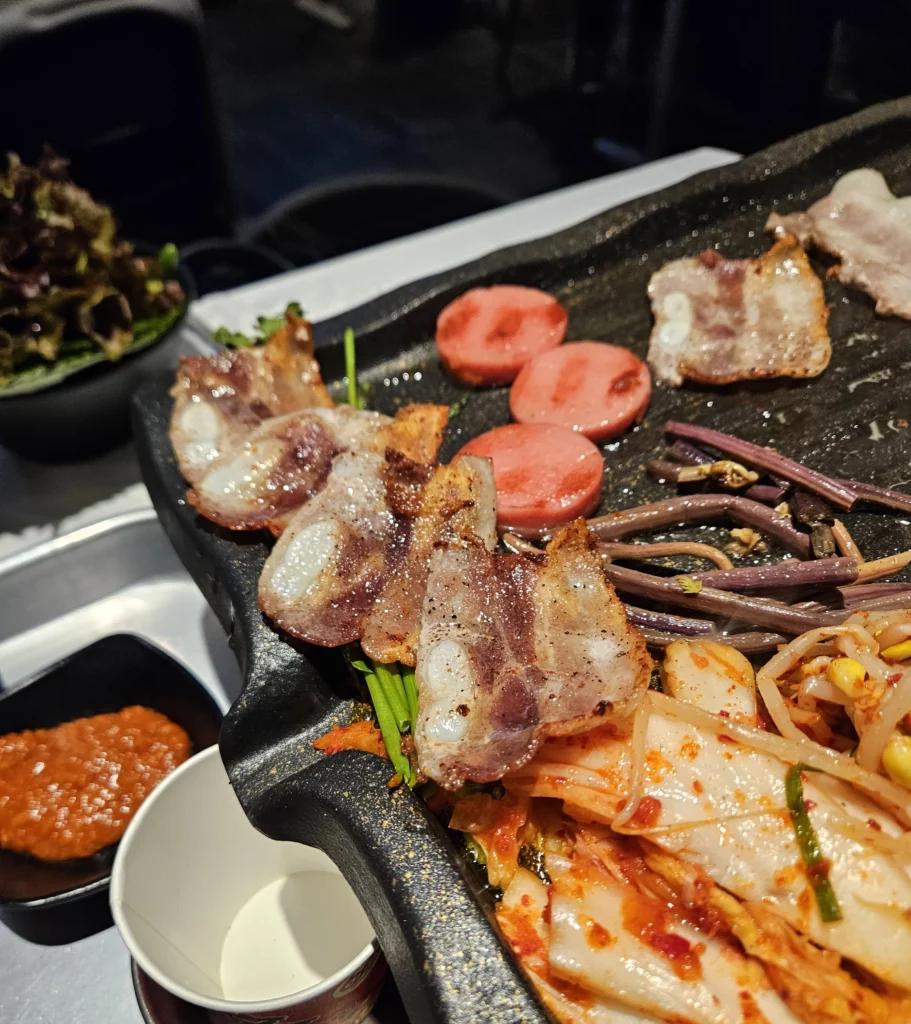
As the meat makes contact with the hot surface, you’ll hear an immediate sizzle as the ice crystals vaporize and the fat begins to render. Around 30 seconds, the edges start curling and browning, signaling the Maillard reaction—the chemical process that creates those coveted crispy, caramelized bits. Flip once and the samgyeopsal is ready to eat. Check for the crisp brown color.
This quick-cook method also means you can control the exact level of doneness you prefer, making it easier for first-time Korean BBQ diners to avoid the common mistake of overcooking. The visual cues are clear: translucent means raw, opaque with golden edges means perfect, and uniformly brown means you’ve gone too far.
Essential Side Dishes and Accompaniments
Fresh Minari: The Perfect Pairing
At Gyeongbok, minari (미나리) isn’t just a garnish—it’s an essential component of the eating experience. This aquatic herb, also known as water dropwort or water celery, grows in clean streams and marshes throughout Korea and has been a staple of Korean cuisine for centuries.
Minari delivers a complex flavor profile: initial crispness gives way to a subtle peppery bite, followed by clean, grassy notes that refresh the palate. Its high water content creates a cooling sensation that contrasts beautifully with the hot, fatty pork belly. The stems provide satisfying crunch, while the leaves offer a tender, more intense herbal flavor.
Nutritionally, minari is a powerhouse. Rich in vitamins A and C, iron, and fiber, it’s believed in Korean traditional medicine to aid digestion and reduce inflammation—making it an ideal accompaniment to rich grilled meats. Many Korean diners specifically seek out minari when eating samgyeopsal to help their bodies process the heavier protein and fat content.
Grillable Side Dishes
Beyond the star attraction, Gyeongbok provides an array of side dishes (banchan, 반찬) designed to be grilled alongside the samgyeopsal, creating a dynamic, interactive meal where you control every element.
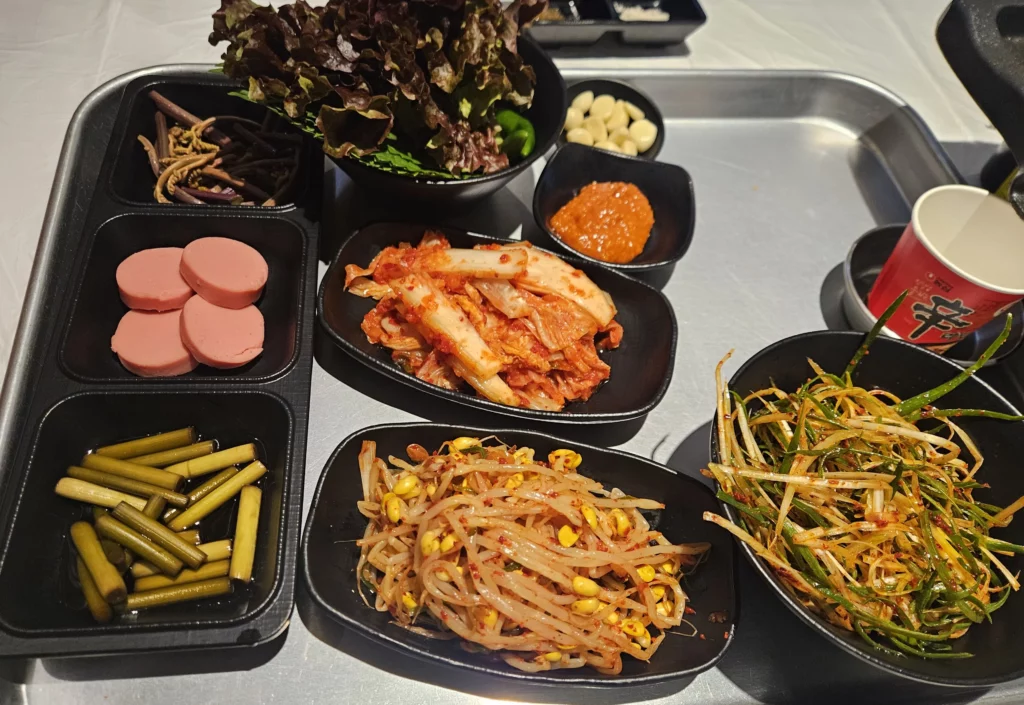
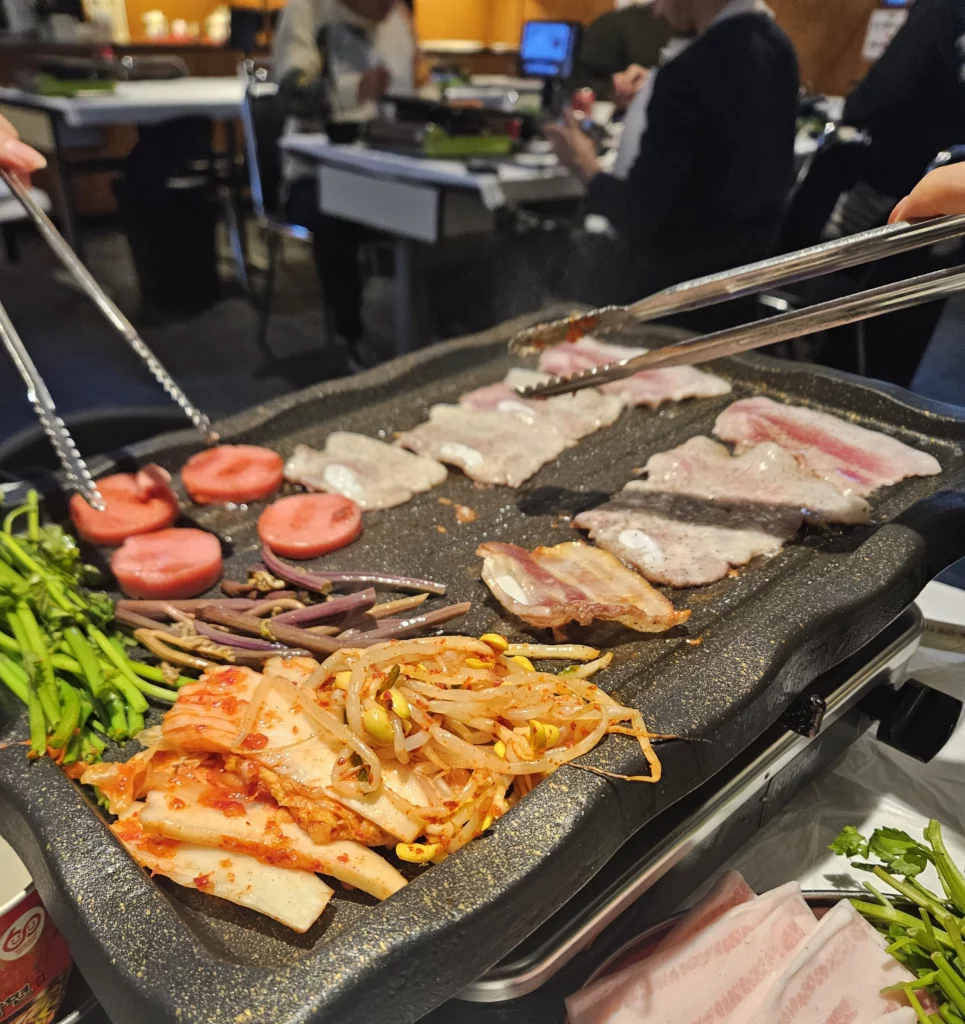
Gosari (고사리, fernbrake) arrives pre-seasoned in a savory-sweet marinade of soy sauce, sesame oil, and garlic. These mountain vegetables have been foraged and preserved in Korean cuisine for centuries, offering an earthy, slightly chewy texture that becomes pleasantly crispy when grilled. The caramelization of the marinade creates a glossy coating that adds umami depth to every bite. Gosari is particularly beloved in Korean culture as a symbol of resilience—these ferns are among the first plants to emerge in spring, representing renewal and vitality.
Korean pink sausages (소시지) might seem like an unexpected addition to a traditional BBQ spread, but they represent the modern evolution of Korean dining culture. These bright pink, slightly sweet processed sausages became popular in Korea during the 1980s and 1990s and have remained a nostalgic favorite, especially when grilled until the casing splits and the edges char. Their mild, savory-sweet flavor provides a familiar comfort food element that appeals to both children and adults. When grilled, they develop a satisfying snap and release juices that sizzle on the hot plate, adding to the multisensory experience of Korean BBQ. The restaurants provides basic 4 pieces of sausages, you can order more if it is not enough!
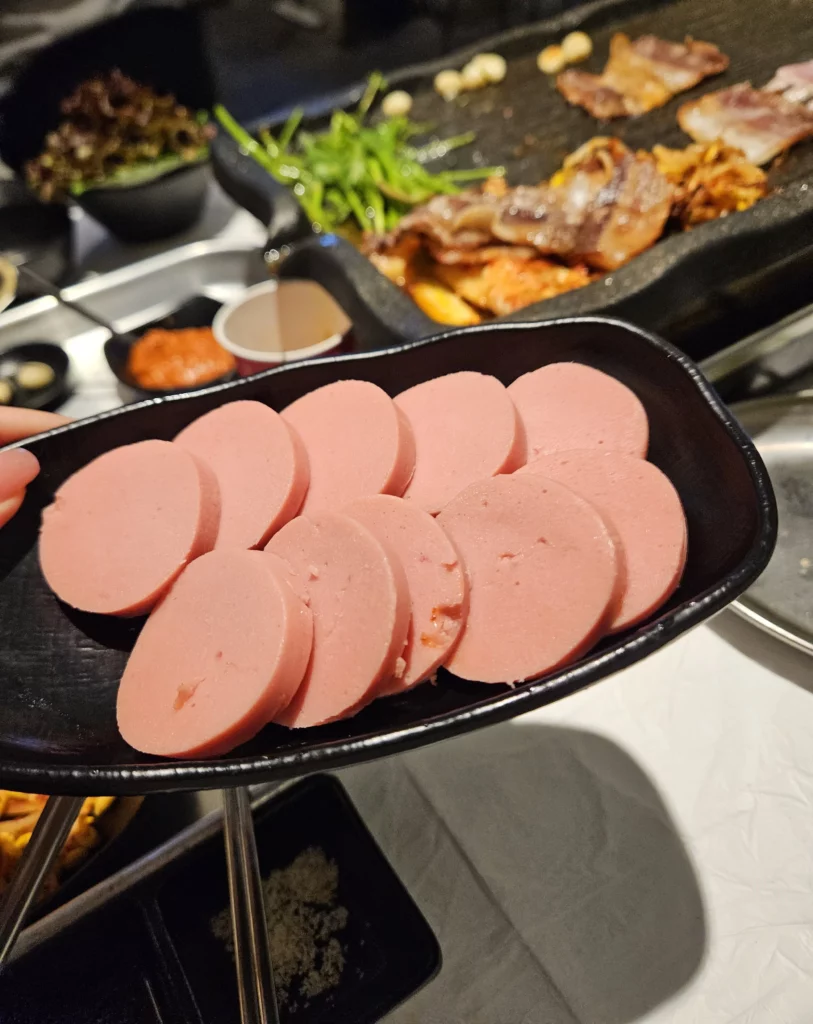
The beauty of Gyeongbok’s approach is that these side dishes aren’t merely supporting players—they’re integral to the meal’s rhythm. While your thin-sliced samgyeopsal cooks quickly, the gosari and sausages can slowly caramelize on a cooler section of the grill, allowing you to orchestrate multiple textures and flavors throughout the meal. This creates the "ssam-gyeopsal experience"—the art of combining various grilled elements, fresh vegetables, and condiments in personalized bites.
They also had add-on side dish options of shitake mushroom and grilled cheese.
Understanding Korean BBQ Culture at Gyeongbok
Korean BBQ (고기구이, gogi-gui) represents more than just a cooking method—it’s a social ritual that brings people together around shared flames and communal plates. At Gyeongbok, this cultural tradition is preserved while being refined through the owner’s masterful approach to samgyeopsal preparation.
The Communal Grilling Experience
Unlike Western dining where individual plates arrive pre-prepared from the kitchen, Korean BBQ is inherently participatory. The grill becomes the focal point of the table, and everyone engages in the cooking process—monitoring the meat, flipping slices at the right moment, and sharing perfectly cooked pieces with others.
Ssam Culture: The Art of the Wrap
A quintessential element of Korean BBQ culture that thrives at Gyeongbok is "ssam" (쌈)—the practice of wrapping grilled meat in fresh leaves or vegetables. This tradition dates back centuries and reflects Korean cuisine’s emphasis on balance, variety, and customization.
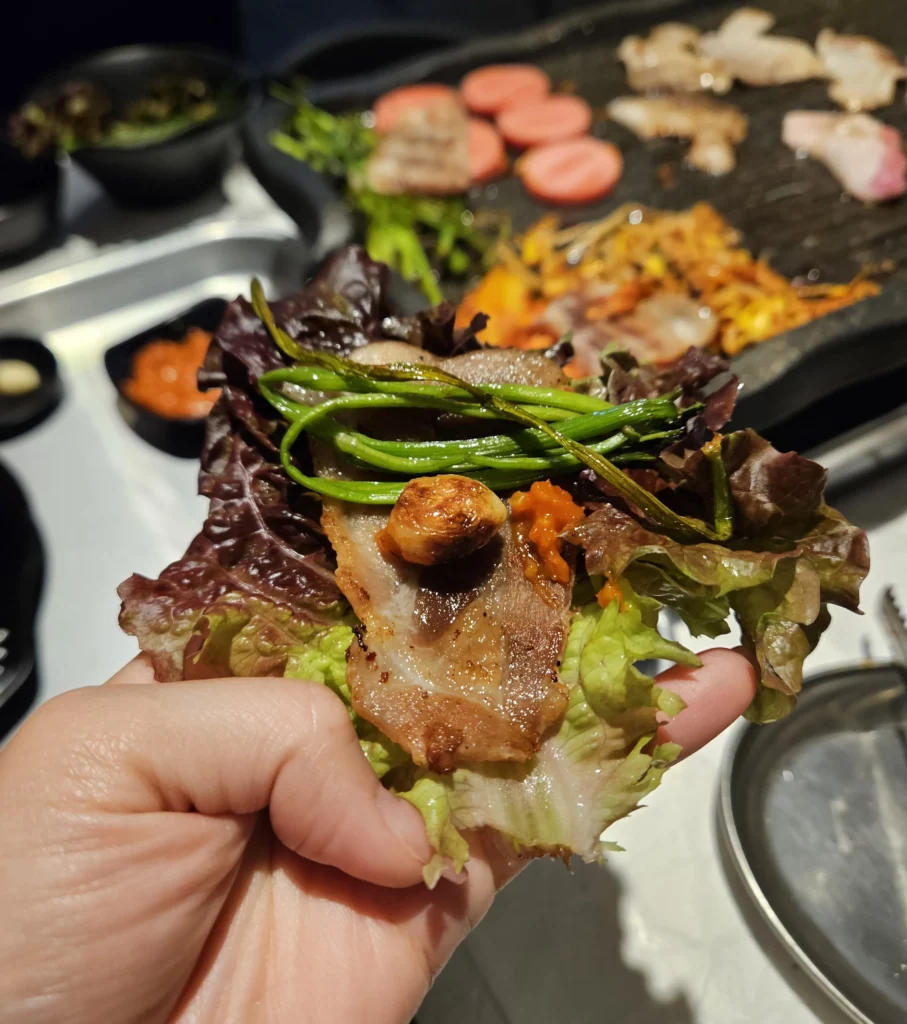
The classic ssam construction at Gyeongbok might include: a piece of crispy samgyeopsal, fresh minari stems and leaves, a small dollop of ssamjang (savory fermented paste), perhaps a slice of raw or grilled garlic, a piece of grilled gosari, and kimchi—all wrapped together and eaten in one substantial bite. The beauty of ssam is that each person can customize their wrap according to personal preference, creating infinite variations throughout the meal.
This eating method serves multiple purposes. The fresh vegetables provide fiber and nutrients, the fermented ssamjang aids digestion, and the combination of textures—crispy meat, crunchy vegetables, creamy paste—creates a more satisfying sensory experience than eating any component alone. It also moderates consumption, as the vegetables add volume without excess calories, helping diners feel satisfied without overindulging in meat.
For first-time visitors to Gyeongbok, don’t feel pressured to master the perfect ssam immediately. Start simply—perhaps just samgyeopsal with minari—and gradually add elements as you discover what combinations you enjoy most. Korean dining culture celebrates personal preference, and there’s no "wrong" way to construct your wrap.
How to Eat Samgyeopsal Like a Local
Step-by-Step Grilling Guide
1. Prepare Your Station: When the frozen samgyeopsal arrives, arrange the slices near the grill but not touching it yet. Have your scissors (provided at Korean BBQ restaurants) and tongs ready. Place a small dish of dipping sauce within easy reach.
2. Start Grilling: Using tongs, place 3-4 slices of frozen samgyeopsal on the hottest part of the grill, spreading them flat. Avoid overlapping—each slice needs direct contact with the heat to crisp properly. You’ll immediately hear the sizzle as ice crystals meet hot metal.
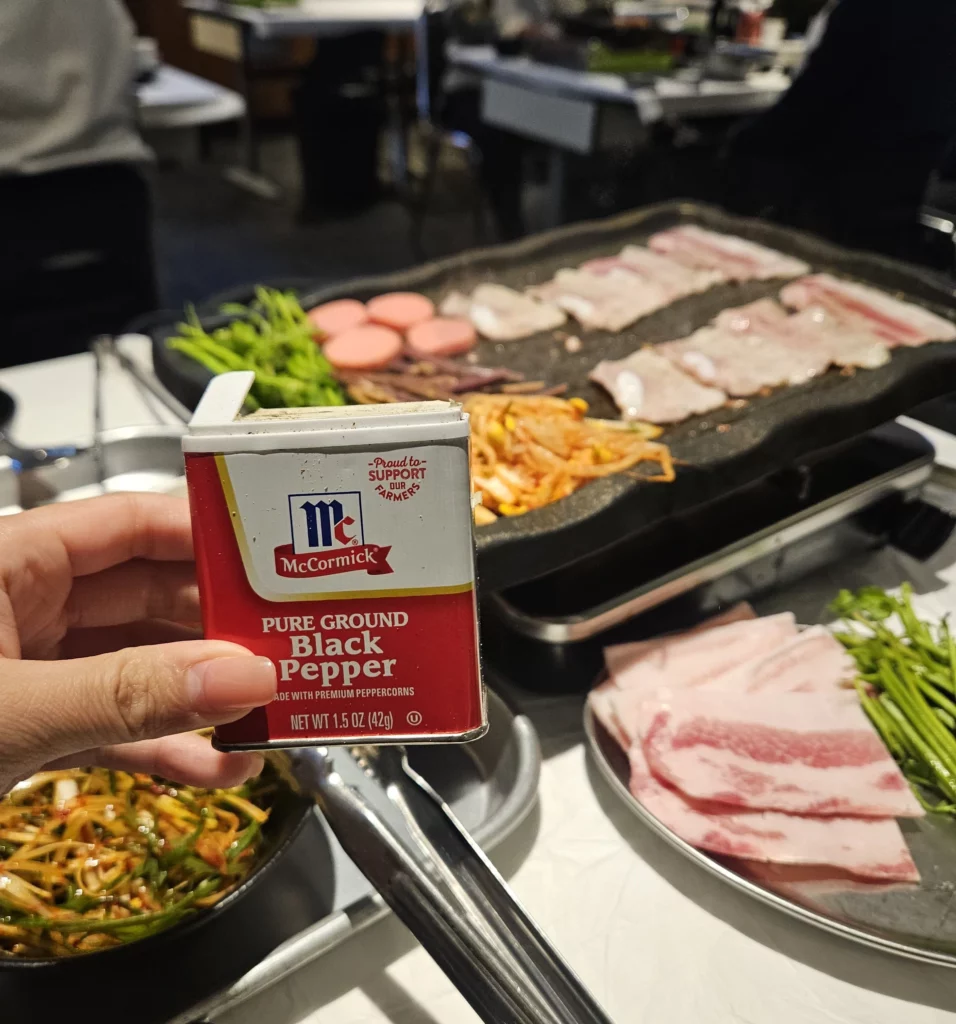
*Pro-tip: Ask the staff for black pepper. They will provide a pepper shaker. Sprinkle some pepper on the samgyeopsal as you cook, it helps enhance the flavor!
3. Watch for Visual Cues: The meat will transition from translucent pink to opaque white. Don’t wait for the entire slice to change color—flip when you see 60-70% of the surface has whitened and the edges are browning.
4. The Flip: Use tongs to flip each slice individually. The underside should show golden-brown caramelization with some darker crispy bits at the edges. Cook for another 30 seconds.
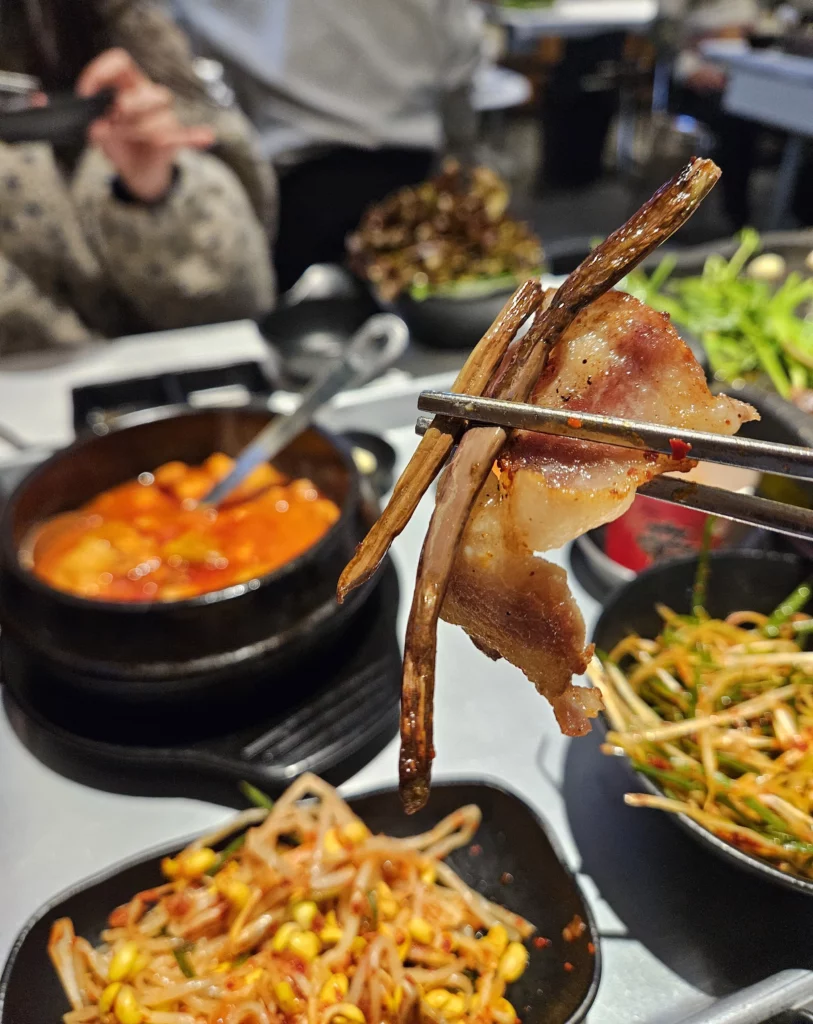
5. Remove and Eat: Transfer the cooked samgyeopsal to a small plate or directly into your ssam wrap. The ideal texture is crispy at the edges with tender, juicy meat in the center. If you prefer extra crispiness, leave it on the grill for an additional 10 seconds, but watch carefully—the thin slices can go from perfect to overdone quickly.
Pairing and Dipping
Korean BBQ offers multiple condiment options, each providing a different flavor dimension:
Ssamjang (쌈장): A thick, savory-sweet paste made from fermented soybeans (doenjang), red chili paste (gochujang), garlic, onions, and sesame oil. This is the classic pairing for samgyeopsal ssam. Use sparingly—about a chickpea-sized amount per wrap—as it’s intensely flavorful and can overpower the delicate pork if applied too liberally.
Salt and sesame oil (소금기름): A simpler option featuring coarse sea salt mixed with roasted sesame oil and sometimes black pepper. This allows the pure flavor of the high-quality pork to shine through while adding just enough seasoning and richness. Many Korean diners prefer this minimalist approach, especially when the meat quality is exceptional, as it is at Gyeongbok.
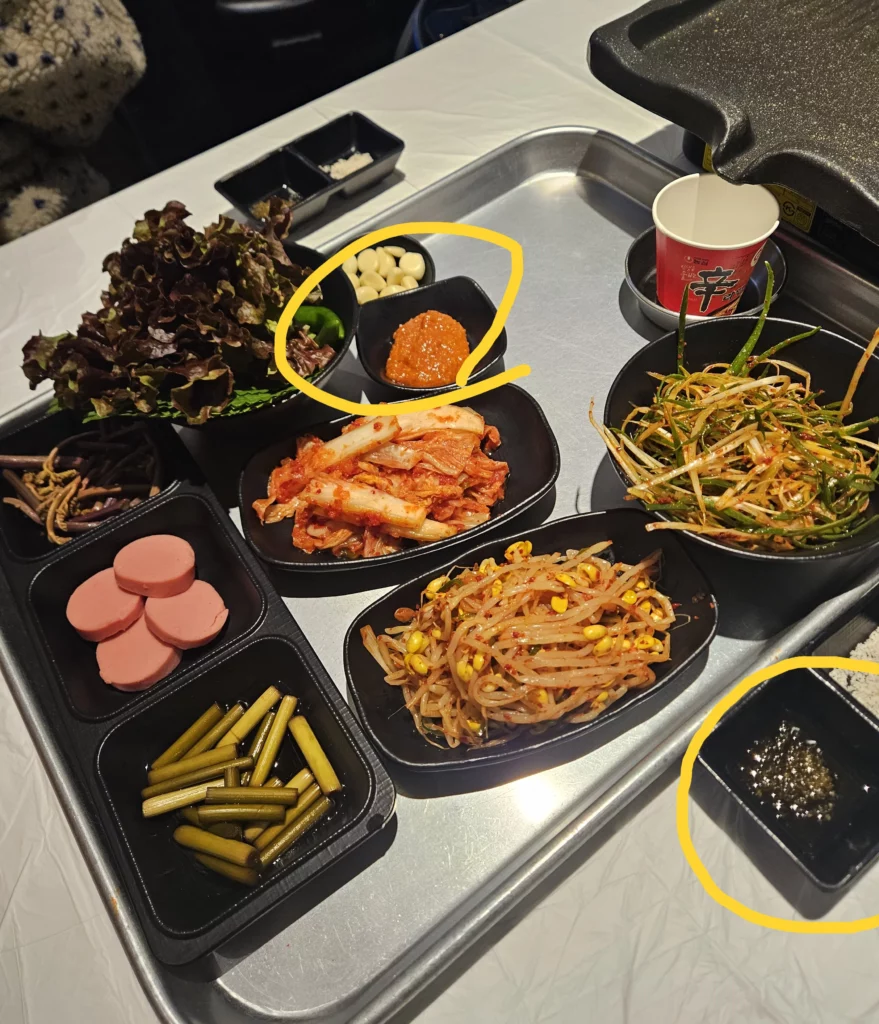
A crucial note on pace: Korean BBQ is meant to be leisurely. Don’t rush to grill all the meat at once. Cook a few pieces, eat them while they’re hot, then cook the next batch. This rhythm allows you to enjoy each bite at its peak and keeps the experience social rather than rushed.
What to Expect on Your First Visit
Restaurant Atmosphere and Service
Walking into Gyeongbok’s main branch, you’ll immediately notice the no-frills, focused atmosphere. This isn’t a trendy, Instagram-ready space with designer lighting—it’s a restaurant dedicated entirely to the craft of perfect samgyeopsal. The interior is clean, efficient, and built around the grilling experience, with powerful ventilation systems ensuring the dining room remains comfortable despite dozens of active grills.

Service Style: Korean BBQ restaurants typically operate on a model where servers bring the raw ingredients and you handle the grilling yourself. Don’t hesitate to order more minari, pink sausages, or extra side grill options on the menu!
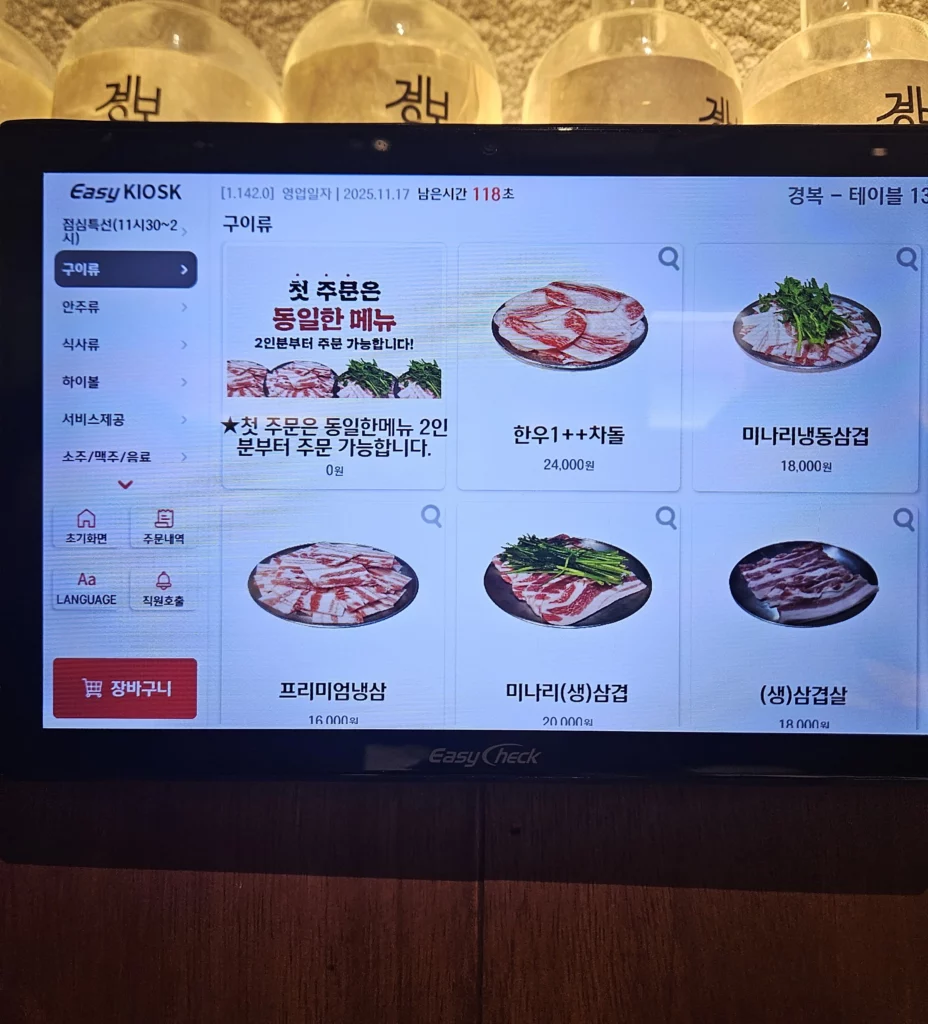
Dining Duration: Plan for 60-90 minutes. Korean BBQ is not a quick meal—it’s meant to be social and leisurely. You’ll spend time grilling multiple batches, constructing ssams, and enjoying conversation between cooking sessions.
First-Timer Tips
What to Know Before You Go:
- Dress casually and avoid dry-clean-only clothing. Despite excellent ventilation, some smoke and meat smell are inevitable. Many Korean diners keep a "Korean BBQ outfit" specifically for these occasions.
- The restaurant provides all necessary tools: tongs for handling food, and wet wipes for cleaning your hands before and after eating. Look for the chopstick, spoon, and napkins in the hidden compartment at the side of the table.
- Pacing is important. Don’t order everything at once. Start with one order of samgyeopsal, see how much you eat, then order more as needed. At Korean BBQ restaurants, it’s perfectly acceptable to order incrementally.
Cultural Considerations for Foreign Diners:
- Language: While the staff may have limited English, pointing to menu items and using simple gestures works well. Learning a few Korean phrases like "더 주세요" (deo juseyo – "more please") and "맛있어요" (masisseoyo – "it’s delicious") is appreciated.
- Group Size: Korean BBQ strongly favors groups of 2-4 people. Solo diners may face minimum orders or higher costs, as portions are designed for sharing.
- Payment: Card and Cash both work at this restaurant.
Menu Highlights and Pricing Guide
Signature Dish
Minari Frozen Samgyeopsal (미나리 냉동삼겹살)
– ₩18,000 per serving
Value Assessment
At ₩18,000 per person (approximately $13 USD), Gyeongbok delivers exceptional value, particularly considering the master-level preparation and quality of ingredients. For comparison, premium samgyeopsal in trendy Seoul neighborhoods often costs ₩18,000-₩25,000 per person with less distinctive preparation.
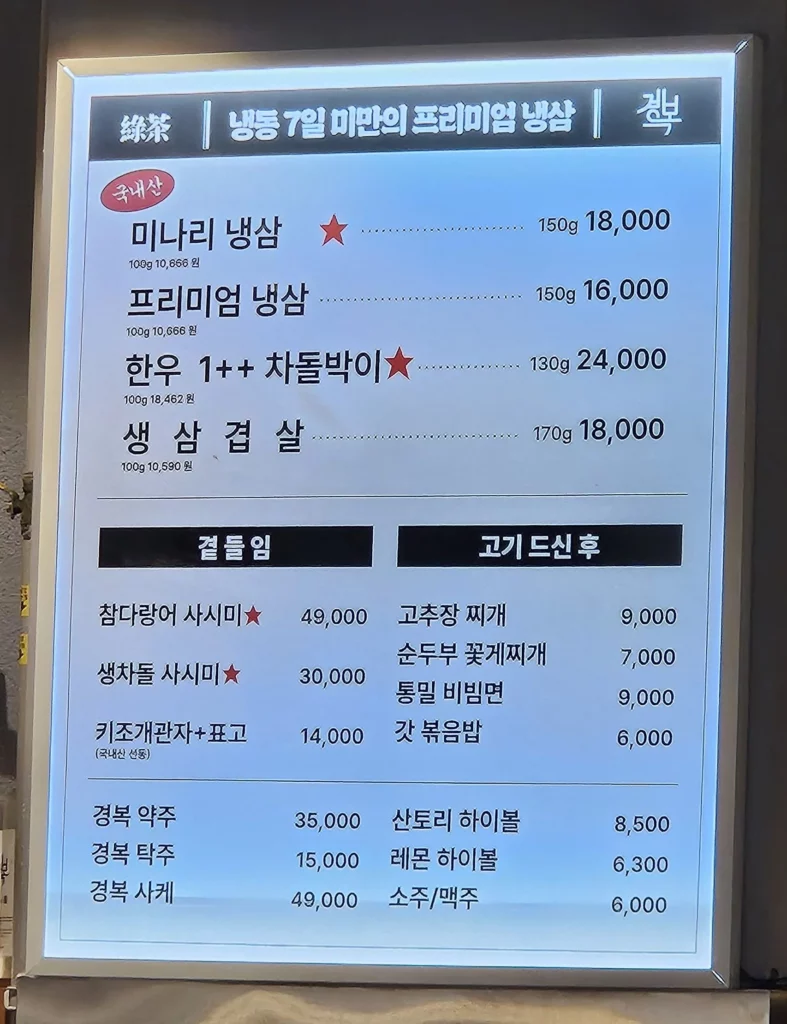
What’s included in your price:
- Premium frozen pork belly, professionally sliced
- Fresh minari
- Multiple refillable banchan (side dishes)
- Rice (typically available for a small additional charge if desired)
- Lettuce and other ssam vegetables
- Dipping sauces and condiments
- Use of the grill and all necessary utensils
When budgeting for your meal, factor in beverages (₩4,000-₩10,000 per person depending on choices) and rice if desired (₩1,000-₩2,000). A complete meal for two people—including meat, drinks, and extras—typically runs ₩35,000-₩50,000 ($25-$38 USD), making it an affordable indulgence.
Frequently Asked Questions About Gyeongbok and Samgyeopsal
What makes this dish uniquely Korean?
Historically, samgyeopsal became widely popular in South Korea during the 1960s-1970s as economic development made meat more accessible to the general population. The name literally translates to "three-layered flesh," referring to the alternating layers of meat and fat visible in the cross-section of pork belly. This cut had traditionally been considered less desirable than other parts of the pig, but Korean cooks recognized that proper grilling could transform these fatty layers into something extraordinary. While most Korean BBQ restaurants grill fresh, thick-cut samgyeopsal, the master at Gyeongbok identified that freezing and thinly slicing the meat could unlock new textural possibilities—crispy edges combined with tender meat.
How would you describe the taste and spice level?
Spice Level: 2 out of 10 – Gyeongbok’s samgyeopsal is notably mild, making it highly accessible for diners who are sensitive to heat or new to Korean cuisine. The only potential spice comes from optional ssamjang dipping sauce, and even this provides more savory depth than aggressive heat.
Popular Trend

Tzuyang, one of Korea’s most famous mukbang YouTubers and Famous Singer/Acter Rain, also visited this Frozen Samgyeopsal Korean BBQ restaurant. Her appearance sparked huge attention, with many viewers eager to try the same dishes she enjoyed on camera. She highlighted the restaurant’s premium tuna line and frozen Samgyeopsal mukbang. The master of living owner is famous for his Tuna preparing skills. After thevideo was released, the restaurant became even more popular among locals and tourists. Many customers now visit specifically because Tzuyang featured it, hoping to experience the same flavors she loved.

Location and Practical Information
Getting There:
The restaurant is typically accessible via subway with a short walk.
Use Naver Maps or KakaoMap (more accurate in Korea than Google Maps) for precise walking directions from the nearest subway station.
Having the restaurant name written in Korean (경복) can be helpful for showing taxi drivers or asking locals for directions.
Hours and Reservations
Address: South Korea, Seoul, Gangnam District, Yeoksam-dong, 687-5 1st Floor
Operating Hours:
- Lunch: 11:30 AM – 2:30 PM
- Dinner: 4:30 PM – 12:00 PM
Reservations: Reservations are strongly recommended, especially for dinner and weekends. Walk-ins during off-peak hours (early lunch, late dinner) may be possible but expect potential waits.

For visitors to Seoul seeking authentic Korean BBQ beyond tourist-targeted establishments, Gyeongbok offers exactly what you’re looking for: genuine local flavor, master craftsmanship, and an atmosphere where the food speaks for itself without pretension or gimmicks. Whether you’re a Korean BBQ veteran or a first-time explorer of Korean cuisine, the frozen samgyeopsal at Gyeongbok will likely redefine your understanding of what this iconic dish can be.
Experience these masterfully grilled flavors for yourself at Gyeongbok Restaurant. Bring your appetite, embrace the interactive dining experience, and discover why sometimes the simplest preparations—premium ingredients handled with expert technique—create the most memorable meals.
Location
South Korea, Seoul, Gangnam District, Yeoksam-dong, 687-5, 1st floor, KR
Reviews
5.0
0 reviews
5
0%
4
0%
3
0%
2
0%
1
0%
Loading reviews...
Related Recipes

Vegetable&Fruit
Myeong-i Namul Jangajji
Few side dishes earn a permanent place on the Korean BBQ table the way Myeong-i Namul Jangajji — Korean pickled...

Meat & Poultry
Korean Spicy Pork (Jeyuk Bokkeum)
If you have ever stood in front of a sizzling Korean BBQ pan in Seoul, watching deep-red pork edges caramelize...

Recipe
Bossam – Boiled Pork with Kimchi
When you take that first bite of a perfectly assembled Bossam wrap—warm, succulent pork folded into crisp salted cabbage alongside...
Related Ingredients

Ingredient
Myeong-i
When the last of winter’s snow finally retreats from the volcanic slopes of Ulleungdo Island, something quietly extraordinary happens. Broad,...

Ingredient
Korean Pork
Korean pork, known as dwaeji-gogi (돼지고기) in Korean, stands as one of the most beloved and widely consumed meats in...

Meat & Poultry
Samgyeopsal
Few dishes capture Korean dining like samgyeopsal, the thick-cut pork belly at the center of nearly every Korean BBQ table....

Gukbap
Neungdong Minari Seongsu: Minari Gomtang Guide
Seongdong-gu, Seoul 42 Yeonmujang-gil,
5

Gukbap
Jayeon NATURE: Best Incheon Airport Korean Restaurant
272 Gonghang-ro, Jung-gu, Incheon Terminal 1, 4F
5

Minari
Neungdong Minari Gomtang: Seoul's Michelin Bib Gourmand
Yongsan-gu, Seoul 28 Hangang-daero 40-gil,
5

Beef
Korean Comfort Food Gem in Seoul: Gwan-gye Restaurant
Gangnam-gu, Seoul, South Korea 556-29 Sinsa-dong
4