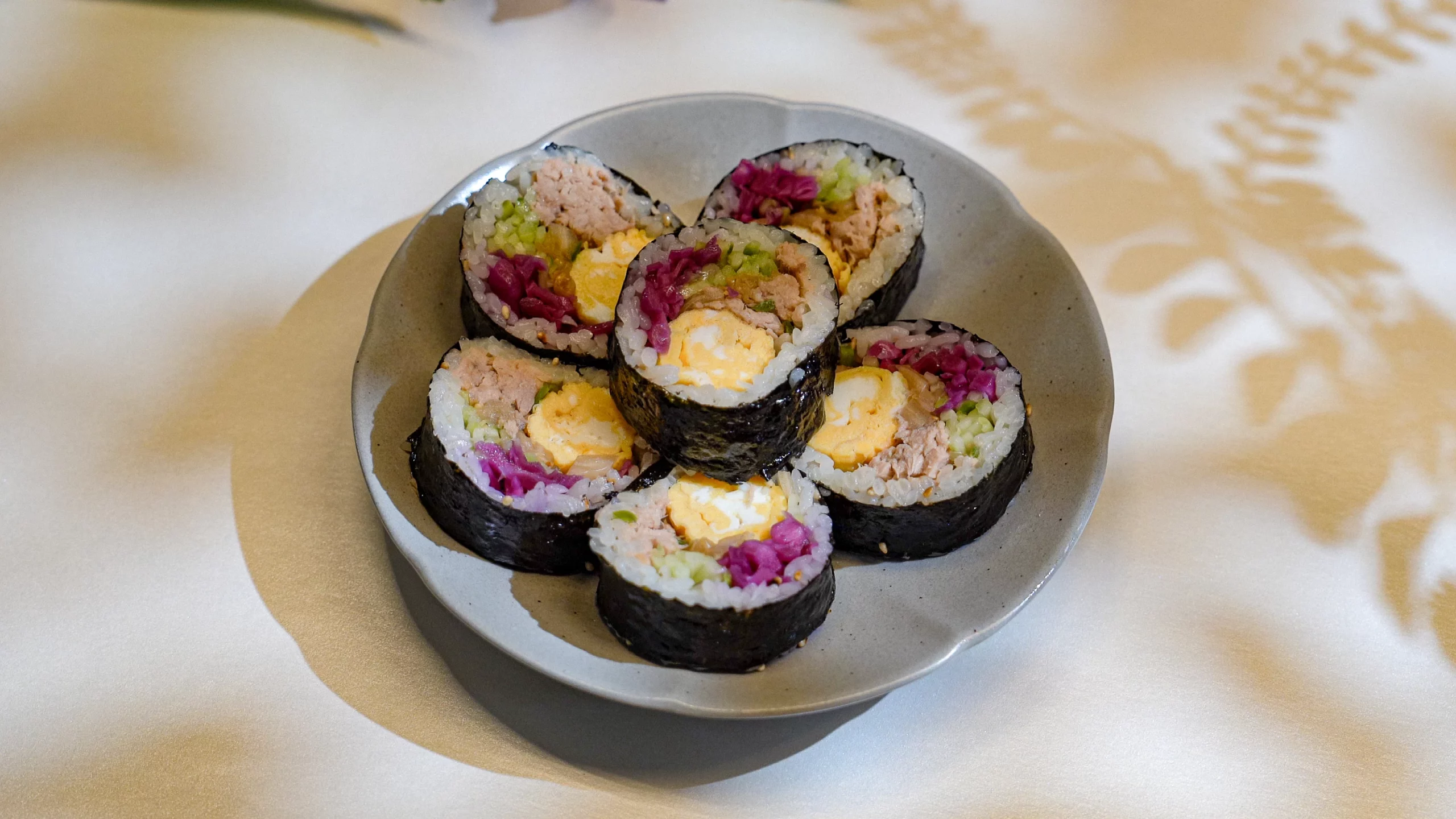


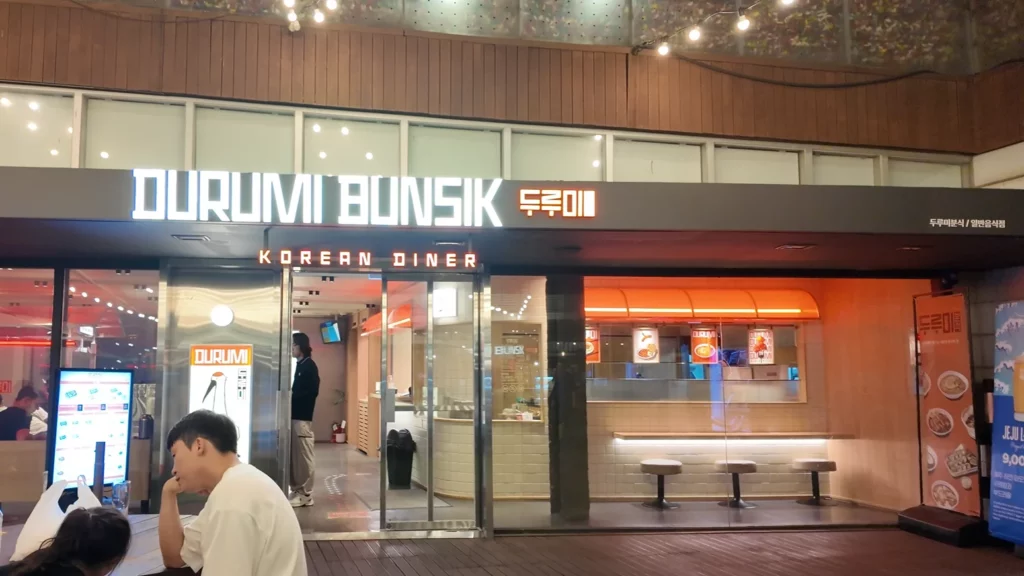
When Seoul’s most recognizable landmark meets Korea’s most comforting street food, magic happens. Durumi Bunsik (두루미 분식) transforms the traditional Korean bunsik experience by serving authentic gimbap and tteokbokki with a spectacular backdrop—the sprawling Seoul cityscape from N Seoul Tower. This isn’t just another tourist restaurant capitalizing on views; it’s a carefully crafted celebration of Korean snack food culture elevated by modern design and unbeatable location. The restaurant’s signature Durumi Set brings together tteokbokki, gimbap, and crispy fried sides in one satisfying meal that captures the essence of Korean comfort food.
Table of Contents
- What Makes Durumi Bunsik Special at N Seoul Tower?
- Understanding Bunsik: Korea’s Beloved Snack Food Culture
- The Durumi Set Menu: Gimbap and Tteokbokki Together
- What Makes This Dish Uniquely Korean?
- What Are the Key Ingredients That Create This Flavor?
- How Would You Describe the Taste and Spice Level?
- What Should First-Time Eaters Know?
- Visiting Durumi Bunsik: Practical Information
- Why N Seoul Tower Makes This Experience Extraordinary
- Beyond Durumi Bunsik: Exploring Seoul’s Dining Scene
What Makes Durumi Bunsik Special at N Seoul Tower?
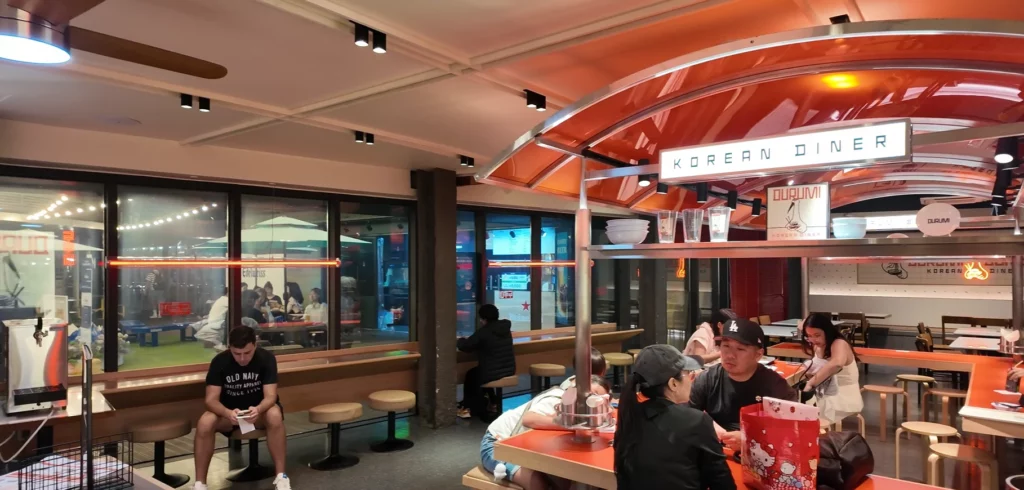
Durumi Bunsik occupies a unique niche in Seoul’s competitive food scene. Operated by CJ Foodville and designed by the acclaimed mhtl studio, this restaurant brings together traditional Korean bunsik with contemporary aesthetics and tourism appeal. Located on the plaza level of N Seoul Tower at 105 Namsangongwon-gil in Yongsan-gu, the restaurant serves as both a convenient meal stop for tower visitors and a destination in itself for those seeking authentic Korean street food with an elevated twist.

The concept reimagines the neighborhood bunsikjip (분식집)—those casual, affordable spots where Koreans gather for quick, satisfying meals—within Seoul’s premier observation tower. Rather than compromising authenticity for tourist appeal, Durumi Bunsik maintains the soul of traditional bunsik while offering the rare combination of quality ingredients, skilled preparation, and that jaw-dropping Seoul panorama. This balance attracts both international visitors seeking genuine Korean flavors and local Seoul residents who appreciate the restaurant’s commitment to properly executed classics.
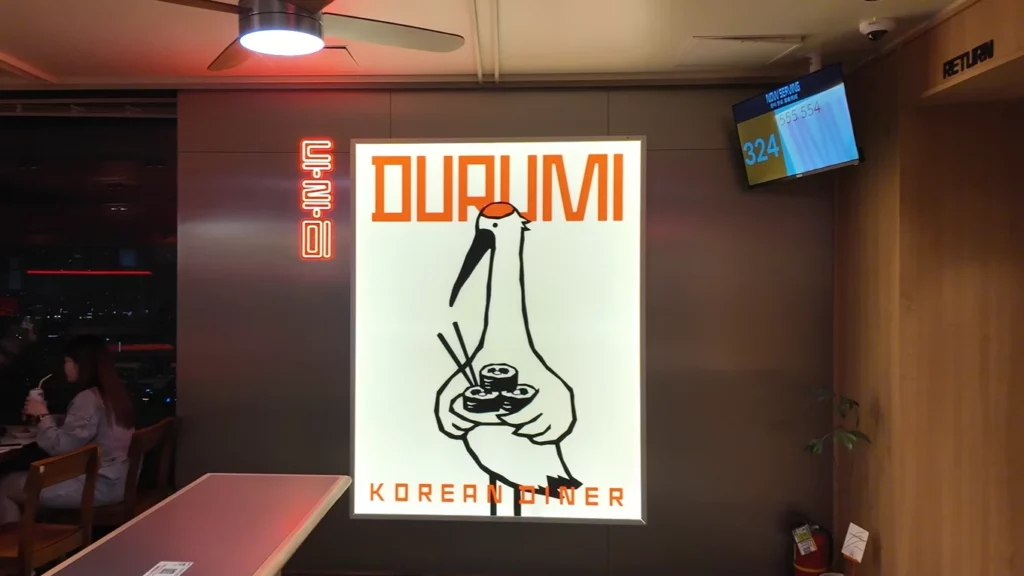
The name "Durumi" evokes the Korean red-crowned crane, a symbol of longevity and good fortune in Korean culture. This thoughtful branding extends throughout the restaurant’s design philosophy, where modern Korean aesthetics meet functional dining space. Large windows maximize the tower’s height advantage, ensuring every seat offers glimpses of Seoul’s urban landscape while natural light illuminates the vibrant colors of the food—those brilliant reds of tteokbokki sauce, the rainbow cross-sections of gimbap rolls, and the golden-brown crusts of fried sides.
Understanding Bunsik: Korea’s Beloved Snack Food Culture
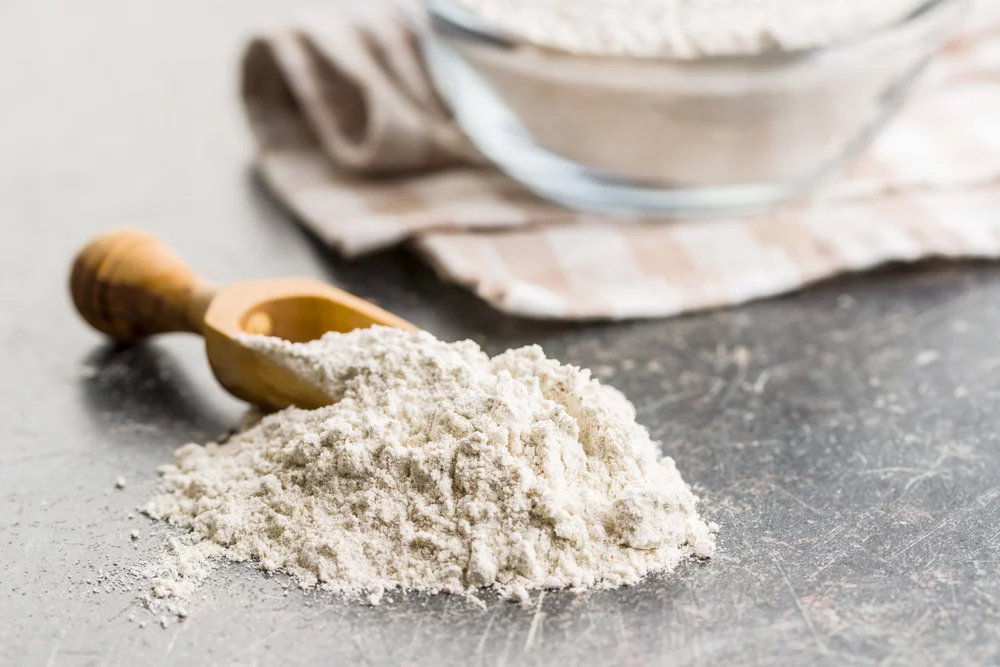
Before diving into Durumi Bunsik’s specific offerings, understanding bunsik itself enriches the dining experience immeasurably. The term "bunsik" (분식) literally translates to "food made from flour," but its cultural significance extends far beyond this simple definition. Bunsik represents Korea’s answer to comfort food—affordable, satisfying, and deeply nostalgic dishes that occupy a special place in Korean hearts regardless of age or social status.
Bunsik culture emerged from Korea’s post-war period when the government promoted wheat-based dishes to supplement rice consumption. What began as economic necessity evolved into a distinct culinary category encompassing tteokbokki, gimbap, ramyeon, mandu (dumplings), and various fried snacks. These dishes share common characteristics: quick preparation, large portions, bold flavors, and prices that won’t break the bank.
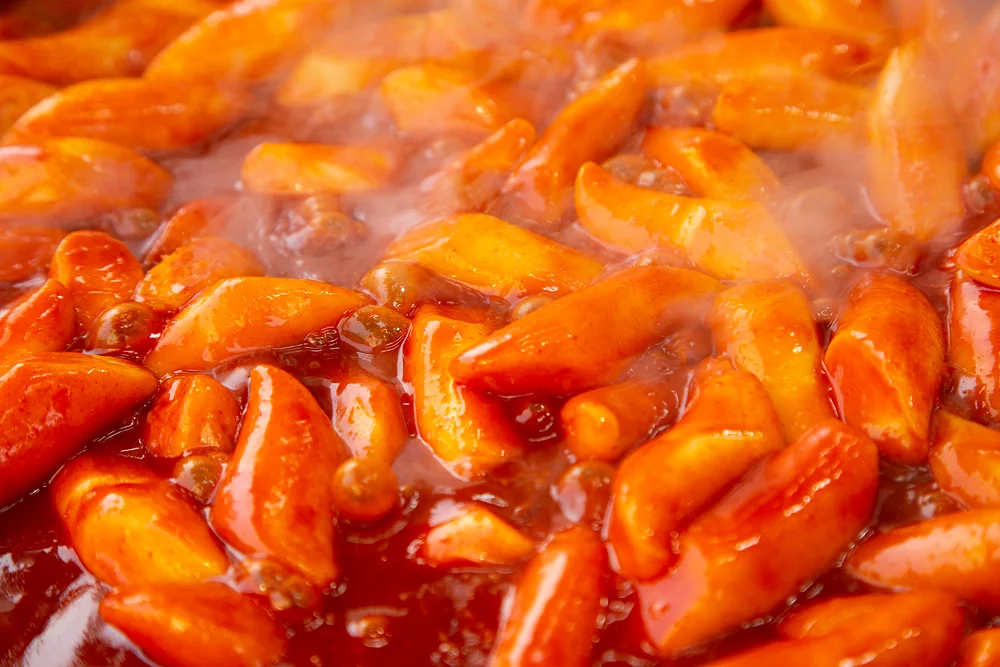
Traditional bunsikjip serve as social gathering spots where students study between bites, office workers grab quick lunches, and families enjoy casual meals without formality. The atmosphere is typically lively and unpretentious—metal chopsticks clanging, steam rising from pots, and the characteristic red glow of tteokbokki sauce visible from the street. This communal, accessible nature makes bunsik fundamentally democratic; everyone from schoolchildren spending their allowance to businesspeople seeking nostalgic flavors finds welcome at bunsik restaurants.
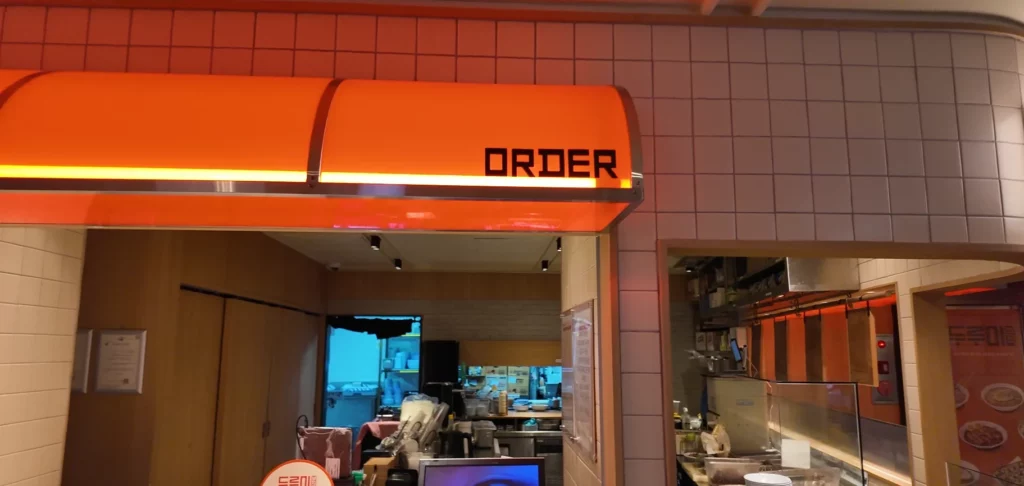
Durumi Bunsik honors this tradition while adapting it for N Seoul Tower’s unique context. The menu stays focused on bunsik essentials—gimbap, authentic tteokbokki, dakgangjeong (sweet-crispy fried chicken), ramyeon, and eomuk-tang (fish cake soup)—rather than diluting the concept with pan-Asian or Western dishes. This specialization ensures quality execution while maintaining the bunsik identity that Korean diners expect.
The Durumi Set Menu: Gimbap and Tteokbokki Together
The Durumi Set (₩22,000) represents the restaurant’s signature offering and demonstrates why combining gimbap and tteokbokki creates such perfect harmony. This carefully composed platter brings together multiple bunsik classics in portions designed for sharing or as a substantial individual meal, making it ideal for first-time visitors wanting to sample Korean snack food’s greatest hits.
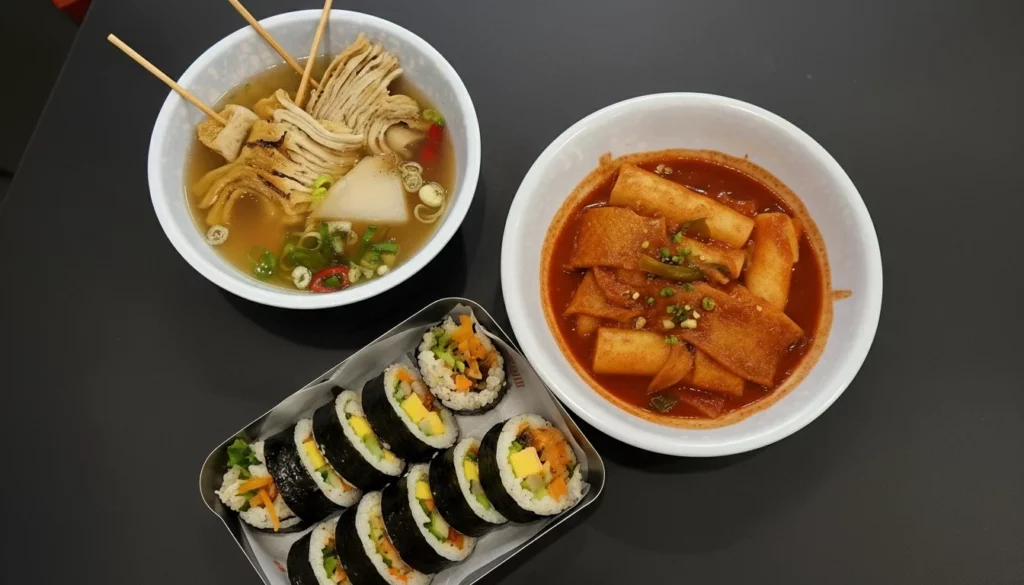
The set typically includes a generous portion of glossy, chewy garae-tteok rice cakes simmering in sweet-spicy gochujang sauce, accompanied by triangular fish cake pieces and sometimes boiled eggs. Alongside sits freshly made Namsan Gimbap—thick rolls sliced to reveal colorful cross-sections of vegetables, pickled radish, and protein wrapped in nutty roasted seaweed. Crispy fried elements round out the plate, adding textural contrast to the soft rice cakes and chewy gimbap. This combination addresses different taste preferences and eating experiences within one meal.
Beyond the set menu, individual items offer flexibility for those with specific cravings. The Namsan Gimbap (₩7,500) makes an excellent light meal or on-the-go option, embodying the portable convenience that made gimbap Korea’s favorite picnic and travel food. The standalone Tteokbokki (₩8,000) satisfies those seeking the full heat and comfort of Korea’s most iconic street food dish. Ramyeon (₩7,500) provides the ramen experience Koreans crave, while beer (₩9,000) pairs perfectly with the fried offerings, following Korean drinking culture where meals and beverages complement each other.
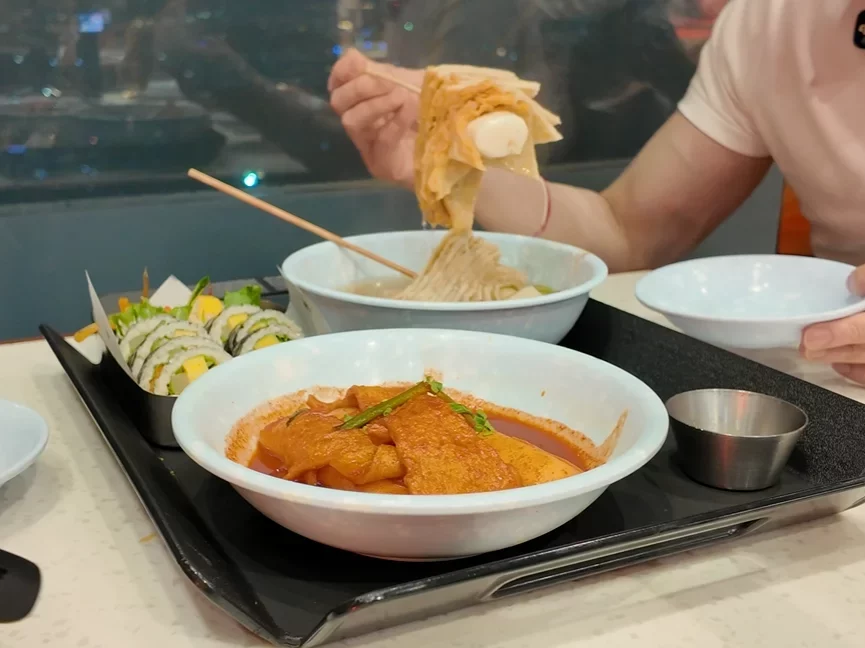
The pricing strategy positions Durumi Bunsik thoughtfully—more expensive than neighborhood bunsikjip reflecting the N Seoul Tower location and elevated presentation, yet still remarkably affordable considering the setting. A filling meal here costs roughly the same as fast-casual dining elsewhere in Seoul, making it accessible rather than exploitative of tourist traffic.
What Makes This Dish Uniquely Korean?
The Durumi Set menu items embody distinctly Korean culinary principles that set them apart from similar dishes in other cuisines. At its core, Korean bunsik demonstrates the culture’s genius for transforming simple, accessible ingredients into deeply satisfying food through technique, balance, and centuries of refinement.
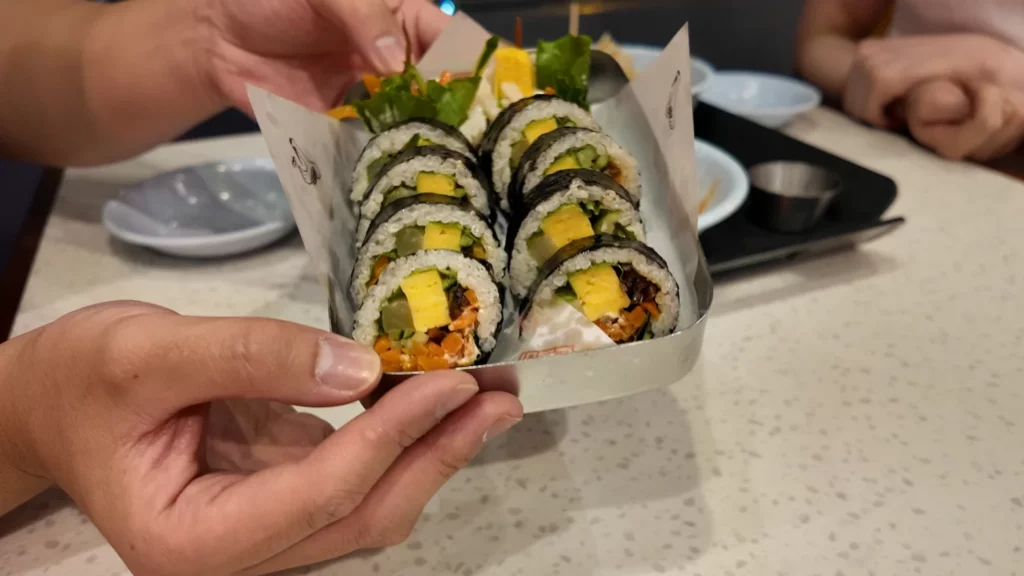
Gimbap, while visually similar to Japanese sushi rolls, follows an entirely different philosophy. Where sushi emphasizes the pure taste of fresh fish with minimal rice seasoning, gimbap celebrates abundance—multiple vegetables, proteins, and pickles come together with sesame-seasoned rice wrapped in seaweed. The result is a complete meal in portable form, designed to be filling and flavorful rather than delicate and precious. This reflects Korean food’s historically practical nature, where dishes needed to sustain farmers, workers, and travelers through long days of physical labor.
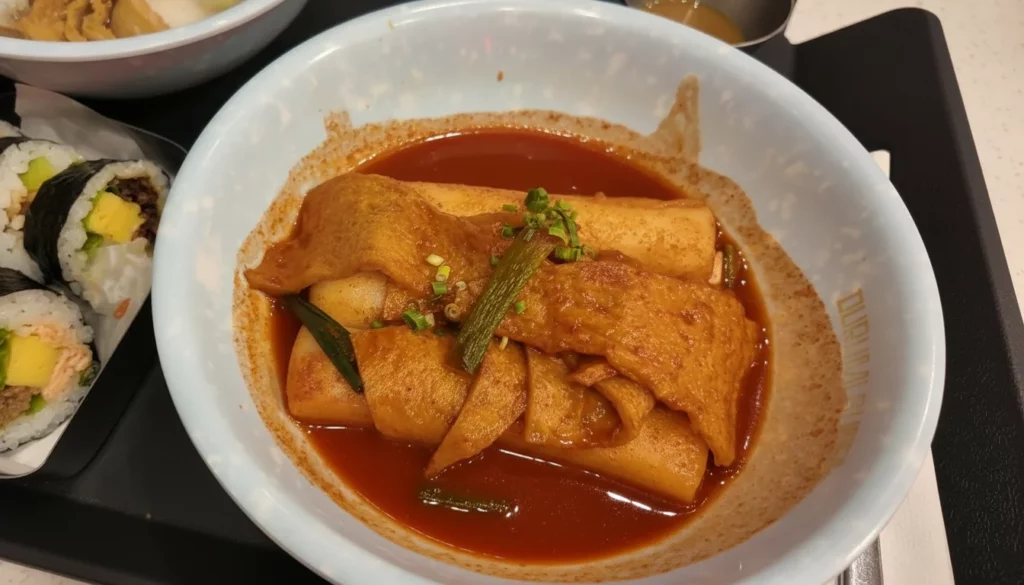
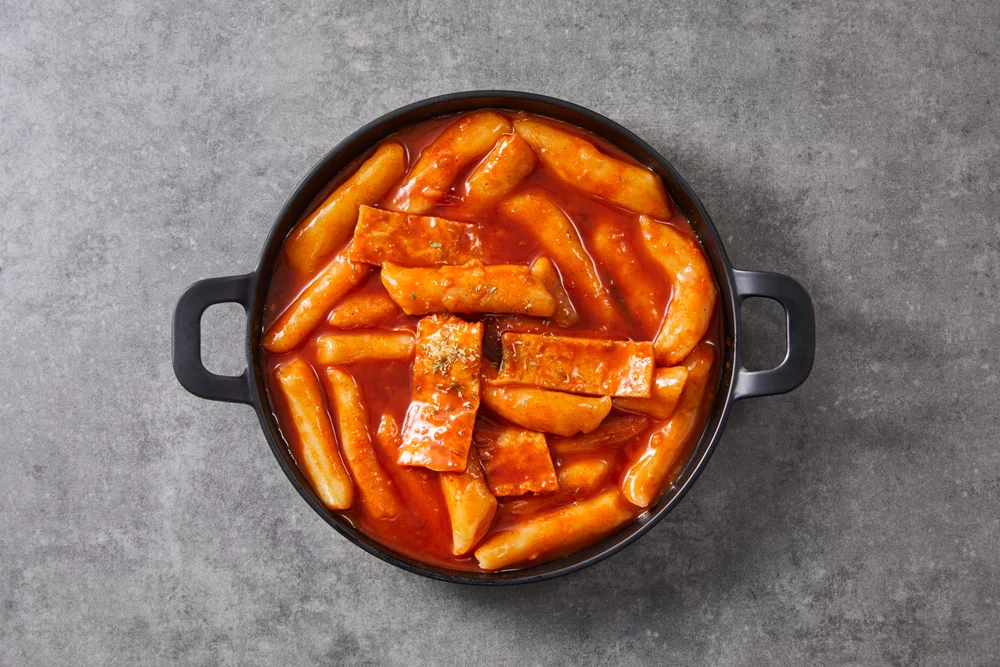
Tteokbokki represents another uniquely Korean achievement: the transformation of chewy rice cakes into Korea’s most beloved street food through the magic of gochujang fermentation. The sauce achieves complexity impossible in non-fermented condiments—simultaneous spiciness, sweetness, saltiness, and umami depth that keeps you reaching for another bite even as your mouth tingles. The dish’s communal nature, typically shared from a large shallow pan, embodies Korean dining’s emphasis on connection over individual experience.
The bunsik category itself is uniquely Korean in its role within food culture. Unlike American fast food meant for efficiency or Japanese convenience store offerings designed for solitary consumption, Korean bunsik occupies a cherished middle ground—quick and affordable yet still proper meals worthy of lingering over, casual yet still communal, simple yet deeply satisfying. This cultural position explains why bunsik restaurants remain popular across all demographics rather than being relegated to student food or guilty pleasures.
What Are the Key Ingredients That Create This Flavor?
Understanding the three essential ingredients in the Durumi Set unlocks appreciation for the flavors you’ll experience. Each component contributes specific tastes and textures that Korean cooks have perfected over generations.
Gochujang (고추장) – Korean Fermented Red Chili Paste
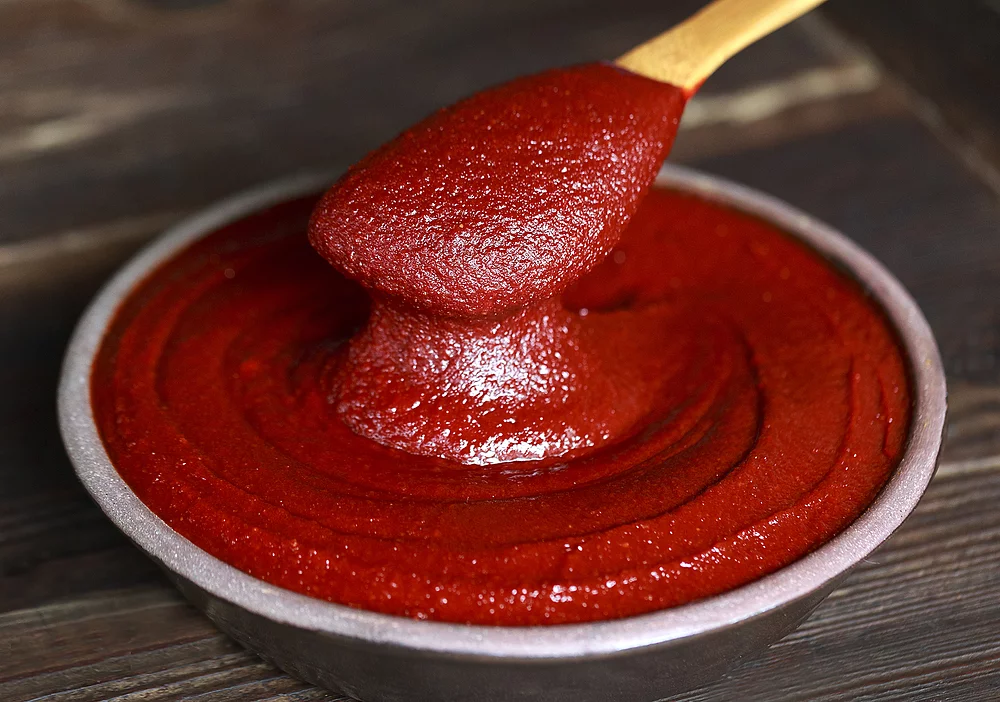
This thick, glossy paste forms the flavor foundation of tteokbokki’s sauce. Unlike simple hot sauces, gochujang develops its complex character through months of fermentation, combining Korean red chili powder (gochugaru), glutinous rice, fermented soybeans (meju), and salt. The fermentation process creates amino acids and beneficial compounds that provide umami depth while beneficial bacteria enhance digestive health. The result is a condiment that’s simultaneously spicy, sweet, salty, and savory—a flavor profile impossible to achieve any other way.
In tteokbokki, gochujang doesn’t just add heat; it creates a sauce that clings to rice cakes, caramelizes slightly during cooking, and provides that characteristic red color that makes the dish instantly recognizable. Quality gochujang makes the difference between memorable tteokbokki and mediocre versions, which is why Durumi Bunsik’s commitment to proper ingredients matters.
Gim (김) – Korean Roasted Seaweed

The seaweed wrapper in gimbap is gim, specifically prepared for wrapping rather than snacking. Harvested from Korea’s coastal waters, processed into thin sheets, and lightly roasted, gim provides more than structure—it contributes nutty, oceanic flavor that complements the rice and fillings. The slightly oily surface from sesame oil brushing helps the gimbap roll hold its shape while adding richness.
Gim’s nutritional profile enhances gimbap beyond simple convenience food. Rich in iodine for thyroid function, vitamins A and C for immune support, and protein for sustained energy, the seaweed wrapper transforms what could be merely filling into genuinely nourishing. The crispy-chewy texture when fresh, achieved through proper toasting, adds sensory appeal that makes each gimbap bite an experience rather than just fuel.
Garae-tteok (가래떡) – Cylinder-Shaped Rice Cakes
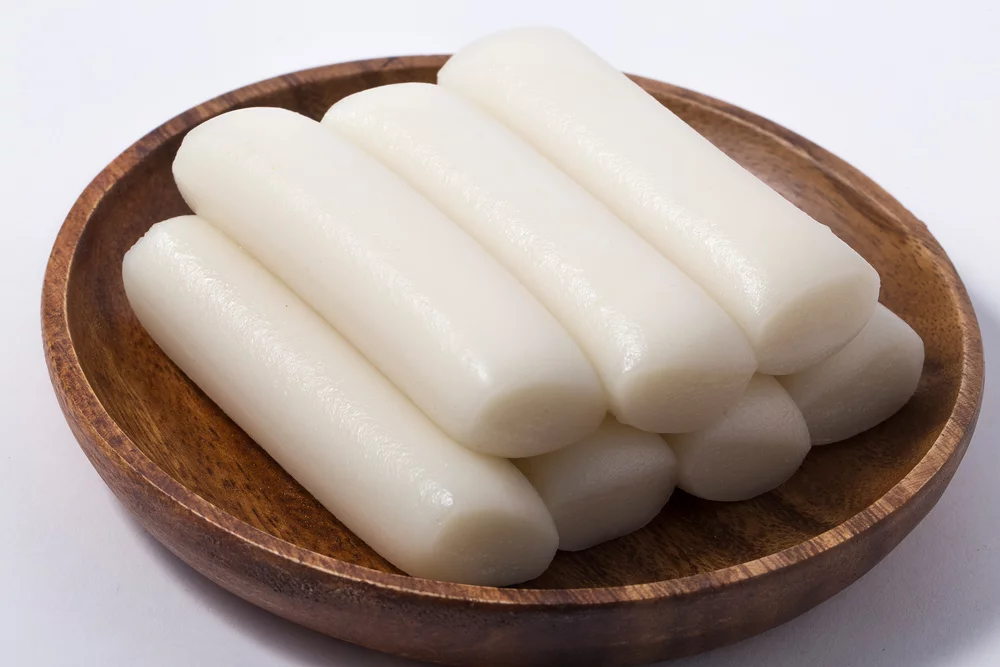
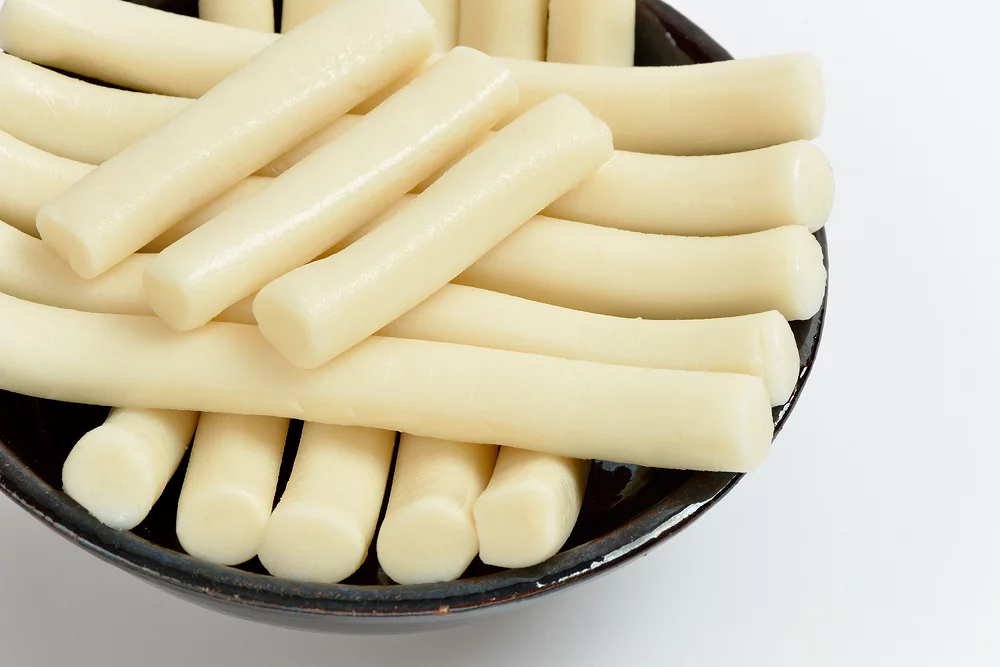
These white, cylindrical rice cakes define tteokbokki’s signature texture. Made from non-glutinous rice flour, steamed and formed into logs, then sliced into finger-length pieces, garae-tteok achieve that perfect chewiness Koreans call "jjolkitjjolkit" (쫄깃쫄깃)—a term without English equivalent describing a pleasantly resistant yet soft texture. Fresh rice cakes maintain this texture better than refrigerated or frozen versions, though proper soaking can revive older tteok.
The rice cakes serve as blank canvases for sauce absorption, gradually taking on the gochujang’s flavors while maintaining structural integrity. Their mild taste ensures they don’t compete with the sauce but rather showcase it, while their satisfying chew provides textural contrast to other elements in the Durumi Set. This is comfort food in its purest form—simple ingredients executed properly to create something greater than the sum of parts.
How Would You Describe the Taste and Spice Level?
First-time diners often worry about Korean food’s spiciness, making accurate descriptions essential for setting expectations. The Durumi Set offers a well-balanced introduction to Korean flavors without overwhelming heat.
Spice Level: 4-5 on a 10-point scale
Durumi Bunsik’s tteokbokki lands in the moderate range—noticeable warmth without aggressive burn. For reference, this is spicier than American ketchup or BBQ sauce but significantly milder than Thai tom yum soup or Indian vindaloo curry. The gochujang-based sauce provides gentle, building heat rather than immediate assault, allowing you to appreciate other flavor dimensions while your mouth gradually warms. This makes it accessible for those with moderate spice tolerance while still satisfying Koreans accustomed to heat.
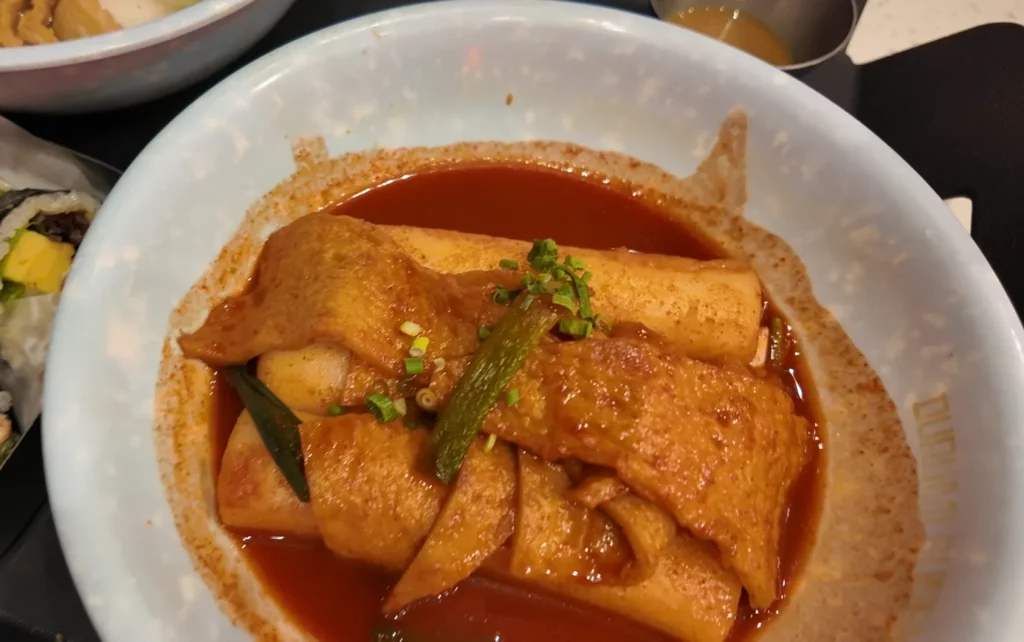
The gimbap provides cooling contrast with its vinegared rice and fresh vegetables, while the fried sides add rich, savory elements without additional spice. This combination lets you moderate the overall heat level by alternating bites—a strategy Koreans naturally employ when eating bunsik combinations.
Primary Flavor Notes
The dominant taste experience is sweet-spicy, characteristic of Korean gochujang-based dishes. The sweetness comes from rice syrup (corn syrup in modern versions) added to the tteokbokki sauce, creating candy-like overtones that balance the chili heat. Underneath, you’ll detect salty-savory umami from the fermented gochujang and anchovy-based stock, plus subtle smokiness from the gochugaru (chili flakes) in the paste.
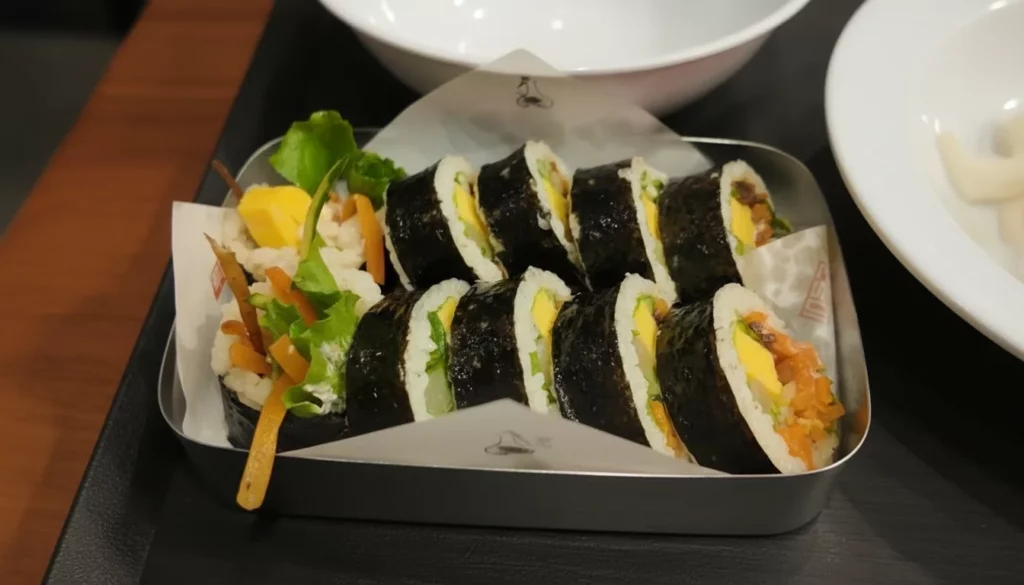
Gimbap brings different flavors—nutty from sesame oil-brushed seaweed and toasted seeds, tangy-sweet from pickled radish, fresh and crisp from cucumber and carrot, and savory from protein fillings. The vinegared rice ties everything together with mild acidity that brightens each bite. This flavor complexity within seemingly simple ingredients demonstrates Korean cooking’s sophisticated approach to balance.
Texture Experience and Serving Temperature
Texture variety defines the Durumi Set’s appeal as much as flavor. Tteokbokki’s rice cakes offer that signature Korean chewiness—springy resistance that requires thorough chewing, releasing sauce flavors as you work through each piece. The fish cakes provide softer, spongier contrast, while any fried elements add crispy crunch. Gimbap alternates between the slight crunch of seaweed wrapper, the soft stickiness of seasoned rice, and the varied textures of vegetables and protein within.

Tteokbokki arrives piping hot, nearly burning your tongue if you bite too eagerly—a characteristic Korean dining experience where the right temperature is "almost too hot to eat." This heat serves both practical and cultural purposes: it ensures food safety while demonstrating freshness and proper cooking. Gimbap comes at room temperature, the traditional and preferred serving style that allows flavors to bloom and prevents condensation from making the seaweed soggy. The temperature contrast between hot tteokbokki and room-temp gimbap provides another dimension of dining interest.
What Should First-Time Eaters Know?
Approaching the Durumi Set with some cultural context and practical knowledge ensures a smooth, enjoyable experience. Korean dining customs differ from Western conventions in ways that enhance the meal when understood.
Proper Eating Method
Koreans typically start with tteokbokki while it’s hottest, using chopsticks to pick up individual rice cake pieces or small groups. Don’t attempt to eat an entire rice cake in one bite unless you’re experienced—the chewy texture requires thorough chewing, and the hot sauce-coated surface can burn your mouth. Bite pieces in half if needed, allowing steam to escape before consuming.
For gimbap, pick up individual sliced rounds with chopsticks or fingers (both acceptable in casual bunsik settings). Take whole slices in single bites for full flavor integration, or if too large, bite pieces off while holding with chopsticks. Some diners dip gimbap in the tteokbokki sauce for extra flavor—perfectly acceptable and quite common.
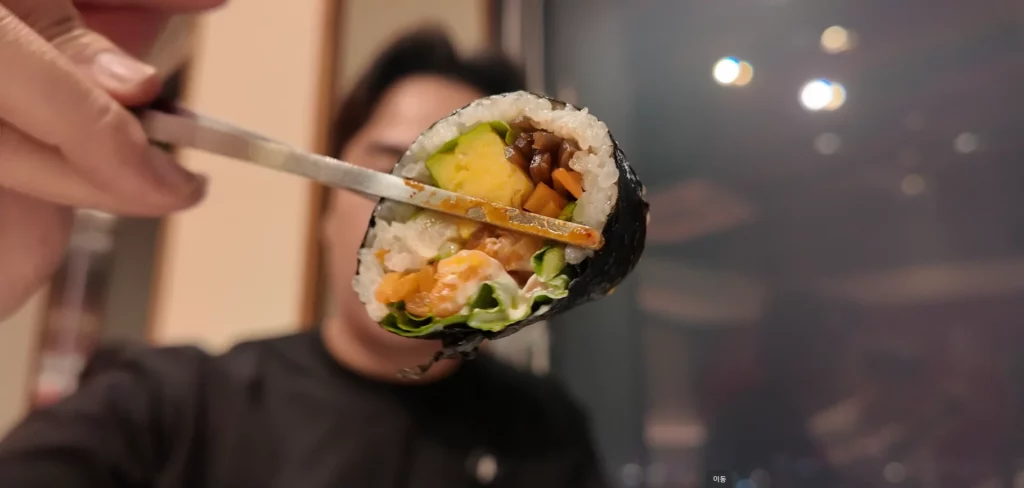
Share liberally if dining with others. Korean food culture emphasizes communal eating, and bunsik particularly embodies this spirit. Use serving chopsticks if provided, or place items on individual plates before eating. This sharing approach is why the Durumi Set’s generous portions work well for two people or one very hungry person.
What to Expect on First Taste
The initial impression often surprises newcomers with its sweetness—Korean gochujang sauce tastes sweeter than expected for a "spicy" dish. The heat builds gradually rather than hitting immediately, so don’t assume the first bite indicates the full spice level. By your third or fourth rice cake piece, the cumulative effect becomes more apparent.
The rice cake texture might feel unfamiliar—more resistant and chewier than any Western food analog. This is intentional and correct; Koreans prize this texture called "jjolkitjjolkit" as the hallmark of quality tteokbokki. Don’t expect it to melt or dissolve quickly; thorough chewing releases flavors and makes digestion easier.
Gimbap’s room temperature might seem odd if you’re accustomed to heated sushi rolls, but this is traditional. The slightly cool, vinegared rice and fresh vegetables refresh your palate between tteokbokki bites while the sesame oil-brushed seaweed contributes nutty richness without needing warmth.
Cultural Considerations for Foreign Diners
Metal chopsticks and long-handled spoons (sujeo) are standard Korean utensils. If you struggle with metal chopsticks’ slippery surface, requesting disposable wooden ones is completely acceptable—no Korean will judge you for this. Alternatively, ask for a fork; while less traditional, accommodation for visitors is normal.

Korean dining culture doesn’t expect you to clean your plate completely. Leave a few bites if you’re genuinely full; no offense is taken. However, avoid excessive waste—order conservatively rather than over-ordering, as wasting food remains culturally disapproved. Korean dining rewards moderation and thoughtful consumption over conspicuous abundance.
Don’t expect constant server attention. Korean service style involves giving diners space and privacy unless actively summoned. Press the table bell if available, or politely say "Jeo-gi-yo" (저기요, "Excuse me") to get assistance. Servers respond quickly once called but don’t hover or interrupt unnecessarily—a style many diners find respectful and relaxing once understood.
Visiting Durumi Bunsik: Practical Information
Planning your visit requires understanding both the restaurant’s specifics and N Seoul Tower’s broader context. This practical information ensures a smooth experience from arrival to departure.
Location and Access
Durumi Bunsik occupies the plaza level of N Seoul Tower, the main public area before ascending to observation decks. The address is 105 Namsangongwon-gil, Yongsan-gu, Seoul. Reaching N Seoul Tower itself requires either the Namsan cable car from Myeong-dong, a bus up the mountain road, or a moderately strenuous hike through Namsan Park. The cable car offers the most scenic approach, though queues can stretch 30-60 minutes during peak times.

Once at the tower, finding Durumi Bunsik is straightforward—the restaurant occupies a prominent location on the plaza level alongside other dining options. Clear signage in Korean and English helps navigation, and tower staff speak basic English if you need directions.
Operating Hours and Timing Strategy
Official hours run 11:00 AM to 10:00 PM daily, with last orders accepted around 9:00 PM. These hours make Durumi Bunsik accessible for lunch, afternoon snacks, dinner, or post-observation deck meals. However, timing strategy significantly affects your experience.
Optimal visiting times for minimal crowds: weekday afternoons between 2:00-4:00 PM (post-lunch, pre-observation rush) or early opening at 11:00 AM before tourist groups arrive. Avoid 12:00-1:30 PM weekday lunch peak and all-day weekends/holidays when tower crowds maximize. Evening visits after 7:00 PM offer smaller crowds but limited observation time if you plan tower activities afterward.
The restaurant doesn’t accept reservations for casual dining, operating first-come-first-served. During peak times, expect 10-20 minute waits for tables. The informal bunsik atmosphere means turnover is relatively quick—most meals conclude within 30-45 minutes.
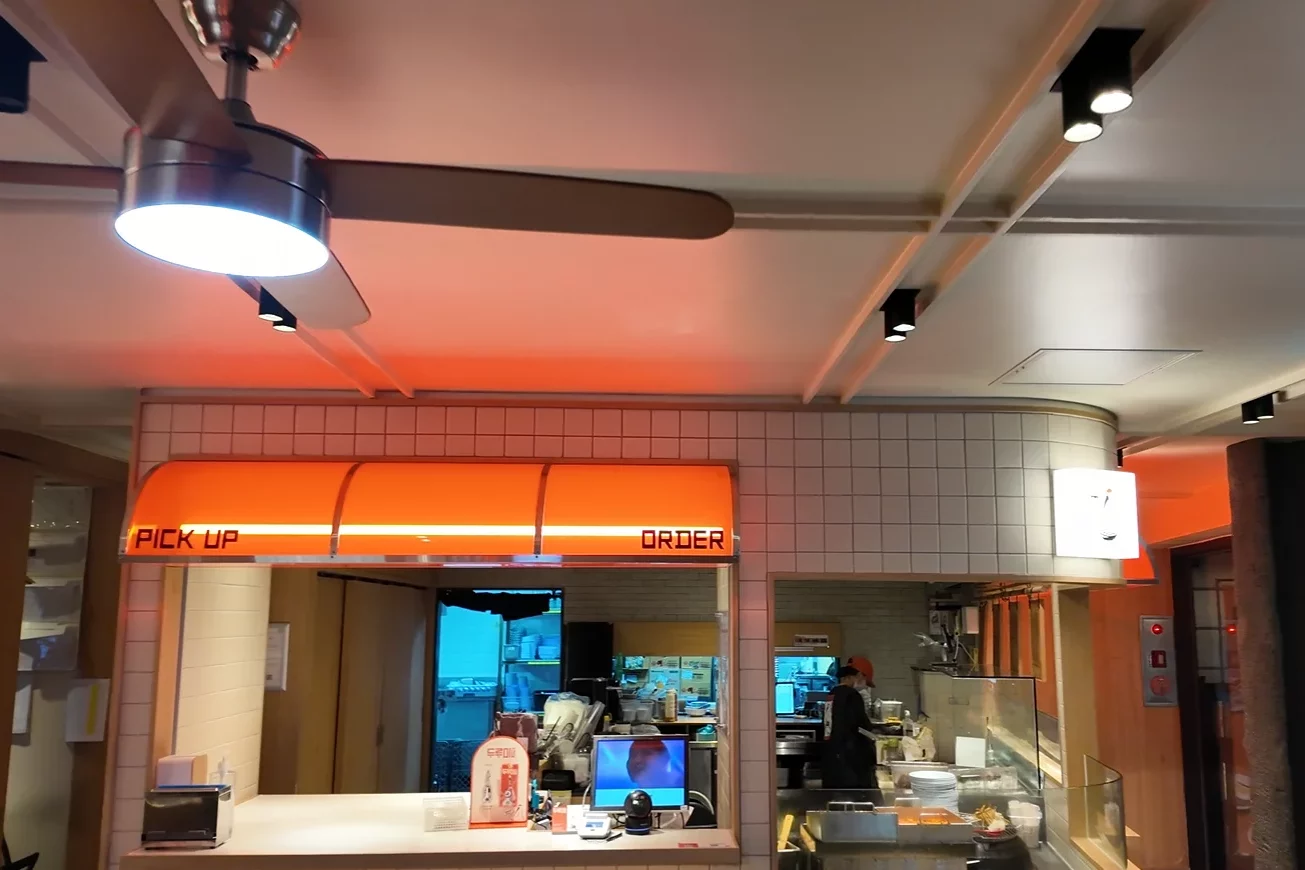
Ordering Methods and Payment
Durumi Bunsik offers two convenient ordering methods to accommodate different comfort levels. The restaurant features modern self-service kiosks where you can browse the full menu with photos, select items, customize quantities, and pay directly using credit cards or mobile payment. These touch-screen kiosks display menus in both Korean and English, making them particularly helpful for international visitors who prefer visual selection over verbal ordering. The kiosk interface walks you through each step clearly: select items, confirm quantities, review your order, and proceed to payment.
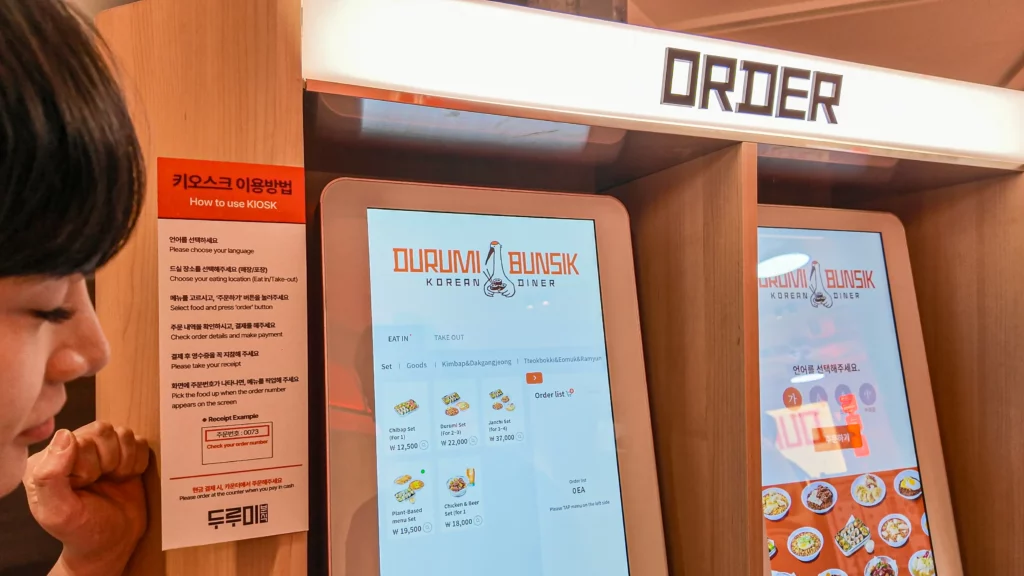
Alternatively, traditional counter ordering remains available if you prefer human interaction or need assistance. Staff members at the counter possess basic English for simple transactions and can answer questions about menu items, though the kiosk’s visual interface often proves simpler for visitors with limited Korean language skills.
The Durumi Set costs ₩22,000 (approximately $16-17 USD depending on exchange rates), with individual items ranging from ₩7,500 to ₩9,000. This pricing reflects the N Seoul Tower location—roughly double neighborhood bunsikjip prices but still reasonable considering the setting and food quality. For context, similar bunsik in Myeong-dong or Itaewon tourist areas charges comparable or higher prices without the tower views.
Payment accepts both credit cards and cash at either kiosks or the counter. International credit cards (Visa, Mastercard, American Express) work without issues. Mobile payment systems like Samsung Pay or Kakao Pay function if you’ve set them up, though cash or card remains simpler for visitors. After payment, you’ll receive a number ticket—find a seat and wait for your number to be called (displayed on screens) when your food is ready.
Tipping isn’t practiced in Korean restaurants; prices include service. Attempting to tip may cause confusion or awkwardness, so simply pay the stated amount. This applies throughout Korea, not just at Durumi Bunsik—no tips ever expected or appropriate.
Language Considerations
Menu boards display items in Korean and English with pictures, making ordering straightforward even without language skills. Staff members possess basic English for simple transactions and common requests. Pointing to menu pictures combined with holding up fingers for quantities handles most ordering scenarios successfully.

Key phrases if you want to engage: "Durumi Set-eu ju-se-yo" (두루미 세트 주세요) means "Durumi Set please," while "Mul ju-se-yo" (물 주세요) requests water. "Gam-sa-ham-ni-da" (감사합니다) expresses thanks. These aren’t necessary—gestures and English fragments work fine—but Korean diners appreciate any attempts at their language.
Why N Seoul Tower Makes This Experience Extraordinary
While the food quality justifies a visit to Durumi Bunsik regardless of location, the N Seoul Tower setting elevates the experience from meal to memory. Understanding what makes this combination special enhances appreciation for both elements.
The Iconic Seoul Skyline Context
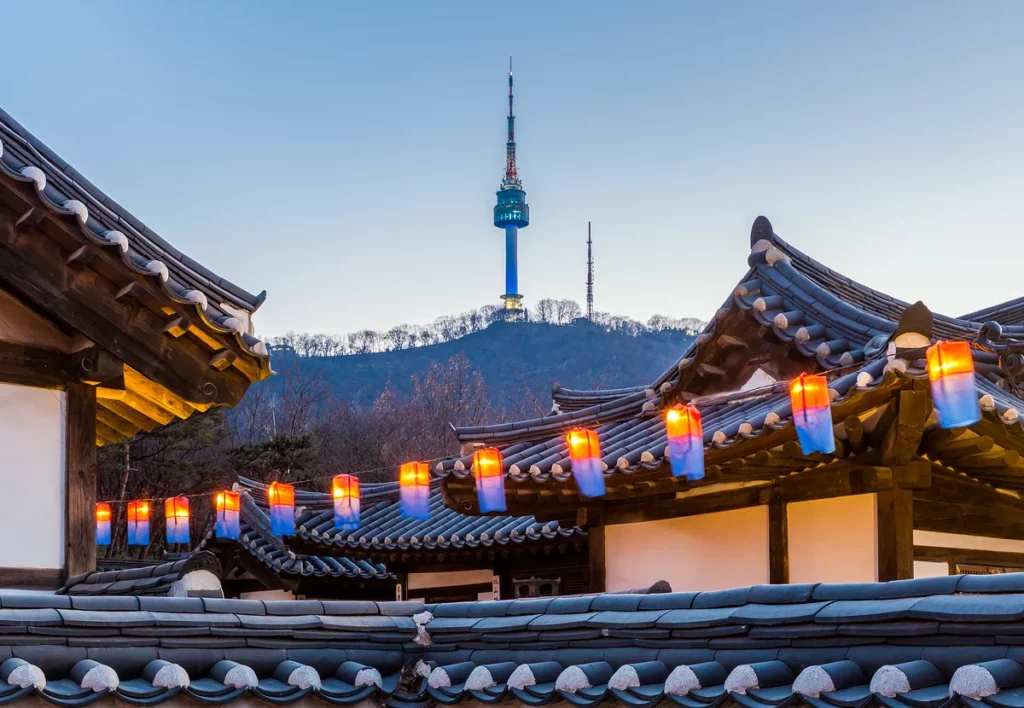
N Seoul Tower (officially Seoul Tower, colloquially Namsan Tower) has anchored Seoul’s skyline since its 1980 opening as a broadcast and observation tower. Standing 236.7 meters tall on Namsan Mountain’s 243-meter peak, the combined height of 479.7 meters makes it Seoul’s most recognizable landmark visible from nearly anywhere in the city. This prominence imbues dining here with significance—you’re eating at a place meaningful to Seoul’s identity and collective memory.
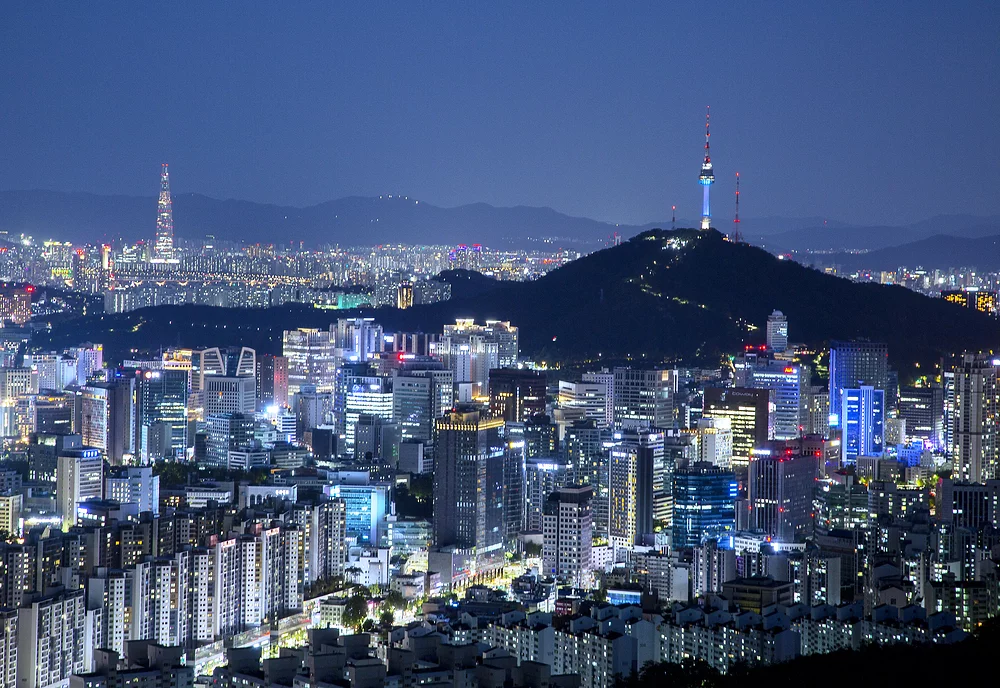
The tower’s location on Namsan provides 360-degree views encompassing Seoul’s dramatic transformation from the Han River valley’s high-rise clusters to the mountains encircling the city. During daylight meals, identify landmarks like Gyeongbokgung Palace, the COEX complex, Lotte World Tower, and the Han River’s serpentine path. Evening meals reward with Seoul’s renowned night views—millions of lights creating patterns that mirror the Milky Way below.
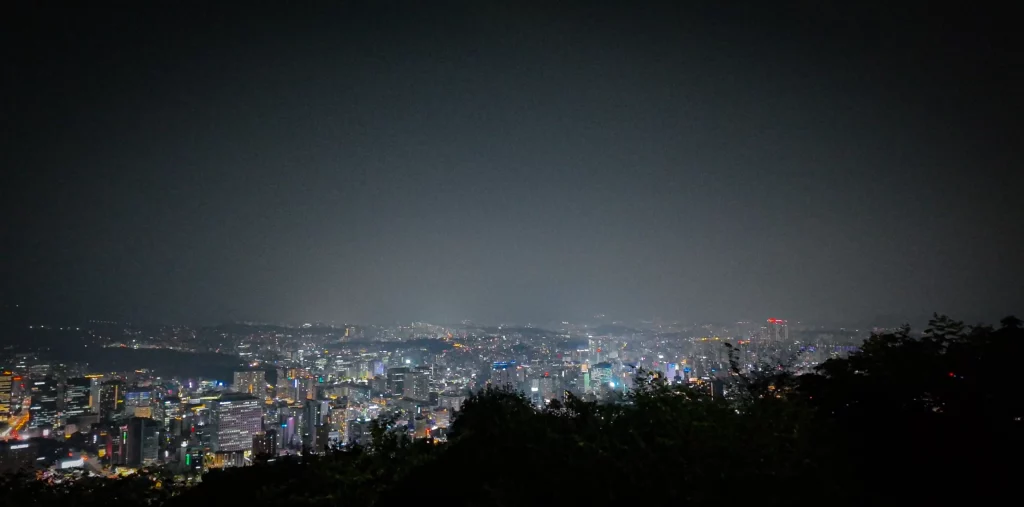
This setting transforms a simple bunsik meal into a uniquely Seoul experience impossible to replicate elsewhere. You’re simultaneously engaging with Korean street food tradition and modern Seoul’s self-presentation to the world, experiencing how Koreans honor heritage while embracing contemporary urban life.
Combining Food Tourism with Cultural Tourism
Smart visitors integrate Durumi Bunsik into broader N Seoul Tower and Namsan exploration rather than treating it as isolated dining. The mountain and tower area offers multiple attractions: hiking trails through Namsan Park, the famous Locks of Love fence where couples attach padlocks, traditional Korean architecture at the park’s Namsangol Hanok Village, and the tower’s observation decks.

Visiting Durumi Bunsik after hiking provides well-earned refreshment—few experiences match the satisfaction of tteokbokki consumed while muscles still warm from climbing. Alternatively, eat before ascending to observation decks, allowing food to settle while enjoying views. The restaurant’s location makes either approach convenient without backtracking.
The area surrounding N Seoul Tower ranks among Seoul’s most accessible for experiencing Korean culture naturally rather than through staged performances. Locals genuinely use Namsan for recreation, couples actually come for romantic views, and families authentically picnic here. Dining at Durumi Bunsik places you within this living culture rather than observing from outside.
Beyond Durumi Bunsik: Exploring Seoul’s Dining Scene
Durumi Bunsik serves as an excellent introduction to Korean food, but Seoul’s culinary landscape extends far beyond any single restaurant. Using this experience as a springboard for broader exploration maximizes your Korean food journey.
For more traditional Korean experiences, consider exploring Seoul’s iconic restaurants that specialize in specific dishes. Namdaemun Market’s famous hotteok stand offers another perspective on Korean street food with its crispy-sweet pancakes filled with cinnamon sugar or savory vegetables. Located in Seoul’s oldest traditional market, it represents bunsik culture in its original neighborhood context.
If the tteokbokki at Durumi Bunsik awakens curiosity about Korean fermented chili paste, explore recipes to recreate flavors at home or seek out specialty restaurants serving royal court-style non-spicy tteokbokki for a completely different take on the same rice cakes. Understanding banchan culture enhances appreciation for Korean dining’s communal, multi-dish approach that even casual bunsik restaurants follow.
Exploring other Namsan-area restaurants provides convenient alternatives or additions to your tower visit. Several traditional Korean restaurants near the mountain’s base serve more elaborate meals if you’re seeking full dining experiences rather than snacks, while cafes along the hiking trails offer refreshment stops during Namsan exploration.
Final Thoughts
Durumi Bunsik represents something increasingly rare in major tourist destinations: authentic local food served without compromise in a setting designed primarily for visitors. The restaurant succeeds by respecting both its ingredients and its audience—maintaining Korean bunsik’s soul while acknowledging that diners want comfort, views, and accessible introduction to Korean flavors.
The Durumi Set exemplifies smart menu design: combining multiple bunsik classics in portions suitable for sharing or individual consumption, priced reasonably given the premium location, and executed properly rather than dumbed down for assumed tourist palates. This approach benefits everyone—Korean visitors receive quality bunsik worth the tower admission effort, while international guests experience authentic flavors that might inspire deeper Korean food exploration.
For those planning to experience Korean food at N Seoul Tower, embrace this opportunity to understand how Koreans themselves enjoy comfort food in elevated settings. The combination of chewy tteokbokki rice cakes, fresh gimbap rolls, and Seoul’s sprawling cityscape creates memories that endure long after flavors fade.