


This is Bukhansan Lounge, and it represents a quintessentially Korean experience that foreign visitors often stumble upon by happy accident rather than deliberate planning. Located in the historic Ui-dong neighborhood at the base of Bukhansan National Park, this mountain view cafe has become an essential stop for hikers, nature photographers, and anyone seeking Seoul’s increasingly rare combination of stunning natural scenery and modern comfort.
Bukhansan Mountain View Cafe: Your Perfect Post-Hike Retreat at Bukhansan Lounge
5
Bukhansan Mountain View Cafe: Your Perfect Post-Hike Retreat at Bukhansan Lounge
5
Gangbuk-gu, Seoul, Republic of Korea 260-11 Ui-dong
Editor: James Lee


Interior04
Food04

Menu01
Overview
+82 0507-1383-5750
WiFi Provided
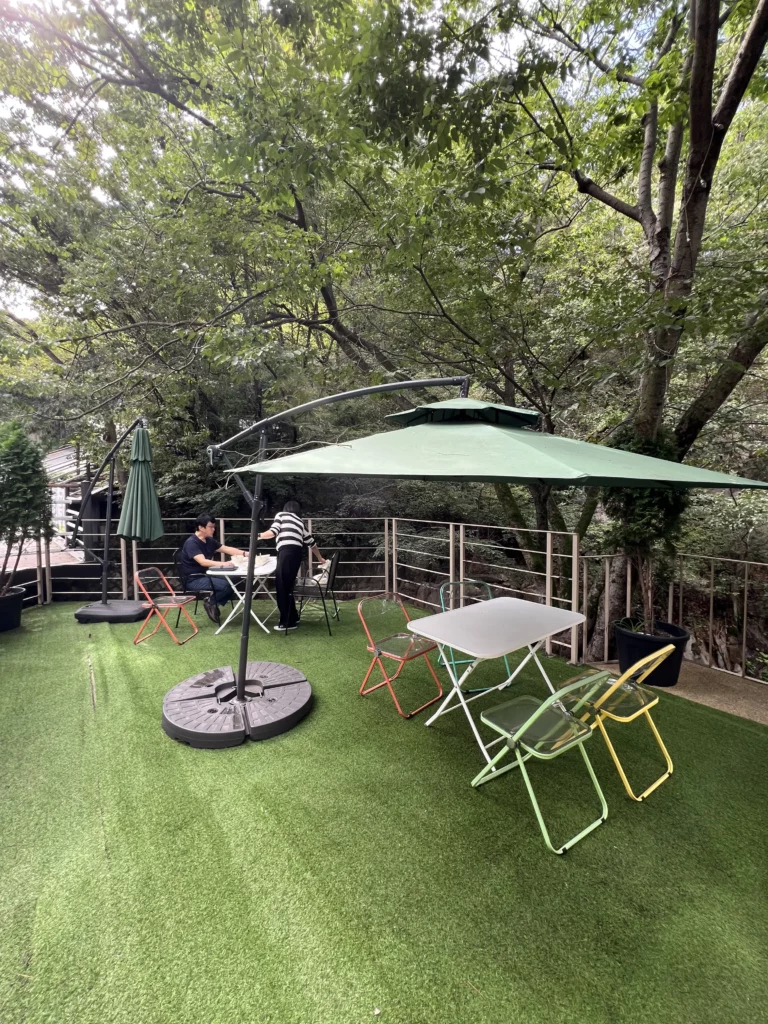
Outdoor Seating Available
Electronic Payment accepted: American Express, Master Card, Visa
Introduction
Operating hours
Mon, Tue, Wed, Thu, Fri, Sat, SunAM 5:30 - PM 8:00
Menu
Editor's Detail
Table of Contents
- What Makes Bukhansan Lounge Special?
- Location and Getting There
- Menu Highlights: From Bingsu to Coffee
- The Perfect Stop After Hiking Bukhansan
- What Makes This Uniquely Korean?
- Key Ingredients and Flavors
- Taste Experience and Atmosphere
- First-Time Visitor Tips
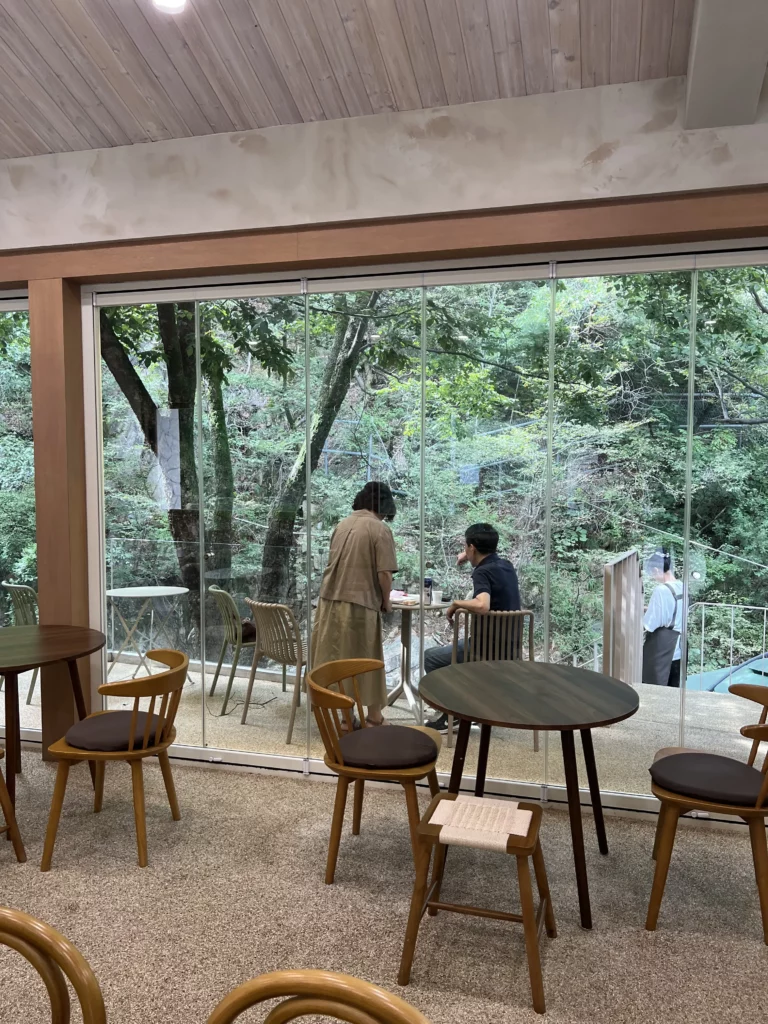
Nestled at the base of Seoul’s most iconic mountain, Bukhansan Mountain View Cafe offers weary hikers and nature enthusiasts something increasingly rare in urban Korea—a tranquil escape where panoramic mountain vistas meet refreshing Korean desserts. Located in the heart of Ui-dong at the gateway to Bukhansan National Park, this mountain view cafe has become the go-to destination for those seeking rest and refreshment surrounded by nature’s grandeur.
What Makes Bukhansan Lounge Special?
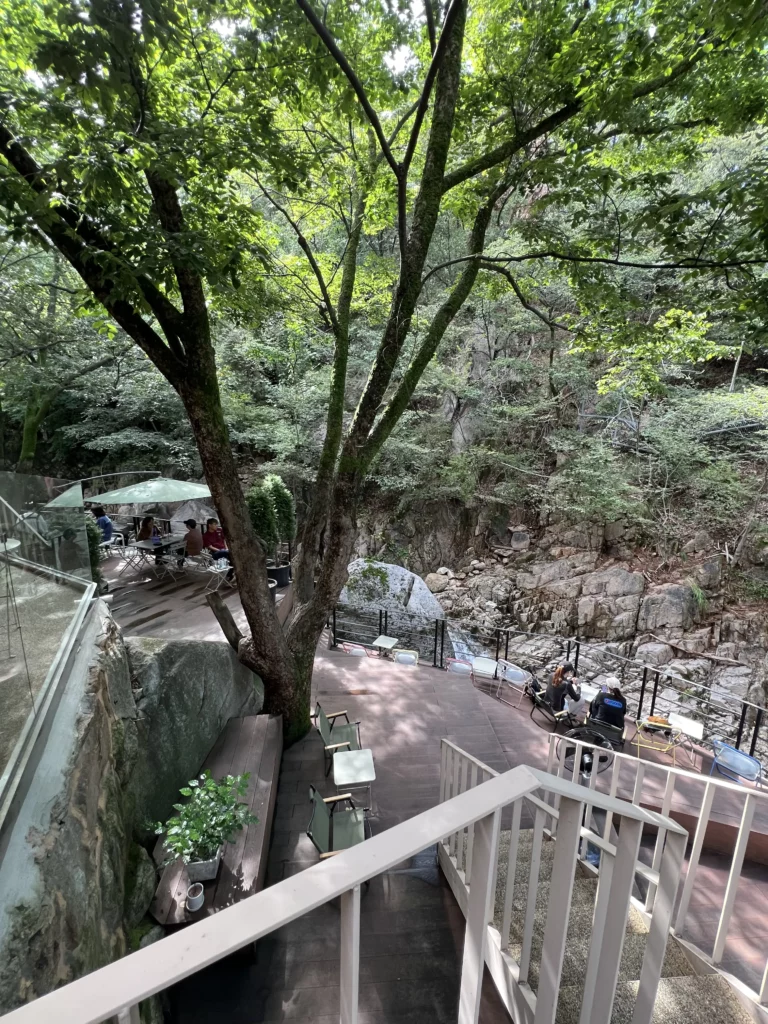
Bukhansan Lounge distinguishes itself as more than just another Seoul cafe. Positioned strategically in Ui-dong, the cafe capitalizes on its proximity to Bukhansan National Park, offering visitors unobstructed views of Seoul’s highest peaks while they enjoy traditional Korean desserts and beverages.
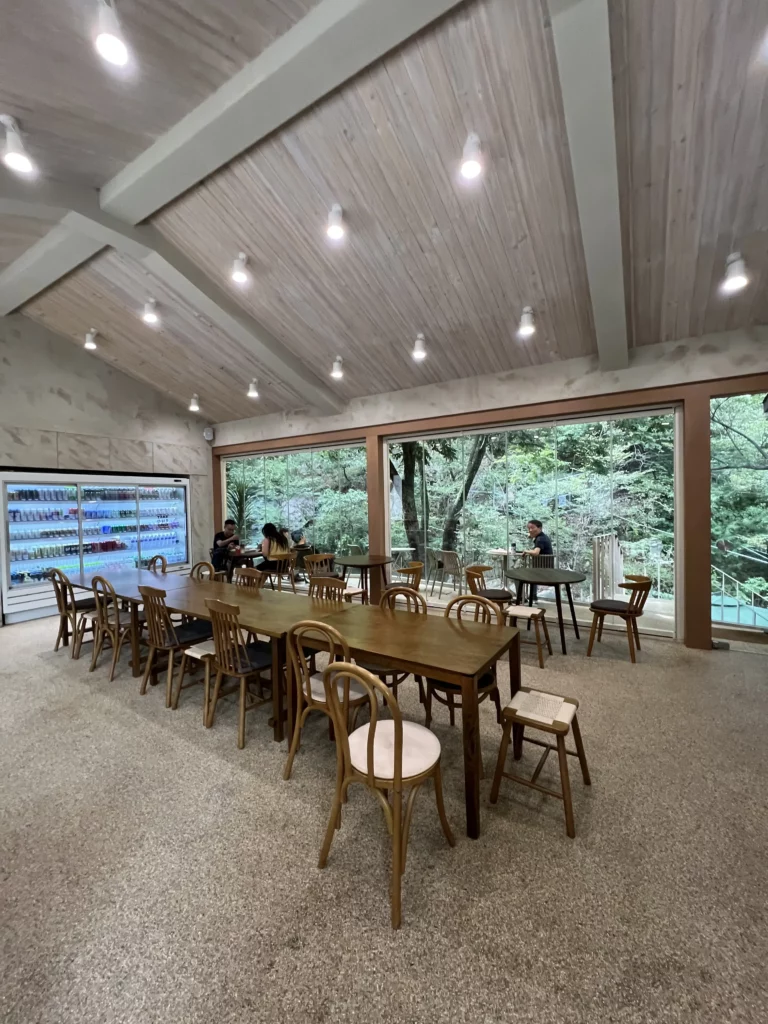
The Ui-dong area has transformed into a popular destination for hikers and nature lovers, with the opening of Bukhansan Ui Station making the area easily accessible . What sets Bukhansan Lounge apart is its commitment to providing a nature-immersed experience—visitors can watch the changing colors of the mountain throughout the seasons while savoring Korea’s beloved bingsu or sipping specialty coffee.
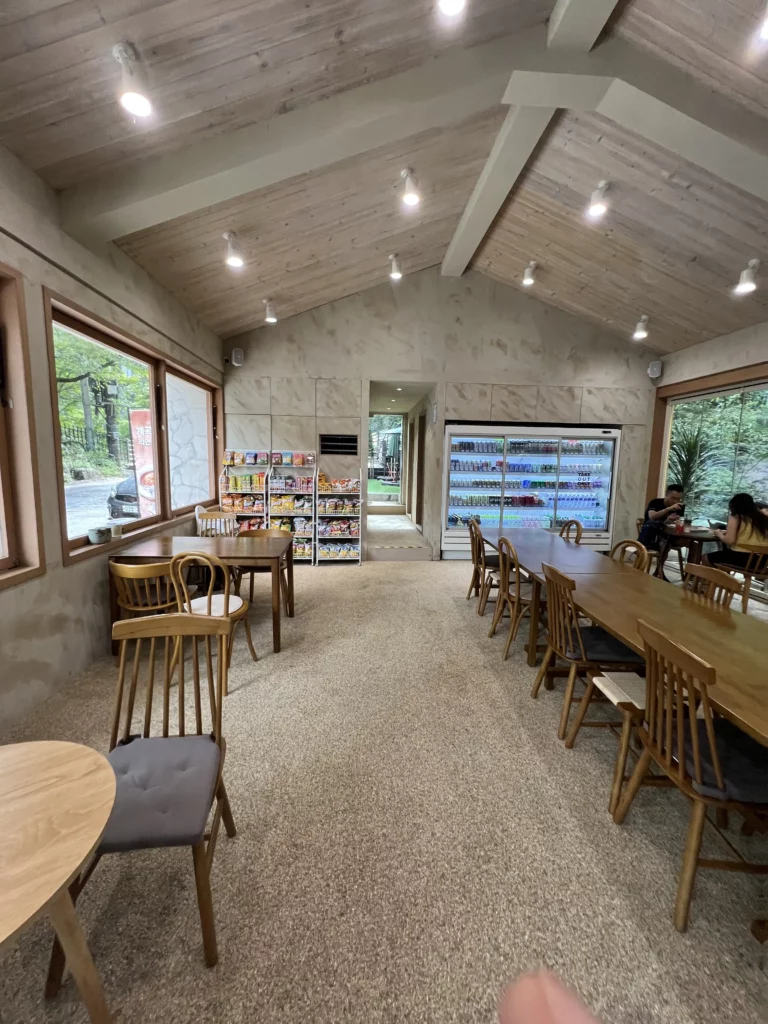
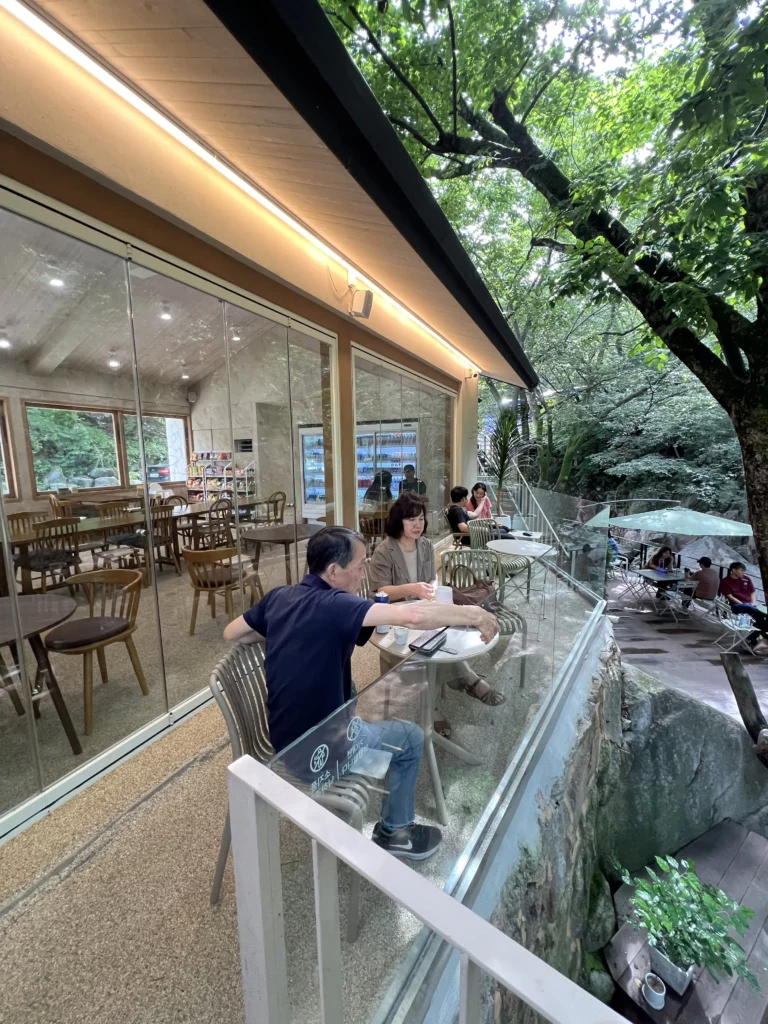
The cafe embraces the concept of "forest healing," a Korean wellness trend that emphasizes the restorative power of being surrounded by nature. Large windows frame the mountain landscape like living artwork, while the spacious outdoor seating area allows guests to breathe in the fresh mountain air that flows down from Bukhansan’s peaks.
Location and Getting There
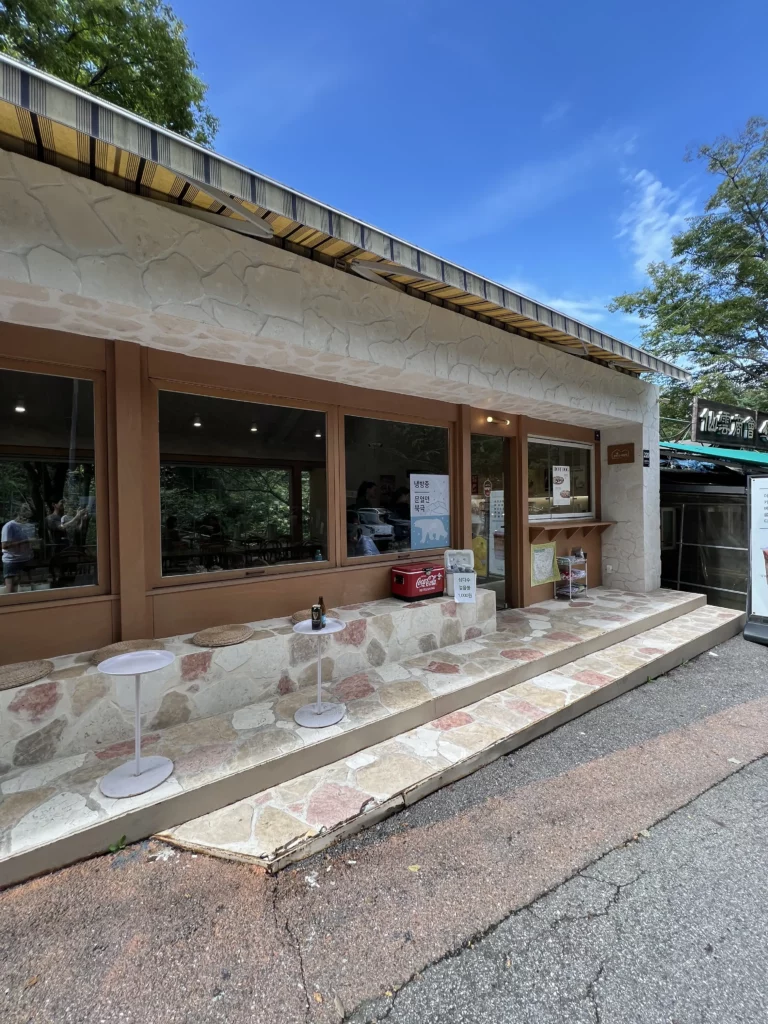
Address: 260-11 Ui-dong, Gangbuk-gu, Seoul
How to Get There:
- By Subway: Take the Ui-Sinseol Line to Bukhansan Ui Station (final stop). From Exit 2, it’s a pleasant 15-minute walk along the scenic route toward the mountain
- By Bus: Multiple bus lines (101, 109, 120, 153) service the Ui-dong area, stopping near the cafe
- By Car: Parking is available, though spaces can be limited on weekends during peak hiking season
Bukhansan National Park’s Ui-dong entrance is the most popular hiking route to Baegundae Peak, Seoul’s highest point , making Bukhansan Lounge perfectly positioned for pre-hike energy boosts or post-trek relaxation.
Menu Highlights: From Bingsu to Coffee
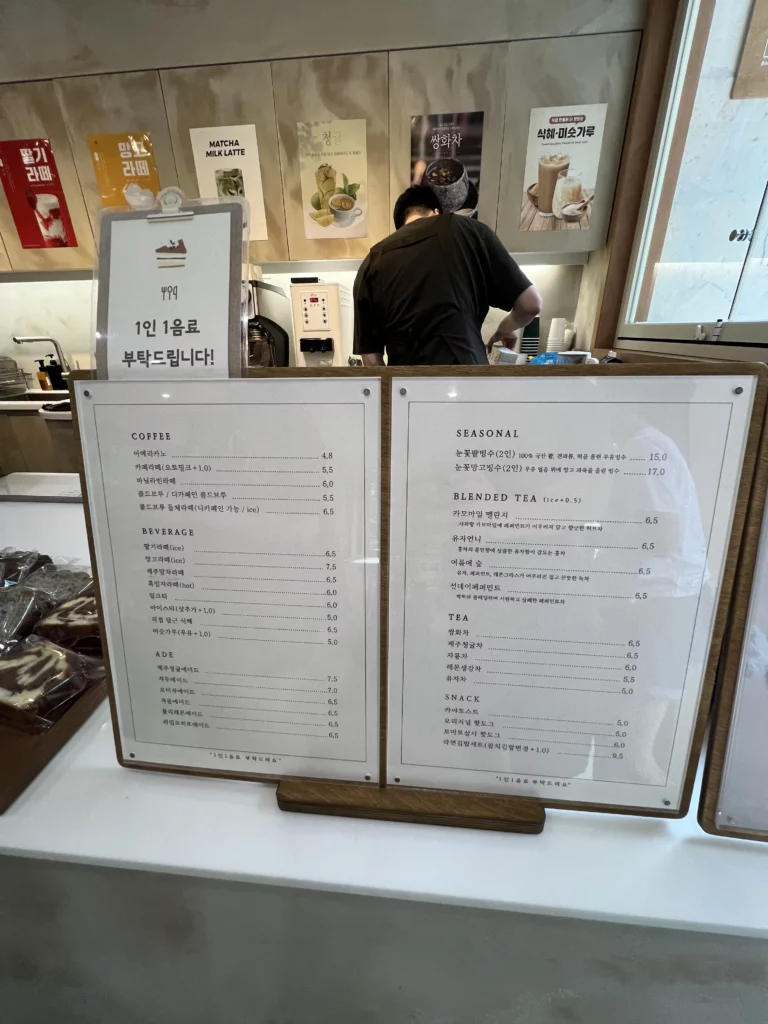
Bukhansan Lounge’s menu thoughtfully caters to the needs of outdoor enthusiasts and casual visitors alike. The offerings range from energy-replenishing treats to light refreshments perfect for mountain contemplation.
Signature Bingsu (Korean Shaved Ice)
Summer Favorite: The cafe’s bingsu selection features both traditional and modern variations. Expect classic flavors like Injeolmi bingsu (rice cake and soybean powder) alongside seasonal fruit options. Bingsu, Korea’s answer to shaved ice, comes in varieties ranging from traditional red bean toppings to modern interpretations with ice cream, fresh fruit, and chocolate .
The mountain location makes bingsu especially appealing—there’s something supremely satisfying about cooling down with fluffy shaved ice after ascending Bukhansan’s trails.
Coffee & Beverages
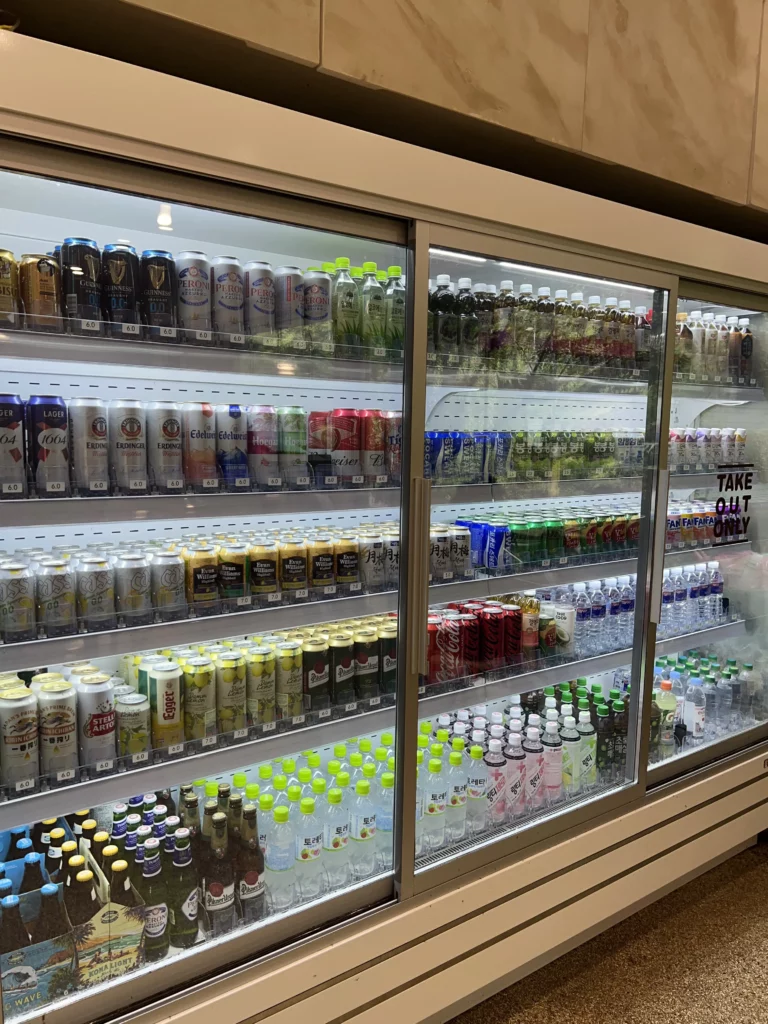
The cafe serves a full range of espresso-based drinks, traditional Korean teas, and seasonal specialty beverages. The Iced Americano pairs perfectly with the mountain view, providing the caffeine kick hikers need before tackling the trails.
Light Meals & Snacks
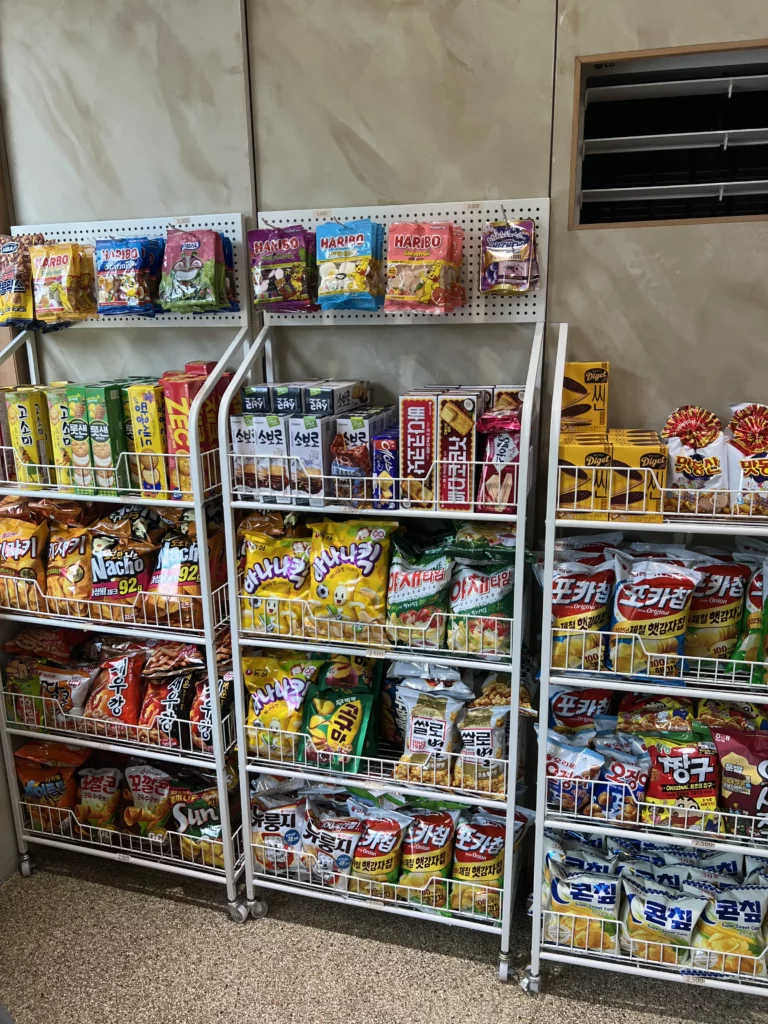
Understanding that hikers need sustenance, Bukhansan Lounge offers light meal options and snacks suitable for refueling. The menu includes Korean cafe classics that provide energy without weighing you down before a climb.
The Perfect Stop After Hiking Bukhansan
Bukhansan National Park offers multiple hiking trails of varying difficulty, with the most popular route leading to Baegundae Peak at 836.5 meters—Seoul’s highest point . After conquering these trails, your body craves refreshment, and Bukhansan Lounge delivers.
Strategic Timing:
- Pre-Hike (7-9 AM): Grab a coffee and light breakfast before hitting the trails
- Mid-Hike Break: Perfect rest stop if you’re doing a partial hike or dullegil (circular trail)
- Post-Hike (2-5 PM): The ideal reward after summiting—cold bingsu and a comfortable seat with a view
The cafe’s location near the main trailhead entrance means you won’t have to venture far from the mountain to enjoy your well-earned treat. The Ui route became more convenient with the 2017 opening of the Ui-Sinseol Line, allowing hikers to start walking directly from the station .
What Makes This Dish Uniquely Korean?
Cultural Significance of Mountain Cafes
Korean cafe culture has evolved to embrace natural settings, particularly around mountains. This reflects the Korean concept of "심신수련" (shimsin suryon) or mind-body cultivation, where time in nature is considered essential for well-being. Bukhansan Lounge embodies this philosophy by providing a space where the boundary between indoor comfort and outdoor beauty becomes pleasantly blurred.
Ui-dong maintains a unique character that blends urban convenience with rural tranquility, making it feel like an escape from Seoul despite being within city limits. This duality—accessible yet serene—is distinctly Korean.
The Bingsu Tradition
Bingsu itself carries deep cultural roots. Records from the Joseon Dynasty mention officials eating crushed ice mixed with fruit to cope with summer heat . What began as a royal treat has evolved into Korea’s most beloved summer dessert, with modern variations showcasing Korean creativity and innovation in food culture.
What Are the Key Ingredients That Create This Experience?
1. Fresh Mountain Air (산공기 – san gonggi)
The single most important "ingredient" at Bukhansan Lounge isn’t on the menu—it’s the pristine mountain air flowing down from Bukhansan’s forests. Rich in oxygen and phytoncides (natural compounds released by trees), this air quality creates an immediately noticeable sense of refreshment and clarity.
Benefit: Studies suggest mountain air reduces stress and improves respiratory function, making your cafe visit genuinely therapeutic.
2. Milk Ice Base (우유빙수 – uyu bingsu)
Traditional Korean bingsu uses finely shaved frozen milk rather than plain ice, creating a snow-like texture that melts smoothly on the tongue. This creates a creamier, more luxurious mouthfeel compared to standard shaved ice.
Sourcing tip: High-quality bingsu cafes in Korea typically use premium milk for their ice base.
3. Injeolmi Rice Cakes (인절미)
When featured in bingsu, these chewy glutinous rice cakes provide textural contrast. Coated in nutty soybean powder (콩고물), injeolmi represents one of Korea’s most traditional confections, dating back centuries.
Nutritional benefit: Glutinous rice provides sustained energy—perfect for hikers—while soybean powder adds protein and a distinctive roasted flavor.
How Would You Describe the Taste and Atmosphere?
Flavor Profile (Bingsu): 7-8/10 on spice scale (varies by flavor; most bingsu options are 0-1/10, as they’re sweet rather than spicy)
Primary taste notes: Sweet, creamy, refreshing with subtle nutty undertones (in traditional injeolmi variations). The milk ice base provides a clean, neutral canvas that allows toppings to shine. Expect a delicate sweetness that’s satisfying without being cloying—Korean desserts typically feature less sugar than Western equivalents.
Texture: Bingsu’s hallmark is its impossibly fine, snow-like ice that seems to dissolve the moment it touches your tongue. Combined with chewy rice cakes and smooth syrup, the textural interplay creates an engaging eating experience.
Temperature: Served cold (obviously!), but the experience is enhanced when enjoyed in the cool mountain breeze—a natural air conditioning courtesy of Bukhansan.
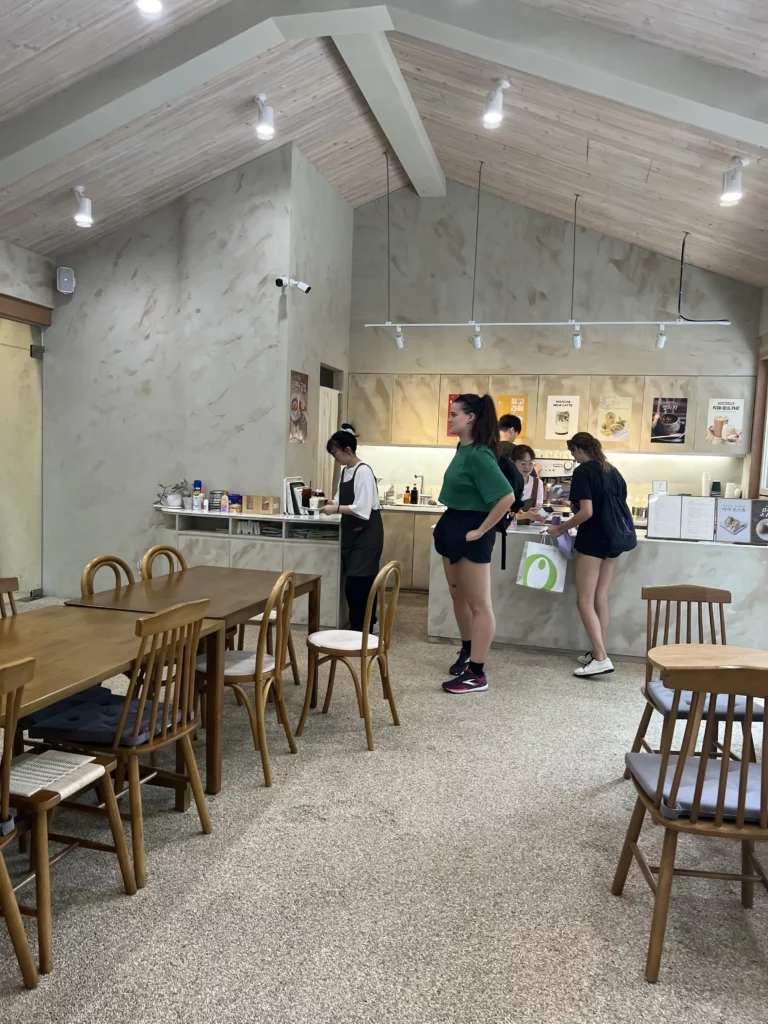
Atmosphere: The cafe strikes a perfect balance between rustic mountain retreat and modern Seoul sophistication. Expect natural wood elements, floor-to-ceiling windows, and comfortable seating that encourages lingering. The soundtrack consists of rustling leaves, distant bird calls, and the gentle hum of conversation—a rare sonic environment in bustling Seoul.
Best Times to Visit:
- Spring (April-May): Cherry blossoms and fresh greenery
- Summer (June-August): Ideal bingsu weather and lush forest views
- Fall (September-November): Spectacular autumn foliage—book ahead for window seats
- Winter (December-February): Surprisingly atmospheric with snow-capped peaks, though fewer hikers
What Should First-Time Visitors Know?
Proper Cafe Etiquette:
- Order at the counter (typical Korean cafe style) and find your own seat
- It’s acceptable to stay for extended periods once you’ve made a purchase—Korean cafe culture encourages "머물다 (meomulda)" or lingering
- During peak hiking seasons (weekends, holidays), respect the queue—popular mountain cafes fill quickly
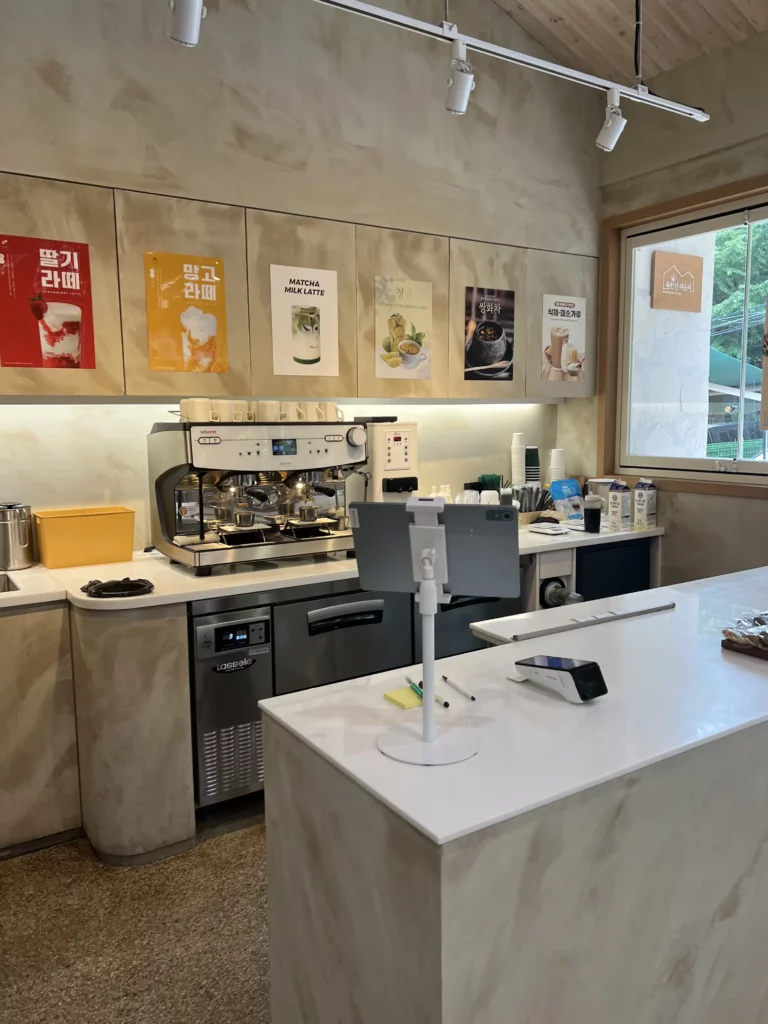
What to Expect on First Visit: The initial impression will likely be the expansive view—allow yourself a moment to take it in before ordering. The cafe layout typically features counter service with table service for orders. Menu boards may include Korean and basic English, but don’t hesitate to point at pictures or ask for recommendations.
Ordering Tips:
- Solo hikers: Order a regular-sized bingsu (meant for 1-2 people) or opt for coffee
- Groups: Large bingsu portions (meant for 2-4 people) offer better value and variety
- Non-sweet options: Request less syrup ("시럽 적게 주세요" – shireop jeokge juseyo) if you prefer less sweetness
Common Accompaniments:
- Warm tea complements cold bingsu surprisingly well
- Korean cafes often provide free water—look for the water station
- Take advantage of the outdoor seating in good weather
Cultural Considerations:
- Taking photos is encouraged—Korean cafe culture embraces Instagram moments
- Quiet conversation is the norm; avoid loud phone calls
- Clean up your table before leaving—Korean cafes appreciate this courtesy
- During autumn foliage season, arrive early (before 11 AM) for the best seats
Planning Your Visit to Bukhansan Lounge
Typical Visit Duration: 45 minutes to 2 hours (depending on whether you’re rushing between hikes or settling in to relax)
Price Range: ₩8,000-₩15,000 per person (approximately $6-12 USD) for desserts and beverages—standard for quality Seoul cafes
What to Bring:
- Comfortable clothing (you’ll likely be coming from or going to a hike)
- Camera or smartphone (the views are Instagram-worthy)
- Cash (some smaller cafes prefer cash, though cards are usually accepted)
- Hiking gear (if combining with a Bukhansan trek)
Nearby Attractions:
- Bukhansan National Park: Multiple trail entrances within walking distance
- Bukhansan Dullegil: Easier circular trails perfect for casual walkers
- 4.19 Democratic Cemetery: Historic site honoring Korea’s democratic movement
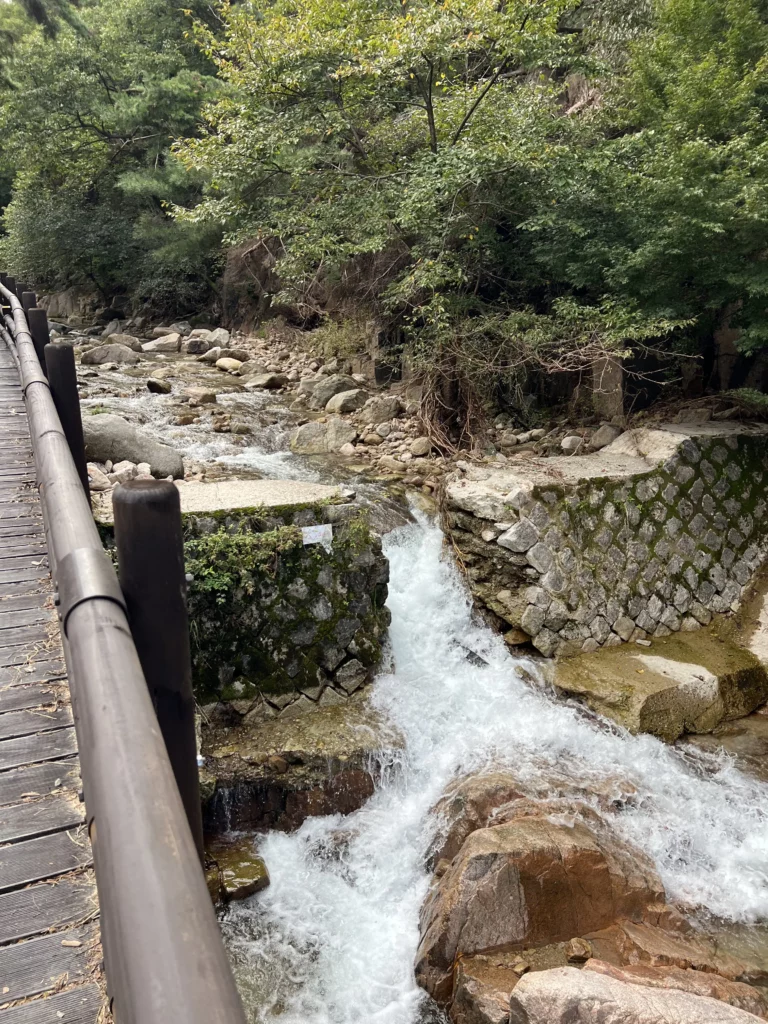
- Ui-dong Valley: Scenic creek area (no swimming allowed, but beautiful for viewing)
Why Bukhansan Mountain View Cafes Matter
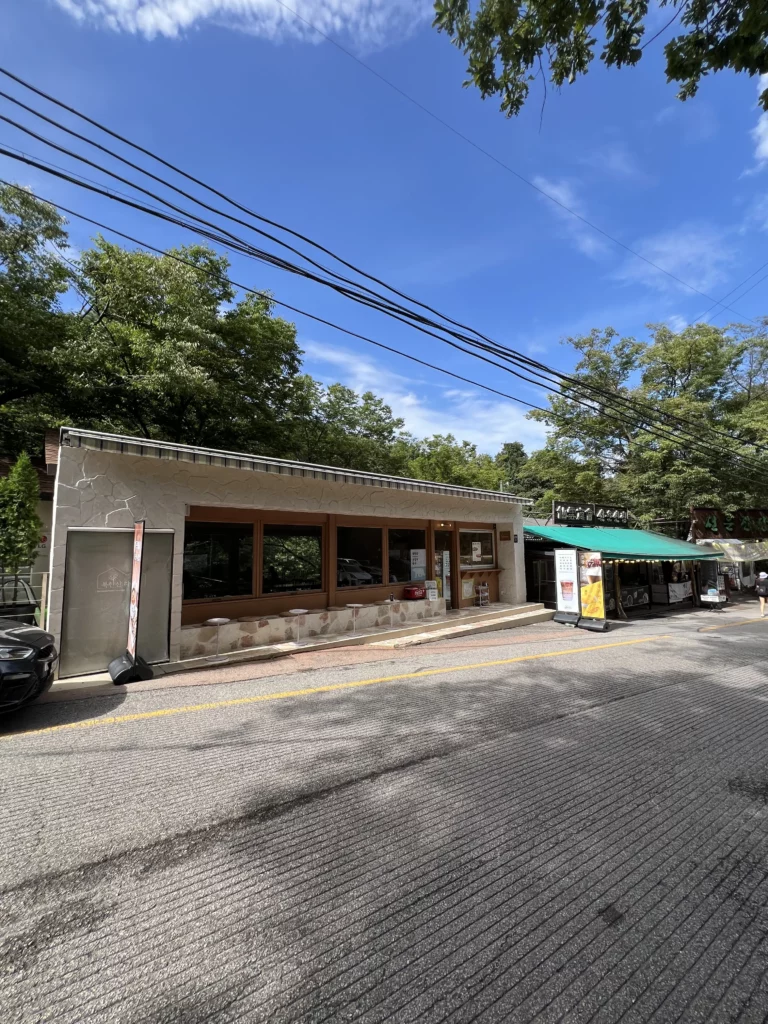
In a city of 10 million people, spaces like Bukhansan Lounge serve an essential function—they provide breathing room, quite literally. Bukhansan National Park spans the northern edge of Seoul, offering a green lung that the city’s residents rely on for recreation and restoration .
Mountain view cafes have become integral to Korean hiking culture. They’re not mere commercial enterprises but social institutions where hikers share triumph stories, families relax together, and solo visitors find peaceful solitude. The combination of physical achievement (from hiking) and sensory reward (from cafe treats) creates a uniquely Korean leisure experience.
For international visitors, these cafes offer insights into modern Korean lifestyle—the blend of outdoor activity, social cafe culture, and appreciation for natural beauty represents contemporary Korean values beautifully.
Ready to Experience Seoul’s Best Mountain View?
Bukhansan Lounge embodies everything that makes Korean mountain cafe culture special: stunning natural surroundings, refreshing traditional desserts, and an atmosphere that encourages you to slow down and savor the moment. Whether you’re an avid hiker conquering Baegundae Peak or a casual visitor seeking Seoul’s natural beauty, this mountain view cafe offers the perfect pause in your journey.
Located conveniently near Bukhansan Ui Station in Seoul’s Gangbuk-gu district, the cafe welcomes visitors daily. After exploring the ancient trails and rocky peaks of Korea’s most visited national park, there’s no better reward than settling into a comfortable seat, bingsu in hand, surrounded by the timeless beauty of Bukhansan.
Have you visited a mountain view cafe in Seoul? Share your experience in the comments below—we’d love to hear about your favorite post-hike treats and scenic cafe discoveries!
Location
260-11 Ui-dong, Gangbuk-gu, Seoul, Republic of Korea, KR
Reviews
5.0
0 reviews
5
0%
4
0%
3
0%
2
0%
1
0%
Loading reviews...
Related Recipes

Drinks & Dessert
Patbingsu: Traditional Korean Shaved Ice with Sweet Red Beans
Few things signal the arrival of a Korean summer like a towering bowl of patbingsu (팥빙수) — Korean shaved ice...

Snacks & Street Food
Japchae Hotteok
If you’ve ever bitten into a golden, gooey sweet hotteok at a Korean winter market, prepare to have your world...

Drinks & Dessert
Sujeonggwa (Korean Cinnamon Ginger Punch)
There is something deeply comforting about the first sip of well-made sujeonggwa. The warm sweetness of cinnamon meets the quiet...

bakery
Lowkey Seongsu: Seoul's Specialty Coffee Roastery
Seoul, South Korea 6 Yeonmujang 3-gil, Seongdong-gu
5

bakery
Daelim Changgo: Seoul's Original Seongsu Warehouse Cafe
Seoul, South Korea 78 Seongsui-ro, Seongdong-gu,
5

cafe
Sulbing Gangnam Station: Bingsu Dessert Cafe Guide
Seoul, Republic of Korea 42, Teheran-ro 1-gil, Gangnam-gu
5

bakery
Soha Salt Pond: Ikseon-dong's Salt Bread Cafe
Jongno-gu, Seoul 21-5 Supyo-ro 28-gil
5