


How to Eat Gim: A Complete Guide to Enjoying Korean Seaweed

If you’ve ever spotted those crispy, dark green sheets of Korean seaweed at the grocery store and wondered how to actually eat them, you’re in the right place. Gim (김), also known as Korean laver or roasted seaweed, is a cornerstone of Korean cuisine—and once you learn how to enjoy it properly, you’ll understand why Koreans call it a "rice thief."

In this guide, you’ll learn the traditional Korean ways to eat gim, from the classic rice-wrapping technique to creative modern variations. Whether you’re snacking on pre-seasoned packets or preparing fresh sheets at home, these tips will help you experience Korean seaweed the authentic way.
What is Gim? A Quick Introduction
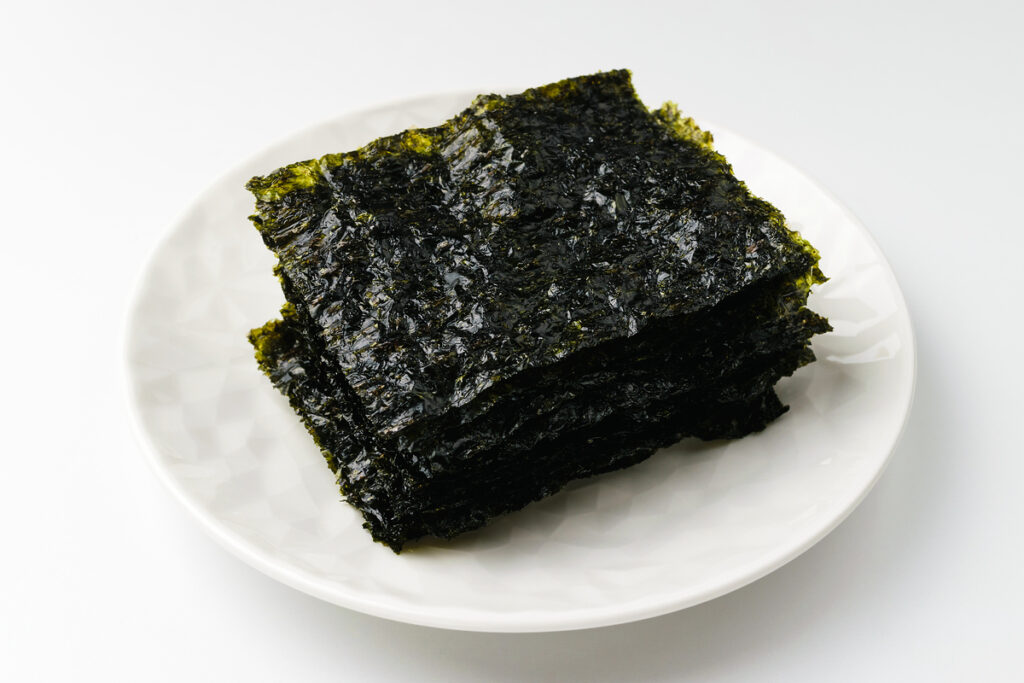
Before diving into how to eat it, let’s clarify what gim actually is. Gim is made from species of red algae like Porphyra, which has been a staple in Korean diets for centuries dating back to the Silla period (57 BCE – 668 CE). The seaweed is harvested from ocean farms along Korea’s southern coast, then dried, roasted, and often lightly salted to create those paper-thin, crispy sheets you see in stores.

The Korean method of preparing gim typically involves spreading sesame oil and salt on the sheets before roasting, giving it an extra crispy texture and rich flavor—a technique that distinguishes it from Japanese nori, which is often roasted without oil.
The Traditional Way: Eating Gim with Rice
Here’s the most authentic Korean way to enjoy gim—and it’s beautifully simple.
The Classic Rice Wrap Technique
The most common way Koreans eat gim is with rice, often making mini wraps by placing a spoonful of rice on a piece of seaweed. Here’s how to do it:
- Take a sheet of roasted gim (either a full sheet or a pre-cut snack-sized piece)
- Place a spoonful of warm white rice in the center
- Optional: Add a small piece of kimchi or other banchan for extra flavor
- Fold the seaweed around the rice to create a little pocket
- Pop it in your mouth and enjoy the contrast of crispy seaweed and soft rice

Many Koreans also dip these rice wraps in a mixture of soy sauce and toasted sesame oil for an even richer flavor experience.
Why Gim and Rice Are a Perfect Match
The Korean phrase "bap-doduk" (밥도둑) literally translates to "rice thief." This term describes side dishes so delicious that they make you eat more rice than usual—before you know it, all your rice will be gone from your bowl. Gim is the quintessential bap-doduk because its salty, umami-rich flavor perfectly complements the mild taste of steamed rice.
In Korean households, gim is often served as part of a typical meal alongside rice and kimchi—this trio is considered a perfect basic meal.

Different Ways to Enjoy Gim Beyond Plain Rice
While rice wraps are traditional, there are countless creative ways to enjoy Korean seaweed.
1. As a Standalone Snack

Pre-seasoned gim is often enjoyed as a snack, toasted and lightly salted, making it a perfect accompaniment to beer. You can eat it straight from the packet—no rice required! The crispy texture and savory flavor make it similar to potato chips but much healthier.
2. In Gimbap (Seaweed Rice Rolls)

Gimbap is a popular dish where gim is rolled with rice, meat, fish, or vegetables. It’s Korea’s answer to sushi rolls, perfect for picnics, lunchboxes, or on-the-go meals. The seaweed sheet holds everything together while adding its signature ocean flavor.
3. Gim-Muchim (Seasoned Seaweed)

Gim-muchim is a quick Korean side dish made by mixing toasted gim with seasoning sauce containing sesame oil and garlic, resulting in a salty, sweet, and garlicky flavor with an airy, chewy texture. This is an emergency banchan that busy Korean home cooks rely on when they need something delicious in minutes.
4. Gim-Bugak (Fried Seaweed Chips)

For gim-bugak, seaweed is battered and then deep-fried or toasted so it puffs up and becomes crunchy. This snack has a completely different texture from regular roasted gim—light, airy, and addictively crispy.
5. As a Garnish or Topping

Crushed gim is often used as a garnish, such as on tteok-guk (rice cake soup) where it adds crunch, savory flavors, and dramatic color contrast. You can also sprinkle it over bibimbap, noodle dishes, or even salads for an instant umami boost.
Gim as Banchan: Understanding Korean Side Dish Culture
To fully appreciate how Koreans eat gim, you need to understand the concept of banchan (반찬)—the small side dishes that accompany every Korean meal.
In traditional Korean dining, banchan is placed in the center of the table for everyone to share, fostering conversation and a sense of belonging. Gim-gui (roasted seaweed sheets) is a common item in Korean lunchboxes because it tastes great and provides protein, vitamins, minerals, and fiber.

When gim appears as banchan, it’s typically:
- Roasted fresh right before the meal for maximum crispiness
- Lightly brushed with sesame oil and sprinkled with salt
- Cut into small squares for easy eating
- Served alongside other banchan like kimchi, namul (seasoned vegetables), and jorim (braised dishes)

The beauty of gim as banchan is its versatility—it complements virtually any main dish while adding textural contrast and nutritional value.
FAQ: Your Questions About Eating Gim Answered
Can You Eat Gim by Itself as a Snack?
Absolutely! If you get convenient, pre-seasoned snack packs of gim, just rip them open and enjoy like chips. Korean convenience stores and supermarkets sell individual snack-sized packets that are perfect for munching on their own. The pre-roasted, pre-salted variety requires no preparation—just open and eat.
What’s the Best Way to Wrap Rice in Gim?

Korean people usually make mini gimbap by adding a little rice to a piece of gim and maybe dipping it in a soy sauce and toasted sesame oil mixture. The key is not to overfill—use about one tablespoon of rice per piece of seaweed. Place the rice slightly off-center, fold one corner over, then roll or fold the remaining seaweed around it. The natural stickiness of warm rice will help hold everything together.
How Do Koreans Store Leftover Gim?
To maintain crispiness, store roasted seaweed in an airtight container immediately after opening, and add a small silica gel packet to maintain freshness. These packets are often found in store-bought packaged seaweed. Gim deflates and loses crispiness if left out in the open air, so proper storage is essential. If your gim does get soggy, you can quickly re-roast it in a dry pan over medium heat for a few seconds to restore its crispness.
What is gim?
Gim (김) is dried, roasted Korean seaweed, made from laver pressed into thin sheets, then salted and brushed with sesame oil. It is a staple side dish and snack in Korea, rich in umami and minerals, most often eaten with rice or used to wrap kimbap.
Is gim the same as nori?
They come from the same seaweed family, but they are prepared differently. Japanese nori is typically plain and used for sushi, while Korean gim is usually roasted and seasoned with salt and sesame oil, giving it a savory, oily crispness meant to be eaten with rice rather than around it.
Bringing It All Together: Your Gim Journey Starts Now
Learning how to eat gim opens up a whole world of Korean culinary traditions. Whether you’re wrapping it around rice for a quick snack, preparing it as banchan for a family meal, or experimenting with recipes like gim-muchim and gim-bugak, this humble seaweed sheet offers endless possibilities.
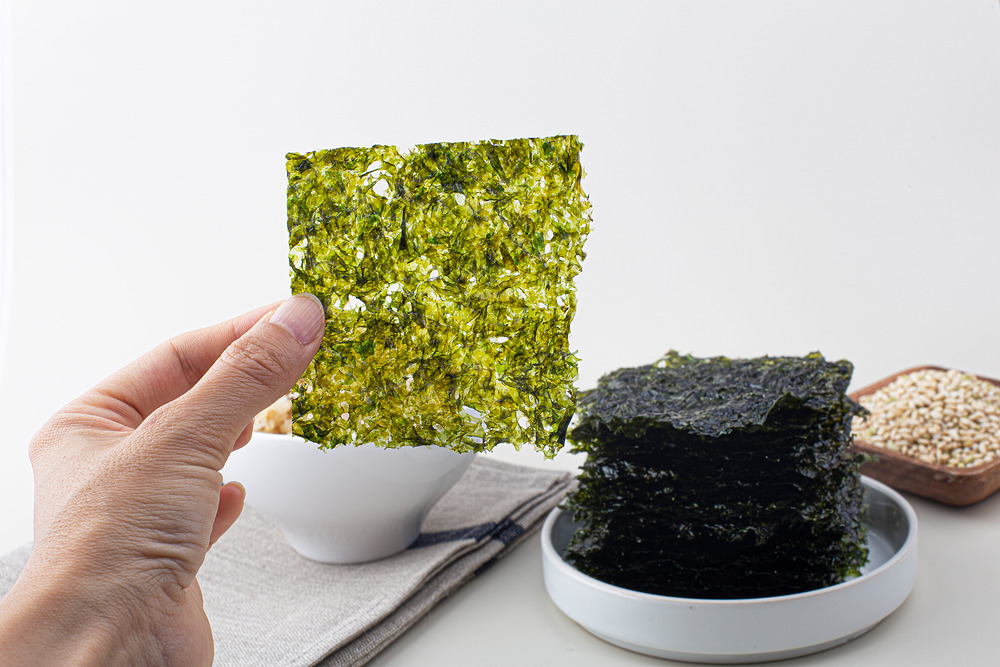
The next time you sit down to a bowl of steamed rice, reach for a sheet of gim and try the traditional Korean rice wrap technique. You’ll quickly discover why this combination has been a beloved staple in Korean homes for centuries—and why gim truly earns its nickname as a "rice thief."
Ready to explore more Korean ingredients? Check out our comprehensive guide to Korean Laver to deepen your understanding of this versatile seaweed and discover regional varieties and quality tips.
Related recipe: how to make gim bugak.

Shin Ramyun Pop-Up in Seongsu: Bunsik THE FACTORY Guide
Shin Ramyun Bunsik Pop-up, 52 Seongsuil-ro 4-gil, Seongdong-gu

Mungyeong Saejae Market: Omija & Apple Souvenir Guide
935 Saejae-ro, Mungyeong-eup, Mungyeong-si,

How to Choose a Kimchi Container: Onggi to Plastic
