


the science behind gim nutrition: Unlocking the Health Benefits of Korea’s Superfood Seaweed

When Korean families gather around the dinner table, there’s one food that appears so consistently it’s earned the nickname "밥도둑" (bapdoduk—literally "rice thief") for its ability to make rice disappear. That food is gim (김), or Korean seaweed, and it turns out this humble ocean vegetable is backed by serious science. Far from being just a tasty side dish, gim is a nutritional powerhouse that researchers worldwide are now recognizing as a legitimate superfood.

What makes gim so special from a nutritional standpoint? The answer lies in its remarkable concentration of essential nutrients packed into paper-thin sheets. From complete proteins to rare plant-based vitamin B12, from thyroid-supporting iodine to heart-healthy omega-3s, Korean seaweed offers a unique nutritional profile that’s captured the attention of nutrition scientists and health enthusiasts alike.
What Makes Gim Nutritionally Unique?
Gim belongs to the genus Porphyra (also called Neopyropia), specifically the species P. yezoensis and P. tenera, which are cultivated in the cold, mineral-rich waters off Korea’s southern coast. The algae thrive in seawater temperatures between 5 and 8°C (41 and 46°F), and Korean gim is harvested during winter months—typically from December through April—when nutrient concentrations are at their peak .

This seasonal timing isn’t just tradition—it’s science. The cold-water cultivation period results in denser nutrient accumulation, which is why winter-harvested laver is considered peak in both taste and nutrition.
The Protein Powerhouse of the Sea
One of gim’s most impressive nutritional attributes is its protein content. According to Korea’s Ministry of Oceans and Fisheries, five sheets of dried gim contain protein equivalent to one egg . With approximately 30-40g of protein per 100g of dried weight, gim rivals soybeans in protein concentration—earning it the Korean nickname "바다의 대두" (the soybean of the sea).
What’s particularly remarkable is the quality of this protein. Even though seaweed isn’t a major protein source due to small serving sizes, it contains high-quality protein with all nine essential amino acids, making it a complete protein source—a rarity in the plant kingdom.
The Comprehensive Nutritional Profile of Gim
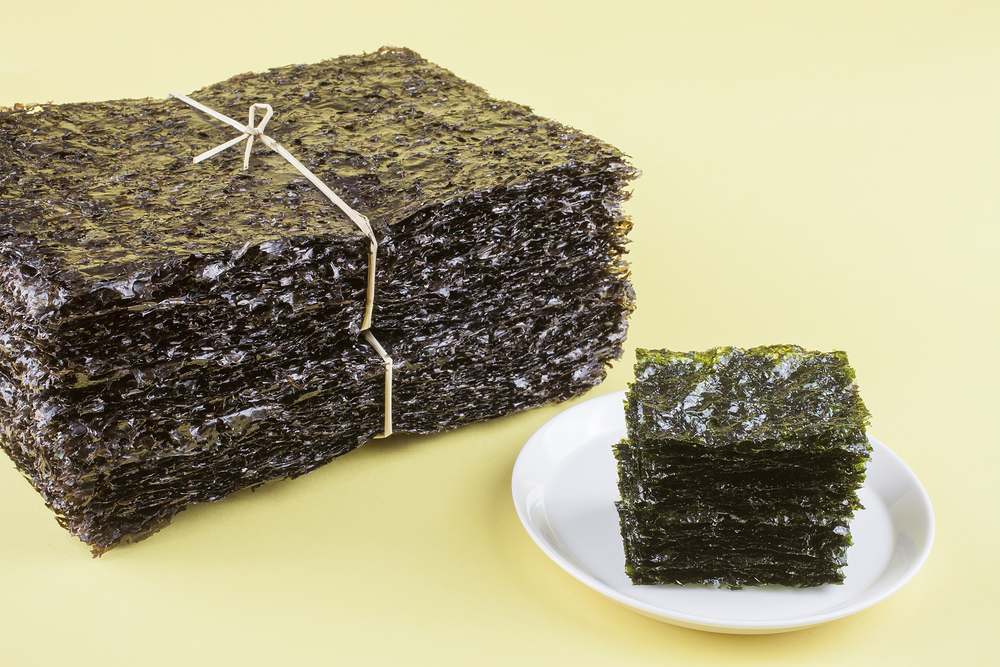
Vitamins: A Plant-Based Treasure Trove
Vitamin A – Vision and Immune Support
Gim’s vitamin A content is particularly impressive, with dried gim containing 67 times more vitamin A than eggs. This fat-soluble vitamin plays crucial roles in vision health, immune function, and cell growth. For anyone experiencing eye strain from prolonged screen time, gim provides provitamin A (beta-carotene) that the body converts to active vitamin A as needed.
Vitamin B12 – The Plant-Based Exception
Perhaps most intriguing for vegetarians and vegans is gim’s vitamin B12 content. Research published in Frontiers in Bioscience found that dried purple laver products contain approximately 30-60 μg of vitamin B12 per 100g dry weight—significantly higher than other seaweed varieties like kombu, hijiki, or wakame.
The researchers concluded that "dried purple laver (nori) products are suitable sources of vitamin B12 and folate compounds for humans, especially vegetarians". However, there’s ongoing scientific debate about the bioavailability of B12 from algal sources, so vegetarians shouldn’t rely solely on gim for B12 needs.
Vitamin C – Heat-Stable Antioxidant
Unlike most foods where vitamin C degrades during cooking, the vitamin C in gim remains stable when heated, and gim contains 1.5 to 3 times more vitamin C than lemons. This heat stability makes gim uniquely valuable for cooked dishes.
Other Key Vitamins
Gim contains vitamins B1, B2, C, D, and E, along with antioxidants that help protect cells from damage . The vitamin E content acts as a powerful antioxidant, protecting cells from oxidative stress and supporting anti-aging processes.
Minerals and Trace Elements
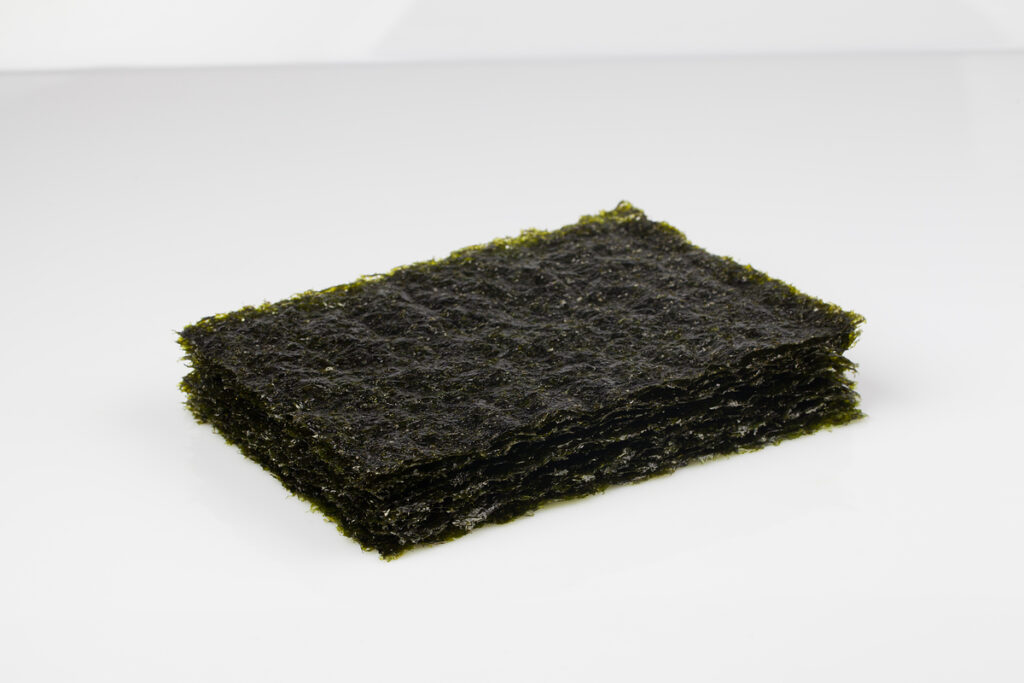
Iodine – Thyroid Function Support
Gim is one of the best dietary sources of iodine, which supports thyroid gland function. The thyroid uses iodine to produce hormones that regulate metabolism, growth, and development. A 2023 review in Frontiers in Nutrition confirmed that moderate seaweed intake supports healthy thyroid hormone levels and helps prevent iodine deficiency.
However, it’s important to note that not all seaweed varieties contain the same iodine levels. Gim (purple laver) typically contains moderate amounts compared to kelp varieties, making it safer for regular consumption.
Iron – Energy and Oxygen Transport
Gim is high in iron, essential for producing hemoglobin, which carries oxygen throughout your body. This makes gim particularly valuable for preventing anemia and combating fatigue.
Calcium and Bone Health
Gim contains 124mg of calcium per 100g, contributing to bone strength and dental health. Combined with other minerals, gim supports skeletal health throughout life stages.
Potassium and Blood Pressure
Gim provides approximately 22% of daily potassium needs. Potassium works to counterbalance sodium’s effects on blood pressure, making gim beneficial for cardiovascular health despite its salty taste.
Evidence-Based Health Benefits of Gim Nutrition
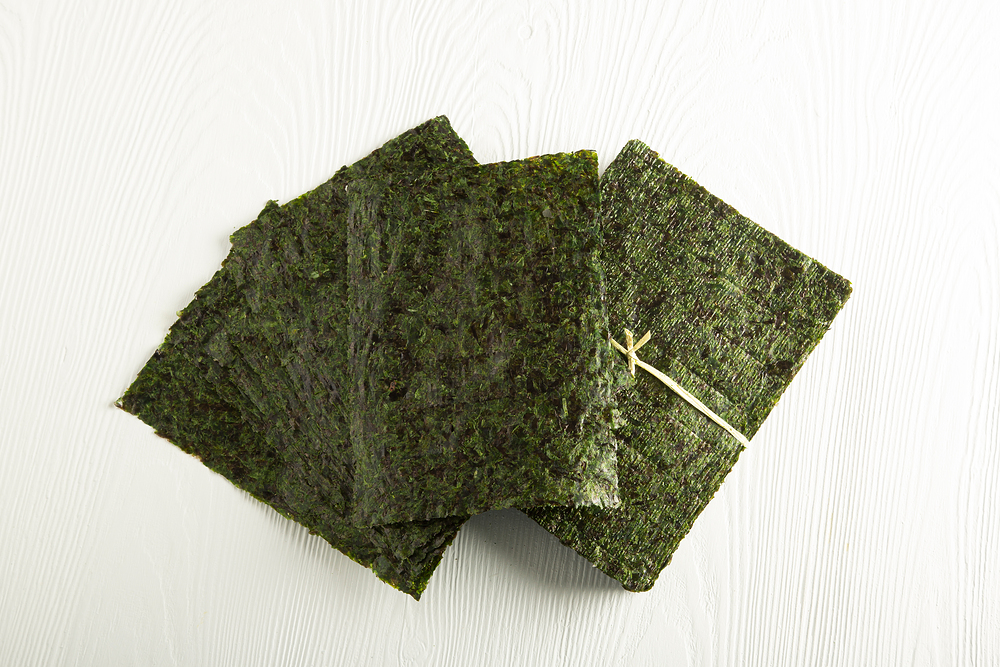
1. Thyroid Health and Metabolic Support
The iodine in gim directly supports thyroid hormone production. These hormones control your basal metabolic rate, body temperature regulation, and energy levels. Research shows that moderate seaweed consumption helps prevent iodine deficiency without exceeding safe upper limits.
For optimal results, nutrition experts recommend choosing varieties like gim or wakame over kelp if consuming seaweed frequently, as kelp contains very high iodine concentrations that could lead to excess intake.
2. Cardiovascular Health Benefits
A 2022 meta-analysis published in Nutrients found that seaweed intake reduced total cholesterol by up to 9% in adults with elevated lipid levels. The cardiovascular benefits of gim come from multiple compounds:
- Omega-3 Fatty Acids: Gim contains small amounts of omega-3 fatty acids, particularly EPA and ALA, which support heart health and reduce inflammation
- Soluble Fiber: Helps regulate cholesterol absorption
- Polyphenols: Plant compounds that improve vascular elasticity and blood flow
Traditional seaweed-rich diets are linked to lower risks of metabolic syndrome and cardiovascular disease according to a 2024 review in Frontiers in Nutrition.
3. Powerful Antioxidant Protection
In addition to antioxidant vitamins A, C, and E, seaweed contains a wide variety of beneficial plant compounds, including flavonoids and carotenoids. These antioxidants neutralize free radicals—unstable molecules that damage DNA and accelerate aging.
The unique pigments that give gim its characteristic purple-black color are themselves antioxidant compounds that protect cells from oxidative stress.
4. Digestive Health and Gut Microbiome Support
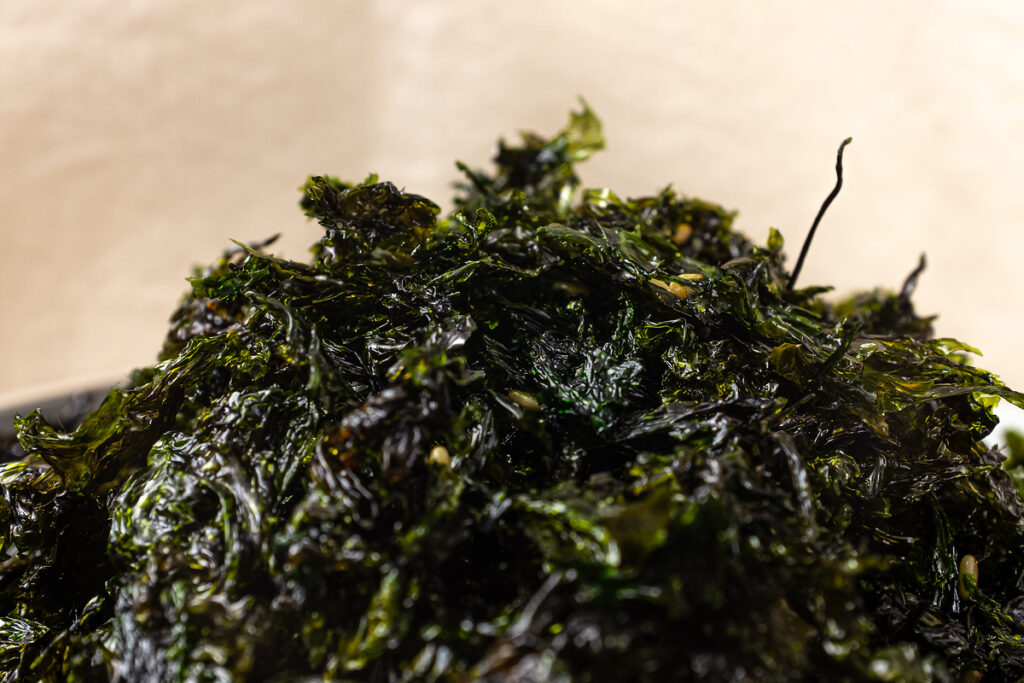
Seaweed contains carbohydrates that act as prebiotics—nondigestible fibers that feed healthy bacteria in your digestive tract. Sugars found in seaweed help boost the growth of beneficial bacteria and increase short-chain fatty acids that keep the gut lining healthy.
The high fiber content also promotes regular bowel movements and supports overall digestive health.
5. Blood Sugar Regulation
Early studies show that plant chemicals called polyphenols in seaweed may help reduce blood glucose, and fucoxanthin, an antioxidant in some seaweeds, may play a role in blood sugar control.
While more research is needed, preliminary findings suggest that regular gim consumption might benefit those managing blood sugar levels.
Is Gim Good for Weight Management?
Absolutely. Gim is remarkably low in calories while being nutrient-dense. Seaweed snacks generally contain under 30 calories per serving, making them an excellent choice for those watching their weight.
The combination of protein, fiber, and nutrients creates satiety—the feeling of fullness—without excessive caloric intake. The fiber content promotes feelings of fullness, helping control hunger between meals.
However, be mindful of sodium content in seasoned varieties. Plain, unseasoned gim provides the nutritional benefits without excessive salt.
How Much Gim Should You Eat?

Daily Recommendations
Nutrition experts recommend eating 2-3 servings per week of edible seaweed (5-10 grams dried or about ½ cup rehydrated per serving). This moderate intake provides health benefits while avoiding potential issues from excessive iodine consumption.
For those consuming gim regularly, rotating between different seaweed varieties (gim, miyeok, dasima) helps balance nutrient intake and prevents iodine overload.
What Does a Serving Look Like?
- 2-3 large sheets of dried gim (김밥용 김)
- 5-10 small roasted snack sheets (조미김)
- Gim used in one serving of gimbap or as a rice wrap
Gim for Special Diets
For Vegetarians and Vegans
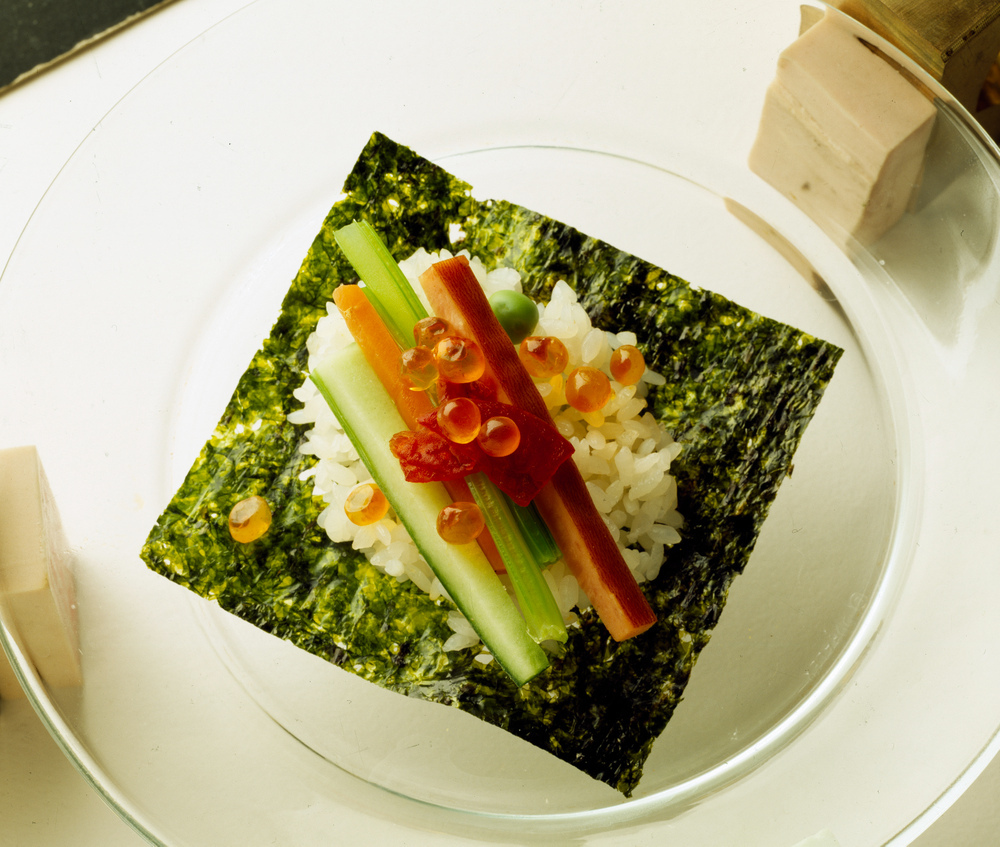
Gim offers several nutrients typically found primarily in animal products:
- Vitamin B12: The National Institutes of Health suggests that dried purple laver is "the most suitable Vitamin B12 source presently available for vegetarians"
- Complete protein: All essential amino acids
- Iron: Non-heme iron that supports red blood cell production
- Omega-3 fatty acids: Plant-based EPA and ALA
For Pregnancy and Postpartum
In Korea, there’s a tradition of feeding seaweed soup to pregnant and postpartum women, though that typically uses miyeok (brown seaweed) rather than gim. The practice reflects seaweed’s nutrient density, particularly iodine and iron, which support maternal and fetal health.
However, pregnant women should consult healthcare providers about appropriate seaweed intake, as iodine needs increase during pregnancy but excessive amounts can be harmful.
Common Questions About Gim Nutrition
Does cooking destroy gim’s nutrients?
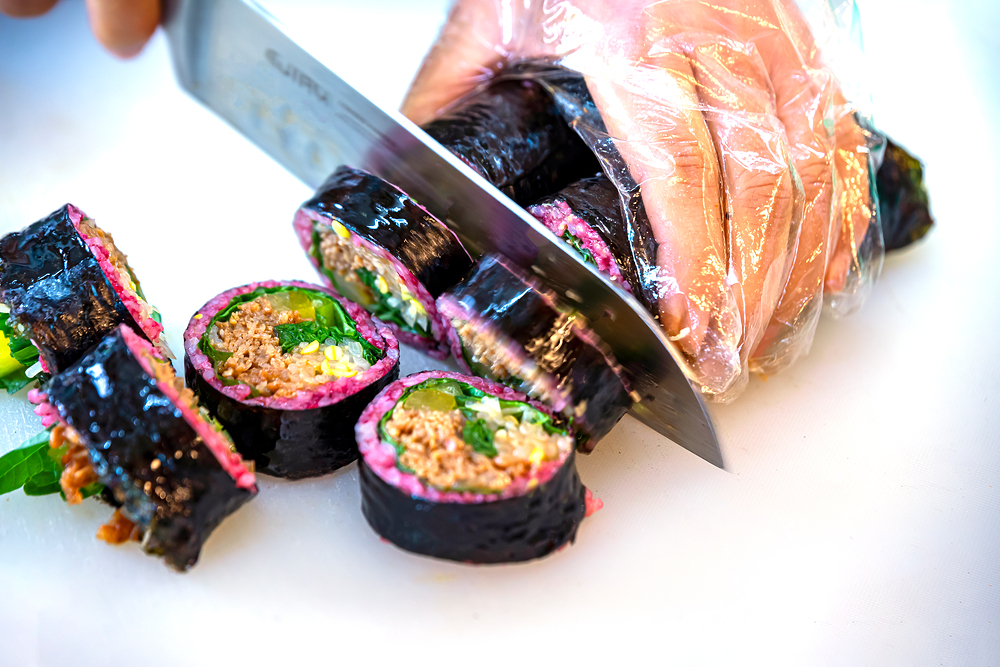
Research comparing dried gim, roasted gim, and seasoned gim found that 13 amino acids were detected in dried gim, but fewer in roasted and seasoned varieties. Heat destroys some amino acids during roasting. Minerals like potassium, phosphorus, zinc, and nickel are also more abundant in dried gim.
For maximum nutritional benefit, choose plain dried gim over heavily seasoned varieties. Brief toasting is acceptable, but prolonged high-heat cooking reduces nutrient content.
Can you eat too much gim?
Yes. Excessive seaweed consumption can lead to iodine overload, which may cause thyroid dysfunction. Stick to recommended serving sizes of 2-3 times weekly, and rotate between different seaweed types.
Additionally, some seaweed snacks can be high in sodium due to added seasonings, so check nutrition labels if you’re monitoring salt intake.
Is the vitamin B12 in gim really bioavailable?
This remains an area of scientific debate. Some research suggests that vitamin B12 from algal sources may not be fully bioavailable. While gim contains vitamin B12, the amount varies among seaweed types, with some containing none, and it’s not considered a reliable sole source of this vitamin.
Vegetarians and vegans should still supplement B12 through fortified foods or supplements, treating gim as a complementary source rather than primary one.
Choosing and Storing Gim for Maximum Nutrition

Selection Tips
Quality gim has a shiny appearance with very deep black color, without many blemishes like holes or bumpiness. Look for:
- Deep purple-black color (not faded brown or green)
- Uniform thickness without excessive holes
- Fresh ocean aroma (not fishy or stale)
- Crisp, not soggy or limp
Storage Best Practices
Do not expose gim to air for long periods. Seal the package completely after opening and store in a cool, dry place away from direct sunlight. For long-term storage, place leftover gim in a tightly sealed container in the freezer.
Proper storage preserves both nutrition and the characteristic crispy texture that makes gim so enjoyable.
The Science Behind Korea’s Seaweed Culture
The Korean tradition of eating gim isn’t just cultural—it’s nutritionally sound. Historical records from the Memorabilia of the Three Kingdoms (1280s) document that people of the Silla period used gim as part of dowries, indicating its high value even in ancient times.

Modern science has validated what Koreans have known for centuries: gim is genuinely good for you. The Wall Street Journal even featured gim as Korea’s "superfood", recognizing its exceptional nutritional density.
Today, Korean gim exports reached $1 trillion won ($770 million USD) in 2023, with Korean gim commanding 70% of the global market. This worldwide popularity stems from growing recognition of gim’s health benefits combined with its versatility and great taste.
Beyond Nutrition: The Sustainable Superfood
From a sustainability perspective, seaweed cultivation has minimal environmental impact. It requires no freshwater, fertilizers, or arable land. In fact, seaweed farming can actually benefit marine ecosystems by absorbing excess nutrients and carbon dioxide.
As the world seeks nutritious, sustainable food sources, gim represents an ideal candidate—packed with nutrients while having one of the smallest environmental footprints of any food.
Embrace the Science-Backed Benefits of Gim
The science is clear: gim nutrition offers remarkable health benefits backed by rigorous research. From supporting thyroid function to protecting cardiovascular health, from providing rare plant-based B12 to delivering powerful antioxidants, Korean seaweed deserves its superfood status.
The key is consuming gim as part of a balanced diet—2-3 servings weekly provides optimal benefits without risks of excessive iodine intake. Choose minimally processed varieties when possible, and rotate between different seaweed types for maximum nutritional diversity.
Next time you enjoy gimbap, Korean BBQ with seasoned gim, or crispy seaweed snacks, you can appreciate that you’re not just eating delicious food—you’re fueling your body with one of nature’s most nutritionally complete plant foods. The humble sheets of gim on your table represent hundreds of years of Korean culinary wisdom, now validated by modern nutritional science.
Have you experienced the health benefits of eating gim regularly? We’d love to hear your story in the comments below!
Related from K-trend: where Korea’s gim is grown.

Shin Ramyun Pop-Up in Seongsu: Bunsik THE FACTORY Guide
Shin Ramyun Bunsik Pop-up, 52 Seongsuil-ro 4-gil, Seongdong-gu

Mungyeong Saejae Market: Omija & Apple Souvenir Guide
935 Saejae-ro, Mungyeong-eup, Mungyeong-si,

How to Choose a Kimchi Container: Onggi to Plastic
