


Falls Church, Virginia has a new destination for serious beef lovers. Seoul Prime is an upscale Korean steakhouse at Founders Row where 45-day dry-aged ribeye, Snake River Farms wagyu, and marinated galbi short ribs are grilled tableside by trained servers — all accompanied by waves of colorful banchan, bubbling stews, and a sommelier-curated wine list. The restaurant’s signature Seoul Prime Tour ($47/person) offers a guided tasting of four premium cuts sequenced from bold to sweet, making it one of the most distinctive dining experiences in the D.C. metro area. Whether you are a Korean BBQ veteran or stepping into this culinary world for the first time, Seoul Prime offers a refined and welcoming introduction to what happens when Korean fire meets American prime.
Seoul Prime: Falls Church's Korean Steakhouse Redefining Premium Beef
106 Founders Ave, Falls Church, VA 22046
Editor: James Lee


Overview
Introduction
Operating hours
Menu
Editor's Detail
The aroma of 45-day dry-aged ribeye meeting a blazing tabletop grill. A platter of four precisely cut steaks arranged by flavor intensity. Colorful banchan arriving in waves alongside bubbling soybean brisket stew and silky egg custard. This is dinner at Seoul Prime, and it is unlike any Korean steakhouse experience in the Washington, D.C. metro area.
Nestled inside Falls Church’s Founders Row development, Seoul Prime occupies a unique space in the Northern Virginia dining scene — a restaurant that honors the communal, fire-centered traditions of Korean barbecue while applying the quality standards and service precision of an American steakhouse. Rather than choosing between these two culinary worlds, Seoul Prime proves they belong together.
Table of Contents
What Is a Korean Steakhouse and Why Seoul Prime Stands Out

A Korean steakhouse bridges two powerful culinary traditions: the interactive, communal grilling culture of Korean barbecue and the ingredient-driven focus of an upscale American steakhouse. Where traditional Korean BBQ restaurants typically offer a wide range of proteins at varying quality levels, a Korean steakhouse narrows the focus to premium beef — dry-aged, expertly butchered, and prepared with intention.
Seoul Prime was founded in 2024 by Wan Bok Lee, whose family emigrated from Seoul to the United States in 2005. Lee previously operated Taste of Korea in Chantilly and the popular Honest Grill in Centreville, which earned recognition among Washingtonian’s 100 Very Best Restaurants. For Seoul Prime, Lee partnered with executive chef and managing partner Danny Kim, a Northern Virginia native who trained at respected restaurants like Clarity in Vienna before bringing his skills to Korean cuisine for the first time professionally.

The restaurant sources certified Angus cattle from Virginia’s Shenandoah Valley and marbled wagyu from Snake River Farms, one of the premier wagyu producers in the western United States. Every cut is dry-aged in-house for over 45 days under the supervision of executive chef SangHyun Lee, who oversees the aging program. This commitment to locally sourced, carefully aged beef sets Seoul Prime apart from the broader Korean BBQ landscape in Northern Virginia, where the emphasis is typically on volume and variety rather than single-source quality.
The Seoul Prime Tour: A Signature Tasting of Four Premium Cuts
The centerpiece of any visit is the Seoul Prime Tour, a prix fixe tasting priced at $47 per person with a minimum of two diners. The tour presents four signature beef cuts, each selected and portioned by the restaurant’s in-house butcher, Sang Lee, and grilled tableside by trained servers in a carefully sequenced progression.
The four cuts move from bold to delicate:

- Dry-Aged Ribeye — aged for 45 days, this opening cut delivers intense beefy flavor with remarkable tenderness and a subtle funky depth that dry-aging enthusiasts will appreciate.
- Hanging Tender (Hanger Steak) — a richly flavored cut that showcases the restaurant’s focus on underappreciated beef sections.
- Flat Iron — buttery and tender, a transitional cut that bridges the heavier opening steaks and the sweet finish.
- Marinated Galbi (Beef Short Ribs) — the tour concludes with Korea’s most celebrated beef preparation. Galbi, meaning "ribs" in Korean, has deep roots in Korean royal court cuisine and represents one of the most culturally significant dishes in the country’s culinary tradition. At Seoul Prime, the galbi is sweet, tender, and serves as a bridge between American steak culture and Korean barbecue heritage.

Alongside the four cuts, grilled mushrooms, asparagus, pineapple slices, and rosemary sprigs arrive at the table — a nod to steakhouse plating philosophy applied within the Korean BBQ format. The $47 price also includes the full banchan spread, scallion salad, egg custard, and soybean brisket stew.
A smart strategy for larger tables is to order one Seoul Prime Tour and supplement it with à la carte sides and appetizers, stretching both value and variety.
Banchan, Stews, and the Side Dishes That Complete the Experience


No Korean meal is complete without banchan (반찬) — the small shared side dishes that transform a plate of grilled meat into a full dining experience. At Seoul Prime, the banchan selection reflects the restaurant’s elevated approach while respecting tradition.
The spread typically includes fresh kimchi (unfermented, crisp, and bright), crunchy cubed pickled daikon radish with jalapeños, marinated shishito peppers with anchovies, and a rotating selection of seasonal preparations. Servers proactively offer refills throughout the meal — a hallmark of generous Korean hospitality that signals quality dining. To understand the 15 essential types of banchan found across Korean dining, exploring these small dishes is one of the most rewarding entry points into the cuisine.

Beyond banchan, the Seoul Prime Tour includes a spicy scallion salad woven with crunchy cabbage, a bubbling soybean-based brisket stew reminiscent of Korea’s beloved doenjang-jjigae tradition, and a silky egg custard that draws comparisons to Japanese chawanmushi — delicate, savory, and deeply comforting. The custard at Seoul Prime is enriched with braised brisket, soybeans, tofu, and roasted mushrooms, turning a simple side into a substantial dish.
Kimchi, Korea’s most iconic fermented food, appears here in its fresh form — lighter and crunchier than the deeply fermented versions many diners expect. This choice reflects Seoul Prime’s emphasis on clean, bright flavors that complement rather than compete with premium beef.
Beyond the Grill: Fusion Dishes and À La Carte Highlights
While the Seoul Prime Tour anchors the menu, the à la carte offerings reveal chef Danny Kim’s talent for merging Korean flavors with global techniques. Several standout dishes deserve attention.
The Galbi-Jjim Risotto ($30) replaces traditional Italian arborio rice preparation with tender soy-braised short rib, a deeply savory mushroom base, and tempura enoki mushrooms. The result is rich, comforting, and unmistakably Korean in spirit despite its Italian framework.

Seoul Prime’s take on tteokbokki substitutes gnocchi for the chewy rice cakes found in the classic Korean street food version, with a gochujang-laced sauce and julienned crispy-fried fish cakes as a finishing touch. The Pork Bossam features deep-fried pork belly with crispy skin, served alongside a butternut squash and soybean puree, pickled Fresno chiles, and cubed pickled Korean pears.
Additional menu highlights include Galbi Dolsot Bibimbap ($20), Bulgogi Bibimbap ($20), Kimchi Pork Stew ($15), Ssamjang Steak Pasta ($24), and a Porterhouse for Two ($149) for guests seeking a grand centerpiece. The weekend brunch menu features inventive offerings like kimchi shrimp and grits and bulgogi pasta.
For dessert, the Ho-tteok Croffle combines the Korean brown-sugar-filled pancake tradition with the flaky texture of a croffle (croissant-waffle), finished with cinnamon and vanilla ice cream. It is a sweet, satisfying conclusion that embodies the restaurant’s fusion philosophy.
What Makes Korean Steakhouse Dining Uniquely Korean?
Korean barbecue is fundamentally a social and interactive dining tradition, not just a cooking method. Unlike Western steakhouses where meat arrives fully prepared from the kitchen, Korean steakhouse dining centers on the grill embedded in each table. At Seoul Prime, trained servers manage the cooking process, expertly monitoring heat levels and timing to ensure each cut reaches its optimal doneness.

This tableside ritual transforms dinner into a shared experience. Watching a thick-cut dry-aged ribeye sear over high heat, listening to the sizzle, and savoring the rising aroma — these sensory moments are central to what makes Korean barbecue culture so beloved worldwide. The communal grilling tradition reflects Korea’s deeply held values of togetherness (known as "jeong") and the belief that meals are meant to strengthen relationships.

What distinguishes Seoul Prime from a typical Korean BBQ establishment is the steakhouse philosophy layered on top: fewer cuts, higher quality, more precise preparation. The restaurant focuses exclusively on beef rather than offering the wide protein selection found at most Korean barbecue restaurants. This singular focus allows the kitchen to treat every cut with the attention and expertise that premium ingredients deserve.
What Are the Key Ingredients That Create This Flavor?
Three essential elements define the Seoul Prime experience:

Dry-Aged USDA Prime Beef — The cornerstone of every meal. Dry aging concentrates flavor by allowing natural enzymes to break down muscle fibers over 45+ days, developing a depth and tenderness that fresh beef cannot achieve. Seoul Prime sources from Virginia’s Shenandoah Valley and Snake River Farms, prioritizing both quality and regional connection. The marbling in these cuts contributes rich, buttery flavor and juiciness during grilling.
Ganjang (간장) — Korean Soy Sauce — The foundation of the galbi marinade and many supporting sauces. Korean soy sauce offers a cleaner, less aggressive flavor than Japanese varieties, creating a sweet-savory base that enhances rather than overwhelms the natural beef flavor. When combined with Asian pear (which contains natural tenderizing enzymes), garlic, and sesame oil, this marinade tradition produces the signature glossy caramelization that defines Korean grilled short ribs. Soy sauce also serves as a key component in the soybean brisket stew that accompanies the tour.

Ssamjang (쌈장) — Korean Wrapping Sauce — This thick, savory-spicy condiment made from doenjang (fermented soybean paste) and gochujang (fermented chili paste) is the essential dipping sauce for Korean barbecue wraps. At Seoul Prime, ssamjang accompanies fresh lettuce and perilla leaves alongside the grilled meats. Its complex umami profile — simultaneously nutty, salty, and gently spicy — represents centuries of Korean fermentation wisdom in every bite. The beneficial probiotics from fermentation also support digestive health, making it a functional condiment as well as a flavorful one.
Atmosphere, Wine, and the Art of Tableside Service
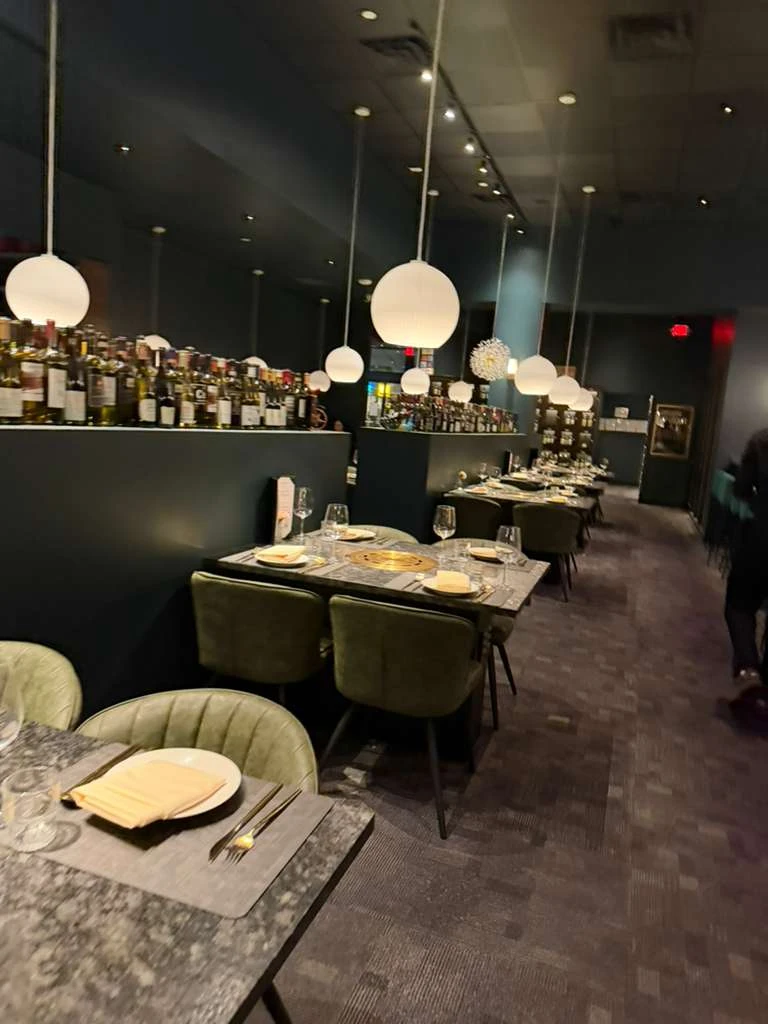

Seoul Prime’s 9,000-square-foot dining room sets a dramatically different tone from the fluorescent-lit, bustling atmosphere of many Korean barbecue restaurants. Deep teal walls, white globe pendant lamps, and clubby booth seating create an environment that feels more like a metropolitan steakhouse than a traditional Korean BBQ hall. Colorful paintings of Korean landscapes by New York-based artist Hyun Joon Kim line the walls, and empty wine bottles from the restaurant’s curated list are displayed on room dividers throughout the space.

The wine program, overseen by sommelier and hospitality director Lauren Smith, has been specifically curated to complement the umami-rich flavors of Korean grilled beef. The list ranges from robust reds that stand up to dry-aged ribeye to crisp whites that pair beautifully with the lighter banchan dishes. The bar also features classic cocktails infused with soju and other Korean ingredients, plus a selection of mocktails for non-drinkers.
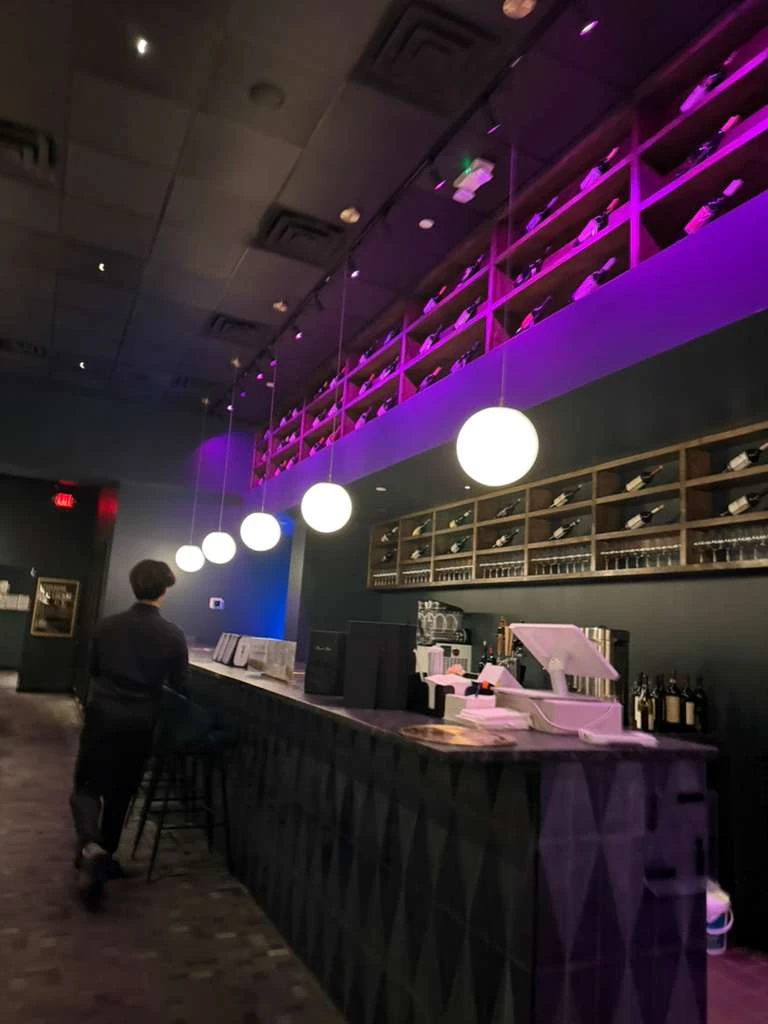
Solo diners will appreciate the four tabletop grills built directly into the bar counter, allowing an intimate Korean steakhouse experience without needing a large table.
Practical Information: Hours, Prices, and Parking

Location: 106 Founders Ave, Falls Church, VA 22046 — inside the Founders Row mixed-use development.
Hours: Monday – Thursday: 4:00 PM – 10:00 PM | Friday: 4:00 PM – 11:00 PM | Saturday: 11:30 AM – 11:00 PM | Sunday: 11:30 AM – 10:00 PM
Weekend brunch is served Saturday and Sunday from 11:30 AM to 3:00 PM.

Price Range: Appetizers: $14–$30 | Seoul Prime Tour: $47/person | À la carte steaks: $46–$89 | Porterhouse for Two: $149 | Non-steak dishes: $15–$33 | Desserts: $12–$15

Phone: (703) 563-1168
Parking: Seoul Prime offers complimentary three-hour parking validation in the Founders Row garage, making it easily accessible from major highways throughout the D.C. metro area.
Reservations: Strongly recommended for dinner, especially on weekends. Reservations can be made through the restaurant’s website at seoulprime.com.
A Korean Steakhouse Worth the Trip to Falls Church
Falls Church’s Founders Row has quietly assembled one of Northern Virginia’s most impressive dining corridors, and Seoul Prime has cemented this reputation since opening in late 2024. The restaurant succeeds because it respects both of the traditions it draws from: the fire-and-fellowship spirit of Korean barbecue and the ingredient-obsessed standards of a great American steakhouse.
Whether planning a date night, a celebration, or simply an evening of remarkable beef, Seoul Prime offers something rare in the D.C. dining landscape — a Korean steakhouse experience where every detail, from the 45-day aging process to the sequencing of the four-cut tour, reflects genuine care and culinary expertise.

For those interested in exploring the rich traditions behind Korean barbecue culture, the Korean Cultural Center offers valuable resources on the history and significance of Korean cuisine. And according to Northern Virginia Magazine’s review, Seoul Prime stands as a destination for diners seeking a steakhouse repast that honors both its Korean heritage and its Northern Virginia roots.
Experience these flavors for yourself at Seoul Prime — and share this guide with anyone ready to discover what happens when Korean fire meets American prime.
Have you visited Seoul Prime or tried Korean steakhouse dining before? What cut would you order first — the dry-aged ribeye or the marinated galbi?
Location
Reviews
5.0
0 reviews
Related Recipes

Myeong-i Namul Jangajji
Few side dishes earn a permanent place on the Korean BBQ table the way Myeong-i Namul Jangajji — Korean pickled...

Ttukbaegi Bulgogi (Korean Sizzling Beef Stew in a Hot Stone Pot)
There’s a particular kind of comfort in lifting the lid off a bubbling ttukbaegi bulgogi . Steam curls upward, the...

Korean Spicy Pork (Jeyuk Bokkeum)
If you have ever stood in front of a sizzling Korean BBQ pan in Seoul, watching deep-red pork edges caramelize...
Related Ingredients

Udoonsal : Korea’s Leanest Beef Cut for Yukhoe
If there is one Korean beef cut that professional butchers and seasoned home cooks quietly revere above all others, it...

Myeong-i
When the last of winter’s snow finally retreats from the volcanic slopes of Ulleungdo Island, something quietly extraordinary happens. Broad,...

Korean raw beef dish (Yukhoe)
There are dishes that define a cuisine’s confidence — its willingness to let a single, exceptional ingredient speak for itself....