


Step into the historic alleyways of Bukchon Hanok Village, and you’ll discover clouds of steam billowing from bamboo baskets, the rhythmic sound of dough being shaped by skilled hands, and the intoxicating aroma of freshly made dumplings. This is Bukchon Son Mandu, where three generations have perfected the art of Korean dumpling-making since 1953. From their signature deep-fried mandu with its crispy, golden exterior to delicate steamed dumplings bursting with savory filling, each bite tells a story of tradition, craftsmanship, and dedication to authentic Korean flavors. Whether you’re exploring Seoul’s cultural treasures or seeking the perfect combination of handmade mandu and refreshing buckwheat cold noodles, this family-owned institution offers an unforgettable taste of Korean culinary heritage.
Bukchon Son Mandu: Seoul's 70-Year Legacy of Handmade Korean Dumplings in Bukchon Hanok Village
Jongno-gu, Seoul 10 Bukchon-ro 4-gil,
Editor: Katie Lee


Introduction
Operating hours
Menu
Editor's Detail
Picture this: You’re wandering through Seoul’s Bukchon Hanok Village, surrounded by traditional Korean architecture, when suddenly the unmistakable aroma of freshly steamed dumplings stops you in your tracks. The savory scent draws you toward a modest restaurant where bamboo steamers stack high, each one releasing fragrant wisps of steam into the crisp Seoul air. Welcome to Bukchon Son Mandu, a third-generation family establishment that has been crafting handmade Korean dumplings with unwavering dedication since 1953—nearly 70 years of perfecting what many consider Seoul’s finest mandu.
Located in the heart of historic Bukchon, this dumpling sanctuary offers far more than just food. It represents a living connection to Korean culinary tradition, where each dumpling is shaped by hands that learned the craft from previous generations. The restaurant distinguishes itself through fresh ingredients, distinctive expertise in the art of mandu-making, and deep flavors captured with care in every single dumpling. From crispy deep-fried mandu to tender steamed varieties, and from refreshing buckwheat cold noodles to hearty noodle soup, Bukchon Son Mandu delivers an authentic Korean dining experience that locals and travelers have cherished for decades.
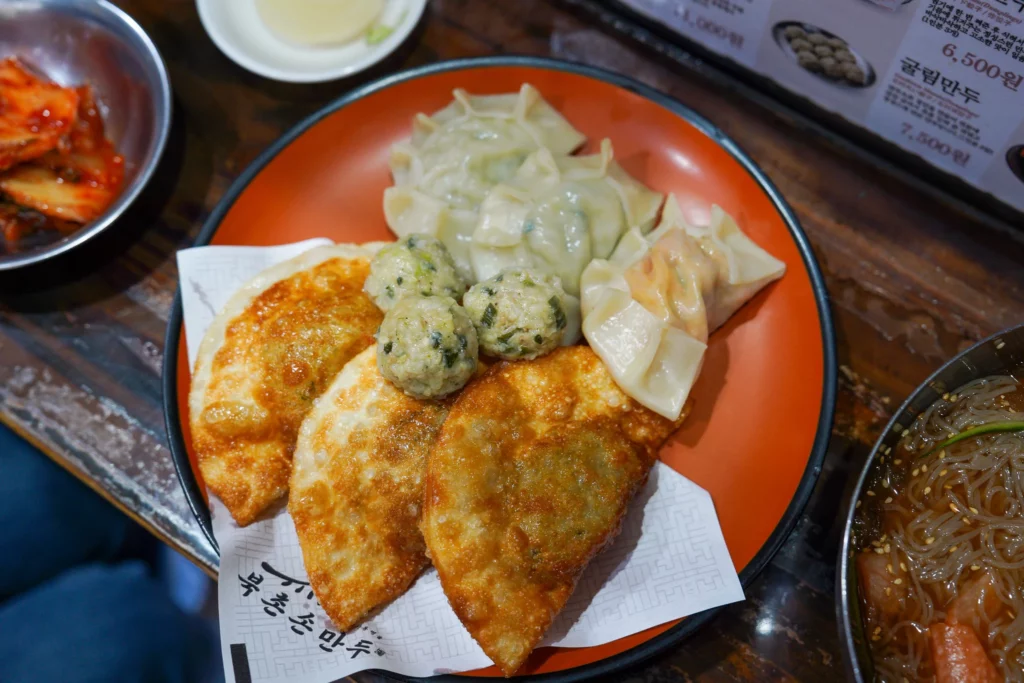
Table of Contents
- The Bukchon Son Mandu Legacy: Three Generations of Dumpling Excellence
- What Makes Bukchon Son Mandu Uniquely Korean?
- The Complete Mandu Menu: From Steamed to Deep-Fried Perfection
- Signature Noodle Dishes That Complete the Experience
- What Are the Key Ingredients That Create These Flavors?
- How Would You Describe the Taste and Spice Level?
- What Should First-Time Eaters Know?
- The Bukchon Hanok Village Experience: More Than Just Dumplings
- Practical Information: How to Visit Bukchon Son Mandu
- Why Bukchon Son Mandu Remains Seoul’s Dumpling Destination
The Bukchon Son Mandu Legacy: Three Generations of Dumpling Excellence
Bukchon Son Mandu’s story begins in the 1950s, tracing its roots back to Hamheung region in what is now North Korea. The restaurant’s founder, like many Koreans during that tumultuous period following the Korean War, brought cherished family recipes south to Seoul. What started as a simple desire to preserve traditional flavors evolved into one of Seoul’s most respected dumpling establishments. The restaurant’s name itself—"Son Mandu," meaning "handmade dumplings"—reflects the commitment to artisanal preparation that defines every aspect of their operation.

Walking into any Bukchon Son Mandu location, you’ll witness something increasingly rare in modern Seoul: dumplings made entirely by hand, right before your eyes. The restaurant maintains an open kitchen philosophy where diners can watch skilled hands quickly fold, pleat, and shape each dumpling with practiced precision. This transparency isn’t just for show—it’s a proud display of craftsmanship that has been refined over seven decades. Many Korean pork dumplings recipes call for store-bought wrappers, but here, the dedication to traditional methods means every element receives meticulous attention.
The third generation now carries the torch, maintaining the same exacting standards that built the restaurant’s reputation. Fresh ingredients arrive daily, and the filling recipes remain closely guarded family secrets. What hasn’t changed since 1953 is the fundamental approach: make each dumpling as if serving it to family, use only fresh ingredients, and never compromise on quality for the sake of convenience. This philosophy has earned Bukchon Son Mandu features on Korean food shows, celebrity endorsements (their walls display autographs from famous visitors), and most importantly, generations of loyal customers who return time and again.
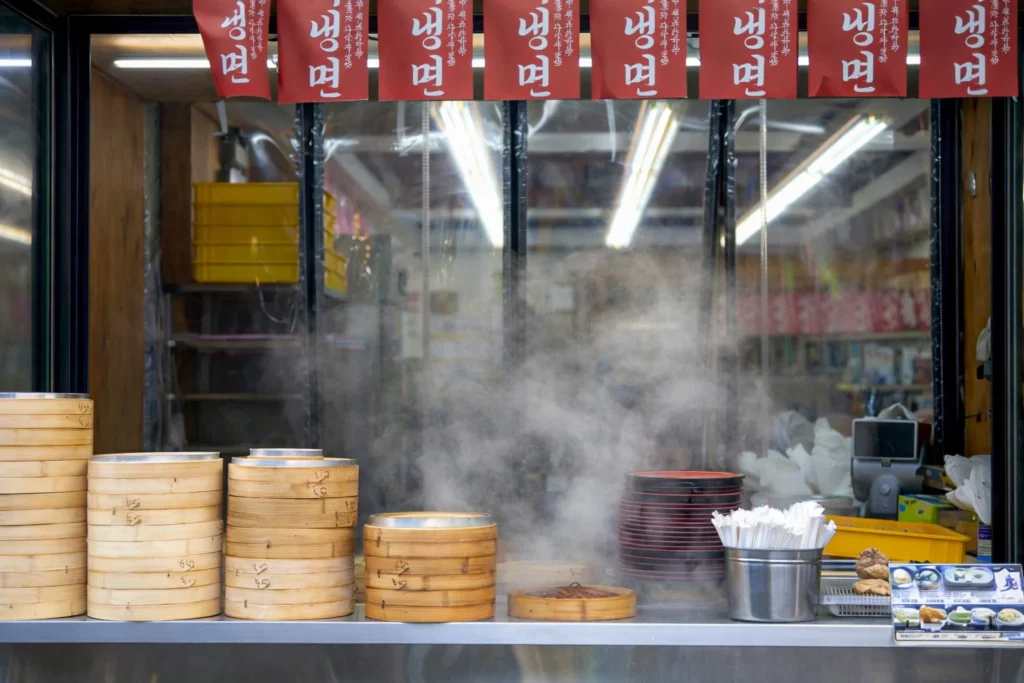
The restaurant has expanded from its original Insadong location to multiple branches across Seoul, including popular spots in Myeongdong, Dongdaemun, and Seongsu. Yet despite this growth, each location maintains the same commitment to handmade quality. The expansion reflects not commercial ambition but rather the simple fact that demand for authentic, handmade mandu far exceeds what a single location could satisfy.
What Makes Bukchon Son Mandu Uniquely Korean?
Korean mandu occupies a fascinating position in Asian culinary history. While the dumpling concept arrived on the Korean peninsula during the Mongol invasions of the 14th century—part of the broader exchange of food culture along the Silk Road—Korean cooks transformed these imported dumplings into something distinctly their own. At Bukchon Son Mandu, you’re not eating Chinese jiaozi or Japanese gyoza; you’re experiencing a dumpling tradition shaped by centuries of Korean culinary evolution.
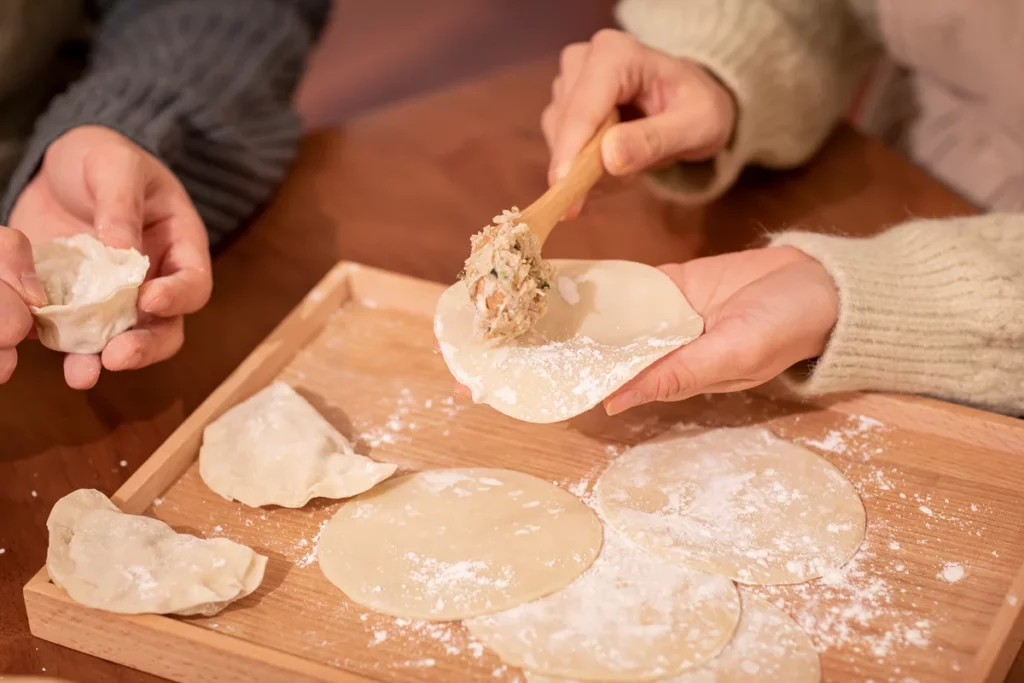
What sets Korean mandu apart starts with the filling. Unlike Chinese dumplings that often feature pure meat fillings, Korean mandu embraces a vegetable-forward philosophy that creates lighter, more balanced flavors. The filling typically includes kimchi, which brings fermented complexity and probiotic benefits while adding moisture and umami depth. This reflects Korea’s broader food culture principle of balance—the same philosophy that fills Korean meals with numerous banchan (side dishes) to create nutritional and flavorful harmony.
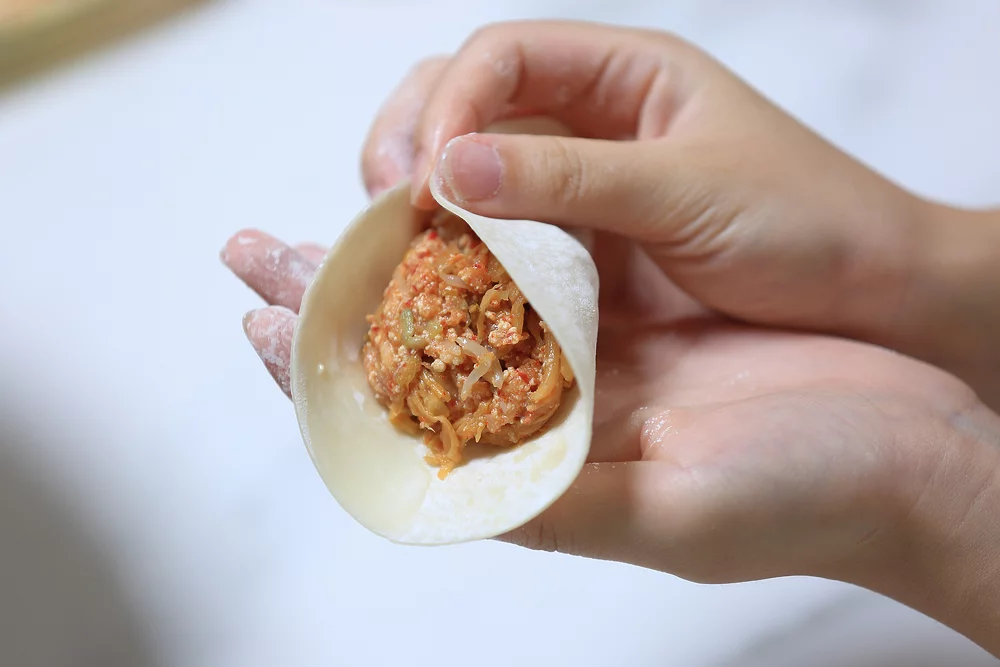
The inclusion of glass noodles (dangmyeon) in the filling is another distinctly Korean touch. These transparent sweet potato starch noodles absorb seasonings beautifully while adding a characteristic chewy texture that Koreans call "jjolgit-jjolgit." This textural element distinguishes Korean dumplings from their regional cousins and reflects Korea’s sophisticated understanding of how texture contributes to eating pleasure.
Culturally, mandu holds special significance in Korean tradition. The dumplings are often shaped to resemble yeopjeon, ancient Korean brass coins, symbolizing wealth and prosperity. Eating mandu during Lunar New Year brings good fortune for the coming year—a tradition that families observe by gathering together to make dumplings, turning preparation into a bonding ritual that strengthens intergenerational connections. At Bukchon Son Mandu, while they prepare dumplings daily rather than just for holidays, each one carries this cultural weight of tradition and meaning.
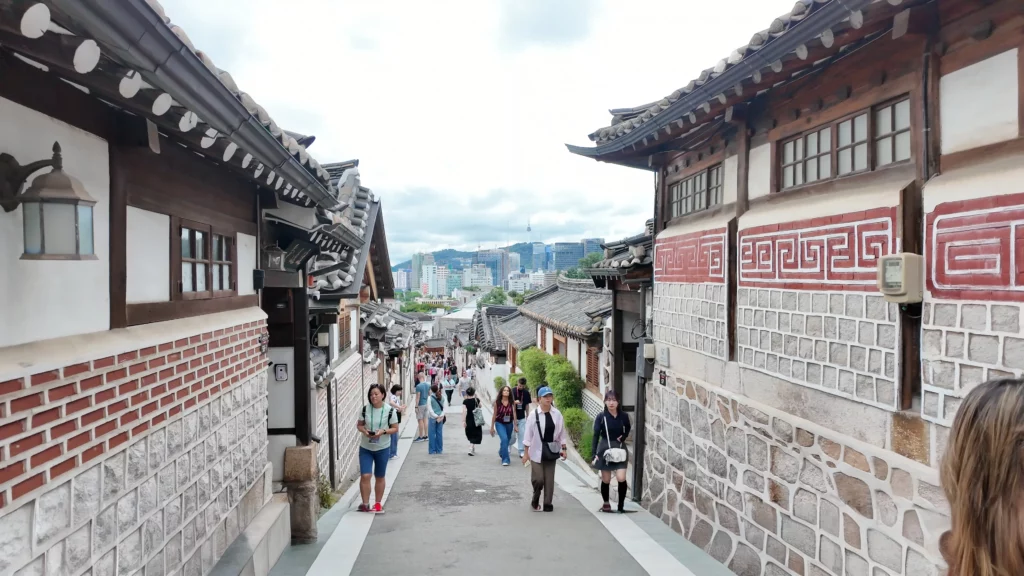
The restaurant’s location in Bukchon Hanok Village adds another layer of cultural authenticity. Surrounded by traditional Korean houses (hanok) and just steps from major historical sites like Gyeongbokgung Palace, eating mandu here becomes part of a broader cultural experience. The neighborhood itself, with its winding alleyways and preserved architecture, transports diners to a Seoul that existed long before skyscrapers and K-pop—a Seoul where handmade dumplings represented affordable luxury and culinary craftsmanship.
The Complete Mandu Menu: From Steamed to Deep-Fried Perfection
Bukchon Son Mandu’s menu might appear deceptively simple, but this focused approach allows them to perfect each preparation method. The restaurant offers multiple dumpling styles, each showcasing different aspects of their craft.
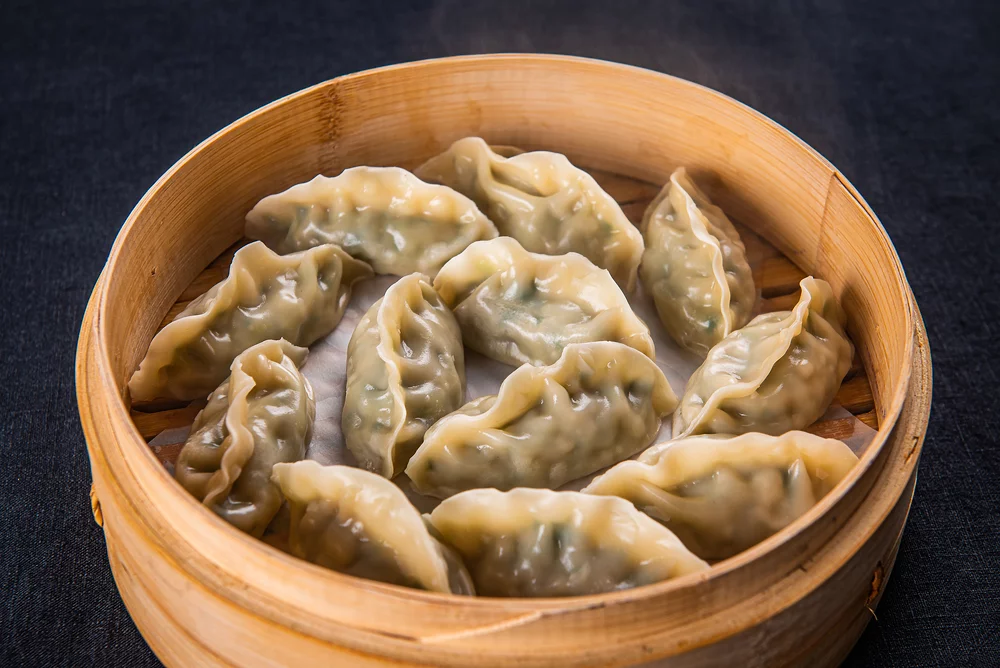
Steamed Mandu (Jjin Mandu): The classic preparation that purists often prefer. Steamed mandu allows the filling’s natural flavors to shine without the distraction of additional fat or crispy texture. The thin wrapper becomes translucent when properly steamed, revealing glimpses of the colorful filling within. When you bite into steamed mandu at Bukchon Son Mandu, you experience the pure essence of their craft—the balance of meat, vegetables, glass noodles, and seasonings without any interference. The wrapper maintains a delicate chew that complements rather than dominates the filling.
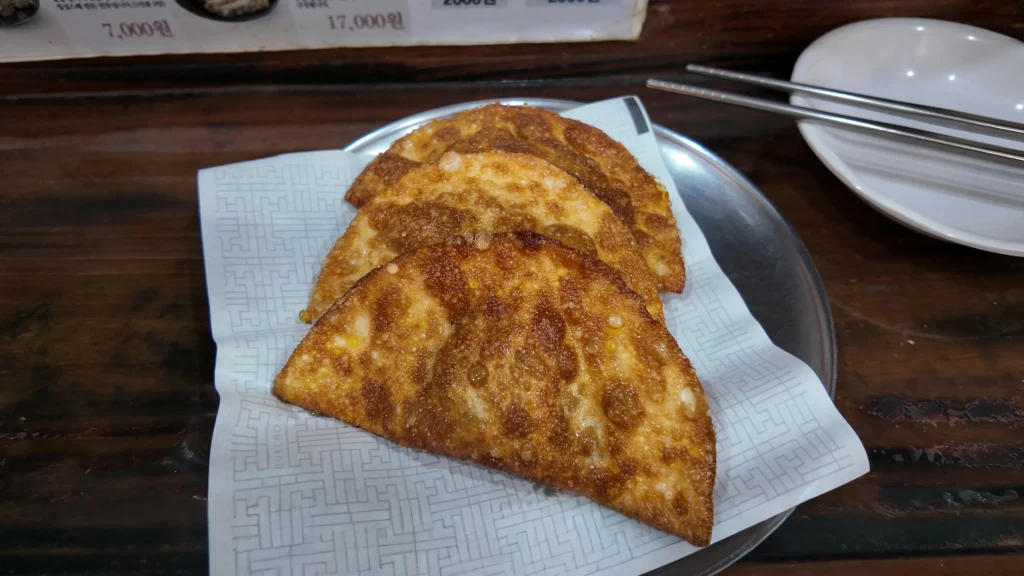
Deep-Fried Mandu (Twigim Mandu): This preparation transforms the dumpling into something altogether different. The wrapper crisps to golden perfection, creating an audible crunch with each bite that gives way to the hot, juicy interior. Deep-fried mandu at Bukchon Son Mandu achieves what many restaurants struggle with—a perfectly crispy exterior without greasiness, and a filling that remains moist and flavorful despite the high-heat cooking method. The contrast between the crunchy shell and tender filling creates textural excitement that makes these particularly popular. Many diners report that the fried mandu here outshine versions at other establishments, thanks to precise temperature control and fresh oil that prevents any off-flavors.
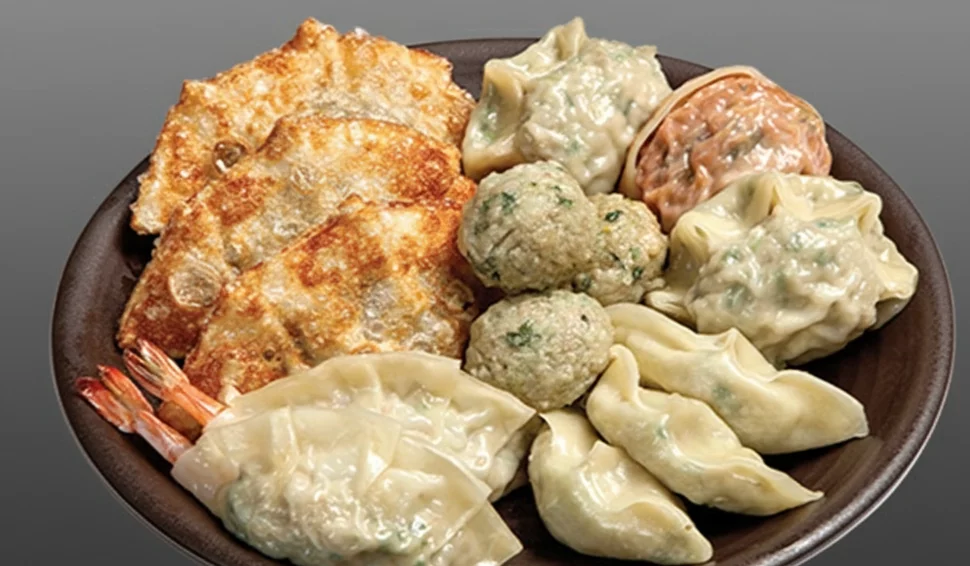
Assorted Mandu (Modum Mandu): Can’t decide between preparation styles? The assorted platter solves this delicious dilemma by offering a selection of both steamed and fried dumplings, often including the unique gullin mandu (skinless pork balls). This combination platter lets you experience the full range of textures and flavors that Bukchon Son Mandu offers. It’s the perfect choice for first-time visitors or groups who want to share and compare.
Thin-Skin Mandu: A specialty preparation where the wrapper is rolled paper-thin, creating an almost delicate, refined dumpling that nearly melts in your mouth. This style requires exceptional skill—the wrapper must be thin enough to be nearly translucent yet strong enough to hold the filling without tearing during cooking.
Shrimp Mandu and Galbi Mandu: Premium variations that showcase the restaurant’s willingness to innovate while respecting tradition. The shrimp mandu features fresh seafood that adds sweet, briny notes, while galbi mandu incorporates Korean-style marinated short ribs for a luxurious, meat-forward dumpling experience.
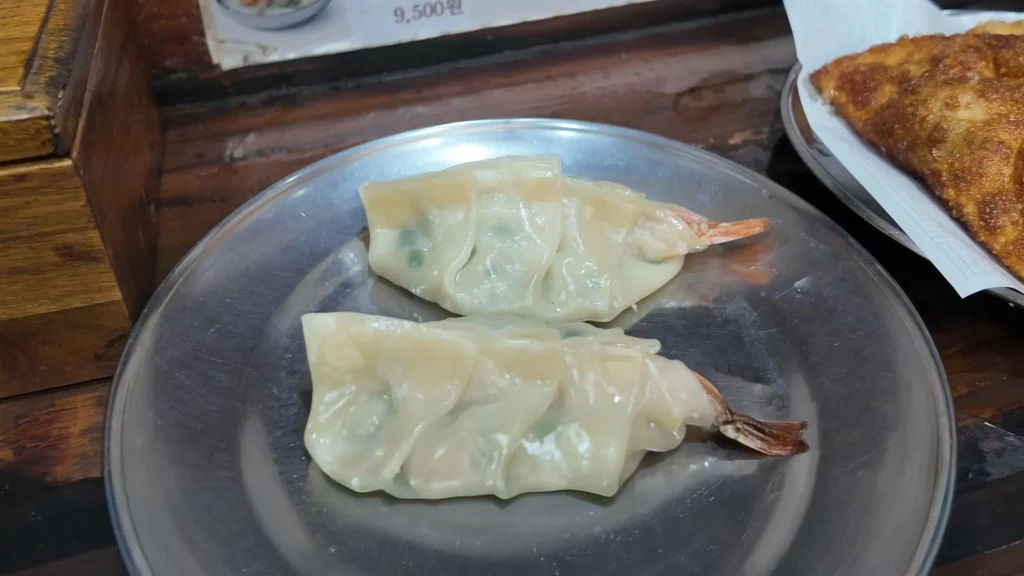
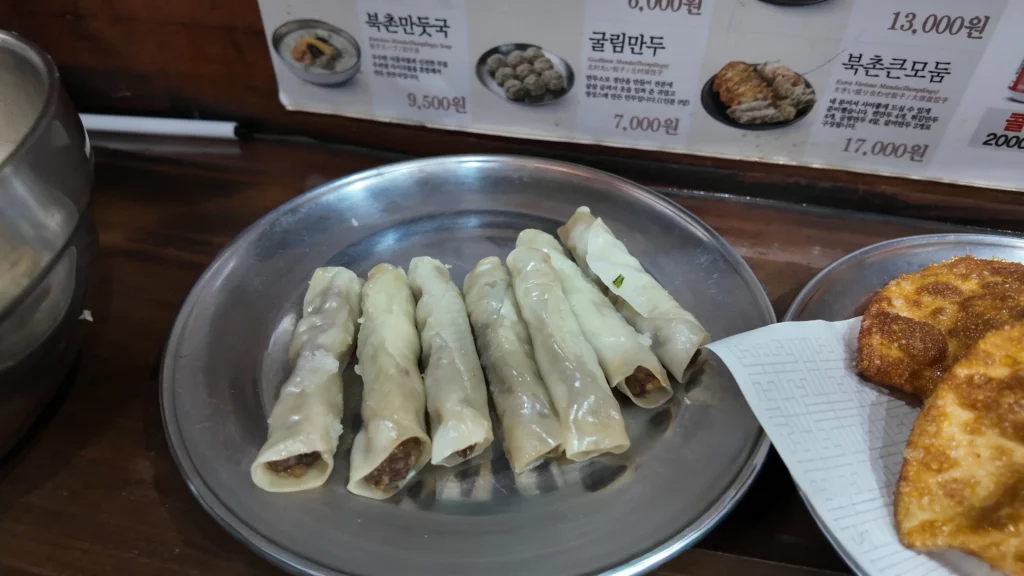
The menu’s simplicity reflects confidence—when you’ve perfected something over 70 years, you don’t need to offer dozens of variations. Each dumpling type has been refined to showcase fresh ingredients and expert technique. Portions are generous without being overwhelming, and prices remain remarkably reasonable for the quality and location, typically ranging from ₩3,000 for an order of three dumplings to ₩8,000 for the combination platter.
Signature Noodle Dishes That Complete the Experience
While Bukchon Son Mandu’s name highlights their dumplings, the restaurant’s noodle dishes deserve equal attention. In Korean cuisine, mandu and noodles form a natural partnership—the combination appears across Korea, from street food stalls to fine dining restaurants. At Bukchon Son Mandu, the noodle offerings complement the dumplings perfectly while standing as excellent dishes in their own right.
Bukchon Cold Buckwheat Noodles (Bukchon Naengmyeon): This isn’t your typical naengmyeon. Bukchon Son Mandu serves their version in a cool, red kimchi broth that sets it apart from the more common clear beef broth style. The buckwheat noodles arrive properly chilled, their characteristic firmness and slight nuttiness providing the perfect counterpoint to rich, fatty dumplings. The kimchi broth adds tangy, fermented complexity that cleanses the palate and aids digestion—this is why Koreans often finish Korean BBQ meals with naengmyeon. The dish arrives with traditional accompaniments including mustard and vinegar, allowing you to customize the flavor to your preference.
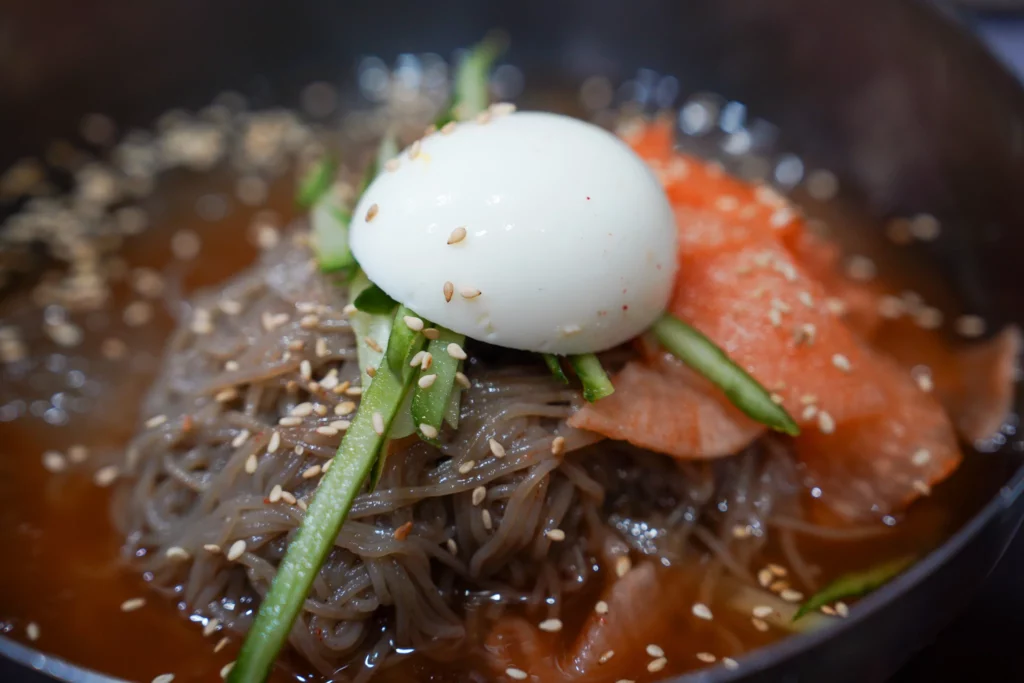
Eating cold noodles might seem counterintuitive to those unfamiliar with Korean cuisine, but this preparation has deep historical roots. Originally from what is now North Korea, cold noodles were traditionally enjoyed during winter (the irony of eating cold food in cold weather appealed to Korean sensibilities about balance). Today, they’re particularly popular during summer’s sweltering heat, though at Bukchon Son Mandu, locals enjoy them year-round.
Bukchon Noodle Soup (Bukchon Kalguksu): The comfort food counterpart to cold noodles, this serves thick, hand-cut wheat noodles in warm, savory broth. The noodles are plump and satisfying, with a hearty chew that reflects their fresh, handmade quality. The broth, likely based on anchovy or beef stock with seasonings developed over decades of refinement, provides warming satisfaction that makes this especially popular during Seoul’s harsh winters. Unlike the delicate naengmyeon, kalguksu delivers robust, stick-to-your-ribs comfort.
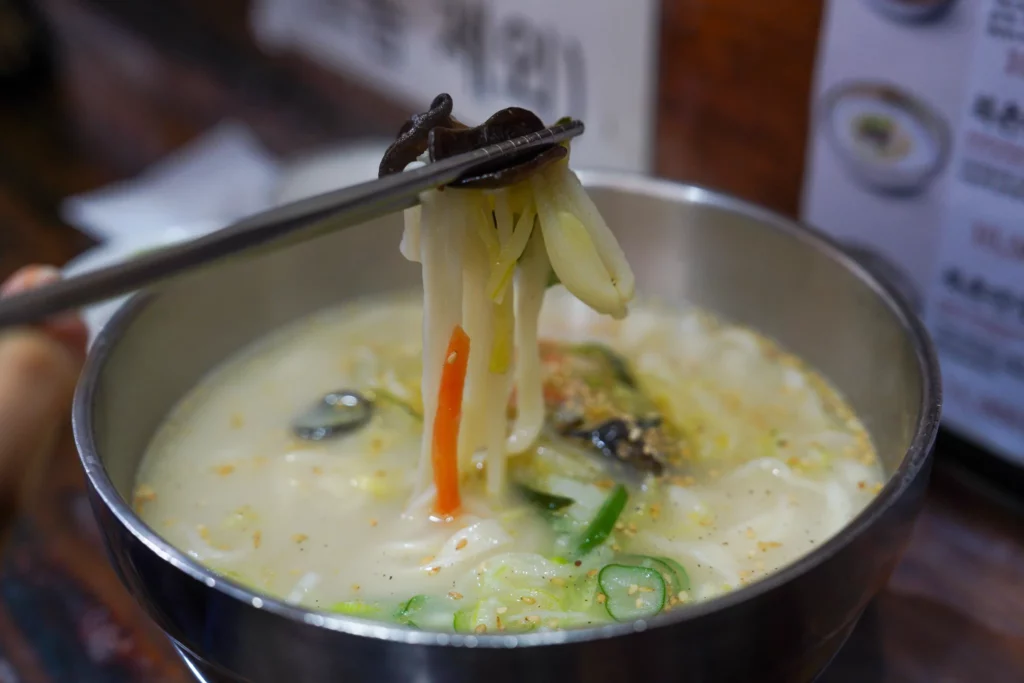
Many diners order both dumplings and noodles, creating a complete meal that balances textures, temperatures, and flavors. The typical approach: start with dumplings (perhaps the assorted platter to try multiple styles), then finish with cold noodles to cleanse and refresh, or warm noodle soup to feel fully satisfied. This progression mirrors the Korean dining philosophy of building a meal from multiple components rather than focusing on a single main dish.
What Are the Key Ingredients That Create These Flavors?
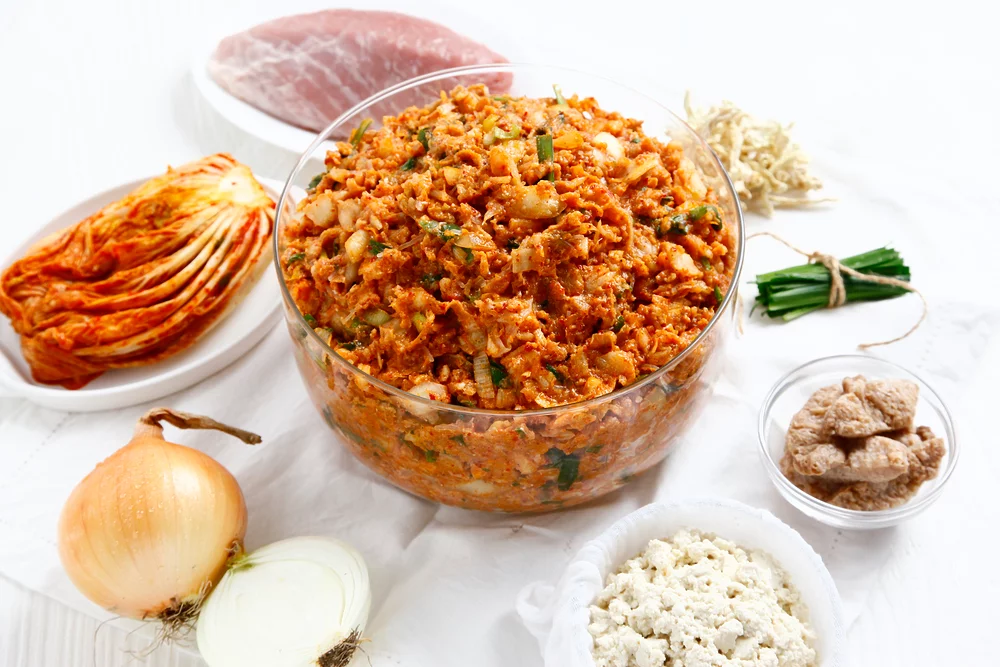
Understanding Bukchon Son Mandu’s distinctive taste requires examining the three ingredients that define their dumplings’ character. While the exact recipe remains a family secret, these core components shape every dumpling that emerges from their kitchen.
1. Fresh Napa Cabbage and Kimchi
Korean dumplings diverge from Chinese and Japanese varieties through generous vegetable content, with napa cabbage and kimchi forming the foundation. Fresh napa cabbage provides sweetness, moisture, and a light crunch that keeps the filling from becoming too dense. The cabbage is salted briefly to draw out excess water—a crucial step that prevents soggy dumplings—then chopped finely and squeezed dry before mixing with other ingredients.
Kimchi adds the fermented complexity that marks these as unmistakably Korean. The fermentation process develops beneficial probiotics and creates deep, savory notes that can’t be replicated with fresh vegetables alone. Kimchi also contributes moisture and seasoning to the filling, reducing the need for additional salt or flavorings. Nutritionally, this vegetable-forward approach creates lighter dumplings with fiber, vitamins, and probiotic benefits.
2. Pork and Tofu Combination
While some mandu recipes use pure meat fillings, Bukchon Son Mandu likely combines ground pork with mashed tofu—a traditional technique that serves multiple purposes. The pork provides rich, savory flavor and fat that keeps the filling juicy during cooking. Tofu, meanwhile, contributes protein while keeping the texture light and preventing the filling from becoming too heavy or greasy. Korean cooks discovered long ago that tofu acts as a moisture keeper, helping meat stay succulent even through high-heat cooking like deep-frying.
This combination also reflects Korean culinary philosophy about balance. The tofu moderates the meat’s richness, creating a filling that satisfies without overwhelming. From a practical standpoint, the tofu-meat combination makes dumplings more affordable and accessible while maintaining excellent flavor and nutrition.
3. Glass Noodles (Dangmyeon)
These transparent sweet potato starch noodles might seem like simple filler, but they’re essential to authentic Korean mandu texture and character. Dangmyeon absorbs the filling’s seasonings—garlic, sesame oil, soy sauce, and other aromatics—while maintaining a distinctive chewiness that provides textural contrast within each dumpling. When you bite into a well-made Korean dumpling, that slightly bouncy, slippery element comes from glass noodles.
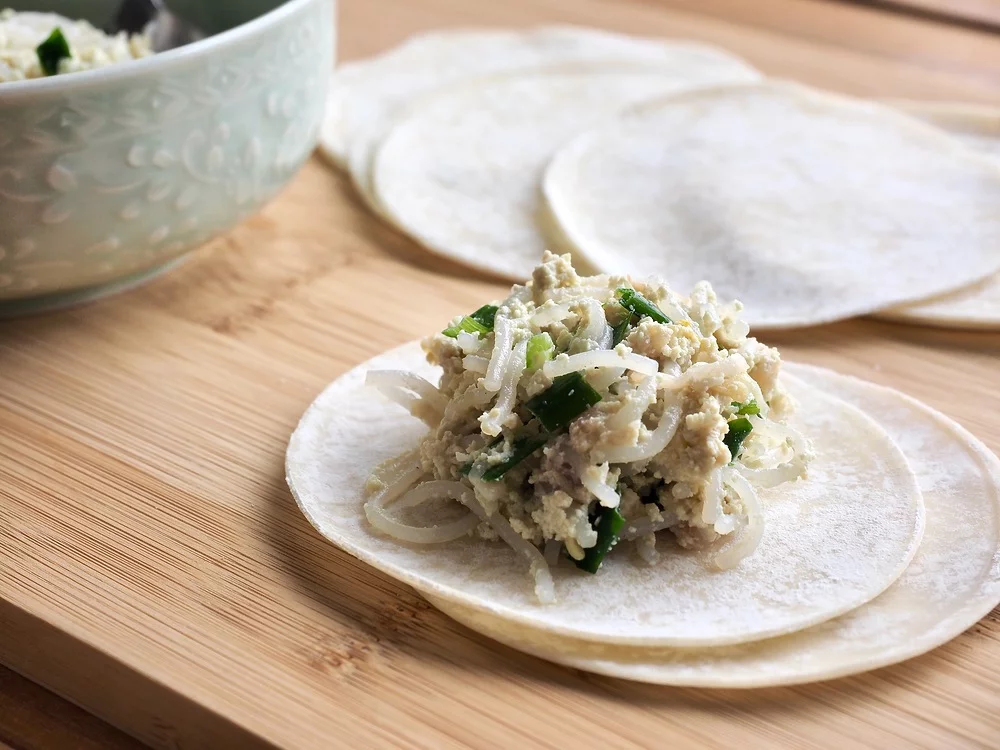
The noodles also serve a practical purpose: they add volume without heaviness, helping create plump dumplings that don’t feel overwhelmingly rich. They’re readily available at Korean markets, typically sold in dried bundles that require soaking before use. Nutritionally, sweet potato starch offers more fiber than refined wheat and contains resistant starch that supports digestive health.
These three ingredients—vegetable (cabbage/kimchi), protein (pork/tofu), and starch (glass noodles)—form the classic trinity of Korean dumpling fillings. Additional elements like garlic, ginger, green onions, sesame oil, and soy sauce provide aromatic depth, but the core character comes from this fundamental trio.
How Would You Describe the Taste and Spice Level?
For first-time visitors worried about Korean food’s reputation for intense heat, Bukchon Son Mandu offers welcome relief. These dumplings fall comfortably at a 2-3 on a 10-point spice scale—mild enough for sensitive palates while maintaining distinctive Korean character.
Flavor Profile: The dominant taste is savory and umami-rich rather than spicy. The filling delivers layers of flavor: the subtle sweetness of cabbage, the earthy richness of pork, the fermented complexity of kimchi, and the aromatic notes of garlic and sesame oil. Soy sauce provides saltiness and depth, while green onions add fresh, slightly sharp notes that brighten the overall profile. The result is a well-balanced dumpling that tastes distinctly Korean without relying on intense heat.
The steamed version presents these flavors in their purest form—delicate, harmonious, and subtle. Deep-fried mandu adds another dimension: the crispy wrapper contributes toasted, slightly nutty notes, while the high heat caramelizes some of the filling’s sugars, creating deeper, more complex flavors.
Texture Experience: Korean cuisine celebrates texture (what Koreans call "sikgam"), and these dumplings showcase this beautifully. The wrapper provides initial resistance—tender but with presence—giving way to a filling that combines multiple textures: the slight crunch of vegetables, the smooth richness of meat and tofu, and the characteristic chewiness of glass noodles. Deep-fried versions add the exciting contrast of crispy exterior against tender filling.
Temperature and Service: Dumplings arrive piping hot, straight from the steamer or fryer. The filling retains heat remarkably well (be careful with that first bite!), while the cold noodles provide refreshing contrast. This temperature interplay—hot dumplings followed by chilled noodles—creates a dynamic eating experience that keeps your palate engaged.
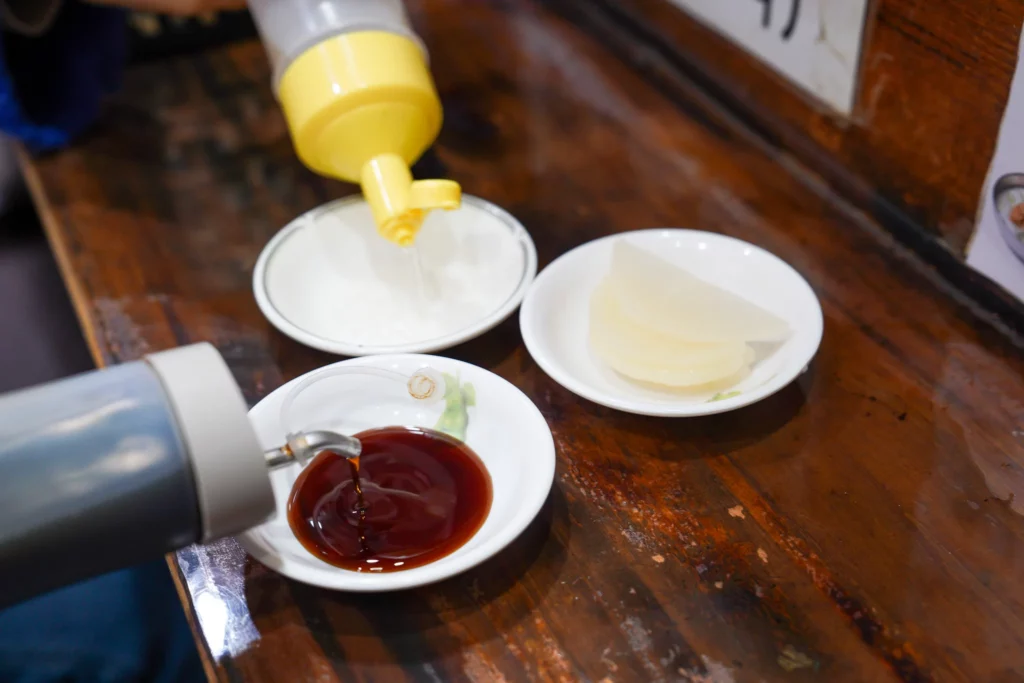
Dipping Sauces: The restaurant provides a simple soy-vinegar sauce for dipping, which many diners customize by adding the provided gochugaru (Korean red pepper flakes) to taste. This sauce brightens the dumplings with acidity and allows you to adjust spiciness according to preference. Some diners prefer their dumplings plain, letting the filling’s flavors speak for themselves.
The cold buckwheat noodles present a different flavor experience: tangy and refreshing with the characteristic slight bitterness of buckwheat, balanced by the kimchi broth’s fermented complexity. The noodle soup offers warming, comforting flavors with rich, savory broth and chewy noodles.
What Should First-Time Eaters Know?
Walking into a Korean dumpling restaurant for the first time can feel intimidating, especially if you’re unfamiliar with Korean dining customs. Here’s what you need to know to enjoy Bukchon Son Mandu like a local:
How to Order: Start with the assorted dumpling platter (모듬만두 / modum mandu) if you’re dining alone or with one other person. This gives you a taste of multiple preparation styles without committing to a full order of one type. For groups of 3-4, consider ordering separate plates of steamed and fried dumplings, plus one noodle dish to share. The staff speaks basic English at most locations, and menus include photos that make ordering straightforward even with limited Korean language skills.
Eating Method: Unlike Chinese xiaolongbao with their soupy filling that requires careful technique, Korean mandu are relatively straightforward to eat. Pick up each dumpling with chopsticks (or a fork—no one will judge), dip it lightly in the soy-vinegar sauce if desired, and eat it whole or in two bites. There’s no special procedure or etiquette beyond normal Korean dining courtesy. If the dumpling is too hot, you can take a small bite to let steam escape before finishing it.
Pace and Atmosphere: Bukchon Son Mandu operates more like a casual dining spot than a formal restaurant. Service is efficient rather than lingering—you’re expected to order, eat, and leave to make room for the next customers. This isn’t rudeness; it’s standard Korean restaurant culture, especially at popular, affordable establishments. Don’t expect elaborate table service or frequent check-ins, but do expect food to arrive quickly and be exactly what you ordered.
What to Expect on First Taste: The initial impression might be milder than expected if you’re anticipating intense Korean flavors. These dumplings showcase subtlety and balance rather than bold heat or aggressive seasoning. The texture will likely be the most distinctive element—firmer and chewier than Chinese dumplings, with more vegetable content creating a lighter feel. The deep-fried version delivers more immediate flavor impact through its crispy exterior and slightly caramelized filling.
Cultural Considerations: Korean dining culture emphasizes efficiency and practicality. The restaurant won’t provide endless banchan like you’d receive at a Korean BBQ restaurant—maybe just a small plate of kimchi and pickled radish. This is normal for budget-friendly noodle and dumpling shops. Tap water is self-service at most locations. When finished, you can leave payment at your table or pay at the counter, depending on the location.
Best Times to Visit: Peak meal times (12-1:30 PM for lunch, 6-8 PM for dinner) often mean queues, especially at the original Insadong location. If you want to avoid crowds, visit mid-afternoon (2-4 PM) or later evening (after 8:30 PM). The wait rarely exceeds 15 minutes even during busy periods, but arriving early or late makes for a more relaxed experience.
Language and Navigation: While staff may not speak extensive English, pointing at menu items works perfectly fine. Many locations near tourist areas have English menus or at minimum, picture menus. The restaurant names are clearly marked in both Korean and English at most branches.
The Bukchon Hanok Village Experience: More Than Just Dumplings
Visiting Bukchon Son Mandu offers more than just a meal—it’s an opportunity to immerse yourself in one of Seoul’s most culturally rich neighborhoods. Bukchon Hanok Village, where the original location resides, represents Seoul’s architectural heritage through hundreds of traditional Korean houses (hanok) that have been preserved or restored to maintain the area’s historical character.
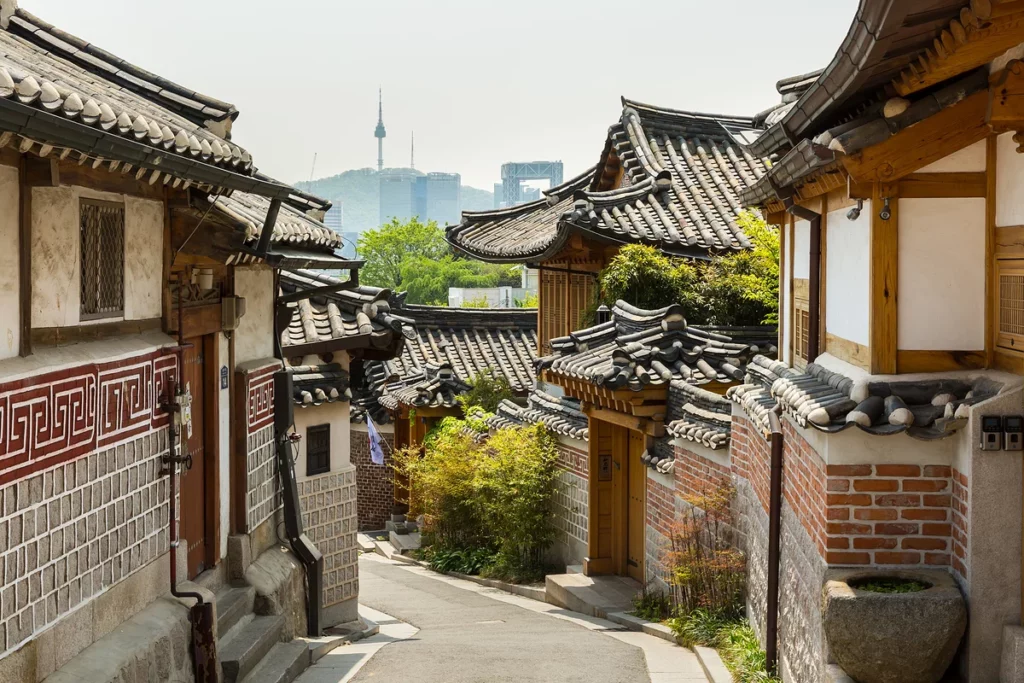
The neighborhood sits between Gyeongbokgung Palace and Changdeokgung Palace, making it a natural stop on any Seoul cultural itinerary. The winding alleys lined with hanok create a maze of photogenic streets where every corner reveals another glimpse of traditional Korea. Many hanok now house museums, cultural centers, tea houses, and galleries, transforming the area into a living museum of Korean culture. Eating dumplings at Bukchon Son Mandu becomes part of a broader cultural experience—you can explore Bukchon Hanok Village, visit nearby palaces, shop for traditional crafts, and enjoy authentic Korean food all within walking distance.
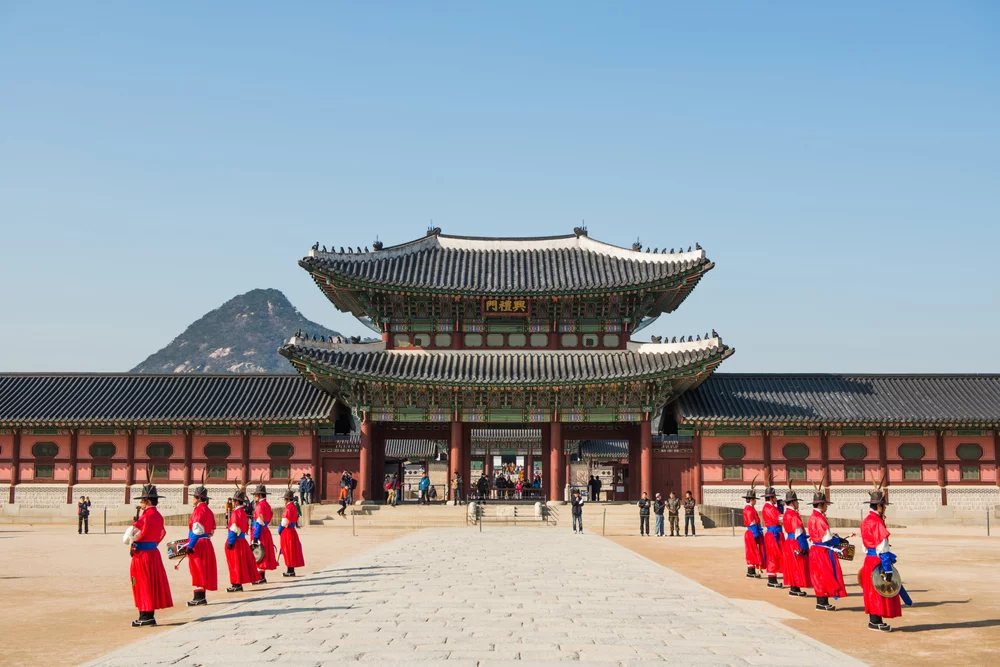
The restaurant’s Insadong location offers different charms. Insadong-gil and its branching alleys form Seoul’s antique and traditional culture district, filled with art galleries, souvenir shops selling traditional Korean goods, and restaurants serving classic Korean cuisine. The area maintains cultural authenticity while being easily accessible to visitors—it’s where Seoul locals bring out-of-town guests to experience "real Korea."
After eating at Bukchon Son Mandu, consider these nearby attractions:
- Gyeongbokgung Palace: Seoul’s main royal palace, just a 10-15 minute walk away, offers stunning traditional architecture and the changing of the guard ceremony
- Samcheong-dong: A charming neighborhood of cafes, boutiques, and galleries, perfect for post-meal exploration
- Jogyesa Temple: A beautiful Buddhist temple in the heart of Seoul where you can experience Korean temple culture
- Traditional Korean Tea Houses: Numerous establishments serve traditional teas in hanok settings, ideal for dessert after dumplings
Practical Information: How to Visit Bukchon Son Mandu
Multiple Locations Across Seoul:
Bukchon Son Mandu operates several branches throughout Seoul, each maintaining the same quality standards while serving slightly different neighborhoods:
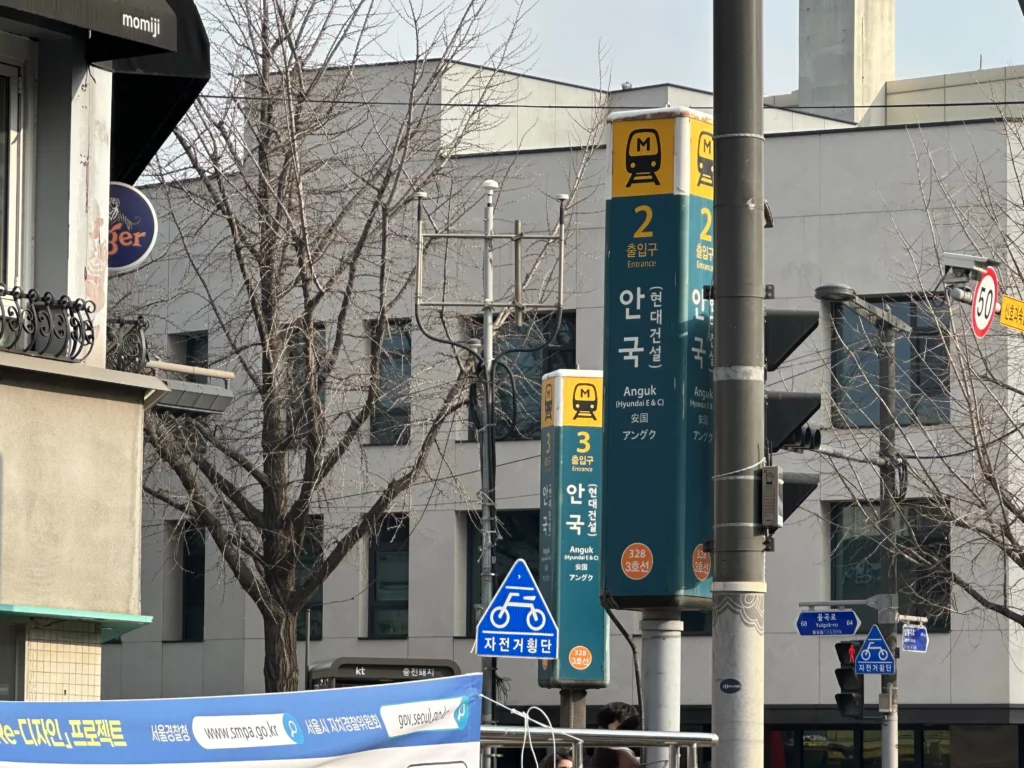
- Insadong Branch (Original Location): Located in the heart of Insadong’s traditional culture district, accessible via Anguk Station (Line 3). This location attracts a mix of tourists and locals, often with lines during peak hours but generally moving quickly.
- Myeongdong Branch: Positioned in Seoul’s main shopping and tourism district, convenient for visitors staying in central Seoul. Take Myeongdong Station (Line 4) and walk about 5 minutes.
- Dongdaemun Branch: Near Dongdaemun History & Culture Park Station, this spacious location often has shorter waits than the Insadong original while maintaining identical quality.
- Bukchon Branch: The namesake location in Bukchon Hanok Village proper, offering the most atmospheric setting surrounded by traditional architecture.
Operating Hours: Most locations operate from approximately 11:00 AM to 10:00 PM, though specific hours may vary by branch. The restaurants typically close between lunch and dinner service (around 3-5 PM) at some locations, so check current hours before visiting.
Price Range: Expect to spend approximately ₩10,000-20,000 per person (roughly $8-15 USD) for a satisfying meal including dumplings and noodles. Individual dumpling orders start around ₩3,000, while noodle dishes range from ₩7,000-10,000. This positions Bukchon Son Mandu as excellent value—affordable enough for daily meals yet high enough quality for special occasions.
Reservation and Wait Times: Reservations are generally not accepted at most locations—it’s first-come, first-served. During peak meal times, expect 10-30 minute waits at popular branches. The line moves steadily as Korean dining culture emphasizes efficient turnover. Weekday afternoons offer the shortest waits.
Getting There: All locations are accessible via Seoul’s excellent subway system. The Insadong area is best reached via Anguk Station (Line 3, Exit 2), while Myeongdong uses Myeongdong Station (Line 4). Bukchon Hanok Village is about a 10-minute walk uphill from Anguk Station.
Why Bukchon Son Mandu Remains Seoul’s Dumpling Destination
After nearly 70 years, Bukchon Son Mandu has earned its reputation not through marketing or trendy innovations, but through unwavering commitment to craft. In a Seoul restaurant scene where establishments open and close with dizzying frequency, this family’s dedication to handmade dumplings prepared the same way since 1953 represents something increasingly rare: genuine culinary tradition maintained across generations.
The dumplings here taste like they should—balanced, fresh, and thoughtfully prepared. The steamed mandu showcases pure flavors without heavy seasoning masking inferior ingredients. The deep-fried version achieves crispy perfection without greasiness. The noodles arrive properly chewed and fresh. These might sound like basic expectations, but visit enough Korean dumpling restaurants and you’ll appreciate how difficult consistency is to maintain, especially across multiple locations.
What makes Bukchon Son Mandu special extends beyond the food. It’s the visible pride in their craft—dumplings made openly where diners can watch. It’s the reasonable prices that make authentic Korean food accessible to everyone, from students to tourists to families celebrating special occasions. It’s the convenient locations that integrate authentic dining into cultural exploration of Seoul’s most historic neighborhoods.
For visitors to Seoul seeking genuine Korean flavors without pretension or excessive prices, Bukchon Son Mandu delivers exactly what it promises: handmade dumplings prepared with care, served efficiently in comfortable surroundings, at prices that won’t strain your budget. The experience won’t be elaborate or Instagram-worthy in the typical sense, but it will be authentic, satisfying, and memorable—which is ultimately what food should be.
Ready to experience three generations of dumpling excellence? Visit Bukchon Son Mandu in any of their Seoul locations, order the assorted platter and cold buckwheat noodles, and taste for yourself why this family-owned institution has satisfied Seoul’s dumpling cravings for seven decades.
Location
Reviews
5.0
0 reviews
Related Recipes

Spicy Korean Buckwheat Noodles
There’s a particular kind of relief that comes with the first bite of spicy Korean buckwheat noodles on a sweltering...

Spicy Smoky Japchae (Korean Glass Noodles with Pork)
There are Korean dishes you make for convenience — and then there are dishes you make to impress. Japchae (잡채,...

Lobster Ramen
Lobster Ramen is a luxurious twist on Korea’s beloved instant noodle culture. The deep umami from fresh lobster combines beautifully...

Myeongdong Kyoja: Seoul's Michelin Kalguksu Since 1966
Jung-gu, Seoul 29, Myeongdong 10-gil

Hwangsaengga Kalguksu: Seoul's Michelin-Recognized Master of Korean Knife-Cut Noodles
ongno-gu, Seoul, Republic of Korea 84 Sogyeok-dong

Nunnamu-jip Bukchon: Seoul's Hidden Gem for Authentic Grilled Bulgogi
Jongno-gu, Seoul, Republic of Korea 136-1 Samcheong-ro

Cheonganok: Home to Seoul's Finest Pyongyang Naengmyeon, Kimchi Mandu, and Oxtail Soup
Hongwoo Building, 22 Seocho-daero 78-gil, Seocho-gu, Seoul, Republic of Korea 2nd Floor