


Maesil-cheong (매실청 / Korean Green Plum Syrup)
There’s a bottle in almost every Korean kitchen that doesn’t look like much from the outside. Amber-gold, gently viscous, and faintly floral — maesil-cheong (매실청), Korea’s fermented green plum syrup, sits quietly on the pantry shelf until the moment it transforms everything it touches. It’s the secret behind a perfectly tenderized galbi marinade, the reason a simple salad dressing tastes layered and alive, and the tart-sweet elixir Korean grandmothers have stirred into a glass of cold water to settle an unsettled stomach for centuries.
Unlike most sweeteners, maesil-cheong isn’t simply mixed — it’s fermented. What begins as unripe green plums packed in sugar undergoes a slow, 100-day transformation that deepens flavor, amplifies organic acid content, and produces a syrup that many Korean home cooks describe as summer preserved in a jar. If you’ve been searching for a nuanced, health-conscious alternative to refined sugar in Korean cooking, this is the pantry staple worth knowing.

Table of Contents
- What Is Maesil-Cheong?
- The 100-Day Fermentation Process
- How Does Maesil-Cheong Taste?
- The Health Benefits: Why Koreans Swear by It
- How to Use Maesil-Cheong in the Kitchen
- What’s a Good Substitute for Maesil-Cheong?
- How to Store Maesil-Cheong
- Frequently Asked Questions
- 🩺 Dr.’s Nutritional Insight
- Conclusion & Where to Start
What Is Maesil-Cheong?
Maesil-cheong (매실청) is a traditional Korean fermented syrup made from green plums and sugar, combined in equal ratios and left to ferment for a minimum of 100 days. The two terms maesil-cheong and maesil aekgiss (매실 엑기스) are often used interchangeably, both referring to this golden, slow-extracted plum concentrate.
The fruit itself — maesil (매실) — is technically not a plum but the fruit of Prunus mume, a species more closely related to the apricot family, known in Japan as "ume" and in China as "méi." In Korea, it has been cultivated and documented in traditional medicine since at least the Three Kingdoms period (57 BCE–668 CE). Records of its medicinal applications appear as far back as 200 AD. Despite its ancient roots, the fermented syrup form — maesil-cheong — is a relatively modern pantry development, rising to widespread use among Korean home cooks only in the last few decades. Today, it appears in recipes ranging from kimchi to stir-fries, cold noodle salads to K-BBQ marinades.
The word cheong (청) in Korean means "syrup" or "extract." You’ll find the same suffix in other beloved Korean preparations: yuja-cheong (yuzu syrup), omija-cheong (five-flavor berry syrup), and saenggang-cheong (ginger syrup). Maesil-cheong is the most widely used of them all.
The 100-Day Fermentation Process
The traditional preparation is deceptively simple — and almost alchemical in its results.
Fresh green maesil are harvested in late spring, typically May through early June, when the fruit is still firm, unripe, and at peak concentration of organic acids. The plums are washed and then dried completely — any residual moisture risks introducing unwanted mold. They are layered with an equal weight of white sugar in large glass jars or traditional earthenware onggi (옹기) pots, sealed, and set aside in a cool, shaded space.
What happens over the following months is fermentation by osmosis. The sugar gradually draws the liquid from within the plums — along with their organic acids, enzymes, trace vitamins, and aromatics — into the surrounding syrup. The plums themselves slowly surrender, shrivel, and are discarded once the 100-day mark arrives, leaving behind a clear amber-gold concentrate.
The 100-day threshold matters. Before this point, the sharp rawness of the sugar dominates and the fruit’s full range of compounds hasn’t yet fully integrated. After it, the acidity and sweetness achieve a balance that tastes genuinely earned. Some artisanal producers — including the legendary "maesil grandmaster" of Gyeongnam Province, who has tended the same 2,000+ maesil trees and fermented in the same onggi pots for over three generations — age their syrup for a full year or even two years, developing a depth of flavor comparable to a fine balsamic or aged honey. Production methods and aging times vary widely by region and producer in Korea, resulting in noticeably different flavor profiles across brands.
How Does Maesil-Cheong Taste?
To someone encountering maesil-cheong for the first time, a few reference points help:
- Sweet, but not in the way refined sugar is sweet — rounder, more dimensional, with a soft finish
- Tart, carrying the kind of citric brightness that refreshes rather than puckers
- Floral, with a delicate stone-fruit perfume from the plum itself
- Complex, in the way that only slow fermentation can create
A well-aged maesil-cheong has none of the one-dimensional character of corn syrup or plain white sugar. Used as a seasoning, it contributes flavor, not just sweetness — the same quality that distinguishes a fermented ingredient like gochujang from a simple spice paste. This layered character is precisely why it has become irreplaceable in Korean kitchens.
The Health Benefits: Why Koreans Swear by It
Korean culinary philosophy holds that food and medicine share the same origin — yak-sik-dong-won (藥食同源) — and maesil-cheong is one of its most beloved embodiments. Its reputation isn’t rooted in marketing; it’s backed by both centuries of traditional use and, increasingly, modern food science.
A Natural Digestive Aid
The organic acid profile of Prunus mume is exceptional. As documented in a comprehensive pharmacological review published in Frontiers in Pharmacology (2021), citric acid makes up approximately 90% of the fruit’s total organic acid content, with malic acid, tartaric acid, and succinic acid also present. These organic acids stimulate the secretion of saliva and gastric digestive enzymes, supporting the breakdown of food after meals. Many Korean households keep a bottle of maesil-cheong specifically for this purpose — a small spoonful dissolved in warm or cold water after a heavy dinner is a remedy as familiar as chamomile tea in Western homes.
Fatigue Recovery
Citric acid plays a well-established role in the Krebs cycle, the body’s primary cellular energy process. By helping the body metabolize lactic acid that accumulates during physical exertion or illness, maesil-cheong has a longstanding reputation in Korean health culture as a recovery tonic — particularly during the hot, humid summer months.
Antimicrobial Properties
Beyond its organic acids, Prunus mume contains a range of phenolic compounds — including caffeic acid, coumaric acid, and ferulic acid — that research has shown to inhibit the growth of enterobacteria in the digestive tract, offering a scientific basis for its traditional use in settling digestive upset (Journal of Food Biochemistry, Wiley, 2025).
Detoxifying Properties
Citric acid supports liver function by promoting the neutralization and elimination of certain metabolic byproducts. This is the mechanism behind the Korean habit of reaching for maesil-cha (plum tea) after particularly rich or oily meals — the kind you might encounter at a Korean BBQ feast.
How to Use Maesil-Cheong in the Kitchen
This is where maesil-cheong earns its status as a true Korean pantry essential. Its versatility surprises most non-Korean cooks encountering it for the first time.
1. Meat Marinades: Tenderizer and Natural Deodorizer
The organic acids in maesil-cheong accomplish two things simultaneously on raw meat: they begin to break down muscle fibers (tenderizing), and they neutralize unwanted gamey or off-odors that can accompany pork and beef. Adding one to two tablespoons to a classic Korean bulgogi marinade alongside soy sauce, sesame oil, and garlic produces noticeably silkier, more fragrant meat. It is equally effective as a pre-grill treatment for samgyeopsal (pork belly), eliminating any off-pork notes before the grill. Korean BBQ restaurants that take marination seriously — like Chowon in Gangnam, known for its exceptionally refined marinated sirloin — rely on this principle of fruit-acid tenderization as a hallmark of careful Korean grilling.
2. A Sophisticated Sweetener for Everyday Cooking
Maesil-cheong functions beautifully as a partial or complete replacement for refined sugar in a wide range of dishes:
- Namul (seasoned vegetable side dishes) and the broader banchan spread that accompanies every Korean meal
- Salad dressings — a classic Korean vinaigrette of maesil-cheong, rice vinegar, and sesame oil needs nothing else
- Kimchi seasoning — in place of sugar in the yangnyeom (seasoning paste)
- Stir-fry sauces and dipping condiments, including as an optional sweetener in ssamjang
The advantage over sugar is that maesil-cheong contributes both sweetness and flavor complexity, often reducing the need for other acidic components in a dish. It also registers as a more health-conscious choice for readers mindful of refined sugar intake.
3. Maesil-Cha: The Refreshing Plum Drink
The simplest and most beloved use: one to two tablespoons of maesil-cheong dissolved in cold or sparkling water, poured over ice. This is maesil-ade — Korea’s answer to lemonade, both more nuanced and gentler on the palate. Served warm, it becomes maesil-cha (매실차), a traditional after-meal digestive tea with centuries of kitchen history. Both preparations are caffeine-free, naturally sweetened, and unmistakably Korean.
What’s a Good Substitute for Maesil-Cheong?
Maesil-cheong has a distinctive profile that no single ingredient replicates entirely, but when it’s unavailable, these approximations work in most cooking contexts:
- Honey + a few drops of rice vinegar — approximates the sweet-tart balance without the floral depth
- Apple or pear juice reduced with a little sugar — provides natural fruit sweetness and trace enzyme activity for tenderizing
- Agave syrup + a small squeeze of lemon — a neutral sweet-tart substitute for dressings
- Umeboshi paste thinned with honey and water — the closest flavor match if you have access to Japanese preserved plum products
None will fully replicate the fermented complexity of a 100-day maesil-cheong, but they function adequately for most cooking applications.
How to Store Maesil-Cheong
The high sugar and acid content of maesil-cheong makes it remarkably shelf-stable:
- Unopened: Store in a cool, dark location at room temperature for up to one to two years
- After opening: Transfer to the refrigerator in an airtight container; it remains well-preserved for six to twelve months or longer
- Note on color: A gradual darkening of the syrup over time is completely normal — it reflects continued mild enzymatic activity and indicates a living, naturally preserved product, not spoilage
Frequently Asked Questions
Is maesil-cheong the same as plum wine?
No. Maesil-cheong is a non-alcoholic fermented syrup; maesil-ju (매실주) is a plum wine produced by fermenting maesil with alcohol rather than sugar. Both use the same fruit, but the processes, alcohol content, and culinary applications are entirely different. Maesil-cheong contains no significant alcohol.
Where can I buy maesil-cheong outside Korea?
Maesil-cheong is widely available at Korean grocery stores such as H-Mart and Lotte Plaza, in many Asian supermarkets, and through online retailers. Look for bottles labeled 매실청. The ingredient list should be clean: maesil and sugar only, with no added water, artificial flavors, or preservatives. Mass-market brands like Ottogi offer accessible entry-level options, while artisanal producers aged in traditional onggi pots are available online for those who want the full fermentation experience.
Can I make maesil-cheong at home?
Absolutely. Many Korean households still make it annually during late spring, when fresh green maesil briefly appear at Korean markets. The process requires only two ingredients, a large sterilized glass jar, and patience. The most critical rule: ensure the plums are entirely dry before layering with sugar, as even trace moisture can introduce mold. After 100 days, strain out the plums, bottle the syrup, and refrigerate.
Maesil-cheong is one of those rare ingredients that rewards every type of cook who discovers it. Whether you’re using it to tenderize pork belly before a Korean BBQ evening, replacing sugar in a weeknight stir-fry, or simply stirring it into a glass of cold water on a warm afternoon, each use reveals another dimension of what patient fermentation can accomplish.
Korea’s food tradition has long understood that the most enduring pantry staples are not the loudest ones. Maesil-cheong is quiet, elegant, and devastatingly useful — a reminder that flavor and function are not always opposites. The 100 days it takes to make a proper bottle are, in every sense, worth it.
Ready to explore more of Korea’s remarkable fermented pantry? Our complete guide to kimchi is the natural next step — and if you’ve already made maesil-cheong part of your kitchen routine, share this guide with a friend who’s just beginning their Korean cooking journey.
🩺 Dr.’s Nutritional Insight
The fermented maesil at the heart of maesil-cheong has earned more than cultural credibility. A peer-reviewed study published in Foods (MDPI, 2021) demonstrated that fermented Prunus mume juice significantly reduced key pro-inflammatory cytokines — including TNF-α, IL-6, IL-1β, IL-12, and IL-17 — in gastrointestinal tissue, providing measurable protection against colitis-related gut damage. This anti-inflammatory mechanism, combined with the organic acid-driven stimulation of digestive enzymes, places maesil-cheong in the small category of fermented foods with genuine, citable gastrointestinal benefits — not simply traditional reputation.
Beauty Benefit: Gut Health 🦠 | Recovery 💪
Nutritional insight provided by Dr. James Lee, Board-Certified Plastic Surgeon
Reviews (0)
Join the Taste Korean food community and add comments.

Hwangtae (Dried Pollack)
There are ingredients that feed you, and then there are ingredients that restore you. Hwangtae (황태) — Korea’s golden wind-dried pollack — belongs firmly in the second category. Revered in Korean culture for centuries as a hangover cure, a ceremonial offering, and a cold-weather kitchen staple, this remarkable ingredient is finally catching the attention it deserves beyond Korean borders.
Born from a months-long cycle of mountain freezing and thawing in Gangwon-do’s highland air, hwangtae is not simply dried fish. It is a product of patience, climate, and craft — and one of the most nutritionally concentrated protein sources in the entire Korean
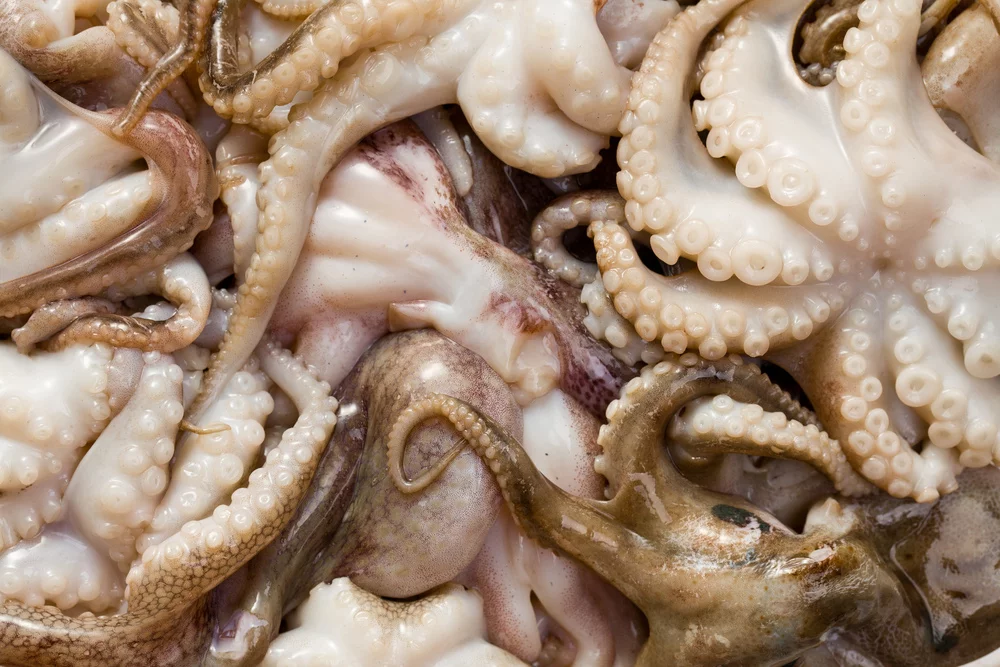
Webfoot Octopus (Jjukkumi)
Walk through any coastal market in Korea’s South Chungcheong Province come spring, and the air fills with the sharp, briny scent of freshly hauled jjukkumi (쭈꾸미)—webfoot octopus. Sizzling in gochujang-red sauce on cast-iron skillets, stacked in buckets at the fish market, and celebrated at festivals along the Seocheon and Boryeong coastlines, jjukkumi has quietly become one of Korea’s most beloved seafood ingredients. While it may share a resemblance with regular octopus, this small but mighty cephalopod brings a distinct personality to the table: tender, springy flesh, an extraordinary concentration of taurine, and an almost mythological reputation as a natural energy booster. Whether you’re a home cook curious about Korean seafood or a traveler planning a culinary adventure, this guide covers everything you need to know about Korean spicy octopus.
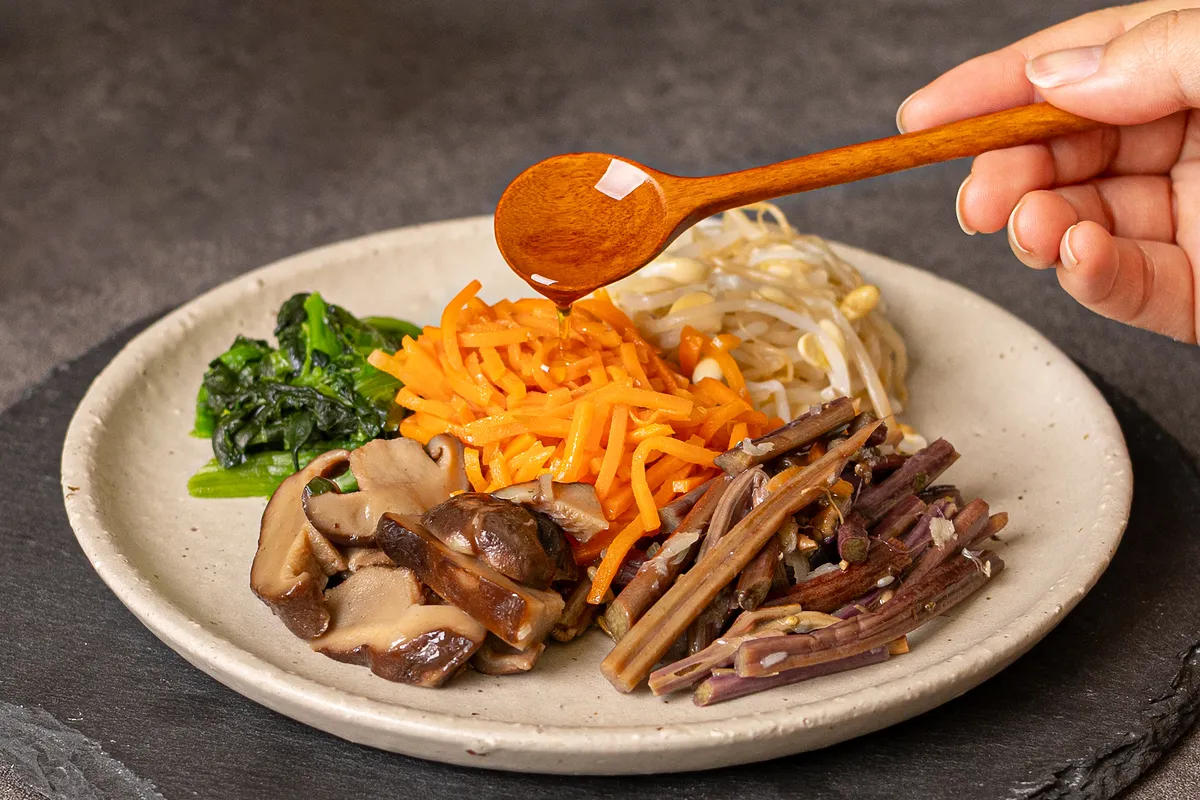
A Complete Guide to Korean Bibimbap Ingredients
Bibimbap (비빔밥) lands at the top of global recipe searches for good reason. Translating literally as "mixed rice," it is one of Korea’s most internationally loved dishes — a bowl of steamed rice topped with a precise arrangement of seasoned vegetables, protein, a fried or raw egg, and a spoonful of vivid red gochujang. But ask any Korean home cook and they’ll tell you the dish is really about its components: each Korean bibimbap ingredient is prepared separately, seasoned individually, and arranged with deliberate intention before the whole thing gets mixed at the table.
Understanding what goes into a proper bibimbap bowl — and why — is the difference between a flat, underwhelming version and one that genuinely delivers the layered texture, color, and flavor the dish is known for. This guide covers every core ingredient, how each is prepared, and why traditional Korean cooks have never deviated from this combination for centuries.
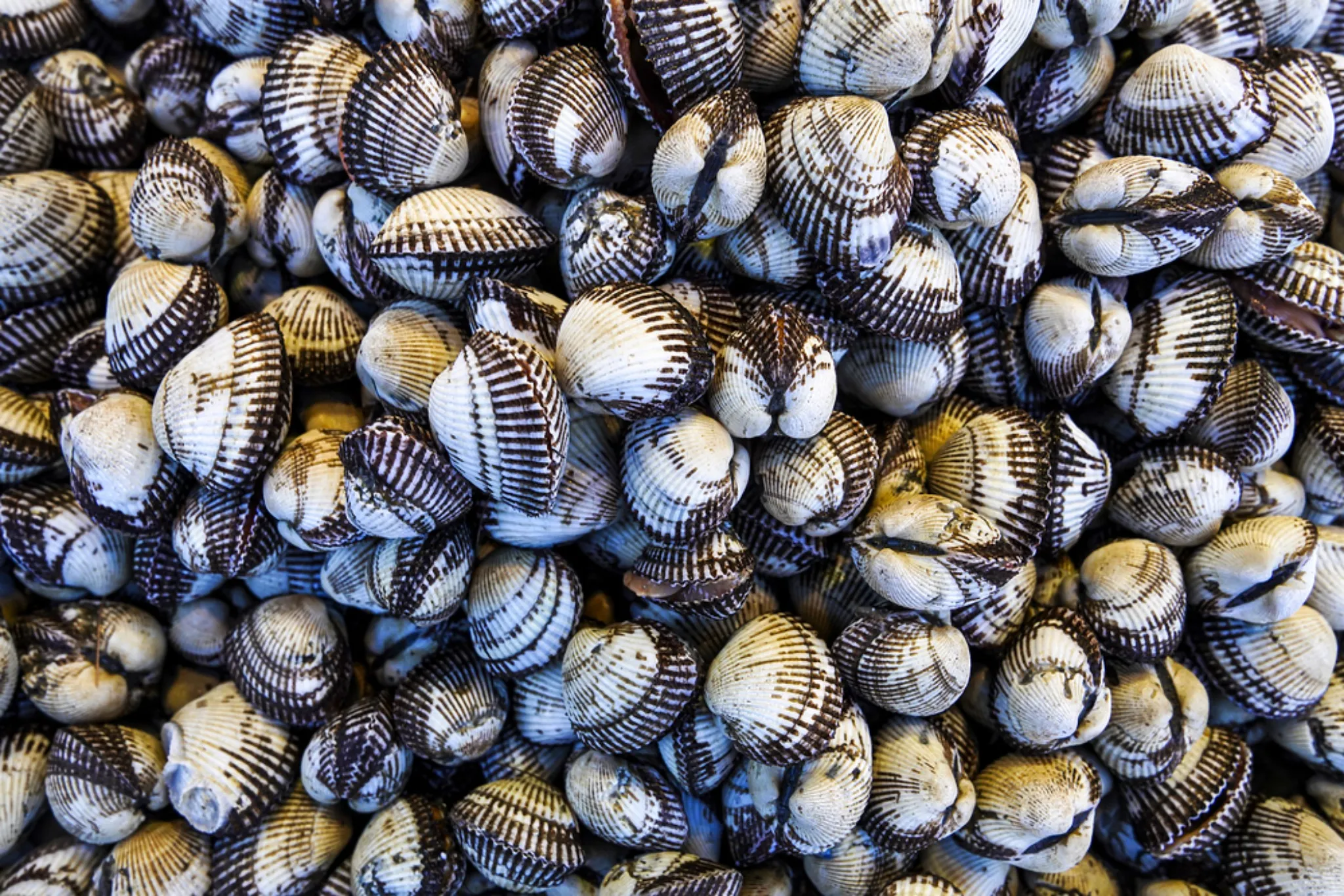
Ggomak (Korean cockle)
Few ingredients capture Korea’s coastal soul quite like ggomak (꼬막) — the small, ridged shellfish that appears on Korean tables every winter with an almost celebratory fanfare. Known in English as cockles and scientifically as Tegillarca granosa, these bivalves offer a flavor unlike any other: briny, mineral-rich, deeply savory, and unmistakably oceanic. Whether you’ve encountered them as a vibrant banchan at a Korean home meal or spotted ggomak bibimbap trending across Korean food channels, this ingredient has a story — and a flavor profile — worth knowing intimately.
Korean cockle dishes represent some of the most satisfying food Korean coastal cuisine has to offer. The combination of the chewy, firm meat with bold seasonings built around gochugaru, ganjang (Korean soy sauce), garlic, and sesame oil produces flavors that are hard to replicate with any other shellfish. This guide covers everything: ingredient types, preparation techniques, classic recipes, regional origins, and the nutritional science that makes ggomak genuinely good for you.