

 Ingredients
Explore Ingredients

Cherry
Cherries bring a perfect balance of natural sweetness and gentle tartness, making them a versatile and elegant ingredient in both drinks and cuisine. Their vibrant red color instantly enhances visual appeal, while their juicy texture adds depth and freshness to beverages, desserts, and savory dishes alike.

Orange
Orange brings natural sweetness and vibrant aroma to Korean fusion cuisine, especially in refreshing watermelon orange ade that blends traditional Korean fruit punch concepts with juicy citrus. This versatile ingredient enhances both sweet and savory dishes while providing essential nutrients.
Miyeok (Korean Seaweed)
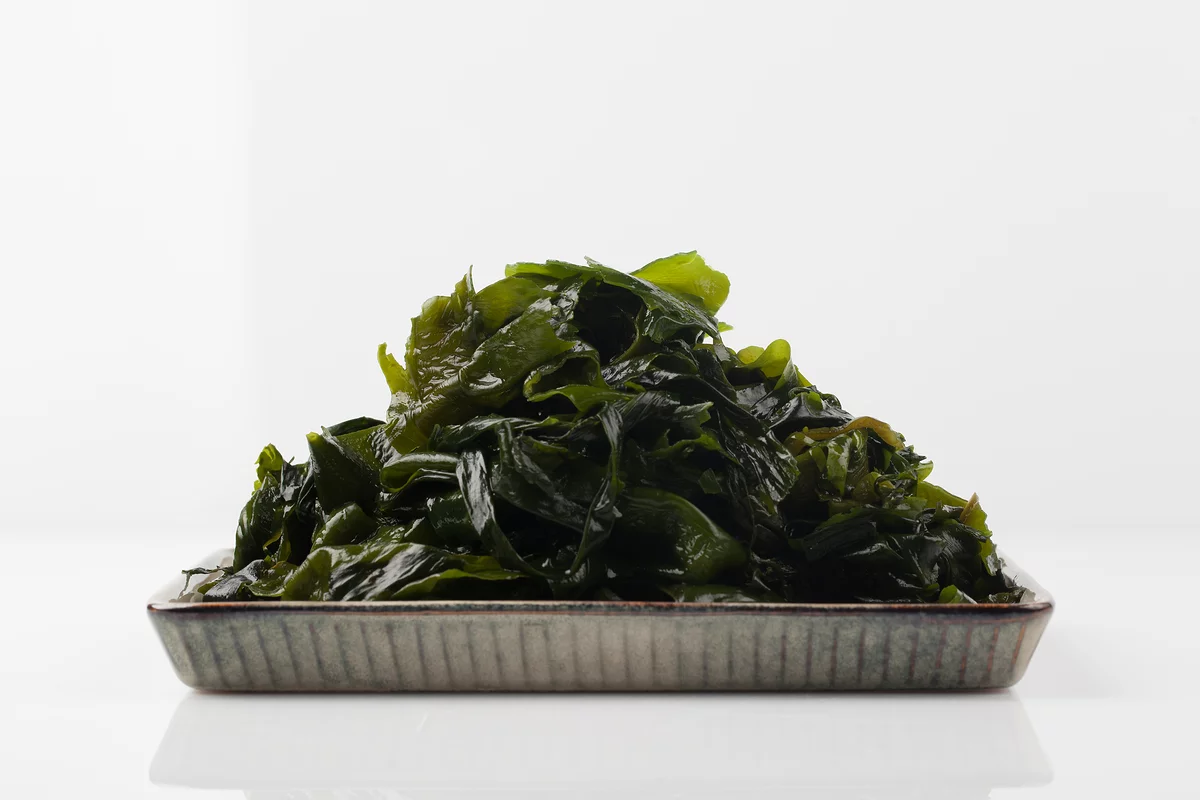
Miyeok (미역), known in English as Korean seaweed or wakame, stands as one of the most culturally significant and nutritionally valuable ingredients in Korean cuisine. This dark green to brown sea vegetable has been harvested from Korea’s coastal waters for centuries, playing a central role in both everyday meals and important life celebrations. Most notably featured in miyeokguk (seaweed soup), miyeok represents nourishment, maternal love, and renewal in Korean food culture.
Unlike the crispy roasted seaweed (gim) used for wrapping rice, miyeok has a distinctively soft, slippery texture when rehydrated and cooked. Its mild, slightly briny flavor absorbs the essence of broths beautifully, making it an incredibly versatile ingredient in Korean cooking. Whether you’re preparing traditional birthday soup, creating refreshing seaweed salads, or exploring contemporary Korean recipes, understanding miyeok opens the door to authentic Korean home cooking.
Ecklonia cava (Gamtae / Sea trumpet)
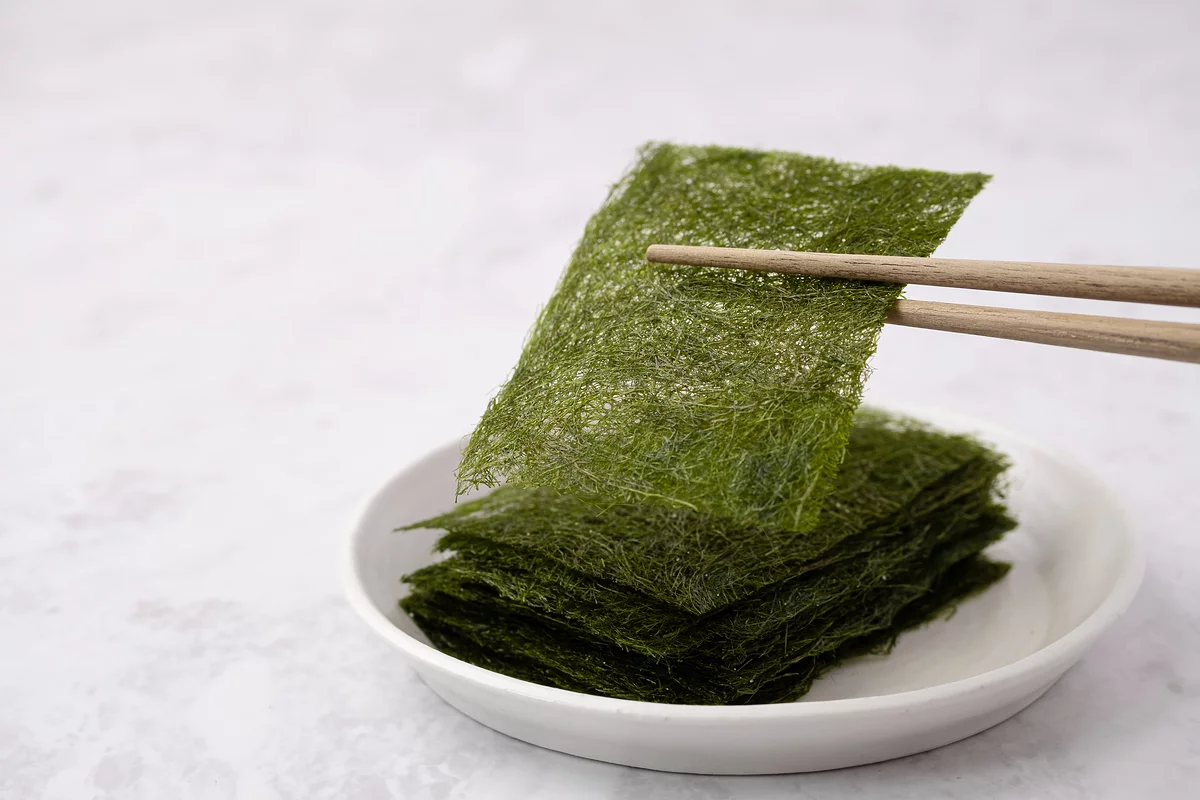
Ecklonia cava, or gamtae (감태), is a premium Korean brown seaweed harvested from Korea’s eastern and southern coastal waters, distinguished by its soft texture, natural sweetness, and deep ocean aroma that sets it apart from common seaweeds like gim. Prized for centuries as a seasonal delicacy, this remarkable marine ingredient offers exceptional nutritional benefits including unique marine polyphenols, powerful antioxidants, and dietary fiber, making it valuable in both traditional Korean coastal cuisine and modern fusion cooking. For those exploring Korean food culture, understanding Ecklonia cava provides insight into Korea’s sophisticated approach to marine ingredients, bridging ancient culinary wisdom with contemporary wellness trends through its distinctive flavor profile and impressive health-supporting properties.
Ginger
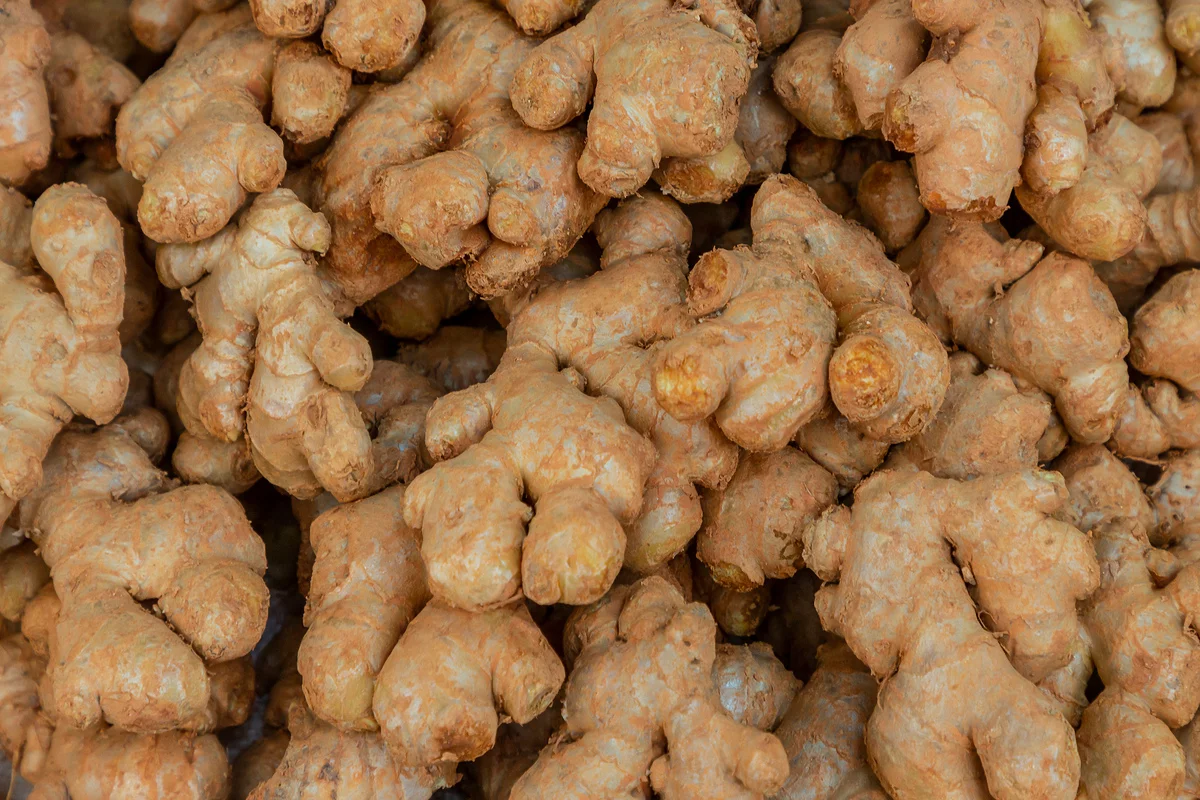
Ginger (생강, saenggang) is a cornerstone ingredient in Korean cuisine that serves dual purposes: as a powerful flavor enhancer and natural deodorizer. This knobby, aromatic root has shaped Korean culinary traditions for centuries, appearing in everything from comforting samgyetang to elegant galbijjim.
Mugwort
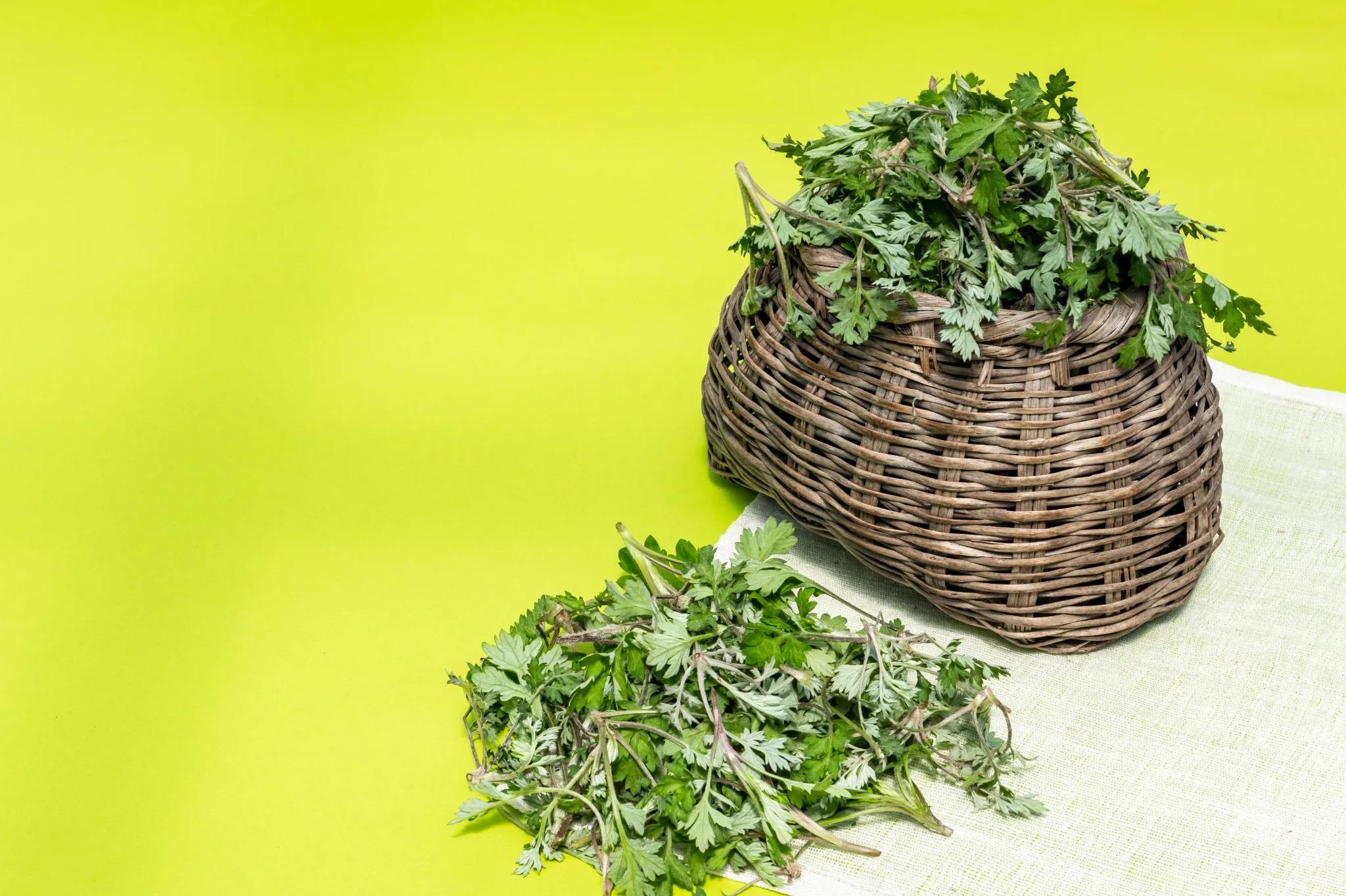
Every spring, Korean markets overflow with fresh mugwort (ssuk, 쑥)—the aromatic herb that has anchored Korean culinary tradition for over two millennia. What Westerners might dismiss as a roadside weed, Korean culture has elevated to essential ingredient status, weaving it into founding mythology, traditional medicine, and beloved dishes from spring soups to Chuseok rice cakes. This distinctive herb offers an earthy, slightly bitter, intensely aromatic flavor that cannot be replicated with substitutes, appearing in everything from ancient festival preparations to contemporary Seoul cafés serving mugwort lattes and artisanal desserts. For English-speaking home cooks exploring Korean cuisine, understanding mugwort means unlocking authentic spring flavors—this comprehensive guide reveals everything you need to know about selecting, storing, and cooking with this treasured Korean ingredient.
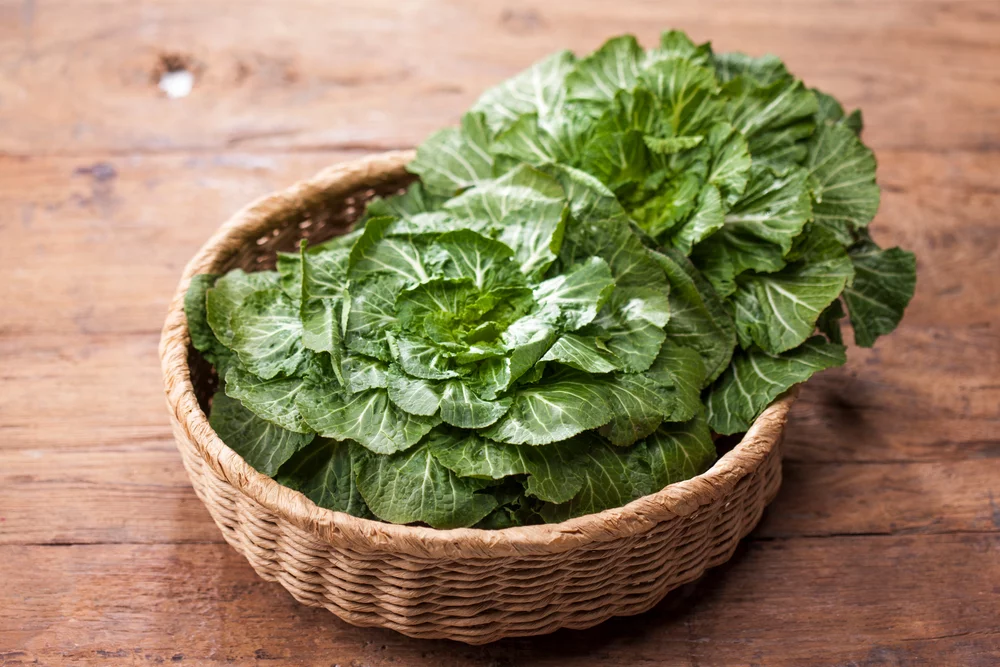
Spring Cabbage (Bomdong)
Spring cabbage, or bomdong (봄동) in Korean, is a highly anticipated seasonal vegetable that appears in Korean markets between late winter and early spring. Unlike regular napa cabbage, it grows with loose, delicate leaves and features a naturally sweet flavor and crisp texture.
For Korean home cooks, bomdong’s arrival signals the transition from winter’s heavy dishes to spring’s lighter, refreshing fare. This versatile green is prized for its ability to quickly absorb seasonings while maintaining its characteristic crunch, making it a cornerstone ingredient in Korean seasonal cooking. In particular, bomdong geotjeori (spring cabbage fresh kimchi) is one of the most beloved side dishes in Korean households during spring, as it can be prepared quickly and enjoyed immediately. Beyond geotjeori, it’s also commonly used in light soups, stir-fries, and as wraps for grilled meats.
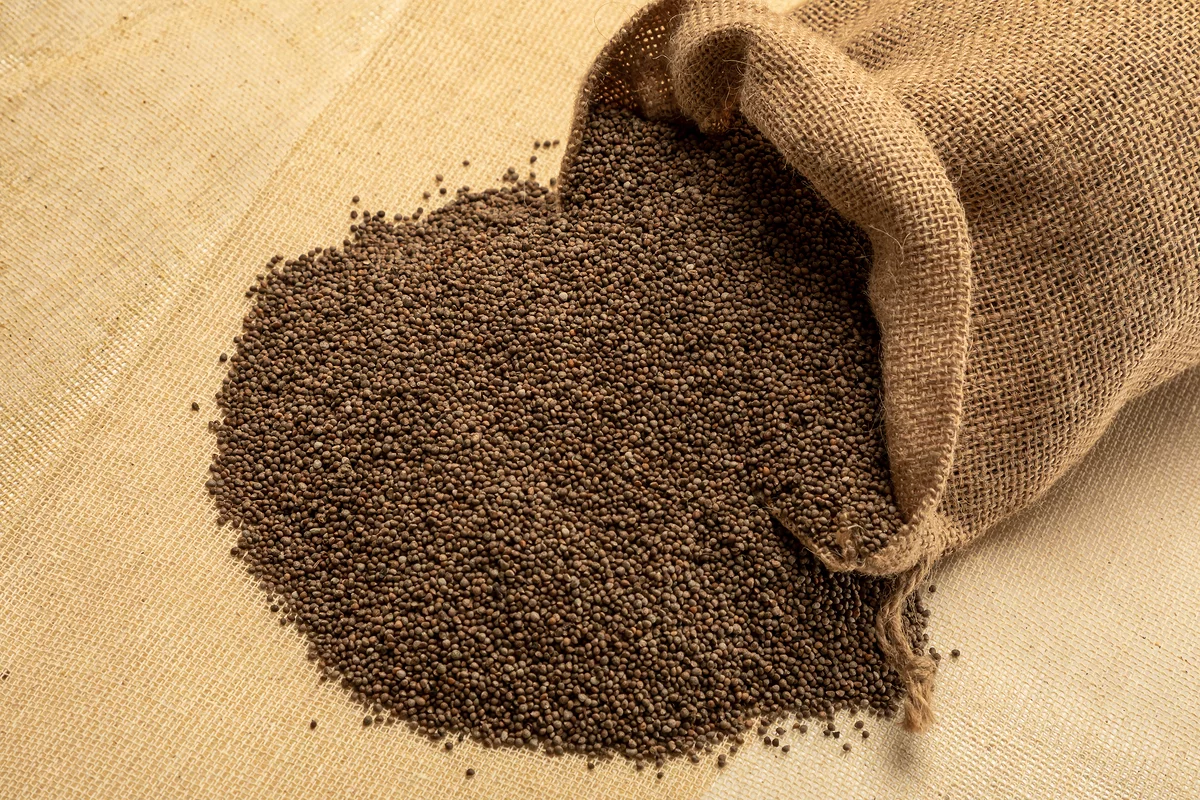
Perilla Seeds
Perilla seeds are one of Korea’s most distinctive traditional ingredients, known for their rich nutty aroma and high nutritional value. Ground perilla powder is used to enhance the creamy, savory depth of dishes like perilla sujebi, mushroom soups, vegetable sides, and traditional stews. When pressed into perilla oil, it becomes a signature finishing oil in Korean cuisine—especially in makguksu, bibim noodles, namul, and temple-style cooking. Packed with omega-3 fatty acids and antioxidants, perilla seeds are valued not only for flavor but also for their contribution to heart health and overall wellness.
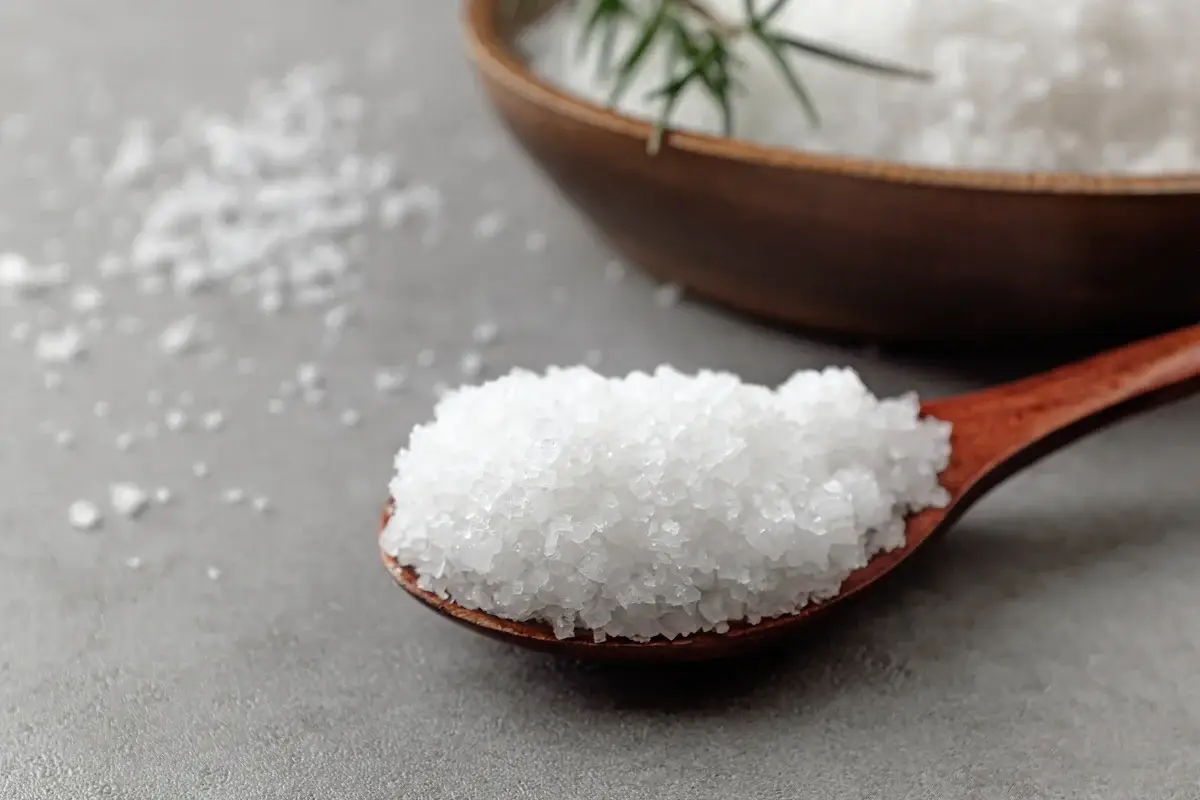
Korean Salt
Korean salt is an essential seasoning used in nearly every part of Korean cooking—from salting napa cabbage for kimchi to adjusting the final flavor of soups like seolleongtang, galbitang, and miyeok-guk. Coarse sea salt is especially valued for its mineral-rich profile, helping vegetables maintain crisp texture during salting and creating the ideal environment for fermentation in kimchi, doenjang, and gochujang. As a foundational ingredient in Korean kitchens, salt supports flavor development, preservation, and the balance of traditional Korean dishes.
Cherry
Cherries bring a perfect balance of natural sweetness and gentle tartness, making them a versatile and elegant ingredient in both drinks and cuisine. Their vibrant red color instantly enhances visual appeal, while their juicy texture adds depth and freshness to beverages, desserts, and savory dishes alike.
Orange
Orange brings natural sweetness and vibrant aroma to Korean fusion cuisine, especially in refreshing watermelon orange ade that blends traditional Korean fruit punch concepts with juicy citrus. This versatile ingredient enhances both sweet and savory dishes while providing essential nutrients.
Miyeok (Korean Seaweed)
Miyeok (미역), known in English as Korean seaweed or wakame, stands as one of the most culturally significant and nutritionally valuable ingredients in Korean cuisine. This dark green to brown sea vegetable has been harvested from Korea’s coastal waters for centuries, playing a central role in both everyday meals and important life celebrations. Most notably featured in miyeokguk (seaweed soup), miyeok represents nourishment, maternal love, and renewal in Korean food culture.
Unlike the crispy roasted seaweed (gim) used for wrapping rice, miyeok has a distinctively soft, slippery texture when rehydrated and cooked. Its mild, slightly briny flavor absorbs the essence of broths beautifully, making it an incredibly versatile ingredient in Korean cooking. Whether you’re preparing traditional birthday soup, creating refreshing seaweed salads, or exploring contemporary Korean recipes, understanding miyeok opens the door to authentic Korean home cooking.
Ecklonia cava (Gamtae / Sea trumpet)
Ecklonia cava, or gamtae (감태), is a premium Korean brown seaweed harvested from Korea’s eastern and southern coastal waters, distinguished by its soft texture, natural sweetness, and deep ocean aroma that sets it apart from common seaweeds like gim. Prized for centuries as a seasonal delicacy, this remarkable marine ingredient offers exceptional nutritional benefits including unique marine polyphenols, powerful antioxidants, and dietary fiber, making it valuable in both traditional Korean coastal cuisine and modern fusion cooking. For those exploring Korean food culture, understanding Ecklonia cava provides insight into Korea’s sophisticated approach to marine ingredients, bridging ancient culinary wisdom with contemporary wellness trends through its distinctive flavor profile and impressive health-supporting properties.
Ginger
Ginger (생강, saenggang) is a cornerstone ingredient in Korean cuisine that serves dual purposes: as a powerful flavor enhancer and natural deodorizer. This knobby, aromatic root has shaped Korean culinary traditions for centuries, appearing in everything from comforting samgyetang to elegant galbijjim.
Mugwort
Every spring, Korean markets overflow with fresh mugwort (ssuk, 쑥)—the aromatic herb that has anchored Korean culinary tradition for over two millennia. What Westerners might dismiss as a roadside weed, Korean culture has elevated to essential ingredient status, weaving it into founding mythology, traditional medicine, and beloved dishes from spring soups to Chuseok rice cakes. This distinctive herb offers an earthy, slightly bitter, intensely aromatic flavor that cannot be replicated with substitutes, appearing in everything from ancient festival preparations to contemporary Seoul cafés serving mugwort lattes and artisanal desserts. For English-speaking home cooks exploring Korean cuisine, understanding mugwort means unlocking authentic spring flavors—this comprehensive guide reveals everything you need to know about selecting, storing, and cooking with this treasured Korean ingredient.
Spring Cabbage (Bomdong)
Spring cabbage, or bomdong (봄동) in Korean, is a highly anticipated seasonal vegetable that appears in Korean markets between late winter and early spring. Unlike regular napa cabbage, it grows with loose, delicate leaves and features a naturally sweet flavor and crisp texture.
For Korean home cooks, bomdong’s arrival signals the transition from winter’s heavy dishes to spring’s lighter, refreshing fare. This versatile green is prized for its ability to quickly absorb seasonings while maintaining its characteristic crunch, making it a cornerstone ingredient in Korean seasonal cooking. In particular, bomdong geotjeori (spring cabbage fresh kimchi) is one of the most beloved side dishes in Korean households during spring, as it can be prepared quickly and enjoyed immediately. Beyond geotjeori, it’s also commonly used in light soups, stir-fries, and as wraps for grilled meats.
Perilla Seeds
Perilla seeds are one of Korea’s most distinctive traditional ingredients, known for their rich nutty aroma and high nutritional value. Ground perilla powder is used to enhance the creamy, savory depth of dishes like perilla sujebi, mushroom soups, vegetable sides, and traditional stews. When pressed into perilla oil, it becomes a signature finishing oil in Korean cuisine—especially in makguksu, bibim noodles, namul, and temple-style cooking. Packed with omega-3 fatty acids and antioxidants, perilla seeds are valued not only for flavor but also for their contribution to heart health and overall wellness.
Korean Salt
Korean salt is an essential seasoning used in nearly every part of Korean cooking—from salting napa cabbage for kimchi to adjusting the final flavor of soups like seolleongtang, galbitang, and miyeok-guk. Coarse sea salt is especially valued for its mineral-rich profile, helping vegetables maintain crisp texture during salting and creating the ideal environment for fermentation in kimchi, doenjang, and gochujang. As a foundational ingredient in Korean kitchens, salt supports flavor development, preservation, and the balance of traditional Korean dishes.