


The sizzle of butter hitting a hot griddle, the golden crust forming on thick white bread, and the sweet aroma of caramelized sugar drifting through a bustling market corridor — this is the sensory greeting that has drawn visitors to one particular stall in Gwangjang Market for over four decades. Gwangjang Toast, officially located at Dongbu B Stall No. 24, is among the most beloved Korean street food destinations inside Seoul’s oldest traditional market. Comparable to a grilled cheese sandwich in concept but entirely Korean in execution, this humble egg toast delivers a sweet-savory flavor combination that catches many first-time visitors off guard — and keeps them coming back.
Unlike the elaborate Korean BBQ spreads or colorful bibimbap bowls that often dominate Korean food tourism, Gwangjang Toast represents something more intimate: a breakfast tradition rooted in post-war Korea, when Western-style bread became widely available and street vendors adapted the sandwich to Korean taste preferences. The result is a uniquely Korean creation — buttery, sweet, eggy, and unapologetically simple.
Gwangjang Toast: The Korean Street Food Icon at Seoul's Oldest Market
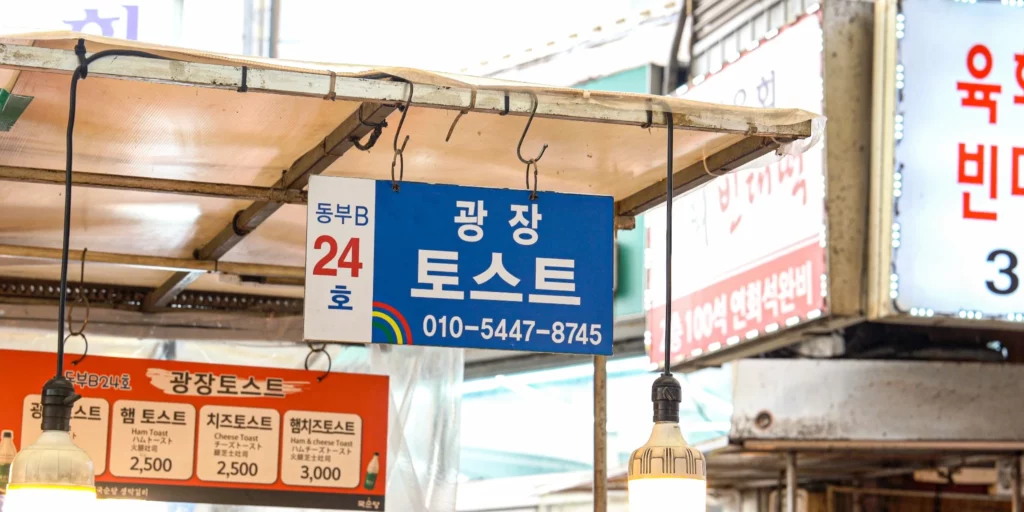
Jongno-gu, Seoul Dongbu B Stall No. 24, Gwangjang Market, 88 Changgyeonggung-ro
Editor: James Lee


Overview
Introduction
Operating hours
Menu
Editor's Detail
Table of Contents
- Why Gwangjang Market Is the Perfect Setting for Korean Street Toast
- The 40-Year Legacy of Gwangjang Toast (Dongbu B, Stall No. 24)
- What’s on the Menu at Gwangjang Toast
- What Makes Korean Street Toast Uniquely Korean?
- What Are the Key Ingredients That Create This Flavor?
- How Would You Describe the Taste and Spice Level?
- What Should First-Time Eaters Know?
- Drinks and Pairings: The Nostalgia Factor
- How to Get to Gwangjang Toast
- Tips for Visiting Gwangjang Toast
- Final Thoughts
Why Gwangjang Market Is the Perfect Setting for Korean Street Toast
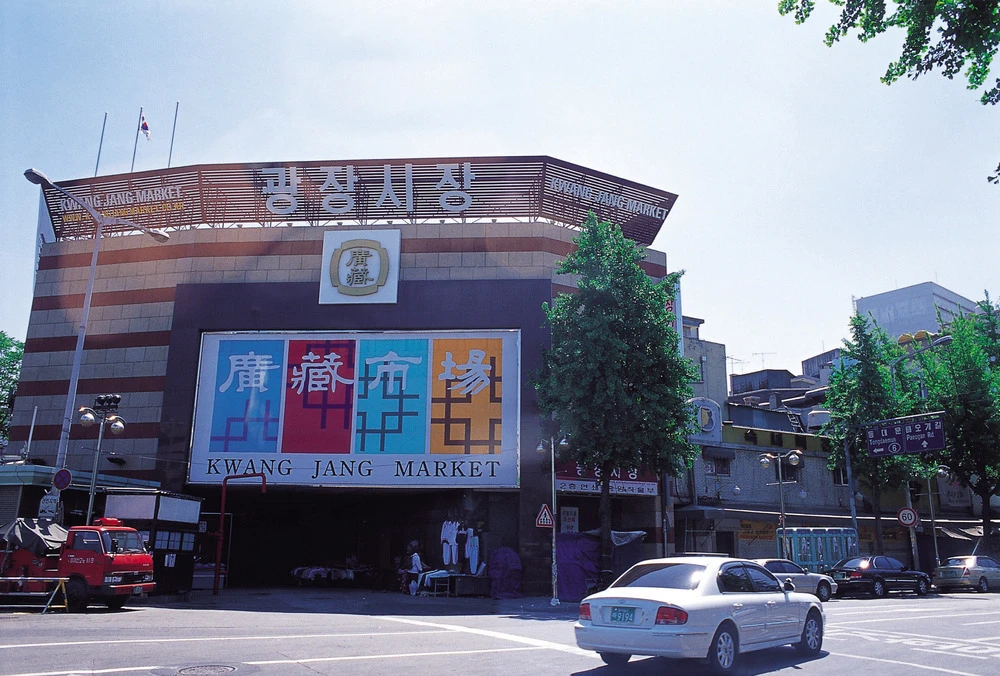
Gwangjang Market (광장시장) holds the distinction of being South Korea’s first permanent marketplace, established in 1905 during the Japanese colonial period when Korean investors created an independent market after losing control of Namdaemun Market. More than a century later, the market remains one of Seoul’s most vibrant culinary destinations, with over 5,000 shops packed into 42,000 square meters and roughly 65,000 daily visitors passing through its corridors.
What makes Gwangjang Market different from other Seoul food destinations is its authenticity. Despite gaining international fame through Netflix’s Street Food: Asia series, the market has not transformed into a tourist-only zone. Visit during a weekday lunch hour and the scene is unmistakable — office workers grabbing quick bindaetteok (mung bean pancakes), grandmothers shopping for kimchi, and tourists navigating the narrow aisles shoulder to shoulder with locals. It is within this living, breathing atmosphere that Gwangjang Toast has thrived for more than 40 years.
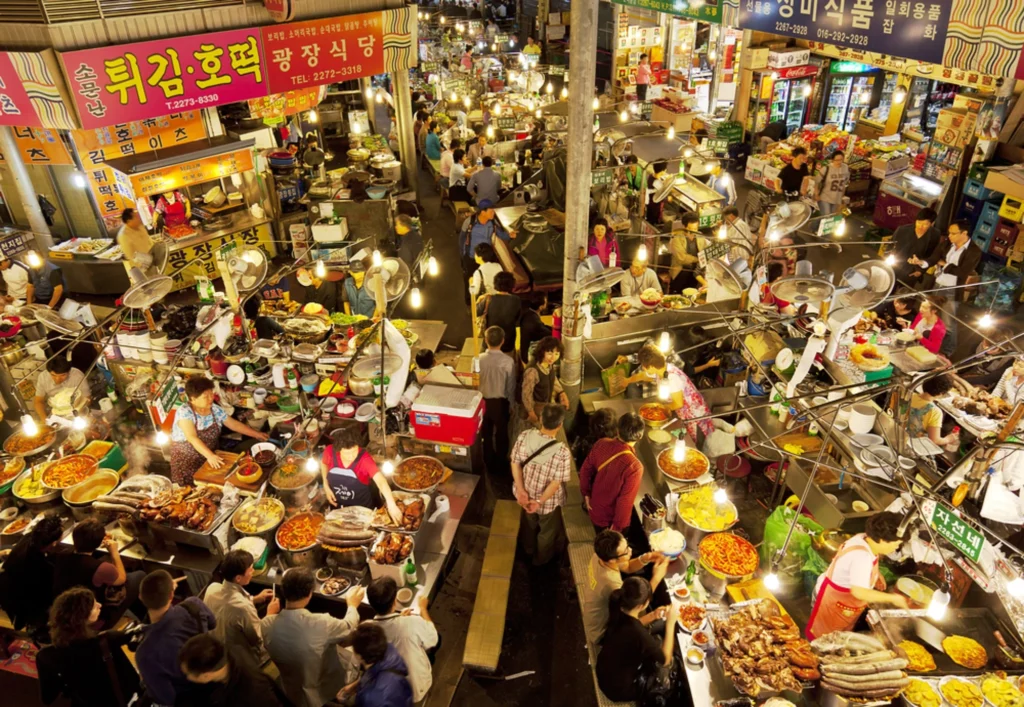
The market’s food alleys offer everything from spicy tteokbokki and fresh yukhoe (Korean beef tartare) to hot, crispy hotteok and mayak gimbap (the famously addictive mini rice rolls). Among all of these, the unassuming toast stall at Dongbu B No. 24 stands as a quiet testament to the power of simplicity in Korean street food culture.
The 40-Year Legacy of Gwangjang Toast (Dongbu B, Stall No. 24)
Korean street toast, known as gilgeori toast (길거리 토스트), became popular in the post-Korean War era as Western-style bread became accessible across the country. Street vendors adapted the concept of a simple sandwich to Korean palates, incorporating eggs, sugar, ketchup, and butter — ingredients that were affordable and universally appealing. Over the decades, gilgeori toast evolved into a beloved breakfast staple sold from carts and small stalls outside subway stations, school gates, and market corridors nationwide.
Gwangjang Toast at Dongbu B Stall No. 24 has been part of this tradition for over four decades, operating from the same location inside the market. The stall has become a Gwangjang Market institution, regularly featured on Korean television programs and mukbang YouTube channels. Its longevity speaks volumes — in a market where competition for foot traffic is fierce and vendors must earn repeat customers daily, surviving 40-plus years in one spot requires both consistent quality and genuine value.
The stall is modest by any standard: a small griddle, a stack of thick-sliced white bread, a carton of eggs, and a handful of other ingredients. There are no complicated techniques or secret recipes here. What has kept this Korean street food vendor going is the execution — perfectly golden bread, a well-timed flip of the egg, and a generous hand with butter and sugar.
What’s on the Menu at Gwangjang Toast
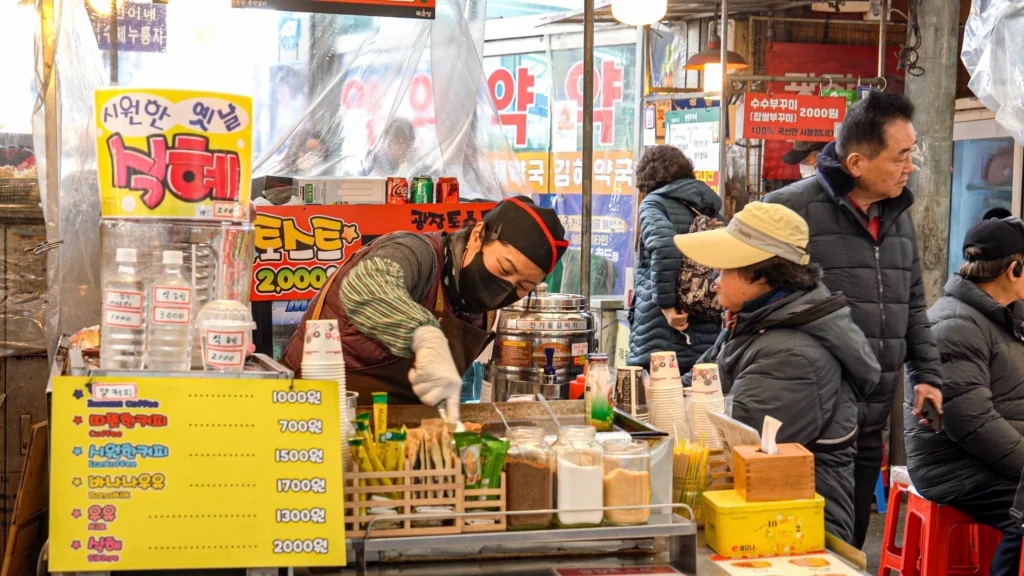
The menu is refreshingly compact, and prices remain remarkably affordable — a rarity in central Seoul:
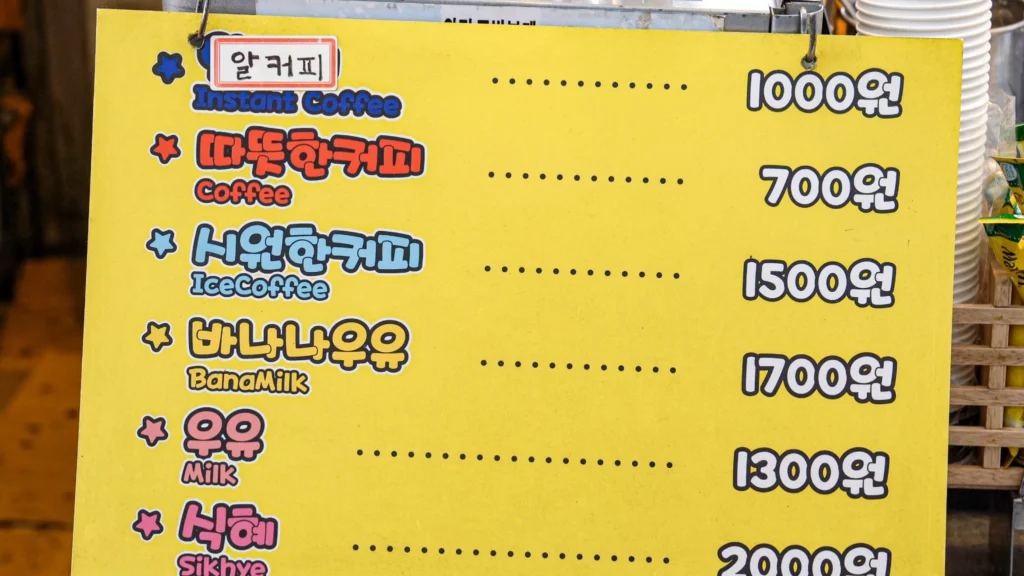
Menu ItemPrice (KRW)
Gwangjang Toast (Basic Egg Toast)
₩2,000
Ham Toast
₩2,500
Cheese Toast
₩2,500
Ham & Cheese Toast
₩3,000
Hot Coffee
₩700
Iced Coffee
₩1,500
Banana Milk
₩1,700
Milk
₩1,300
Sikhye (Sweet Rice Drink)
₩2,000
The ham and cheese toast is the most popular order. Melted cheese melds with the sweetness of sugar, creating the signature "danzzhan" (단짠) — the sweet-salty flavor combination that Koreans find irresistible. The basic egg toast, at just ₩2,000 (roughly $1.50 USD), offers arguably the best value snack in all of Gwangjang Market.
What Makes Korean Street Toast Uniquely Korean?
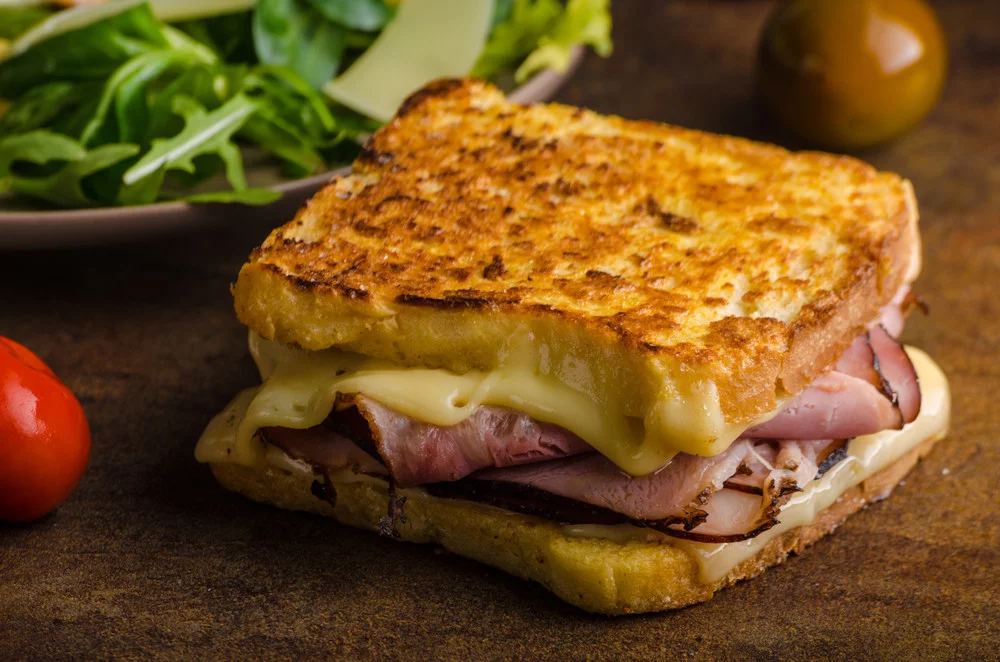
Korean gilgeori toast might look like a simple grilled sandwich, but it differs fundamentally from its Western counterparts in philosophy and flavor balance. Where a classic American grilled cheese focuses on savory richness, Korean street toast deliberately introduces sweetness as a primary flavor element.
The tradition traces back to the economic realities of post-war Korea, when affordable ingredients — bread, eggs, sugar, ketchup — were combined into a filling, portable meal for workers and students. Over time, this practical creation became embedded in Korean food culture as nostalgic comfort food. Many Koreans associate gilgeori toast with childhood memories of buying it from street carts on the way to school.
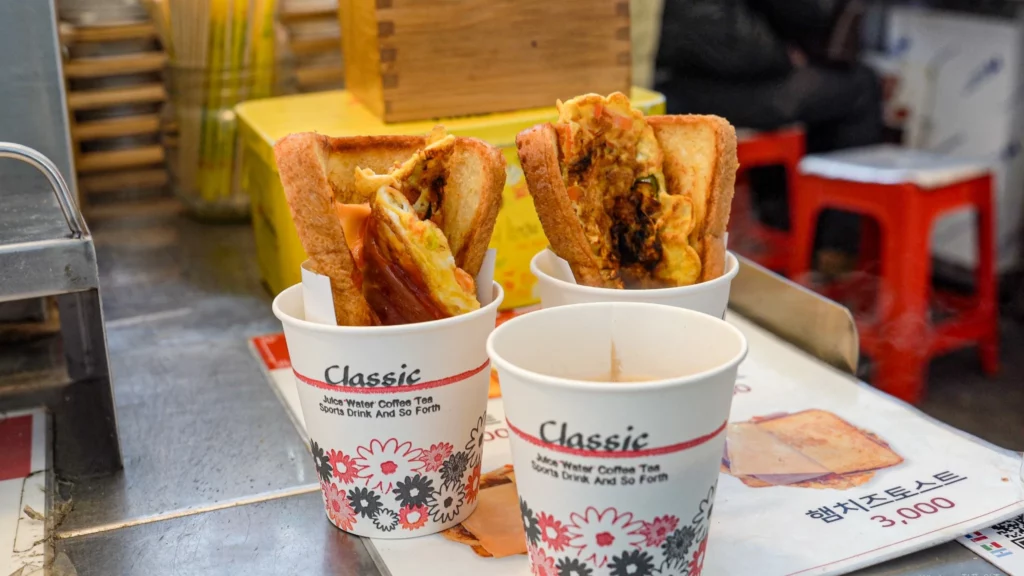
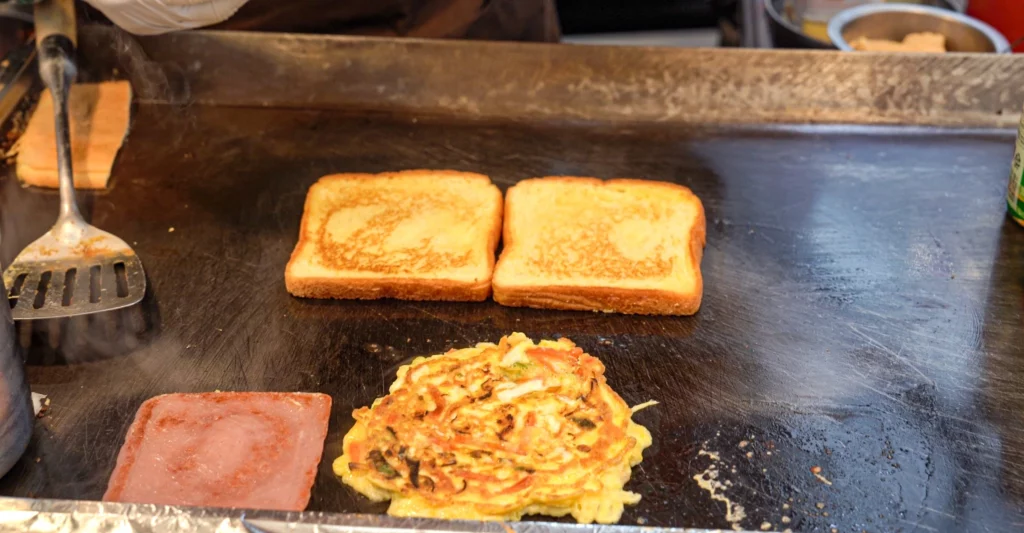
At Gwangjang Toast, the preparation follows the classic method: thick-cut white bread (a soft milk bread known as uyusikppang or 우유식빵) is griddled in generous butter until the surface becomes golden and slightly caramelized. A thin egg omelet is cooked alongside it, then layered with ham and cheese if ordered. The signature touch is a sprinkle of sugar directly onto the warm egg and a drizzle of ketchup before the sandwich is pressed together and sliced diagonally.
This combination of butter, sugar, egg, and ketchup is what makes Korean street toast distinctly Korean — a deliberate sweet-savory balance that reflects the broader Korean culinary preference for contrasting flavor profiles present throughout the cuisine, from fermented kimchi paired with plain rice to spicy gochujang balanced with sesame oil.
What Are the Key Ingredients That Create This Flavor?
Three ingredients define the Gwangjang Toast experience:
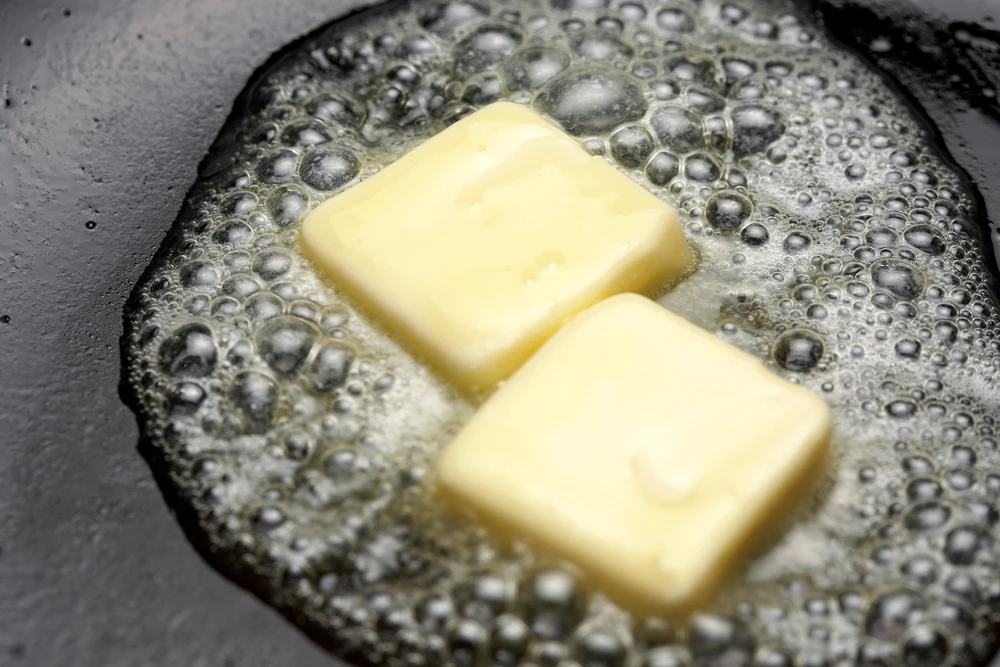
- Butter (버터): The bread is pan-fried in a generous amount of butter, not margarine or oil. This produces the golden, slightly crispy exterior and rich aroma that draws visitors to the stall. Butter also provides the foundational richness that supports the sweeter elements of the sandwich.

- Sugar (설탕): A sprinkling of white sugar is applied directly to the warm egg or inner bread surface. This is the ingredient that surprises most Western visitors — sugar on an egg sandwich feels counterintuitive, but it is the key to creating the addictive sweet-salty interplay (danzzhan, 단짠) that defines Korean street toast. The sugar partially caramelizes against the warm surface, adding both sweetness and a subtle textural crunch.
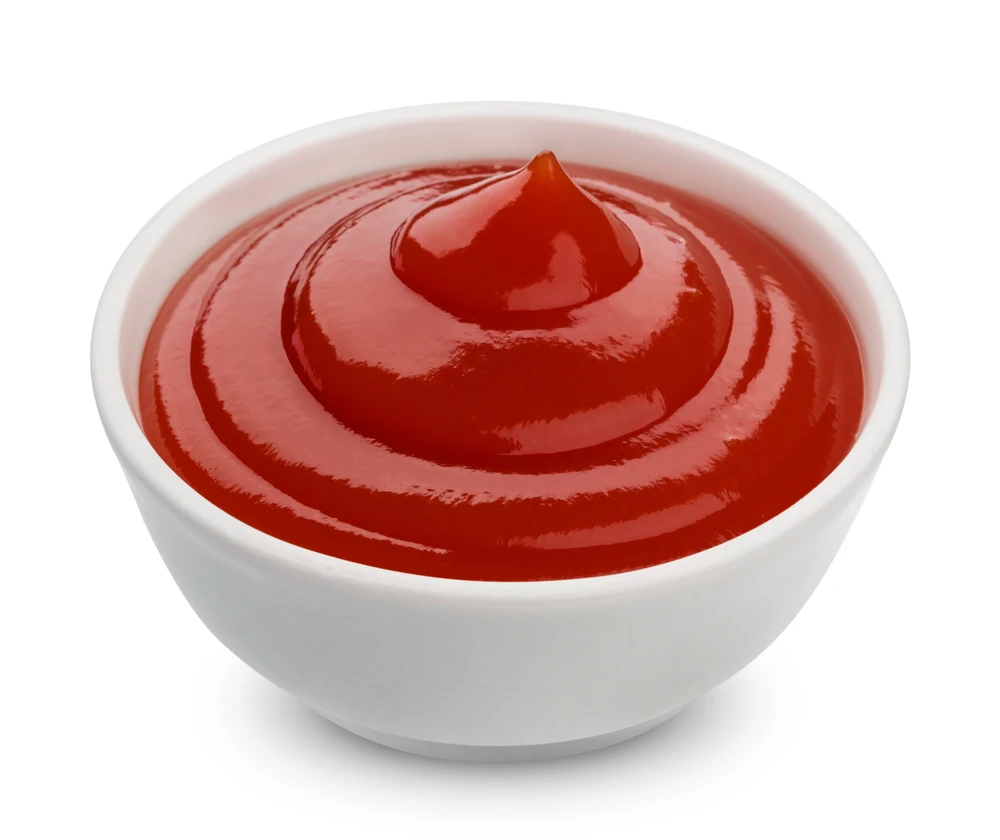
- Ketchup (케찹): A generous drizzle of ketchup adds tangy sweetness that bridges the savory egg and ham with the sugar’s sweetness. In Korean street food tradition, ketchup functions less as a condiment and more as an integral flavor layer — its acidity and tomato sweetness are essential to the overall balance.
These three ingredients, combined with a simple fried egg, ham, and cheese, create a flavor profile that is simultaneously familiar and unexpected. The sandwich is not spicy at all — there is no gochujang or gochugaru involved — making it one of the most approachable entry points into Korean street food for international visitors.
How Would You Describe the Taste and Spice Level?
Spice level: 0 out of 10. Gwangjang Toast contains absolutely no chili or spicy elements, making it one of the safest choices at Gwangjang Market for those sensitive to heat.
The primary flavor notes are buttery, sweet, and savory, with a tangy undertone from the ketchup. The texture offers a satisfying contrast: the bread’s exterior is golden and lightly crispy from the butter, while the interior remains soft and pillowy. The egg provides a mild savory foundation, and if you order the ham and cheese version, the melted cheese adds a creamy, gooey element that ties everything together.
The overall experience is warm and comforting — many visitors describe it as nostalgic, even on a first taste. The temperature when served is hot, as each sandwich is prepared fresh to order on the griddle. The sweetness may be the most notable characteristic for first-time visitors; it is present but not overwhelming, more like the subtle sweetness of French toast than a dessert.
What Should First-Time Eaters Know?
Ordering is straightforward. Point to the menu board or simply say the item name. The vendor prepares each sandwich fresh on the griddle in front of you, typically taking 3 to 5 minutes. Payment is usually cash, though some market vendors have begun accepting card payments — carrying small bills is still recommended.
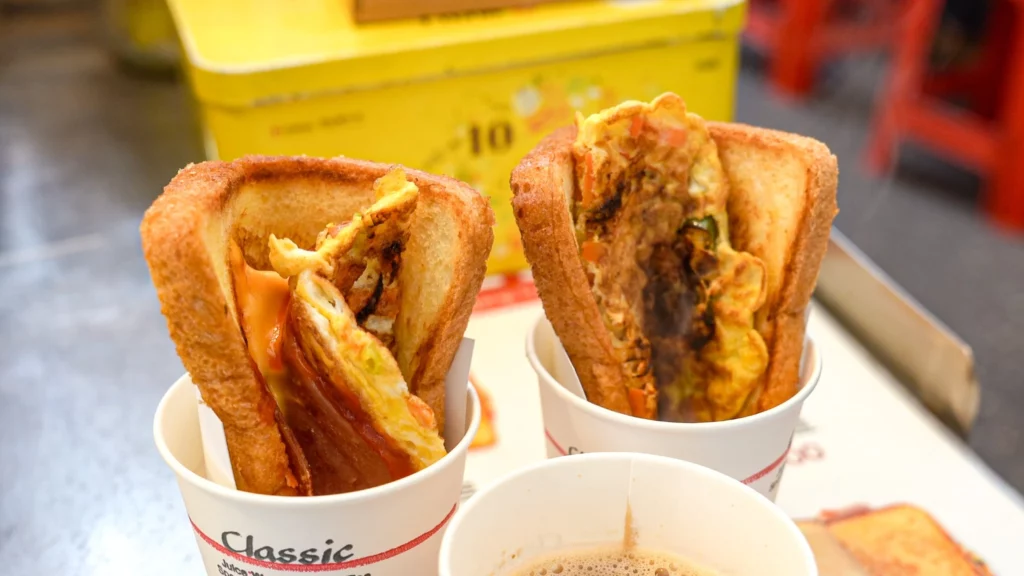
Eat it immediately. Like all gilgeori toast, the sandwich is best consumed hot, when the butter is still fragrant, the cheese is melted, and the bread retains its crisp exterior. Within minutes of cooling, the texture changes significantly.
The proper eating method is simple: the sandwich is cut diagonally and often wrapped in a paper sleeve or placed in a small paper tray. Eat it standing or seated on the small market stools nearby. There are no special utensils required — this is handheld Korean street food at its most accessible.
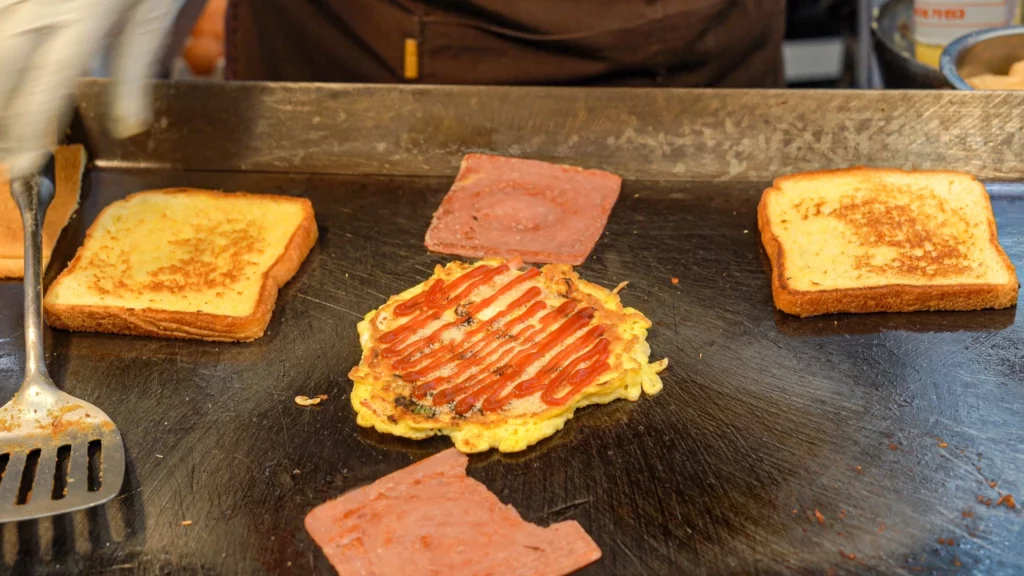
For foreign diners, the biggest adjustment is typically the sweetness. If you are accustomed to purely savory breakfast sandwiches, the combination of sugar and ketchup on an egg toast may feel unusual at first. Give it a few bites — the balance reveals itself quickly, and most visitors find the flavor combination surprisingly addictive.
Common accompaniments include the stall’s drinks, which lean heavily into Korean nostalgia: hot coffee, banana milk (바나나우유), and sikhye (식혜), a traditional Korean sweet rice drink made from fermented malt and rice. These beverages are part of the experience, evoking a retro Korean feel that many customers — Korean and international alike — find charming.
Drinks and Pairings: The Nostalgia Factor
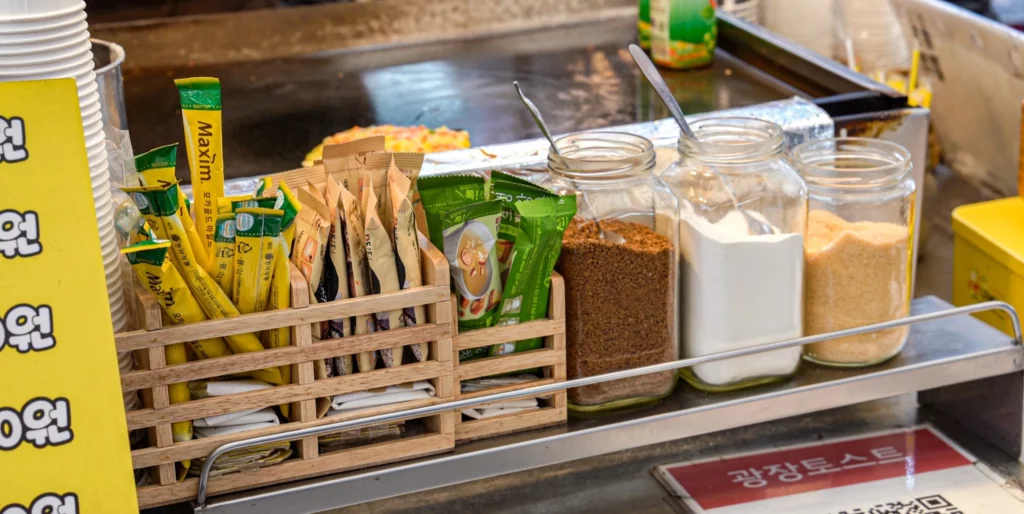
Part of what sets Gwangjang Toast apart from other Korean street food toast vendors is its drink menu, which reads like a time capsule from 1990s Korea. Banana milk — the iconic yellow-packaged drink that has been a Korean convenience store staple for decades — pairs surprisingly well with the buttery sweetness of the toast. Hot coffee at ₩700 is likely the cheapest cup of coffee you will find anywhere in central Seoul.
Sikhye (식혜), the traditional sweet rice punch, is a particularly fitting pairing. This mildly sweet, refreshing drink made from malt-fermented rice has been consumed in Korea for centuries and is traditionally served at the end of meals to aid digestion. At Gwangjang Toast, ordering sikhye alongside your sandwich connects two distinct Korean food traditions — one modern street food, one ancient beverage — in a single, affordable sitting.
How to Get to Gwangjang Toast
Address: Dongbu B Stall No. 24, Gwangjang Market, 88 Changgyeonggung-ro, Jongno-gu, Seoul
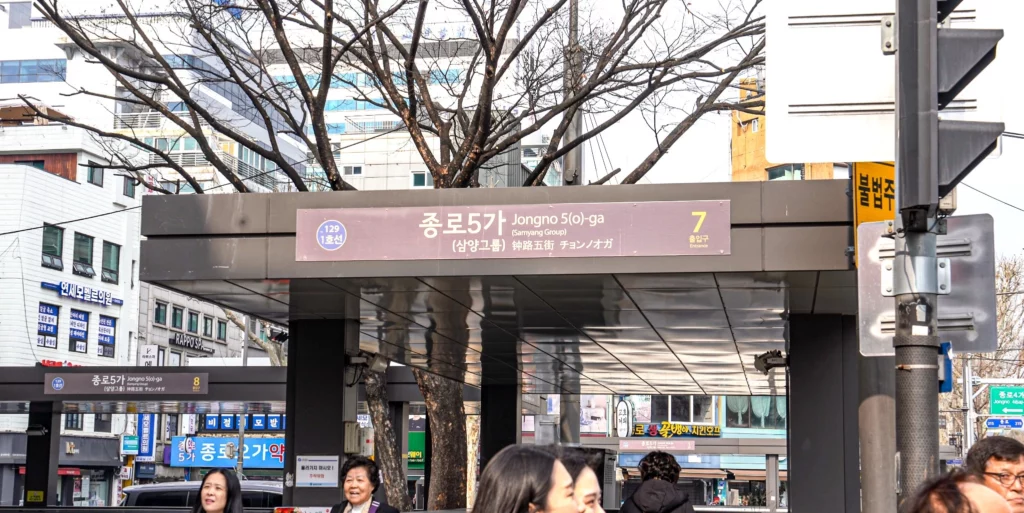
Nearest Subway Station: Jongno 5-ga Station (종로5가역), Seoul Metro Line 1. Take Exit 7 or Exit 8 and walk approximately 2 to 3 minutes to the market entrance. Alternatively, Euljiro 4-ga Station (을지로4가역), Lines 2 and 5, Exit 4 is also within short walking distance.
Operating Hours: Approximately 9:00 AM to 8:00 PM (closed Sundays). Hours may vary, and it is advisable to visit earlier in the day for the freshest experience and shorter waits.
Once inside the market, navigating to the Dongbu B section requires following signage or asking vendors for directions. The toast stall is located within the food alley area and can be identified by its small griddle setup and the aroma of butter and toasting bread.
Tips for Visiting Gwangjang Toast
Best time to visit: Weekday mornings offer the shortest lines and a more relaxed atmosphere. Weekend afternoons can be crowded, particularly since Gwangjang Market draws heavy foot traffic from both Korean and international visitors.
Bring cash. While the market is modernizing, many stalls — including smaller food vendors — still prefer cash payment. Small denominations (₩1,000 and ₩5,000 bills) are ideal.
Combine your visit with other Gwangjang Market specialties. The market is home to dozens of legendary vendors, and the toast stall makes an ideal breakfast or snack stop before exploring bindaetteok, yukhoe, or the famous Myeongdong-style toast experience at other Seoul locations. For a deeper understanding of Korean fermented condiments often found at market food stalls, the gochujang and ssamjang guide offers essential context.
Check for closures. The stall is closed on Sundays, and hours may shift during public holidays or extreme weather. Gwangjang Market overall operates daily, but individual vendor schedules vary.
Final Thoughts
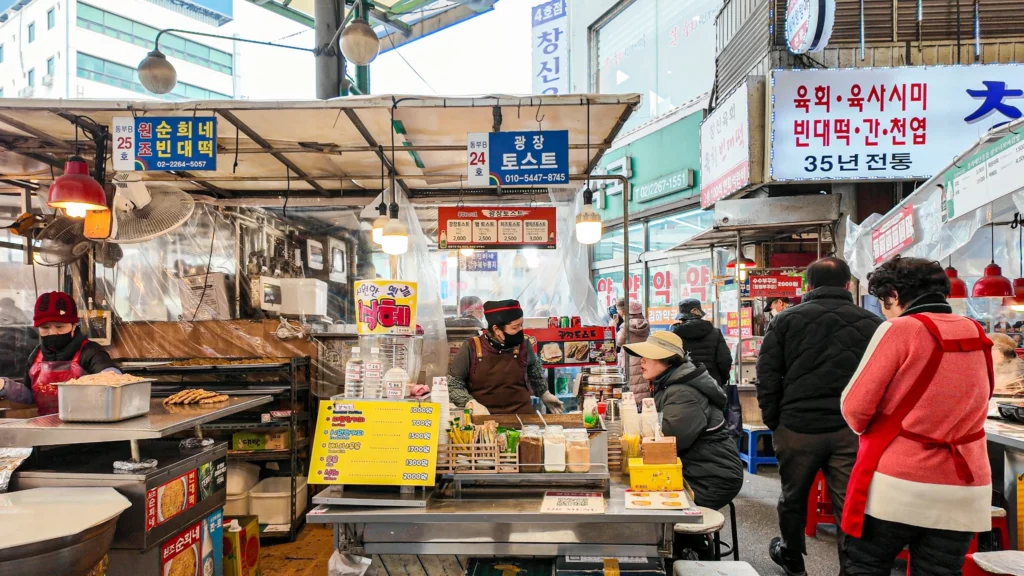
Gwangjang Toast at Dongbu B Stall No. 24 represents something essential about Korean street food culture — the belief that extraordinary flavor does not require extraordinary ingredients. Butter, bread, egg, sugar, and ketchup. That is the entire foundation of a sandwich that has sustained a vendor for over 40 years in one of Asia’s most competitive food markets.
For visitors exploring Korean cuisine, this stall offers an approachable and affordable introduction. There is no spice barrier, no unfamiliar fermented flavor to navigate, and no complicated ordering process. Just a hot, buttery, sweet-savory sandwich handed to you in a paper sleeve while the sounds and smells of Gwangjang Market’s century-old food alleys swirl around you.
Planning to experience Korean street food in Seoul? Gwangjang Toast is a perfect starting point — grab one early in the morning, pair it with a banana milk or sikhye, and let the market guide your appetite from there. Share this guide with friends planning a Seoul food tour, and leave a comment below if you have visited this iconic stall.
Have you tried Korean street toast before? What was your first impression of the sweet-savory combination?
Location
Reviews
5.0
0 reviews
Related Recipes

Japchae Hotteok
If you’ve ever bitten into a golden, gooey sweet hotteok at a Korean winter market, prepare to have your world...

Lobster Ramen
Lobster Ramen is a luxurious twist on Korea’s beloved instant noodle culture. The deep umami from fresh lobster combines beautifully...

Spicy Tteokbokki
Spicy tteokbokki is more than just a street snack — it’s a bold, comforting taste of Korean culture. This guide...

Shinsegae Tteokbokki: Myeongdong's 45-Year Garlic Bunsik
Jung-gu, Seoul 10, Myeongdong 9-gil,

Samdeok Burger: Anyang's Best ₩4,000 Korean Retro Bulgogi Burger
Gyeonggi-do, South Korea 196 Namsan-ro, Manan-gu, Anyang-si

Wonjosunhui: Seoul's Best Bindaetteok at Gwangjang Market
Seoul, Jongno-gu Jongno 32-gil 5, South Korea

Gabose Bibimbap: Seoul's Gwangjang Market Barley Bowl
Jongno-gu, Seoul, South Korea Stall A22, 395-5 Jongno 1·2·3·4-ga-dong