


The moment you step inside Gwangjang Market’s legendary food alley, the senses take over. The golden-brown discs lined up along the hot griddle, the rhythmic scraping of spatulas, the faint hiss of batter meeting oil — it’s a scene that has played out in this market for generations. At the center of it, drawing lines that snake past neighboring stalls, is Wonjosunhui Bindaetteok (원조순희네빈대떡): one of Seoul’s most celebrated vendors of Korean bindaetteok, the savory mung bean pancake that locals consider the soul of this market.
For over 30 years, this family-run stall has committed to a single, uncompromising product. No franchise, no shortcuts, and no added fillers. The result is a pancake that veteran Seoul food critics and first-time international visitors agree on — and that’s a rare thing.
Wonjosunhui: Seoul's Best Bindaetteok at Gwangjang Market
Seoul, Jongno-gu Jongno 32-gil 5, South Korea
Editor: James Lee


Overview
Introduction
Operating hours
Menu
Editor's Detail
Table of Contents
- What Is Bindaetteok? Korea’s Ancient Mung Bean Pancake
- The Story Behind Wonjosunhui Bindaetteok
- What to Order at Wonjosunhui
- Bindaetteok FAQ: Everything First-Timers Need to Know
- The Classic Pairing: Bindaetteok and Makgeolli
- How to Visit Wonjosunhui: Practical Tips
- Beyond the Pancake: Making the Most of Gwangjang Market
What Is Bindaetteok? Korea’s Ancient Mung Bean Pancake
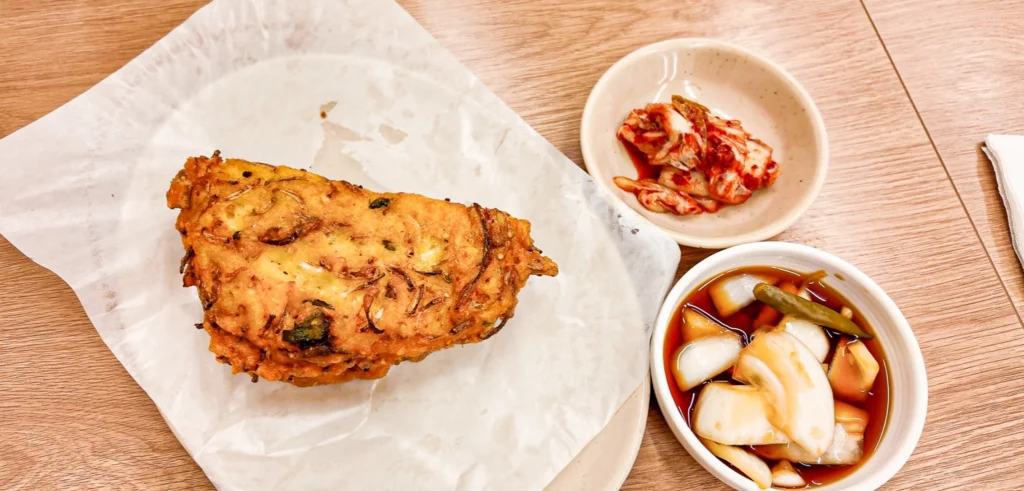
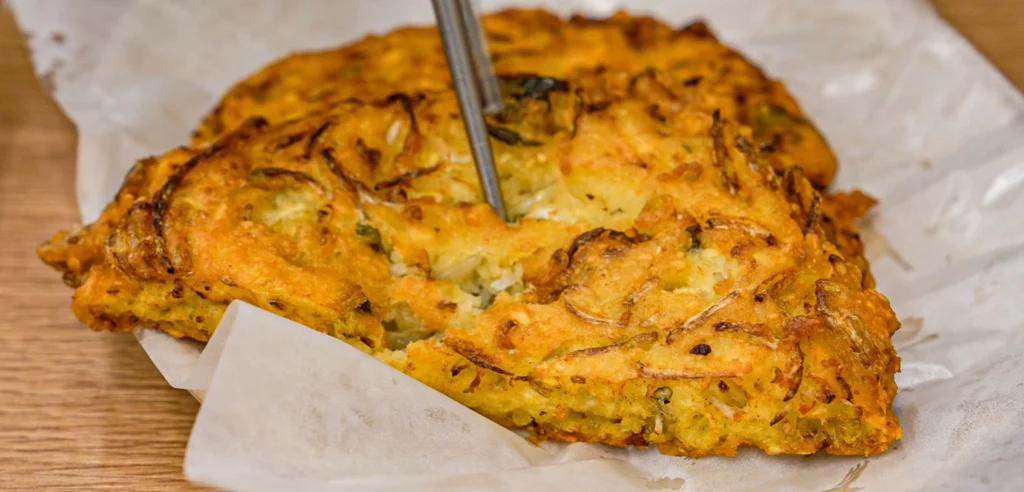
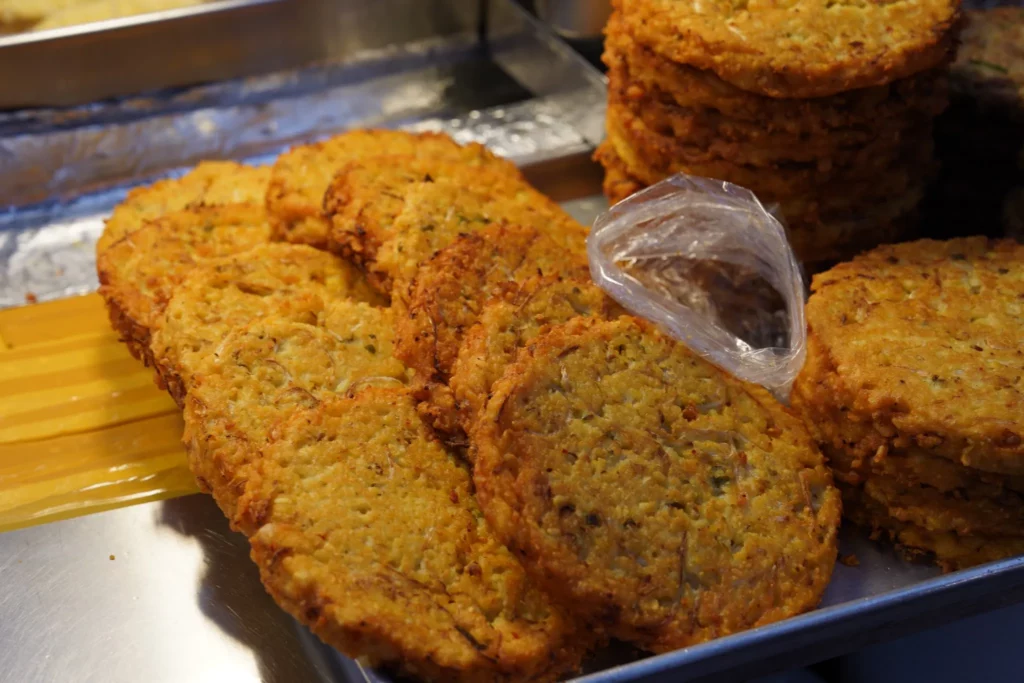
Bindaetteok (빈대떡) is a thick, savory pancake made from stone-ground mung beans mixed with bean sprouts, scallions, and chopped kimchi, then pan-fried in a generous amount of oil until the exterior turns deeply golden and crisp. Unlike pajeon or kimchi jeon, which use wheat-based batter, bindaetteok relies on mung beans as its entire structural foundation — giving it a denser body, a more pronounced nuttiness, and a satisfying chewiness in the center that wheat flour simply cannot replicate.
The dish has roots stretching back centuries in Korean food culture. Historically, mung beans were considered a food of the common people — affordable, nourishing, and widely available across Korea’s farming regions. Bindaetteok earned its place as a beloved comfort food at traditional markets and roadside stalls, where workers and travelers could grab a hot, filling meal for very little money. A popular 1940s Korean folk song even uses the image of frying bindaetteok at home as a symbol of modest but dignified living — a cultural footnote that tells you just how deeply this pancake is embedded in the Korean imagination.
Today, while Korean street food pancakes come in many forms, bindaetteok remains one of the most distinctly Korean varieties — and Gwangjang Market in Seoul remains its spiritual home.
The Story Behind Wonjosunhui Bindaetteok
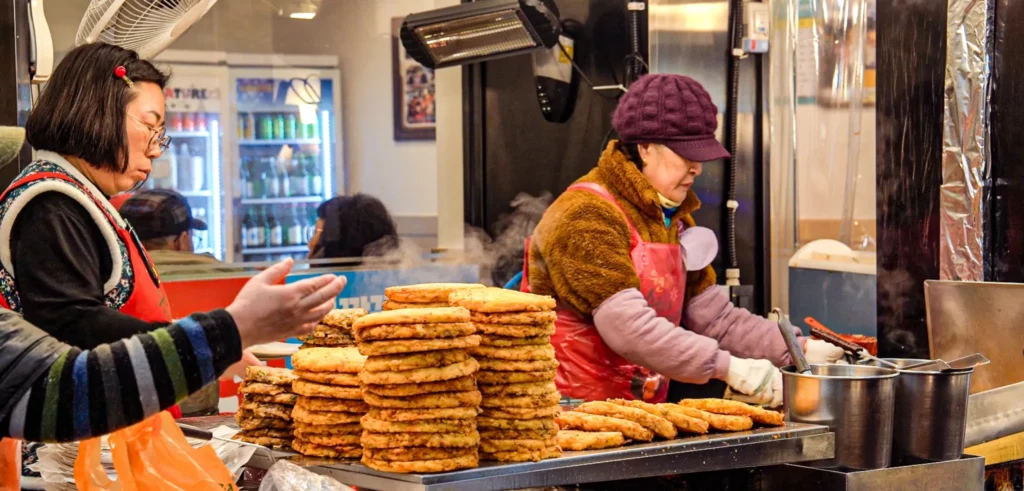
Wonjosunhui Bindaetteok was founded in 1994 by Chu Jeonghae, who set up her griddle in an eight-pyeong (approximately 26 square meters) stall inside Gwangjang Market. The aroma of hot oil and freshly ground mung beans spread through the market alleyways quickly, and the lines began forming just as fast. At peak times, customers have reportedly queued all the way back to the market entrance.
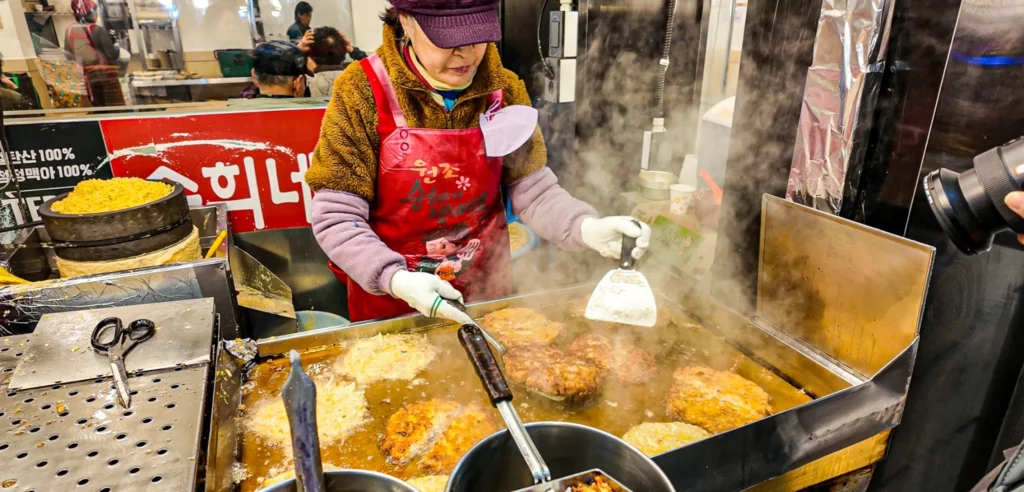
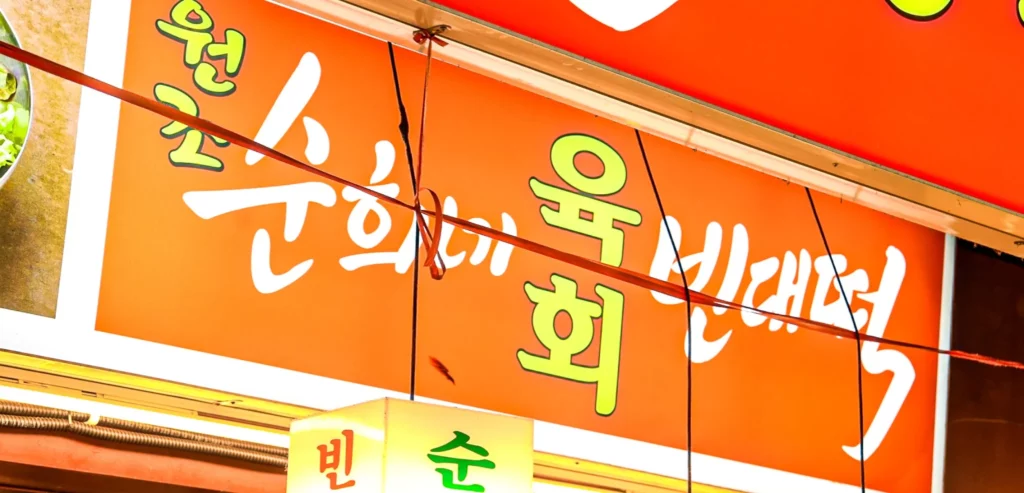
More than three decades later, the stall is run by Chu and her family — a transfer of craft and commitment that has kept the product consistent through every passing trend in the Seoul food scene. The restaurant is proudly listed as operating from Gwangjang Market only, with an official statement on its website noting that all similar-sounding establishments elsewhere have no connection to the original. It has been featured on Korean national television multiple times and gained international recognition after Gwangjang Market’s food alley was highlighted in Netflix’s Street Food: Asia series.
According to the Korea Tourism Organization’s official guide to Gwangjang Market, the market itself — Korea’s first permanent traditional market, established in 1905 — draws approximately 65,000 visitors daily, with its food alley consistently ranked among Seoul’s top culinary experiences for both locals and international travelers.
What to Order at Wonjosunhui
The menu at Wonjosunhui is intentionally small, a design choice that speaks to the stall’s commitment to doing a few things exceptionally well.
Nokdu Bindaetteok (녹두빈대떡) — The Signature Pancake
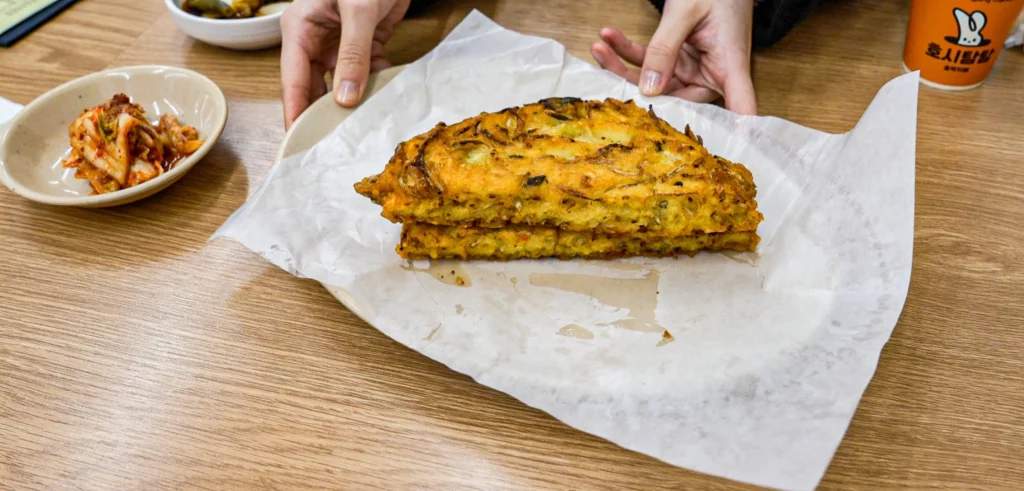
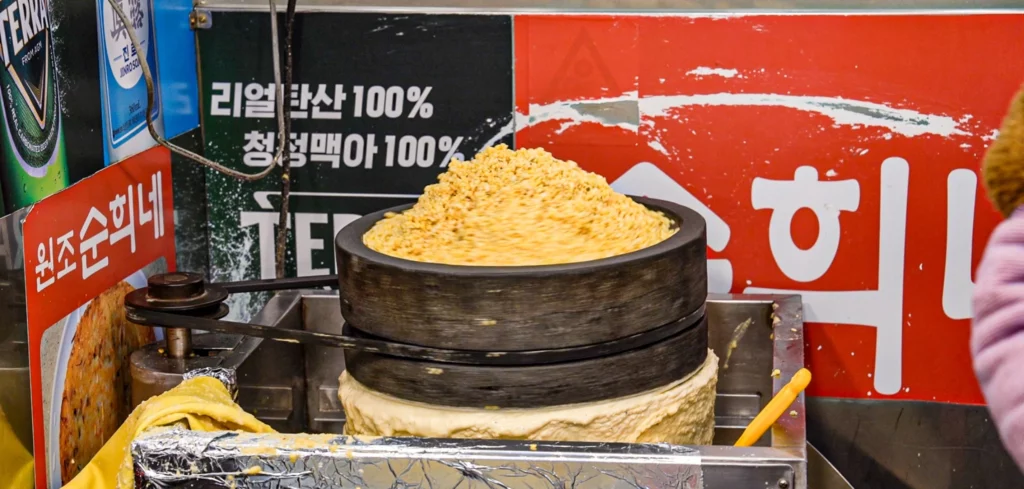
The star item is the nokdu bindaetteok, priced at ₩5,000 per piece. The batter is made from hulled mung beans ground fresh each day — without any wheat flour, rice flour, or starch added. Bean sprouts, scallions, chopped kimchi, and sometimes small pieces of pork are folded into the mixture before it hits the griddle. The result is a thick, generously sized pancake with a deeply crispy exterior and a soft, savory interior where the bean sprouts retain their slight crunch. A sweet-tangy pickled onion relish arrives alongside as a palate cleanser, helping balance the richness of the fried batter.
Gogi Wanja (고기완자) — The Underrated Crowd-Pleaser
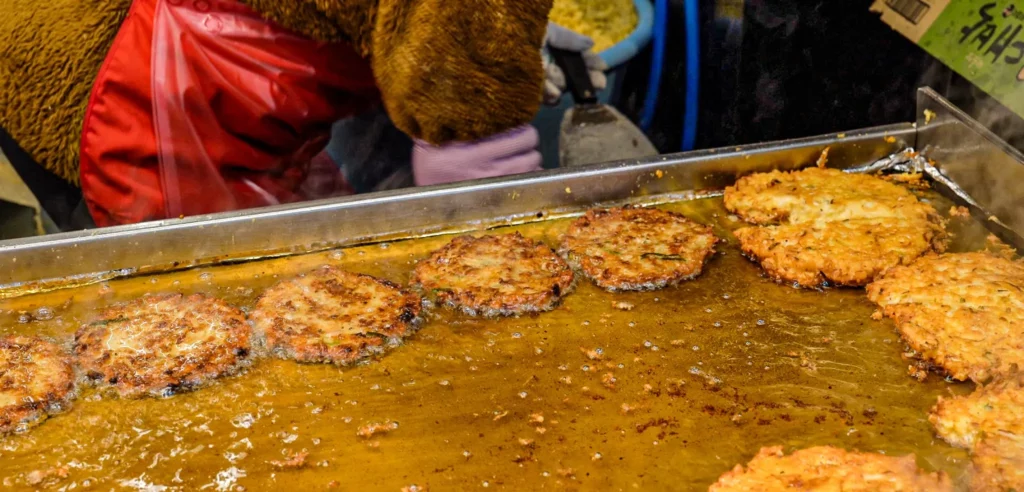
At ₩3,000, the gogi wanja (meat patty) is the secondary item that many regulars quietly consider their favorite. Made from seasoned minced meat and pan-fried until the outside is lightly caramelized, it has a flavor profile reminiscent of tteok galbi — slightly sweet, deeply savory, and with a satisfying meaty bite. When paired with a cold bowl of makgeolli, many visitors find themselves ordering a second round.
Combo and Additional Options
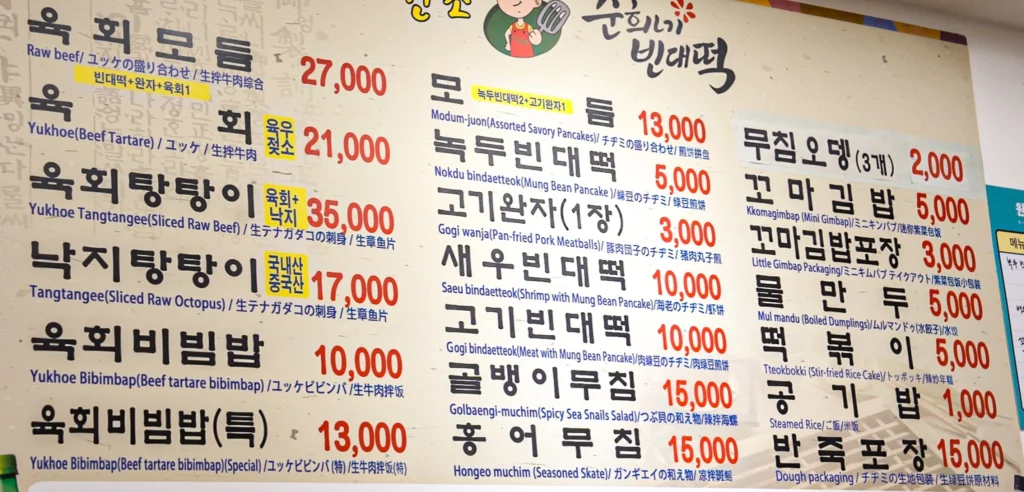
A modeum (모듬) set combining two nokdu bindaetteok and one gogi wanja is available for ₩13,000. The stall also serves yukhoe (육회, Korean beef tartare at ₩21,000) and Gwangjang gimbap (광장김밥, small-roll gimbap at ₩3,000) — iconic Gwangjang Market dishes that pair naturally with the pancakes for a fuller market meal. For a complete introduction to the side-dish culture that surrounds Korean market eating, the guide to Korean banchan traditions is worth exploring before your visit.
Bindaetteok FAQ: Everything First-Timers Need to Know
What makes Korean bindaetteok uniquely Korean?
Bindaetteok is uniquely Korean in both its ingredients and its cultural role. While savory pancakes exist across many Asian cuisines, the use of ground mung beans as the sole base — replacing flour entirely — is a technique developed specifically within Korean culinary tradition. The addition of fermented kimchi introduces the complex lactic-acid depth that is the hallmark of Korean fermentation culture, and the combination of bean sprouts and scallions reflects the vegetable-forward, seasonal philosophy of Korean home cooking. Historically, bindaetteok was the food of ordinary people — not the royal court — which is why it thrives in traditional markets rather than upscale restaurants. That democratic identity is central to what it is.
What are the key ingredients that create this flavor?
Three ingredients define Wonjosunhui’s bindaetteok:
- Nokdu (녹두, hulled mung beans) — The entire structural and flavor foundation. Ground fresh to a thick paste, mung beans deliver a nutty, slightly earthy taste and the characteristic dense chew. They’re a good source of plant-based protein and dietary fiber. Available dried at most Asian grocery stores globally.
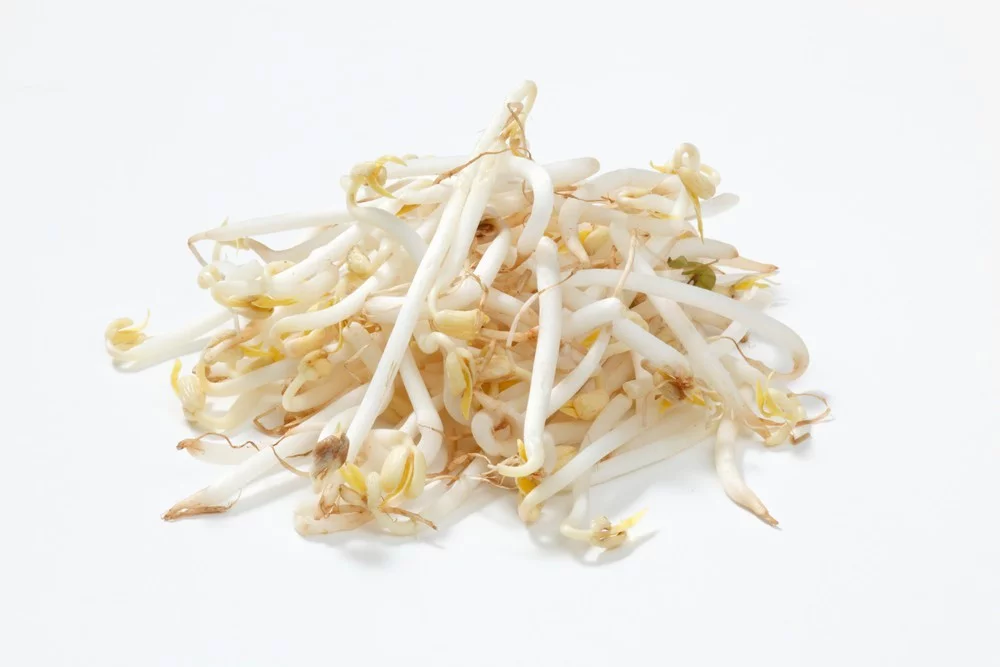
- Sukju namul (숙주나물, mung bean sprouts) — Added raw into the batter, the sprouts provide moisture, a clean vegetal freshness, and that subtle crunch inside each bite. They also lighten the batter, preventing it from becoming too heavy.
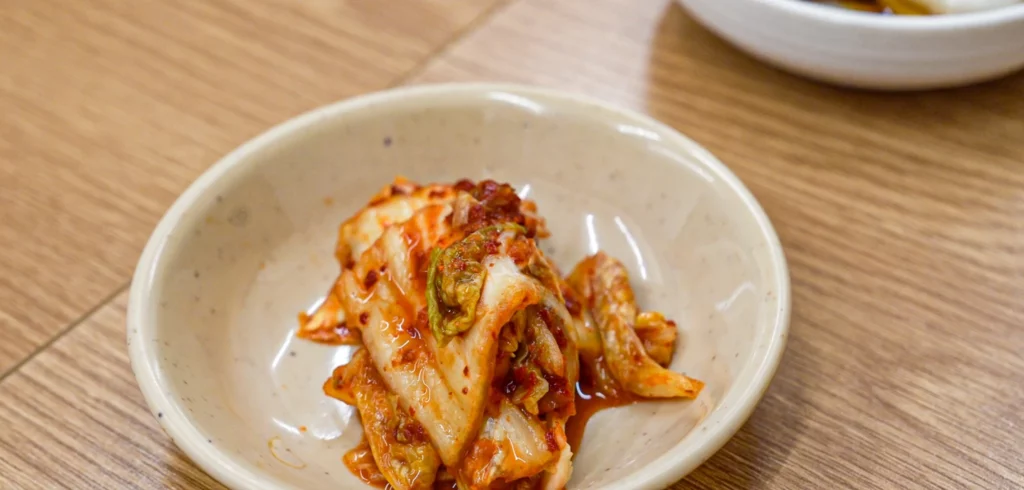
- Kimchi (김치) — Chopped and folded into the mix, kimchi contributes tangy fermented depth and a background heat that gives bindaetteok its complexity. The longer the kimchi has fermented, the more pronounced this umami layer becomes.
How would you describe the taste and spice level?
On a spice scale of 1 to 10, a traditional bindaetteok from Wonjosunhui sits around 2 to 3 — mild enough for most palates, with only a gentle warmth from the kimchi. The dominant flavor notes are nutty and savory (from the mung beans), followed by a subtle tang (from the kimchi), and a clean freshness (from the bean sprouts). The texture is the real story: a shatteringly crisp exterior gives way to a tender, almost creamy interior. Served hot, the pancake is reminiscent of a very savory, denser version of a French-style galette — but with a flavor profile that is entirely its own.
What should first-time visitors know before eating bindaetteok?
There is no particular etiquette ritual, but a few practical tips make the experience more enjoyable. The pancakes are large — sharing one or two pieces between two people alongside the gogi wanja is typically satisfying. Use the provided chopsticks or simply pick up pieces with the serving tongs. Dip each bite lightly into the accompanying soy sauce or pile on a bit of the pickled onion relish for contrast. Seating is communal and fast-paced; don’t hesitate to slide in next to other diners at shared tables. Also worth knowing: bindaetteok is one of the rare Korean foods that many locals claim tastes even better at room temperature, making it an excellent takeaway option if the stall is crowded.
The Classic Pairing: Bindaetteok and Makgeolli
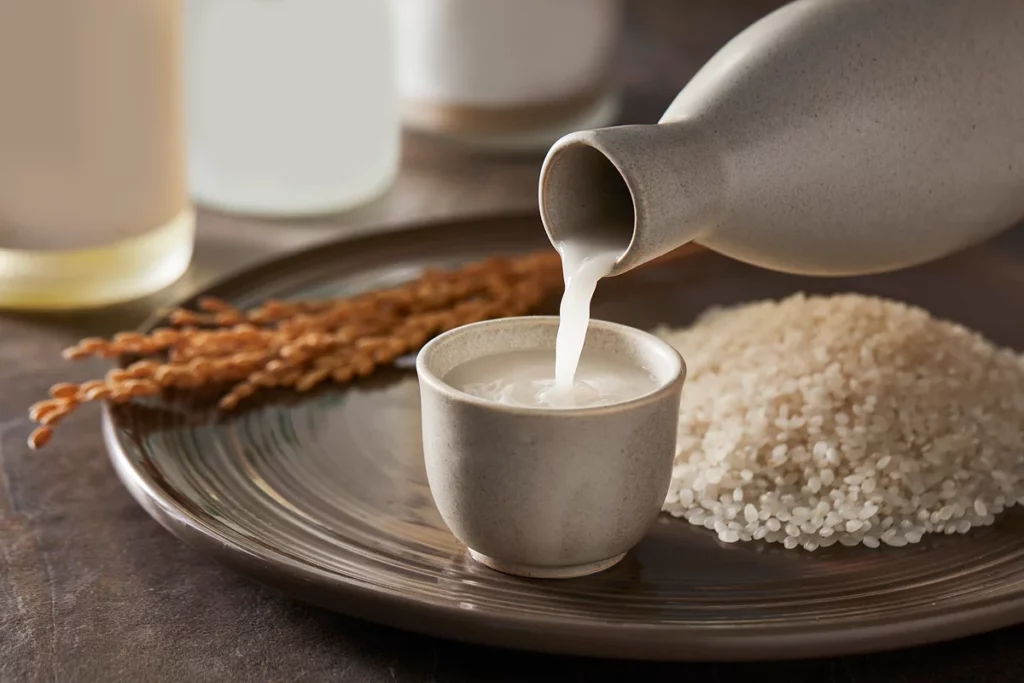
No discussion of Korean pancakes is complete without their traditional drinking companion. Makgeolli (막걸리) is a milky, lightly effervescent Korean rice wine with roughly 6–8% alcohol by volume. Its slight sweetness and natural carbonation cut through the oiliness of fried batter, amplifying the savory flavors of the pancake rather than competing with them.
This pairing is so deeply embedded in Korean food culture that the two items are practically inseparable in the public imagination. The rainy-day tradition — where Koreans instinctively crave the sizzle of jeon alongside a cold bowl of makgeolli on grey afternoons — extends naturally to bindaetteok at Gwangjang Market. If you’re exploring the broader world of Korean pancake and makgeolli pairings, Wonjosunhui at Gwangjang Market represents the street-food side of a tradition that also thrives in sit-down restaurant settings across Seoul.
Makgeolli is available at the stall and priced around ₩3,000–₩5,000 per serving.
How to Visit Wonjosunhui: Practical Tips
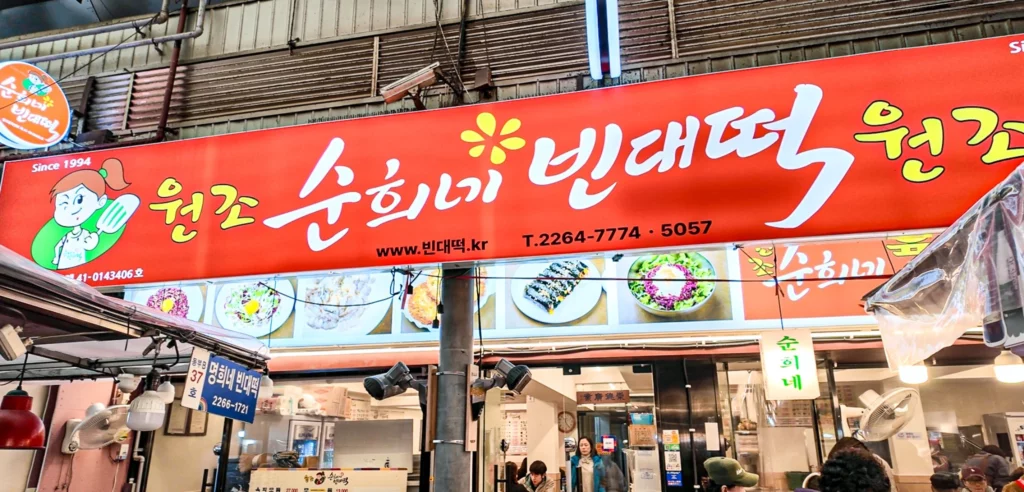
Address: 5 Jongno 32-gil, Jongno-gu, Seoul (서울특별시 종로구 종로32길 5)
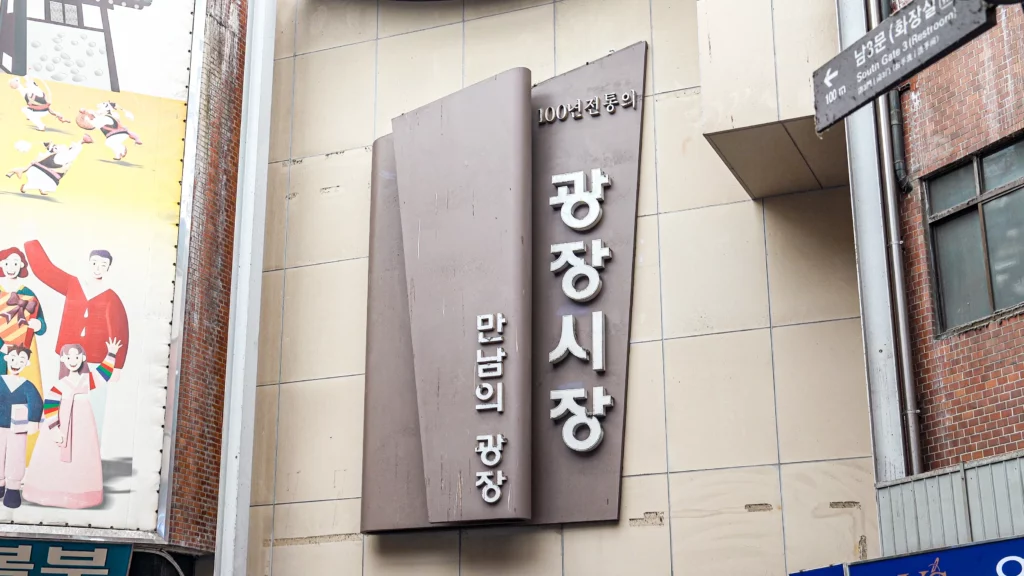
Getting there: Exit 8 of Jongno 5-ga Station (Line 1) — the stall is approximately 134 meters from the exit, near Gate 2 (North Gate) of the market.
Hours: Daily 11:00 AM – 9:00 PM (last order 8:30 PM). Closed every Tuesday.
Prices: Nokdu bindaetteok ₩5,000 | Gogi wanja ₩3,000 | Modeum set ₩13,000 | Yukhoe ₩21,000 | Gwangjang gimbap ₩3,000
Best timing: Avoid the lunch rush (12:00–2:00 PM) and early weekend evenings if you want shorter waits. Weekday afternoons between 2:00 and 5:00 PM tend to be more manageable. Takeaway (포장, pojang) lines move faster than dine-in queues — and as many regulars insist, the pancake holds up remarkably well to go.
Phone: 02-2264-5057
For the full context of how Gwangjang Market is officially recognized as one of Korea’s most important culinary destinations — including its food alley and cultural significance — the Visit Seoul official market guide offers a helpful overview before planning your trip.
Beyond the Pancake: Making the Most of Gwangjang Market
Wonjosunhui anchors the bindaetteok experience, but the market’s food alley rewards exploration. The stall sits near Gate 2, where vendors also serve yukhoe (Korean beef tartare with egg yolk and Asian pear), mayak gimbap (bite-sized rice rolls with a mustard dipping sauce), and haemul pajeon — the seafood scallion pancake that is another cornerstone of Korean jeon culture. Arriving on an empty stomach and planning to share dishes across two or three stalls is the recommended strategy.
The upper floors of the market offer an entirely different experience — silk fabrics, hanbok, and traditional Korean textiles — making Gwangjang a half-day destination that goes well beyond the food.
A Must-Visit Corner of Seoul’s Market Culture
Few eating experiences in Seoul distill the essence of Korean street food as efficiently as a single piece of bindaetteok at Wonjosunhui. The pancake costs ₩5,000. It takes perhaps two minutes to eat. And it’s the kind of thing that stays with you long after you’ve left the market — the crunch, the nuttiness, the faint tang of kimchi in the background, the cold makgeolli that made it all click.
If you’re building an itinerary around Seoul’s traditional food culture, Wonjosunhui Bindaetteok at Gwangjang Market is not a detour — it’s a destination. Plan your visit, arrive with an appetite, and don’t leave without the modeum set and a bowl of makgeolli on the side.
Have you tried bindaetteok at Gwangjang Market? Share this guide with friends planning a Seoul food trip — and drop a comment below with your experience.
Location
Reviews
5.0
0 reviews
Related Recipes

Japchae Hotteok
If you’ve ever bitten into a golden, gooey sweet hotteok at a Korean winter market, prepare to have your world...

Lobster Ramen
Lobster Ramen is a luxurious twist on Korea’s beloved instant noodle culture. The deep umami from fresh lobster combines beautifully...

Spicy Tteokbokki
Spicy tteokbokki is more than just a street snack — it’s a bold, comforting taste of Korean culture. This guide...