


If you’ve ever wondered where BTS members stop for a hearty meal on Jeju Island, look no further than Yichunok Mackerel Ssambap (이춘옥원조고등어쌈밥). This iconic ocean-view restaurant in Aewol has been serving its signature braised mackerel with three-year aged kimchi since 1999—a dish so beloved it earned a starring role in BTS’s travel show "Are You Sure?!" Whether you’re a K-pop fan retracing Jimin and Jungkook’s footsteps, an Olle Trail hiker, or simply a traveler seeking authentic Jeju flavors, this guide walks you through everything you need to know before you visit.
Yichunok Mackerel Ssambap: BTS Favorite Jeju Restaurant
5
Yichunok Mackerel Ssambap: BTS Favorite Jeju Restaurant
5
Jeju-do 7213, Iljuseo-ro, Aewol-eup, Jeju-si
Editor: James Lee


Interior01
Food01

Menu02
Overview
+82 -64 782 8772
WiFi Provided
No Outdoor Seating
Electronic Payment accepted: American Express, Master Card, Visa
Introduction
Operating hours
MonAM 9:30 - PM 9:00
Menu
Editor's Detail
Brief Introduction
Looking for the ultimate BTS favorite Jeju restaurant? Yichunok Mackerel Ssambap (이춘옥원조고등어쌈밥) is exactly where you should be heading. This iconic ocean-view spot in Aewol has been serving its signature braised mackerel with three-year aged kimchi since 1999—a dish so beloved it earned a starring role in BTS’s travel show "Are You Sure?!" when Jimin and Jungkook stopped by for a memorable meal. Whether you’re a K-pop fan retracing their footsteps, an Olle Trail hiker, or simply a traveler seeking authentic Jeju flavors, this guide walks you through everything you need to know before you visit this iconic BTS favorite Jeju restaurant.
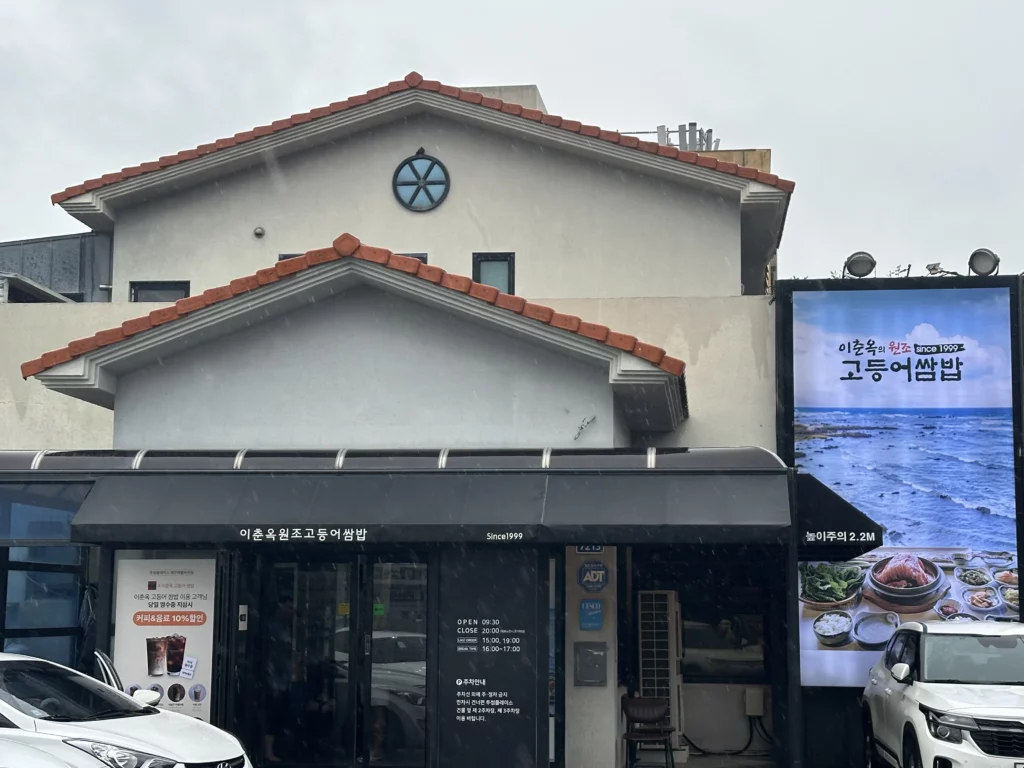
This is everyday Korean comfort food at its finest — humble fish and fermented cabbage transformed into something memorable through decades of refinement. Think of it as Korea’s answer to a classic French bistro’s poached fish: simple ingredients, deeply traditional technique, and a sense of place you can taste in every bite.
TABLE OF CONTENTS
- A Taste of Jeju’s Most Iconic Ocean-View Restaurant
- The Story Behind Korea’s Original Mackerel Ssambap House
- Why BTS Made This Aewol Restaurant a Global Sensation
- Signature Dish: Braised Mackerel with Aged Kimchi
- Three Key Ingredients That Define This Korean Dish
- Korean Food FAQ
- Quick Reference: Visiting Yichunok Mackerel Ssambap
- Plan Your Jeju Food Experience
A Taste of Jeju’s Most Iconic Ocean-View Restaurant
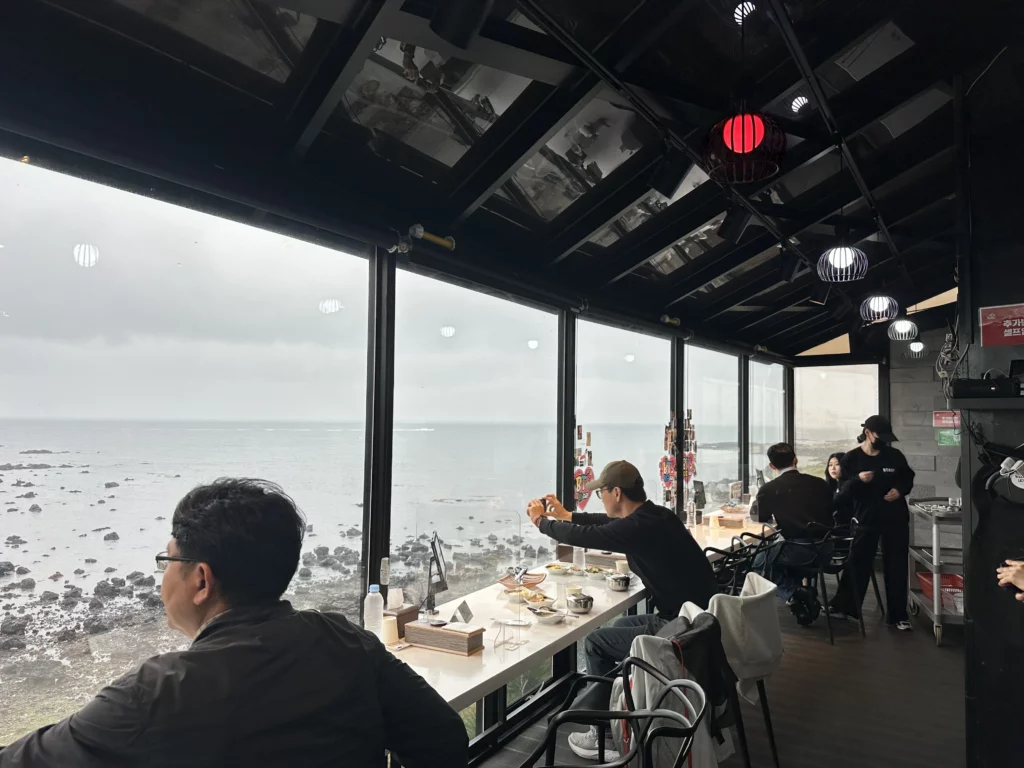
Set on the Aewol coastal road along Jeju Olle Trail Course 17, Yichunok Mackerel Ssambap occupies one of the most enviable dining locations on the island. The restaurant’s terrace and large windows frame the East China Sea, and on a clear day, sunset diners watch the horizon turn copper while their fish stew bubbles on the burner.
The restaurant earned its national reputation by mastering one specific thing: godeungeo mugeunji-jjim (고등어 묵은지찜), or braised mackerel with aged kimchi. The dish is deceptively simple — fatty mackerel slow-cooked with kimchi that has been fermented for three years — but the depth of flavor it produces is what put this place on Korea’s culinary map. It has been featured on multiple Korean television programs, including the long-running travel show 2 Days & 1 Night (1박 2일), and consistently ranks among Jeju’s top-rated restaurants on Korean food platforms.
The Story Behind Korea’s Original Mackerel Ssambap House
Founded in 1999, Yichunok pioneered the concept of pairing braised mackerel with the Korean tradition of ssam — wrapping rice and protein in fresh leafy greens. The "원조" (wonjo) in the full Korean name literally means "original" or "the first," a claim the family has defended for over 25 years against the wave of imitators that followed its success.

What distinguishes the original from copycats is the kitchen’s commitment to mukeunji, the deeply fermented aged kimchi that gives the broth its signature tang. To understand why this ingredient matters so much, it helps to read up on aged kimchi (mukeunji) and its role in Korean cooking — fermentation time fundamentally changes how kimchi behaves in a braise, transforming it from a side dish into the star of the pot.
Yichunok has since expanded with a second branch in Wolljeong (Gimnyeong), but the Aewol main branch remains the destination for travelers who want the original recipe in its original setting.
Why BTS Made This Aewol Restaurant a Global Sensation
In 2024, the global K-pop phenomenon BTS filmed a memorable scene at Yichunok Mackerel Ssambap for their travel reality program Are You Sure? Episode 3, when members Jimin and Jungkook stopped by for a meal during their Jeju trip. The scene became instantly iconic among ARMY (BTS fans) for the playful moment when Jimin chased Jungkook around the restaurant trying to feed him a ssam wrap.
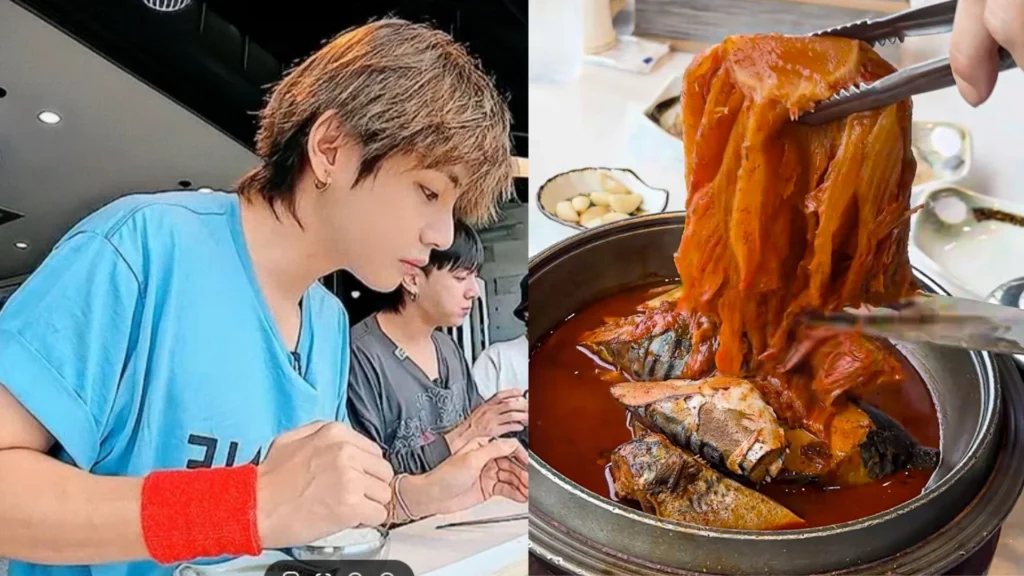
Since the episode aired, the restaurant has become a pilgrimage stop for BTS fans visiting Korea. Even before the BTS visit, however, the place was already known nationwide — V (Taehyung) and Jungkook were also reported to have dined here previously, cementing its reputation as a celebrity favorite. Korean media outlets have repeatedly listed it among Jeju’s must-visit restaurants, and it currently ranks in the top tier of Jeju eateries on platforms like Tripinfo and Diningcode.

Signature Dish: Braised Mackerel with Aged Kimchi
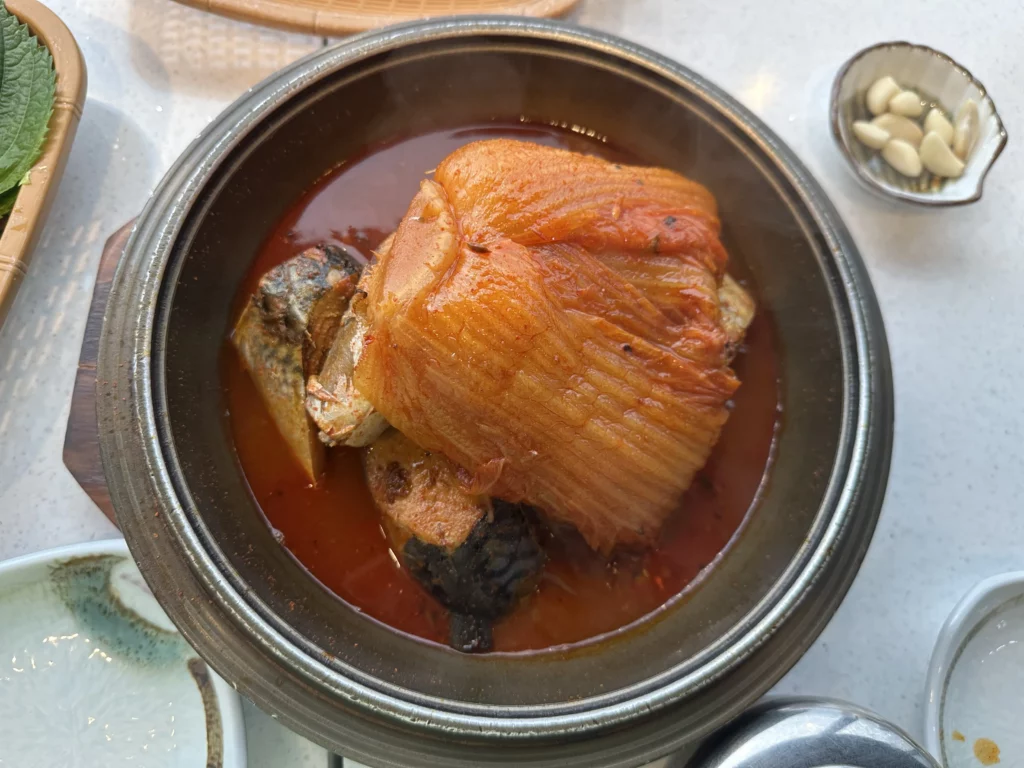
The headline dish — godeungeo mugeunji-jjim — arrives at your table as a deep cast-iron pan layered with thick mackerel fillets, tangled with long-aged kimchi leaves, all swimming in a glossy red-orange broth. A portable burner keeps it bubbling throughout the meal.
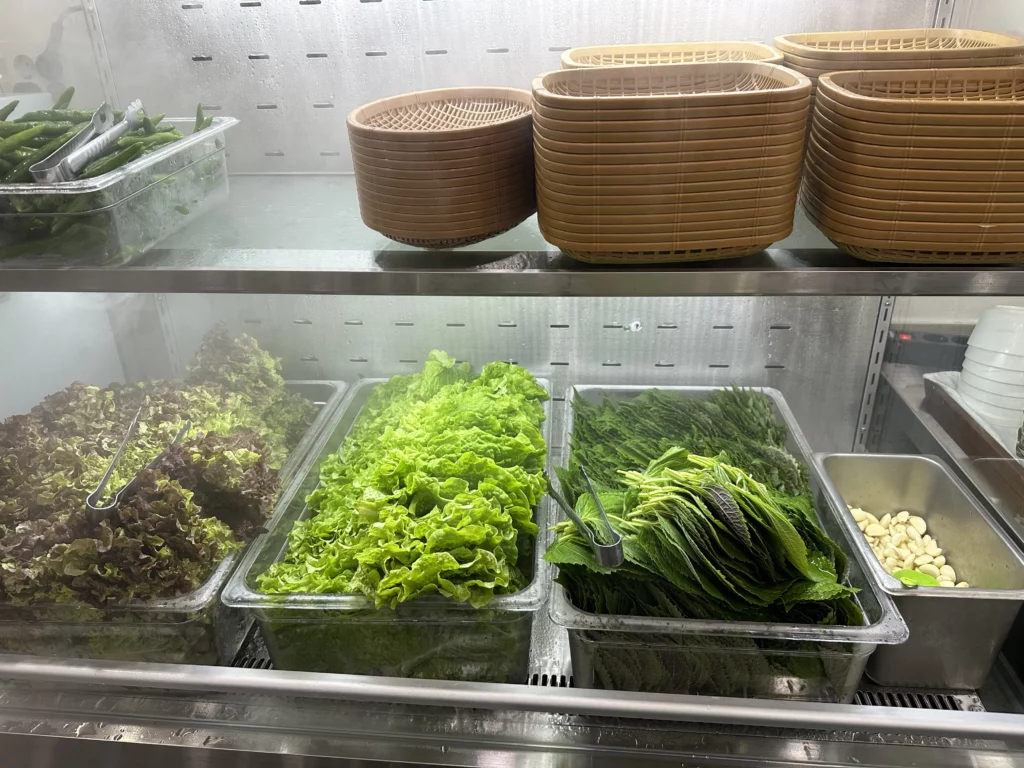
The eating method is the heart of the experience: take a fresh lettuce or perilla leaf, place a spoonful of rice in the center, top with a piece of mackerel and a strip of melted kimchi, and fold it into a one-bite parcel. This is ssambap, the Korean tradition of wrapped rice. For deeper context on the wrapping culture and the role of ssamjang in Korean dining the practice is fundamental to how Koreans eat.

Other Must-Try Menu Items
Beyond the signature dish, the menu showcases the best of Jeju’s seafood:
- Tongalchi-gui (통갈치구이) — A whole grilled silver cutlassfish so large it spans nearly the entire table. The skin crackles, the flesh is buttery, and the seasoning is restrained to let the fresh fish shine.
- Eungalchi-jorim (은갈치조림) — Braised silver cutlassfish in a sweet-spicy sauce with potatoes and radish.
- Jeonbok ttukbaegi (전복뚝배기) — A bubbling earthenware pot of abalone stew, comforting and nutrient-dense.
- Okdom-gui (옥돔구이) — Grilled tilefish, a Jeju delicacy historically reserved for royalty.
- Jeonbok-juk (전복죽) — Creamy abalone porridge, a popular choice for children and gentle on the stomach.
The restaurant also offers a handmade pork cutlet on the menu, which makes it a practical choice for families with picky eaters.
Three Key Ingredients That Define This Korean Dish
Mukeunji (묵은지) — Aged Kimchi
Korean name: 묵은지 | Flavor profile: Sharp, deeply sour, intensely umami
Mukeunji is napa cabbage kimchi that has been fermented for at least six months — often a year or longer. As lactic acid bacteria continue working over time, the kimchi softens, the color deepens, and the flavor transforms from fresh and crunchy into something closer to a fine aged cheese. Nutritional highlight: Long fermentation increases probiotic diversity, supporting gut health and digestion. Sourcing tip: Available at Korean grocery stores labeled "묵은지" or "aged kimchi"; if unavailable, let regular kimchi ferment in your fridge for 2–3 months before use.
Jeju Mackerel (제주 고등어)
Korean name: 고등어 | Flavor profile: Rich, oily, mineral-forward
The waters around Jeju produce some of Korea’s prized mackerel, naturally fatty and full of omega-3s. The slow braise with kimchi tames any fishiness while the kimchi’s acidity cuts through the richness. Nutritional highlight: Mackerel is among the most concentrated natural sources of omega-3 fatty acids — a single serving can deliver more than the recommended daily intake. For plant-based eaters, perilla oil offers similar omega-3 benefits .
Ssam Vegetables (쌈채소)
Korean name: 쌈채소 | Flavor profile: Crisp, slightly bitter, refreshing The fresh lettuce, perilla leaves, and other greens served alongside aren’t an afterthought — they’re the vehicle that holds everything together. Perilla leaves (kkaennip) in particular bring a distinctive minty-anise note that pairs beautifully with the rich mackerel. Nutritional highlight: Korean perilla leaves are loaded with antioxidants and rosmarinic acid. Sourcing tip: Look for Korean lettuce varieties at H Mart or Asian groceries; perilla leaves can sometimes be found fresh or frozen.
Korean Food FAQ
What makes this dish uniquely Korean?
Mackerel ssambap (고등어쌈밥) reflects two pillars of Korean cuisine: fermentation and ssam culture. While many cuisines braise fish, only Korea pairs it with deeply aged kimchi as the primary cooking medium and serves it in a wrap-and-eat format. The dish honors the Korean philosophy that meals should be interactive — diners assemble each bite themselves, building flavor combinations to taste. It’s everyday food in coastal Korea, the kind of dish a Jeju grandmother would prepare for a family Sunday lunch.
What are the key ingredients that create this flavor?
Three ingredients drive the entire dish: mukeunji (aged kimchi for tang and umami), gochugaru (Korean red pepper flakes for warmth and color), and fatty mackerel for richness. Aromatics like garlic, green onion, and ginger round out the broth, while a touch of Korean soy sauce deepens the savoriness. The fermented elements — kimchi and gochugaru — do most of the heavy lifting, which is why the dish tastes so distinctly Korean rather than generic "Asian seafood stew."
How would you describe the taste and spice level?
Spice level: 4/10 — noticeable warmth but not overwhelming. The dominant flavor notes are sour, savory, and umami, with the spice playing a supporting role. The mackerel adds buttery richness, and the rice in your ssam wrap mellows everything out. Texture is the highlight: the kimchi turns silky from the long braise, the mackerel flakes apart easily, and the lettuce wrap adds crunch. Served piping hot, the dish is especially comforting on a cool Jeju evening.
What should first-time eaters know?

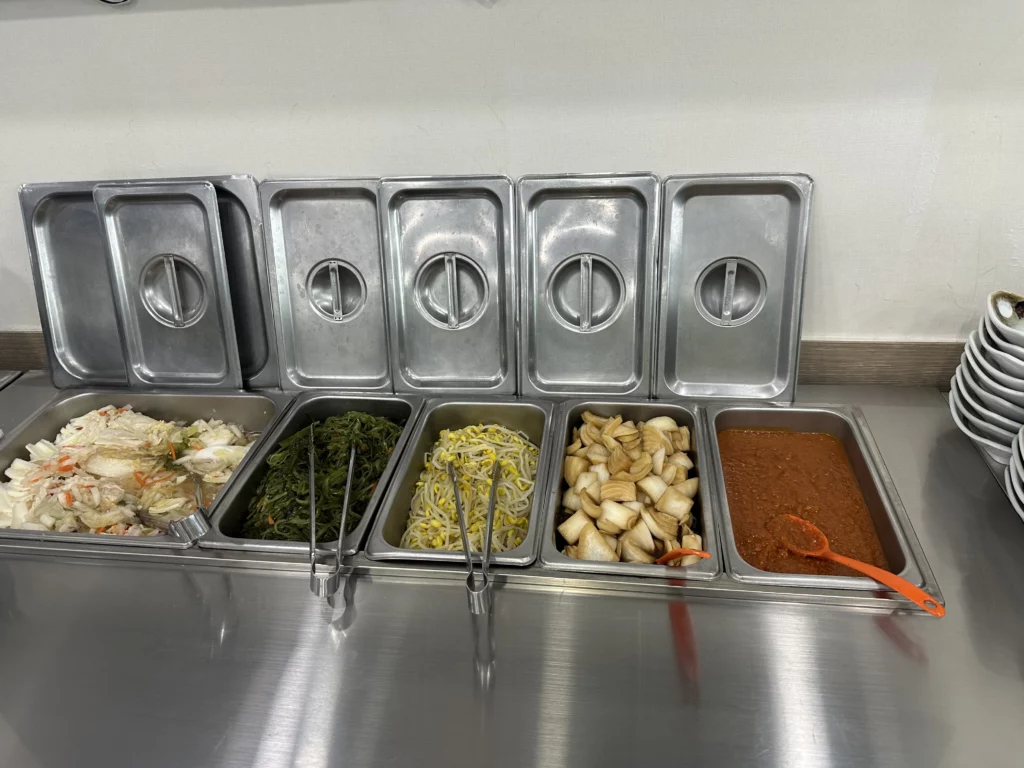
The proper way to eat is one ssam at a time, in a single bite. Don’t overstuff your wrap — Koreans aim for a parcel about the size of a golf ball. Place a lettuce leaf in your palm, add a spoonful of rice, top with mackerel and kimchi, fold, and eat in one go. Sharing the central pot is part of the experience, so families and friends serve themselves communally. Order at least one round of extra rice, since the broth is built to be soaked up. If you can read the essential guide to Korean banchan before your visit, you’ll have a head start on what to expect from the side dishes that arrive automatically.
Quick Reference: Visiting Yichunok Mackerel Ssambap
Address: 7213 Iljuseo-ro, Aewol-eup, Jeju-si, Jeju-do 63053, South Korea Korean Address: 제주특별자치도 제주시 애월읍 일주서로 7213 Phone: +82-64-799-9914 Hours: 09:30–21:00 (Break: 16:00–17:00; Last orders 15:00 lunch / 20:00 dinner) Closed: Tuesdays (verify ahead — schedule occasionally varies) Reservations: Naver reservation required (10% discount when booking via Naver) Parking: Free on-site, approximately 10 spaces From Jeju Airport: Approximately 15 minutes by car Nearest landmark: Iho Tewoo Beach (6 minutes by car) Price range: ₩15,000–₩40,000 per person
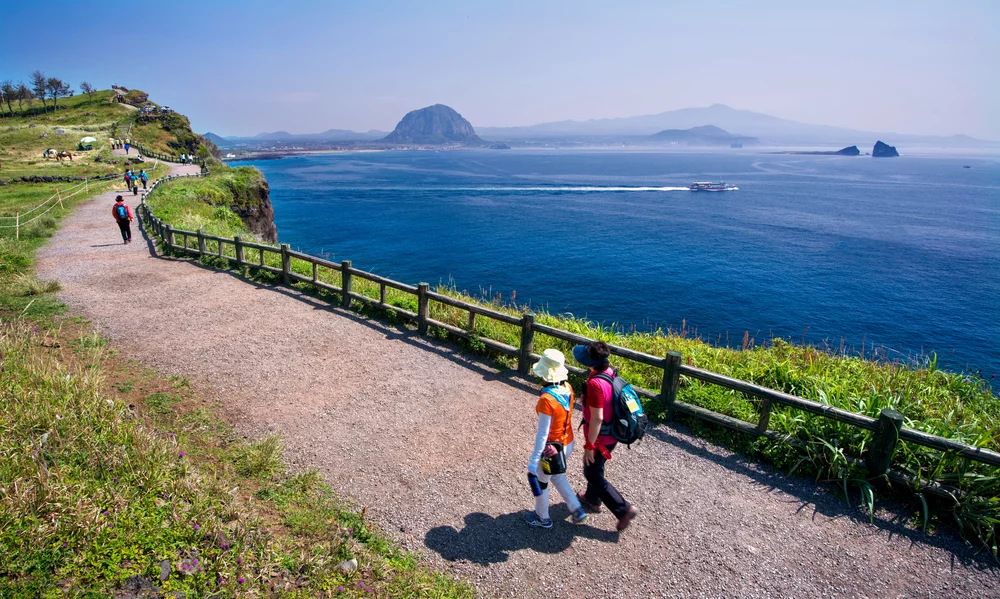
Olle Trail hikers: The restaurant sits directly on Course 17, making it an ideal lunch stop while walking the Aewol section. For more on planning your route, the official Jeju Olle Trail website offers English-language course maps and trail conditions.
Cuisine context: Korean coastal restaurants like this one — focused on a single regional specialty — represent a distinct branch of Korean dining culture worth exploring. If you enjoy this style, you’d likely also appreciate Ihwa Sikdang‘s Jeolla-style seafood feast in Jindo , another regional gem celebrating local fish traditions.
Plan Your Jeju Food Experience
Yichunok Mackerel Ssambap captures something rare in modern Korean dining: a restaurant that has stayed true to a single signature dish for over two decades while still feeling fresh enough to appear on the world’s biggest pop stars’ travel show. The combination of ocean views, generations-deep technique, and that magical mukeunji-mackerel pairing is what keeps both Jeju locals and international travelers coming back.
Whether your trip is built around K-pop pilgrimage stops, Olle Trail hiking, or simply discovering Jeju’s most authentic flavors, plan your visit on the first or last day of your Jeju itinerary — the restaurant’s proximity to the airport makes it perfect bookend dining. Don’t forget to make your Naver reservation in advance to secure the 10% discount and avoid waits, especially on weekends.
For travelers extending their Korean food journey beyond Jeju, you might enjoy exploring authentic Korean side-dish culture or learning more about the science of kimchi fermentation that makes dishes like this one possible. Korea’s food culture rewards the curious — and a meal at Yichunok Mackerel Ssambap is one of the finest introductions you can have.
Did you find this guide helpful? Share it with friends planning their Jeju adventure, and let us know in the comments which dish you’d order first.
Location
7213, Iljuseo-ro, Aewol-eup, Jeju-si, Jeju-do, KR
Reviews
5.0
0 reviews
5
0%
4
0%
3
0%
2
0%
1
0%
Loading reviews...
