


Standing 479.7 meters above sea level at Seoul’s iconic landmark, Durumi Bunsik transforms casual Korean snacking into an elevated dining experience. This modern bunsik restaurant combines the comforting flavors of Korea’s beloved street food with breathtaking panoramic views of the sprawling cityscape below. Whether you’re exploring N Seoul Tower as a tourist or seeking a nostalgic taste of Korea’s snack culture, Durumi Bunsik offers an authentic encounter with tteokbokki, kimbap, dakgangjeong, and ramyun—all reimagined with contemporary flair while honoring traditional preparation methods.
Durumi Bunsik at N Seoul Tower: Seoul's Most Scenic Korean Street Food Experience
5
Durumi Bunsik at N Seoul Tower: Seoul's Most Scenic Korean Street Food Experience
5
Yongsan-gu, Seoul 105 Namsangongwon-gil,
Editor: Katie Lee


Interior01
Food01

Menu01
Overview
+82 023184146
WiFi Provided
Outdoor Seating Available
Electronic Payment accepted: American Express, Master Card, Visa
Introduction
Operating hours
Mon, Tue, Wed, Thu, Fri, Sat, SunAM 11:00 - PM 10:00
Menu
Editor's Detail
The aroma of bubbling gochujang tteokbokki sauce fills the air as golden-fried chicken glistens under warm lighting, while perfectly rolled kimbap displays its colorful cross-section against floor-to-ceiling windows framing Seoul’s magnificent skyline. This is Durumi Bunsik—where Korea’s comforting street food classics meet one of Asia’s most spectacular dining views at N Seoul Tower.
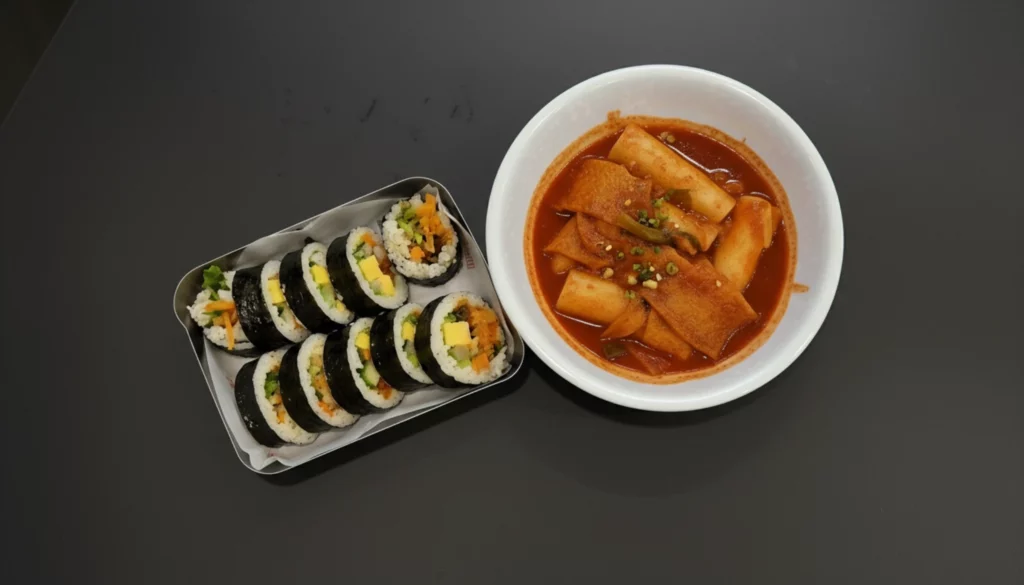
Located on the plaza level of Seoul’s most iconic landmark, Durumi Bunsik represents the evolution of Korean bunsik culture from humble street stalls to sophisticated casual dining. The restaurant masterfully balances authentic flavors with modern presentation, making it an essential stop for anyone exploring Korean cuisine or visiting N Seoul Tower. Unlike traditional pojangmacha (street food tents), this contemporary space offers climate-controlled comfort, attentive service, and that unbeatable vista—all while serving dishes that capture the soul of Korean snack culture.

Table of Contents
- Understanding Bunsik: Korea’s Beloved Snack Food Culture
- The Durumi Bunsik Difference at N Seoul Tower
- Signature Dishes: What to Order at Durumi Bunsik
- What Makes This Dish Uniquely Korean?
- What Are the Key Ingredients That Create This Flavor?
- How Would You Describe the Taste and Spice Level?
- What Should First-Time Eaters Know?
- Visiting N Seoul Tower: Location and Access
- Pricing and Value: Is It Worth the Tower Premium?
- Perfect Pairings: Creating Your Ideal Bunsik Meal
- The View Makes the Difference: Dining with Seoul’s Skyline
- When to Visit: Timing Your Durumi Bunsik Experience
Understanding Bunsik: Korea’s Beloved Snack Food Culture
Bunsik (분식) literally translates to "food made from flour," but this simple definition barely scratches the surface of its cultural significance. According to the Korean Tourism Organization, bunsik represents affordable, comforting Korean dishes that originated during the country’s rapid industrialization in the 1960s and 1970s. These dishes provided quick, satisfying meals for working-class Koreans and students who needed filling food that didn’t strain modest budgets.

Traditional bunsik encompasses iconic Korean snacks like spicy tteokbokki (stir-fried rice cakes in spicy sauce), Gimbap (Korean seaweed rice rolls), eomuk (fish cakes), and ramyun (instant noodles). What started at pojangmacha and small neighborhood shops has evolved into a respected dining category, with establishments like Durumi Bunsik elevating these humble dishes while maintaining their accessible, soul-warming character.
The cultural role of bunsik extends beyond mere sustenance. These dishes represent Korean ingenuity—transforming simple ingredients into complex flavors through techniques like fermentation and careful seasoning. The tradition of sharing banchan (side dishes) carries into bunsik culture, where diners often order multiple items to share, creating a convivial dining experience that embodies Korean jeong (deep connection through sharing food).
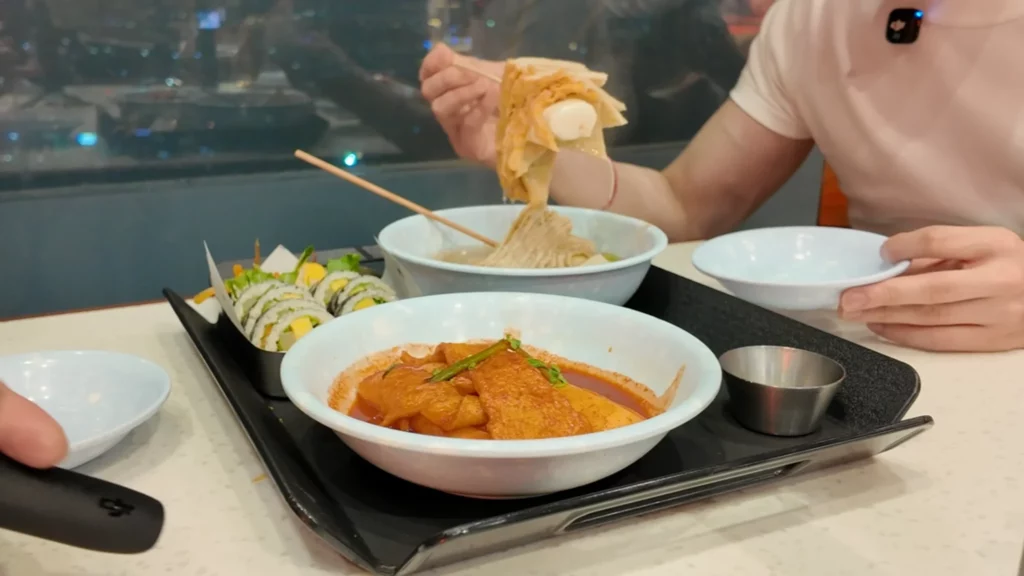
The Durumi Bunsik Difference at N Seoul Tower
CJ Foodville, the hospitality division behind several premium N Seoul Tower dining concepts, launched Durumi Bunsik in collaboration with design studio mhtl to bring authentic Korean snack food to the tower’s diverse international audience. The restaurant’s name "Durumi" (두루미) evokes images of the elegant crane—a symbol of longevity and grace in Korean culture—suggesting the restaurant’s mission to elevate traditional snacking into something more refined.

The interior design strikes a balance between modern minimalism and Korean warmth. Clean white walls accented with signature orange details create an Instagram-worthy backdrop, while the Durumi crane mascot appears throughout the space on cute branded merchandise and wall art. Unlike cramped street food stalls where you eat standing up, Durumi Bunsik offers comfortable table seating with direct views of Seoul’s sprawling urban landscape—transforming a casual meal into a memorable dining experience.

What truly distinguishes Durumi Bunsik from both traditional bunsik shops and other tower restaurants is its commitment to authenticity within a contemporary framework. The kitchen doesn’t cut corners with pre-made sauces or frozen ingredients. Each dish follows traditional preparation methods while benefiting from quality control standards that ensure consistency. The gochujang-based sauce for tteokbokki balances heat and sweetness precisely, while kimbap rice achieves that perfect sesame oil shine without becoming greasy.

Signature Dishes: What to Order at Durumi Bunsik
Tteokbokki: The Heart of Korean Bunsik
Durumi’s tteokbokki showcases cylindrical rice cakes swimming in a vibrant red sauce that delivers both visual and flavor impact. The sauce—built on fermented gochujang combined with gochugaru (Korean chili flakes), sugar, and anchovy stock—achieves that signature Korean balance of maekom (spicy-sweet) that makes you reach for one more piece even as your mouth tingles.
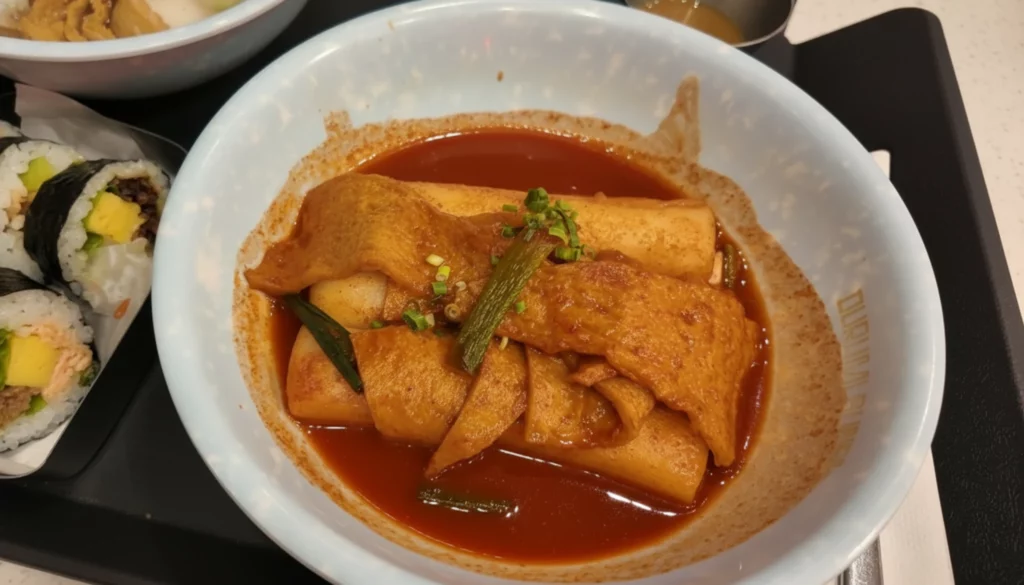
The rice cakes themselves maintain ideal chewiness, neither too soft nor resistant. Fresh eomuk (fish cakes) and hard-boiled eggs join the rice cakes, soaking up the flavorful sauce while providing textural contrast. On busy days, expect your tteokbokki to arrive steaming hot within 10-15 minutes, with the sauce still bubbling gently at the edges.

Visitors consistently praise the dish’s approachable spice level. While definitely spicy, it doesn’t overwhelm, making it accessible for international guests trying tteokbokki for the first time. The sweetness from the sauce’s sugar content mellows the heat, creating a more balanced experience than some street vendor versions that prioritize fire over flavor complexity.
Namsan Kimbap: Tower-Inspired Presentation
The menu’s Namsan Kimbap pays homage to the mountain hosting N Seoul Tower, delivering a generous roll that showcases Korean ingredients at their finest. Unlike simple convenience store kimbap, this version features substantial fillings: seasoned beef or imitation crab, perfectly cooked egg omelet strips, crunchy cucumber, sweet pickled radish (danmuji), and blanched spinach namul seasoned with sesame oil and garlic.
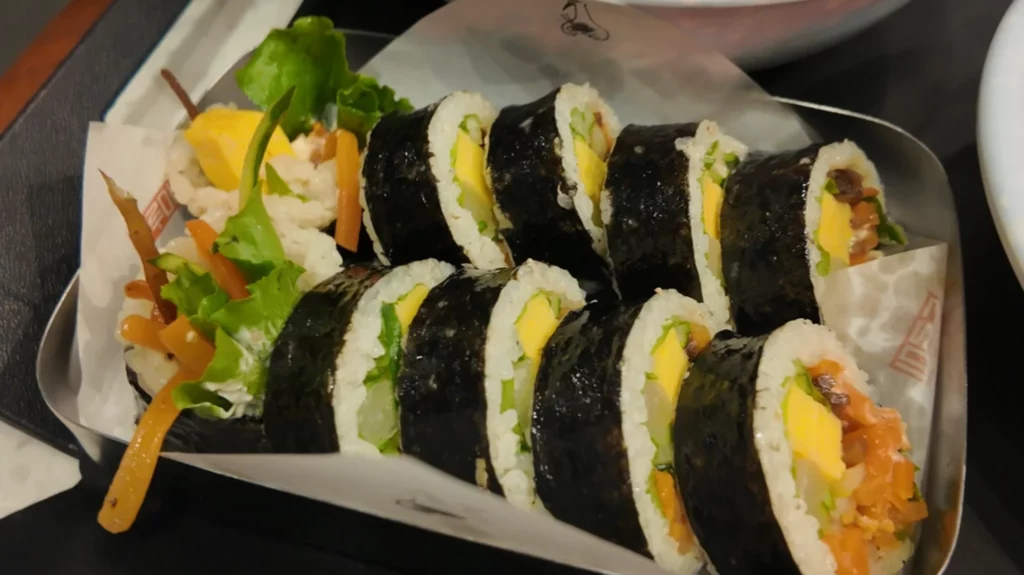
Each ingredient contributes distinct flavors and textures that harmonize when bitten together. The Korean seaweed (gim) wrapping provides subtle ocean salinity and satisfying crunch, while the sesame oil-seasoned rice acts as a neutral canvas that ties everything together. Sliced into generous bite-sized pieces, the kimbap arrives beautifully plated—a far cry from the simple paper wrapping of street vendors, yet maintaining that same satisfying simplicity.
Ramyun: Elevated Instant Noodles
Korean ramyun occupies a unique cultural space—instant noodles elevated to comfort food status. Durumi Bunsik serves several ramyun variations, from classic spicy versions to cheese-topped fusion iterations. The noodles arrive in proper Korean ramyun pots, still boiling vigorously, topped with scallions and sometimes a soft-boiled egg.
What makes tower ramyun special isn’t complexity—it’s the context. Enjoying spicy noodles while gazing at Seoul’s cityscape creates a memorable juxtaposition between humble food and spectacular setting. The intense savory-spicy broth warms you thoroughly, especially welcome after walking Namsan Mountain’s trails or visiting the tower’s observation deck on a chilly day.
Dakgangjeong: Korean Fried Chicken Perfection
Durumi’s dakgangjeong presents Korean fried chicken at its finest—crispy exterior giving way to juicy meat, all coated in a sticky-sweet-spicy glaze. The twice-fried technique creates an exceptionally crunchy coating that maintains its texture even as the sauce clings to each piece.
The glaze incorporates gochugaru for gentle heat, balanced with sweetness and a touch of vinegar for brightness. Garnished with sesame seeds and sometimes crushed peanuts, the dish offers addictive sweet-spicy flavors that pair beautifully with cold beverages. Unlike some Korean fried chicken that can be overwhelmingly sweet, Durumi strikes a sophisticated balance that appeals to diverse palates.
What Makes This Dish Uniquely Korean?
Korean bunsik culture emerged from necessity during the country’s post-war reconstruction era, when flour-based foods provided affordable sustenance to a rebuilding nation. However, these dishes evolved beyond simple survival food into cultural touchstones that represent Korean culinary identity.
The use of fermented ingredients like gochujang distinguishes Korean bunsik from similar snack foods worldwide. This fermented chili paste—requiring months of traditional preparation—contributes complex umami depth that simple chili sauce cannot replicate. The fermentation process develops beneficial compounds that add both flavor and nutritional value, connecting modern bunsik to Korea’s ancient preservation traditions.
Korean bunsik also embodies the concept of "bap-doduk" (rice thief)—food so delicious it makes you consume more rice than intended. The phrase celebrates dishes that stimulate appetite rather than satisfy it too quickly, encouraging communal eating and conversation. This philosophy pervades bunsik culture, where sharing multiple dishes among friends transforms a simple meal into social bonding time.
The presentation style at Durumi Bunsik honors these cultural roots while adapting to contemporary expectations. Dishes arrive thoughtfully plated yet retain that casual, approachable character that defines authentic bunsik. There’s no pretension, no molecular gastronomy—just honest, flavorful food that happens to come with an extraordinary view.

What Are the Key Ingredients That Create This Flavor?
Gochujang: The Fermented Foundation
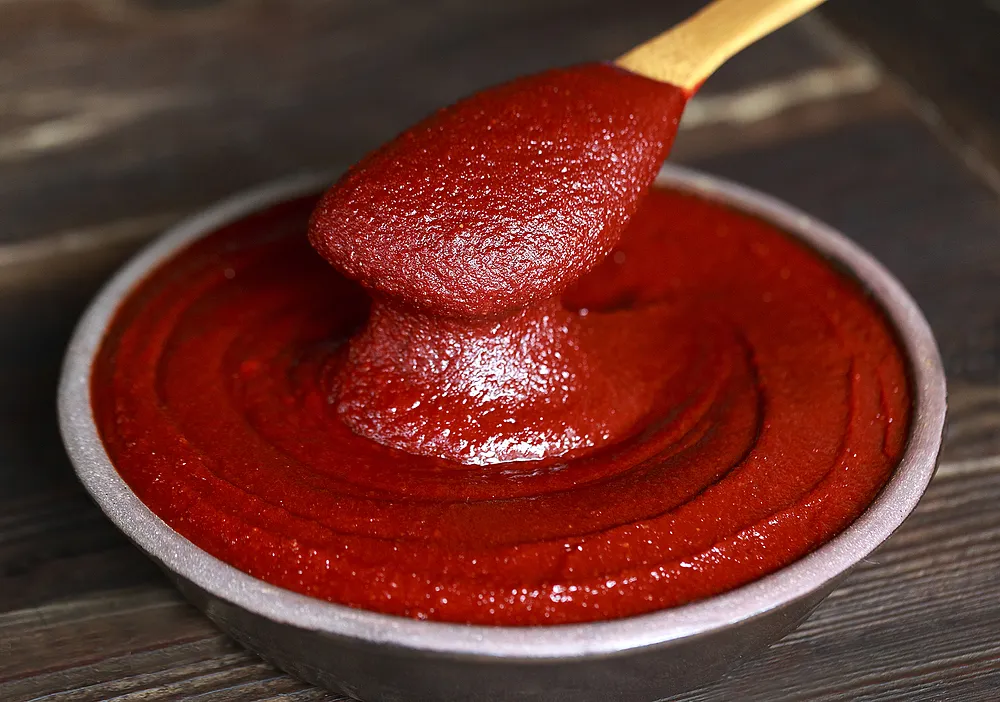
Gochujang (고추장) stands as Korea’s most essential fermented condiment, created through months-long fermentation of Korean chili peppers, glutinous rice, fermented soybeans (meju), and salt. The result delivers simultaneous spicy, sweet, salty, and deeply savory notes that form the backbone of tteokbokki sauce and dakgangjeong glaze.

Unlike hot sauces that provide one-dimensional heat, gochujang’s fermentation develops complex glutamates and amino acids that stimulate multiple taste receptors. The paste’s thick, almost sticky consistency allows it to coat ingredients thoroughly while the natural sugars from rice fermentation caramelize during cooking, adding depth. Nutritionally, fermented gochujang contains beneficial probiotics that support digestive health.
Garaetteok: Cylinder-Shaped Rice Cakes
The cylindrical rice cakes (garaetteok) used in tteokbokki provide that signature chewy texture that defines the dish. Made from non-glutinous rice that’s been steamed, pounded, and formed into logs before slicing, these rice cakes possess a dense yet yielding quality. Fresh rice cakes offer the best texture, though frozen versions—properly soaked before cooking—work nearly as well.
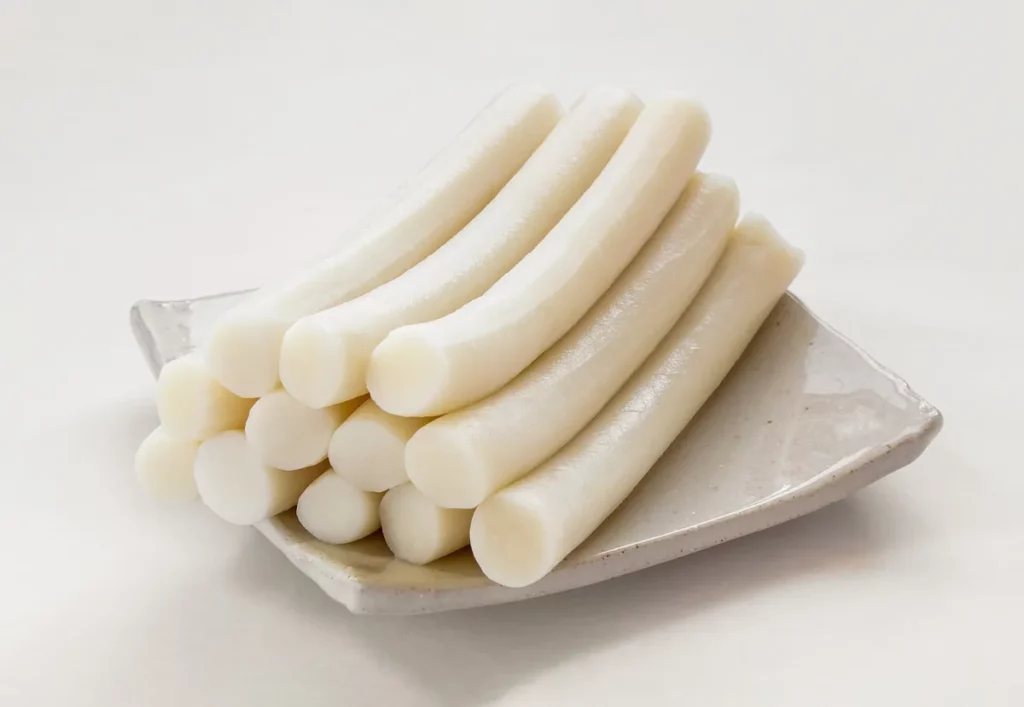
The rice cakes’ mild flavor makes them perfect flavor sponges, absorbing the spicy-sweet gochujang sauce while maintaining structural integrity. Their chewiness provides satisfying textural contrast against softer ingredients like fish cakes, creating that addictive quality that makes tteokbokki so compelling.
Gim: Korean Seaweed
Korean seaweed (gim) sheets used for kimbap differ slightly from Japanese nori, typically featuring a glossier appearance and slightly different mineral content from Korean coastal waters. The seaweed provides subtle ocean flavor, satisfying crunch, and impressive nutritional benefits—high in protein, iodine, and vitamins A and C.
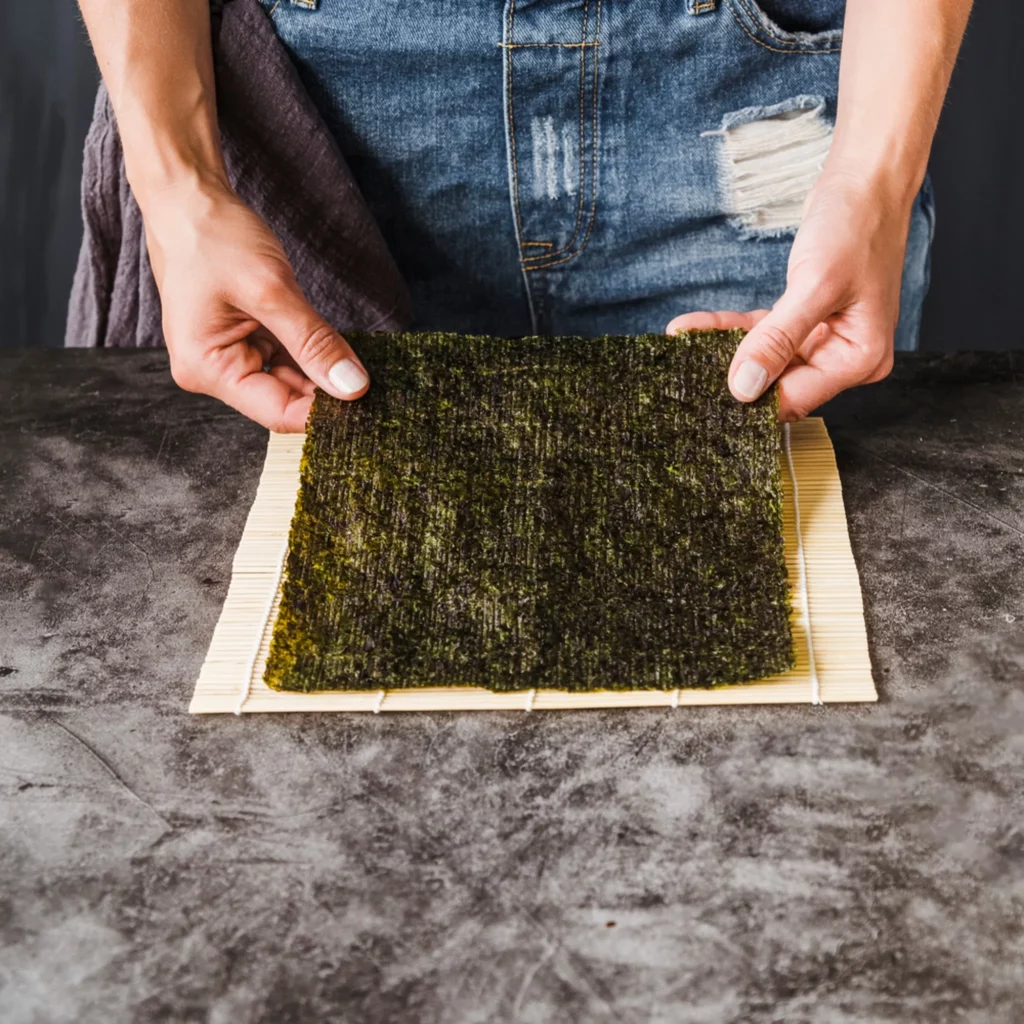
Properly prepared gim maintains crispness even after rolling, contributing essential textural contrast to kimbap’s soft rice and vegetables. The tradition of brushing gim with sesame oil before use adds nutty depth that complements rather than overwhelms the other ingredients.
How Would You Describe the Taste and Spice Level?
Durumi Bunsik’s flavor profile centers on the Korean concept of "maekom" (매콤)—the perfect marriage of spicy and sweet that characterizes much Korean cuisine. The tteokbokki registers around 6-7 on a 10-point spice scale, delivering noticeable heat that builds gradually rather than overwhelming immediately. The sweetness from sauce sugar and rice syrup tempers the gochugaru’s fire, creating a more approachable experience than hardcore street vendor versions.
The primary taste notes include:
- Umami depth from fermented gochujang and anchovy stock
- Sweet complexity from caramelized sugars and rice fermentation
- Gentle heat that tingles rather than burns
- Savory richness from sesame oil and fermented soybean undertones
The dakgangjeong skews sweeter, with spice playing a supporting role. The glaze delivers sticky-sweet coating with just enough gochugaru heat to prevent cloying sweetness. The kimbap provides a refreshing counterpoint—savory and nutty from sesame oil, with bright vegetable crunch and mild pickle tang from danmuji.
Temperature plays a crucial role in the experience. Tteokbokki arrives piping hot, with the sauce still bubbling. The heat intensifies flavors while softening the rice cakes to ideal chewiness. As dishes cool, flavors mellow slightly—some diners prefer letting tteokbokki rest a minute before diving in, allowing the sauce to thicken and the heat to become more manageable.
What Should First-Time Eaters Know?
Proper Eating Techniques
Korean bunsik involves specific eating conventions that enhance enjoyment. For tteokbokki, use chopsticks to grasp individual rice cakes, allowing excess sauce to drip off before bringing to your mouth. Take small initial bites to gauge heat level—the dish gets spicier as you eat because the chili oils accumulate on your palate.
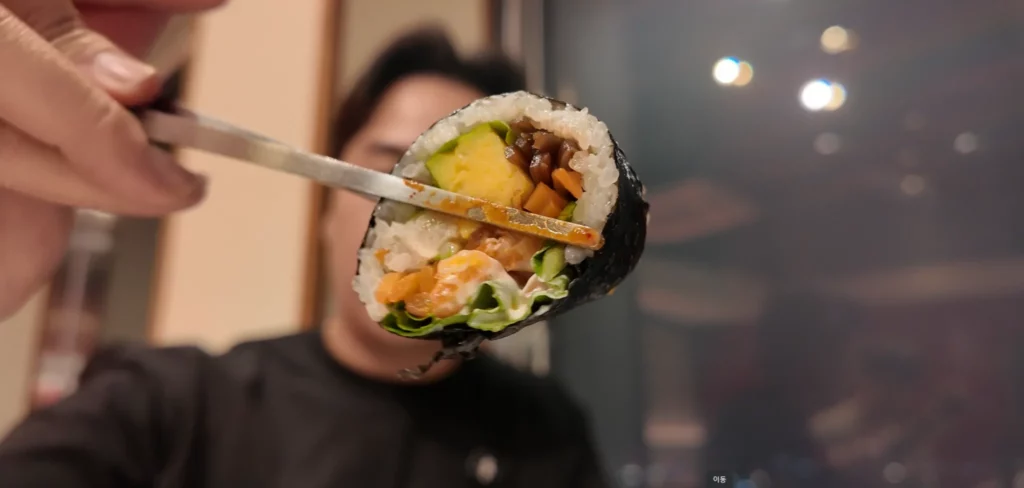
Kimbap should be eaten whole rather than bitten in half, allowing all ingredients to combine in your mouth simultaneously. If the piece is too large, accept that your mouth will be quite full—this is perfectly acceptable in casual Korean dining contexts. The banchan (side dishes) accompanying your meal serve as palate cleansers between bites of spicy food.
Cultural Context
Bunsik dining traditionally involves sharing multiple dishes placed in the table’s center, with each diner using chopsticks to take from communal plates. At Durumi Bunsik, individual orders are more common given the tourist-heavy clientele, but sharing remains encouraged. Don’t be surprised if solo diners at neighboring tables order multiple items to sample variety—this reflects authentic bunsik culture.
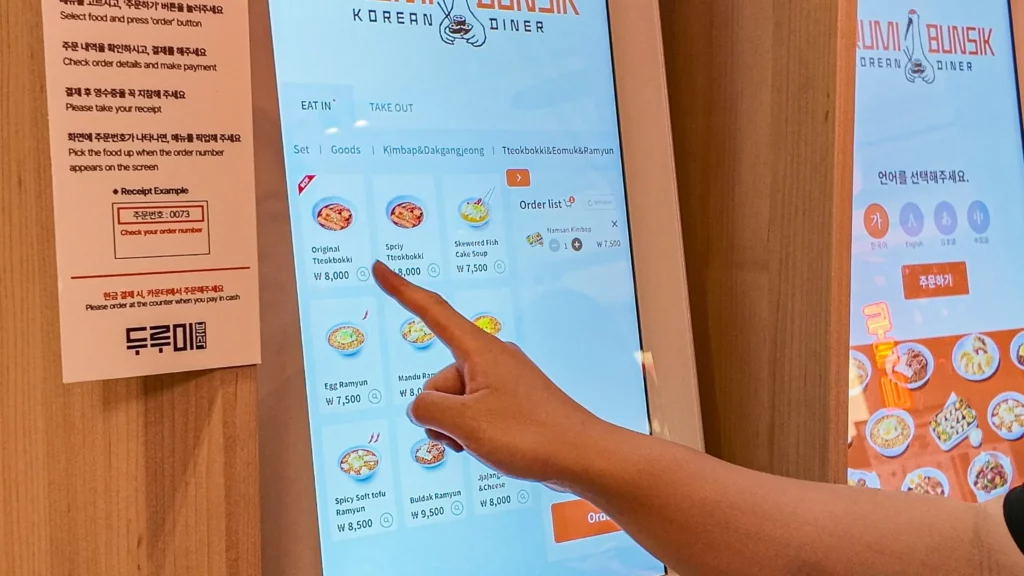
Korean dining etiquette dictates finishing what you order, as leaving substantial food waste is considered disrespectful. If uncertain about portion sizes, start conservatively—you can always order more. The self-service water and utensil station means you’re expected to fetch your own water and additional chopsticks as needed.
Heat Management
For spice-sensitive palates, request "less spicy" (deol maepge) when ordering, though be aware the kitchen may have limited ability to adjust prepared sauces. Dairy helps neutralize capsaicin better than water—consider ordering a beverage with milk content if heat becomes uncomfortable. The accompanying cabbage pieces or radish cubes provide immediate relief between bites.
Visiting N Seoul Tower: Location and Access
N Seoul Tower stands atop Namsan Mountain at 105 Namsangongwon-gil, Yongsan-gu, Seoul. The tower itself rises to 236.7 meters, with Namsan’s 243-meter elevation placing the observation deck at 479.7 meters above sea level—providing those spectacular views that make Durumi Bunsik’s location so special.
Transportation Options
Namsan Cable Car: The most scenic approach involves the Namsan Cable Car, departing from the base station near Myeongdong. The 3-minute ride costs approximately ₩15,000 round-trip for adults, delivering you directly to the tower plaza where Durumi Bunsik is located. Expect queues during weekends and holidays—arriving at opening time (typically 10:00 AM) minimizes wait times.
Namsan Oreumi (Elevator): Free circular elevator service connects various points around Namsan, including the tower area. These elevators run frequently during operating hours.
Bus Service: Yellow bus routes 02 and 05 circulate around Namsan, stopping near N Seoul Tower. The ride costs standard Seoul bus fare (₩1,500-₩1,800) and provides an economical alternative to the cable car.
Walking: Multiple trails ascend Namsan from different neighborhoods. The most popular routes start from Myeongdong, Namsangol Hanok Village, or near Seoul Station. The walk takes 40-60 minutes depending on your starting point and pace, rewarding hikers with forest scenery and graduated Seoul views.
Operating Hours
Durumi Bunsik typically operates daily from 11:00 AM to 10:00 PM, with last orders at 9:00 PM. These hours may vary during holidays or special events. The restaurant occasionally closes for private events or maintenance, so checking N Seoul Tower’s official website before visiting prevents disappointment.
The tower itself maintains longer hours, with observation decks open until 11:00 PM on weekends (10:30 PM weekdays). This timing allows you to dine at Durumi Bunsik before ascending to the observation deck, maximizing your visit by experiencing both the culinary and visual offerings in one trip.
Pricing and Value: Is It Worth the Tower Premium?
Durumi Bunsik’s pricing reflects its premium location while remaining more accessible than the tower’s upscale restaurants. Typical prices include:
- Tteokbokki: ₩12,000-₩15,000 ($9-$11 USD)
- Kimbap: ₩7,500-₩9,000 ($5.50-$7 USD)
- Ramyun: ₩8,000-₩12,000 ($6-$9 USD)
- Dakgangjeong: ₩16,000-₩18,000 ($12-$13.50 USD)
- Combo sets: ₩18,000-₩25,000 ($13.50-$19 USD)
These prices run approximately 50-80% higher than neighborhood bunsik shops but significantly lower than the tower’s fine dining establishments like N.Grill. The premium reflects not just location but also quality ingredients, portion sizes, and that panoramic view—factors that most diners find justify the cost.
A satisfying meal for one person typically costs ₩15,000-₩25,000, while couples sharing multiple dishes might spend ₩30,000-₩40,000. Compared to paying separate observation deck admission (₩21,000 for adults) plus eating elsewhere, dining at Durumi Bunsik offers reasonable value, especially if you enjoy the meal while appreciating the view before deciding whether to visit the paid observation areas.
Payment options include cash and all major credit cards. No reservation system exists—seating operates on a first-come, first-served basis. During peak lunch hours (12:00-1:30 PM) and dinner times (6:00-8:00 PM), expect 15-30 minute waits for tables, particularly on weekends. Off-peak dining ensures immediate seating and more leisurely enjoyment of the view.
Perfect Pairings: Creating Your Ideal Bunsik Meal
The art of Korean bunsik dining involves combining complementary dishes that balance flavors, textures, and spice levels. Based on Durumi Bunsik’s menu and traditional Korean eating patterns, these combinations maximize satisfaction:
The Classic Duo: Tteokbokki + Kimbap This timeless pairing provides everything a bunsik meal should offer. The spicy, saucy tteokbokki contrasts beautifully with mild, refreshing kimbap. The kimbap’s vegetables and pickled radish cleanse your palate between bites of fiery rice cakes, while the combination ensures both substantial carbohydrates and varied textures.
The Comfort Set: Ramyun + Dakgangjeong When craving maximum warmth and satisfaction, this duo delivers. The hot, spicy ramyun broth warms you thoroughly, while the crispy-sweet dakgangjeong provides textural contrast. The chicken’s sticky coating and the noodles’ soup both offer different expressions of Korean spicy-sweet flavors, creating a harmonious but varied meal.
The Snack Sampler: Tteokbokki + Eomuk + Dakgangjeong For groups or adventurous solo diners, ordering these three dishes creates a complete bunsik experience. The fish cakes add savory depth, the tteokbokki brings spicy intensity, and the dakgangjeong contributes sweet richness. Shared family-style, this combination lets you sample multiple Korean snack food traditions in one sitting.
Beverage Pairings Traditional Korean beverages complement bunsik exceptionally well. Sikhye (sweet rice drink) provides cooling sweetness that balances spice. For adults, Korean beer (maekju) offers crisp refreshment that cuts through rich flavors. Green tea or barley tea (boricha) serves those avoiding alcohol while still providing authentic Korean beverage pairing.
The View Makes the Difference: Dining with Seoul’s Skyline
What elevates Durumi Bunsik from just another chain restaurant to a memorable dining experience is the spectacular setting. Floor-to-ceiling windows frame Seoul’s urban sprawl, with the cityscape extending to distant mountains on clear days. The view transforms throughout the day, offering different atmospheres for breakfast, lunch, and dinner service.
Daytime Dining reveals Seoul’s vast scale—the dense apartment complexes of Gangnam stretching south, the historic Gyeongbokgung Palace compound visible to the north, and the Han River snaking through the city like a silver ribbon. On exceptionally clear days, you can spot Bukhansan National Park’s craggy peaks in the far distance. The bright natural light makes this optimal timing for photography enthusiasts wanting both food shots and cityscape backgrounds.
Sunset Hours (approximately 5:30-7:00 PM depending on season) provide the most dramatic views. The setting sun paints Seoul’s buildings in gold and orange hues while the city lights begin twinkling on. Securing window seats during this golden hour requires arriving early—many visitors specifically time their tower visit to catch sunset.
Evening Dining showcases Seoul transformed into a glittering sea of lights. The illuminated Han River bridges create geometric light patterns, while the vertical neon signs of Gangnam’s shopping districts pulse with color. Night dining pairs perfectly with spicy tteokbokki—the cozy indoor atmosphere contrasts with the vast, glittering city beyond the windows, creating an almost dreamlike experience.
The view doesn’t just enhance the meal visually—it fundamentally changes the dining experience. Simple bunsik eaten at a pojangmacha stall provides quick satisfaction. The same dishes enjoyed while gazing at Seoul from 480 meters creates lasting memories that extend far beyond taste alone. This transformation of casual food into an event justifies Durumi Bunsik’s premium pricing and secures its position as a must-visit destination for Seoul tourists.
When to Visit: Timing Your Durumi Bunsik Experience
Strategic timing maximizes your Durumi Bunsik visit by balancing crowd levels, view quality, and overall N Seoul Tower experience.
Weekday Lunch (11:30 AM-1:00 PM): Moderate crowds with mostly local office workers grabbing quick lunches. The daytime view showcases Seoul clearly, and service moves efficiently. Budget 45-60 minutes total including ordering and eating.
Weekday Afternoon (2:00-4:30 PM): The absolute best time for a leisurely meal with minimal crowds. Afternoon light provides excellent photography conditions, and you’ll easily secure window seats. Perfect for travelers on flexible schedules who want to maximize the view experience without rushing.
Weekend Mornings (11:00 AM-12:00 PM): Beat the weekend crowds by arriving at opening time. Early birds enjoy fresh-prepared food and empty dining rooms, though you’ll miss the evening lights. Works well if you plan to explore other Namsan attractions afterward.
Sunset Hours (5:30-7:00 PM): The most coveted time slot attracts significant crowds, particularly during spring and fall when mild weather encourages tower visits. Arrive 30-45 minutes early to secure window seating. The golden hour light and transition to city lights create magical atmosphere despite the crowds.
Late Evening (8:00-9:30 PM): Fewer families with children, more couples and young adults. The full night view sparkles impressively, and service pressure decreases as the kitchen prepares to close. Last orders typically around 9:00 PM mean you can linger while enjoying the nightscape.
Seasonal Considerations: Spring (April-May) and fall (September-October) offer ideal weather for the full N Seoul Tower experience—comfortable temperatures for walking Namsan trails, clear skies for views, and pleasant conditions. Summer can be hot and hazy, reducing view clarity, while winter cold demands bundling up but delivers crisp visibility on clear days. Winter also means earlier sunsets, allowing you to catch twilight views during earlier dinner hours.
Experience the perfect blend of authentic Korean street food and Seoul’s most spectacular views at Durumi Bunsik in N Seoul Tower. Whether you’re craving soul-warming tteokbokki after hiking Namsan’s trails or seeking an Instagram-worthy Korean dining experience, this modern bunsik restaurant delivers unforgettable flavors against an unforgettable backdrop. Plan your visit during off-peak hours for the most comfortable seating, but whenever you arrive, you’ll discover why Durumi Bunsik has become an essential stop on any Seoul food journey.

Location
105 Namsangongwon-gil,, Yongsan-gu, Seoul, KR
Reviews
5.0
0 reviews
5
0%
4
0%
3
0%
2
0%
1
0%
Loading reviews...
Related Recipes

Rice
Aged Kimchi Tuna Gimbap
Few dishes capture the essence of Korean culinary ingenuity quite like aged kimchi tuna gimbap. This remarkable seaweed roll transforms...

Recipe
Tuna Nude Gimbap
There’s something undeniably captivating about slicing through a tuna nude gimbap and revealing that beautiful cross-section: glistening rice on the...

Rice
Spiral Gimbap
When you slice through a roll of spiral gimbap and reveal that mesmerizing tornado pattern spiraling through colorful layers of...


Pasta
Italy Guksi Seongsu: Korean-Italian Fusion Pasta
Seoul, South Korea 3F, 18-1 Wangsimni-ro 8-gil, Seongdong-gu,
5

Korean BBQ
Seoul's Hidden Gem: Sosohan Scenery's Spicy Steamed Eggplant in Buam-dong
Seoul 75 Jahamun-ro 40-gil, Jongno-gu,
5

Bossam
Janggun Bossam Jokbal Korean Steamed Pork
29 Saechang-ro 45-gil, Yongsan District, Seoul, South Korea 1st floor
5